
Translated material
"He would like to become a modern dickens"
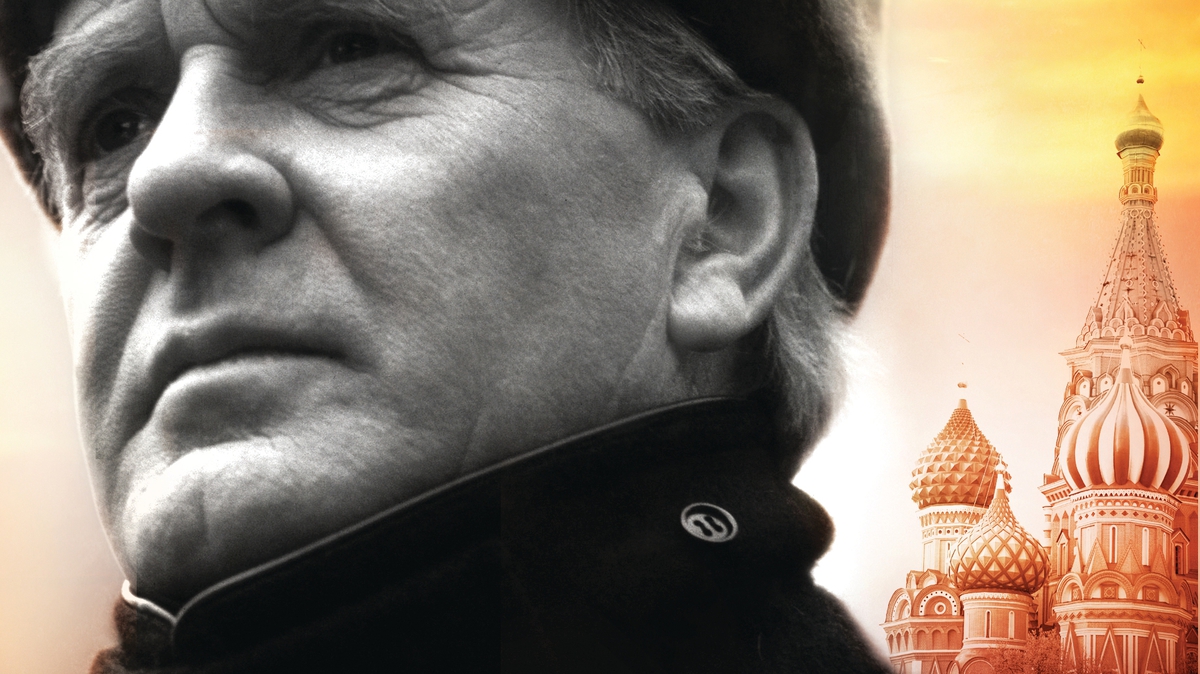
The secret life of the author of the espionage thrillers John Le Carre
In the UK, the biography of the famous author of the spy thrillers John Le Carre - John Le Carrer. The Bioography was published and immediately became a bestseller. Its author is a British writer and literary critic Adam Sisman.
The true name of John Le Carre - David John Moore Cornwell. He was born on October 19, 1931 in a pool, the county of Dorset, in the family of a businessman. I studied modern languages at universities of Oxford and Bern. He taught French and German in the end. In 1963–64 he served in the Ministry of Foreign Affairs, held the posts of the second secretary of the British Embassy in Bonn and the Consul in Hamburg. These positions were the diplomatic cover of his service in British foreign intelligence MI6.
John Le Carre is the author of 23 novels, including "A spy that came from the cold" (1963), "In one German town" (1968); "Spy, go out!" (1974); "Little drummer" (1983); "Panama tailor" (1996); "True Gardener" (2001), "The same traitor as us" (2008); "Delicate truth" (2013). In 14 of his novels, film and television films were removed. Lives in London and Cornwall.
The monumental biography (650 pages) of one of the most popular writers of our time (his books were translated into almost forty languages) not only a major literary event in the UK (reviews appeared in all national newspapers), but also gave rise to a pretty boom in the book market. The Bloomsbury Publishing House, which once caused a global book storm, published a biography of Le Carre, releasing Joan Rowling about Harry Potter. So the grandiose commercial success of the book of Adam Sisman is well calculated and inevitable. It was published on October 19 - on the writer's birthday; On this day he turned 84. Interest in the biography of Le Carre is also heated by well -known scandals arranged several years ago by a writer who blocked two attempts to publish his biography by two other authors. Adam Sisman, by some miracle, managed to enter into confidence in the object of his research. He wrote a book for five years. During this time, he accumulated 50 hours of interviewed with David Cornwell recorded on a tape recorder. Sisman writes that "John Le Carre does not exist. This name is a man’s mask named David Cornwell. This is something like a coden name of the intelligence officer." Sissman first looked at this mask. In his book, he calls Le Carre only David - the biographer became a confident of one of the most "closed", living in isolation from the British literary circles of the writer. The conversations that Adam Sisman led with Le Carre often continued all day with a short break for lunch. The writer’s house in the picturesque London district of Hampstead, where these conversations took place, for a long time became a service place for his biographer. Le Carre at his disposal of his archive, allowing him to interview his wife and four sons from two marriages. So the basis of the biography of the famous writer is not only archival materials, opinions of relatives, friends, comments of literary colleagues and critics, but also the revelations of David Cornwall himself. The main advantage of the book by Adam Sisman in the complete absence of apologetics and complimentary pathos. The author often argues with the opinions and reasoning of Le Carre, casts doubt on the reliability of his memory, does not hide the difficult and alienated from modern Britain the character of the writer, insists that he tries to solve his own complexes, psychological and moral problems in his novels. In an interview with Radio, Freedom Adam Sissman describes his personal impressions from a person whom he seems to him, he studied well.
- This is a very complex personality. On the surface, he can be the most charming person that you have ever met: flexible, benevolent, witty and highly well-borior interlocutor. However, in reality, as I found out, a completely different person is hidden under this layering - a person who, in the discord with himself, who is fighting with many internal conflicts who still experiences the ups and downs of a lonely childhood - especially the behavior of his mother - and who does not accept what is happening in the world now.
- Does this mean that the origins of the characteristics of his personality are rooted in his childhood?
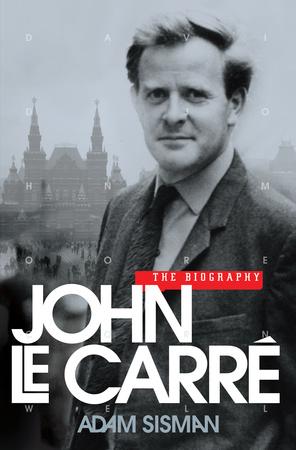
- As the poet said, "the child is the father of a man." These words of Wordsworth relate to all of us. Our characters are largely determined by the characteristics of childhood, its atmosphere. In the personality of David Cornwell, much is explained by his unhappy and lonely childhood. Of course, it was formed not only under the influence of childhood, he was influenced by studies in Switzerland and the intelligence service. The post -war period has changed a lot in it, even physically it constantly changed. David loves to quote Graham Green, who noticed: “Childhood is a negative part of the writer’s life balance”, which means that the more unhappy childhood, the richer the positive part of the balance is the thematic and emotional baggage of the writer. I think that if David had a happier childhood, he would probably not be such a brilliant writer, and perhaps he would not at all become a writer.
- You write that, despite the enormous writer's popularity, as the man Le Carre remains behind seven seals. Why?
- This is partly explained by the fact that he carefully protects his private life: he does not like the literary community, shows the establishment, avoids parties and other collective gatherings. Here is the last example: yesterday I arranged a party about the publication of his biography and invited David. I suspected that he would not come, because he never goes to such social events, and he, of course, did not come. He regularly changes the phone number, always distances from any community, even from the British society as a whole. In the past, he rejected all the attempts of the crown to verify his title or title. David does not want to be part of the public mainstream, he wants to be "others." They do not know him, since he is a person with a double bottom. And all this is accompanied by the seething of passions under the outer surface of his personality.
- Concluding your book, you write that "David himself suggested that if he had not become a writer, he might have become a criminal." What makes him think so?
The Cold War for him was not so much the struggle of the West and East as the confrontation of ideology and a free personality
- The fact is that he grew up in a very criminogenic atmosphere. His father-businessman several times served in prison deadlines for fraud and led an absolutely obscene lifestyle. David was breathing this "criminal air." He was forced to spy on his own father, delve into his things and papers, even check his pockets. This atmosphere made him constantly lie. For example, during the war for boys, his age was very important what his father was doing: most children had their fathers at the front. And at this time, David’s father, Ronnie, was engaged in speculation and various kinds of fraud, using wartime for his own enrichment. David had to fantasize and tell his school friends that his father was a secret agent who was parachuted into the territory of Germany. He was ashamed to admit that his father was a swindler and a crook, knowing that the fathers of other boys were fighting and protecting their country from Nazism.
- Are the allegations of some critics that scout George Smilei - the main character of several novels Le Carre and the favorite of its creator - is almost a self -portrait of the spy of David Cornwall?
- David always endowed with his identity each character of his books. But it does not seem to me that this is a self -portrait. Of course, it cannot be denied that Smilei shares many ideas of his creator about the world around him, the Cold War, the profession of a scout and a situation in British intelligence. In particular, he shares David’s belief that absolutely innocent people often become victims of the struggle with communism that he leads, whose suffering is justified by a good goal. This idea was especially clearly realized in the novel "A spy that came from the cold." In fact, the image of Smilei is inspired by David’s colleague on “Intelligence Service” by John Bingham, but to a much greater extent, if we talk about his moral principles, he was written off from the personality of the teacher of history and priest Vivian Green, from whom David studied in Oxsford.
- In one of the interviews, John Le Carre said: "deep down, I'm a little German." What prompted him to say this?
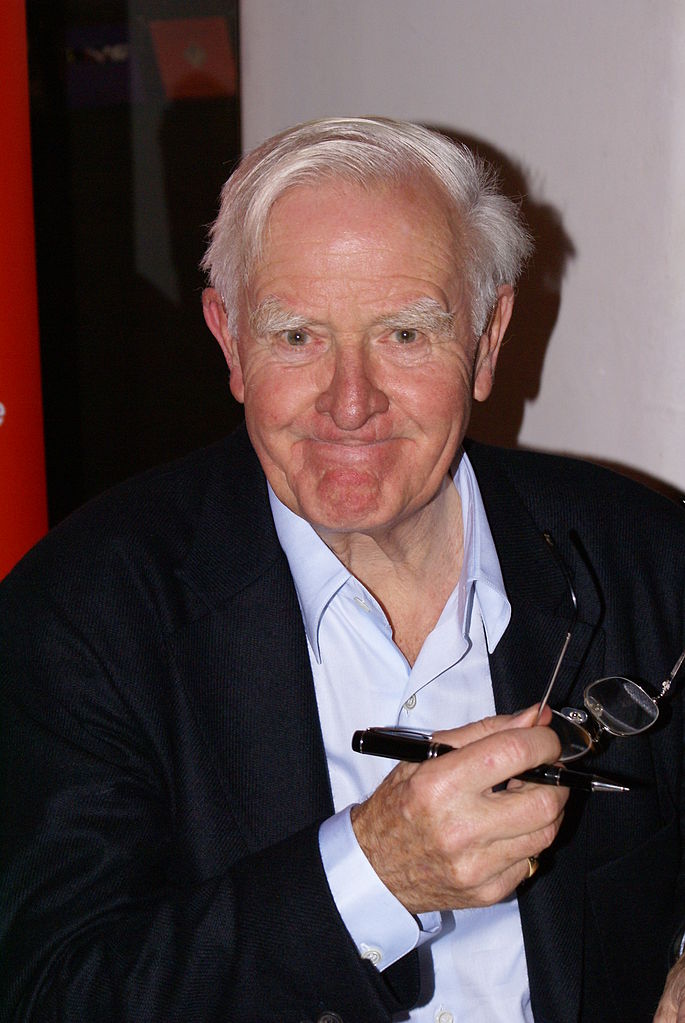
- From a young age, the author of these words was in love with German literature. As I said, the atmosphere in which he grew up, turned him into an outcast, a man alienated from his environment and school friends. This developed a deep sense of contradiction in him: "Everyone scolds the Germans, which means that they are not so bad." David already opposed the general opinion. On the other hand, at school he had a teacher who inspired him that, in addition to Nazi Germany, there was another Germany - the country of Schiller and Goethe, which had a huge impact on European culture. This opinion is especially strong in David’s soul while studying at the University of Berne, in Switzerland, where he studied German and literature. David told me that he never wanted to be one hundred percent Englishman, did not want to be a typical Englishman and answer all the criteria of his social class or profession. He always loved to be away from standard opinions and ideas. And this feeling in itself some part of the German identity brought him beyond the limits of the traditional circle of British life. I think it was very important for him.
“How would you describe the political beliefs of John Le Carre?”
He is affected by the Russian people, which, however, is accompanied by hostility to crimes committed by the state in the Soviet and post -Soviet periods
- From the very beginning, he adhered to temperate left beliefs. He always voted for the Labor Party, socialist in essence. On the other hand, he had no particular interest in politics. He always had extensive intellectual interests, which helped him get a job in MI5 and MI6. At the same time, he always showed a sharp hostility towards communism. I would say that David is a typical English liberal, hating any totalitarian ideology that overwhelmes the human person, whether Nazism or communism. During the Cold War, these beliefs were especially deepened. The Cold War for him was not so much the struggle of the West and East as the confrontation of ideology and a free person. These beliefs also manifested itself in the late period of his work, where he solves the problem of confrontation between the personality and the state suppressing it. After the Cold War, he said: "We defeated communism, and now we must end capitalism." He is not satisfied with the current order of things in the world where America dominates. David wrote several journalistic books criticizing the state of the modern world, in particular the suppression of the Russian state of the peoples of the Caucasus. Some of his novels are also devoted to this region.
- Did Le Carre have an interest in Russia? Did you talk to him about modern Putin's Russia?
-We talked about Russia, but not so much about Putin as about the Yeltsin-Russia of the 90s. David believes that Russia was too hastily switched to capitalism, turning into the likeness of the American Wild West of the 19th century, when people got huge wealth overnight, which was accompanied by a violent rise in criminal activity. It would not be surprised if he wrote another book about Russia, like his own Russian House. David generally experiences some instinctive affection for the Russian people, his fate cares, which, however, is accompanied by hostility to many crimes and evil committed by the state of both the Soviet and the post-Soviet periods.
- As far as I understand, Le Carre adheres to the philosophy of “The plague for both of your home!”, Beling in mind communism and capitalism. But do he have any alternative ideas? How would he like to replace them?
- Not sure that David himself could answer this question. One thing can be said: for him the independence of the personality, the freedom of its self -realization and, of course, the main humanitarian values are very important. I’m afraid that I can’t state some kind of slender political philosophy, if only for the reason that I doubt that he has it. David hates any ideology, any doctrinet. In the "Russian House" he demonstrates sincere sympathy for Russian people and genuine interest in Russian culture. He was especially attracted by the fact that in Russia, ordinary people who do not even belong to the intelligentsia read books and are interested in philosophical problems, which you practically cannot be found either in England or in America.
- But it does not seem to you that Le Carre Republican, like many English liberals, that he is not averse to eliminating the monarchy?
These books, written 50-60 years ago, we read now and will read in the future
- I never specifically spoke to him on this subject. However, once he was invited to the lunch to the queen in the Buckingham Palace and accepted the invitation. Nevertheless, I very much suspect that he would prefer the monarchy of the republic. I myself, frankly, are inclined to this. However, I do not think that this is so important for Britain. What, I think, we both are not acceptable is when people of left beliefs accept titles from the queen or erection to chivalrous dignity. I was especially struck by when one of our common acquaintances, a well -known playwright of left -wing beliefs, did not reject the construction in knightly dignity. It seems to me very strange.
- Le Carre repeatedly argued that the intelligence service was very weighed. What then made him serve there? By the way, in his novels, he very critically describes the methods of British intelligence.
- I think that sometimes he had to do things that did not cause joy and satisfaction. In his conversations with me, David never discussed the details of his work in the MI6 intelligence and the MI5 Security Service. When I wrote a book, I had to use other sources to get at least some information about it. So I became aware that he followed the people with whom he was on friendly relations. Part of his nature opposed this. He had to spy on his friends at Oxford University. I had to get acquainted with people by official need. Naturally, this caused him serious moral and mental torment. And still calls.
- And why did he refuse to meet with Kim Filby when he first visited Moscow in 1987?
I do not see the reason why a good book cannot be popular
- You should know about David one thing: despite the levip, it remains an English patriot. He understood that Philby had betrayed his country. He knew that on the conscience of Philby a huge number of issued and dead people. Filby was a soulless creature who made vile things. What is one Albanian operation, about which he conveyed to Moscow and thereby condemned hundreds of our agents and Albanian opponents of the communist regime for death. David told me that he could not treat Philby in a friendly manner. However, there is another explanation of this act. The fact is that in the minds of David Kim Filby he was a man whom he himself could become. Much of Filby reminded him of his own bifurcated life and his own secret thoughts: both of them belonged to the same social group, received a similar education, both had a father dominated in the family, both were alienated from those institutions where they brought up, studied and worked. Both felt outside of English society. David looked in Philby, like in a mirror. It seemed to him that he could well have been in his place. However, he did not make this choice.
- However, his beloved Graham Green met with Philby in Moscow and did not treat him as a traitor ...
-Yes, indeed, Green was seen with Philby in Moscow in the 80s. After all, Like, like David, did not last long in British intelligence, where his chief was precisely Filby. Regarding this visit, Green and David had a quarrel that I describe in my book. David did not approve his behavior. Green had completely different beliefs: he treated the Soviet Union with much greater sympathy than the United States.
- You write that Le Carre has a “ambiguous reputation” in his homeland. What do you want to say this?
- Le Carre occupies a unique and ambiguous place in modern British culture. Some of the critics claim that he is one of the largest among living writers. Another part considers it a secondary fiction. It is difficult to find a writer about which there were such polar opinions, especially a writer who writes for so many years. There is still no consensus about whether Le Carre can be called a serious and large writer.
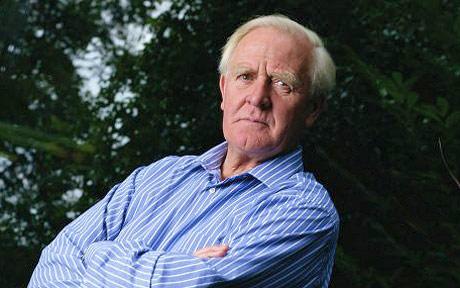
- And it does not seem to you that the literary establishment does not accept Le Carre for a serious writer only because of his immense popularity? And what exactly affects the ambiguity of his reputation?
- This, of course, is a problem. Indeed, the huge popularity of his books is influenced by criticism. В предисловии к своей книге я сравниваю Ле Карре с американским кинорежиссером Альфредом Хичкоком, который был настолько успешным режиссером, а его фильмы, на которые ломилась публика, были столь популярны, что критики не находили в них серьезного художественного содержания. Такое случается не только в кино, но и в литературе – в любом виде искусства. Считается, что если массам это нравится, то не может нравиться элите. Но я демократ и думаю, что и массы могут быть иногда правы. В любом случае я не вижу причины, по которой хорошая книга не может быть популярной.
– Критики спорят также о жанре романов Ле Карре. Что вы сами об этом думаете?
Писательство для него – насущная необходимость, род недуга
– Я бы назвал их жанр разнородным, смешанным. Конечно, романы Ле Карре – это прежде всего шпионские триллеры. Однако он использует шпионскую интригу и форму триллера для создания более глубокого и более всестороннего исследования человеческого характера и серьезных проблем человеческого существования, чем это принято в триллере. Его романы мало похожи на писания, скажем, Иэна Флеминга, которые наполнены мачизмом, гламуром и бездумными порханиями. Романы Ле Карре несут на себе признаки совсем других жанров; в них автор пытается понять и разрешить более глубокие конфликты, тайны и проблемы человеческого сердца и поведения: верности и предательства, честности и бесчестия, конформизма и индивидуальной свободы. Думаю, что Ле Карре можно в этом отношении сравнить с крупнейшими современными писателями, работающими в самых респектабельных жанрах. Кстати, многие его коллеги думают так же. К примеру, Филип Рот назвал роман "Шпион, пришедший с холода" лучшим английским романом всего послевоенного времени.
– Мне романы Ле Карре не кажутся равноценными. Вы знаете, конечно, что Грэм Грин делил свои книги на две части: на "развлечения" и на "романы". Может быть, и книги Ле Карре следует делить по этому же принципу?
– Нет, это гриновское деление неверно в своей основе. Если вы посмотрите на список книг, которые Грин причислил к разделу "развлечения", то обнаружите в нем книги, которые мы считаем его лучшими созданиями, такие как "Наш человек в Гаване", "Тихий американец". Эти книги, написанные 50–60 лет назад, мы читаем сейчас и будем читать в будущем. Конечно, некоторые романы Ле Карре лучше других, и у меня есть собственные предпочтения, которые не всегда совпадают с оценками других критиков. О писателе следует судить по его лучшим, а не худшим книгам.
– Испытывал ли Ле Карре какие-либо серьезные литературные влияния?
Ле Карре будут продолжать читать прежде всего из-за глубокого и реалистичного показа подлинной природы человека
– Бесспорно, что он испытал серьезное влияние немецких романтиков. Впрочем, мне трудно об этом судить, поскольку я не читаю по-немецки и плохо знаю этих писателей. Когда я сегодня встретился с Дэвидом, то сказал ему, что считаю, что этот пробел в образовании дисквалифицирует меня как его биографа. На что он ответил, что вполне способен пережить мое невежество. Мне известно, что ему очень не хотелось бы находиться в тени Грэма Грина, который, конечно же, повлиял на него. Но есть писатель, который повлиял на него в большей мере, – это Чарлз Диккенс. Бальзак также оставил след в его книгах. Любопытно, что когда Дэвид около двадцати лет назад написал для американского журнала "Нью-Йоркер" очерк, близкий жанру автобиографии, он написал его в стиле диккенсовского "Дэвида Копперфильда". Диккенс – его ролевая писательская модель. Он хотел бы стать современным Диккенсом.
– Как вы оцениваете место Ле Карре в современной английской литературе?
– Думаю, что когда люди захотят понять, как англичане воспринимали послевоенный период, как жили и что чувствовали в эпоху холодной войны и распада Британской империи, они с неизбежностью обратятся к книгам Ле Карре, потому что их автор без прикрас повествует об этом. Место его книг в английской литературе определяется не только их художественным достоинством, но и неувядаемой актуальностью. Очень интересно в этом отношении обратиться к его роману "Шпион, пришедший с холода", написанному более 50 лет назад. Казалось бы, реальность зловещего режима ГДР и "железный занавес" канули в вечность, однако книга эта остается абсолютно современной из-за блестящего анализа человеческих отношений. Ле Карре будут продолжать читать прежде всего из-за глубокого и реалистичного показа подлинной природы человека.
– Вы отмечаете в книге, что писательство стало для Ле Карре чем-то вроде наркотической зависимости. Продолжает ли он писать и сейчас – в 84 года?
– Недавно он отказался продолжать писать очередной роман и уничтожил написанное. Ему не понравился уже написанный текст. Что мне в нем нравится, так это его перфекционизм, стремление писать все лучше и лучше. Интересный вопрос: что заставляет его писать в 84 года? Конечно, не деньги – он очень богатый человек и вполне мог бы в этом возрасте почивать на лаврах. Думаю, что писательство для него – насущная необходимость, род недуга. Уверен, что он продолжит писать до своего конца. Дэвид очень критично относится к себе. Не знаю, появятся ли его новые книги, думаю, что, скорее всего, появятся. При этом интересно, что, несмотря на столь солидный возраст, ему нравится посещать отдаленные и неспокойные регионы, что часто сопряжено с риском для здоровья и даже для жизни. Дэвид побывал в Конго, Руанде, Ливане, а ранее в Чечне, Ингушетии, Грузии. Похоже, что он ощущает себя репортером, стремящимся в горячие точки. Я особенно подчеркиваю в книге, что он очень часто идет на риск, на который большинство других писателей обычно не идут.
– Вы пишете, что исследовали практически все "этажи" жизни Ле Карре – "от чердака до подвала". Считаете ли вы, что теперь знаете все об этом человеке? Или же Ле Карре кое-что скрыл от вас?
– Кое о чем он мне не рассказал. Прежде всего, он ничего не рассказал об оперативных заданиях, которые выполнял во время службы в МИ6. Он отказался под тем предлогом, что в свое время обещал не раскрывать деталей работы в разведке и, кроме того, что не хочет подводить других людей. Что ж, это понятно и простительно. Честно говоря, мне известно многое о Дэвиде, что не вошло в книгу: в частности, многие подробности его частной, интимной жизни. Я знаю его довольно хорошо, знаю даже то, чего он сам о себе не знает. Казалось бы, биограф – посторонний человек, не друг, не родственник, однако он обладает возможностью узнавать об объекте своего исследования никому не известные вещи. В его работе есть элемент шпионажа. Иногда я ощущал себя шпионом, чуть ли не сотрудником Штази. Это Дэвид был шпионом, но мне временами казалось, что это я шпионю за ним.
– А вам не показалось, что Ле Карре немного романтик?
– Показалось, но не немного, а в огромной мере. You are absolutely right.
– Вы очень много общались с Джоном Ле Карре, записали 50 часов интервью с ним. Стали ли вы друзьями после этого?
– Не думаю, что мы стали настоящими друзьями. Я бы сказал, что мы просто относимся друг к другу по-дружески. Не думаю, что у него много друзей. Быть его другом совсем непросто. Но быть просто в дружеских отношениях тоже неплохо.
– Читал ли Ле Карре рукопись вашей книги до ее публикации? И если читал, какова была его реакция?
– Читал, и это было одним из условий нашего соглашения: я обязался предоставить ему первому рукопись книги, до ее прочтения редактором. Я передал ему рукопись, и он прочел ее дважды. После этого он прислал мне имейл на 22 страницах с двумястами пунктами, которые мне следует обдумать и исправить в рукописи. Правда, надо сказать, что большинство его замечаний были очень полезны, и я их использовал. С другими его поправками я не согласился; у нас возникли споры, я пытался объяснить ему, почему его замечания неприемлемы, на что он отвечал: "Почему ты веришь другим людям больше, чем мне?" На что я в свою очередь говорил, что его подводит память и что я лишь следую правде, как я ее вижу и как ее подтверждают документы и свидетели, и что эта правда не всегда совпадает с тем, как ее видит он.
– Известно, что Ле Карре отверг две попытки написать его биографию в основном из-за описания интимных сторон его жизни. С помощью адвокатов он запугал их авторов и заблокировал эти издательские проекты. Как вам удалось заручиться его доверием?
– Мы много раз обсуждали эту проблему. Когда вы пишете об этой стороне жизни человека и при этом находитесь в дружеских отношениях с его семьей, с женой, детьми, родственниками, которых вам не хочется расстраивать, вам приходится идти на компромисс. Я должен был придерживаться правды в условиях, когда у меня сложились доверительные отношения и с Дэвидом, и его семьей. В этих обстоятельствах мне не оставалось ничего другого, как писать правду, не вдаваясь в интимные подробности и не называя имен. Думаю, что большинство читателей согласится с тем, что это единственный приемлемый способ писать биографию живущего писателя. Я намерен написать дополнение к этой книге, которое будет опубликовано после кончины Дэвида, если он оставит этот мир раньше, чем я. В нем я изложу все известные мне деликатные детали его биографии. Ле Карре продолжает жить и писать, в его жизни происходят новые события. Уже после того, как книга была опубликована, мне стали известны новые детали его жизни, о которых я не упомянул. Даже сегодня утром я узнал об очень интересном факте из его жизни, о котором не могу пока рассказать, за что прошу заранее меня извинить.