
Translated material
Interlunation 6: hidden radio

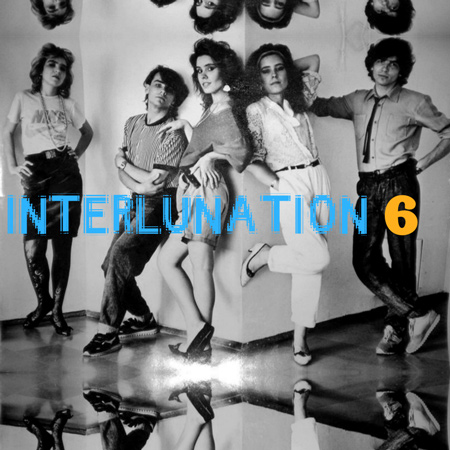
The journalist, Meloman and DJ Tagir Vagapov launched in 2009 a series of podcasts of Interlunation, which studied rare late-Soviet and post-Soviet New Wew, post-Punk and electronics. But along the way, adjacent genres also dug up: from a completely official stage to aspid Noisa and Free Jazz. The new, sixth in a row, the issue of Interlunation, which is represented by COLTA . Ru , is the same cocktail from a variety of local oddities, except in it, it seems, slightly more pop music.
Tagir Vagapov
In this issue of Interlunation, all about the same as in the previous parts of the series: there are a variety of documents of the late Soviet and post-Soviet eras, from a large stage through a naive orphaned disco and cope-based minimal synt to the manifestations of a post-cut. Read more about the material under study a lot is said in the publications about past collections .
That it does not get tired of surprising when working on each of the issues of Interlunation is truly bottomless deposits of these films recorded throughout the former USSR, from capitals to small closed cities. If in 2009, when I made the first two parts, all this seemed to some separate artifacts, which are not so much, you just have to dig, then digitized archives that continue to appear on the trackers, in the thematic publics of VKontakte and the Accounts of the Living Journal, are already drawn to terabytes and a cultural layer of no less density than, say, California Rock of the sixties or gloomy electronics of the Benilyux countries from the Cold War. Given the size of the homeland, it would seem, there is nothing to be surprised, however, the restlessness and artisanalness of this material, as well as often almost complete lack of information about individual artists, not so long ago, did not allow this puzzle even unconditional experts who made a boom of musical samizdat.
However, according to tradition, the Interlunation contains not only the music of the hidden, but also quite folk groups and pop artists. In addition to the idols of generations, whose songs are still singing in crossings, there are unexpected manifestations of the heroes of school discos of the nineties, and an excerpt of an alarming audio performance of the production center of the Termen Center for the work of Veliir Khlebnikov, and the oak collective farm punk rock about Bashkiria and Syria, and the witty parody of the drawing of the GRUV, and the Zamogolny reggae, and not lost the regional reggae, and not lost The relevance of the early Estonian techno, and the provincial electro-pop with aplomb, and the Turkmen Sint-POP, not without direct borrowings from overseas radiochites, and the hello scattered throughout Russian cinema of the same years. I hope you have become curious, and I hope to justify this curiosity.