
Translated material
Poverty does not matter
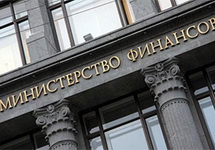
Reducing real salaries will help increase Russia's competitiveness and balance the country's economy. This was stated by Deputy Minister of Finance Alexei Moiseev, RBC reports . The official admitted that the living standards of Russians will decrease.
Earlier, salaries in Russia grew faster than labor productivity, but now the situation is changing, Moiseev noted. According to him, due to the non -relief of salaries, inflation in the country will not grow so fast. " The deputy head of the Ministry of Finance believes that by 2017 it can be reduced to 4 percent.
However, the negative consequences are inevitable. “We will encounter a decrease in living standards. We plan a very limited indexation of state pensions, and the private sector holds back the growth of salaries,” Moiseev emphasized.
On November 19, Rosstat said that in October, the real salary in Russia fell by 10.9 percent in annual calculus, and in general in 10 months it decreased by 9.3 percent. The real disposable cash incomes of Russians decreased by 5.6 percent compared to October last year.
In general, in January-October, the incomes of the population in real terms were reduced by 3.5 percent. In 2014, income decreased by 0.7 percent compared to 2013. In 2013, an increase of 4 percent was recorded.
In nominal terms, the average per capita income in October amounted to 31 thousand rubles (an increase of 7.2 percent in annual terms). The average salary in October, according to the preliminary data of Rosstat, amounted to 33.2 thousand rubles. Compared to October 2014, it increased by 3 percent.
On November 27, the Ministry of Economic Development reported that retail turnover in October was reduced by 11.7 percent over the same period last year. The decline in turnover occurred against the backdrop of a reduction in real wages, rising prices for goods, reducing lending to the population with banks and the transition of the population to the savings model of consumption, the mayor believes.
The refusal of an increasing number of Russians from the purchase of goods “not of the first necessity” entails a reduction in production volumes in the most depending on consumer demand industries. For example, in the first 10 months of this year, clothing production in Russia was reduced in annual calculus by 22.6 percent.
The situation additionally exacerbates the growth of unemployment. According to the mayor, according to the results of October, the share of the unemployed in Russia with the exception of the seasonal factor increased to 5.6 percent of the economically active population.