
Translated material
Argentine peso collapsed by almost 30% in one day
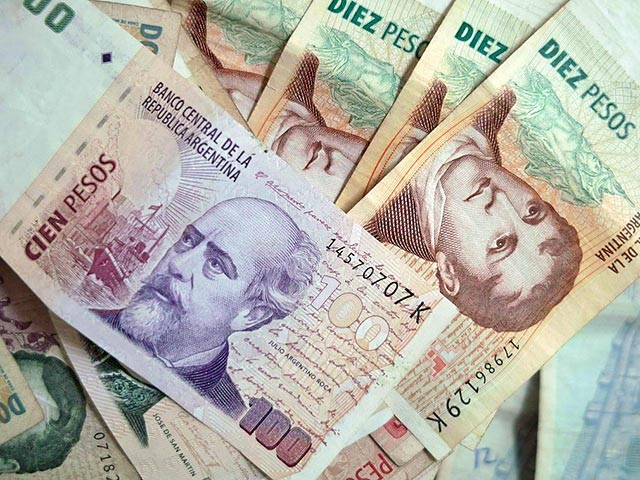
In Argentina, the most significant devaluation of the national vehicles in 14 years has been noted. Peso on Thursday collapsed to the US dollar by almost 30%. At the time of closing the trading, the rate amounted to 13.4 pesos per dollar, dropping by 27% compared to the previous day. During the session, he sank to 13.95 pesos per dollar.
To this, according to Interfax , led to the abolition of restrictions on the exchange of the Argentine national currency introduced in 2011.
The new President of Argentina Maurisio Makri, who won the election on November 23, fulfilled his promise, releasing Peso on free swimming from December 17. During the election campaign, Macri promised to remove restrictions on the exchange of currency.
Such a measure, according to the head of state, is a key part of the transformations necessary for attracting investments to the country that could revive the economy suffering from sluggish growth, close to 25% of inflation, as well as foreign currency deficiency.
Earlier, the Argentines had the right to officially exchange no more than 2 thousand per month and had to receive a document indicating where the exchange was made. There were two exchange courses in the country: official (9.8 peso/1 at the end of trading on Wednesday) and exchange for the black market (15 peso/1). The new rules introduce a single course, which, as a result of devaluation, approached the "black" rate.
The devaluation of Peso also carries certain risks, in particular, it can increase inflation and cause a negative reaction in society due to the reduction of population accumulations in dollar terms, experts say.
Argentina expects to attract from 15 billion to $ 25 billion over the next month to support her foreign exchange reserves.
The country's government has concluded an agreement with local exporters of agricultural crops, which will allow it to replenish foreign exchange reserves by $ 2.4 billion by the end of this year. On Monday, the country's authorities canceled export duties for grain, including wheat and corn, and also reduced the export of soybean by five percentage points.
The Argentina government also intends to convert part of the funds in the framework of the currency swap with China in an amount equivalent to $ 3.1 billion. In addition, the country's authorities are negotiating with Wall Street banks about attracting loans in the amount of about 10 billion.