
Translated material
Stay in the family
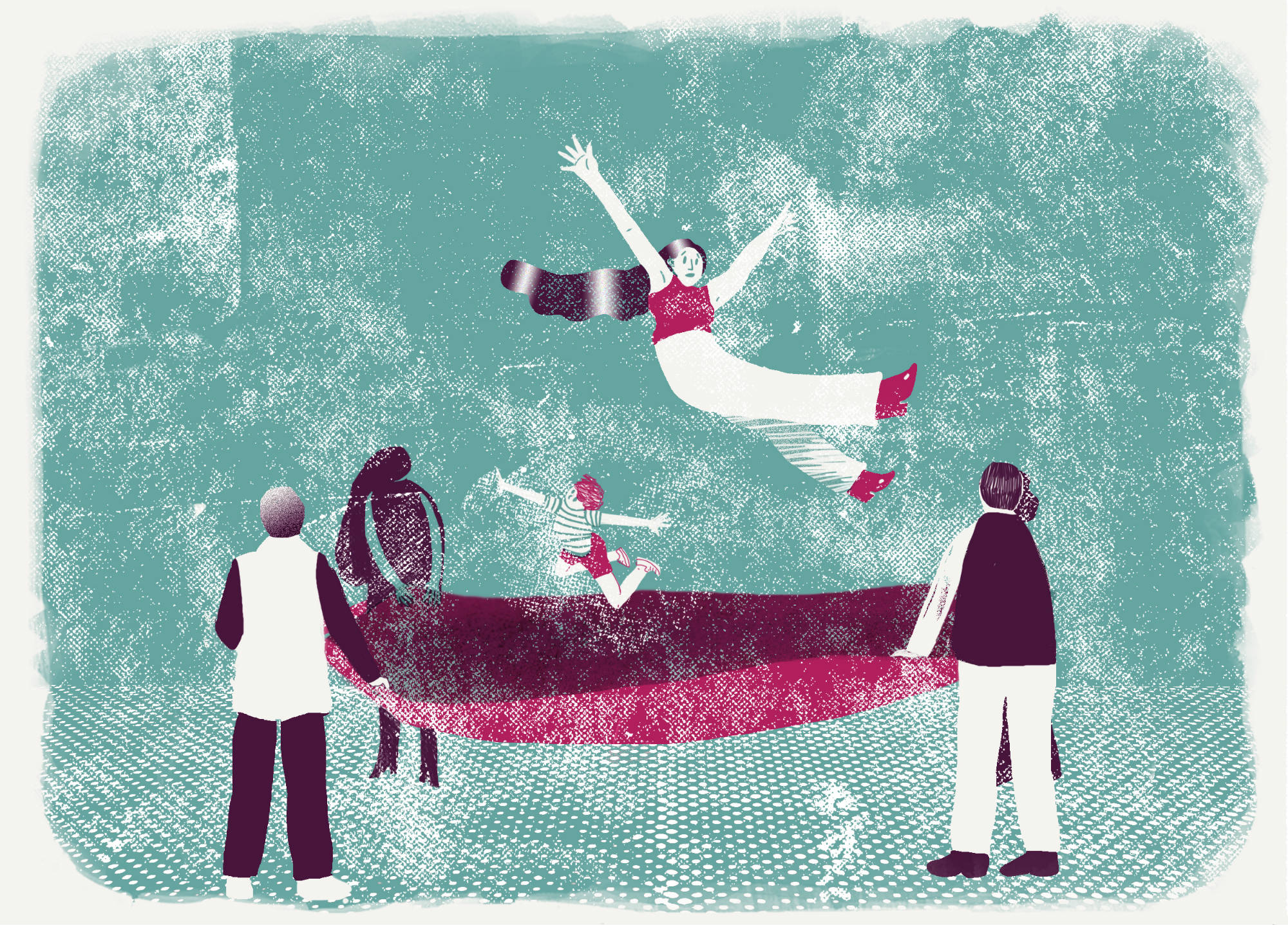
If the child lives in an orphanage, this does not always mean that he is an orphan, and he does not have parents. As a rule, there is. A child in an orphanage. Strange, isn't it? After all, if the child has a family, then he should be at home. And we can help.
We help children should live in the family gathered 817,670 r, you need 804 600 rThe collection of funds is over
Children can get into an orphanage from the so -called "dysfunctional family." In our imagination, pictures from the life of dropped alcoholics and drug addicts will certainly pop up. The meaning of the life of such parents is limited to a new dose or bottle, and their own children rather interfere with this desire.
There are examples of other families that fall into the category of dysfunctional. To avoid incorrect associations, we will call them families who have fallen into a difficult life situation. The poor, large, incomplete families - often all these factors together. There are no problems with drugs and alcohol, but there are others. There are so many problems that it is already impossible to get out on your own. Once the family falls into the sight of the guardianship authority. There is a risk of deprivation of parental rights. After which the child first awaits the shelter, and then the orphanage.
To avoid the removal of a child from the family, you need to do serious work to correct the situation. For several years now, in Nizhny Novgorod, such a work is carried out by the non -profit organization Children's Project. On average, from six to eight months, it is required to pull the child out of the orphanage and the family from the crisis situation.
Each family is assigned a social worker (aka curator) from the "children's project". It is his participation in the fate of the family that allows children to stay with his parents. The task of the curator, together with the family, develop a plan to get out of a difficult situation. To identify important areas, teach them to solve their problems. The curator attracts to the work of lawyers, psychologists, tutors, social teachers, volunteers. For families, educational and entertainment events are organized.
On average, from six to eight months, it is required to pull the child out of the orphanage Twisting this quote about his work the curator of “Children's Project” Anastasia Amplogova says: “All families are different. This happens when the family ceases to cope with the abyss problems that has fallen on it, and a circle of condemning, controlling and requiring from the family is closed around. At this turning point, it is extremely important for her to reach out and say: “Together we can handle, you are not alone, the children will remain with you.” It is very important to understand the causes of a particular difficult situation, together with the family to develop a plan and joint efforts, attracting the necessary resources (psychologist, lawyer, physician and others), overcome it. ”
Molokanovs
I saw Irina at an event on legal literacy, which was held by the "Children's Project". She seemed to me an absolutely closed person: she did not talk to anyone, answered the questions of the presenters and spent the whole meeting with an absent face. There was only one moment: one of her mothers came with a baby who was sleeping in a stroller. Suddenly the child woke up, cried, and his mother took him in her arms. Irina, who was sitting nearby, turned her head and for some time smiled very nicely and winked at this child. At that moment, she seemed to be distracted from all her troubles, and then returned to them again. Exactly a week later, curator Olga Zhukova and I came to visit her. I told her about my observations. Irina replied that she was sick, while adding: “I have a protective reaction. I myself was brought up in a boarding school. Both in the kindergarten and in the boarding school. "
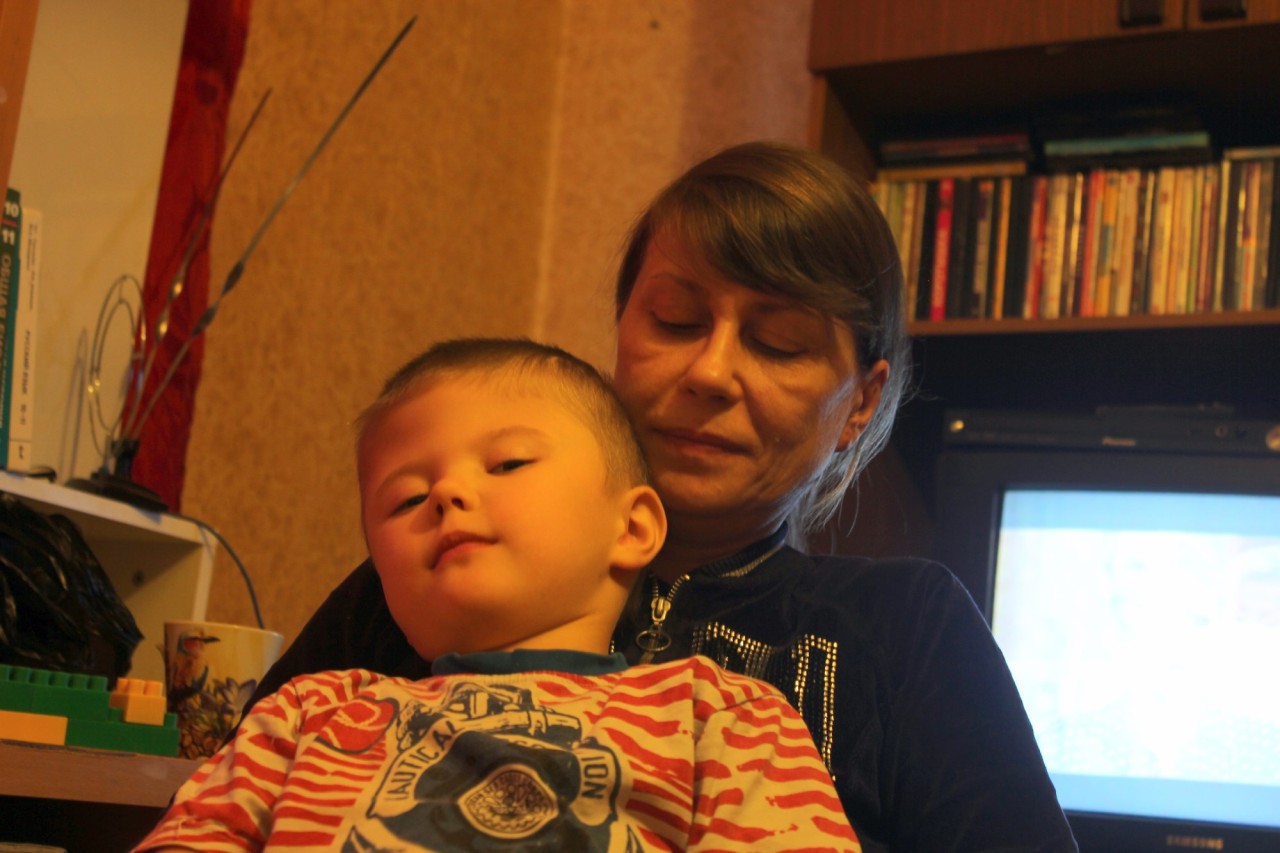 Irina and son Cyril. Photo: Sergey Bulgarin
Irina is 45 years old, and she has six children, four of them live with her mother: sixteen -year -old Sasha, twins Lisa and Katya - in December they will be 10 years old, and Little Cyril - he is five.
The eldest son and daughter live separately, and the son already has two of their boys. It was with him, with the elder, Irina was registered with the commission on minors. Since then, inspectors went to visit her in the morning. They wrote their acts: either the linen is not washed, then the floor is not smashed. And sometimes they advised where to turn for help. They advised to put the children to the shelter. For a while, while the problems are solved. “There were then a penny shops. I worked there in security. They began to be closed, and we were asked to quit. Naturally, there was no earnings. Katya and Lisa were three years old. During the time while I was looking for work, I became pregnant with Cyril, ”says Irina. She is forced to educate children alone. The first husband, the father of three older children, died. And the second, civilian, left them after the birth of Cyril. The boy was born with small deviations and an innate kidney disease. He needs to be constantly observed by the doctor. Irina at some point stopped taking him to the hospital.
By the age of 16, Sasha visited the shelter twice. First, one, and then with the sisters to follow them. Katya and Lisa lived here for about two years, being at home on weekends and holidays. Irina's daughters visited one of the visits to meet Natalya Eliseeva, the executive director of the Children's Project. Natalia at that time worked in this shelter and offered Irina help. Thus, the Molokanov family was one of the first wards of the “children's project” under the program “Healthy Family - Healthy Society”.
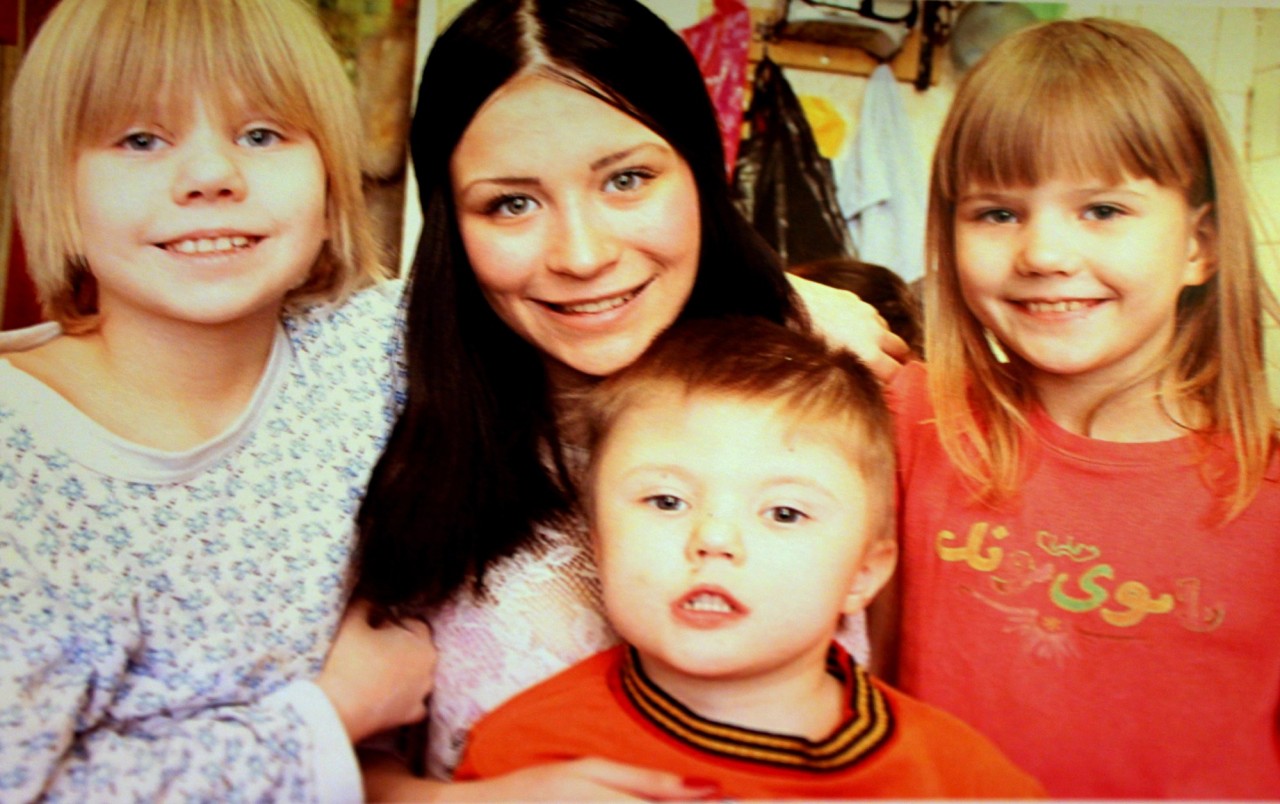 Sasha, Lisa, Katya and Cyril Photo: From the Personal Archive
In addition to the “children's project”, there was simply nowhere to wait for help. The eldest son needs to keep his family, and his daughter lives in a rented apartment, maybe only to sit with children or help with cleaning. Natalia worked for the first six months with her family, after which she handed over the baton to the curator Olga Zhukova. At first they helped inherit the grandmother's apartment. Then they carried out repairs in it: they repaired the failed floor, replaced the boiler, pushed the wallpaper. Irina passed a course of 10 trainings. The sisters were returned from the shelter, and now they go to school. Irina is working as a cleaner in the store. Cyril goes to kindergarten, and Irina regularly leads him to the doctor and buys the necessary medicines. Now, when everything is the most difficult behind, the family is in supporting mode: gets grocery bags, attend excursions and master classes.
After communicating with the lawyer of the “Children's Project”, Irina herself can defend her rights: “You will come to the administration, they begin to crush sharply. You begin to roar, you are falling in spirit. And now I know what rights I have, what can be obtained from the administration. ”
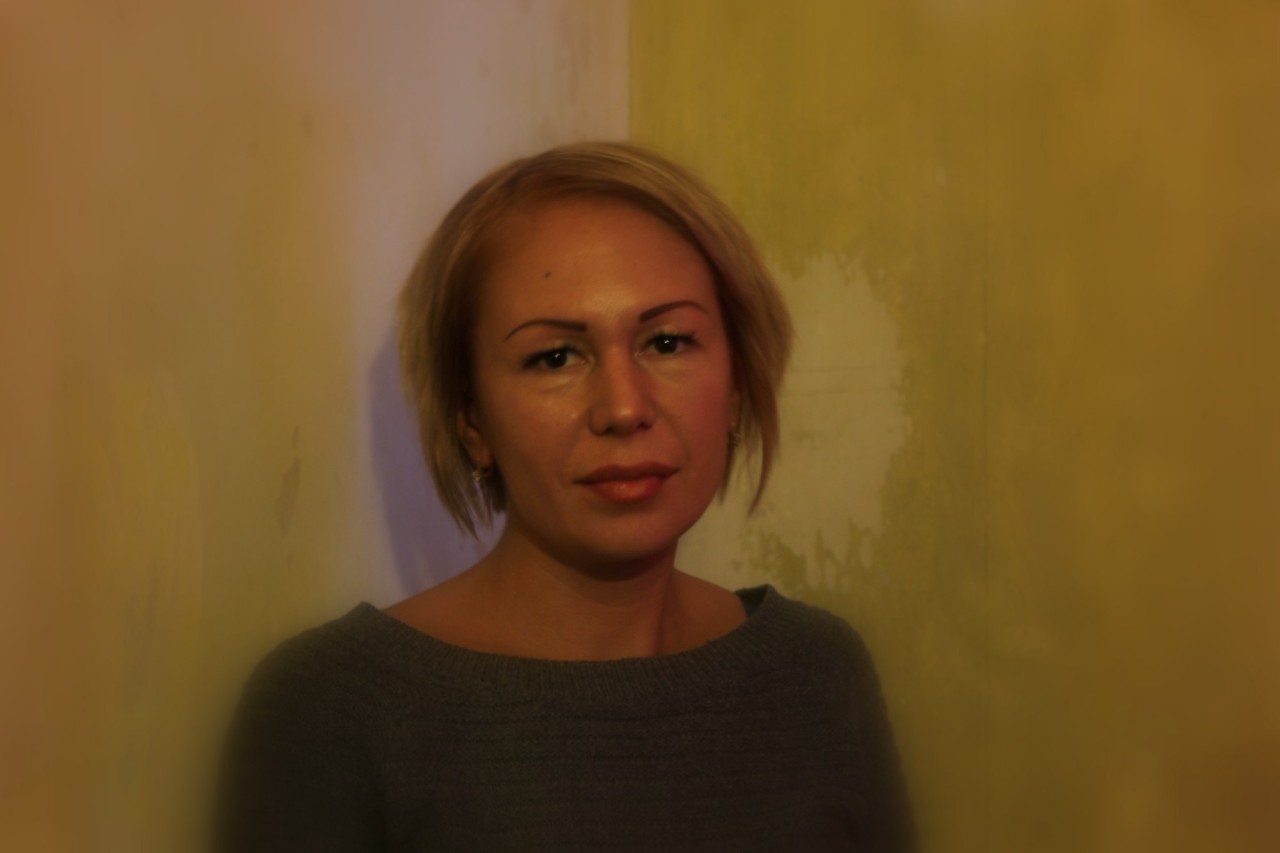 Olga Zhukova photo: Sergey Bulgarin
In a difficult situation, moral support is very important. “Even talk, speak out. I have no one other than children. I have neither mom, nor dad, no grandmother, no uncle, no aunt - nobody, I am alone! Me and children. When the problem arises, I want to talk to someone. You call-they will always listen to you, they will advise something. This is very important. So without such people I don’t know what would happen to me. ... I don’t even want to imagine. ”
“Irina has changed a lot during this time: she began to do everything herself, became more socially active, she became strong. We are completely removed from the register - this is a very big achievement! ” - Olga is proud.
Gruzdov
Julia shows the page of his civil husband Yuri in “Odnoklassniki”: “Honestly, when I look at the photo, I can’t believe that there is no person. ... As if I just left somewhere.” When they met, Julia already had two children from his first marriage - Vlad and Dasha. Soon they had a brother - Daniel. “The husband loved children, was friends with them, went to the cinema, played, - found a common language. We lived with him for only two years. They understood each other at a glance and loved the music alone, and felt each other at a distance. Not everyone is so lucky. I was very happy with him, ”says Julia. Yuri worked at the pilram. In his spare time, he made a casket and a photo frame made of wood. He and Julia dreamed of opening their "corner in the store." Yuri died suddenly and unexpectedly for everyone on the eve of September 1.
 Julia and her children. Photo: Sergey Bulgarin
It was necessary not only to live on, but to solve all the accumulated problems with a half -year -old Dani in her arms. Dasha was going to go to first grade, Vlad to the third, but to another school. There was not enough money even for food. The accounts received by children's benefits were arrested by bailiffs. All to a penny was written off to pay for a loan. The shock from the loss of a loved one was replaced by depression. Julia recalls that she literally could not get out of bed and go somewhere.
A little more than a year has passed since then. The three of us with the curator of the Children's Project Anastasia Amplog and Julia are sitting in her kitchen. Our conversation is constantly interrupted by Dasha and Danya, - the boy brings his toys, and Dasha boasts of his drawings. Vlad, meanwhile, is resting in the sanatorium, - managed to get a ticket.
“These people just saved me. They brought me a psychologist’s house. For several months, the psychologist was engaged with me, and now I feel much better to solve all issues. "Children's Project" supports me very much, I am very grateful to them! " - says Julia.
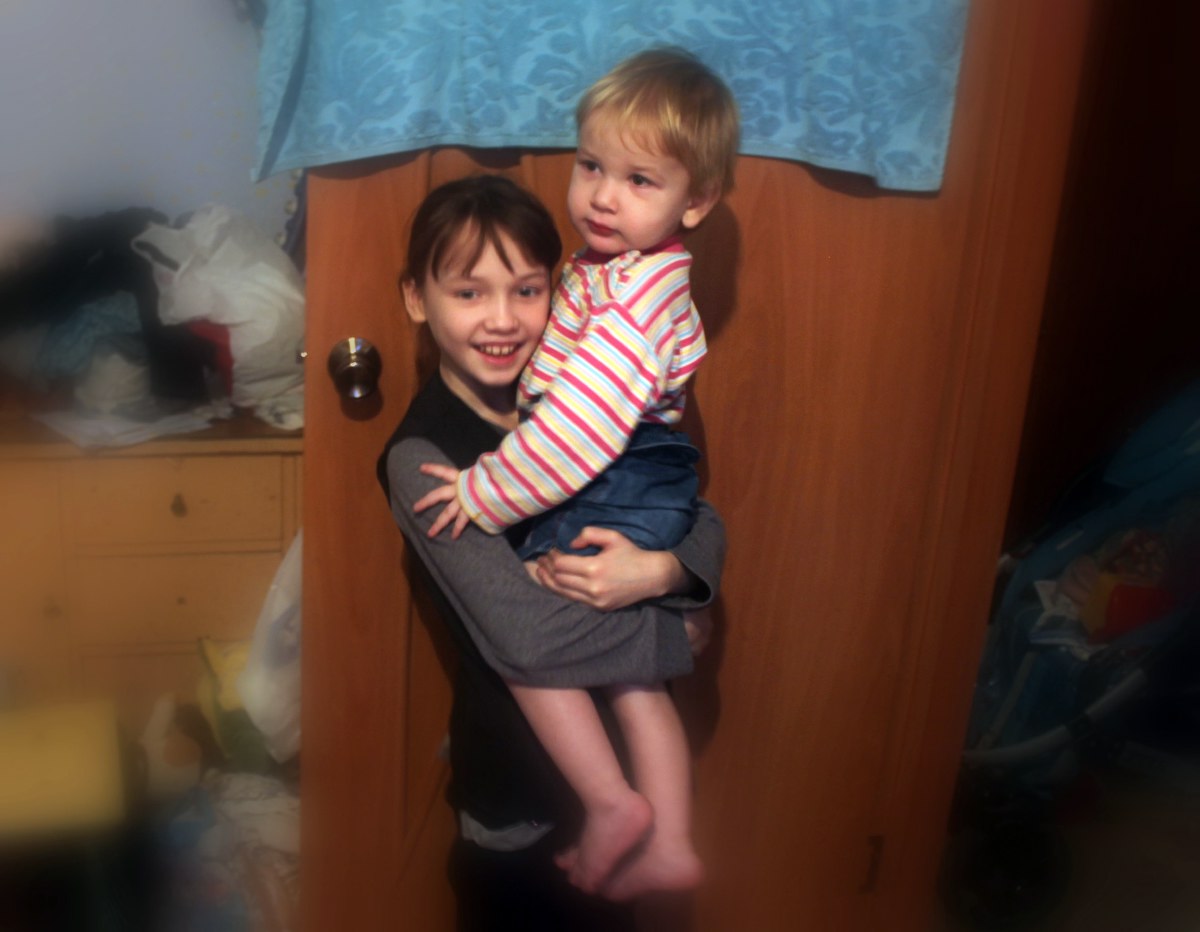 Dasha and Danya. Photo: Sergey Bulgarin
The girl did not want to take to school, which is located close, she would have to spend about an hour on the road. I went to talk with the director Anastasia with Julia. According to them, they were faced with the "wall". To the words that the child has every right to study in this school, the director replied that there were no places. After the lawyer helped to write a complaint to the Department of Education, the Administration and the Prosecutor's Office, Dasha was accepted to first grade. Vlad was transferred to another school, she is generally a five -minute walk. Julia says: “We do not belong to her through the territory, but the director went towards her. He used to go through the ravine. This is a dangerous place, several murders occurred there. ”
Julia is very glad that the tutor-psychologist from the Children's Project is now engaged in children. Especially my mother worried about Vlad. He is very vulnerable and impressionable. While she was running around the instances with the next piece of paper, Vlad sat with Danya like a nanny. "And the diapers could change, and feed."
Gruzovs with great pleasure are visited by all excursions, training events and master classes held by the "Children's Project". This distracts from problems, has a beneficial effect on children - they have something to tell classmates. Dasha proudly tells us how she won the art competition and received tickets to the theater for the whole family.
Prior to the decree, Julia worked at the school as a social teacher and studied in absentia at a pedagogical university. The study had to be interrupted, but Julia hopes to recover in the near future.
The cargo family is still registered.
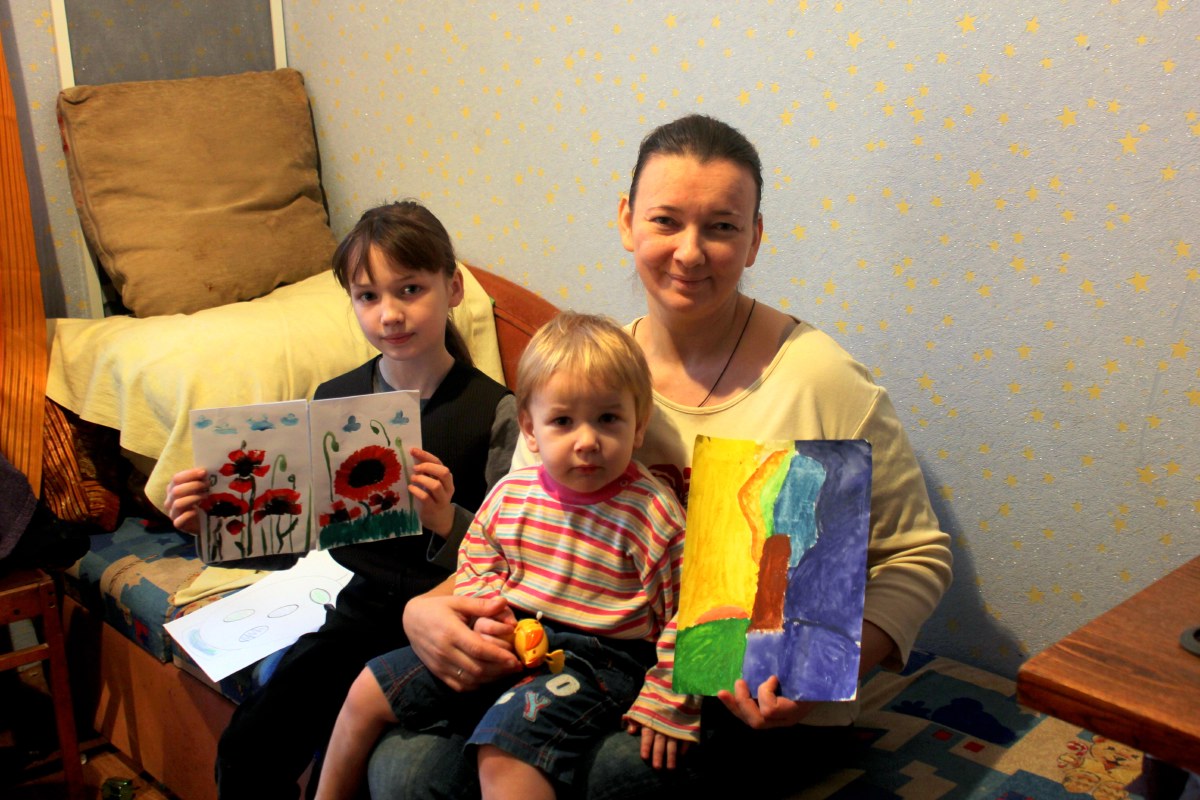 Julia, Dasha and Danya. Photo: Sergey Bulgarin
“You do not think that now Julia will get used to help and will not be able to continue without her. No, we are talking about the acute period, and we overcame it. The family is getting stronger. Dania is about to go to the kindergarten, all the documents are already ready. Julia has the opportunity to earn regularly, and the family will have more income. As soon as she gets to work, the family will most likely be deregistered. The work with a psychologist will continue, with a lawyer and tutor too. Life is getting better. Soon we will release Julia from dense accompaniment, ”says Anastasia.
Julia adds: "So that good people help me, but to others."
***
Both mothers with whom I managed to talk are completely different. However, I still found one similarity: they always talk about their children with great warmth and love. Probably like any mother. In the families of Molokanovs and GOOD there was no direct threat of deprivation of parental rights and, as a result, children entering orphanages. It was not only because the "children's project" began with them on time. Children from the Gruzdov family did not even visit the shelter. But Irina Molokanova’s daughters felt on themselves what it was.
The guardianship authorities and the juvenile commission indicate the problem, but do not help to solve it.
In order for the Children's Project to continue its work, we need our help. Over the year, they manage to save about 70 families. The organization has: manager, accountant, three social workers (curators), three psychologists and lawyer. About 100-120 thousand rubles each month is necessary to pay taxes, contributions and salaries to employees. Product prices are rising, and families have become even harder in difficult life situations. The grocery package worth 500 rubles is already significant assistance. Even a small amount of money donated by each of us will allow the “children's project” to save more than one family.
After all, there are a lot of us!