
Translated material
"I have to tell"
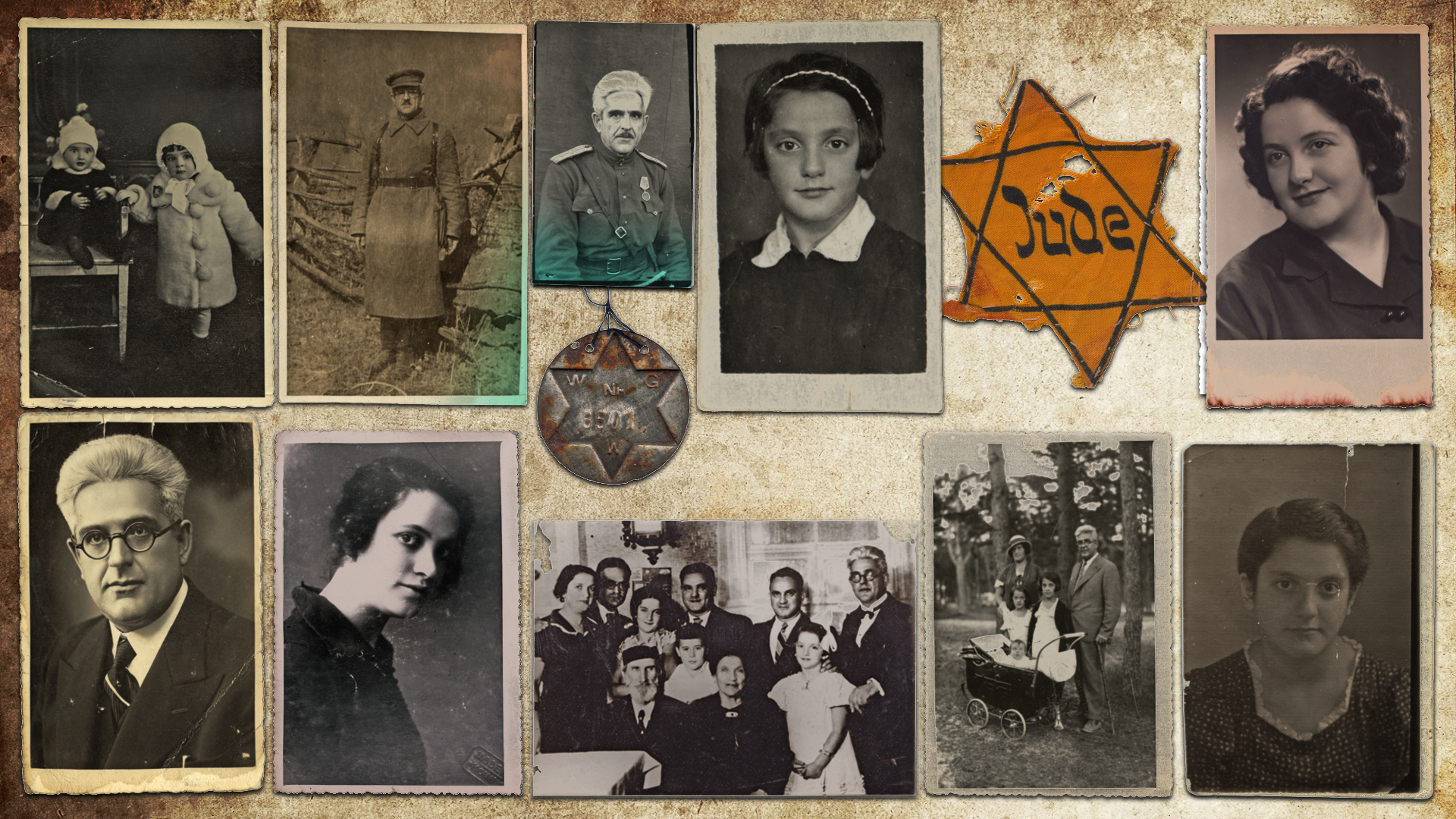
How to talk with schoolchildren about crimes against humanity
Tamara Lyalenkova : Today we have an open lesson based on the book by Trinchikaite "I must tell." In the Moscow studio, publisher Ilya Bernstein , Director of the Museum of the History of Jewish Heritage and Holocaust Alexander Engels , literature teacher of Lyceum No. 1525 Evgenia Ablyuk and her students.
Daria Melnikova , 11th grade : Reading books - means immersing in another reality. You start reading, and a picture arises in consciousness: some kind of area, new people for you. Such a kind of movie in the imagination. I have not yet had a single book (not counting the abstruse scientific literature), which would not transfer me to another, book reality, which immediately becomes mine.
But I'm talking about someone else's pain ... It all started with children's fantasies, when I, a four -year -old girl, was sitting above the fairy tale “Kolobok” and thought what would happen if I was instead of a hare or a bun itself? I plunged into a fairy tale, but did not change the plot, but lived it as a character. This was reflected in my further understanding of books. Now I cannot remain indifferent to what is happening in books, because, reading, I live in what is written.
So it was this time: starting to read the book of Maria Rolinikayte “I must tell”, I understood that it would be difficult to read, works on the topic of war are given very hard for me, they leave a painful mark in the soul. But what will be so difficult, I did not expected. Maybe because of the style, maybe because of the topic, but I was not plundered in the book gradually, I “gloomy” into it with my head-and found myself in the world of a fourteen-year-old girl.
Pictures replaced one another, led me along. You can say, I walked blindly, because I did not fully understand what was happening in the book; Although before that I had already read the diary of Anna Frank "Shelter." But these are two books completely different books.
It is very difficult to say at what point someone else's pain, which is written in the book, came to life in me.
I quit read five times, threw it because I was strangled by sobs, and tears covered my eyes so that I did not see the letters.
Three times of these five I got stuck on the same moment and could not overpower myself and continue to read. It was my pain. She was awakened by the book. And once, when I read about “ventilation of the lungs”, I began to choke.
Then I opened the book from the very beginning and began to read again. Everything was seen in a completely different way; I lived every episode. It was so painful that I dreamed of dreams in which I was in the place of Masha, lived in her body, with her soul. But even in these dreams, it seems to me that I could not feel even the smallest part of the pain that the heroine had to endure.
I can’t say whether my pain becomes. Probably still does not become. Because I cannot survive what another person experiences. But I can imagine someone else's pain, realize her, let it into myself.
What appears when reading this book is difficult to convey in words, it must be felt.
It is very sorry that such works are not included in the school curriculum, because there are teenagers who do not know the meanings of the words “ghetto, Holocaust”, and with the word “war” they represent a computer reality with the “tanks”. And it really hurts from this.
We must not forget the horror that people survived in 1939-1945. I really hope that I can convey to my brothers, sisters, future children the meaning of the word “war” and with what difficulty the victory over that fascism was given.
Tamara Lyalenkova : We will talk about the diary that Masha Rolinikaite was first in the ghetto, and then in concentration camps from the first days of Lithuania’s occupation until March 1945. When she began to write, she was 14 years old. And literally recently, she remembered this in this way. It was on non-fiction, where a new edition of the book was presented.
Maria Rolinikaite : I sat in the office of my father’s office and continued to keep my diary, but now I recorded not my school impressions here, but all these orders, prohibitions. Because I didn't want to go out. I was ashamed. I will meet one of the teachers or students - they go along the sidewalk, and I stomp like a horse, along the pavement. But then, I can’t even determine at what point, I saw a map of the world that hung in our class over the board - both hemispheres. My God! So many people live there. Hitler will not get there. It is necessary that people know. And from the age of 14 I decided so - it is necessary for people to know. And if the word "what I decided" is applicable to a 14-year-old child, then I decided to deliberately keep records.
Then on August 30 there was a provocation. But the Germans very often spent a provocation in every occupied city that the Jewish guy allegedly shot in a German, and for this they stolen the execution. So they shot in Papal's brother Paris. So in Vilnius in one night from the area where Jews, a Jewish poor, lived, there were a densely populated area, 30 thousand people were stolen in one night. And a week later people began to drive people there. At the same time, people were driven, at the same time they built a fence - at first only the plank, and then the stone. So we ended up in the ghetto. The tightness was terrible. I omit a lot of details - what is in the book. We lived in the room of 18 people. There was one bed in the room, on which two elderly people slept. We are mom, older sister of 17 years old, I, sister Raychka and brother Ruvik. 7 and 5 years - they slept on the floor between the windows. It is good that when they began to drive into the ghetto, and they gave only 5 minutes to the training camp, she guessed to throw children's things into the children's bath, some of our winter things, covered it all with oilcloth from the kitchen table. She harnessed and so much dragged it at the ghetto.
Tamara Lyalenkova : This is not the first edition of the diary of the cars of Rolinikaite.
Guys, you read the book. For you, was this the experience of the first or not the first acquaintance with the topic of the Holocaust? What touched you, maybe surprised you?
- To be honest, for me it was not the first experience. Before that, I still read the graphic short story of Arts Spiegelman, which is called "Mouse". There he described the events that his father experienced, being enclosed in the Auschwitz camp. To be honest, I liked the Rolikeyta Book. It was written in a rather peculiar language, but it was still very interesting to read.
Tamara Lyalenkova : In general, interest in this topic is related to the literature lesson or is it some kind of home interest, a home library?
- For me it was purely household interest. In general, Mom brought me such a book by Arts Spiegelman. And when I started reading, I was so interesting that I decided to get acquainted with other books of this topic.
Tamara Lyalenkova : Evgenia, is there a work in the school curriculum that explain and show something at this level?
Evgenia Ablyuk : Of course not. I just want to look around, live with children, and not sit out from the lesson to the lesson and read only what is in the gold canon, mainly Russian literature, in the school canon. Firstly, I always drive children to non-fiction and some curious meetings. Always slip some books. Of course, I want to read. By the way, I noticed that no one reads the Anna Frank's Diary today. And, in general, this topic for children is basically completely unknown, unknown, and the word "Holocaust" is unknown.
Tamara Lyalenkova : Is it so? Was it a new topic for you? Did you hear something before, looked, read?
- For me personally, it was a completely new topic. But, when I started reading the book, from the first pages I realized how much this book conveys the events taking place at that time about the attitude to these people of the Nazis, and how much the whole mood of people was conveyed, the whole mood of the narrator, the whole mood of the protagonist in this book, which was written in such a peculiar, but interesting language.
Tamara Lyalenkova : About the language. Two of our interlocutors said that this was a kind of language. Maybe this is a stranger with a diary genre. It didn't seem like that. You are practically peers with Masha at the moment when she began to write. And she seems to be then those pieces that were lost, remembered and then recreated in the form in which she developed in the process of these tests. Ilya, do you also have the impression that a kind of text?
Ilya Bernstein : I don't know what the guys mean.
Evgenia Ablyuk : It seems to me that we are talking about a very accurate reproduction of your own feelings, about an attempt to recall the experienced and trace just one after another. And this is very impressive just.
Ilya Bernstein : Firstly, this is still a translation. Her own translation, but this is not written in Russian. This is written in Yiddish. This is now she is a Russian writer. She has been written a lot since then. And then, when this was done, when it was translated, in the late 50s, it can be partially a slightly so dry, correct tongue, learned, not quite native. Although this is now quite characteristic of her - the Jews speak in such a right language, who learned this language relatively adults. But, in general, it seems to me that this is very simple without embellishment such a looped speech without special artistic tasks, indeed, the fixation of what is happening, the fixation of their emotions is also without fear of falling into excessive pathetics. It seems to me that everything is very simple.
Tamara Lyalenkova : The book has a description of some things that she did. She composed something with humor, with a satire. She somehow tried to add to this fun. And for this I received quite serious beatings. But this is not visible in the text. This character, which goes against everything and suits some funny things among horror and nightmare, for some reason this is not in the text.
Ilya Bernstein : Perhaps you are right, yes. I met her only now, when she was 88. And such a child’s liveliness, directness, of course, will not find immeasurability, but she is sarcastic, caustic, quite disappointed, in particular, as a result of his life. I do not know how her mischief and liveliness of character in this text should have appeared. I think the book is written based on the diary. But this is not a diary. This is written by a man who has already learned a lot about the Holocaust of something that she could not know, being a 14-year-old prisoner of the ghetto. She is a person who keeps a distance with people, in particular, with the reader and not at all that is ready to somehow very directly pour out emotion, reveal the soul. And the text is so dry, clear, calm.
Is it possible to talk about some kind of border between fiction and non-fiction, but, in general, it is closer to diary notes, and not to a literary work. Or to such a comprehension later, but also without the desire to make fiction out of this.
- In general, I used to know about the Holocaust. I knew about the Jews, but in order to touch this topic so closely - this book was the first time for me, a discovery. I was very delighted with how Masha Rolinikaite wrote about this in her book. I really liked reading it.
Tamara Lyalenkova : Did you try to try on some things?
- I imagined myself in the situation of Trinchikaite. I could not live like that, probably. Although there were many people for whom it was a terrible blow. The wilness of the bail to everything could be used to.
- In the lessons of history, we have not yet reached this, but I am generally very close to the military theme. I really like it. I read a lot of military books. It is very impressive, very touches deep inside.
Tamara Lyalenkova : What is connected with the Great Patriotic War or something else?
- With the Great Patriotic War. This is not the first time that I described Masha Rolinikaite. But, probably, the first time was so close and deeply imagined it all. At some moments, it was very difficult for me to read, because emotions simply overwhelmed. I postponed the book several times and told myself that I could not open it anymore. But then all the same it passed, fell, and I read it.
Masha Rolinikaite : We were driven almost to the suburbs. Men were immediately separated from women. One woman tried to change into male to go with her husband, but she was exposed and shot both. In general, the men were separated, and we were driven through the gate to some courtyard there a closed church, at the end of this courtyard, below, a lowland, a swamp, and ordered to sit. Mother remains a mother. It was very damp there, and we are without suitcases, just in pillowcases everything was laid. And we laid these pillowcases, these bales sat down. And so that the children do not soak their feet, but the next day they shoot, she took the foreman on her knees, and I - Ruvika. All night we were guarded on the roofs on the surrounding streets. They stood with machine guns, threw missiles. And each time Ruvik woke up. I still feel his breath here. And Raepa asked: "Mom, when they shoot, it hurts?"
I was born in Klaipeda. Then it was still a half -liter, Polimeetsky city. And there was a tradition - the newspaper gave announcements about the birth of a child. And when I was born, there was an announcement that a boy was born, and the next day there was a correction that it was a girl. When I found out about this, I was very worried. But once, when we sat in the shelter, which was called "raspberries", I quietly whispered: "Mom, maybe it would be better if a boy was born." This is already a 14-year-old fool. No, it is very difficult to realize that they can at any time. Even imagine how you stand naked in a pit. I have poetry about this, but everything is in Jewish.
Tamara Lyalenkova : Alexander, this topic is your main museum. Surely, there is a very large piece of exposition. As I understand it, you also worked with schoolchildren. You probably understand to what extent and how it can be given to them. Because, indeed, it’s scary, on the one hand, and, on the other hand, one cannot but know.
Alexander Engels : I really came to the museum from school. I spent my whole life at school and even thought, having left it, I did not go very far from it. And therefore, the main contingent of our work is students and a schoolboy. And we mainly think about how to give this material to them. I want to say that the main barrier, which we usually have to overcome while working with teachers, are their fear, their fears that our material is morally very difficult to perceive modern youth. People do not really want to injure themselves. And they do not really want to plunge into heavy material, just like teachers are not very ready sometimes to immerse their children in this.
Therefore, our first front of work is not with children, but with teachers. I must explain to them that we are not at all going to engage in horror stories in our museum, to embarrass someone with terrible photos. Of course, they are, but not in them the essence and not for the sake of them we call people to ourselves. They are very surprised when I promise them that, in fact, the idea of our communication will be absolutely positive. Most importantly, when our guys spend one hour, they leave with this feeling and it turns out that it is precisely our museum is a museum for life. There is some paradox in this. And we find elements of this approach in any episode of the terrible history of the Holocaust. By the way, they are in this wonderful book. There is simply an amazing episode about where Maria describes the library in one case, in another case she describes the school, in the third she describes the orchestra that is created there. And when people in this orchestra rehearse Beethoven, she notes in him precisely an ode to joy. She writes very interesting words how an unusually harmoniously arranges a person. In her understanding of the harmony is that, despite the incredible burdens, that they are threatened with death every day, they live in hunger and in poverty, nevertheless, a person cannot help but think about life, art, music, etc. Therefore, in fact, our message with which we go to people is to know this story to better appreciate life.
Tamara Lyalenkova : Guys, this is an experience associated with you personally, this is an experience related to your educational trajectory, that is, this is what you need to know, because it is part of the story? Or is it a kind of literary work that simply causes empathy.
- Firstly, we look at this book as a literary work, but we also look at the time in this book as a story. And this is part of the history of the war that took away the lives of many people. This is one of its stages, which is described in detail through the eyes of an eyewitness. Perhaps not so many of these diaries have reached us. Perhaps many people wanted to write these impressions, wanted to describe what they feel. But, unfortunately, they simply were not preserved. These people have not survived to this day. This book describes in the smallest details the life of ordinary people of that time, who had to face all the problems that were at that time - these are hunger and cold, life in the ghetto, life in concentration camps. Probably, this book conveys all the emotions of a person when he is experiencing a given period of time, but one thing remains the ending - a person wants to live. He seeks to survive, seeks to get out of this difficult situation. And the ending is considered that a person is saved and reaches his goal.
- I was struck by the episode, which described what torture to all Jews in the camp the Germans used. This was very struck by how to force them and sing in the cold, calling it a ventilation of the lungs, and how they made it just to jump in the cold. And if someone stopped, tired, suffocated, fell, then they beat him. This struck the most.
Tamara Lyalenkova : Yes, such a physical violence that is not characteristic of modern society in certain circles, if you do not go deep. There is a difficult story. Because some mechanisms we understand and know what happened, but in emotional terms something turned on so.
Ilya Bernstein : I read this book to very adults. And this lay on a fairly deep layer of knowledge and experiences with this related personal. I think that all East European Jews have quite close relatives who died in the Holocaust. I was always interested in this. I traveled with my children to those places where our relatives lived and where. The choice of this book was the result of the consequence of a large piece of life lived with these thoughts, with these sensations. Therefore, to say that something struck me there, no.
Maybe this is what. The history of the Vilnius ghetto we know from this diaries. There are also diaries of the German circle, who later died in the Estonian concentration camp. There are still later diaries of Rachel Margolis. There are several such evidence. And all historians in all historical works, in fact, simply retold what they have subtracted. It is amazing that a person manages to become the voice of the dead. Without this person, no one would never know about it. And this voice still sounds. And a person lives with the feeling that so far he does not stop talking about it ... Masha Rolinikite is difficult to talk about it physically and morally. She, in a sense, forces herself again and again to tell about it. But at the same time, she lives with a sense of duty that she is the voice of the dead. To some extent, I also feel it as a baton transmitted to me.
Тамара Ляленкова : Во всяком случае, как теперь она вспоминает, когда она сидела в папином кабинете и решила, что теперь дневник будет не про какие-то бытовые школьные события. Она говорит о том, что я поняла, что надо говорить, чтобы люди знали. Вот это "чтобы люди знали" она сохранила через всю жизнь, хотя это удивительно, потому что это могло измениться в силу каких-то жизненных обстоятельств и естественным образом.
Илья Бернштейн : И это притом, что она считает, что все это было зазря, что ее многодесятилетний труд впустую, что мир совершенно не изменился, что ее сообщение миром не получена.
Тамара Ляленкова : История издания книги тоже достаточно непростая.
Маша Рольникайте : На соседней шелковой фабрике рабочие вывезли нескольких евреев, спрятав под готовой продукцией. Их спасли и сказали, что за это ответит каждый третий еврей. Это было под Ригой. Нас выстроили в один ряд. Приехал главный эсэсовец Латвии. И он ходил и считал – раз, два, три. Третьего вперед. Когда стоишь в строю, нельзя ни голову повернуть, даже глаза скосить. Тем не менее, я как-то так посмотрела. Я говорю: "Маша, я девятая". Она говорит: "Нет, я девятая". Она оказалась девятая. Понимаете, от чего зависела жизнь! Что я стояла здесь, а не здесь. She stepped forward. Надо было ответить "jawohl". Он пошел себе дальше считать, отбирать. И я еще говорю: "Маша, скажите, что вы ничего не знали об этом побеге". И она совершенно спокойным говорит: "Что ты думаешь, что если в мире будет одной Машей Механик меньше, что-нибудь случится или изменится? Ничего не изменится". Я это долго помнила.
Но особенно я вспомнила, в 1947 году уже после войны я работала, я в Палангу в отпуск. В Паланге на пляже как всегда кто-то загорает, кто-то играет в волейбол, кто-то купается. А там был такой пригорок, чтобы виден был весь пляж. И я услышала ее голос: "Что ты думаешь, от того что будет одной Машей Механик меньше, что-нибудь изменится?" Действительно, не изменилось, к сожалению. И мы это знаем по многим событиям сегодняшнего дня.
Тамара Ляленкова : Есть такая особенность у Маши видеть это все в ретроспективе и в перспективе. Не знаю, можно ли это за счет возраста отнести или это действительно разочарование после того, что она пережила.
Илья, вы же этот проект расширили. Это не первое издание. В данном случае, это издание "Самоката". Но к нему есть еще достаточно большой блок записанных вами интервью тоже со свидетелями, что удивительно, потому что времени прошло достаточно много, казалось бы, что мало, кто мог остаться в живых. Вы это сделали, чтобы как-то дополнить картину? Или это просто ваши истории, которые вы развиваете, пока живете, и тут интерес личный?
Илья Бернштейн : Я вообще занимаюсь комментированной книгой. Это моя позиция на рынке. Все книги, по крайней мере, последнего времени с комментариями. И я ищу формы комментирования адекватные и времени сегодняшнему, и читателю, и тексту, с которым работаю. Мне очень часто приходилось, делая такие комментарии, беседуя с информантом, сожалеть, что у меня нет в руках камеры, особенно сожалеть, какое-то время спустя, когда я узнавал, что человек этот умер и больше никому этого не расскажет.
И когда я слал делать эту книгу, здесь я еще намеренно хотел в самой книге максимально нейтральную соблюсти интонацию. Это первая книга в моих сериях, где нет иллюстраций, например, где есть только такие постраничные сухие сводки, справки и нет затекстового комментария. Я решил, пусть моего голоса, моей позиции не будет, по крайней мере, явно проявлены, но зазвучат голоса свидетелей. А когда я начал этим заниматься, стало ясно, что не менее важная тема, не менее важно рассказать, как это было, но еще не менее важно рассказать, что после этого стало. Стало с этой страной, в данном случае Литвой, с людьми литовскими, которые были свидетелями Холокоста. Так устроен Холокост в Литве, что там от любого населенного нынешнего пункта до места убийства и захоронения в лесу евреев можно дойти пешком или доехать на велосипеде. И стало очевидно, что этот вопрос о Холокосте сегодня, хоть абсолютно в публичном литовском пространстве практически не обсуждается, тем не менее, очень важен, как считает, например, главный литовский интеллектуал Томас Венцлова, определяющий основную современную литовскую самоидентификацию.
И поэтому я стал беседовать и записывать беседы с литовцами, которые что-то по этому поводу думают, что-то по этому поводу делают. Их истории совершенно новое качество придали всему этому проекту. Получился рассказ о том, что Холокост сделал уже не с евреями, не в 40-х годах, а с литовцами за всю послехолокостную историю и доныне, что происходит сейчас. Заодно я беседую с евреями, пережившими Холокост. Это второй круг моих собеседников. Я спрашивал их об их отношениях с литовцами. И эти ответы тоже, по-моему, очень важны для понимания ситуации.
Фрагмент из проекта Ильи Бернштейна
Тамара Ляленкова : Александр, действительно, в каких формах можно рассказывать такие истории? Что вы придумываете в музее? Понятно, что надо как-то не только показать. Потом современные какие-то вещи, на которые, может быть, лучше откликаются посетители.
Александр Энгельс : Я бы сказал, что есть несколько основных принципов, которые мы заложили в структуру нашего музея. Один из них заключается в том, что мы никогда не начинаем рассказ о Холокосте с самого Холокоста. Я считаю это категорически неправильным. Вначале мы говорим об этой цивилизации ашкеназских евреях, которые много столетий жили вместе с другими людьми. And then it turned out that they were torn off. Я полагаю, что это одна из ключевых тем. Именно поэтому меня во многом очень сильно тронул текст дневника.
В дневнике, в первую очередь, я пытался найти эпизоды, которые показывают некое развитие образов. Например, в дневнике я четко просматриваю начальные страницы, когда она буквально в падает в ужас от каких-то малейших угроз, и в конце постепенно она уже достаточно стойко воспринимает абсолютно страшные сцены. The person is changing. Также менялись и люди по другую сторону трагедии. Я уверен, что если бы, например, кто-нибудь сказал немцам в 1933 году, что, ребята, вы скоро построили Освенцим, они сказали бы, что вы просто идиот! Мы культурный народ! Народ Вагнера, народ Гете, Гейне! Какой Освенцим! Но ведь построили. Потому что, действительно, с помощью некоторых нехитрых приемов удается изменить людей по обе стороны этой трагедии.
Суть нашего подхода. Мы пытаемся показать, какой путь прошли и евреи в этой жизни, какой путь прошли и люди, окружавшие их. Поэтому сначала мы говорим, вообще, о жизни людей в Литве, в черте оседлости, в Российской империи. Как люди жили в этой стране, как они ее защищали, как они вкладывали в нее свои силы, энергию, знания и т. д., а потом вдруг они стали жертвами, и жизнь была оборвана. Это первый ключевой подход.
The second approach. Мы пытаемся показать эту историю с нескольких сторон. Одна сторона – евреи как жертвы Холокоста, вторая сторона – они как солдаты герои и жертвы войны. Третья часть нашей экспозиции – это люди, окружавшие их, от которых, на самом деле, зависела их участь. Вот три таких ключевых эпизода. И если с первым, на самом деле, все более или менее понятно, с трагедийной стороной, вторая сторона, мне кажется, особенно важна именно для российских музеев. Мне пришлось за свою музейную биографию посмотреть, как эта тема показана в израильском музее, как она сделана в музее в Париже, Вашингтонском музее Холокоста. Пожалуй, в нашем и только в нашем случае нам принципиально важно показать, что по возможности все-таки люди пытались сопротивляться.
In my opinion, one of the most malicious, most cynical and most vile forms of desecration of memory about the victims of the Holocaust is the accusation that people did not resist enough. I literally lose my temper when I hear these accusations. First of all, I have famous photographs, scenes, when several Nazis, the huge, thousands of Soviet prisoners of war are leading before my eyes. Это взрослые мужчины, которые идут. Да, личность подавляется. Как можно требовать героизма от несчастных, подавленных жителей гетто. Тем не менее, было сопротивление.
Как раз в книге Марии описан совершенно страшный эпизод Исаака Визмерга. Он был руководителем подполья. И когда фашисты не смогли его поймать, они выдвинули совершенно иезуитское требование. Они сказали, что если Исаак не выйдет, они перебьют все гетто. А в гетто в это время было 20-30 тыс. человек. И, подумав, он принес себя в жертву только для того, чтобы эти люди попробовали выжить. Знаем мы примеры других героев. Между прочим, есть много других описаний историй гетто, в т. ч. и тех, кто сумел выйти и дальше с оружием в руках бороться. Есть книга Аврома Суцкевера, который вышел из гетто, потом был партизаном. Кстати, известная история, он дошел даже до Нюрнбергского процесса. И на процессе он с Ильей Эренбургом обсуждал. У него была четкая идея. Он говорил, что я приду туда и в то время, когда меня будут спрашивать об этих показаниях, я достану пистолет и лично убью Геринга, того, кто принял окончательное решение. Эренбург его отговаривал.
И все-таки я бы сказал, что главный элемент нашего подхода – мы пытаемся показать эту историю с разных сторон.
Тамара Ляленкова : Многие оправдывались тем, что, во-первых, действительно, был некий исторический опыт до этого общения немцам и говорили, что нет, жить можно, все как-то обойдется, основываясь на каких-то своих исторических наблюдениях, плюс ко всему там же много чего шифровалось. Когда отправляли в крематорий, специальная обработка, возвращение нежелательно, т. е. это все не было так прямо и понятно, наверное. Потом-то это становилось очевидно. Мы можем вспомнить, что целая страна так жила, когда людей сажали, увозили, всем было все очевидно, но все продолжали жить, как ни в чем небывало и не задумывались, хотя там было гораздо зашифрованных вещей.
Евгения, как вы думаете, это часть историческая или литературная? Я имею в виду такой опыт узнавания об этом. Не каждый родитель, владея материалом, что-то объяснить и рассказать. В школе, как теперь мы понимаем, проходят каким-то абзацем.
Евгения Абелюк : Вы имеете в виду книгу?
Тамара Ляленкова : Да, Холокост как явление.
Евгения Абелюк : Мне кажется, неважно, где ты об этом говоришь на уроках истории или в курсе литературы. Мне кажется, что вообще об этом надо говорить.
Тамара Ляленкова : Но в школе этого нет.
Евгения Абелюк : Вообще, очень важно показать детям, что история – это огромное пространство за теми строчками, которые они читают в учебнике. На самом деле, это пространство гораздо более дробно заполнено, более подробно надо ощутить. Недостаточно читать учебник. Когда читаешь такую книжку, как книга Маши Рольникайте, то чувствуешь, что за этими скупыми строчками огромное пространство переживаний, причем это видишь буквально с первой фразой, когда казалось бы еще ничего не случилось, но уже случилось. Because literally in the first scenes it is not clear where the father went. And it is clear what experiences are behind this. Mother is trying to take the children, run away with them from the city. And it is clear that she does not understand how to be - to return and go to certain death or run on, but then there is a risk that you and your children will be caught and killed because you tried to run. И каждое вот это описание обязательно переживается читателем, который умеет читать медленно и ощущать это пространство за строчками. Или ребенок, у которого себя день рождения. Mom let her put on a blue silk dress. И она делает то, что непозволительно делать. Она выбегает в этом платье без нашивки, говорящей о том, что она принадлежит именно к еврейскому населению. Бежит в парикмахерскую, страшно боится. Потому что уже это чревато гибелью. And returns. После чего мать нашивает эти требуемые нашивки на все ее платья. Это написано в нескольких фразах, но это читаешь как долгую и длинную историю. Потому что представляешь себе, какое временное пространство, на самом деле, переживаний за этим небольшим походом в парикмахерскую. Это и литература, конечно.
Что такое литература и что такое история? Это устная история. Это свидетельства людей. Это то, чего мы не видим обычно. История складывается именно из этого.
Тамара Ляленкова : Удивительная вещь с этой книгой, с дневниками. Потому что заканчивается это в марте 1945 года уже на территории Германии, куда Машу отправили в длинный переход. Она пытается как-то убежать, отползти. Может быть, это такой литературный замысел, но, наверное, это правда. Она уже практически умирает. Она уже даже не может встать, когда в этот сарай заходят солдаты Красной Армии. Это такая удивительная вещь. Еще чуть-чуть, еще следующий день и она бы уже не выжила! Удивительная вещь, скорее даже литературная. Такова судьба, надо полагать.
Илья Бернштейн : Способность человека к выживанию необыкновенная. Человек этого никогда сам за собой не осознает. Поэтому сказать – протянула бы она еще какое-то время – ни она сама, никто другой не может. Она весила 30 кг в этот момент, была измучена. Тем не менее, каждый день она находила в себе силы встать и идти. К этому моменту ей уже было 18 лет. Хотя Маша Рольникайте описывает ужасные испытания, но, по-моему, при чтении нет ощущения, что ее жизнь теплится, как свечечка. Наоборот, есть ощущение, что она… Мы просто это знаем, раз книга вышла, значит, она пережила. Это оправданно, мне кажется, психологически, описано человеком, который верит в то, что он переживет. И, действительно, переживает. And he is not alone.
Александр Энгельс : Хочу добавить, что самый известный в мире дневник девочки, описывающей трагедию Холокоста, это конечно "Дневник Анны Франк". Хочу напомнить ее реальную историю. Она была разлучена со своим отцом и семьей во время странствования по разным лагерям. И, как мы знаем, выжил лишь ее отец. Причем, отец сильный взрослый мужчина был освобожден Красной Армией в Освенциме. И затем он выжил только лишь потому, что вместе с Красной Армией шли врачи. Говорят, что некоторые из них прошли школу выхаживания несчастных жителей Ленинграда в годы блокады. И они его спасли, выходили. И только поэтому он стал жить.
Как раз сама Анна Франк дожила до освобождения. После освобождения она жила где-то порядка 6 дней. Но организм был настолько истощен, что через 6 дней после освобождения она умерла. В этом плане мы четко видим, что история Маши – это буквально история на грани.