
Translated material
Stricter to his brother
In Germany, participants in the ruling coalition agreed to tighten the rules for the provision of asylum. According to the German Wave, this was announced by the chairman of the SDPG Sigmar Gabriel. According to him, now refugees who receive only temporary permission to stay in the country in Germany will be able to get the right to reunite families no earlier than two years later.
At the same time, some migrants who received subsidiary support in Germany will be able to transport their relatives faster than the set deadline. This applies to those whose relatives are still in the refugee camps in Turkey, Jordan and Lebanon.
In addition, party leaders agreed to tighten the rules of resettlement of refugees. In particular, migrants who arrived in the country will be forbidden to travel outside the area of responsibility of the migration department that processes their documents. In case of violation of this rule, asylum applicants will be deprived of social assistance, and the processing of their applications is suspended.
The leaders of the party of the ruling coalition also agreed to recognize Morocco, Algeria and Tunisia with safe states. Shelter of asylum from these countries will go home as soon as possible.
In addition, an important decision regarding young refugees was made. Those of them who, having arrived in Germany, will successfully take vocational training courses will receive a two-year right to work. The heads of the Big Coalition parties also agreed that refugees should take on part of the expenses for integration courses. Monthly they must pay 10 euros for this.
Germany adopted the first package of new migration laws in mid -October. Then it was decided to recognize Albania, Kosovo and Montenegro with safe states. Candidates for asylum had to live in the centers of initial reception up to six months (before that they could be there up to three months), and financial assistance was replaced by them as if possible. They decided to pay money to the earlier migrants earlier in a month in advance. Soon after the adoption of the first package of documents, the ruling coalition agreed on the need to further tighten the rules.
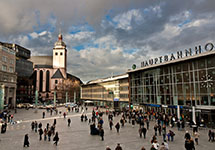
On New Year's Eve, at the Central Station of Cologne, riots occurred with the participation of several hundred migrants from different countries. According to witnesses, they behaved defiantly and "the situation was explosive." Meanwhile, the police in the area were clearly not enough. The victims reported harassment, rape, insults and robbery. Similar incidents occurred in Hamburg, Berlin and Stuttgart.