
Translated material
Elbow joint and mast
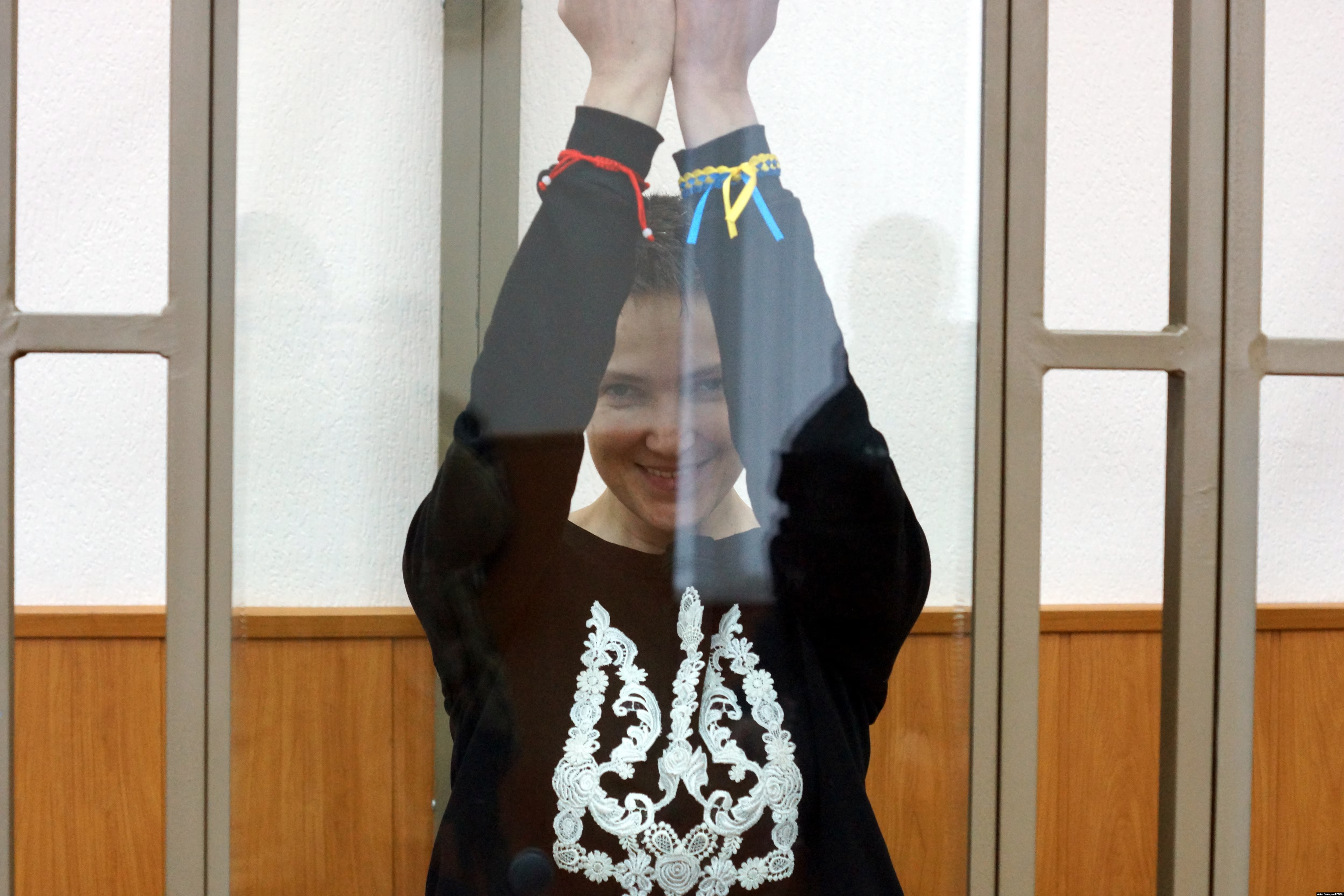
"I am afraid for every Ukrainian coming to Russia." Nadezhda Savchenko holds a hunger strike for 43 days
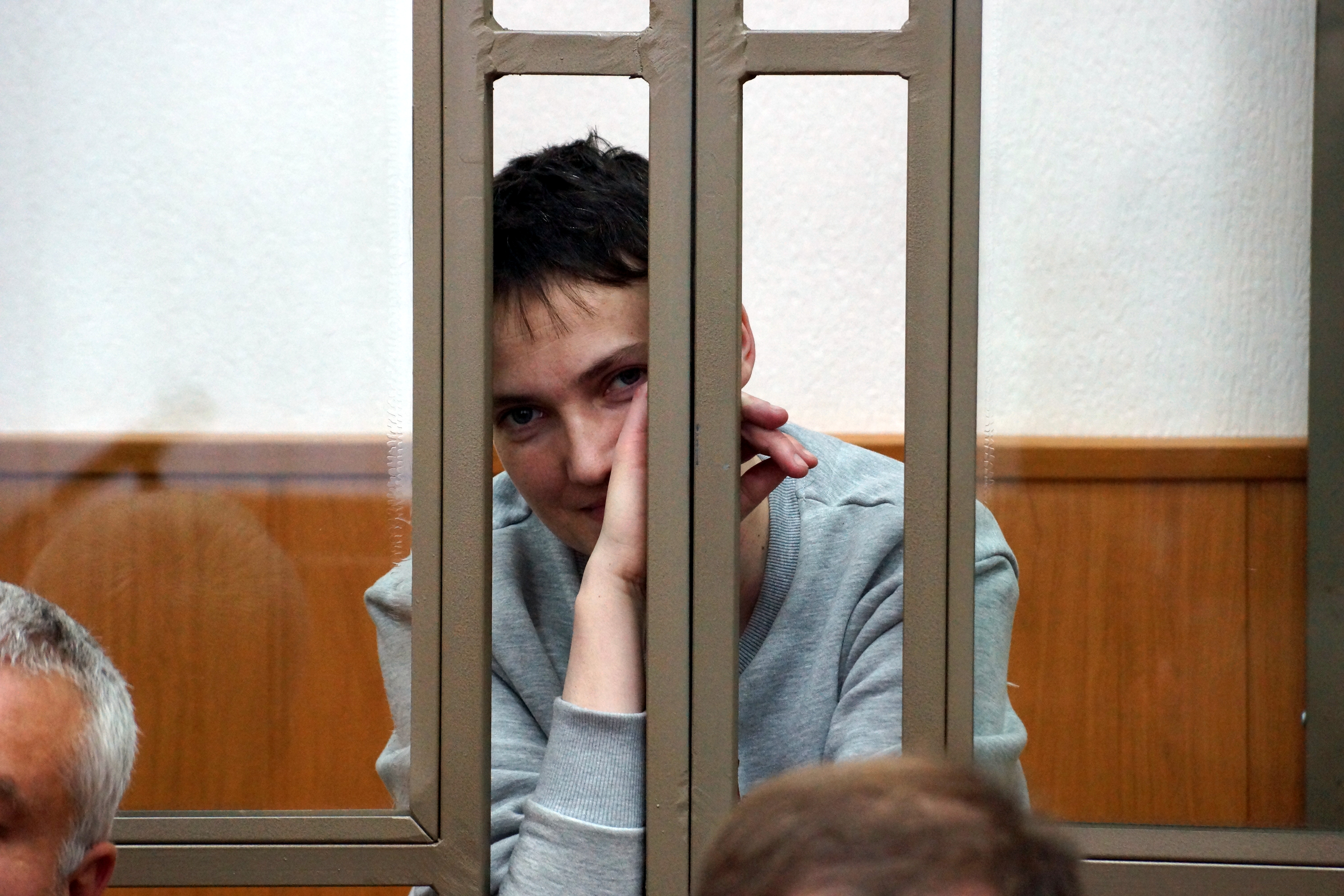
The trial in the case of Nadezhda Savchenko - Ukrainian soldiers captured by separatists in the Donbass and transferred to Russia, where she is accused of the deaths of VGTRK journalists Igor Kornelyuk and Anton Voloshin, is nearing completion.
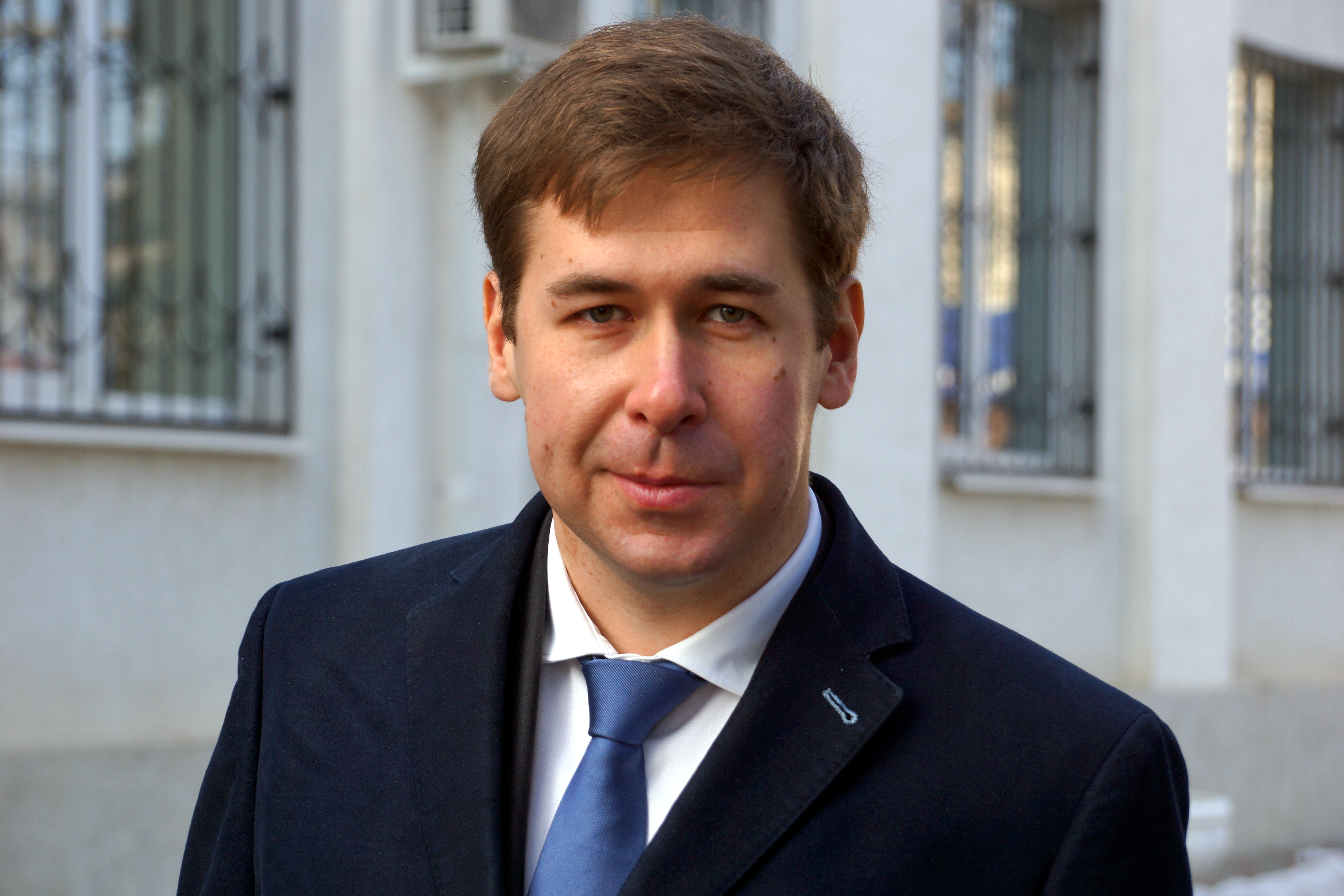
The side of protection, apparently, has been working in the last weeks and presents "surprises" to the investigation and the court. In the Russian city of Donetsk, located near the Ukrainian border, where the process takes place, witnesses and experts from Ukraine come to almost every meeting. According to lawyer Ilya Novikov, a month ago he did not assume that the final would be so intense.
The Judicial Collegium, who analyzes the case of Savchenko, refused to call witnesses from Ukraine proposed by the defense. First of all, we are talking about the former and current military personnel of the Armed Forces-the 80th brigade and battalion "Aidar", who took part in the battle with the separatists of the self-proclaimed "Lugansk People's Republic" on June 17, 2014. Potential witnesses, for example, the former fighter of the Aidar battalion, Alexander Godzyakovsky, whom the separatists captured when he was traveling by Vera Savchenko to help her sister, preliminary consent for arrival to lawyers Dali, but requested a guarantee of security. Such guarantees could be an official challenge from the Donetsk court through the Ministry of Justice of Ukraine. By the way, they called all Ukrainians - witnesses of the prosecution, including the head of the self -proclaimed Republic Igor Plotnitsky. It is unlikely that the Ministry of Justice of Ukraine handed him the agenda to the Donetsk court, but the official request from the court was sent to his name. In the case of witnesses, the court did not show such concern.
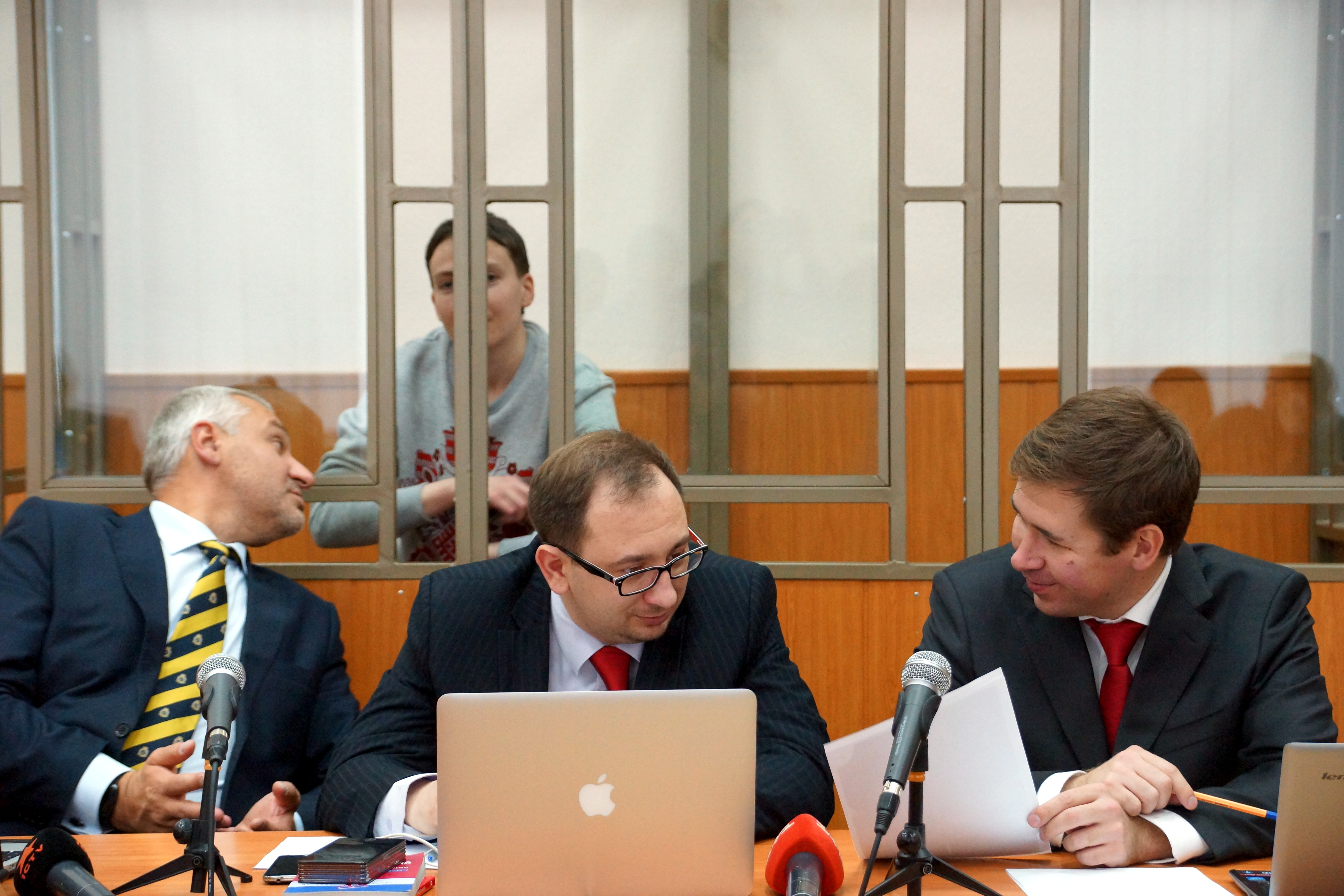
“I am afraid for every Ukrainian coming to Russia,” Savchenko said. “If the court can ensure the safety of travel to the court and vice versa, then call. If not, then do not call.”
"People who arrived in Donetsk from Ukraine testify to Savchenko’s defense, did this despite their danger in the Russian Federation," wrote lawyer Mark Feigin on Twitter. The side of the defense managed to attract several people from Ukraine as witnesses and experts. They came to Donetsk, accompanied by consuls, without a summons, and lawyers periodically had to prove to the court the need for their interrogation. It is difficult to say definitely, but it seems that safety measures around and inside the Donetsk court during the arrival of Ukrainians intensified: there were more police officers, checking all who approached the court - more carefully.
Savchenko’s defense worked in several directions at once, each of which was supposed to confirm the main thesis and alibi to the Ukrainian military: she was captured by Lugansk separatists a few hours before the artillery shelling, during which Korneluk and Voloshin were killed. This could definitely confirm this by the Armed Forces of Ukraine, who fell under fire and were captured simultaneously with Savchenko on June 17, 2014, but most of them considered it dangerous to go to Donetsk, and the written certificates that the lawyers took from them were ignored at the investigation. Witnesses of the prosecution from the battalion of Zarya Igor Plotnitsky, who was captured by Savchenko, of course, claimed that she was detained after the Armed Forces of the Armed Forces.
Two former military personnel of the 80th APU brigade-Ivan Rusnak, who performed last week, and Yaroslav Grigoryev, who was interrogated at the last meeting, arrived to refute their words in Donetsk. They both saw Savchenko on June 17, 2014, and, having collected their stories together, you can restore the picture of the battle, which is especially important, in chronology.
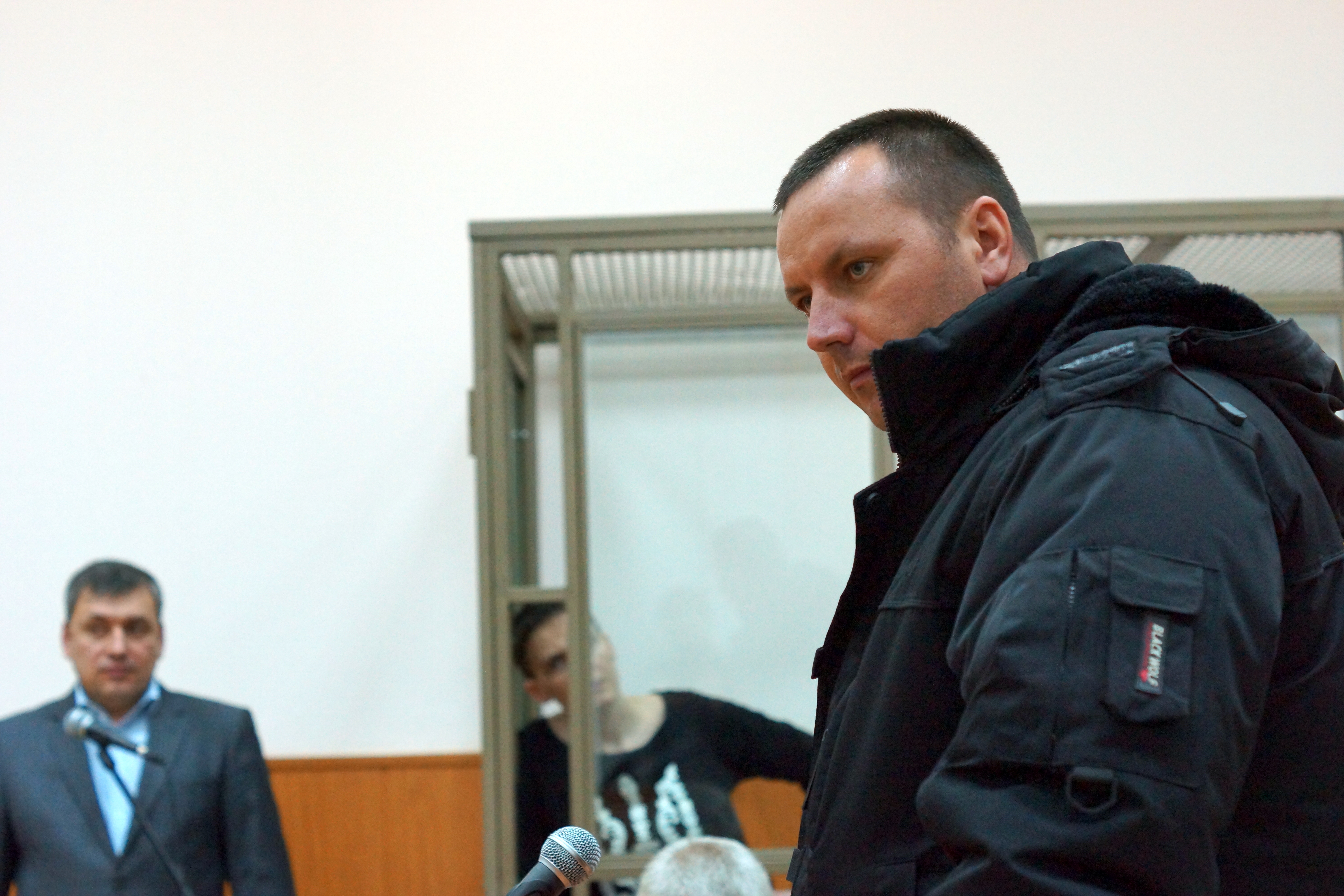
At the beginning of the eighth in the morning, several dozen fighters of the 80th brigade received an order "by cars", loaded in three armored personnel carriers and went to the Stukalova Balka area. They had to meet with the armored personnel carrier of the special forces regiment and, in its escort, go towards the golf club, where to take the defense. To do this, it was necessary to move out of the main route, but the special forces armored vehicle came off the main group, and the other three armored personnel carriers slipped out the turn. Ilya Novikov described the events eloquently: "The battle on June 17 was one big mistake." Three BTRs moved parallel to each other, taking all the way. At about 8 o’clock they ran to strengthen the separatists near the DPS post at the intersection near the village of Metalist. The armored vehicles were fired from machine guns and RPGs. The grenade was in the middle armored personnel carrier, where Rusnak rode. His team with a few seriously wounded managed to move into forest plantations.
The armored vehicle on the left managed to slip into Lugansk, and in the armored personnel carrier with Grigoryev, a grenade hit the right, fed up and exploded under the bottom. The car was thrown, and she turned into the Zelenka, moved the trench of the separatists, simultaneously crushing one of them, and stalled. At this time, the second grenade hit it, some of the fighters were seriously injured, some tried to shoot back until the ammunition ended. After that, the separatists invited them to surrender, saying that otherwise they would abandon a broken armored personnel carrier with hand grenades. The driver of Valyavsky was shot immediately, taking revenge on the crushed separatist, and Grigoryev was taken to the trench and left there for 40 minutes.
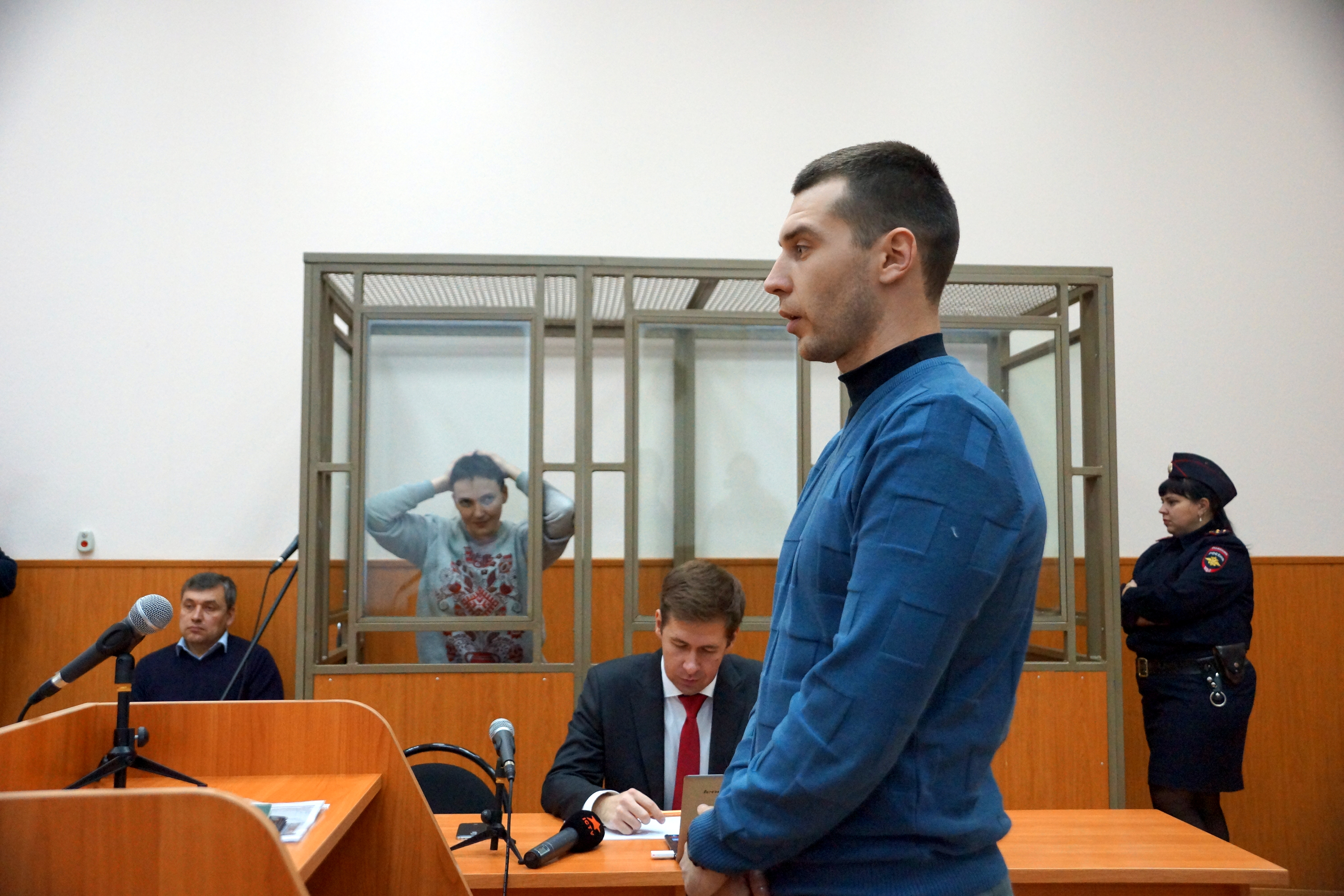
At this time, several fighters from the average armored personnel carrier, including Ivan Rusnak, went into the forest plantation by the road and took up a circular defense. They had two seriously wounded, and it was dangerous to move them. They turned off the phones so as not to be discovered. At about 9:30, Nadezhda Savchenko came out at them, who came to the golf club on the tank, but on foot, trying to find the wounded and conduct reconnaissance. She bandaged one of the wounded, went out onto the road to call help for fighters Rusnak by phone. The connection worked unstable, since the nearest towers in the Stukalovaya beam and in the village of Metalist no longer worked. At this time, she received a gunshot wound in her hand. Savchenko got through to the sister of Vera and she sent her “mini Cooper” with two Aydar fighters to take out the wounded. After that, Savchenko went forward, to the broken and smoking armored personnel carrier to try to find the survivors and help them.
The Rusnak team never waited for help. The car with Alexander Drezyakovsky and Taras Sinyagovsky rushed past them and fell into the same ambush as three armored personnel carriers earlier. Both fighters were captured, and Grigoryev, who by that time was taken out of the trench and tied to a tree, saw them.
“In captivity, they told everyone that they were from Stroybat and fled from the Armed Forces due to difficult service conditions,” Grigoryev said. "Why did they say that?" - the prosecutor was surprised. “Because they are smart,” the witness answered, and everyone in the courtroom laughed. “If they told the truth, they would be killed.”
But even before that, Grigoryev watched how prisoners were brought from the 128th Brigade of the Armed Forces of Ukraine, who at the three BMPs headed for the help of the team of broken armored personnel carriers. The testimony of one of the prisoners - Vyacheslav Ponomarenko read out the defense at the previous court session, but could not achieve familiarization with the case file. About 10 in the morning, Grigoryev saw Nadezhda Savchenko, which led with his hands tied. She was dressed in the shape of the NATO model, but without a backpack and body armor. She had a bright scarf on her neck, and Grigoryev at first did not understand that it was a woman. When she was interrogated, Grigoryev was sitting his back, tied to a tree, he only heard how they shouted to her: "Are you a sniper?!" Subsequently, the prisoners who survived were placed in the building of the Lugansk military registration and enlistment office, where the Zarya battalion was located. Savchenko was in the shower gym, behind the wall from Grigoryev. At night she was tied to a bed. Grigoryev spent 28 days in captivity and was exchanged by the negotiator Vladimir Ruban. Together with him, Savchenko was listed on the list, but her separatists did not let go.
The main evidence of Savchenko’s innocence, which lawyers announced even before the start of the trial, is an analysis of the billing of her phone calls. Mobile tissue in Lugansk recorded its signal at 11 in the morning, long before the death of Russian journalists. According to the investigation, Savchenko climbed into the 40-meter communication tower in the area of the Stukalova Balka and from there adjusted the fire of Ukrainian artillery, then got down and captured to the separatists. Explain the inconsistency - why the signal of communication was recorded by towers in the city itself, if the subscriber was outside, the expert Vyacheslav Ironnoy undertook. Until the fall of 2014, he worked at MTS Ukraine and, as a communications specialist, gave a conclusion. When asked whether Savchenko’s phone signal could catch a connection in Lugansk if it was much north, outside the city, he answered in the affirmative with the amendment: if the rest of the stations that were closer to her were damaged and did not act. Lawyers indicated that by the time the examination was written, Iron did not work in MTS and the company did not use the documents of the company, but the court left his study in the case file. At the same time, they did not ask Zheleznoy whether the stations in the north of Lugansk worked, the allegations were enough for the alleged nature of the expert’s response.
Several mobile professionals who were supposed to tell about stations in Lugansk and the environs to Donetsk at once. In total, MTS Ukraine and Life towers are several dozen in the district, but those that were in the Stukalovaya beam and the village of Metalist, as well as in the north of Lugansk are important for the case. The MTS Ukraine towers in the Lugansk region were engaged in specialist Andrei Ivanov, who not only monitored their condition, but also installed some of them. According to Ivanov, the towers in the Stukalovaya beam and metallist on June 17 failed, apparently, as a result of hostilities. But all Lugansk tower worked without interruptions.
“All the stations of the city of Lugansk worked as a regular mode,” summed up their performance in the Ivanov court. “The stations on the golf club and in the village of Metalist did not work. Therefore, to assume that the stations in the center of Lugansk, in the lowlands that recorded the connection, served a subscriber who allegedly located in the metallist area, is the wrong thing, it cannot be the wrong thing.” Savchenko’s call was recorded in Lugansk at 10:44, SMS from it - at 10:46, that is, much earlier than the Kornelyuk and Voloshin fell under the shelling.
Life stations in Lugansk also functioned without failures. This was confirmed by an expert, an employee of a company who wished to hide his last name because of fear for the life of relatives who remained in Lugansk. Before the meeting, lawyers asked the journalists not to remove the expert and, despite the fact that the broadcast was with the image, no one did this.
"Would you know if an accident occurred at the station?" - asked the witness lawyer Novikov. “Yes, within an hour,” the expert answered. “If there were snow, or there would be aggressively tuned people near the station, I would warn the emergency brigade about the emergency and said:“ Guys, you shouldn’t go there. ”“ And something was out of order on June 17? ”Novikov asked.“ No, I don’t remember anything like that on this day. There were no calls, ”answered the“ classified ”witness.
The accusation and this prepared the answer in the form of an examination of the former colleague of the expert-Nikolai Pomazan, who claimed that stations in Lugansk could have problems due to power outages. The court was anointed to call, despite all the requests of lawyers, and from his documents a certificate of "real estate manager" was submitted. Mark Feigin called anointed a false expert, presenting a response from Life and her daughter Astelit that anointed never worked for them.
According to the investigation, in order to adjust the fire of the Armed Forces of Ukraine, Savchenko climbed onto a 40-meter radio machine standing in the middle of the field. By this time, she was wounded in the hand, but this circumstance was not taken into account. Two experts came to the last court session in Donetsk - employees of Ukrtransnft, on the balance of which stood the mast. Oleg Pulinets brought the Machta photographs to the court of the Dnieper Oil pipeline, but the court did not attach them. Then the expert by hand painted her plan to show: the mast was made taking into account anti -vandal measures, the staircase on it begins at an altitude of 6.8 meters from the ground, and it is impossible to climb there without special devices.
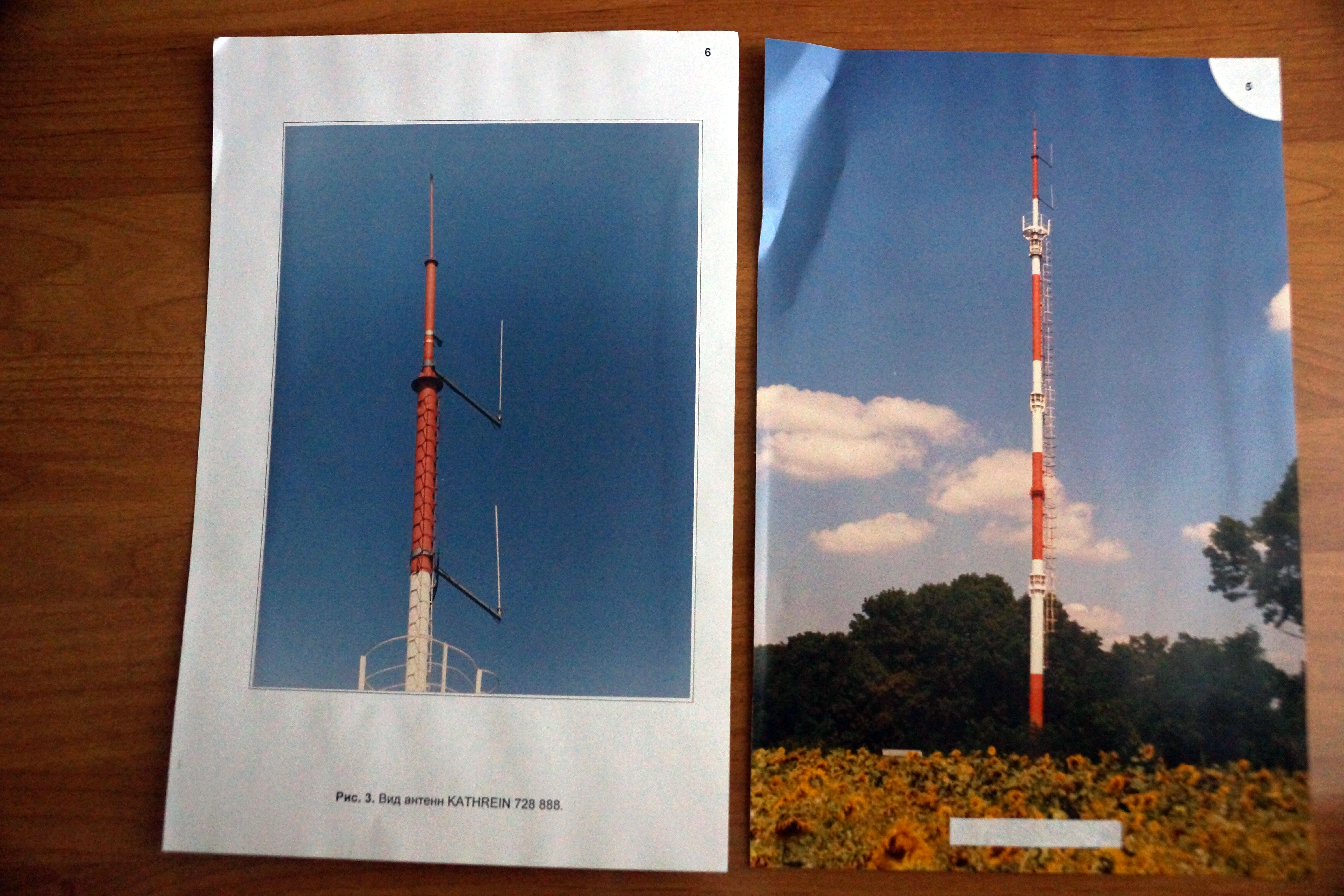
When the Pulinets submitted documents and photographs, Nadezhda Savchenko asked the court: “Your honor, I ask you to accept this document, since the prosecutor’s office and the prosecution put me on this tower, from where I allegedly adjusted the fire on poor journalists. It is important for you to see how it at least looked.” The court refused, citing the fact that the documents were drawn up in Ukrainian. This caused a sharp reaction of the Ukrainian pilot: "Now we see how the accusation infringes on any other language except Russian. I am Ukrainian and speak Ukrainian. Let them use translators. What kind of excuses are this? This is an infringement of my human rights!" In response, the judge threatened to withdraw Savchenko from the courtroom. “I have already warned you,” the judge said. “And I warn you that I will begin a dry hunger strike then,” Savchenko said and said that she would turn to the Human Rights Commissioner Ella Pamfilova with a complaint about the language discrimination during the process.
Employees of Ukrtransnaft rise to the mast using insurance and a special staircase, about 10 meters high. There was not a single case when outsiders would have been climbed into the mast. "Did you climb this design? Well done, jumped six meters!" - jokingly said Savchenko lawyer Mark Feigin, showing her a photograph of the mast.
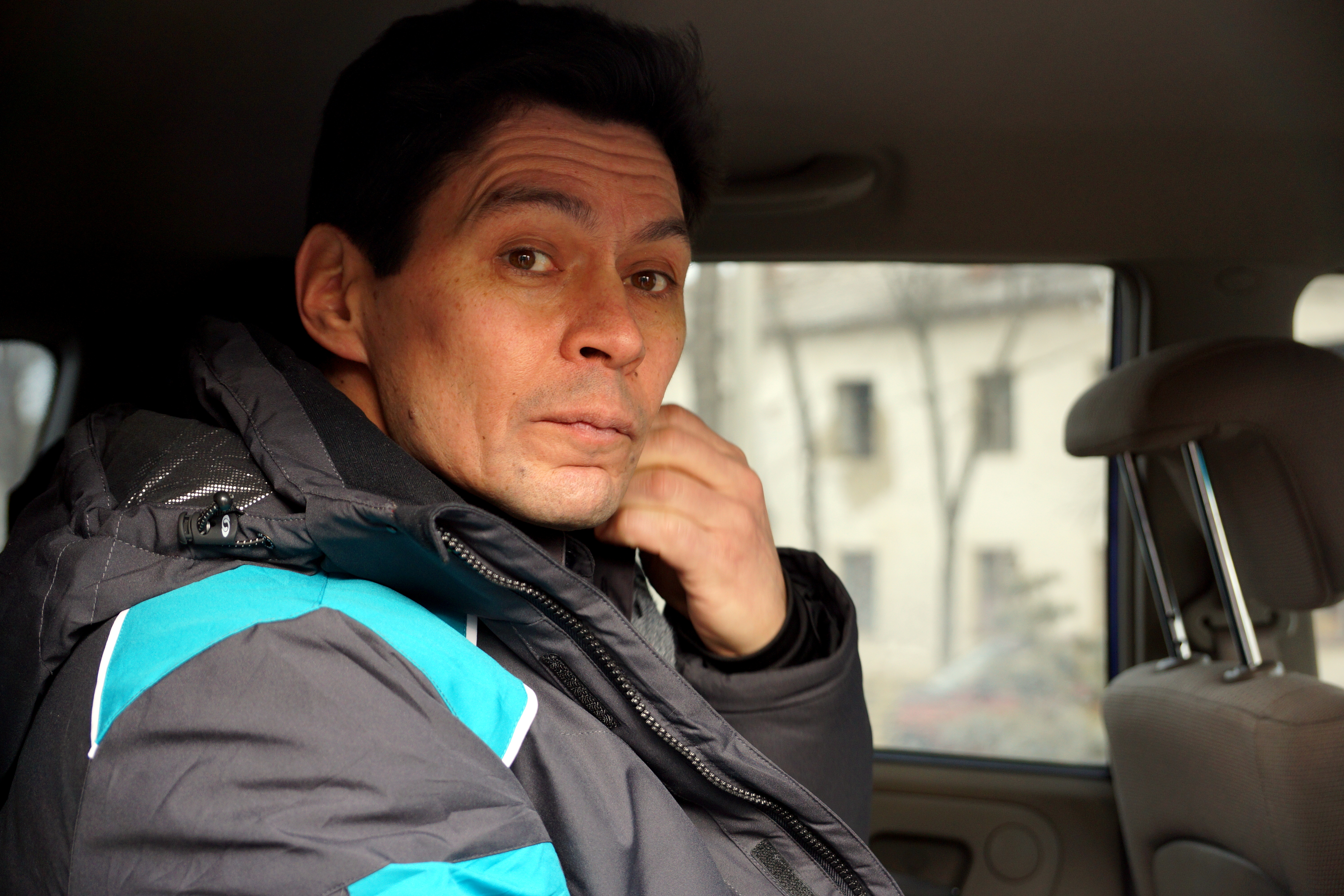
Antennian-Madovik Sergey Chapak, also an employee of Ukrtransnafta, serving the masts in the Luhansk region, performed in court at the last meeting, despite the protests of the prosecutors. Chapak is the only person who climbed the mast, with whom Savchenko, according to the prosecution, corrected the fire of artillery.
"What distance is visible from the mast site, if you look towards Lugansk? Lugansk-Settlement is visible from her?" - the expert asked lawyer Novikov. “No, it is not visible behind the landing. She can be seen further. But near the tall trees-5-6 meters,” the Chapak answered. "And the post of traffic police ( whose journalists died. - Approx. ) You can see?" - Novikov asked again. The expert answered negatively.
In the same way, he expressed doubts that you can climb the mast with one active hand or with damage. He himself always climbed with insurance, and this occupied about half an hour from him.
"Can you climb with one hand?" The lawyer Nikolai Polozov asked him. “No,” the Chapak answered. “Well, why ...” the prosecutor said quietly and already asked loudly: “And if you hold on to the elbow joint?” - "This is impossible". - "Why?" “You can fall,” the expert answered. “And you can not fall,” the prosecutor shook. Everyone laughed.
On Monday, February 1, Nadezhda Savchenko will be questioned again. Now she will be able to refer to all the materials that were studied in court. In fact, the debate of the parties will begin from her speech, although then an addition to the prosecutor and lawyers will follow. The defense fears that the prosecutors, without providing, according to Mark Feigin, “not a single evidence that Savchenko’s actions to adjust the fire and mast,” will lead another “witness” who will say that he saw how the Ukrainian pilot climbed onto her. Now this possible “witness” will have to explain how she managed to climb to a height of 6.8 meters without equipment and stairs and make out from there the intersection hidden by plantings, where the journalists died.
The course of the battle on June 17, 2014, as a result of which Savchenko was captured, is also now restored up to minutes. But the testimony of the military personnel of the Armed Forces of Ukraine and the separatists who invited the accusation, who were invited, contradict each other. The decision in this case remains with the court, but the trend in his decisions is quite obvious: at the penultimate meeting, 11 petitions submitted by lawyers were rejected.
“We are almost ending. Next week, we are likely to finish our part of the work,” Ilya Novikov assured. “We expect that no later than mid -February there will be a debate and by the end of February - we are passing on to Ukrainian and European negotiators who will engage in the history of Nadezhda Savchenko, a very good dossier. They will not have to defend themselves from reproaches that they are standing for a war criminal. He will study the materials of this case, that Nadezhda is innocent and has nothing to do with the death of journalists.
Nadezhda Savchenko has been holding a hunger strike for 43 days.
-


Anton Naumluk
Foreign Correspondent RS