
Translated material
"Was it easier with the Communists?"
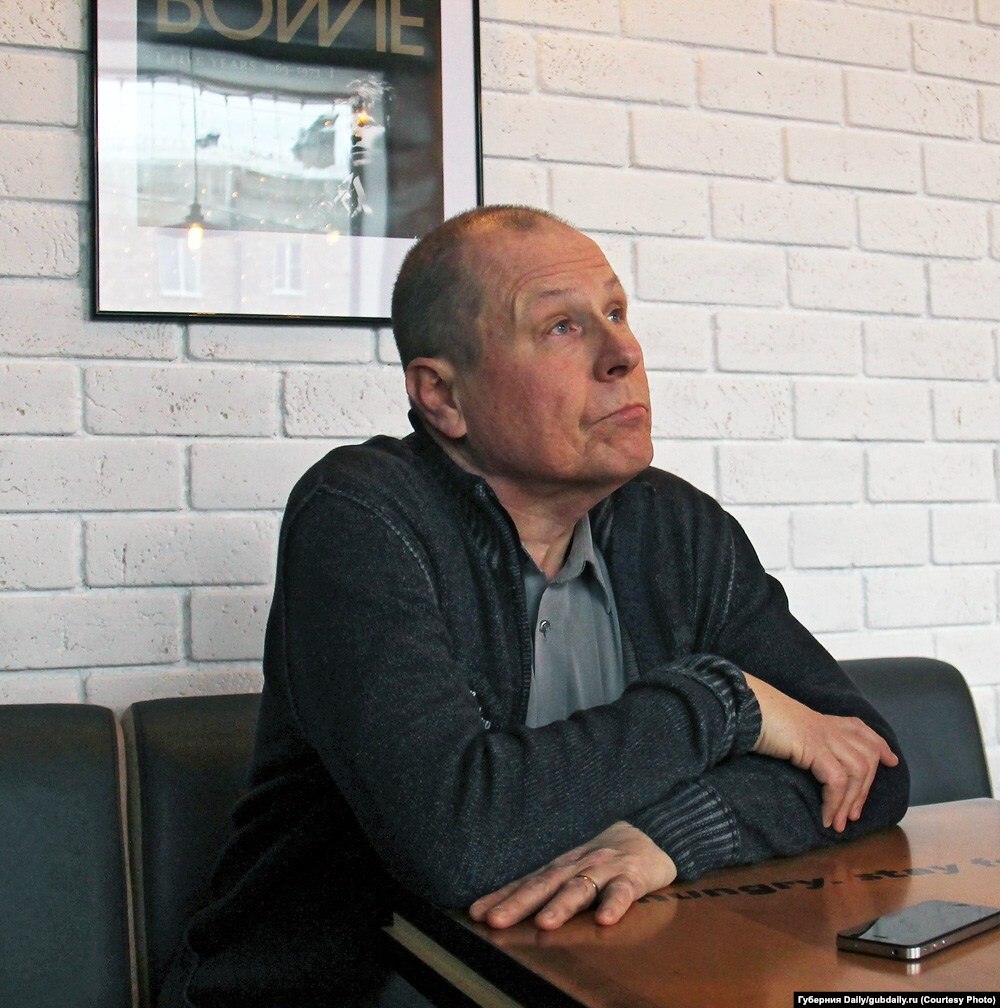
The Finnish journalist Esa Tuominen, who was sent from Russia, spoke about his impressions of a trip to the country
Esa Tuominen, a Finnish journalist-freelancer, is often in Russia. Exactly a week ago, on Saturday, he once again arrived in the country, but managed to stay here for only 4 days-during an interview with the ex-mayor of Petrozavodsk, Galina Shirshina was detained, annulled the visa and forced him to go back to Finland. True, Russian officials treated Tuominen a child: they wrote out a minimum fine, gave several days to fees and did not even prohibit entry for the next 5 years, as often happens to those who are expelled from Russia for certain violations of the rules of stay in the country. The formal reason for his detention is clear (the wrong type of visa), how clear and the circumstances of the detention are clear: the version is confirmed that the Shirshina and everyone with whom she meets her worker in the place in the Petrozavodsk cafe is constant observation.
It was in this cafe that Es Tuominen was detained when he interviewed Galina Shirshina, recently removed from power by local deputies. According to the journalist, two girls at the next table called the police, after which the police and an FMS officer arrived at the place. The call was hardly an accident: the local photographer Vlad Kerry, who shot Galina Shirshin and Es Tuominen that day in a cafe, was haunted by a mysterious person in civilian clothes to the door of the house.
In an interview with Radio, freedom, Esa Tuominen , said that he himself did not believe in the accident of his detention by “two vigilant girls”, and also answered questions about what changes in Russian life he noticed during his next trip here, whether they are afraid of the new war with Russia, whether he believes that the FSB helps refugees from Syria to get to the Russian-Finnish and Russian-Norvezh The boundaries, and as the Russian recipe for good health in Petrozavodsk found in Petrozavodsk at the ninth ten years of life.
- When did you arrive this time in Russia and when did you leave it?
-I arrived on Saturday evening, the 23rd, and left the 27th.
- What visa did you enter?
- "Cultural ties."
-You are not the first journalist to be sent from Russia due to the lack of a working visa. Have you been ready for such a development of events?
- I knew that in principle this is possible. I heard that they require accreditation and visa through the press, but I thought that it concerns more of those journalists who constantly live and work in Russia, that is, real correspondents, and I was on a brief time on a business trip. I thought that this was not so important to me, but it turned out that it was still important.
- How did events develop on the day when you interviewed Galina Shirshina ? Did you manage to find out who these people were in civilian clothes, who approached you? Who called them? Was this an accident?
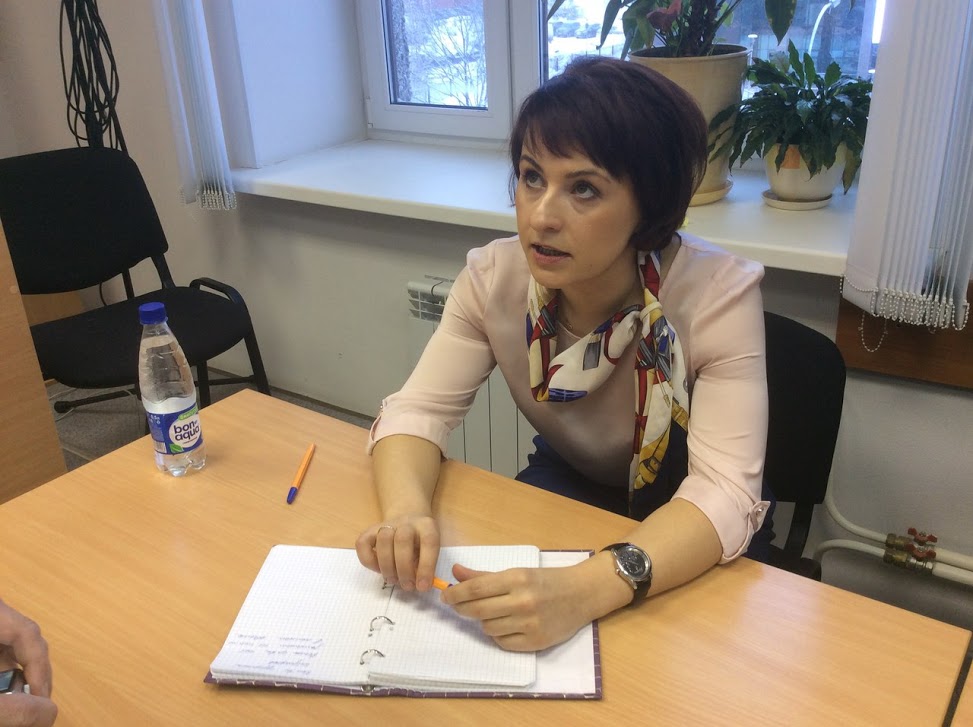
- There were two girls at the next table in a cafe. And they, as it turned out later, called the police, the police, because they recognized Galina Shirshin and noticed that a person was talking to her with an accent and, perhaps, something was wrong there, something suspicious. And they decided that it was necessary to call the police in such circumstances. Then two, in my opinion, police in uniform and one in civilian clothes came and asked me for documents, asked me what I was doing here. I told honestly, did not invent that we just have a private conversation or I collect material for my scientific dissertation. I did not come up with any stories. I honestly said that I am an interview for a possible publication in the Finnish press. They said that your visa is not like that, let's go. And we went to the management of the migration service. They kept me for 4 hours, asked, asked, asked. I signed a bunch of documents, probably set 30, if not 40 signatures. Then they took my fingerprints from me. And then they took me to the harsh lady, who turned out to be the head of the department. She reprimanded me, said that there were mitigating circumstances and that she decided at a “fork” [fine] from 2 thousand to 4 thousand to give me a “minimum” - 2 thousand. Illegal work, illegal labor activity, the visa does not meet the goals of my stay in the Russian Federation. Plus, my visa was canceled. Then I received a new temporary visa for three days the next day. That ended this story. I left. And all.
- Have you paid the fine right there, in place?
- There I signed this fine, they gave me receipts. And then paid, the next day, in a savings bank.
- Is the opportunity to continue to come to Russia to continue to come for you? They told you, for example, something about the ban on entry into the country in the future?
- They said that they are not engaged in future visas. These other bodies solve the issue of visas in the future. Now, of course, I will apply to a new visa. But now, probably, in all paragraphs of the law I will accredit and ask for a visa by the press, do everything according to the letter of the law. Now I would like to legitimize my journalistic activity in the Russian Federation. They will give me to legalize or not - this is another question.
- Previously, during previous trips to Russia, you had to meet people who are, let’s say, in a tense relationship with the current authorities? Did it cause any problems?
- No, I never had any problems. I think that now it would not have happened if the interview partner was different. If I wrote about the Kizhi Museum, or about the sights of the city of Petrozavodsk, or I would have interviewed some artists, there would be no problems. But it turned out that I touched a topic that is critical.
-And yet you were "calculated" due to accident or not? In Russia, the atmosphere is now quite tense. From the TV they constantly talk about the confrontation with the West. People are becoming more suspicious, looking for spies everywhere.
If I wrote about the Kizhi Museum or about the sights of the city of Petrozavodsk, there would be no problems
- Of course, I can’t say anything 100 percent, but for girls like students in such a good cafe, they would call the police ... You have a population in general, as I understand it, I don’t really want to deal with the police, only in extreme cases. Therefore, to imagine that they just called the police and reported that a person with an accent speaks with a former mayor and writes it off ... I hardly believe that the girls decided to do this on their own initiative.
“Do you assume that they were on duty there and looked at whom Shirshina meets?”
- Most likely, so. I think so.
-But in general, you felt some change in the attitude towards yourself from ordinary Russians in connection with all the events of recent years, compared to what happened before?
- No. I always had a very good relationship with Russian people. With everyone. I am an experienced journalist. I interviewed many of your respected people, including the governors, from representatives of the United Russia party, I told Finnish readers what kind of party it was. And many authoritative people interviewed. There were never questions. This is the first time.
- In addition to the story of your expulsion after an interview with Galina Shirshina, what else did you especially remember from what you saw in Russia? You often visit here and can compare. For example, have you noticed traces of the economic crisis? Signs of impoverishing people? Something else?
- Of course, I see that the crisis affects. And maybe now people have become a little nervous in connection with terrorism and exacerbation of Russia's relations with Western countries. But I have always been very polite to me. And I must say that the employees of the Migration Service, who met me, were extremely correct. And the police who detained me. They did not put me face on the asphalt, they did not put on handcuffs, they didn’t even touch me. Very polite. I know how people are often delayed in Russia, but they were very correct with me.
- I am talking more about your sensations from the life of the Russian outback, which, of course, is both Karelia and Petrozavodsk too. Do you have a feeling that everything is moving to some wrong side? What did people live worse than what was 3-4 years ago?
- Many told me that life became more expensive. They used to go to Finland, a neighboring country, because it was interesting. Now this is impossible, because the euro has become expensive. And in Turkey, in Egypt you can’t relax. This is, of course.
-People talk about it with regret or just as a fact that you need to come to terms with and tolerate for the sake of some purpose?
- Differently. Some treat humor, some really regret that it so happened that life has become like that. Some claim that we are ready to endure everything that will be. They are very different.
-And in Finland itself, a decrease in the flow of Russian tourists, especially from the North-West region of Russia, a stream that has always been stably high?
- Very, very noticeable. The tourist market from Russia collapsed. Very little [people] began to ride.
- What, even for "sanctions" products do not come?
- I think not. I think that the very desire to come did not get anywhere, but there are no possibilities.
- Galina Shirshina, from whom you tried to interview, was very unusual, by Russian standards, mayor. She abandoned her own inauguration ceremony, reduced the cost of travel by city transport, led an extremely atypical for a Russian official a modest lifestyle, and so on. Is it like how the mayors of the cities of Finland are?
- Yes, in our country the people believe that the "people" the mayor of the city, the smaller the pathos, the better. She, in my opinion, is very similar to the city leader or mayor of the Western type. She, of course, is a unique mayor that she defeated the candidates of the party of power. Such [in Russia] does not happen or happens very rarely, in my opinion. Usually, as a rule, the one whom the government recommends wins.
Shirshina, in my opinion, is very similar to the city leader or mayor of Western type
- Another story, if we talk about relations between Russia and the northern European countries, which is now unfolding, are refugees from Syria and other countries of the East. Finland , following Norway , stated that she would send them back to Russia, from where they come from. At the same time, the press appeared that many refugees helped to get to the Russian-Norwegian border by the FSB. Do you believe in these rumors and generally in the theory that Russia, with the help of the problem of refugees, is trying to artificially exert pressure on European countries?
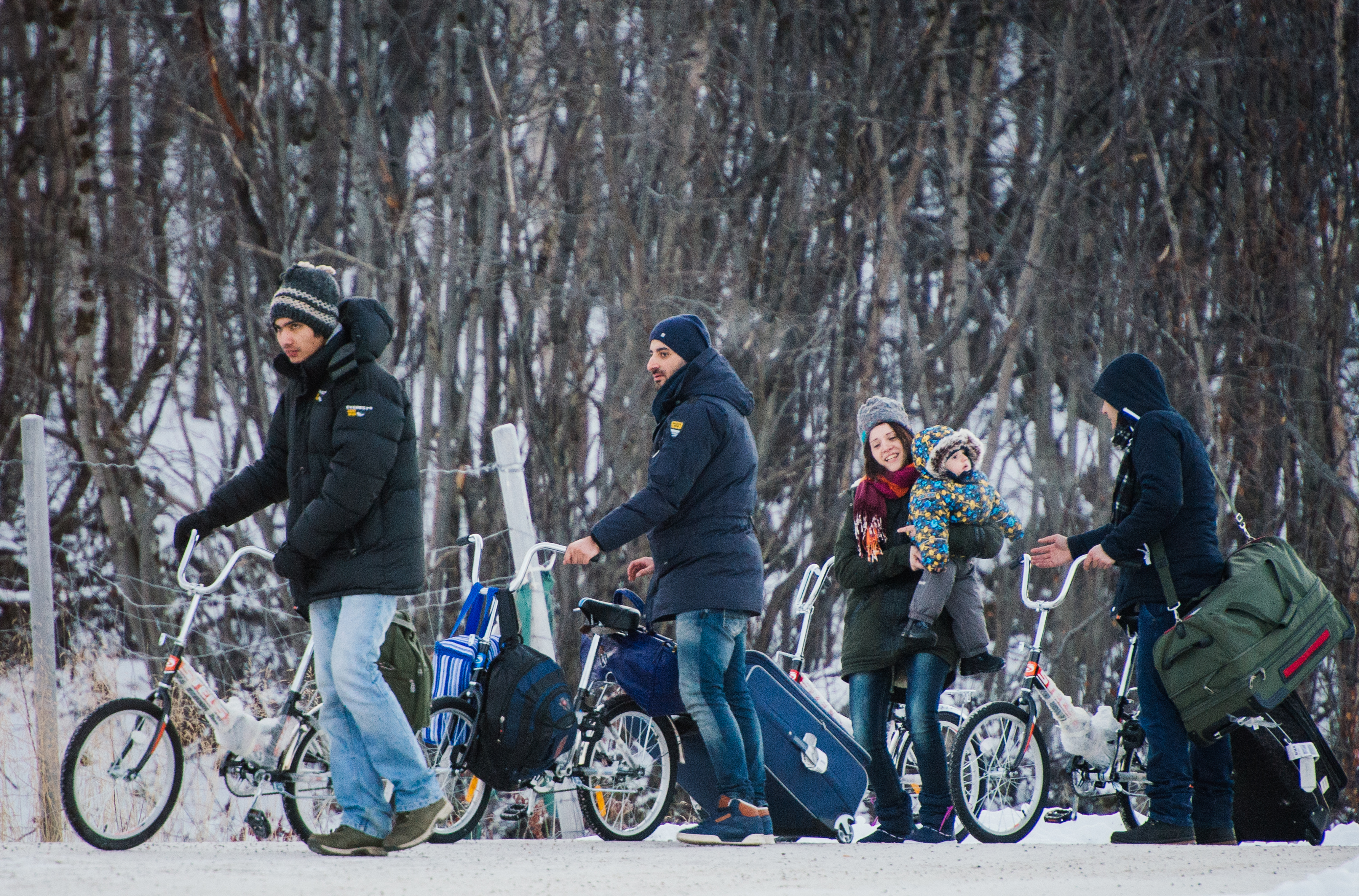
- I myself do not know how actually, but we have an opinion that this is happening. Many people think so that Russia now wants to influence this way. But I don't know how it really is. It’s just strange for me that they are allowed to go to the border without visa control. They have no visa. Previously, in my opinion, they strictly monitored that they are allowed to the border only with a visa. Now they are not watching.
- Another news of the last days discussed in Russia is that the command of the Armed Forces of Sweden stated that he was seriously preparing for an open armed conflict, which could happen in a few years, for conflict with Russia. Are they talking about something like that in Finland, who already had to fight with the predecessor of Russia, the USSR?
- No, we traditionally want a peaceful relationship with Russia. We do not have this. We want a good relationship, live calmly and without any tension.
- Are such relations possible until Vladimir Putin remains the president of Russia?
- We must try. Whoever is in the leadership. Was it easier with the Communists? In my opinion, Finland was also not easy either with communist Russia. There were Stalin and Brezhnev. You must always be careful. We are already used to being careful. We have a neighbor - Big Russia, or the Soviet Union, not the easiest neighbor. But it is necessary to build a relationship with her. So there will be no war.
- In your Facebook there is a photo of an elderly woman on skiing on this trip to Russia. Of all the words in Finnish in the accompanying text to it, I understood only the word "vodka". What is this story?
- (Laughs.) It's just that I put a photo for laughter. This is an 83-year-old lady, such a whole, skiing every day, skiing every day and says that her health is that she drinks several varieties of juice and one glass of vodka every day. I wanted to inform the Finnish readers, to recommend the recipe, so to speak.