
Translated material
Highly backward Russia?
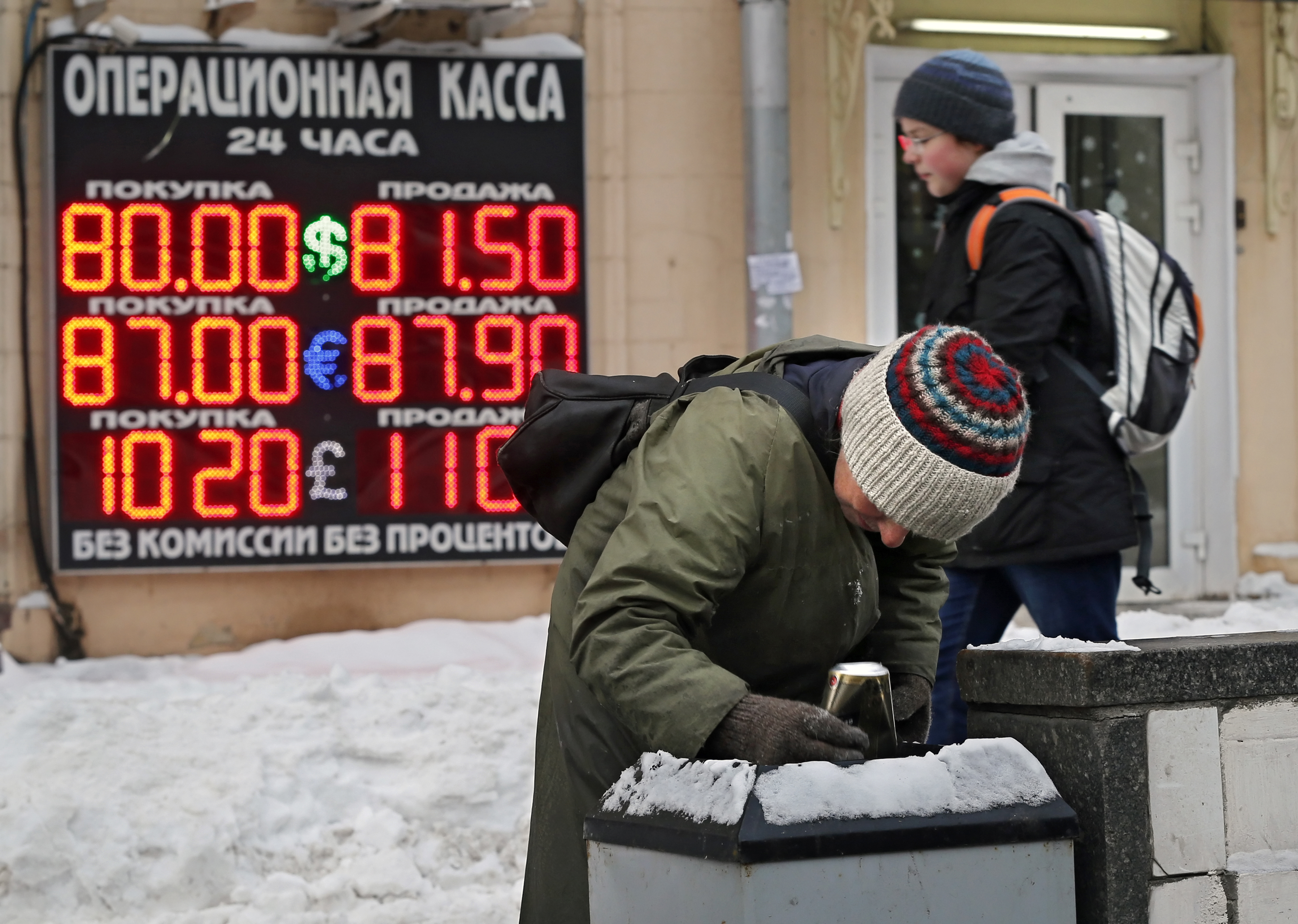
A country with an outstretched hand is the prospect that opens in front of Russia in the coming years
Can a drop in oil production in Russia, predicted by the American newspaper, lead to sad consequences for the country? Was the Russian economy in irreversible stagnation? Why do America need Russian natural wealth? Can Ukrainian oligarchs be a healthier force than Russian?
These and other issues are discussed: Paul Gregori , commentator for Forbes magazine, professor at the University of Houston, Yuri Gorodnichenko , professor at the University of Berkeley, Mikhail Bernsstam , an employee of the Guuver Institute in California, and Gregori Grushko , the head of the American financial company HWA.
The emergence of information that the economic fall in Russia reached almost four percent last year caused noticeable attention in the American press and even in the White House. On Thursday, during a briefing, a press secretary of President Josh Ernest, commenting on the press about the possible establishment of cooperation between Russia and OPEC in order to increase world oil prices, saw Moscow to grab the “rescue cable”. That is, to find someone who will help her to improve, as the representative of the White House put it, her economic prospects. He emphasized that the economic isolation in which Russia turned out to be in Ukraine in Ukraine, a very tangible effect had both on the short -term state of the country's economy and its long -term economic growth.
However, from the point of view of some American commentators, in the Russian case, the very phrase "economic growth" sounds inappropriate. On the same day, for example, the Bloomberg information service published an article by the Businessweek magazine correspondent in Paris Carol Matlak, in which the realism of the idea of economic recovery in Russia is questioned, at least in the near future. The article is entitled expressively , the title can be translated as follows: "The great transition of Russia to the fall." “No matter how gloomy the last static data may seem, perhaps they do not clearly reflect the sad forecast for the country, which recently experienced the moment of great success,” writes Carol Matlake. It quotes several authoritative Russian specialists likening Russia to the country whose economics rolls lower and lower from the mountain.
A few days earlier, The Wall Street Journal placed an article on a whole lane, which says not very, to put it mildly, good condition of the Russian oil industry and data is given about the approaching drop in oil production in the country.
According to Paul Gregori , all these facts indicate extremely serious problems that are insoluble with the current guide in the Kremlin:
- The drop in oil production will affect the Russian economy in a completely obvious way: the income drop is undermined by the budget, fifty percent of which is revenues from oil export. Twenty percent of the gross domestic product is the energy sector. In other words, in this case, we have an economy depending on energy resources in the era of reduction in prices for hydrocarbon raw materials. Russia was trapped, from which you can get out only with the help of decisive reforms. By the way, it is important to note that the flowing trend in the Russian economy has outlined at oil prices about a hundred dollars, about a year before the annexation of Crimea. The reason for this was the fall in investment, both external and internal. That is, even then, investors had no confidence in the Russian economy. The attitude of investors is a key indicator by which we can judge the prospects of the country's economy. In the Russian case, the picture is completely clear: a sharp slowdown in investment grew into a fall.
- If we add to this the prospect of reducing oil production in Russia, what happens: hopelessly backward, decaying economics? Or does she still have a margin of safety invisible to the naked eye? Since last summer, the Russian president tells the Russians that the economic decline has reached the lower point and improve the situation around the corner.
I would be concerned about Vladimir Putin that discontent and protests would be accompanied not only by the Duma elections of this year, but they will drag on to the 2018 presidential election
- If you look at their own official forecasts, the government predicts the growth of the economy into one percent. This, of course, is difficult to call the recovery of the economy. This is stagnation. In reality, the situation is worse. Now the standard of living of Russians is dropping sharply, the real salary has collapsed. The poor population cannot increase consumption and pull the economy from the pit. In 2016, pensions can be nominally increased by 4 percent, but taking into account inflation, they can fall, say, 8 percent. Something similar happens with salaries in industry. The debts of the municipal authorities to pay salaries are doubled. We already see the reaction: strikes by drivers of heavy vehicles, teachers, firefighters. I suspect that the deterioration of the economic situation will be a protracted phenomenon. I would be worried about Vladimir Putin that discontent and protests would be accompanied not only by the Duma elections of this year, but they will drag on to the 2018 presidential election.
- Well, you will predict an economic recession in the coming years. Well, what are the long -term prospects of the Russian economy? As the Americans say, does the economic decline inevitably go into the rise? Is it worth the Russians to count on the arrival of better times in the foreseeable future?
- If the Kremlin showed readiness to carry out real reforms, primarily reforms regarding property rights, Russia could become a successful country in theory, given its natural wealth and the educated population. In the current conditions, when none of investors and entrepreneurs can be sure that his property is inviolable, this is impossible. It is enough to look at the Kleptocratic management system created by Putin to understand that the implementation of any reform providing the rule of law and a guarantee of property rights will lead to a loss of levers of this system, that is, a loss of influence. Therefore, I do not think that he will agree to carry out such a reform. Any reform in such conditions will be a purely cosmetic exercise. So, speaking of the future, if Russia is very lucky and the price of oil will increase significantly, then it will be, I think, approximately in the role of Greece in the coming years.
- Not very, I must say, a bad prospect!
- Greece - it sounds good, but I'm talking about a country that has no money, and she is forced to walk with an outstretched hand. At least Greece - a member of the European Union and its partners feel obligated to redeem its debts. I do not know those who would be ready to redeem Russia's debts.
- In other words, your forecast for Russia is a perennial extinction. What do you think about the probability of financial collapse, which is now a lot of assumptions by a variety of Russian analysts?
The money is dried up
(in the stabilization fund) in 2017. I don't know what will follow this
- Each specialist is trying to calculate whether the reserve fund will be enough for Russia for a long time, since it is he who is a source of funds that allow the country to cover a budget deficit. The majority believe that this money is enough to maintain relative stability to the 2018 presidential election, based on a budget deficit of 3 percent. I suspect that the budget deficit will be closer to 5 percent, from which it follows that the money will run out in 2017. I don’t know what will follow this, ”says Paul Gregori.
- Gregory Grushko, you dealt with Russian oil companies, imagine the current position of the industry. Can Russian oil production really start to fall?
“I think prey can decline,” says Gregori Grushko . - How much noticeable is difficult to say. But people in the Russian government, prominent representatives, in particular Dvorkovich, also say this that they will benefit them to reduce products. Of course, there are objective factors, such as old equipment worn out, dried up oil deposits. But in principle, yes, a fall in extraction is expected.
- Dvorkovich can talk about how good the decline in production is for Russia, but, objectively speaking, does the country have a danger to fall in prices, plus a decline in prey?
- How long this decrease occurs within reasonable limits, say, one and a half million tons, the effect will be quite low.
- How long can this process be? Do they have prospects for returning to growth?
- This, in fact, depends on the prices of oil and the corresponding possible costs in search of new deposits or the modernization of equipment. If there will be no significant rebound, as Putin says, oil prices will not, then, I think, after a decrease in the pace of oil production will remain the same.
- What are the moods of those who work in the oil industry? I know you are professionally interested in this industry?
- Example: the other day at the Hong Kong Investment Forum, one of the famous Russian oligarchs talked about his conversation with Putin, during which Putin asked him, is he ready to give his business at the request? He said that, of course, I would gladly give anything. What am I leading to? To the fact that Russian oligarchs understand that they are not so much the owners of their businesses as the beneficiaries of these businesses and ever, it is quite possible that they will have to simply give them to.
- Temporary workers.
- Yes. They try to get the maximum profit at the moment, to withdraw this profit, this money abroad and leave it there.
- Professor Bernsstam, if the predictions of the decline in oil production in Russia are true, what to expect from this to the Russians? Indeed, at the beginning of the 2000s, I remember, President Putin said that the future of Russia, its prosperity depends on its transformation into an energy superpower. Now it all sounds almost ridiculous.
“There is a forecast, recently made by the United States Information Energy Agency, which gives fairly objective grades,” says Mikhail Bernsstam . -In the upcoming year, 2016, there will be no decline in oil production in Russia. Russia is now mining 10.7 million barrels per day. By 2020, it will decrease to 10.5, that is, it is an insignificant fall. Then they give some kind of prohibitive forecast by 2040, of course, such forecasts are unreliable that the fall can reach up to 9 million barrels per day. So even if such a forecast comes true, then this is still not a catastrophic fall. Let's not forget that Russia, when it was the RSFSR as part of the Soviet Union, produced more than now, it produced 11.7 million barrels per day and production fell to the 6th for the 90s, in 1998 there were 6 million. That is, she rose from 6 to almost 11 now, if it falls to 9 again, and this is not expected until 2020 - this is not the main and not the largest, and most importantly the question that Gregori has already affected is that the entire incentive system in the entire economy, not only in the oil industry, in all industries is not tuned to technological updating, is tuned for temporary torn off, enrichment. Therefore, there are no conditions for technological progress. This is in the long run the most important and the most negative for the future.
- Professor Gorodnichenko that, from your point of view, ahead of the Russian economy: quiet, calm height, rot, or something more violent and unpleasant?
- I think there will be quiet, calm decay. There are a lot of examples from history, when prices for goods such as oil fell and simply were slowly dying, ”says Yuri Gorodnichenko. - A good example is Argentina. Once it was a flowering country, the prices of the meat were high, then prices fell, Argentina began to engage in import substitution, and as a result, one of the most prosperous countries became vegetative.
- Professor Bernsstam, my interlocutor Paul Gregori predicts that the economic decline will be delayed in Russia not for months, but for years. Well, if you expand the forecast horizon: are there any reason to predict an economic rise in Russia, or its economy is doomed to fading, will be rolled downhill?
- If we look at the world experience, then we must look at what is happening with the technological update, with human capital, with investments. There is no technological update. Over the past 25 years, only two new industries have been created in Russia, namely: retail trade and banking and financial business, they are not new for humanity. But no sectors in which technological renewal occurs in Russia has been created. And therefore, long -term prospects can change from changes in economic policy, but with the current system, high technological growth is unlikely. Human capital, education, apparently, worsens, the emigration of talents occurs. For technological renewal, science and support of inventions are still needed, this does not happen. Therefore, without changing the economic system and without changing economic policy, based on the fact that it creates economic growth, judging by world experience, the prospects for Russia so far look negative.
-negative or still hopeless? After all, I remember that in one of our past programs you said if I correctly understood you that Russia has turned into a hopelessly backward country, because it did not use the possibilities for reforms, while the world has gone far ahead. And it is almost impossible to catch up with him.
- What I said, I said, on the example of India and the textile industry before the industrial revolution, what Professor Gorodnichenko said about Argentina, which was close to the United States in the early twentieth century, and then sharply behind. That is, if the economic policy chooses the path of development that does not withstand competition in the world market, turns out to be unpromising from an economic point of view, then the country begins, as I then put it, to fall out of history. This will happen. The economic system, economic policy can be changed, we see this using the example of China.
- Gregory Grushko, you maintain contacts with Russian entrepreneurs and financiers. What are their moods, are reforms possible in Russia? Paul Gregori, like many others, is convinced that this is impossible, until Vladimir Putin is in power.
-How long this economy is not diversified, how long it is 50 percent dependent on oil prices and gas, how long no attempts to introduce any new technologies will not happen. Experiments in Skolkovo and Rusnano, for example, are proposed to be closed, but before they were closed, they already resembled Soviet research institutions full of loafers. I believe that no economic changes can occur without political and social. Under Putin, there are practically no chances of such changes.
- Yuri Gorodnichenko, you said that Russia is most likely following the path of Argentina. But this is still not a gloomy Soviet past?
- This is not the Soviet past, but this is not quite good present. The level of the average resident of Argentina is that the Russians had about 5-10 years ago. You can buy a car, you can buy an apartment, but you cannot afford to go somewhere abroad, you cannot buy yourself a good car or a good apartment, you have a big inflation, you do not know what will happen to you tomorrow. You are constantly excited by some macroeconomic crises, then the exchange rate flies somewhere. Such a permanent state of the crisis, and it can last a very long time.
- Yuri, it would be very interesting to compare the prospects, if they can be compared, Russia and Ukraine. I know that you have ties with Ukraine, you can imagine what the situation is there. From your point of view, a professional who has better prospects, is it possible to compare two countries at all?
I think Ukraine has better prospects now than Russia
- I think you can. I think Ukraine has better prospects now than Russia. This is due to the fact that Ukraine realized that the policy that was in Ukraine and in Russia, which is tied to oil prices, to metals - this does not work, we must focus on other markets, and technologically catch up with. It is necessary to unite with the rest of the world as quickly as possible, as deeply as possible. In Russia, this understanding is not, I do not know when it will come. Ukraine, maybe it looks so fantastic now, but in 10-20 years it may well become the second Poland.
- You want to say that the oligarchs, which, as I understand it, dominate Ukraine, they differ from the Russian oligarchs, they do not have their own skin, excuse me for the word, interest, they care about the country's interests?
- They care about their interest, their wealth, but these people understand that they do not have a future in Russia and therefore need to reorient to Western markets as soon as possible. А для того чтобы продавать Европе, США, надо технологическую высококачественную продукцию продавать. Должны быть инвестиции, должна быть технологическая революция в Украине – это рано или поздно наступит. Мне кажется, Украина встала на этот элеватор, на этот эскалатор, и он постепенно довезет Украину до как минимум уровня Польши.
– Грегори Грушко, ваши контакты с украинскими предпринимателями вас тоже располагают к оптимизму?
– Мне кажется, что разница не между олигархами украинскими и русскими, а разница между властью украинской и русской. Украинская власть пытается бороться с коррупцией в Украине, не всегда успешно, очень тяжело, но пытается. В то время как в России не только власть, но даже либеральные экономисты пытаются вздыхать: ох, коррупция, но это российская такая черта, воровать будут всегда. И даже не пытаются бороться с этим, но на словах иногда говорят.
– Возвращаясь к России, с вашей точки зрения, с чем можно сравнить будущее России? Это будет советское будущее, это будет аргентинское будущее? Пол Грегори, допустим, говорит – это будет греческое будущее, бедная страна, которая будет просить деньги на жизнь. Профессор Бернштам?
– Я полагаю, мы ошибаемся насчет будущего Аргентины, насчет будущего Греции. Греция наведет порядок и будет нормальной южноевропейской страной. Аргентине надо решить очередные проблемы бюджетной и финансовой системы. Их не надо даже сравнивать с Россией, они находятся на разных сторонах Луны, если можно так выразиться. Потому что в целом все-таки и Аргентина, и Греция являются цивилизованными западными странами с правильными установками, то есть там партии и правые, и левые понимают, что нужен технологический прогресс, нужно брать за образец то экономическое развитие, которое существует в западных рыночных экономиках, и избавляться от диспропорции, искажения, которое существует. Так что у них проблема времени. Россия, как мне кажется, в этой ситуации находится в каком-то тупике, во всяком случае, пока она не сменит всю экономическую систему и всю экономическую политику.
– Кстати, говоря о правильных и неправильных установках и о тупиках. Глава российского совета безопасности Николай Патрушев только что обрушился на США с обвинениями в том, что Вашингтон подрывает Россию, ослабляет ее и даже желает ее развала ради того, чтобы прибрать к рукам ее природные богатства. Я понимаю, что для любого нормального западного наблюдателя это – абсурдные фантазии. И все же, это так часто повторяется российскими функционерами, что они могли в это поверить. Поэтому, профессор Городниченко, объясните, нужны ли США российские природные ресурсы?
Россия – это 3 процента ВВП мировой экономики, плюс-минус. Это, можно сказать, карлик
– Чтобы мы поняли масштаб проблемы, Россия – это 3 процента ВВП мировой экономики, плюс-минус. Это, можно сказать, карлик. США – треть, Европейский союз – треть, еще треть – Китай и потом все остальные страны. Зачем огромной части мировой экономики США беспокоиться о каком-то экономическом карлике? Что Россия может предложить Штатам? Зачем им нужно покупать российскую энергию, если можно купить нефть в Саудовской Аравии без всяких политических или экономических проблем?
– Но можно предположить, что больше нефти – это всегда лучше, чем меньше нефти.
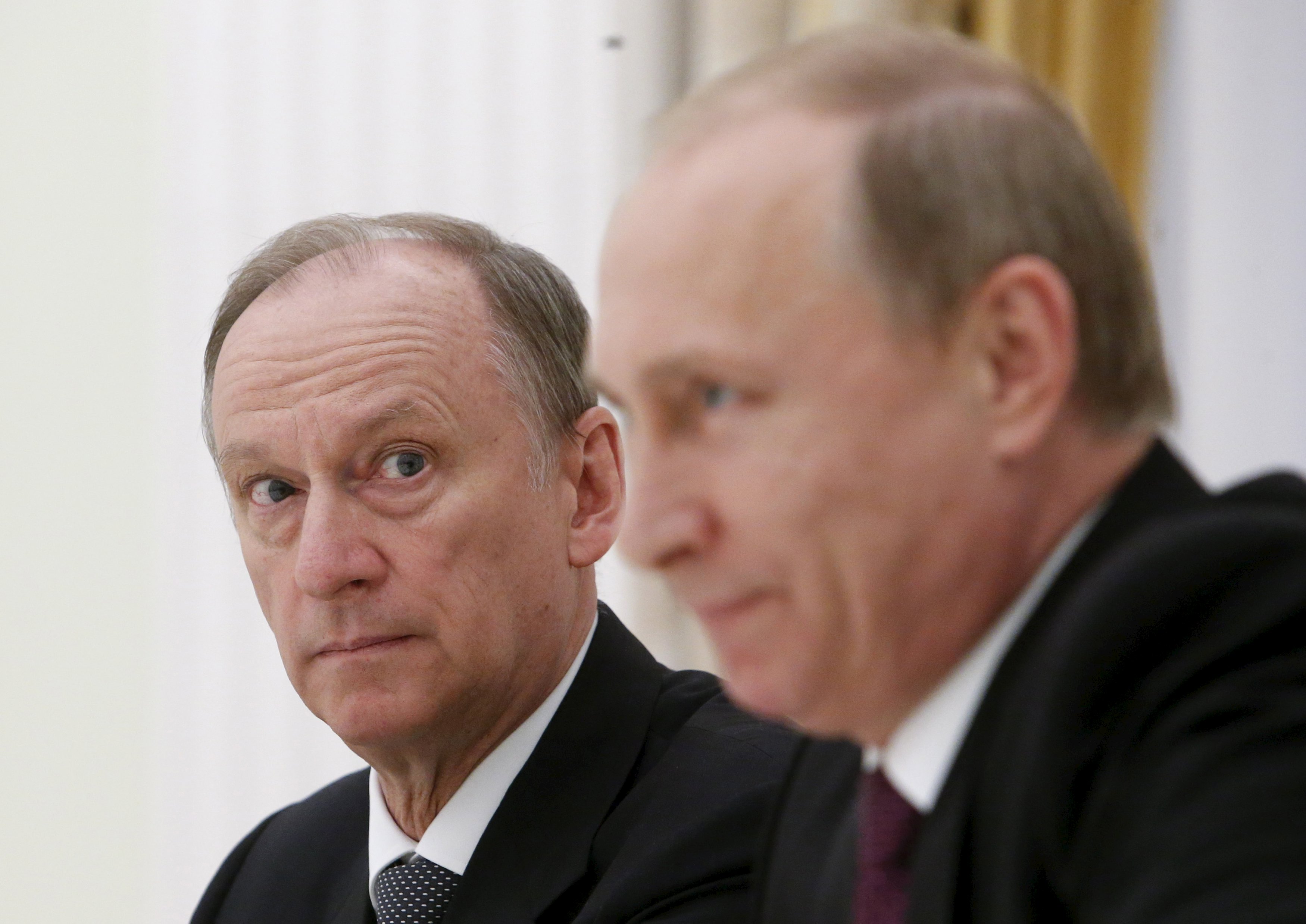
– Это правда, но это не такая большая проблема, чтобы устраивать развал России, – говорит Юрий Городниченко. – Есть такой товар или ресурс, который нельзя купить в какой-то другой стране? Лес – пожалуйста, Канада; нефть – пожалуйста, Канада или Саудовская Аравия. Если какие-то редкоземельные металлы – есть Китай, куча других стран. Зачем завоевывать какую-то другую страну для того, что можно купить просто на рынке. Когда мы хотим купить автомобиль, мы не должны завоевывать автомобильный завод, ты пошел на рынок и купил, вот и все.
– Профессор Бернштам, вы хотите что-то добавить?
Страны, в которых одна часть страны производит трансферт в другой части страны, субсидирует другую часть страны, эти страны без очень сильной диктатуры советского типа или иракского типа не удерживаются, они все равно при любом толчке распадаются
– Россия экспортирует на Запад свой самый лучший товар – это образованных людей, программистов, людей талантливых, которые могут работать в компьютерной промышленности. Мой сын, когда он руководил компанией в Сан-Франциско, он нанимал из России, из Украины молодых людей, которые еще там жили, там работали по интернету, а потом им организовывали визы, они приезжали туда и сейчас живут здесь. Так что этот экспортный резерв существует, России надо о нем беспокоиться, а не о том, что кто-то у нее отнимет нефть. Тут надо добавить еще один момент, который заметен в заявлении Патрушева: они боятся того, что Россия в своих нынешних территориальных границах не удержится, в России есть центробежные тенденции. В принципе они этого очень боятся, потому что страны, в которых одна часть страны производит трансферт другой части страны, субсидирует другую часть страны, эти страны без очень сильной диктатуры советского типа или иракского типа не удерживаются, они все равно при любом толчке распадаются, как мы это видели в Югославии, как мы это видели в Советском Союзе, как мы это видим в Ираке, в Ливии, где угодно, в Сирии. Поэтому как раз вот этого они боятся, что в конце концов, если за счет природных ресурсов Сибирь и вся Россия к востоку от Урала субсидирует всю остальную часть, то довольно сильны тенденции там отделения. Дело не в Америке, дело во внутреннем развитии.
– Грегори Грушко, почему Патрушев выступил с таким заявлением?
– Вы знаете, с точки зрения психолога, он действительно верит в это, не только он, но и люди, окружающие Путина, Путин тоже. Они экстраполируют свою собственную точку зрения. Для них приемлемо аннексировать часть другой страны, для них это вполне естественно вмешаться в какие-то внутренние дела другой страны. Захват ресурсов, деление сфер влияния, все, что XIX, ранний ХХ век, для них это вполне нормально и естественно. Соответствующим образом они считают, что и весь остальной мир функционирует подобным образом, то есть Соединенные Штаты хотят захватить ресурсы, которые принадлежат России. Если вся верхушка российского руководства – бывшие сотрудники спецслужб, то, естественно, и в Америке, и в Англии, и в Германии, всюду одни шпионы-разведчики, которые планируют какие-то страшные заговоры по отношению к России. Вот что, я думаю, происходит там.
– Юрий Городниченко, если сторонникам отмены санкций, чьи голоса сейчас очень слышны в Европе, удастся убедить Евросоюз не возобновлять их, будет ли это спасением для Кремля, ведь он больше не подтрунивает над санкциями, как он поначалу это делал, а возлагает именно на них, на США и союзников, вину за экономические трудности россиян?
– Это может помочь в краткосрочной перспективе, получить какой-то кредит, пережить тяжелые времена, но это не решит глобальной проблемы технологического отставания. Нет институциональной среды в России, чтобы люди были заинтересованы в каком-то технологическом прорыве. Западные компании на все это посмотрели, подумали: зачем нам инвестировать в Россию, если всегда существует риск сумасшествия. Я не вижу, как это решит проблему в долгосрочной перспективе.