
Translated material
Break and slip
In the UK, they allowed to edit the DNA of the human embryo: n+1
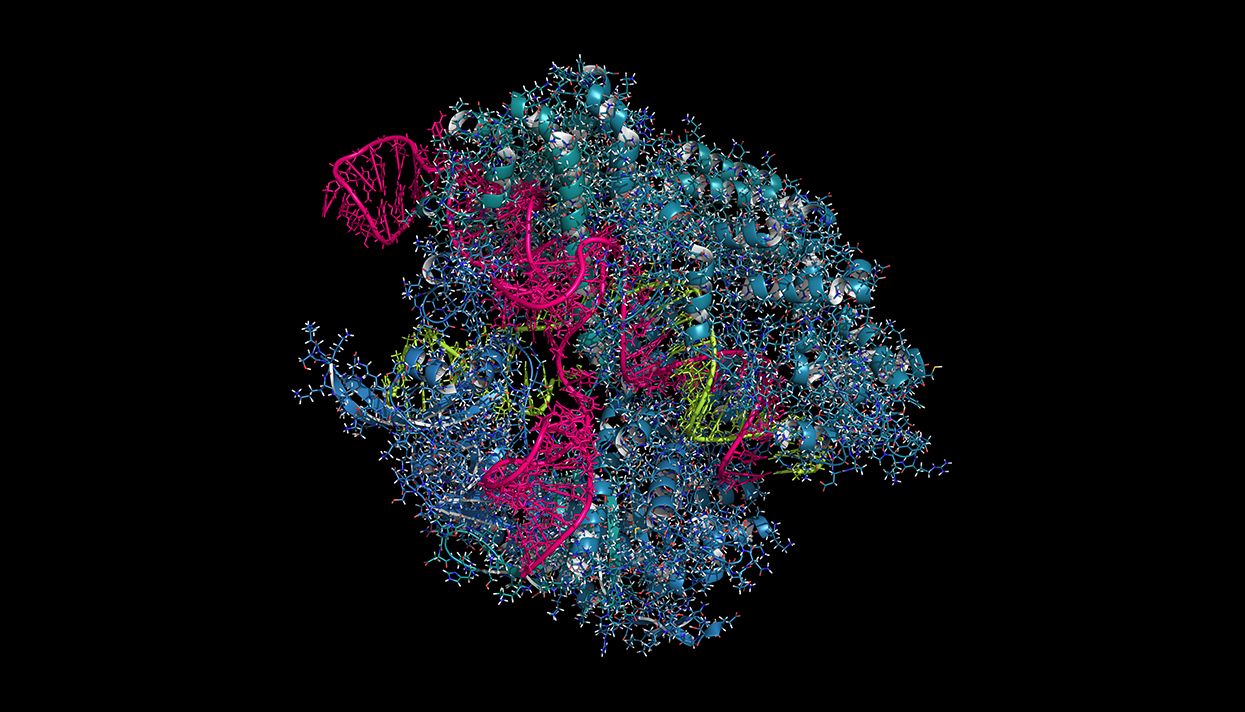
The British scientist was allowed to modify the human embryo genome. Thus, the UK became the first country of the West to allow such experiments; For the world of science, this is almost a sensation. The scientific publication “N+1” tells why this is important.
Great Britain allowed the genetic modification of human embryos using CRISPR/CAS9 technology. Earlier in the West, this technology was used only on animals. In April 2015, Chinese scientists genetically modified human embryos, but at the same time the leading scientific journals Nature and Science refused to print their article for ethical reasons.
In the UK, only one group of researchers under the leadership of Katie Nicen from the Francis Crick Institute will be able to work with human embryos. The embryos are ordered to destroy 14 days after receipt. It is forbidden to plant them for bearing.
The permission to work with human embryos will help to make breakthroughs in the field of treatment of hereditary diseases. Over time, researchers must learn to “treat” diseases long before the birth of a child. Having changed the gene, it will be possible to get rid of hereditary diseases such as cystic fibrosis and hemophilia. In the future, this will help treat certain types of cancer and schizophrenia. There are already successful examples of “treatment” of animals from a number of diseases based on these developments.
CRISPR/CAS9 technology is the advanced method of changing the DNA structure. Previously, the genome was edited by simply embedding a certain DNA structure into the cell; At the same time, where it will go, it was impossible to say. This method is suitable for obtaining a new property (for example, increasing the growth hormone in salmon ), but is not suitable for “treatment”. CRISPR/CAS9 technology allows you to embed a DNA structure into a certain chain segment-replacing an unnecessary piece.
CRISPR/CAS9 works as follows. At first, special nuclease (this enzyme) cuts DNA in two places - a short guide RNA indicates the position to it (scientists are selected). When DNA is cut, the cell is in an emergency: special proteins begin to look for a way to patch a hole. The easiest way is to detect part of the genome nearby. At this moment, scientists slip their piece of DNA, which need to be replaced by the cut out.
The accuracy of the method is far from one hundred percent. So far, there is only the only work to change the genome of the human embryo - those very Chinese scientists. There were local researchers with 54 fertilized cells. In 28 cases (more than half), the enzyme was torn by the genome where it follows. However, in four cases, the genome managed to slip the desired piece of DNA. In addition, scientists and in these cells found gaps where they should not be.
Even if the effectiveness remains low, in the absence of side effects, the technology can still be used to make inherited changes to the human germinal line. You can take the cells of connective tissue from the patient, edit the genome and select those where the editing has passed without complications. These cells can be used to obtain induced stem cells, from which you can then get spermatozoa.