
Translated material
Thousands of lost children
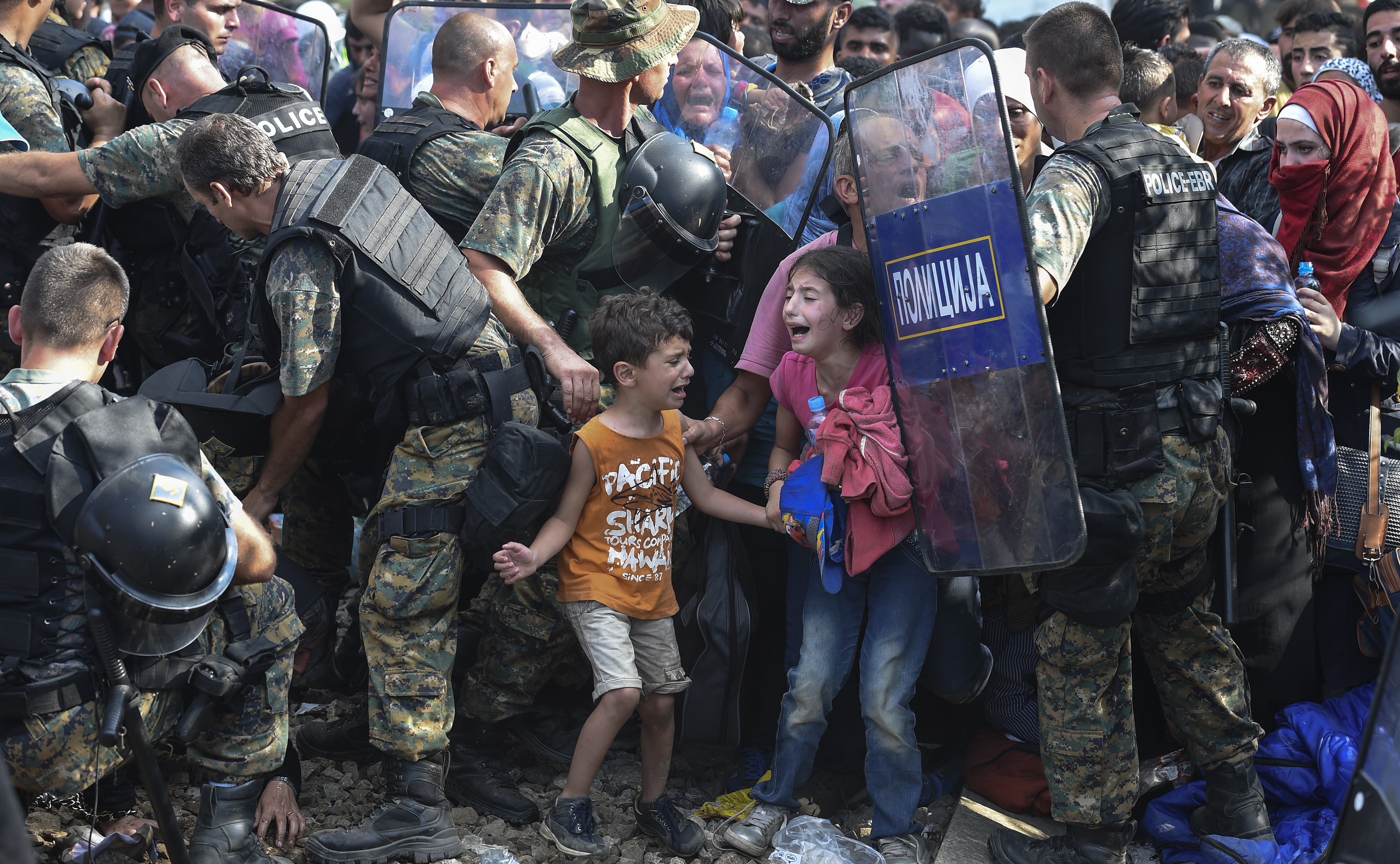
Over 10 thousand minor migrants "dissolved" in Europe. Many were in the hands of criminals
Europe is experiencing the most difficult migration crisis since the Second World War. The most unprotected and helpless in this situation, like 70 years ago, were children. According to the British newspaper Gardian , confirmed by the EU police service-Europol, over the past two years, more than ten thousand migrant children have been lost in the EU. The European police department is confident that many of them were in the hands of criminal groups.
The General Director of the France Terre D'Sile human rights association Pierre Henry told Radio Liberty how minor migrants are “lost” in Europe.
Those who arrive in Europe without adults often fall into the field of view of criminal structures
- The exact number of minor refugees arriving in Europe is unknown. According to various estimates, there are from 50 to 100 thousand per year. Whether in all cases we are talking about children without accompaniment, it is difficult to say. Exactly one thing: those who really arrive in Europe without adults often fall into the field of view of criminal structures. We are talking about organized crime, hunting prostitution, human trafficking, illegal bodies of bodies. All this is reality. But how exactly the children fall into these networks, we do not know.
It is for this reason that Pierre Henri notes, humanitarian organizations and associations in defense of the child’s rights are constantly urging the authorities to adhere to humane policy: to provide minor migrants with normal conditions for living and training in the country. This does not exclude increased control over the migration stream on the European borders, the French human rights activist believes, because citizens of the EU countries have the right to know who enters their territory.
In 2015, more than a million refugees arrived in Europe, mainly from the countries of the Middle East and Africa. More than a quarter of them (27%) are children. Often we are talking about teenagers who are sent here by parents, or who themselves flee from their country because of the war, forced movement of families and other troubles, Pierre Henry notes. At the same time, there was no single European migration policy both, including in relation to young migrants:
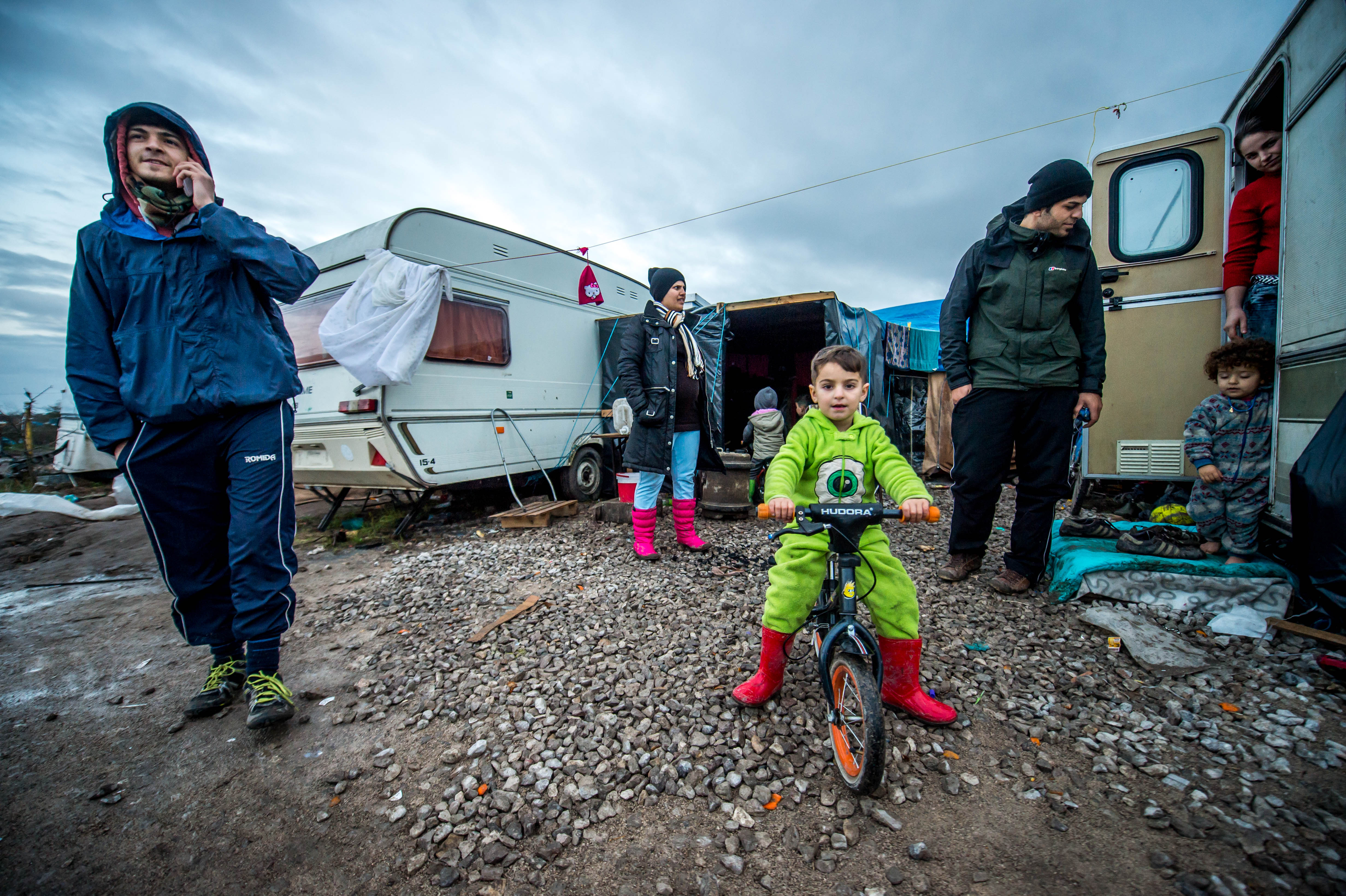
-In each state, these children are accepted differently. Some are wondering: is it really about minors? After all, often they have no documents confirming age. Others say: even in case of doubt, they need to provide assistance. Nevertheless, the lack of a coordinated policy in this matter leads to the fact that many adolescents remain outside the field of view of the state and humanitarian organizations.
According to the General Director of the France Terre d'ASile Association, the figure called the Europol - ten thousand migrant children missing in Europe - should be considered in the appropriate context. Namely, it must be borne in mind that many of these minors quickly leave the territory of the country where they arrived initially and where they went through primary registration. How was the calculation carried out and whether such factors as a possible move to another country, reunification with relatives, return to their homeland were taken into account? Radio Liberty tried to clarify the situation directly in the Europol, but a polite refusal of any comments came to our request from the Hague.
Every day in our centers throughout France, we provide accommodation of more than five hundred children and adolescents
Everything, as always, rests on money. Pierre Henri gives an example an attempt to now ex-Minister of Justice of France, Christian Tobra, streamline the situation with the reception and protection of minor migrants. The circular of the Ministry of Justice was transferred to the local government, but it is extremely difficult to control its implementation at the municipal level. The city authorities, as a rule, complain about the lack of budget funds, and the solution to the problems of minor migrants for them is far from the main task. Mostly public organizations provide assistance to such children and adolescents. They are engaged in the search for them for housing (in host families or boarding schools), a school for school, and the provision of the necessary medical care. But, in order to get such help, the teenager must apply for her. Without having the necessary information and fearing the detention and expulsion, migrants shunn to local residents, especially representatives of the state and public organizations.
- When such children fall into our field of view, we do our best to provide them with the necessary assistance. Every day in our centers throughout France, we provide accommodation of more than five hundred children and adolescents, ”says Pierre Henry.
At the same time, human rights activists and representatives of the authorities are well aware that among young migrants there are those who use the situation in their interests:

- The procedure for establishing age is quite complicated and contradictory. Ultimately, not all young people who pretend to be minors, the authorities and NGOs take their guardianship, ”the French human rights activist explains. - Many of them are from 16 to 18 years old, they need to be distributed not in schools, but to special adaptation courses. The reality is that the number of places in these courses is very limited, and it is impossible to accept everyone there.
As a result, many young migrants “dissolve” in the vastness of Europe, often becoming criminals and who are their prey. It is extremely difficult to trace their future fate, as evidenced by the report of the Europol.