
Translated material
On the basements of Donbass
Pavel Kanygin - about mass arrests and torture of civilians in Donetsk and Lugansk
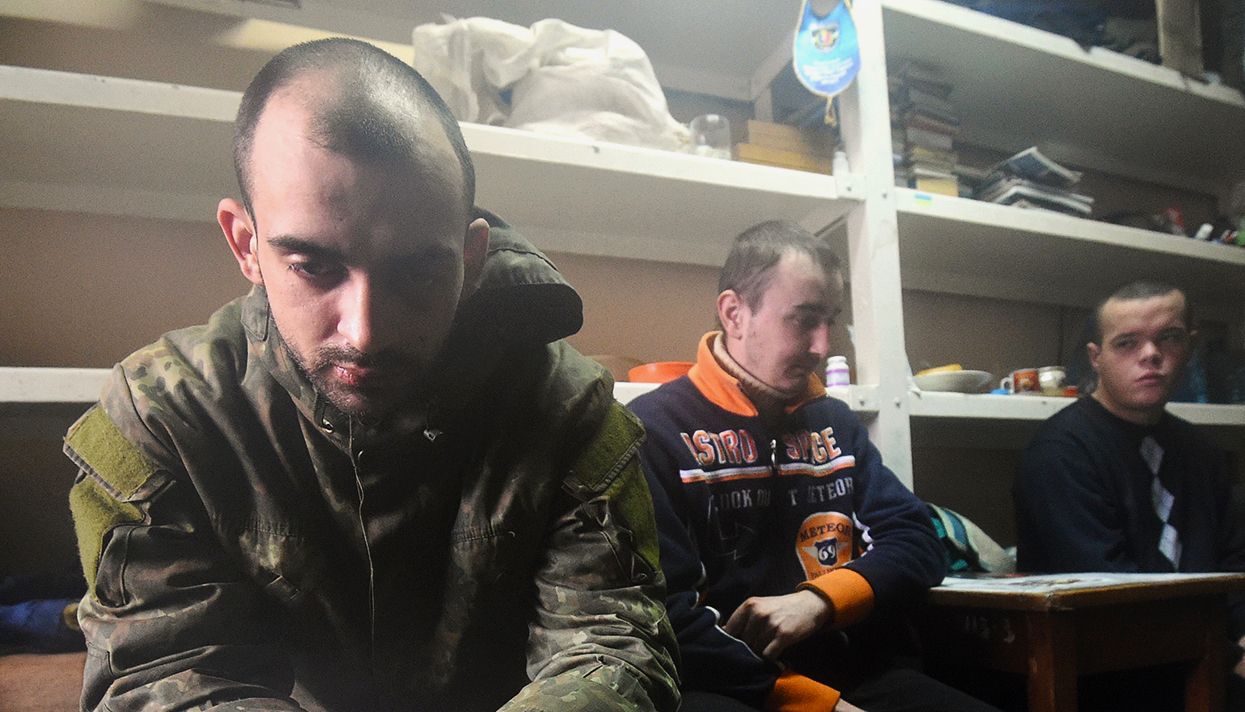
In the self -proclaimed Donetsk and Lugansk People’s Republics, since the fall of 2015, repression against civilians has been continuing. Behind the bars (or, as they say, “on the basement”) were already several thousand people. The reasons for the persecution are very different - this is the reduction of political accounts, and redistribution of property, and random detentions. The arrested are judged by the Criminal Code written off from the Criminal Code of the Ukrainian SSR of 1961; They are declared "spies and demolitions." At the request of Medusa about the wave of arrests in eastern Ukraine, the special corner of Novaya Gazeta Pavel Kanygin tells.
The front war in the Donbass ended in the fall of 2015. The OSCE and the UN monitoring missions note that even the current shaky truce between Ukraine and the separatists nullified the victim among civilians. But the usual phenomenon in “peacetime” was the persecution of the inhabitants of Donbass by state security officers.
Repressions in self -proclaimed DPR and LPR are carried out on political and religious signs (representatives of the Protestant and Baptist communities undergoes persecution at different times). Entrepreneurs who have not managed to agree with the new government are also sitting “on the basements” of local security forces. Their businesses are most often “nationalized” - this means that relatives of large officials of separatist governments or their close associates receive control over them. In the past two months, they often report arrests on anonymous denunciations. Someone is trying to release the repressed through friends in the leadership of the republics, others hope to redeem that came to jail; However, in the case of political arrests, neither one nor the other usually helps.
In the territories controlled by Kyiv, “random arrests” are practiced by Ukrainian fighters of the so -called volunteer battalions.
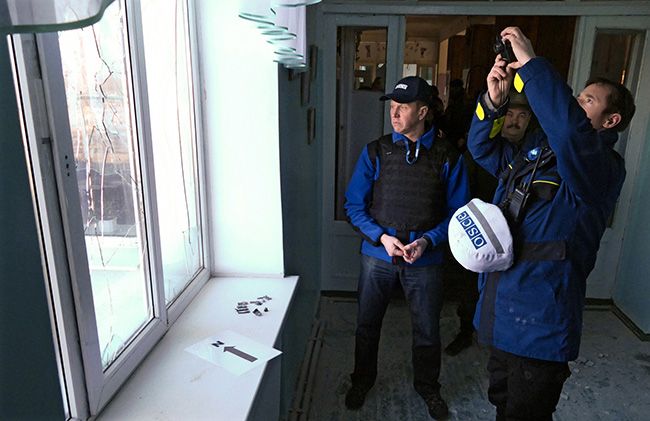
Monitoring of human rights violations in the Donbass are carried out at once by several organizations at once; The UN, the OSCE and the Red Cross keep their own missions in place (in the recent UN report it is emphasized that the separatists do not provide international missions of free access to the places of detention of prisoners; the situation with people held in the DPR and LPR in the mission is considered the “subject of serious anxiety”). Separatists - Daria Morozova in the DPR and Olga Kobtseva in the LPR, also have official “Commissioners for Human Rights”. In addition, Ukrainian human rights defenders are watching the situation. All of them most often give completely different assessments of what is happening, so the data coming from independent volunteers and journalists are much more useful.
Below I talk about the facts of political arrests I have verified in the DPR and LPR; The details of these stories became known from friends and relatives of the detainees. It is worth noting that relatives most often refuse to disclose the details, fearing to aggravate the position of a person who is in conclusion. And only in extreme cases they turn to the media - when there are no other options left.
Persecution of citizens
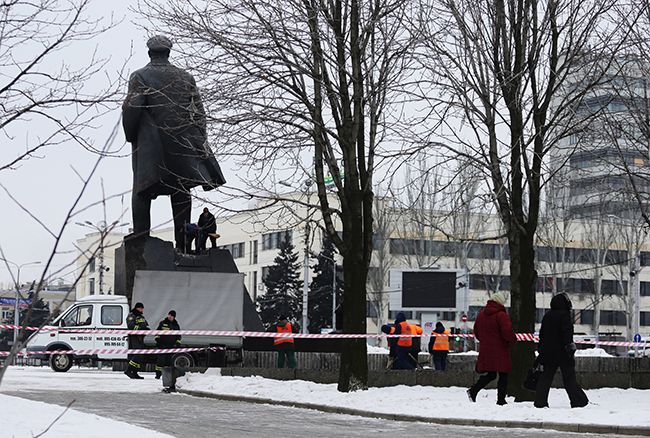
The last and most massive wave of repression was covered by Donetsk at the end of January 2016 - after the monument to Lenin, unknown to the monument to Lenin. Lenin himself was not injured, only part of the pedestal fell off. However, this was enough: the next day the head of the DPR, Alexander Zakharchenko, announced a large -scale investigation, calling the "unidentified group of Ukrainian saboteurs" guilty. The Ministry of State Security of the DPR - the department, which became famous for the arrests of the local opposition, the expulsion of journalists and international organizations from the Republic (for example, “doctors without borders”), was entrusted to establish them.
In the next three days, the ministry launched a campaign to identify Ukrainian spies, saboteurs and enemies of the Donetsk Republic. Local media urged people to immediately transmit information about suspicious persons and conversations to the security forces. The commandant hour was tightened; Night walks and trips were banned. On the first night, local Chekists visited apartments to several dozens of citizens. According to approximate estimates of local journalists, about 50 people were detained.
State security officers burst in the middle of the night to volunteers, university teachers, parishioners of the local Protestant community. The founder of the Volunteer Group “Responsible Citizens”, Donetsk entrepreneur Enrique Menendes says that this time the security forces fell upon those who had long caused irritation among the DPR leadership with their independent position.
Among the detainees in those days were the deputy of the Donetsk Regional Council and the coordinator of the “responsible citizens” Marina Cherenkova, as well as a professor of history and religious studies of Donetsk University Igor Kozlovsky. Kozlovsky’s wife later spoke about a telephone conversation with one of the state security officers who explained to her what the professors took for: “For incorrect correspondence on Facebook.”
The 64-year-old scientist himself is known in the east of Ukraine as an authoritative religious scholar. Kozlovsky taught at once in three universities, wrote more than ten books, founded Ayurveda Yogi-Tantra in Donetsk, was friends with local Protestants and Muslims, and has a discharge in karate. Such an activity of an elderly scientist, as close to those say, and caused the concern of the separatists. Alexander Khodakovsky, Secretary of the Council of People's Commissars of the DPR and the second largest in the Republic of the East Armed group, explained the claims to the professor with his close contacts with “representatives of various religious faiths, including Muslims”: “It is possible that someone uses such a relationship ... to destabilize the situation inside us.”
Marina Cherenkova is contained in the isolator of the Ministry of State Security from January 29. The accusations were never brought to her, but the essence of the claims can be understood from the earlier statements of the DPR functionaries. In the fall of 2015, in the press controlled by the DPR, Cherenkov and the volunteer group “Responsible Citizens” were declared “spies and demolitions”. The group was created at the beginning of the war by the inhabitants of Donetsk, it was one of the few volunteer organizations providing humanitarian aid remote areas of Donbass. They are considered spies for cooperation with "doctors without borders" who delivered medicines to the region. The volunteers really worked with the “doctors”, but most of the drugs and humanitarian aid received from the Ukrainian entrepreneur Rinat Akhmetov. Before the war, this oligarch was called the "master of Donbass", although today its political weight in the region is negligible. In the fall of 2015, local publications were forbidden to mention Akhmetov’s charitable actions-and even his name itself.
Why did mass arrests begin
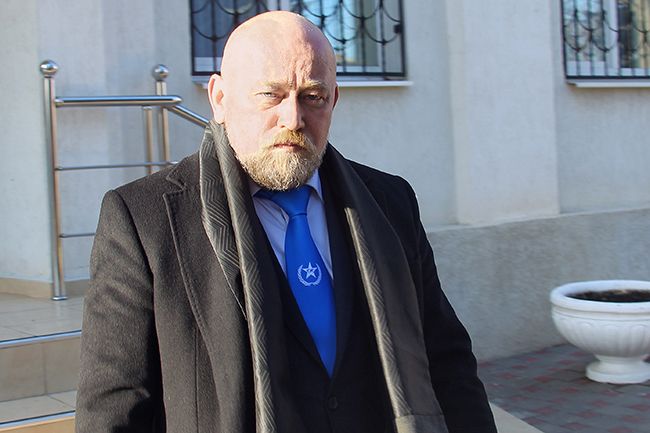
The famous negotiator for the exchange of prisoners (he calls himself a retired Ukrainian general) Vladimir Ruban believes that the separatists "want to get the right number of people to exchange with Kiev." In the DPR prisons today there are 24 prisoners of war, approved for exchange, about 15 more in the LPR. At the same time, the number of captured separatists in Ukrainian pre -trial detention centers may exceed one and a half thousand people. Among them, as stated in Donetsk, about 200 civilians who did not participate in battles at all.
A source in the Russian military department notes that the arrests of independent civilian activists were initiated by Alexander Zakharchenko to disrupt the negotiation process and preserve power. According to the agreements of Russia, Germany, France and Ukraine, the current leaders of the self -proclaimed republics in the spring of 2016 should be replaced by people who did not participate in the war. They will be determined in local elections, which, according to the Minsk agreements, can be held in the east of Ukraine - in case of ceasefire, the exchange of prisoners and the release of illegally retained.
Recognitions under torture
Donetsk insulators contain about a thousand civilians taken into custody in the last two years. In Lugansk prisons - about 700. According to official Kyiv, many of these people are persecuted for political reasons. The Ombudsmen of the self -proclaimed republics, on the contrary, say that there are no political prisoners in the DPR and the LPR - in their opinion, criminal criminals: spies, saboteurs, smugglers.
The Criminal Code of the USSR of 1961 was taken as the basis for criminal legislation in unrecognized republics. According to the articles, the separatists have already condemned several people. Including a resident of Makeevka, who served in the Ukrainian battalion "Azov", Evgenia Chudnetsov - he received 30 years for "trying to overthrow the constitutional system" and "participation in extremist organizations." The fighter was accused of involvement in the abductions of people; However, the authorities of the DPR did not present any evidence of the DPR. A year ago, Chudnetsov was captured in the front line Shirokino. Later, the fighter spoke about the crimes of “punitive battalions” to the cameras of Russian television channels and said that he did not want to “return to Ukraine”. Close by Chudnetsov say that he gave confessions after torture in the Ministry of State Security, where, according to them, the fighter was pulled out by the plots of 16 teeth. In the report of an employee of Russia 24, Evgeny Poddubny Chudnets appears not only without teeth, but also with a hematoma under the eye.
It is known that the Chudnetsov was supposed to be among the Ukrainian prisoners of war subject to exchange for fighters of the DPR. Such exchanges are described in the sixth paragraph of the Minsk agreements - they must end by the time of the local elections. For unknown reasons, the DPR authorities decided not to exchange Chudnetsov and sent him to a maximum security colony.
Electrock, imitation of execution and "tram"
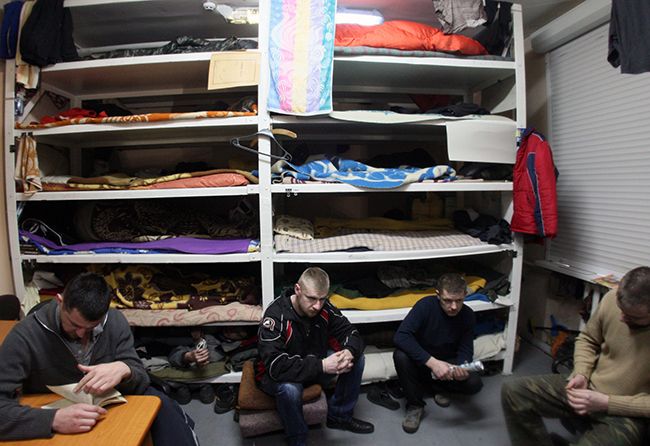
One of the former captives describes the conditions of detention in the former pre -trial detention center No. 5, now the prison of the Ministry of State Security of the DPR for civilians. His memories are given in the report of the Ukrainian United Nations Mission to Human Rights, presented to me in early February. The situation standard for the insulator is the lack of regular nutrition and treatment for patients, coercion to physical work and torture. Overseers and employees of the special services practice cruelty with prisoners. The most common measures of impact on prisoners are torture with an electric shock and a staging of execution; In particular, imitation of execution is widely practiced. According to the memoirs of the former prisoner, women were also subjected to executions.
Another prisoner, released recently, described in detail the torture practiced by the DPR special services. One of them, prisoners call a "tram." The guilty person is completely wrapped with tape, and then placed in a narrow pipe for several hours or for the whole night. The pipe is in a tiny narrow room, similar to a small tram car. While being in the hellish “tram”, a person in addition to bodily suffering is lacking in oxygen. As a result, tactile and spatial disorientation of the victim occurs. For some time, a person ceases to be aware of what is happening and can give the indications necessary for executors, although most often they use torture as a punishment.
The Russian “Committee against torture” tells that they have never encountered such an sophisticated torture. According to the expert of the organization Dmitry Utukin, only the KGB officers used the methods similar in terms of influence on the victim in the past. For example, a person was placed in a small chamber, upholstered from the inside with a soft dense sound and light-resistant fabric. For several hours in such a cell, a person was brought into a state of psycho -emotional shock.
Random sacrifices
22-year-old resident of Makeevka (satellite city of Donetsk) Vladimir Fomichev was arrested on an anonymous denunciation on January 4. Fomichev came to his parents on New Year's holidays from Kyiv, where he studied at the university, and was supposed to go back. Now Fomichev is in the MGB pre -trial detention center.
As Fomichev's relatives told me, the DPR authorities have officially not charged the student yet. It is known about the written requests of Fomichev’s parents to the Prosecutor General and the Ministry of State Security of the self -proclaimed republic with a request to clarify the status in which their son is located; There was no answer. According to the sources of Novaya Gazeta, a denunciation of a young man was written by one of his acquaintances, who saw on the social networks “Fomichev’s statements about the power of the DPR in a negative way”. At the same time, Fomichev's relatives insist that the student was not critic of the separatists regime, although he "spoke occasionally on everyday topics." Now Fomichev’s account on VKontakte is closed for viewing. In the apartment where the student lived, the Ministry of State Security carried out a search and seized the desktop yellow-blue flags of Ukraine, bought for the European Football Championship-they were also introduced to business.
As in the case of Professor Kozlovsky, Fomichev's loved ones are afraid to publicly comment on his arrest and ask for the leadership of the DPR to intervene in the situation. In a conversation with me, a student’s relative spoke like this: “I’ll say too much - they will kill him, but they will put me down.”
The Commissioner for Human Rights of the DPR Daria Morozova said that she did not know about Kozlovsky or Fomichev. “You know, we, as in any normal country, have a period for clarification, it is 30 days, and the investigation may not give any information,” Morozova told me. “Let the parents [detainees] write an official letter, then we will work.”
* * *
The family of elderly farmers from the Debaltsevsky district went missing in March 2015 - after the city and the surroundings passed during the fighting under the control of the DPR administration. In the village of Kommuna, 68-year-old Nikolai Yasinsky and his 61-year-old wife Lyudmila Sokol owned a large economy. On March 5, they arrived at the market in Debaltseve to sell products, but did not return home. After the disappearance of their parents, their 28-year-old son Alexander wrote a statement to the DPR police. But instead of looking for farmers, the powerfuls of the DPR came to Alexander that evening. As his sister Natalya, Deneerovites - were about 20 people - they had about 20 people - they conducted a search in the house, then they took the young man into the courtyard and began to beat: "He shouted:" I will give you everything, take the equipment, money. " I don’t know if he gave them money or not. ”
The body of Alexander Sokol was found a month later in an abandoned house on the outskirts of the commune. Where their parents are Nikolai and Lyudmila, Natalia still does not know.
After the DPR gained control over Debaltseve, local farmers were accused of aiding the Ukrainian army, which had previously defended the city. The commune believes that the elderly could arrest the denunciation of ill -wishers or competitors: during the fighting near their farm, the Ukrainian Armed Forces were stationed, the military went to them for water and milk.
The movable property of farmers - a combine and several tractors - seized the security forces of the DPR. But the family house remained Natalia.
* * *
The UN report describes the case of the abduction of an Orthodox priest. In February 2015, Father, who was engaged in food delivery to Ukrainian soldiers and residents of Artemovsk (located in the territory controlled by Ukraine), mistakenly came to the separatist checkpoint. The priest was pulled out of the car and forced to lie down on the ground. Several soldiers began to jump on him and shoot in the ground next to his head. Then the priest was transported to a neighboring village for interrogation. The interrogation was several hours, the clergyman was brutally beaten and thrown “to the basement”, where they kept 50 days along with 70 other prisoners.
"Disagent" Deneerers
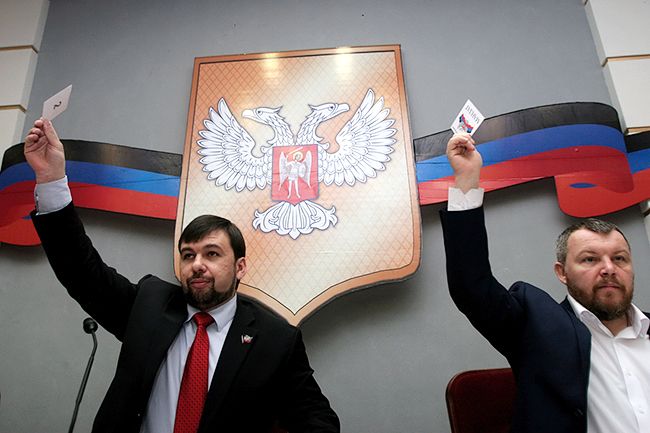
The prisoners of the cellars often become “disagreed” from among the prominent Deneerers (ordinary “disagreed”, as a rule, die under mysterious circumstances or disappear without a trace). The most famous case occurred in the fall of 2015 with the speaker of the People’s Council of the DPR Andrei Purgin, who had traded householders in the suburbs of Donetsk before the war. He spent four days in the state security prison, during which time he was shifted from all posts, and after liberation he no longer appeared in public. The strict resignation of Purgin was then called the intrigue of his deputy, the former coordinator of the Donetsk network MMM Denis Pushilin, who suggested that the Moscow curators of Donbass get rid of Purgin, who began to criticize the Kremlin for the “drainage of Novorossiya”.
The theme of "drain of Novorossia" or its individual regions is generally a common motive in internecine showdowns of separatists. However, their disagreements about the future of the “Russian world” are usually a screen for the banal redistribution of the spheres of influence and fraud with large property.
So, for example, at different times, ministers of income and fees, agriculture, and coal industry fell into bars in the DPR; In the LPR “to the basement” they sent ministers of the housing and communal services, construction, energy. Дольше всех из заметных сепаратистов в тюрьме сидит Олег Орчиков с позывным «Варган», арестованный в Донецке в конце 2014 года. Орчиков — практикующий язычник — возглавлял в Донецке батальон «Сварожичи» («Славянское объединение и возрождение»). Зоной ответственности Орчикова был Петровский район города на линии соприкосновения с армией Украины, где он даже соорудил неоязыческое капище, а себя объявил верховным жрецом. Впрочем, проблемы с лидерами ДНР у него возникли по другому поводу. Именно через Петровский район в ДНР тогда шли основные транспортные и товарные потоки. За контроль над ними развернулась борьба между различными группами в ДНР. Разногласия с лидером ДНР Захарченко начались осенью 2014 года, как утверждает сепаратист-язычник, из-за его нежелания «сливать Петровку».
Арестовали верховного жреца в ноябре 2014 года по обвинению в краже автомобилей и разбойных нападениях. Сам Варган рассказывает, что в МГБ подвергся жестоким пыткам, в том числе так называемой пытке водой (связанного человека кладут на спину, ему льют на лицо воду; жертве кажется, что она тонет). Но Варган «благодаря крепости славянского духа» ни в чем не признался. Близкие неординарного сепаратиста создали несколько пабликов и сайтов, где собирали подписи в его поддержку, в том числе вывесили открытое письмо на имя Владимира Путина. Впрочем, ничего из этого не помогло.
Преследования на Украине
Неправомерным преследованием — но уже по другую строну конфликта — можно назвать арест и содержание под стражей гражданина России Олега Хлюпина . Власти Украины обвиняют его в работе на ГРУ РФ. В отличие от аналогичного по обвинению дела Александрова и Ерофеева, историю Хлюпина Киев практически не комментирует. Долгое время на эту тему молчали и российские власти. А генконсул РФ в Киеве был у Хлюпина только раз.
20 февраля 2015 года житель Волгограда Олег Хлюпин отправился в Луганскую область, чтобы вывезти из зоны боев в Россию своего слепого отца. Хлюпин приехал в Луганск на рейсовом автобусе, затем взял такси, чтобы на нем попасть в Новопсковский район (контролируется Киевом), где жил отец, и вернуться назад. Но таксист, увидевший у Хлюпина пачку купюр, привез его на блок-пост батальона «Айдар» — и сказал, что поймал сепаратиста.
Своему украинскому адвокату по назначению Хлюпин позже рассказал о пытках, которым его подвергли бойцы «Айдара», требующие сознаться в шпионаже в пользу России. Через несколько дней Хлюпина передали Службе безопасности Украины, которая объявила россиянина агентом Главного разведывательного управления РФ и отправила его в киевский СИЗО. Хлюпин, по данным следствия, согласился со всеми предъявленными обвинениями и признался в работе на военную разведку России. Однако впервые россиянина показали на публике спустя две недели после задержания. На пресс-конференции, организованной СБУ, Хлюпин рассказал украинским журналистам, что приехал на Украину как внештатный сотрудник ГРУ и выполнял задания за три тысячи рублей в день. По словам адвоката Валентина Рыбина, признательные показания Хлюпина — единственное доказательство вины, имеющееся в деле. Процесс начался в Шевченковском райсуде Киева, но на первом же заседании россиянин отказался от показаний и сказал, что давал их под пытками. В конце 2015 года дело Хлюпина неожиданно передали в Старобельский суд Луганской области.
В конце января 2016 года «Новой газете» удалось связаться с СИЗО в Старобельске, где сидит Хлюпин. Россиянин содержится в крайне тяжелых условиях, у него пневмония. Перед очередным заседанием суда его отправили в карцер. Во время этапирования из Киева в Луганскую область Хлюпин оказался в харьковском СИЗО, где его помещали в так называемую пресс-хату (тюремная камера, в которой администрация с помощью сотрудничающих с ней заключенных создает невыносимые условия для неугодного ей арестованного). От россиянина требовали признаться на суде в шпионаже.
Вопросы у правозащитников вызывает и дело Анастасии Коваленко. В Службе безопасности Украины эту женщину из Луганска, работавшую поваром, называют «шахидкой»; по версии следствия, в центре Киева она намеревалась подорвать на себе бомбу. Женщину задержали в конце декабря 2014 года в украинской столице с сумкой, где в свернутом виде якобы находилось три килограмма взрывчатки. Позже СБУ распространила видео, на котором Коваленко зачитывает по бумаге признательные показания. Под глазами у нее видны гематомы; спецслужба, впрочем, назвала синяки «тенью, падающей на лицо».
Мне удалось выйти на связь с женщиной, содержащейся в лукьяновском СИЗО Киева. Коваленко рассказала, что приехала из Луганска в Киев на заработки, а в сумке везла по просьбе приятеля «передачу» (этого приятеля в СБУ ранее назвали куратором Коваленко от ГРУ). В докладе миссии ООН по правам человека на Украине отмечается, что женщину заставили дать признательные показания в том числе под угрозой изнасилования. В Луганске у нее остался несовершеннолетний сын.
В целом, ситуацию с жителями подконтрольных ДНР и ЛНР территорий, которые удерживаются украинскими силовиками, в миссии ООН также оценивают как непростую. В одном из последних докладов миссии говорится об «устойчивой тенденции произвольных задержаний… которые практикуются сотрудниками правоохранительных органов и СБУ, а также военными и военизированными формированиями (бывшими добровольческими батальонами)». Как говорится в докладе, такие задержания часто сопровождаются применением пыток, жестоким обращением и нарушениями процессуальных прав. ООН призывает «положить конец таким практикам и улучшить подготовку своих сотрудников [украинских силовых ведомств] в области прав человека».
Материал также будет опубликован в бумажном номере «Новой газеты».
Pavel Kanygin
Moscow