
Translated material
London wants to stay
Great Britain decided to hold a referendum on leaving the EU. What does it mean?
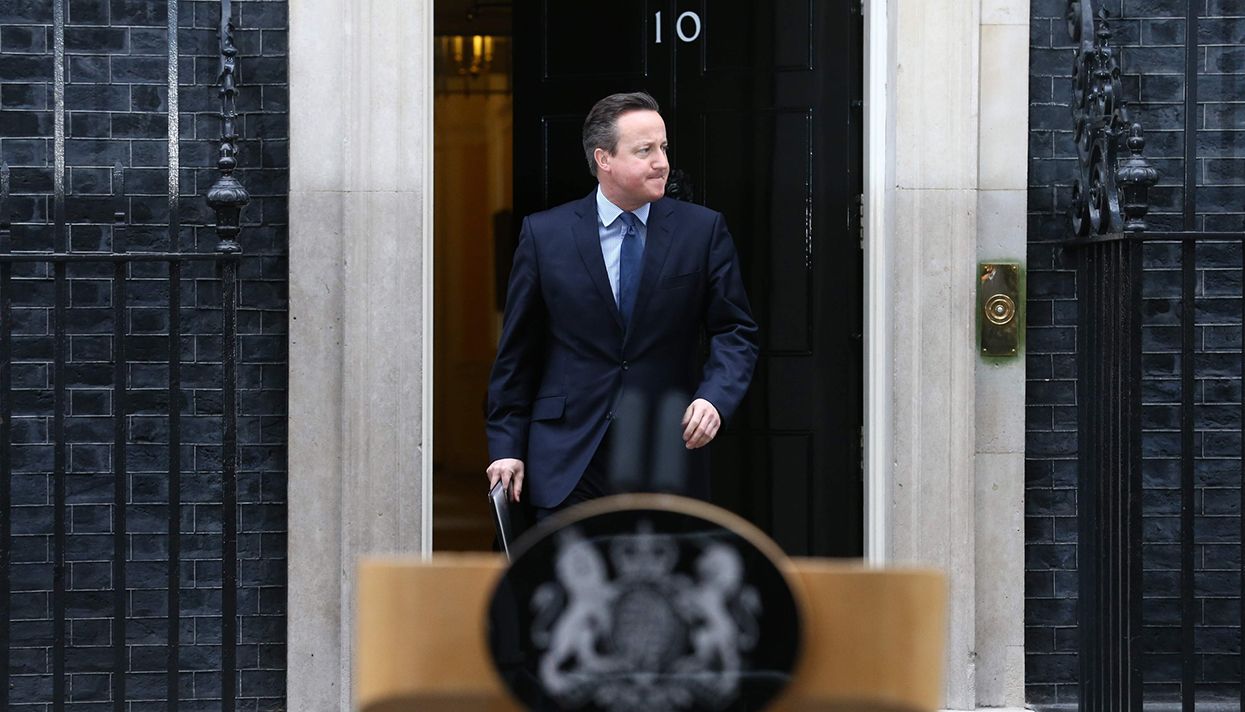
British Prime Minister David Cameron appointed a referendum on leaving the EU on June 23, 2016-and at the same time asked the British to vote for life with the European Union. The night before, he agreed with Brussels on special conditions for the UK and, in fact, achieved that reform of relations with continental Europe, which he spoke about for many years. "Medusa" tells what is the meaning of the agreement with the EU and what will happen to the referendum.
Why did the UK want to leave the EU?
The conservative government of David Cameron consistently tightens the migration policy, but this affects mainly to students and highly qualified workers from countries outside the EU. Citizens of the European Union, including not the most prosperous states, can live and work in British cities freely. After the number of immigrants from these countries, the number of immigrants from these countries increased significantly, and in some cities, including London, entire Polish quarters appeared. Not only labor migrants, but also refugees go from continental Europe to the UK.
Talk about leaving the EU became more frequent in the UK after the Greek economic crisis, and the main topic for discussing Brexit (Britain + Exit) was after the start of the migration crisis in Europe. From the point of view of conservative British (first of all, these are Euroskeptics from the right populist party UKIP), the exit from the EU would help to protect the kingdom from European economic problems and limit the number of migrants. EU opponents believe that he only limits the development of Great Britain and takes billions of pounds, not offering anything in return.
What did Cameron want?
Back in 2013, Leader Tori David Cameron spoke about his views on the future of Great Britain and the European Union. According to the British Prime Minister, the kingdom should remain in the EU (many of its one -partyists insist on the exit), but to change some conditions of their stay - primarily in the field of migration legislation and social benefits. Key points are a ban on receiving tax benefits and children's benefits for Europeans who have lived and worked in the UK for less than four years; a ban on the payment of benefits to children of EU citizens, if they live outside the United Kingdom; Measures against fictitious marriages for the sake of migration and much more, including the promise not to subject London to discrimination in the EU when making economic decisions only on the grounds that the UK is not part of the Eurozone.
For a long time, Cameron remained an opponent of a referendum on leaving the EU, but in the 2015 elections he promised that if the conservatives defeated (this is how it happened), the referendum would be appointed within two years. The British press noted that in this way the prime minister decided to win the voices of the most conservative part of voters who began to leave the conservative party to the UKIP.
What are the terms of the agreement with the EU?
In general, Cameron received what he wanted, albeit with some concessions. So, the ban on receiving tax benefits and benefits of visitors from the EU will be valid for seven years, and not 13, as the British prime minister sought. It was not possible to agree on a complete abandonment of benefits for children of Europeans living outside the UK, but the kingdom will be able to significantly reduce their volume.
In addition, Great Britain will be guaranteed the right to vote in making economic decisions. True, The Daily Telegraph calls this item “ritual” and notes that the countries of the eurozone to London listened earlier. The victory can be called the right of Great Britain to take restrictive measures (most likely, simply not to be allowed to itself) in relation to those EU citizens who, according to the British authorities, may pose a threat - the previous rules were less strict.
The agreement will enter into force only if the referendum on June 23 decides to stay in the European Union.
What is the referendum?
Great Britain already held a referendum on its relations with continental Europe in 1975, when the kingdom entered the European economic community, but the issue of entering the EU did not formally exhibit universal voting. The new referendum has been discussed for many years; Supporters of another vote believe that over 40 years of life in unified Europe, the conditions of coexistence with continental Europe have changed radically, the EU expanded, and the British did not ask their opinions about staying in the Union.
One question will be brought to the referendum: “Should the United Kingdom remain a member of the European Union or should the European Union leave?”, To which one of the two options for the answer can be given: “to remain a member of the European Union” or “leave the European Union”.
How will the British vote?
This is unknown. On February 18, the day David Cameron went to Brussels to negotiations with the EU on special conditions for the UK, polls showed that the state was divided approximately equally. The IPSOS Mori telephone survey showed that 54 percent of citizens will vote for their lives in the EU, and 36 percent will play for the department (another ten percent were not determined). The ICM online survey showed 43 percent of the vote against the department and 39 percent of exit from the EU. “Polls survey” , showing the average data of several sociological studies at once, showed the minimum superiority of supporters of life in a single Europe - 51 percent versus 49. All studies were carried out before the announcement of the negotiations in Brussels, there is no data on the success of Cameron yet.