
Translated material
The trial of 1991
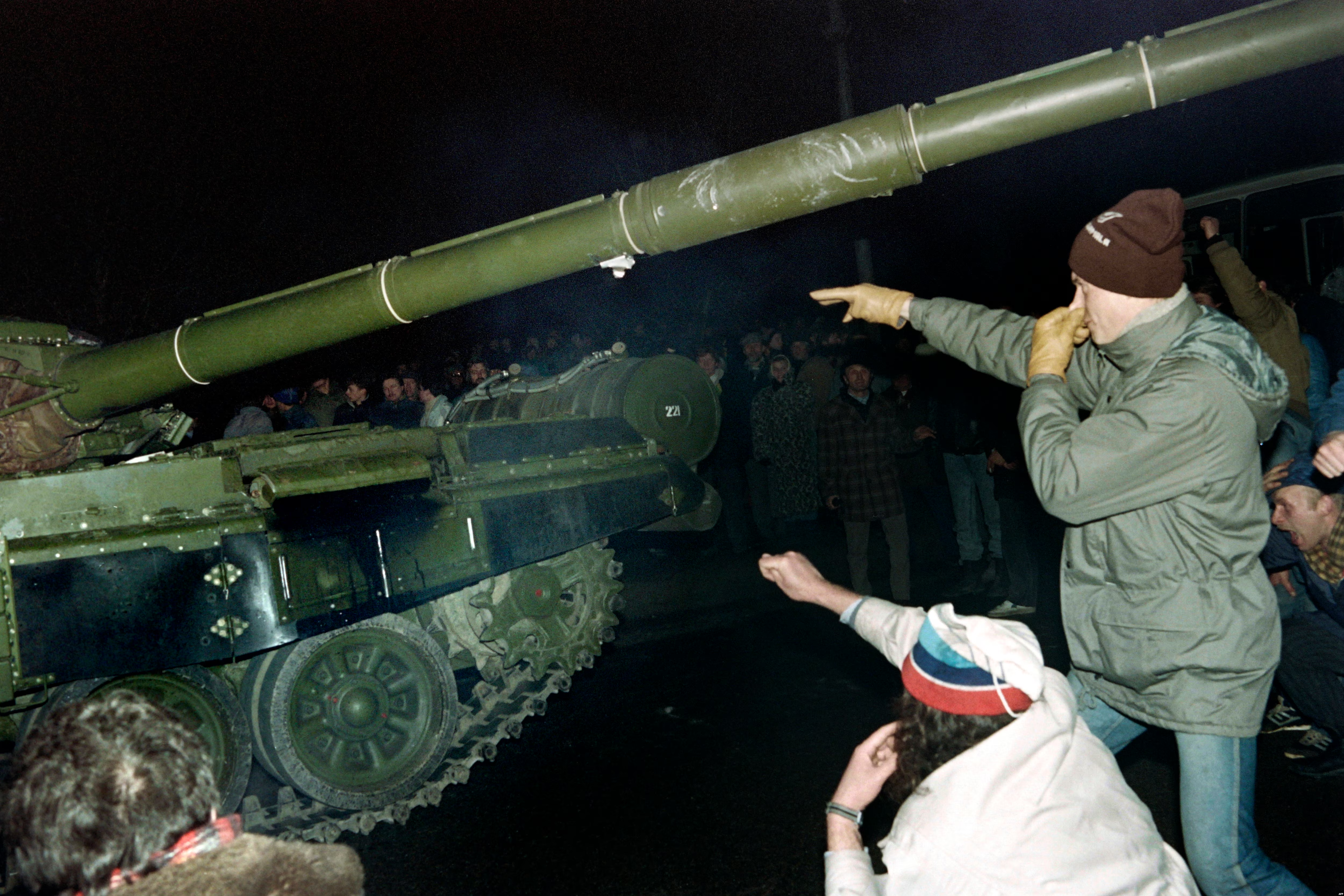
The participants in the assault on the television center are judged in Lithuania in 1991 and do not leave attempts to attract Mikhail Gorbachev to the process
The Vilnius District Court considers an unprecedented case for Lithuania in terms of the volume of the January events of 1991 , when the Soviet military by force tried to overthrow the power elected by the Lithuanian people. Of the 65 defendants in this case, only two suspects appeared before the court, the rest would be brought out, apparently, in absentia. This week, March 2, Robertas Povilitas, who had lost his father as a result of clashes on January 13, appealed the decision of the Prosecutor General of Lithuania to refuse to grant the status of a special witness in the process Mikhail Gorbachev, the then Secretary General of the CPSU Central Committee. Gorbachev, who had celebrated his 85th birthday recently, claims that he did not give an order to assault the Vilnius television center.
There are almost 500 people who suffered in this case, about a thousand witnesses, the case consists of 700 volumes, 60 lawyers defend the accused. Since the Vilnius District Court does not have premises where all participants in such a process could accommodate, the meeting is broadcast in the lobby of the building. 65 people are accused of prohibited by international right to treat people, murders and injury, the use of military measures against civilians. The accused, actually all those living abroad, are informed of court hearings through the Ministry of Justice of Lithuania by sending summons at the place of residence. In the same way, the defendants of this case report that if they decide to participate in court hearings, the execution of the European order to their arrest will be stopped so that they can enter Lithuania.
The charges in this case were brought, in particular, to the former KGB officer Mikhail Golovatov , the former Minister of Defense of the USSR Dmitry Yazov , the former head of the Vilnius garrison of the Soviet Army, Vladimir Podkhopchik , the second secretary of the former Communist Party of Lithuania Vladislav Swede and others. The court suggests that the suspects, with the exception of only two citizens of the Russian Federation, Gennady Ivanov and Yuri Mel, will be convicted in absentia in Vilnius.
Ivanov said that he was innocent and was simply an involuntary witness to those events. “I could not make any decisions on my own,” he said. Ivanov at that time was the head of the missile-artillery weapons service of the 107th motorized rifle division. Before the court hearing, he told reporters that after the January events he returned to the unit and, assessing the situation, wrote a report on dismissal from military service. Ivanov, living in Vilnius, emphasized that he collaborated with law enforcement agencies in the investigation of the case.
A citizen of the Russian Federation Yuri Mel, according to prosecutors, was in one of the Soviet tanks during the assault on the Vilnius television tower. He is accused of committing crimes against humanity and war crimes, which are reckoned with the category of serious ones. For them, a long -term imprisonment is provided, and in relation to them the statute of limitations does not apply. "The accused, being a citizen of another state and knowing about the criminal liability that threatens him, may try to hide from the court and the execution of the sentence," the decree of the Vilnius court said in response to the request of Mel to replace the arrest with a softer preventive measure. According to the case file, from January 13 to August 23, 1991, Yuri Mel could participate in the seizure of objects important for Lithuania. He was in one of the tanks of the Soviet Army near the television tower in Vilnius.
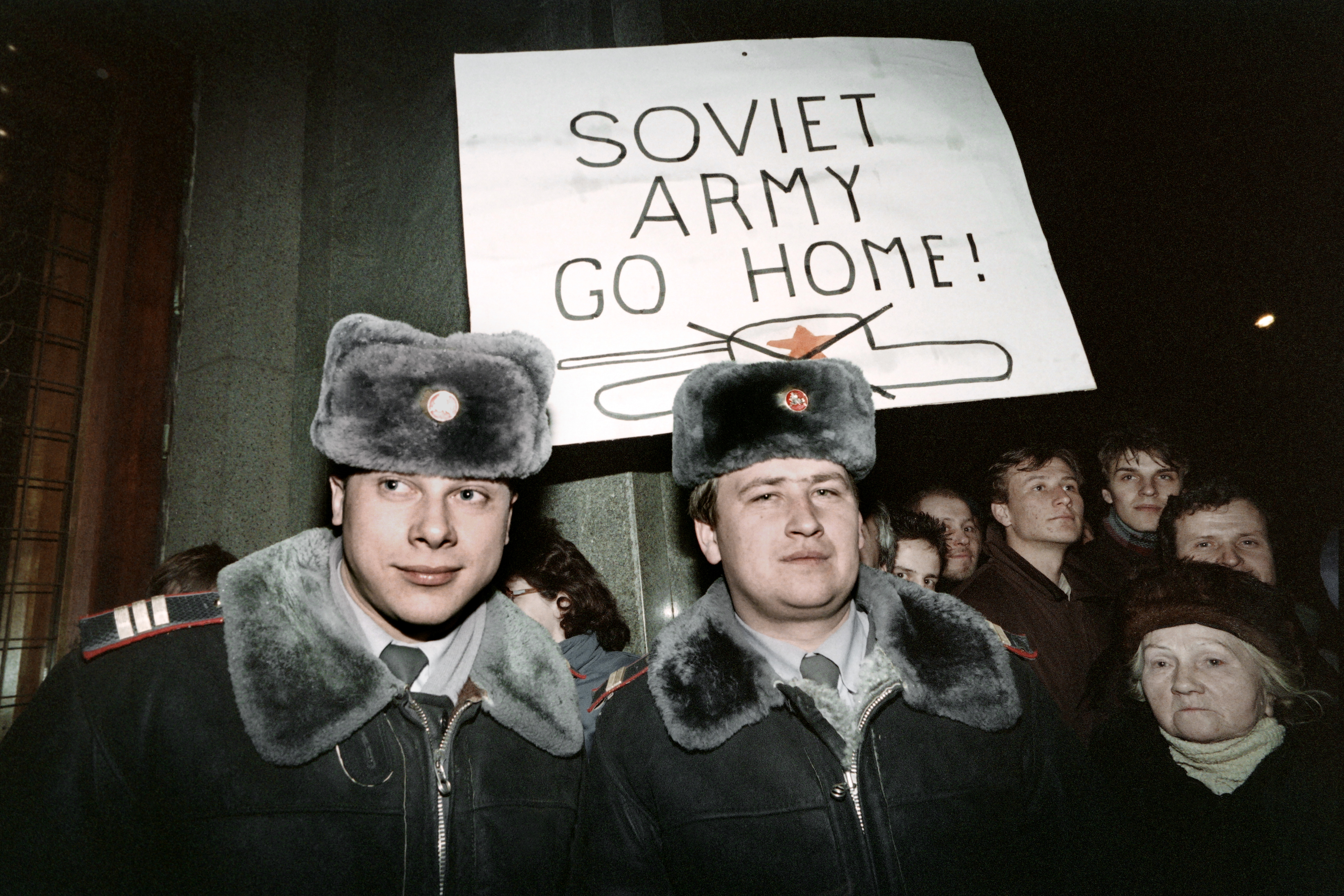
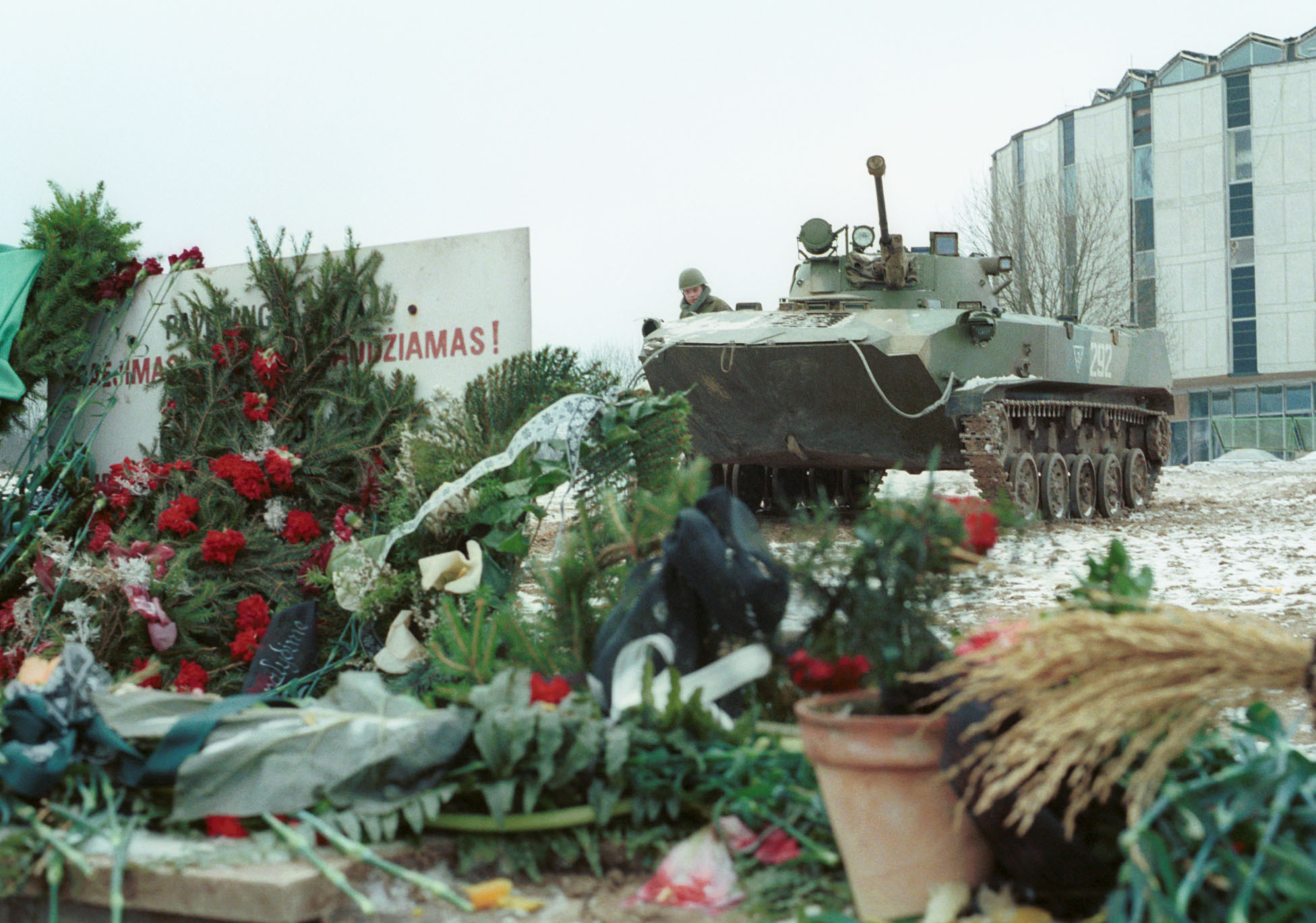
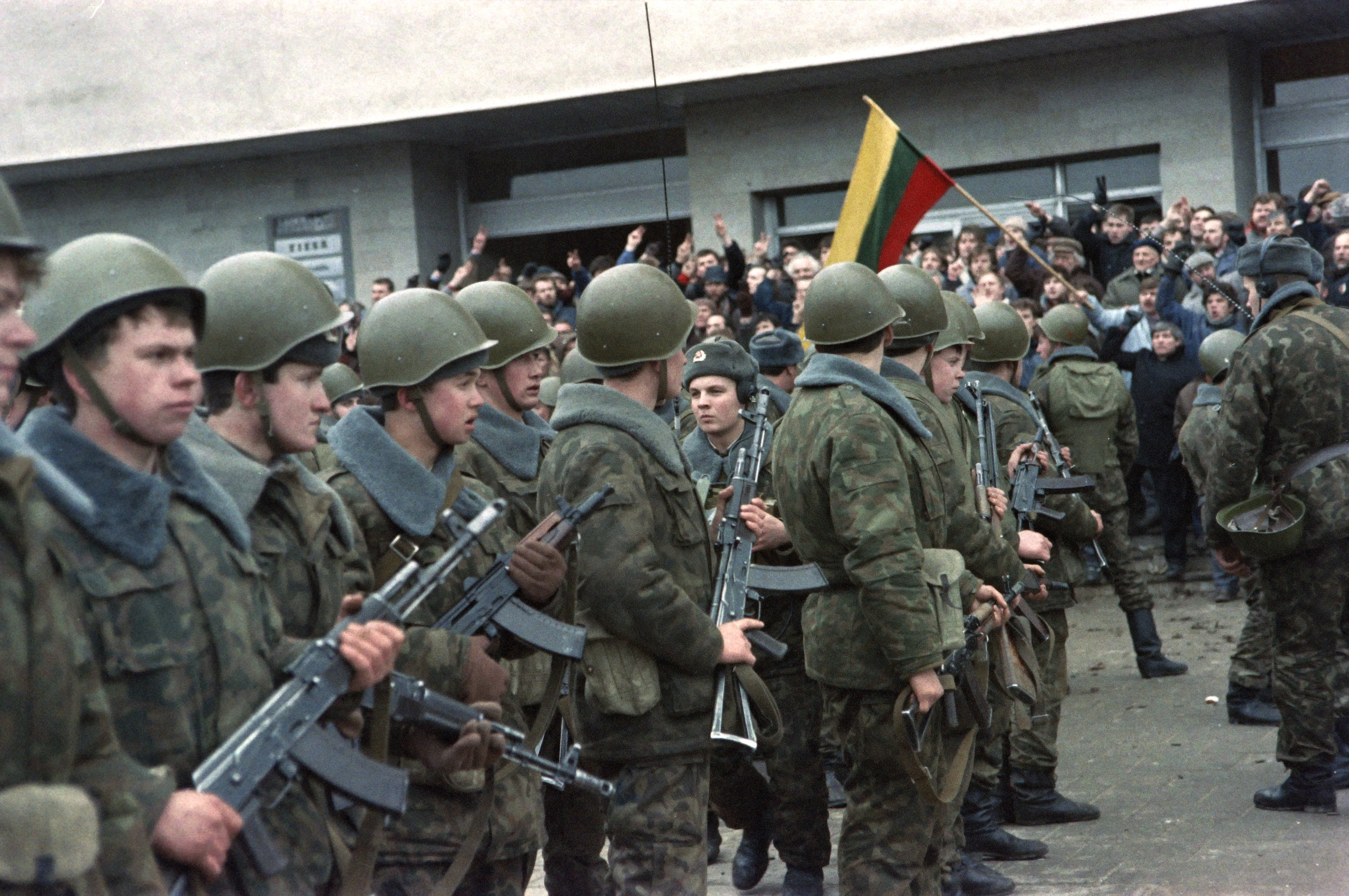
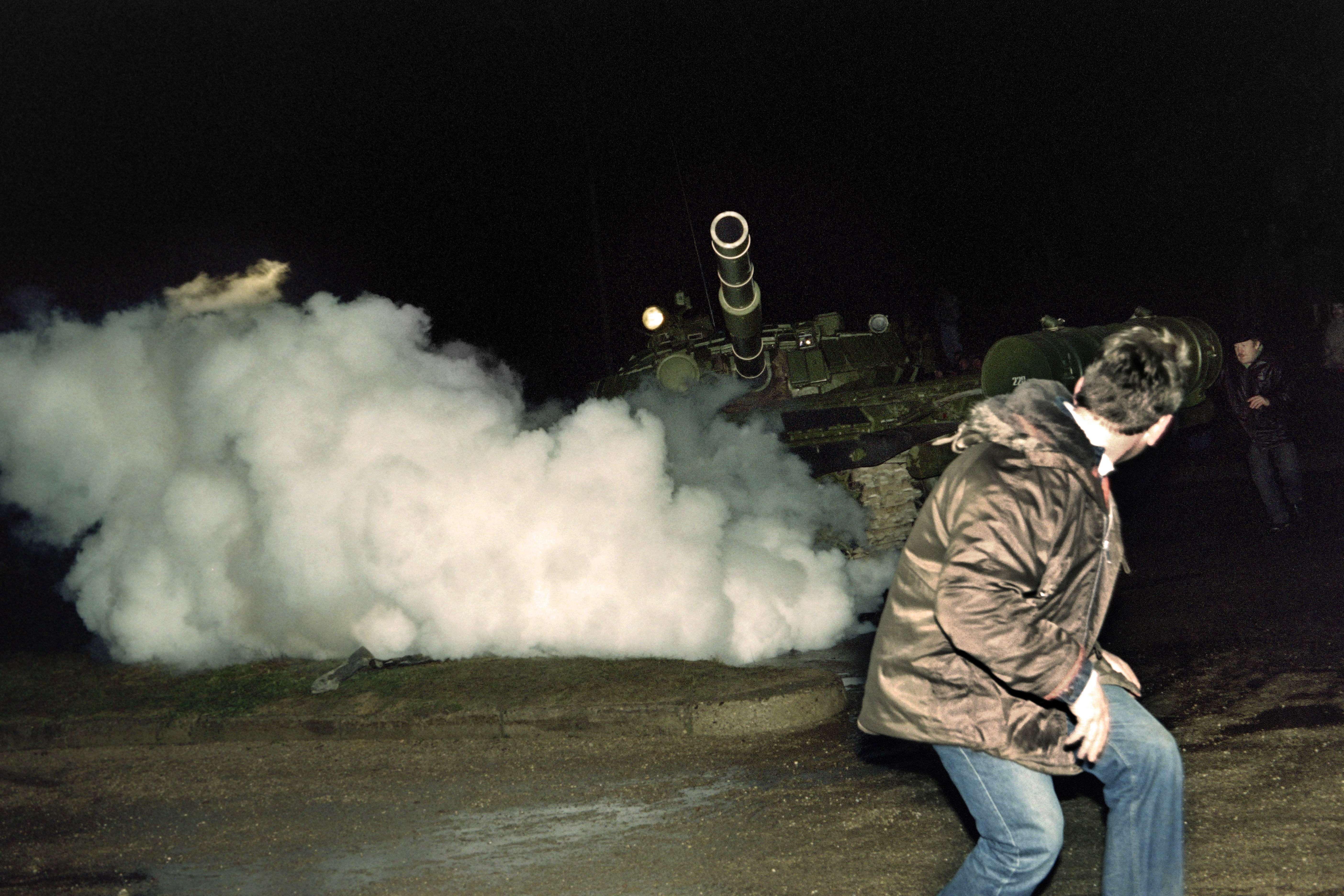
On January 13, 1991, Soviet troops tried to overthrow the legal power in Lithuania, which a year earlier in March announced independence from the USSR. When Soviet soldiers were engaged in the Vilnius TV tower and the buildings of Lithuanian radio and television, 14 civilians were killed, about a thousand unarmed people were injured. Although the Soviet military then managed to capture the television tower and the building of the Lithuanian radio and television, they did not dare to storm the Sejm, which was protected by thousands of people. In 1999, on charges of creating anti -state organizations and committing crimes, six people from among the Lithuanian Communists were already convicted. And now, 25 years after the January events, the local court began consideration of the case.

The participants in the assault on the television center are judged in Lithuania in 1991 and do not leave attempts to attract Mikhail Gorbachev to the process
The text of the copyWidth PX Height PX
The url has been copied to your clipboard
No Media Source Currently Available
0:00 0:01:19Arvidas Anushauskas, Deputy Chairman of the Lithuanian Security and Defense Committee, believes that time does not matter here:
- Despite the prolonged collecting of materials, justice should still be done sooner or later. People who once decided on a crime will reach the hand of justice. Of course, then we did not think that the administration of justice would be so long that those people who committed crimes would find refuge in Russia. Russia in no way wants to cooperate to do this justice. And the fact that the process has moved, the court began, in our society is perceived positively.
-Do you share the opinion that this happened due to the fact that political will was found and manifested?
- I would give this another definition. Some of the judges, prosecutors have now left the rails of inertia, and earlier the case was actually launched by itself: formally, Russia's request is written so that it would provide the opportunity to interrogate the accused, we get the answer that there is no such opportunity, in a year we repeat the same request again. Now this inertia has been overcome, our bodies are more active. Part of the leaders who let this case go by itself changed.
- Robertas Poslavitas, the son of a man who died during the events of 1991, has the main guilt of the then head of the Soviet Union Mikhail Gorbachev. In 2012, Robertas tried to initiate a case of depriving Gorbachev of the Nobel Prize. His representatives refused the last appeal of Lithuania to the office of Mikhail Gorbachev.
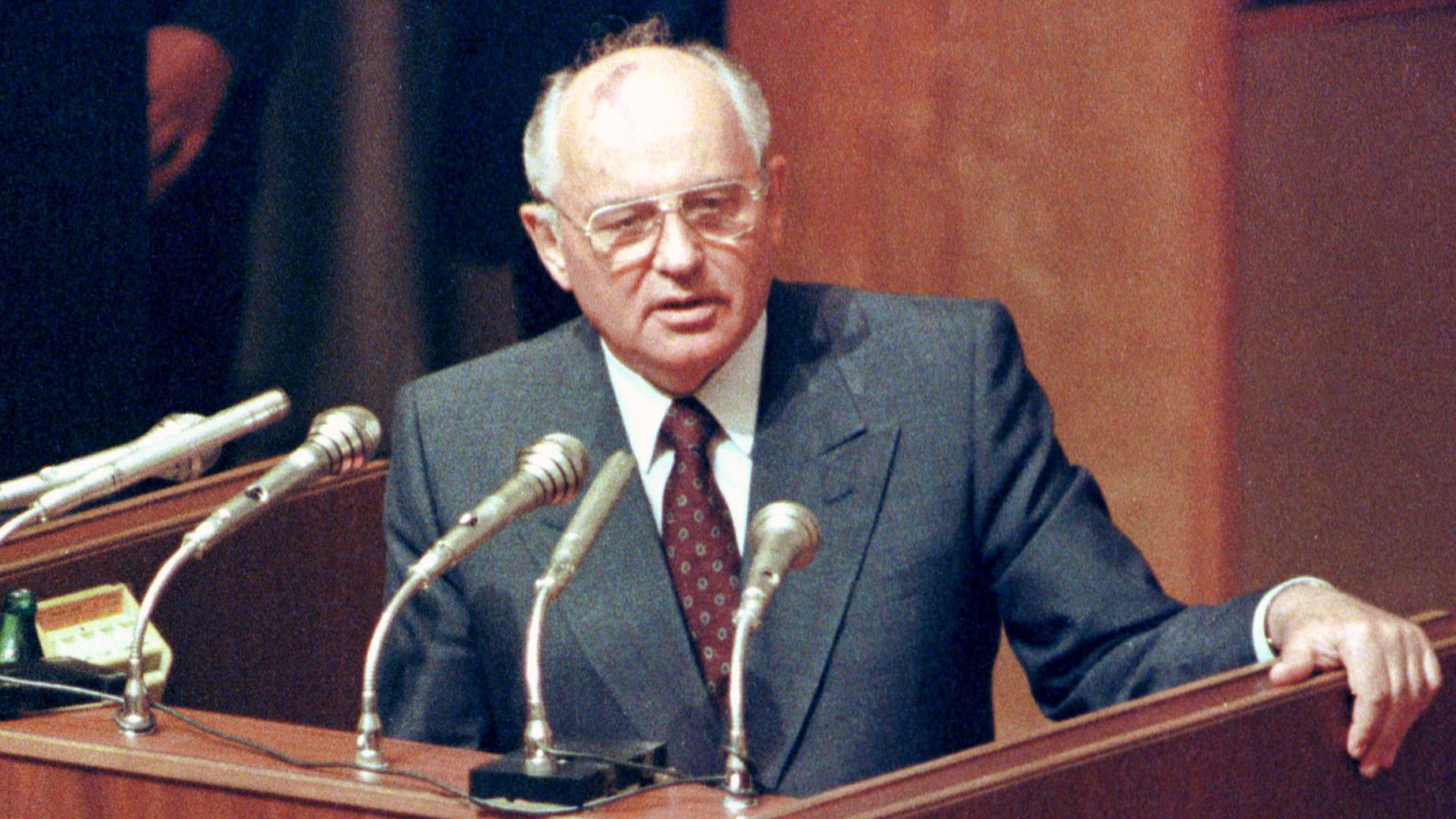
- I witnessed those events, we then imposed responsibility precisely on Mikhail Gorbachev. After 25 years, our position in principle has not changed. As the president, he then had the opportunity to stop bloody events. He stopped the further escalation, but if you look at the essence, he once accepted the representatives of Lithuania - Burokyavichyus, Yermalavichus went to Moscow, offered their plans to overthrow the legal government and the leadership of the Lithuanian Republic. They practically contributed to them in organizing a coup and the military. That is, his responsibility remains, ”says Arvidas Anushauskas, Deputy Chairman of the Committee of the Seim of Lithuania on National Security and Defense.
Here are what arguments that Robertas Posvlaitas , who lost in 1991, cites, demanding that Mikhail Gorbachev be held accountable:
- I raise this question and will raise, because his responsibility is not appreciated in these events. It is not evaluated what his role was. I turned to the General Prosecutor's Office with a request to revise the evidence collected and explore this. The fact that the Russian Federation refuses to cooperate is made the investigation very difficult. Mikhail Gorbachev himself refuses to talk about it, to explain what was there. Yes, a lot of time missed. There were years when not a single decision was made when only one prosecutor worked on this mass of volumes. But over the past five years, I see that more attention, more resources, more prosecutors work, most of this investigation is already in court. Russia, Belarus, do everything so that the crimes of these people are not considered so that they do not bear responsibility for the deed. Our court may make a decision in absentia, and the responsibility will fall on these countries, to the governments of these countries.
The Russian Foreign Ministry criticized the case of January 13, arguing that Russian citizens are pursued illegally. "The actions that are incriminated by Russian citizens are evaluated biased," said the official representative of Maria Zakharova . “We hope that the trial in Vilnius will not be turned into a political court,” added Zakharova. "If Russia is actually interested in the investigation of these cases and the administration of justice in relation to the perpetrators, then we urge to begin to cooperate," the Lithuanian Foreign Ministry said in a statement.
For decades since the Vilnius events, the case has been investigated in different years with varying degrees of intensity. In Lithuania, sometimes displeased voices about the delay in the process sounded, possibly due to the reluctance to quarrel with the eastern neighbor. Although it was in those years, about 15 years ago, when there was a dialogue between Lithuania and Russia, including legal, and it was worth clarifying this matter to the end, and now the time was missed, the Lithuanian historian Algimantas Kasparavichyus believes, who, calling for compulsory and fair retribution, nevertheless refers to the effectiveness of the skeptics of the trial of the trial in the Vilnius:
- Probably, this will have a more symbolic character. Any crimes, especially against humanity, must have a clear legal assessment. However, I do not see that this case will have a serious result. Today, at the beginning of the 21st century, international law is going through no better times, I am observing a certain displacement, even collapse in international relations, including in international law.
As for Lithuania, I am very sorry that this business was late for so long. Unfortunately, in 25 years, significant attempts have not been made to create an international tribunal, to attract authoritative specialists of international, criminal law from Western Europe. Today we have what we have: only two defendants in this case are present directly in the courtroom, others are judged in absentia. The Republic of Lithuania, unfortunately, did not receive suspects even from Ukraine.
There were historical precedents, the case of January 13, 1991 can be partially compared with the events that occurred on January 30, 1972 in Northern Ireland (the so -called bloody Sunday , in which 13 unarmed civilians who came out with a protest. - RS) were killed . Bloodshed, when military power is used and as a result of this people die, have a long history, and the path to justice here is very long. In principle, even today, no one can say what, from the point of view of justice, ends the case in the UK. In my opinion, the same thing here. It is difficult to say, by and large, how the case will end on January 13 in Vilnius. A lot of politics, little right.
- Does an ordinary soldier, who has weapons in his hands, answers for whether his actions were criminal?
- During the Nuremberg process, two things - political responsibility for crimes against humanity and the responsibility of people directly - were quite clearly divided. The court recognized certain organizations criminal with all of this ensuing consequences. And when it was said about the performers of these orders, facts were weighed. Several million Germans took part in the Second World War, but not all were convicted due to the fact that the top of the Third Reich was criminal. There is such a precedent for breeding political responsibility and an individual person. If you look at the Lithuanian situation, there are no sufficient number of international law specialists who could, regardless of one or another political will, make decisions - this is quite difficult. The Nuremberg process lasted a very long time and several leading world powers participated in it. And then it was very difficult to do, and with errors and compromises.
- Why then the current court is held?
- Any society strives for justice, but it can not always clearly weigh its capabilities. Here we overestimate our legal forces a little. Now two participants are judged, he is not himself - this soldier or officer - he got into the tank and arrived, there was an order. There are people who should directly be responsible for their acts - this is part of the former political elite and military elite of the USSR. But in fact, these people are unattainable. We must admit that time has already been lost. The dialogue between Vilnius and Moscow, including about legal affairs, has been almost reduced to zero in the last two or three years, ”said Lithuanian historian Algimantas Kasparavichyus.