
Translated material
"Putin is a strong man"
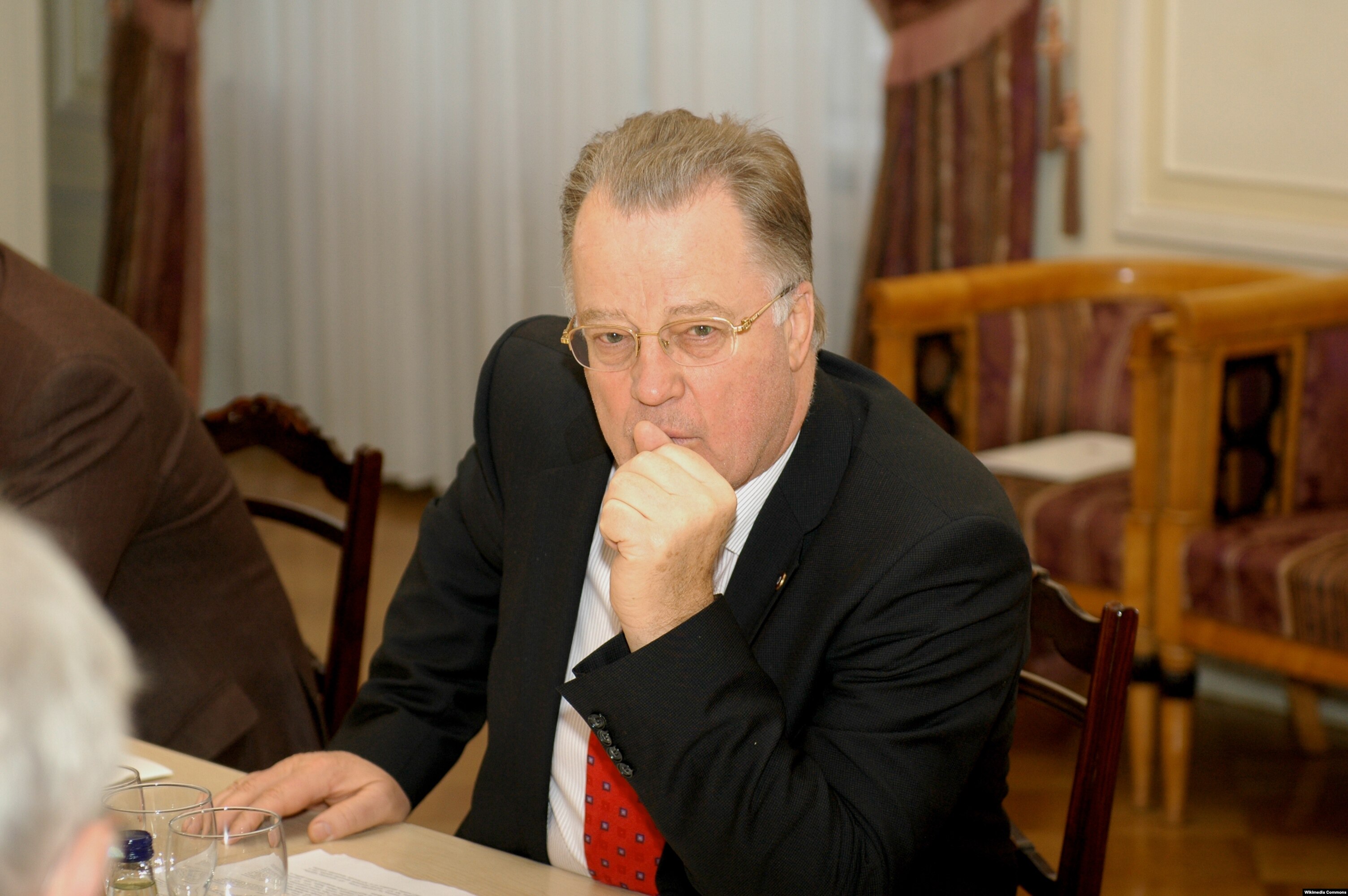
Guntis Ulmanis - in the Radio Liberty project "Russia and I. In the Shadow of the Kremlin"
Guntis Ulmanis is the President of Latvia from 1993 to 1999. The first president of the country after the restoration of independence. The granddaughter of Karlis Ulmanis, President of Latvia from 1936 to 1940.
The interview was recorded in June 2015. Read more about the project "Russia and I. In the Shadow of the Kremlin."
- As the president, once in an interview you said that every morning you wake up with the thought: "Can I be the president?" And with what thoughts does the former president of Ulmanis wake up?
- Now the thoughts are completely different - about what I did as president. You know that my close relative Karlis Ulminis was the president of Latvia in the pre -war time. In my youth, I often thought about him and what I would do if I became president. Fate gave me this chance. And now I often think about how life has developed, how good it is to live in my beloved country and see that it goes on the right road. Every morning I hear a bird's homon and singing ... Such my thoughts.
- When Crimea was occupied, you convinced the Latvian leaders that it was necessary in any case to speak with Russia, you can not break off the connections. What is Russia in your view?
I do not want to associate Russia only with its political leaders, whether Yeltsin, Putin or someone else. Russia for me is a much wider and deeper concept
-I do not want to associate Russia only with its political leaders, whether Yeltsin, Putin or someone else. Russia for me is a much wider and deeper concept. And I believe that it is impossible to succumb to emotions that arise after a particular act of Russian politicians. My fate was not easy, but God kept me. I was born in 1939, and spent the first years of my life in exile, in Siberia. For several decades, Latvia was occupied ... And then God gave us the opportunity to restore our country, our independence. We have retained our traditions, our commitment to freedom, democracy, this is very important.
Latvia has always been associated with Russia in one sense or another. There were very unpleasant moments, there was everything, but the connection was preserved. Today, our political opponents are very strictly raising the question of bilingualism at the state level. This will not happen. There is bilingualism in everyday life, but it should not be introduced in law, otherwise the huge energy of the Russian language will absorb the Latvian language in a very short time. I am talking about this, because in Europe they very often look at this very often: they say, what kind of problem, several nationalities live, and do several state languages ... It's not so simple. We need to protect the Latvian language, and, I think, our Russian friends should understand us.
- Even so many years after the restoration of independence, you still need to protect?
- Yes. Language is holy, any person and any state must protect their language. Like a coat of arms, like a banner, as a hymn.
- You mentioned Boris Yeltsin, you cooperated closely with him when you were president. I will quote you: "In my view, despite a number of erroneous decisions, Yeltsin remains a national hero of Russia. He thought not only about his country, but also about its neighbors." At the same time, Yeltsin made his successor the representative of the KGB Putin. What is the main difference between these two politicians?
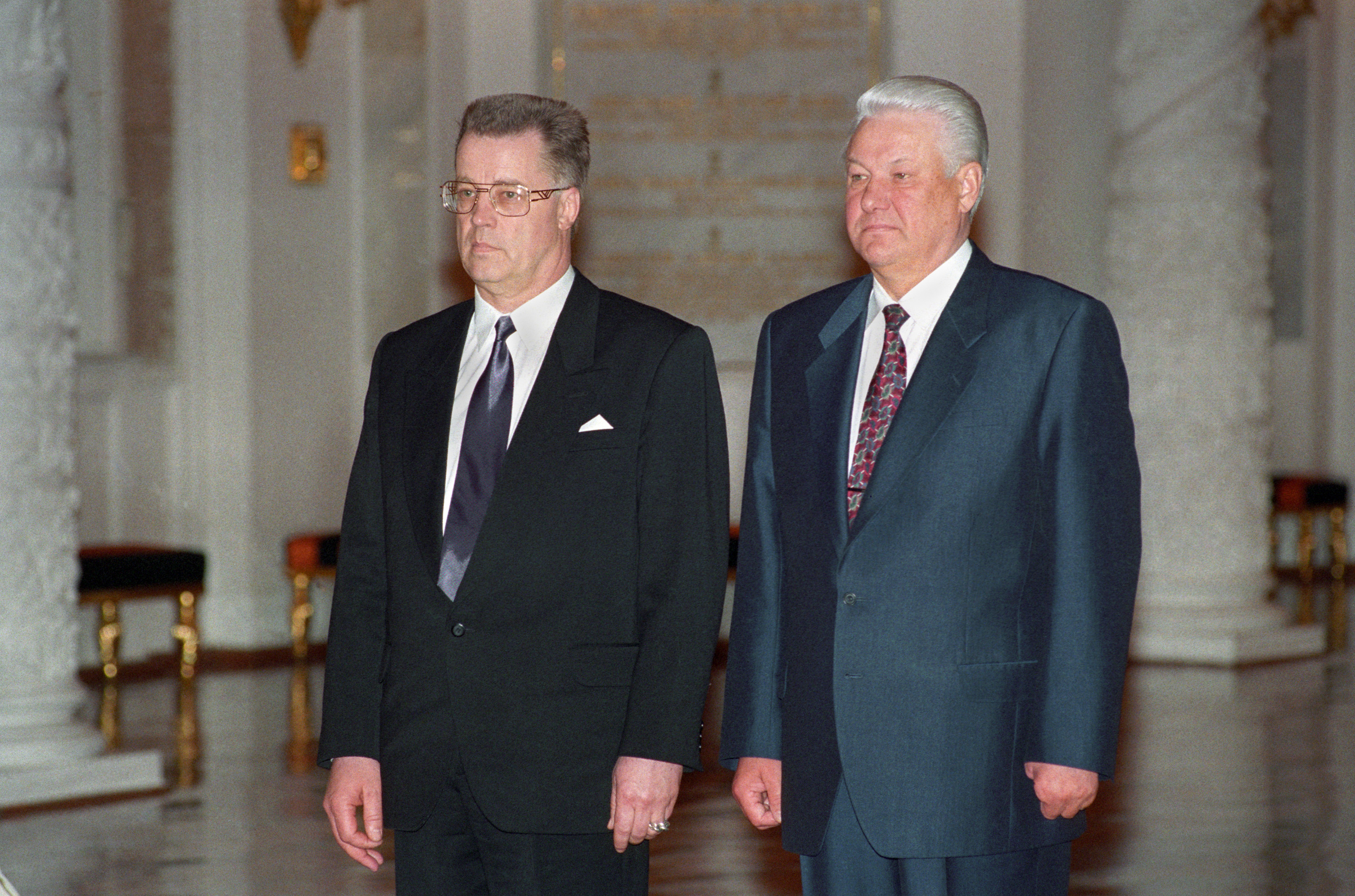
- Any leader, including Russian leaders, must be evaluated in the context of time. When Yeltsin was, the head of the Putin type could not appear in Russia. And vice versa. I can’t imagine how Yeltsin to manage Russia with his character today. He treated the leaders of Western Europe and America with great respect. He reacted with respect to the Baltic leaders, including Latvian. And I think that Yeltsin saw the advantages of a democratic society. He saw, but it was difficult for him to associate it with Russian society, which, as we see today, was not ready for this. Or, we will say this: in Russia there are special, specific views on democratic processes.
When you tell me that Yeltsin appointed the president of the KGB officer, I think that other characteristics of Putin were important for Yeltsin at that moment. No matter how we evaluate it in the light of today's events, Putin is a strong man. A person who decides and does. Western leaders should understand this, and based on this, they must talk with Russia. Sanctions, like any fines, are not eternal. Even the worst criminals are released over time. The same thing with sanctions that the Western world today rightly applies to Russia today. But we must think about what the dialogue will be further. We must look forward. For me, for example, it is not clear why the Western world did not foresee the incident of Crimea.
- Have you foresaw?
“I don’t know, it's hard to say, I'm not talking about that.” There are reconnaissance, information structures, and suddenly the Western world seemed to wake up: Putin in the Crimea! It turns out that the Western world did not feel at all what he was living, what Russia was thinking.
- In your opinion, now, when the war in the east of Ukraine is actually going on, the Western world foresees the next step of Russia?
Often the Americans ask me: tell me something about Russia, we do not know the Russians well. How much can you know them badly, I ask? We have passed tens of years, and you still do not know the Russians well. Come on, study Russians, meet the Russians!
- It's hard to say. I think that information, defensive services should work better. And now there is nothing to be modest and say that it makes no sense to produce guns, tanks, machines. But not only bombs decide the fate of the future - without dialogue, without conversation, without discussions, without meetings, it is impossible to solve them. Therefore, I believe that the Western world must find the possibilities of dialogue in the broad sense of the word. Often the Americans ask me: tell me something about Russia, we do not know the Russians well. How much can you know them badly, I ask? We have passed tens of years, and you still do not know the Russians well. Let's study Russians, meet the Russians. So I am an optimist that politicians should meet more often and talk.
-You once said that the future of Latvia depends on the relationship of Russia with the rest of the world. The new President of Latvia was recently elected, what advice would you give him: how to build relations with Russia?
I do not exclude that the Latvian president can be a very good intermediary in a dialogue between large countries in Europe and Russia
- The president must meet and communicate more with the Western leaders. Latvia is an integral part of the European Union, the European Union is an integral part of the democratic world. Any president needs to get acquainted with friends first of all and determine the general policy. After meetings with European leaders, I think that the new president should look for ways to a direct dialogue with the President of Russia. I'm talking about my experience. When the troops were withdrawn, there were very difficult moments. Nevertheless, we managed to find a common language with the President of Russia. For Yeltsin there was no problem calling me, and vice versa. Today this is not ... But I do not exclude that the Latvian president can be a very good mediator in the dialogue between large countries in Europe and Russia.
- You remembered the time when Russian troops from Latvia were withdrawn. What was the best day in your relationship with Russia and what is the most difficult?
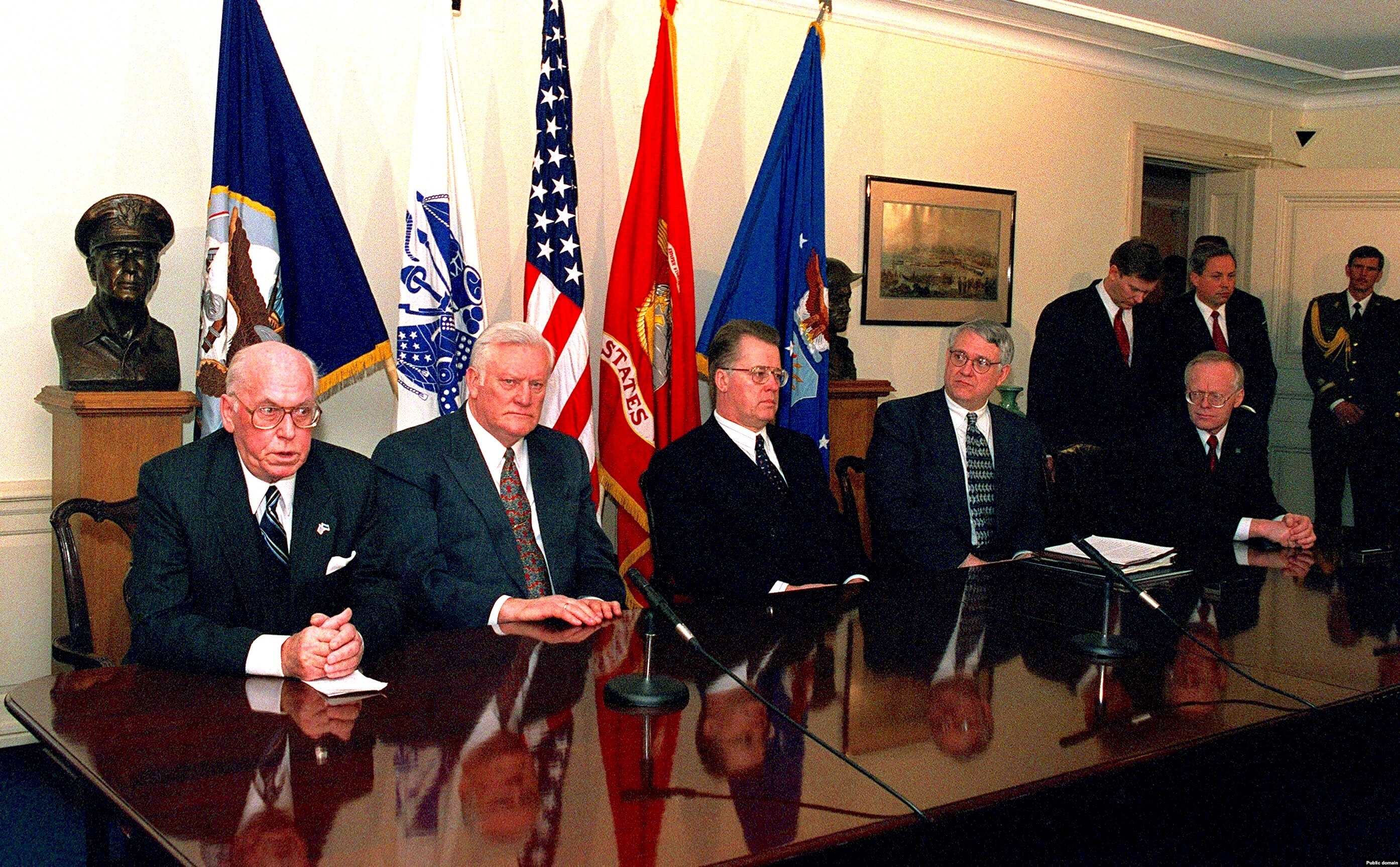
- It so that in relations with Russia bright and dark days alternated all my life all my 76 years of life, and not just six years of presidency. Dark time was when we were taken out in Siberia in cattle wagons. The bright time, when the Siberians met us, I would not say that with love, but humanly and contrary to the prohibitions of the authorities very often saved us from starvation. Latvia freedom, independence, declarations of sovereignty are the brightest time. Introduction to the European Union, in NATO ... I can’t imagine what would be in the Baltic countries now if there were no NATO. On the other hand, I do not agree that today any freedom should be paid by blood. This is an extreme measure, and the modern world has huge resources of solving issues in other methods and methods. This is the main goal and meaning in dialogue with Russia.
- You are a member of the board of the Riga hockey club Dynamo. The current coach of the Russian hockey team Oleg Znarok was once a player of this team, was the head coach of the Latvian national team. What do you think, the fact that the knowledge and most hockey players of the Russian national team left the field during the execution of the anthem of the winner, the Canadian anthem, at the World Hockey Championship in the Czech Republic, can be interpreted as a result of the disrespect of modern Russia as a whole to international relations and law?
- I saw this moment. It is unacceptable, but I believe that in this case the players were emotionally so devastated, received such a blow that they forgot about culture and decency. I do not think that these are well -thought -out actions, these were just emotions after the most severe defeat. I am not justifying this, I think that Russia itself understands that it is not good and that it is necessary to raise their athletes differently. Yes, a great responsibility for this is on the new coach, he worked in Latvia for a long time and could take out the best from here. It turns out that something forgot ...
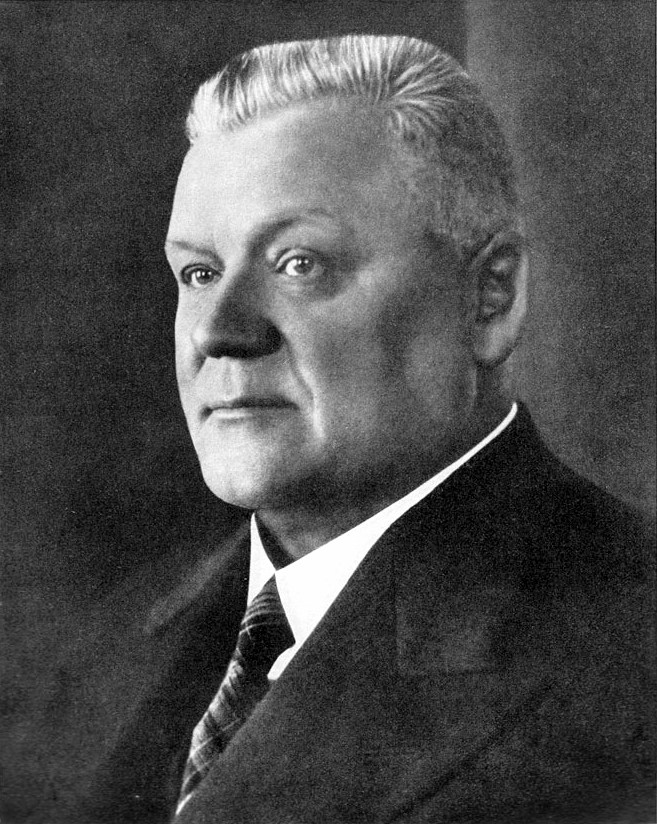
- You are the granddaughter of the President of Latvia, Karlis Ulmanis, who died in a prison hospital in Russian Krasnovodsk. There were once negotiations to find his remains and transfer to Latvia, but this did not happen. Why?
I do not lose hope that there will be documents about the burial place of President Carlis Ulmanis. We will live with this thought. He does not have a monument in Krasnovodsk, and I do not think that he is needed there, for local residents this is someone else's name
- I devoted 20 years of my life to this issue. We searched for his remains in Siberia, Transcaucasia, Krasnovodsk, St. Petersburg ... His life was bursting in Krasnovodsk, this is evidenced by documents, medical certificates. In the 1980s in Volgograd, I visited the widow of a doctor who signed documents about his death. I do not lose hope that there will be documents about the burial place of the president of Ulmanis. We will live with this thought. There is no monument in Krasnovodsk, and I do not think that it is needed there, for local residents this is someone else's name. Still, the monument needs to be guarded, it needs to be looked after, respecting this place. Do not force people of a different nationality and other life experience to do this.
- In 1996, in an interview with the Belarusian newspaper Free News, you said that you first perceived the neighboring Belarus as developing democracy with some problems ...
- Hoping, hoping.
- ... But after the United States provided political asylum to the two leaders of the Belarusian Popular Front, you changed your attitude. How do you assess the role of Lukashenko in the history of Belarus, and, as it seems to you, how much is he an independent politician or nevertheless, despite the rhetoric, dependent on Moscow?
I am not a supporter of changing the system from outside in another state. In recent decades, they show that the strong influence of external factors, as a rule, is destructive
- The role of President Lukashenko will be appreciated by peoples, history and time. Of course, we all want Belarus to become an integral part of Europe, because geographically it is an integral part of it. I want to see her in our company. At the human level, Belarus and Latvia never had any problems, disputes, hatred. It was not and will not be. Many Belarusians live in Latvia, I have never heard from them or about them a thin word. Yes, the Belarusian people chose the path with Lukashenko, but this is his choice. Young generations must themselves think about what road they will go further, what education they want to get, what life they themselves see in their country. It would be difficult to demand a lot in this sense from the older people, but young and middle generations should ask themselves the question: is this the country in which I want to live, or I want to change something in it?
I am not a supporter of changing the system from outside in another state. In recent decades, they show that the strong influence of external factors is usually destructive. So I wish the Belarusian people so that the country is strong, flourished, developed so that they love themselves and others, and I am sure that the people will find their way. True, they will always have one question extremely important: relationships with Russia and the Russian people. And I would like to warn Belarusians a little: learn from the experience of Eastern Ukraine, study on the experience of Crimea. Do not be short -sighted and naive, look with your own eyes and think where and how you are going.
- You spoke Russian in Latvia. In Belarus, in 1995, a controversial referendum was held in 1995, thanks to which the Russian language received the status of the second state and in fact over the years he replaced the Belarusian language. At one time, your national genius Janis Rainis supported the Belarusian language, even participated in the language conference in 1926 in Minsk and helped the Belarusian diaspora in Latvia. How to find the optimal balance between the support of your national language and respect for other languages? And how to make the Russian language does not become a dangerous factor so that the "green men" "protect the Russian -speaking" do not come? This is a very delicate question ...
There should be one state language in the country. In everyday life, in the family - there are no questions. In small countries, three or four language is a normal phenomenon, let each resident have them and communicate on them
- It is not so much delicate as it requires a fundamental solution. First: what bilingualism? There should be one state language in the country. In everyday life, in the family - there are no questions. In small countries, three or four language is a normal phenomenon, let each resident have them and communicate on them. I do not want to give recommendations on the language of the Belarusian people, in no case. But for me there is nothing more than a saint in the world than my native language. This is the Holy of Holy. Sometimes it seems that in everyday life this is a trifle. And I am very often offended by my Latvian friends, to my nation for being too flexible. We meet with a Russian man and immediately speak Russian. Although this Russian man, good in nature and the same as his interlocutor-laysh, is ready to learn the Latvian language, is ready to speak Latvian, but we very often leave our language, so to speak, behind. Maybe such a small household advice: respect your language not only in laws, respect your language in everyday life, in meetings with other people. I think this should bring the result. The Belarusian language is very beautiful, and he earned to be spoke constantly on it.
- Over the two terms of your presidency, Russian troops were withdrawn, applications for the entry of Latvia and the European Union were submitted, the death penalty was canceled, and Latvia became a member of the European Council. What of all this do you consider your main achievement?
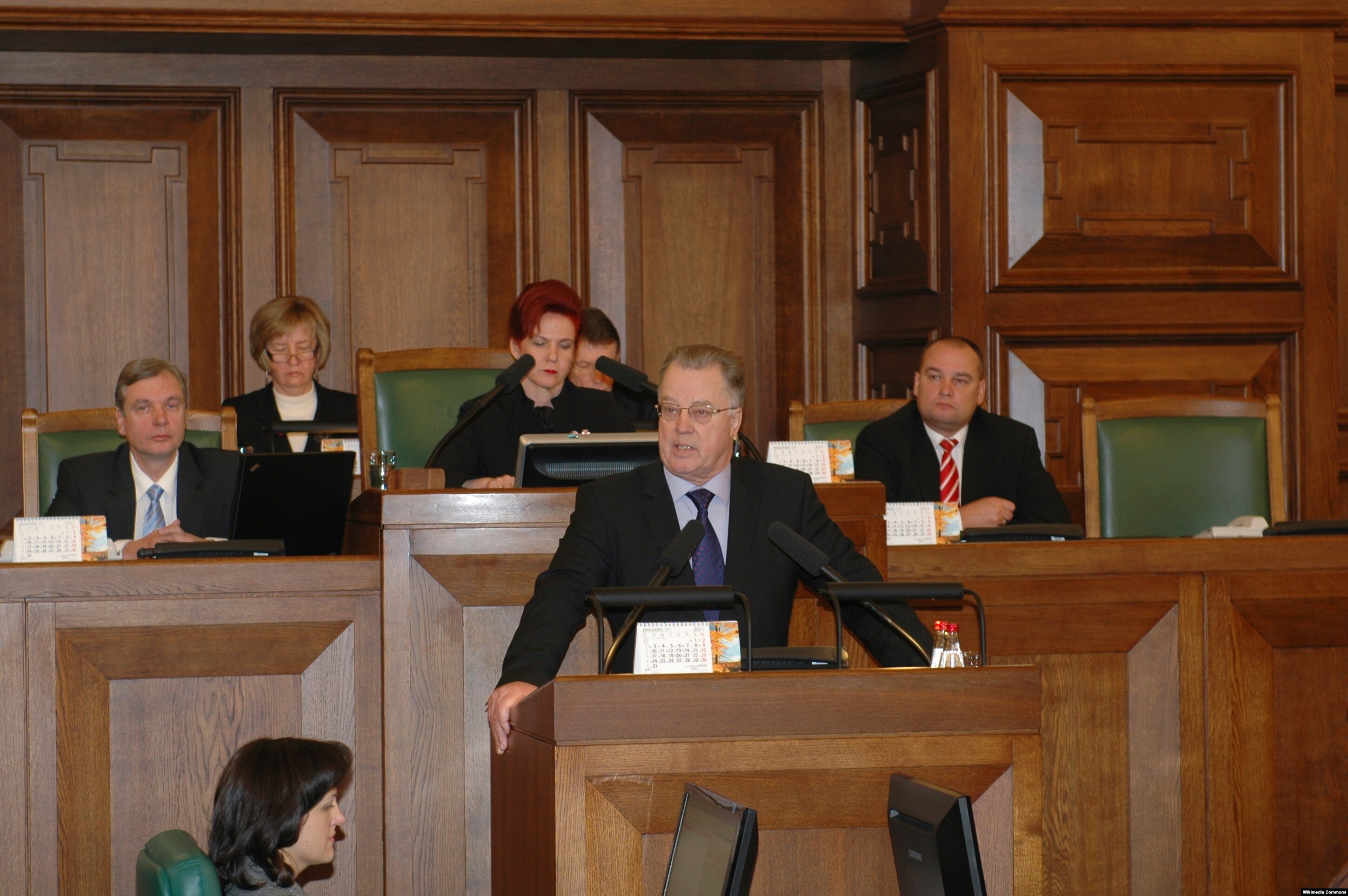
- I believe that it was very successful and professionally managed to create all state structures, starting from the Councils of Advisors and ending with the practical actions of the presidential institution in all issues of state governance. The first years - it was a school of government from top to bottom. This process was very successful and very quickly. And everything else is difficult issues with successful solutions. Latvia is a successful country, and I am proud of it.
“You are a president who was not involved in any scandal.” You left, leaving all the gifts in the Riga Castle, at one time refused to increase salaries ..
- You should never pay attention to privileges. Do not expect advantages as president. Nobody particularly gives gifts to the presidents of democratic countries, especially such as the Baltic. The scandals that all the Baltic countries experienced were searches for enemies, and always tried to interfere with all the presidents into these scandals, proving that they were KGB agents. Yes, the story is such that sometimes someone could have been to them, but in our case, thank God, there was nothing like that. Live a calm, kind, normal, honest life, and you will succeed - here is my advice.
- How active are you now in public life? How much is your experience in demand?
- I read a lot of books, process my three hectares. Under old age, it began to master different crafts well, it will come in handy. I am playing sports. He was disappointed in today's politics, was elected to the parliament again, but saw that if you were a president, then it was better not to be a deputy. I really like you to meet youth. True, today's youth perceives the years of perestroika a little strange, they know little about them. After all, for twenty -five years it has passed ... I also think that it is very important for young people to know the story before the Second World War, about how the Second World War ended, especially for us.
- And the last question. In July, we celebrated 65 years of Radio Free Europe/Radio Liberty. How would you appreciate the influence of radio free Europe on democratic processes in Latvia? Did you listen to this yourself?
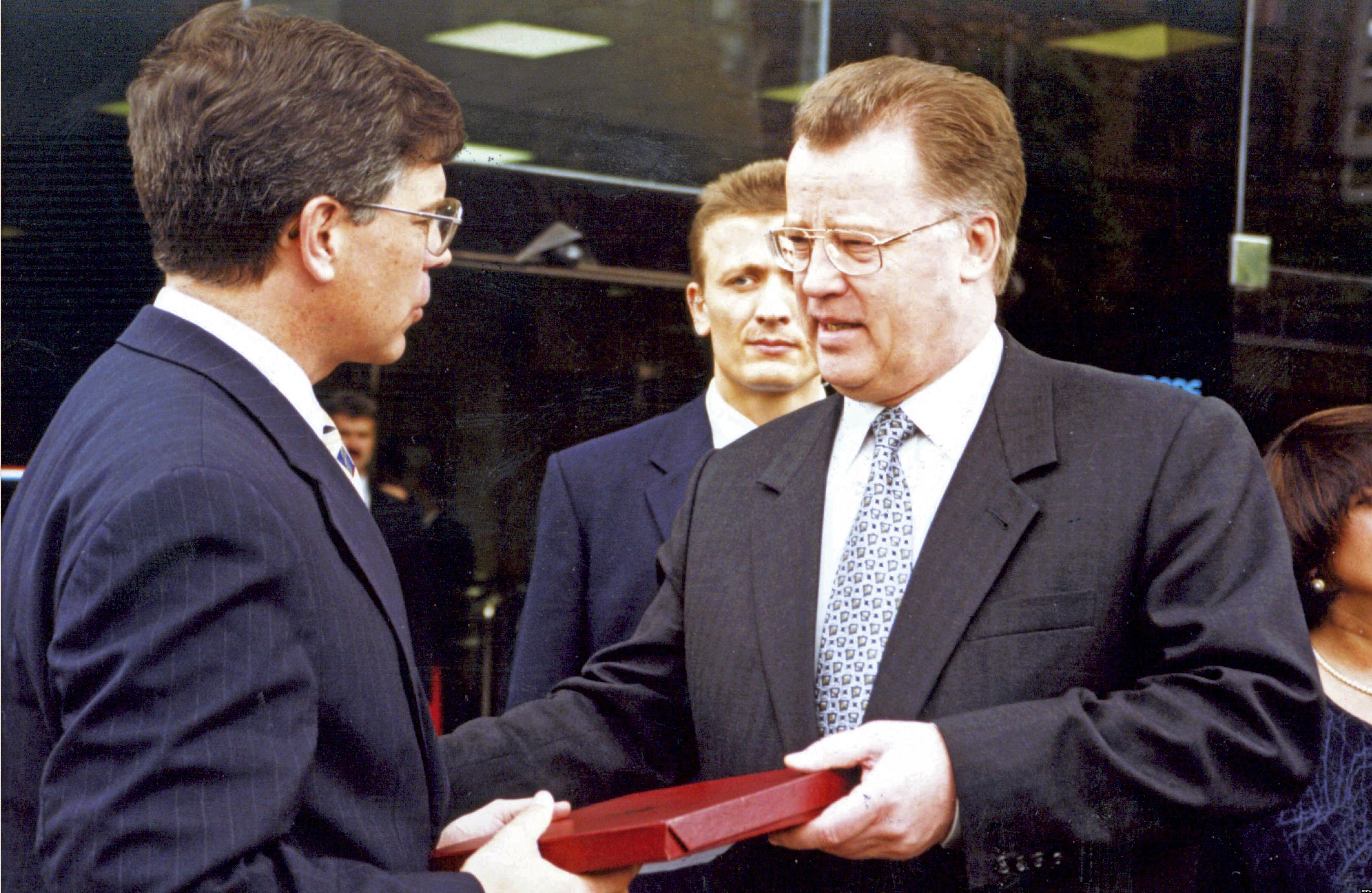
– Слушал, как же не слушал? Кто не слушал Радио Свобода, Голос Америки? Как только их не поливали грязью в то время, сажали в тюрьмы тех, кто их слушал, было и такое… У меня нет сомнений в том, что Радио Свобода внесло огромный вклад в распространение свободной мысли и оптимизма. Этот вклад останется навсегда.