
Translated material
The adventures of the Italian in Russia
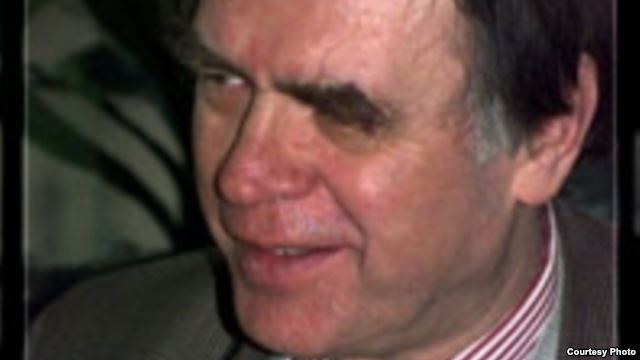
Memory of Giovanni Bensi
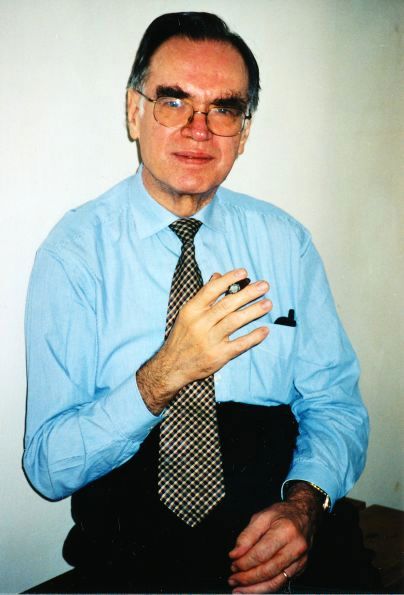
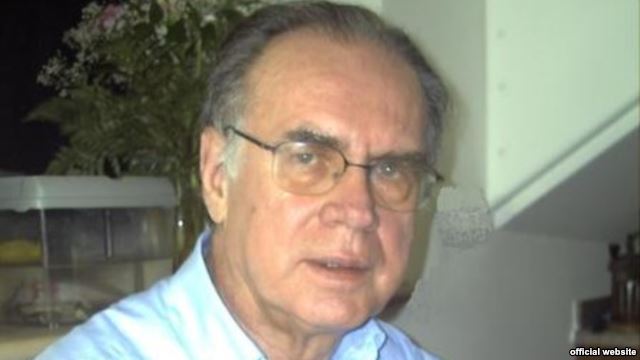
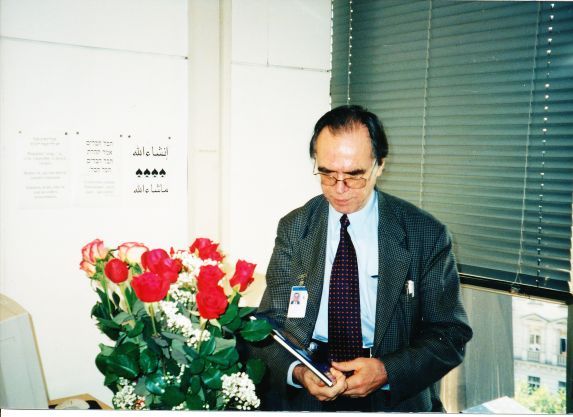
On March 6, an Italian journalist and writer Giovanni Benni died in the city’s hospital. He was 77 years old. He was an Italian in his origin in his native language, but culturally he belonged to the whole world. He was all interested in everything, and he knew everything.
Bencie was born on December 20, 1938, studied in Russicum, then at the University of Milan and Venice. From 1961 to 1963 he studied the Russian language in Moscow. There was a dramatic clash of a 25-year-old student with Soviet political realities.
We talked about this with Giovanni when, after 30 years of staffing in the Russian Service, Radio Liberty (and before eight years by freelancer) he retired, on July 18, 2002. We settled down on the veranda of the Prague Hotel "Yalta" - with a view of the Vaclav Square.
Ivan Tolstoy: Giovanni, what is Russicum?
Giovanni Benxi: This is the Vatican Institute, founded by Pias XI in 1926 with the aim of preparing specialists for Russia, about Russia and the Soviet Union. The study of the church history of Russia, Russian Orthodoxy, what it is, why and how it developed, relations between Orthodoxy and Catholicism. Of course, there is a question of the Brest Union. I read a lot about this in the literature in Polish, because most often literature on this topic is in Polish. Both Marxism-Leninism, and the situation in the Soviet Union.
In general, people who are sent there from Catholic spiritual seminaries study in the Russian, if someone is interested in these issues. This is a spiritual academy, in fact, this is not an primary education. And we need specialists who could help in the Vatican in everything regarding Russian affairs.
- What size was this an institution?
- Then it was organized quite well. This is the jurisdiction of the Jesuits. In my time, there was thirty people there, most often they were Germans, so he was called Prussikum. The Germans were especially interested in, but there were people from other countries. This is located in Rome, near the cathedral of Santa, Maria Maggozhore, on the street, which leads to the station from Santa Santa Square. The place is not very good, but nevertheless. There was a library with Russian books and books in other languages. Next to this library is the Eastern Library of the Vatican, in the same square. There is a church - Catholic, which was transmitted and arranged inside the eastern rite, under the Russikum. That is, it is a Catholic Church, but the eastern rite. But this is not the Uniate, not Ukrainian. They serve according to the charter, according to the rank of Orthodox Church, but it is Catholic. It says: "Russian Catholic Church." This is located right in the square, where the famous basilica.
There, of course, the program was very difficult, overloaded, it was necessary to study everything that was studied in the Catholic Spiritual Academy - and theology, and Thomas Aquinas, and also all Russian literature.
- Did training go in Italian?
- The training went in German in many ways, many subjects taught in Latin, and then, at the end, in Russian. There were special intensive courses of the Russian language, held summer seminars in Germany, dietary supplements of Homburg, and in other places in Medon near Paris, in Belgium - where the publishing house "Life with God".
It was quite easy to read Soviet newspapers
We read Soviet newspapers - Pravda, Izvestia, Komsomol Truth. And then I had a rather interesting experience that it was quite easy to read Soviet newspapers. After some time, I read and understood everything, and when I then took up literature, for Tolstoy, for Dostoevsky, it was as if another language. We had Soviet textbooks, then this whole complex-Marxism-Leninism, the history of the Soviet Union, Stalinism, processes, the persecution of the Church, attempts to the Catholic Church to find some ways, the mission of Bishop D'Arbini ...
- And who were the teachers?
- For example, there was Father Wetter, I don’t know what Backgraund he had, but he is a specialist in Soviet ideology, and he wrote a book in two volumes, I remember the name in French “L'Ideologie Sovietique Aujourd'hui”, in German, too, I don’t know if it was translated into Italian. But then in the 50-60s this book was considered a classic on this subject. Gustav Vetter. These were mainly Germans.
- Are the Italians there?
Something must be done in order to promote knowledge about what is happening in the Soviet Union
- Yes. For some reason, there were many people from the northeast of Italy-from Trento, Trieste, from these areas that have historically have ties with Eastern Europe. Then other organizations that were not directly related, but because ... Then the graduates of the Russikum did what they did? They became experts in Russian affairs at the Vatican State Secretariat - Archives, Read newspapers, draw up reports what is happening there. These are experts in Russia. But the need for them was not so big, 3-6 people. And the rest then went to normal pastoral ministry, but they often talked about this, about relations, about the situation in Russia, about the persecution of the Russian Orthodox Church, and so on. But later, in the 60th year, a group of graduates, including me, met in Milan and decided that we had to do something in order to contribute to knowledge about what is happening in the Soviet Union not only in the religious, but also in the cultural field. These were all the Italians, former graduates of Russikum. There was Father Romano Skalfi, who is still alive, he is almost 80 years old, was Father Nilo Kadonna.
- This is a very famous person.
-He died in the 97th year.
- All Russian emigrants know him.
- Yes, because in the post -war period he worked in the camps of refugees near Trieste. He was also engaged in Yugoslavia. Under Trieste in the post -war period there were refugee camps, and he was engaged in pastoral and humanitarian work there. There was Petro Modesto, who is now in Munich and, in my opinion, teaches at the university and does something at the Munich diocese. There were other people whom I have practically lost sight of.
We gathered, we were young people, students who were interested in Russian affairs, and I must say that then in Italian universities the teaching of the Russian language was in the hands of the Communists. It was impossible to do Russian affairs at the university without the sanction of the Communists. This was unofficial, but all the departments, and so on ... And even some teachers who were not communists, for example, at the Catholic University at Milan, the Russian language and literature, the Georgian emigrant Nina Kaukhchishvili. She was not a communist, but she did nothing against the Communists. We decided to break this monopoly. Why should the Communists deal with Russian affairs, after all? And they founded the center, which was given the name "Rusia Christian" - "Christian Russia", and began to release the magazine, which was also called. We wrote a lot about Samizdat, organized conferences, reports, relying on Catholic parishes in Milan, near Milan, made lectures. When Ilyichev’s report was in the USSR on the fight against religion ... These were Khrushchev’s times, and in the West the opinion that the thaw, discharge, everything was fine with Khrushchev ... But with him there was a tightening of an anti -religious campaign. So, we talked about this, people did not know anything.
It was impossible to deal with Russian affairs at the university without the sanction of the Communists
And then it so happened that in Bergamo, a city in Northern Italy, some old woman, Madame Ambiana, who owned a beautiful villa, died. They say this is the western of the Venetian villas, this is Palladio, and so on. She died and bequeathed this villa of the Berghag's diocese, and the bishop of Bergamm received this villa. What to do with her? Bergamo is a small diocese, they already have everything, and then some kind of connection began, and he decided to give this villa to the Christian Russia center. And we received this villa, which still exists in the outskirts of Bergamo, which is called Sergey. And we got there, there is a villa with a park. There, the library, first of all, books, Soviet books, found books of Russian emigration, various publishers from New York, “Sowing”, all kinds of religious, secular and books in Western languages about Russia.
And then they decided to use this villa for courses, for cultural education. We periodically organized conferences for certain circles there. In the summer, between July and August, there were courses of the Russian language and Russian culture. We conducted them, of course, in the spirit of counteraction.
- What were these years?
-It began in 1959-60, continued very actively until the 70s. In 1972, I left because I moved to Munich, began to work on Radio Liberty. I then worked in the Italian newspaper Aenire (then it was called the Italy newspaper, then I was renamed). But this continued further, continues now. Only now it has changed a bit, because many of the old founders have left, the cadonna died, Father Romano Skalfi, who was Spiritus the rector, so to speak, all this, he is now very old. And now this organization is influenced by such a church-youth group of Comunione E Liberazione (Communion, Community and Liberation). This is such a charismatic group, but I am not connected with them. Enthusiasts are like that. And they still do something there in terms of ecumenism ...
- They do not collect any conferences?
- Now no longer, because the case has been diluted, there are actually no specialists there. I lost contact with them. But there are other organizations in Italy that are quite actively dealing with these issues. Just in the city of Trento, the only Catholic diocese, in which there is an ecumenical center. I will cooperate with them, because I will go to Trento soon, I have already contacted them. They maintain very active ties with the Moscow Patriarchate. And this is one of the channels that are active, despite all this controversy that has erupted recently. This channel with Trento remains active. And just a couple of weeks ago, Archbishop Trento Monsignor Bressan went to Moscow to meet with the Patriarch. Without special advertising. There were some negotiations, and then they asked me to write about it in Russia and in the last issue of the "Independent Newspaper", in the appendix of "Religion" there is my article with a photograph of those who were in Moscow, with the Patriarch. Last year, Metropolitan Kirill, Kaliningrad and Smolensky was in Trento. This is also an excavation from our activity, because there once Nilo Kadonna participated. Trento is now the focus of such ecumenical contacts, dialogue, channels between the Catholic Church, between the Vatican and the Moscow Patriarchate.
- Was the "Russia Christian" to Rome?
There is a center on Farinon Street, Russian icons, copies are made there, books are sold
- In Rome, there was also a courtyard. There is a center in Rome, it exists today, is located on VIA del Farinon near the Vatican, not in the Vatican, beyond, but in the area of Rome, which adjoins the Vatican, is called Borgo Pio. This is the old Roman quarter. Pious city. And there, on Farinon Street there is a center, Russian icons, copies are made there, books are sold, there is a priest, also a pupil of Russikum, who is called Sergio Mercytsin. He is also from Trento. Many Italians who are doing this, they are from the northeast of Italy.
- Could you tell me a few words about Irina Ilovayskaya in her Italian period?
- Irina Ilovayskaya was the wife of the Italian diplomat Alberti, who worked at one time in Moscow. I just met her in the framework of Rossia of Christian, because we invited her to give lectures for summer courses of the Russian language in the Sorias. She was then engaged in teaching in Rome. She became a well -known person only when she became the editor of "Russian thought." And earlier in Rome, it was not that it was especially different in something. She taught somewhere, at the Catholic University, it seems, in some schools. Perhaps in 1963 it began to be invited to teach to courses.
- She lived where?
- In Rome, but her husband was already retired then, she herself was already middle -aged then.
- So what happened to you in Moscow?
- I had a whole story, I was arrested, I was in prison. I was expelled, and I could not go to the Soviet Union, the path was ordered, person Non-grata, and that’s it.
Radio Liberty knows everything about the Soviet Union
I already started working as a journalist, an expert on Soviet affairs. When I was still in Venice, I started working in a newspaper, but not on Soviet affairs. Then I moved to this newspaper Italy, I had connections with the Tempo newspaper in Rome, I was a correspondent in Belgrade for some time. But I noticed that the fact that I could not go to the Soviet Union interfered with me professional and psychological. I am an expert on Soviet affairs, and suddenly a congress-but I can’t. We know that this gave almost little at that time - to visit the USSR, but it was psychologically important. I noticed this in the practice of my daily work. And this is one of the reasons why I later came to Radio Liberty. Why? Because I remembered that when I was still working in newspapers, Radio Liberty enjoyed high authority, everyone knew about it, but they knew mainly like radio free Europe. Because many newspapers received materials from the research department, these were well made materials, and everyone thought that Radio Liberty knew everything about the Soviet Union, they say, perhaps this is the CIA, who knew it, but they are very well informed. And when I arrived in Munich, I noticed that this contributed to an increase in my authority in Italy. When I wrote in the newspapers, mainly for Italy, which later became Aenire, but I wrote for other newspapers when I said that I was on the Liber Radio, it was already a guarantee that I was well informed, that I am an expert, that we all know there. In fact, it was. Because we get a hundred Soviet newspapers, records of radio interception, and so on. People knew this in journalistic circles, and this helped me maintain my authority.
-And you went to Moscow with some kind of task?
- Of course, I was familiar with some Russian emigrants from "sowing". There were no special tasks, there were some leaflets, then they said: if you find out something, and so on. But I was arrested not in connection with this. When I studied at the university, we had meetings with different people, with students, and I, not calling, without pointing to any organizations, just like a Western student, I criticized the regime. Of course, using some knowledge that I had from these communication with Western Europe. But not that I did some kind of propaganda for NTS. He just said: why is it so, and not otherwise, and so on. And then there was a man who came to me. They told me at the KGB who it was - this is a certain conjure from Murmansk, who studied, I knew him. I was told that a citizen of a coniferous came from Murmansk and so on. And I was accused of anti-Soviet propaganda and then they said that I studied in the Russikum, they had a denunciation from somewhere, and I did not report this when filling out a visa questionnaire, although no one asked.
And then there was an old denunciation from Italy
And then there was an old denunciation from Italy, obviously. In Rome, I talked with the society "Italy - the USSR", it was inevitable. I didn’t particularly spread where I came from and so on, but someone noticed that I spoke Russian quite well then, and, obviously, someone wrote reports to Moscow and, as it happens, I explain this by the psychology of a spy, which is always trying to raise my authority and decorate my reports, someone came up with that, perhaps, I am the son of Russian emigrants. And this was told to me in Moscow: we have a report that you are the son of white emigrants. But this is very easy to check.
- Where and how were you detained?
- It was a whole story, it is a whole criminal romance. If something had not happened, maybe they would put me in a very difficult position.
I studied at Moscow State University, nothing happened there, this conversation with the conquest occurred during my studies. I arrived in Moscow and left. The following year, in the 63rd, I returned to Moscow with the group of the Society "Italy-USSR". I signed up for summer courses in the Russian language. And my arrest occurred 5 days after my arrival, and then I was blamed for what happened. "Ah, he returned here! For the first time - let it be not so scary. And he is still returning!" I suppose they thought so.
This happened as follows. We studied, all this group, there were different Italians, youth, all students, but not necessarily all the communists. This was organized by the Society of "Italy - the USSR". The courses took place somewhere in the center, in the building of some elementary school, which was empty in the summer. It was in August. We were fed, the dinners were in Metropol, at the Metropol hotel. The school was a stone's throw from Metropol. And one fine day, it was already five days that we were there, we were sitting at the tables, four people, and we had lunch. I ate, as it should be, and after that we were taken by bus to the hotel where we lived, and the hotel was "Yaroslavskaya", which is quite far away, on the Alekseevskaya Sloboda, this is a avenue of peace, VDNH and so on.
We arrived, then there was some kind of program provided. I went to my room and suddenly felt bad - signs of food poisoning. Я сказал, что чувствую себя плохо, вызвали скорою помощь и отвезли в больницу, которая называется Соколиная гора, которая находится как раз на улице Соколиной горе.
Мне сделали какой-то укол, и все симптомы прошли
Любопытно, что я приехал туда, меня положили в палату и эти симптомы прошли сами по себе, не было никаких процедур. Я думал, что мне сделают промывание желудка – нет, никаких процедур. Мне сделали какой-то укол, и все симптомы прошли. Я к вечеру чувствовал себя хорошо. Взяли кровь, конечно, для анализов. Приходила врач женщина, я говорю:
– Я чувствую себя хорошо.
– Ну, знаете, все равно это лето, это опасно, всякие заражения возможны. Сидите, мы проводим анализы, потом вам скажем.
Я просидел в этой палате еще дня 3-4, и потом, уже под вечер, около 5 часов пришла эта врач с медсестрой и какой-то незнакомой женщиной, которую я не видел раньше. Врач мне говорит:
– Вот, у нас все анализы ваши есть, результаты. Ничего страшного, какое-то легкое отравление было, очевидно. Не бойтесь, мойте руки. Мы вас выписываем, и вас сопровождает вот товарищ, вот эта женщина.
- For what?
– Может, вы не очень знакомы с местностью, покажет, где метро и так далее.
Please! Caring for a person. Вышли за ограду на улицу, на улице никого нет после 5 часов, только я вижу, поворачиваем направо, и у тротуара стоит машина гражданская с открытыми дверцами и какой-то человек там стоит, облокотившись о машину. Мы проходим мимо этой машины, и этот человек меня останавливает и говорит:
– Гражданин, покажите документы.
– Какие документы? Why?
И он говорит:
– КГБ.
У меня паспорт. И женщине говорит:
– Тоже садитесь.
– А почему ее берете?
– В качестве понятой.
И он говорит: КГБ
И помчались на Лубянку. И на Лубянке мне начали выкладывать все это. Конечно, я стал протестовать, что я хочу связаться с посольством. "Not now". Потом был очень тщательный обыск, но у меня ничего не было, я из больницы. И интересно, что у меня был чемодан, а когда стало известно, что я в больнице, а там был Нило Кодонна. Но в гостинице была какая-то старуха, знаете, эти знаменитые старухи, и он говорит: "Наш товарищ в больнице, он болен. Можете припрятать чемодан?" И КГБ не узнал об этом, и мой чемодан не обыскали. Что, приезжает человек из Италии со свертком?
Потом был обыск. Все адреса, которые были в моем блокноте. Это было, конечно, неосторожно с моей стороны, некоторые адреса русских эмигрантов… Вся эта бюрократия, допросы, потом то, что я говорил, что я протестую… Они знали другие какие-то подробности, что во время моего пребывания в Москве я встречался с кем-то… Следили.
Дело длилось очень долго, до ночи, пока писали. И вот я сидел в кабинете на Лубянке, там следователь задавал вопросы, читал мне мораль: мы приняли вас как гостя нашей великой советской страны, а вы – вероломно...
И, в конце концов, он решил, что на сегодня хватит. "Сейчас будете отдыхать". Где, на Лубянке? Нет, в другой тюрьме. И он звонит, и тут произошло что-то непредвиденное. Он стал звонить, кричать: "Ё… твою!" У меня создалось впечатление, по характеру его слов, что он позвонил в какой-то оперативный отдел и там ему сказали, что нельзя сейчас, слишком поздно, нужна какая-то печать. Это хрущевские времена, уже КГБ тоже разлагался. Впечатление, что с другой стороны говорили, что сейчас это нельзя. И тогда он стал кричать, беситься, мат пятиэтажный. Нажал кнопку, пришел какой-то надзиратель, он оставил его рядом со мной, он вышел в коридор, стал там кричать. И, в конце концов, пришли двое в штатском и говорят: "Пойдемте с нами". И мы пошли пешком по этим коридорам Лубянки, спустились по лестнице, и я помню еще эти решетки между этажами. Мы спустились и вышли на улицу. Это нарушение порядка, потому что арестант исчезает.
Я их увидел и стал кричать, что я арестован
Знаете, как если смотреть на Лубянку, это с левой стороны, где сейчас новое здание, при Брежневе построили, и церковь. Направо – площадь Дзержинского. И, к моему удивлению, я выхожу на улицу и вижу на другой стороне улицы двух девушек-итальянок, членов этой группы, в которой мы были. Они стояли на другой стороне вместе с двумя парнями. Я их увидел и стал кричать, что я арестован. Тут – переполох. Кагэбэшники скрутили мне руки за спиной, и каким-то образом я оказался в машине, она помчалась, и я оказался в Лефортово.
– За это звездочек лишают.
– После этого я узнал, что эти девушки, которые меня знали, они устроили вечеринку в Доме дружбы на Воздвиженке (тогда это улица Калинина) и там познакомились в двумя парнями, которые их пригласили к себе домой. Они пошли вечером, уже ночью, эти двое парней их сопровождали туда, на площадь Дзержинского, где остановка троллейбуса №2, который уходит в сторону Проспекта мира.
– Слушайте, – говорят они девушкам, – вы знаете нашу историю, да? Вы знаете, что такое Лубянка?
– Конечно, знаем.
– Ну, мы вам ее покажем. Лубянка рядом.
И в тот момент – наглядное пособие! Живой урок. Я могу сказать, что это чудо, счастливое стечение обстоятельств. И, конечно, дело лопнуло после этого. Меня отвезли в Лефортово, там вся процедура, отпечатки пальцев и так далее. На следующий день – ничего, потом мне посадили в камеру наседку. Но это, очевидно, блатной какой-то, которому пообещали какие-то поблажки. Он спрашивал, кто я такой, почему я здесь, и он мне даже назвал свою фамилию – Ракитин. И он мне говорил, что он фарцовщик, что он сидел в каком-то лагере в Биробиджане и что его привезли в Москву, потому что он должен дать показания на каком-то другом процессе против каких-то других фарцовщиков. И он мне, между прочим, рассказал очень красочно, как эта поездка в вагон-заке из Биробиджана в Москву, как они ехали в этом вагоне, и что эти вагоны прицепляли к местным поездам, не к поездам дальнего следования, и поэтому это продолжалось больше месяца. И что они останавливали вагон на каком-то полустанке, потому что приходили какие-то другое партии заключенных из каких-то других мест Сибири, на севере, и вот они там сидели по целым дням без еды. И он говорит, что мы ели хорошо только в Новосибирске, потому что вагон остановили на запасном пути на главном вокзале и нас кормили из ресторана. Все это он мне рассказывал.
И, конечно, меня потом вызывали на допросы, очень много спрашивали о Руссикуме, но следователь был другой. Первого сняли, очевидно, его наказали, он допустил рассекречивание дела. А новый следователь был какой-то бывший моряк, у него был якорь, вытатуированный на руке, не хватало трех пальцев на кисти руки, и абсолютно безграмотный человек, который писал протокол и часто мелькало слово "церковь". А он то "церков" писал без мягкого знака, то "церьковь". И потом я должен был расписаться под протоколом. Я прочитал и говорю, что протокол написан безграмотно, я его подписывать не буду, там надо было исправлять, где написано церковь. Comedy!
– Иностранец исправляет русского.
– Прошел месяц, и в конце концов, сказали, что, учитывая хорошие отношения, мы решили вас отпустить. Я полагаю, что не будь этой истории с девушками, это кончилось бы плохо. Я не думаю, что меня бы осудили. Потому что я узнал от других итальянцев, которые там были, что во время моего пребывания в больнице они говорили, что меня нельзя посетить, потому что я в тяжелом состоянии, у меня дизентерия, у меня заразительная болезнь, я должен быть в изоляции. Я полагаю, что если бы не было этого инцидента с девушками, они попытались бы меня завербовать просто. Поэтому все тайно, никто ничего не говорит, вы в больнице официально, до конца, никакой шумихи. Но у вас есть связи с русскими эмигрантами, связи с Ватиканом.
– Логично.
– А потом уже посольство зашевелилось, потому что эти девушки сообщили, позвонили сразу, подняли всех по тревоге.
Со времени нашей беседы прошло почти четырнадцать лет. Все эти годы Джованни присутствовал в эфире нашего радио – продолжал анализировать итальянскую политику и международные отношения, прежде всего, в культурном и религиозном аспектах.
Джованни Бенси мало назвать просто ветераном: он был связан со Свободой в общей сложности 52 года. Дольше всех, кого я знаю. И если бы я сказал ему: Джованни, вы истинный Б-52, мне кажется, он бы улыбнулся.