Translated material
Anteo's comrade -in -arms was sent under house arrest

The Simonovsky court of Moscow sent under house arrest Lyudmila Esipenko, accused of the pogrom of the exhibition "Sculptures, which we do not see" in the capital's arena in the summer of 2015. As TASS reports , the term of preventive measure was elected until April 30.
Justifying his petition, the interrogator said that Esipenko disappeared from the preliminary investigation authorities. He also asked to limit the defendant in communications, including the use of the Internet.
Esipenko, in turn, noted that she had already suffered a punishment by paying an administrative fine of a thousand rubles. She informed the court that she needed to visit the church every day.
The court session began at about 18:00 and ended at about two in the morning. As the Mediazona clarifies , the judge eventually allowed Esipenko a visit to the temple for three hours a day.
The activist of the movement "God's will" was detained in Moscow on March 16. She was charged under Part 1 of Article 243 of the Criminal Code (damage to cultural values), which provides for up to three years of the colony.
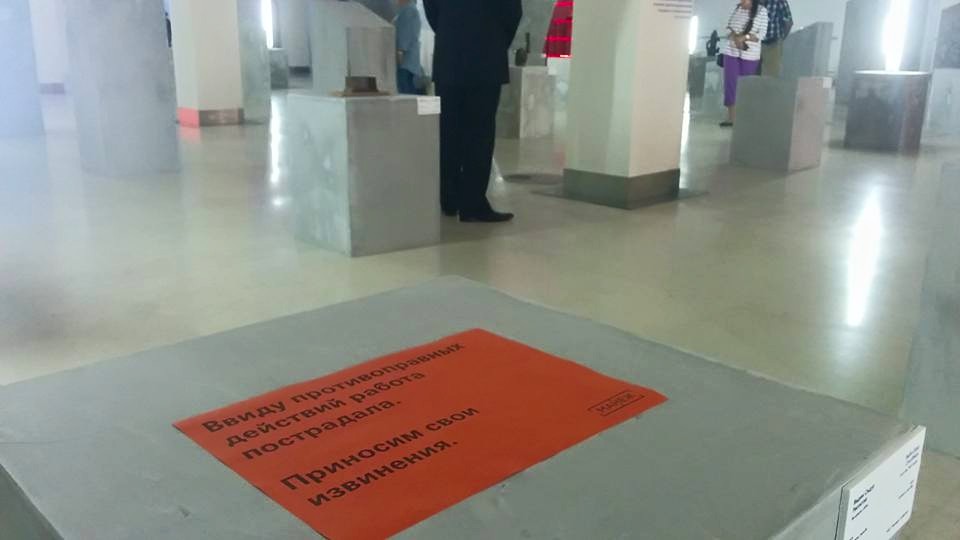
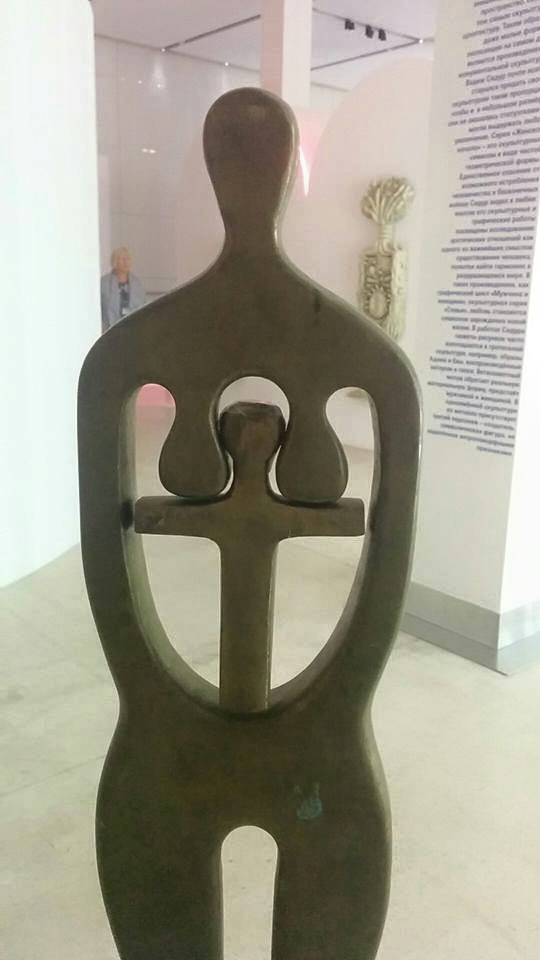
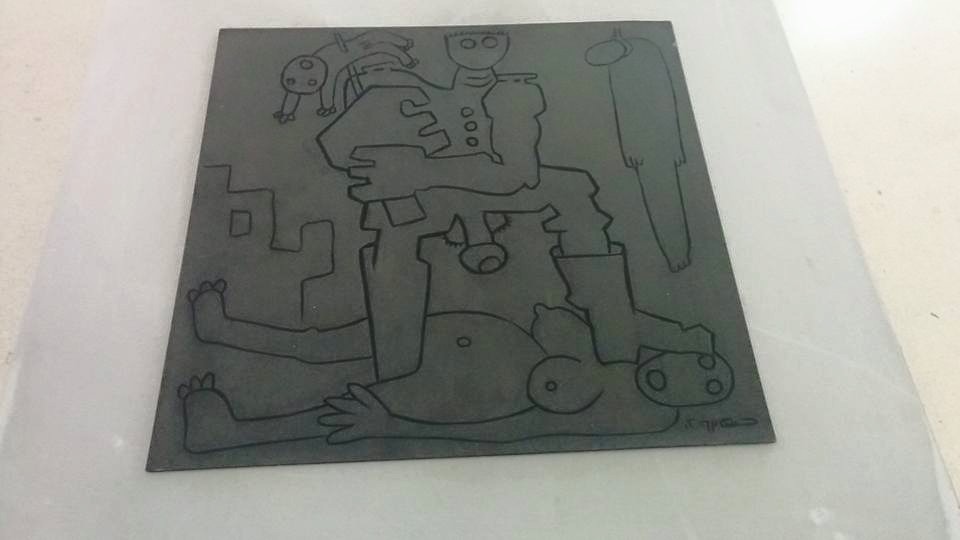
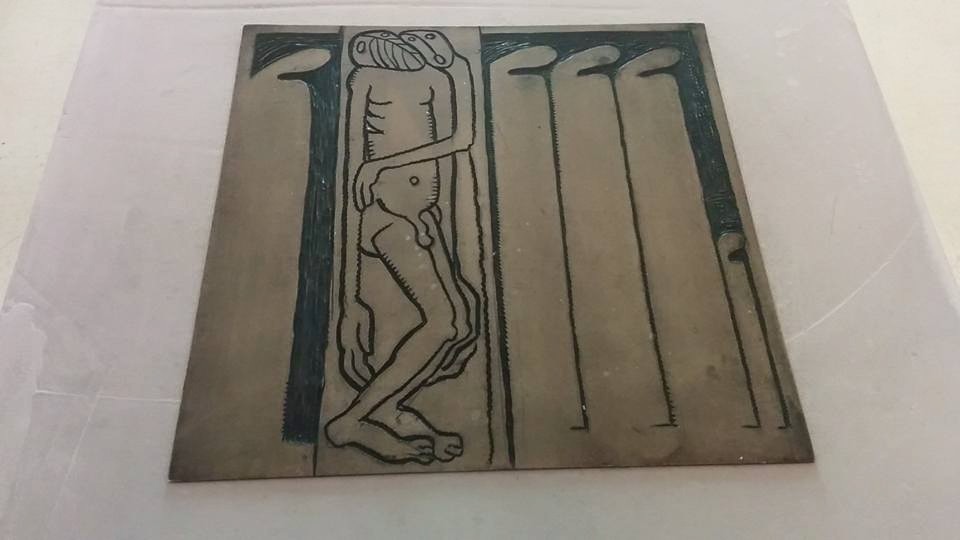
Yesipenko became the first detained in the case of the pogrom in the arena. On August 14, 2015, Tsorionov and his supporters damaged four Linogravians Vadim Sidur there, saying that these works were offended by the feelings of believers ( responses ). Two work suffered especially seriously. During the examination conducted at the request of the police, the specialists of the center named after Grabar found that these engravings need long -term restoration using individual techniques. The damage caused, according to the Moscow Central Internal Affairs Directorate, is estimated at about 196 thousand rubles.
The organizers of the exhibition insisted on initiating a criminal case against the pogromers. This requirement in their open letter was supported bythe leaders of a number of largest Russian museums . State Duma deputies also declared the need to react to the pogrom. Zhirinovets Yaroslav Nilov demanded that the Prosecutor General’s Office conduct an audit on the fact of the incident, and Uneneros Vladimir Ponezhezhsky directly stated that Tsorionov and his supporters committed a crime.
Meanwhile, the Russian Orthodox Church did not unequivocally condemn the actions of the pogromers. “If the law violated the law, let him answer in all severity. But those who arrange exhibitions must comply with the law,” said Archpriest Vsevolod Chaplin, the then head of the Synodal Department for the relationship between the Church and Society.
On September 7, the Tver District Court of Moscow was fined Esipenko and another pogar - Pavel Timonin - for 1000 rubles each under part 1 of Article 20.1 of the Code of Administrative Offenses (petty hooliganism). On September 15, the same court arrested for five days the third participant in the pogrom - Georgy Soldatov, on September 22 sent 10 days to the special receiver of Tsorionov himself .
Initially, the police opened the case on the fact of the pogrom under Article 214 of the Criminal Code (vandalism). However, on September 7, the prosecutor's office refused to approve the relevant resolution. The new business - under article 243 - was excited on September 14 .