
Translated material
Oil from sacred places
Ecologists and indigenous people - against oil production in the Numto natural park in Khanty -a aorian
Ecologists of the Russian branch of the Greenpeace International Organizationapplied to the Prosecutor General’s Office with a request to verify the legality of oil production in the Numto natural park, which is maintained by Surgutneftegaz. Oil jackets apply for the development of new sections of the Numto park , which not only the defenders of nature, but also local residents actively oppose.
Earlier, Greenpeace collected more than 35 thousand signatures against new oil developments in the Numto park. Environmentalistssuspect that the oilmen were not quite legally received the right to develop the old sections of the park. According to them, in a license issued for the development of the Watlorsky field in 2004, it is stated that there are no specially protected areas on this site.
However, the natural park was created long before that, in 1997, and the project for its zoning was approved in 2001. Therefore, according to Greenpeace, this license does not give Surgutneftegaz the right to work in the Numto natural park.
Ecologists believe that oil production in this territory violates the terms of the license agreement and the federal laws "On Environmental Protection" and "On the Animal World" .
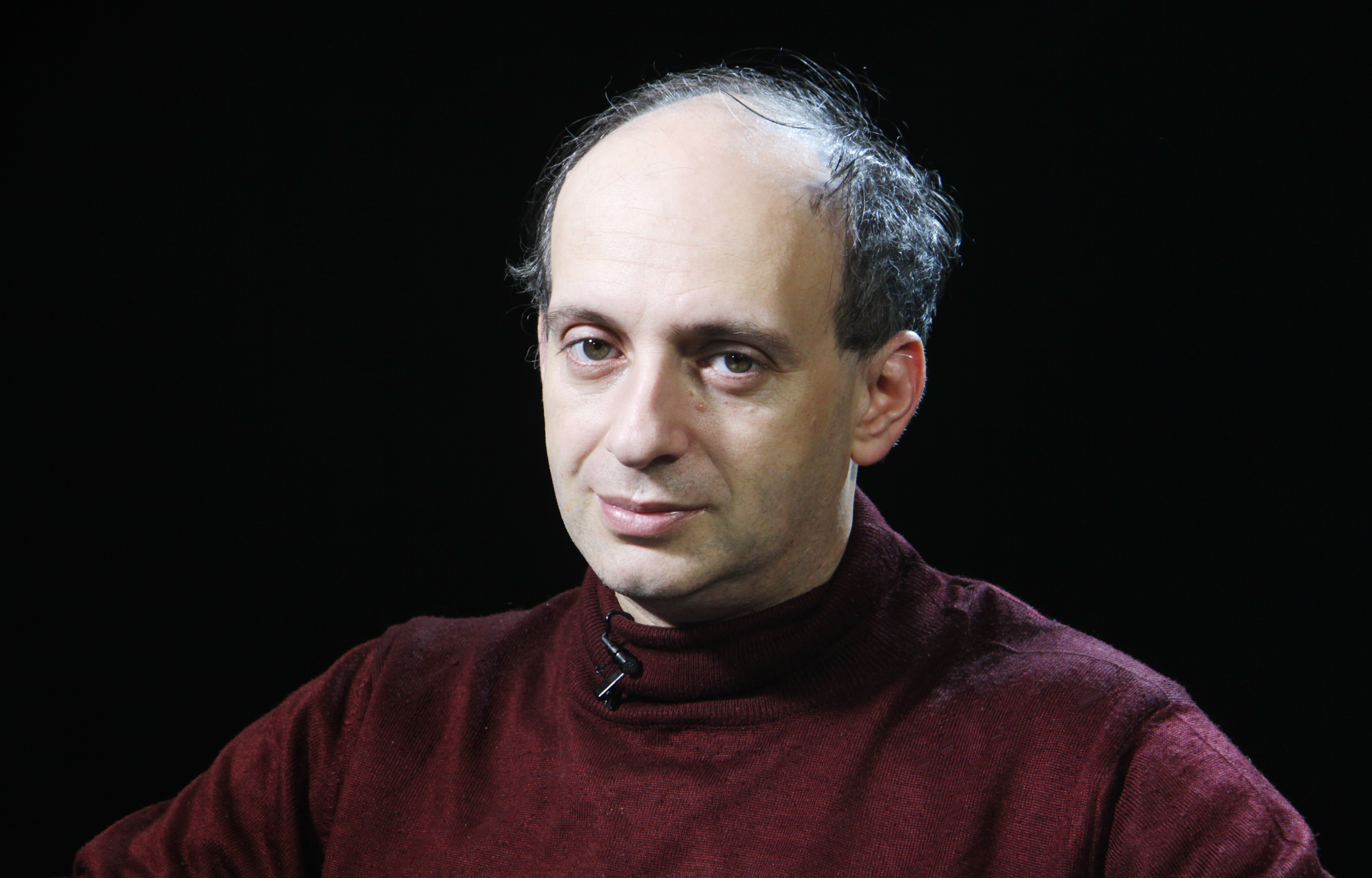
On February 25, public hearings were held in the city of Beloyarsky Khanty-Mansiysk Autonomous Okrug, dedicated to the plans of Surgutneftegaz to expand oil production zones in especially valuable territories of the Numto natural park. Their results are still not published, and before the hearing of the inhabitants of the village of Numto, the head of the district called and asked not to oppose new oil development. About this Radio Liberty was told by the head of the program for specially protected natural territories "Greenpeace" Mikhail Crandlin :
- So far, we have not seen the results of public hearings. There must be a protocol, it must be published, but so far it is not. He was supposed to appear immediately after the hearing, and it is amazing that he was not there. It is difficult for me to say why it is still not, it is possible, because the results can not agree in any way. It is clear that it follows from the text that most of the participants in the hearings opposed a change in zoning, which will entail the expansion of oil production in the park, and people really do not want to indicate in the protocol. But this is my opinion, of course.
- How did these public hearings go, how active the locals were, how did the oil workers behave?
- The hearings by local standards were very representative, there were more than 80 people. Nobody remembers such, according to local residents. They were quite active. Many people arrived, including representatives of the indigenous peoples, from different regions of the Khanty-Mansiysk district, Surgutsky, Nizhnevartovsky. I must say that the hearings were organized well. That is, everyone was given to speak, who wanted to, we must pay tribute to the administration of the Beloyarsky district, there were no problems here. We were afraid that there would be some restrictions. But as a result, they gave everyone to speak. Residents of the Numto village were less active than we expected. Perhaps this is due to the fact that immediately before the hearing they were called by the head of the district and conducted a conversation with them. After that, some of those who were going to perform did not perform. Nevertheless, local residents performed, residents of both the Beloyarsky district and other areas. Including, many of them, at least three, told how they already dealt with Surgutneftegaz, how it relates to the saints for Khanty places, what violations it allows, it was all voiced and, I hope, will be included in the protocol of the hearing.
- How legal, according to your data, the existing deposits of Surgutneftegaz are undergoing?
- We saw a copy of the Surgutneftegaz license for the development of the Watlor site, which is located in the park. One of the applications states that there are no specially protected natural territories on the territory of the site. Since, in accordance with the legislation, information on the presence of specially protected territories in the license site is an integral part of the license, we believe that the company does not have the right to work in specially protected natural areas. Well, because their license says that they are not there. Actually, that is why we turned to the General Prosecutor's Office so that she would check this fact. From our point of view, in accordance with the Law on Peresa, violation of the license conditions is the basis for the termination of the license, respectively, to terminate the use of subsoil in this site. From this it follows that in general, all the activities of the company in this area raising serious issues from a legal point of view.
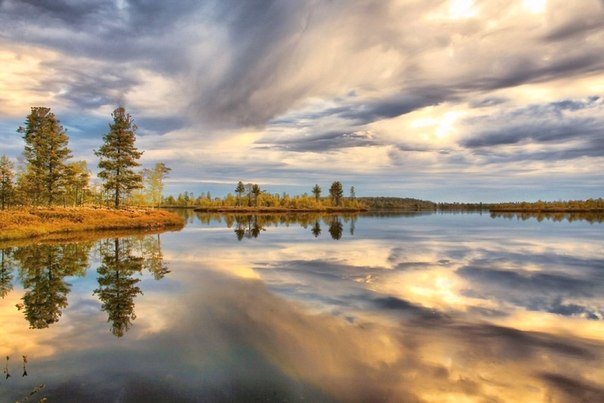
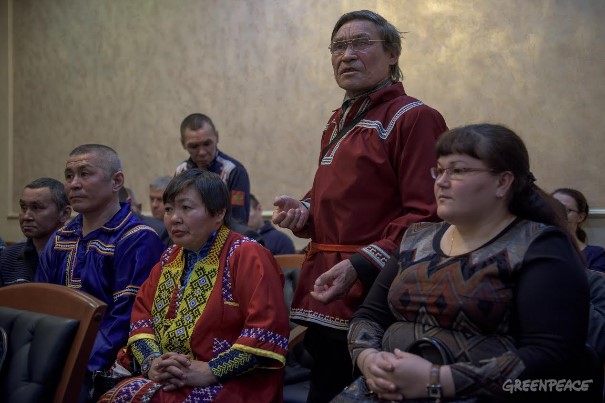
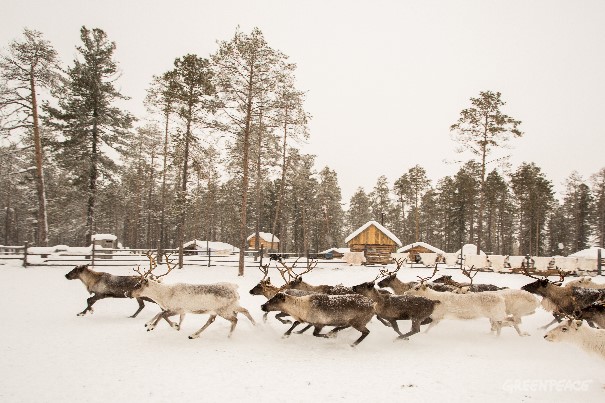
Despite the pressure of the authorities, representatives of local indigenous peoples - Khanty and Forest Nenets - continue to actively oppose the project of oil workers. They are engaged in reindeer husbandry, catch fish, collect berries and conduct rituals in places sacred to them. And therefore, they fear that oil production will destroy the local nature and the way of life associated with it. The Numto Lake, in whose honor the natural park is named, is a sacred place for two indigenous peoples - Kazym Khanty and Forest Nenets. Here is the village of Numto, around which there are several generic lands.
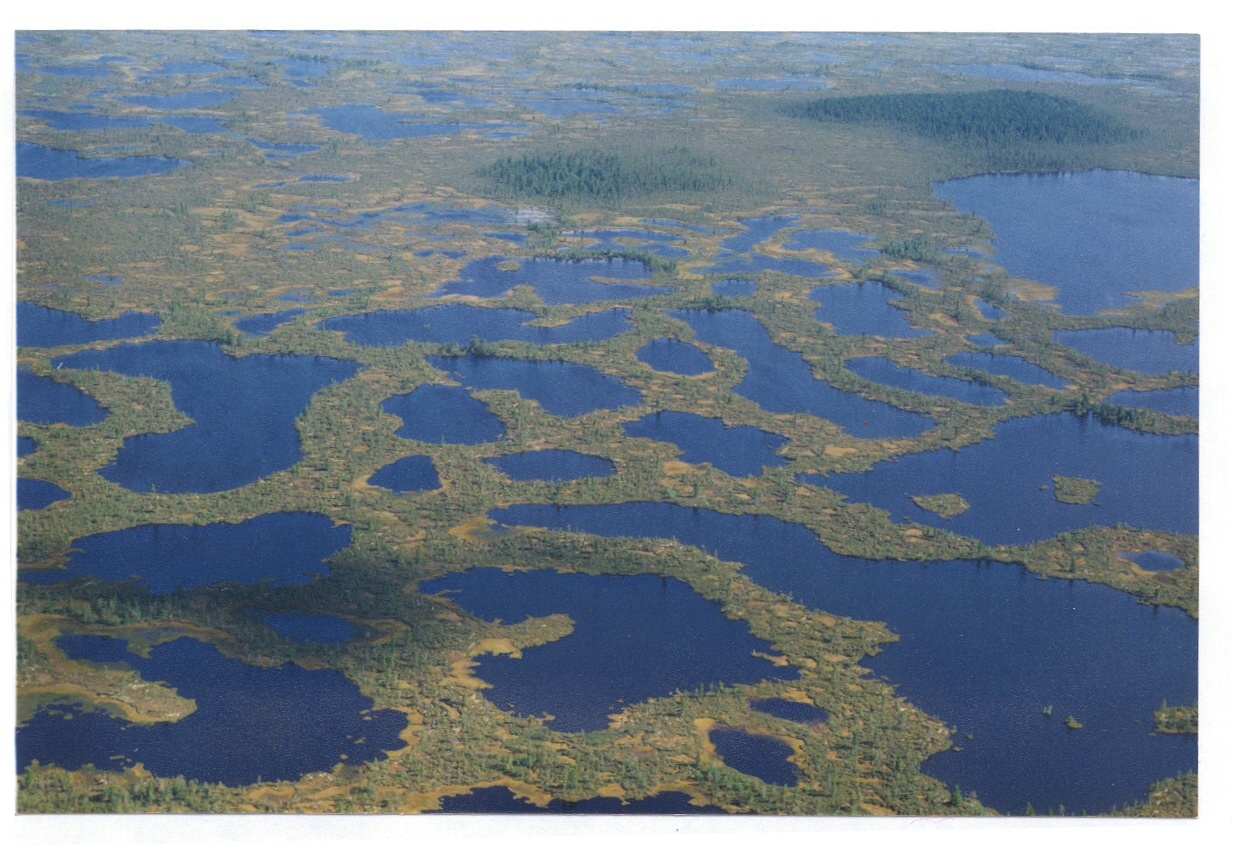
Now Surgutneftegaz is trying to change the zoning of the natural park, hoping to produce oil in its most valuable areas. They also include water-altitude lands that regulate the water regime of seven rivers and are the habitat of rare and endangered plants and animals listed in the Red Book of Russia and the Khanty-Mansi Autonomous Okrug.
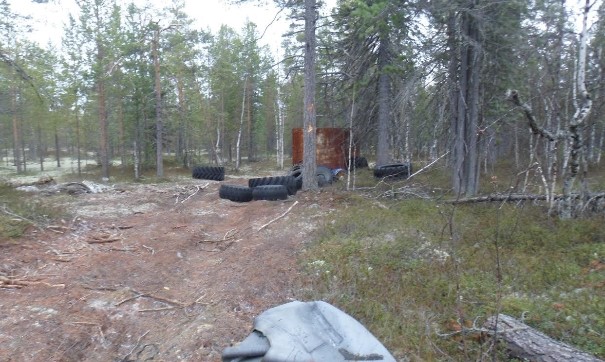
Despite the assurances of Surgutneftegaz on the safety of oil production and compliance with all environmental requirements, nature defenders believe that accidents with oil spills are inevitable.
The Numto regional natural park was created in 1997 by the government of the Khanty-Mansi Autonomous Okrug and occupies about half a million hectares. It is included in the so-called shadow list of the Ramsar Convention on Water-Bolota Earths, which are of international significance.