
Translated material
Decay products
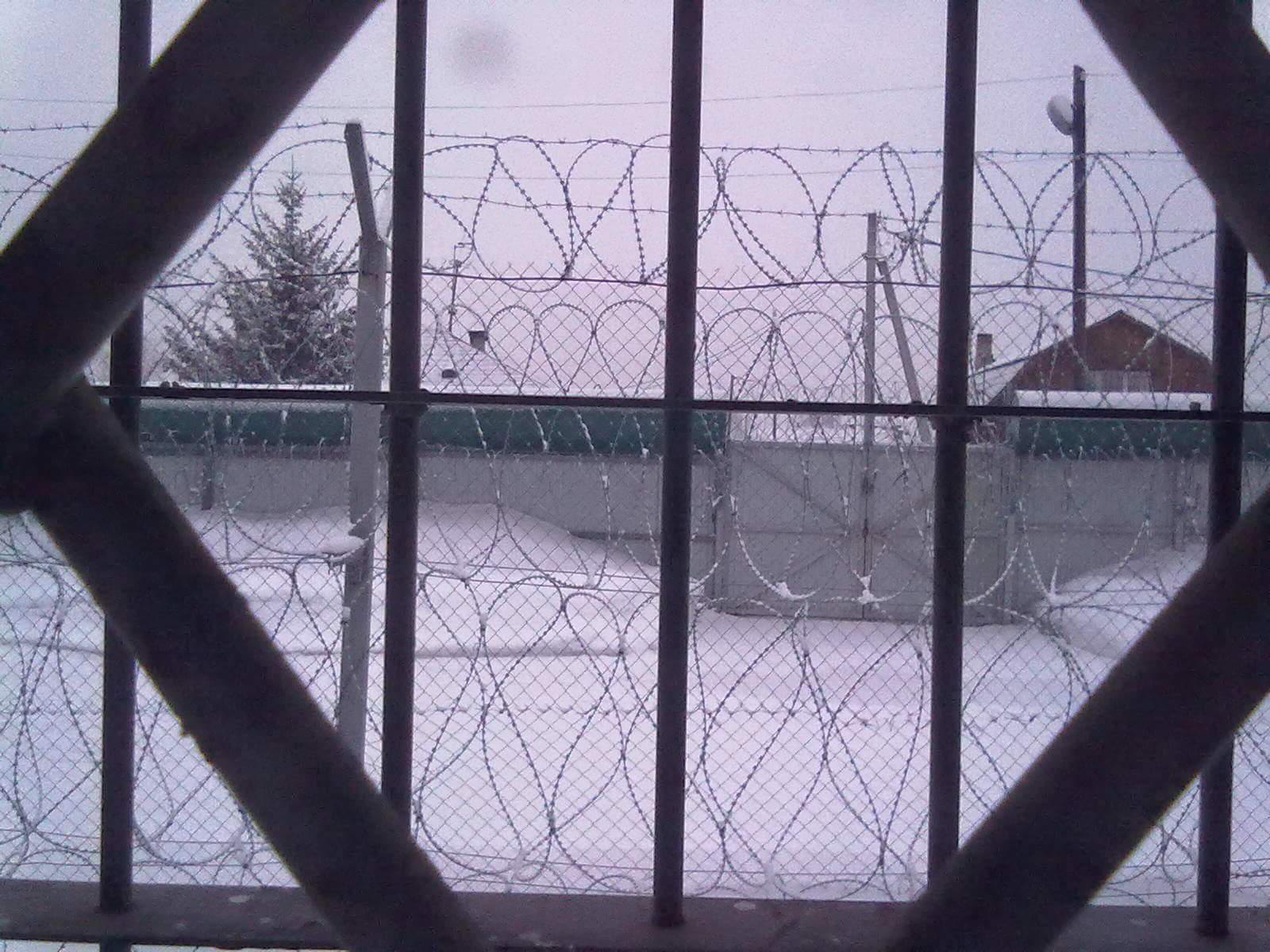
There is no passport - there is no freedom. Tens of thousands of natives of the USSR did not receive any citizenship. For Russia they are criminals
According to various estimates, up to 140 thousand stateless persons (LBG) live in Russia. They do not exist for the state, cannot move freely, work legally or contact doctors, they are only interesting to the migration service, which for years holds them in prison, unable to send them abroad. Radio correspondent Freedom talked with people without a passport.
23-year-old Emil Alimuradov was born to Baku, moved to St. Petersburg with his mother and grandmother in 2003, after school he entered the shipbuilding lyceum, from which, however, he was expelled for a fight. Mother and grandmother Emil's citizens of Azerbaijan, in Russia lived illegally, worked "in black". Emil himself did not receive any passport: neither Russia nor Azerbaijan see their citizen in it. However, he has no connection with Azerbaijan: he does not know Azerbaijani, and speaks Russian without the slightest accent with St. Petersburg slang: ceremonial, curb. When you ask him about life without a passport, he almost boasts: “I have,” he says, “many connections. Familiar everywhere. But all the same, everything is for money everywhere.”
He never drove a long -distance train and did not fly on an airplane, he cannot pay taxes and will be left without a pension
Emil, like other stateless persons, cannot marry his girlfriend, cannot buy an apartment or issue temporary registration, cannot get a driver’s license, cannot buy a car. He never drove a long -distance train and did not fly on an airplane, he cannot rent a room in the hotel, he cannot pay taxes and will be left without a pension, he can receive medical assistance only if he is death, and so - acquaintance and money again. Once a month and a half of Emil, police officers stop for checking documents: "They take it to the department. I sit for an hour, two, three, sometimes more. They will take fingerprints, ask a couple of questions, sometimes they can take a picture. Then they usually let go," says Emil. However, he tries not to travel outside his area, where he knows in the face of all police officers.
Raid
In February 2014, an Emil and grandmother were rented a room (his mother was serving a sentence under Article 228), the district police officer said with the FMS inspectors. 72-year-old grandmother Emil Inna Viktorovna was lucky, she was not at home: she does not receive pensions and therefore works as a cleaner. But Emil and two more tenants were detained. “We were taken to the police in Avtovo, they held it for three hours,” recalls Emil. “The Uzbek was issued and released one fine, and I was issued another Azerbaijani, taken to court and then to Suvsig in the Red Selo” ( Suvsig - a special institution of the temporary detention of foreign citizens. - approx. ).
The court decided that Emil violated the migration legislation and is subject to expulsion, which he should expect in Suvsig. Foreigners go from there to their homeland, and when there is no homeland, they can spend up to two years behind bars - this is how much Code of Administrative Offenses releases to execute a court decision. Emil was lucky: the lawyer of the PC "Memorial" Olga Zeitlina, and he was released after 10 months, took up his business. However, Olga has achieved the abolition of the decision on the content of Emil in Suvsig, but the decision on expulsion remains in force - he is obliged to leave the Russian Federation on his own.
Leaving Suvsig, Emil went to the Azerbaijani consulate in St. Petersburg. “I was told that I don’t have a living space there, I haven’t been registered anywhere, I’m not listing anywhere,” Emil says. “I went there three times, once I had a fight with them, they brought me out with security. I was given a certificate - that belonging to citizenship was not identified.” In February 2015, Emil again came across the same inspector of the FMS. The young man was taken to the court, where the judge explained that after leaving Suvsig he had five days to leave. This time they did not detain him, recommending once again to contact the consulate.
Unprofitable apatrides
A person in Suvsig is placed by the FMS, and it contains it. This is one system, an FMS employee will never go against his
As explained by the chairman of the Civil Promotion Committee, Svetlana Gannushkin, LBG has always been problems: Russia did not sign the Convention on the Reducing of the Ilogamy of 1961, the 1953 Convention on the status and rights of the Apatrides, moreover, there is no distinction between foreign citizens and LBG in Russian legislation. “It would not be very burdensome to join the Convention on the reduction of LBG of Russia,” Gannushkina believes. “When our law on citizenship was written, many provisions of this convention were taken into account there, in particular, to protect the rights of children, but we still do not sign it. Well, a document on the rights of Apatrides, where countries guarantee certain rights, we certainly will not sign it.” In 2014, the Ministry of Internal Affairs transferred the temporary detention centers of foreigners to the FMS, after which the situation was significantly deteriorated. “It would seem that the FMS is a non -sided department, everything should be easier, but it turned out the other way around,” says Gannushkina. “The Ministry of Internal Affairs did not need to sit there for years, they themselves were more humane, they themselves invited our lawyers. And then a person in Suvsig puts the FMS, and it contains it. This is one system, an FMS officer will never go against his own.” As a result, the access of lawyers and human rights activists to Suvsigi became more complicated, and people began to spend more time there.
Most of the Russian LBG - citizens of the former republics of the USSR, many left, escaping from armed conflicts. For example, Georgians from Abkhazia or Baku Armenians. “Our authorities in Abkhazia issued Russian passports to everyone in a row.” Says Gannushkina. “Of the 300 thousand Georgians who left there, about 50 thousand were in Russia, and no one here gave them passports!”
Zaza is afraid to go for a certificate - he tries not to use the metro
One of the refugees of that war is Zaza Zarkua. He has been living in St. Petersburg since 1994: “I myself have been from Zugdidi ( a city in Georgia near the border with Abkhazia.-Approx. ), And in Abkhazia we had a house. When the war began, no one understood that the war was left in Abkhazia, and then somehow flew to Moscow,” he says. The civilian wife of the zaza and two of his children are citizens of the Russian Federation, but no matter how much he applied for the Russian passport, he was refused. In April 2014, a Parisport asked at the Metro Passport - so he ended up in Suvsig in Krasnoye Selo, where he spent 14 months. During this time, his wife left the zaza, he lost his job at a car service. When they released a bitch (by the efforts of the same lawyer Olga Zeitlin), in the Red Cross branch he was given a certificate that he is a stateless person-to at least show the police. That's just the certificate operated only four months, and he was afraid to go for a new zaza - he tries not to use the metro, so as not to get into Suvsig again.
Judges absolutely do not know migration legislation, they are not bothering to know him
After the collapse of the USSR, the authorities tried to solve the problem: everyone who was in the Russian Federation since February 6, 1992 automatically acquired Russian citizenship. True, this was necessary to prove that it was not always possible-many lived in Russia without registration or were in places of imprisonment, and some conflicts, including Georgian-Abkhazian, occurred after the date of H. Someone tried to prove the fact of being in Russia through the court, and in the early 2000s the courts took the side of LBG. Today the situation has changed: “Judges do not know migration legislation at all, they are not bothering to know him,” says Svetlana Gannushkina. “They know one thing: a person is being sued with a state body. Whose side they take? Gorosorgan, of course.” Moreover, employees of the FMS, responsible for working with refugees and LBG, often not only do not help, but begin to pursue the applicants: “Such a fashion has spread in Moscow: a person goes to the migration service, and there is such a terrible person, Evdokimov ( Yuri Evdokimov - the head of the refugee issues and the forced migrants of the FMS in Moscow. The police, instead of applying for a shelter, goes to the police station.
A date for 4000
The law gives 9 departments the right to make decisions on the undesirable location in the Russian Federation. The Ministry of Justice was given such an opportunity in 2009, and since then the department has almost automatically make such decisions against those who are released from the colonies. Foreigners are deported, and LBG fall into Suvsigi.
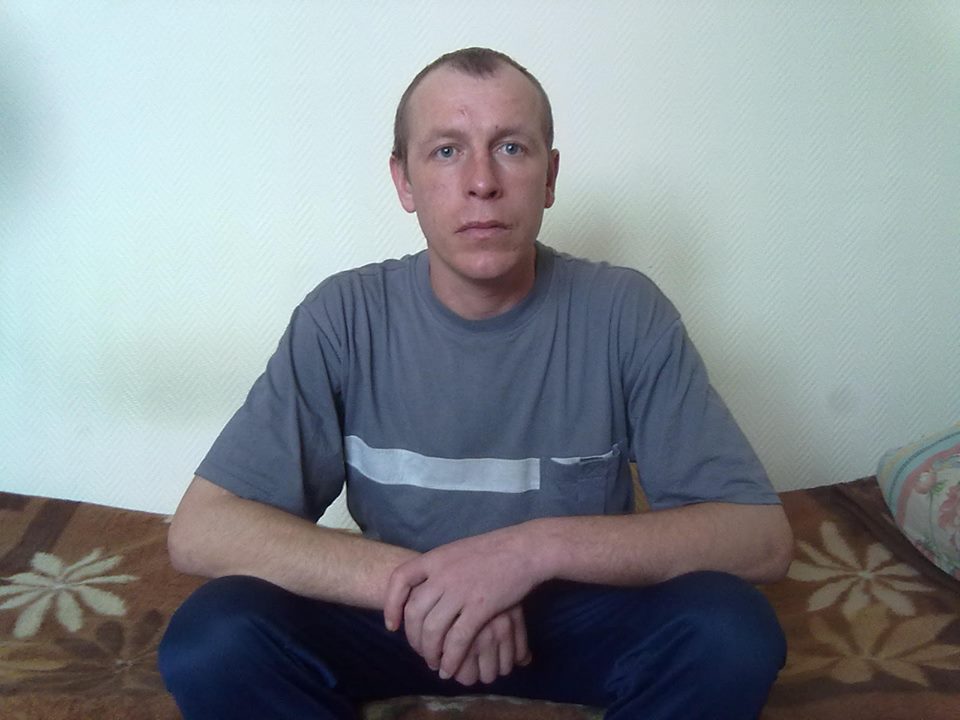
32-year-old Stepan Kuznetsov was born in Alma-Ata. In 1994, his mother moved to the city of Yurgu Kemerovo region, worked in the village of Doyarka, did not apply for citizenship. Stepan’s wife and his two children are citizens of the Russian Federation, but when he asked for a Russian passport, he was refused. In 2013, Stepan was condemned conventionally under the 158th article-he stole two pork carcasses on Boyne, where he worked as a butcher. He did not mark twice at the district police officer, and a conditional term was replaced with a colony-settlement.
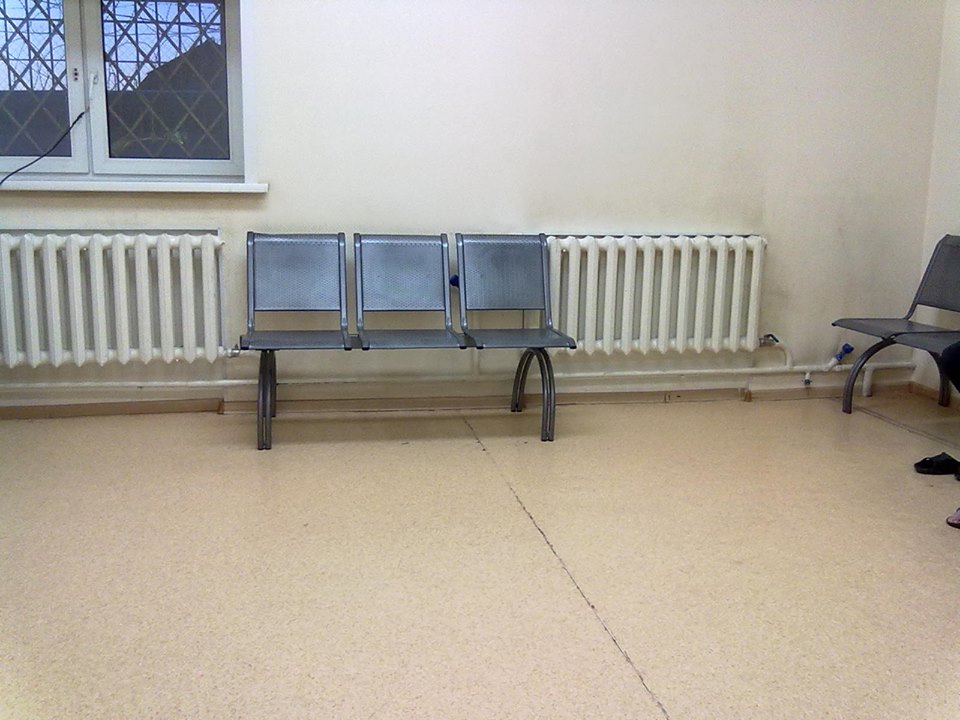
Stepan freed himself in January 2016, received documents in his hands, but did not reach the house. “I turn to go out, and then the police came and all - they showed the crusts, the handcuffs were dressed, the documents took, all went,” Stepan said abruptly on a smuggling phone from the Kemerovo Suvsig, you can hear his voice tremble from the offense. “They decided that they had to close me here. They brought me to the court. That's they arrested me. That's it. I waited for me with a stepfather, the children were waiting for the cohabitant, the sister was, all the relatives gathered, and I did not bring me, you will at least give me home, give me at least to get your children, and they say.
In Suvsig, Stepan came out with a conflict with the administration, as a result of which he ... fled. About 47 thousand rubles accumulated on the prison account of Kuznetsov, which were confiscated when entering Suvsig. That's just a store where you could spend money, there is no. The administration can sometimes send someone for purchases, but he does it rarely and reluctantly, besides, the rumor spread that there was no money left for the storage-they say, the head of the mat. Part was a wedding and all the money went to it. “I began to seek mine so that they went to the store, bought it, bought tea, I had a conflict with Gryaznov ( Mikhail Gryaznov - the head of the Suvsig of the Federal Migration Service in the Kemerovo Region. - Approx. ). He brought the district police officer, and he wrote to me three protocols for 500 rubles. What I smoked in an wrong place. And I didn’t smoke, but I don’t smoke at all, but I don’t smoke. I dangle on the longitudes ( by the corridors. - Approx. ). On February 12, 10 people fled from the Kemerovo Suvsig, rushing the crowd at the open door. Nine are still on the run, but Stepan went to his mother, where the district police officer detained him. After a couple of weeks, he returned to Suvsig, paying a fine of 4,000 rubles. Just the other day, when Kuznetsov again began to demand his money, he was handcuffed with a metal bench in the lobby next to the CCTV and was held in this position of the day.
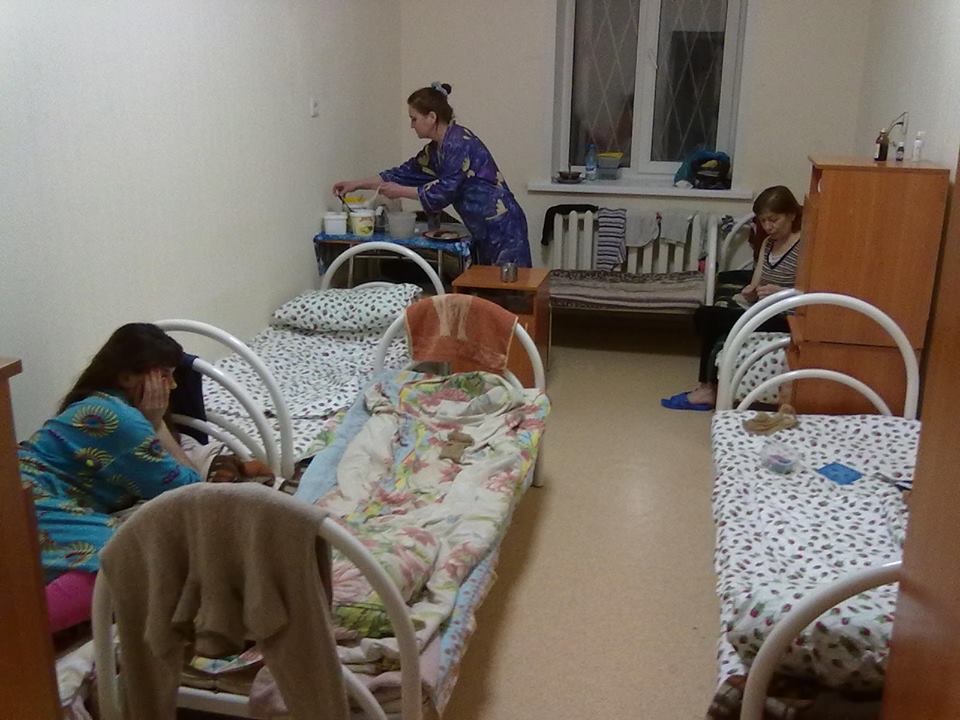
According to the inhabitants of the Kemerovo Suvsig, out of 70 people who are held there, 15 stateless persons. Victor Nigmatulin was also brought here from the colony. He was born in Kazakhstan, at the age of 16 he got to Russia in 1993, did not receive a passport. Paper came from Kazakhstan to the colony that Nigmatulin was not a citizen of Kazakhstan, but the Ministry of Justice still decided to unwillingness in the Russian Federation until 2023. In the Kemerovo Suvsig, Victor has been located on May 22, 2015, when it comes out, he does not know: he was placed in Suvsig before the decision on deportation, that is, indefinitely. According to Victor, one of LBG has been sitting in the same Suvsig for about 4 years.
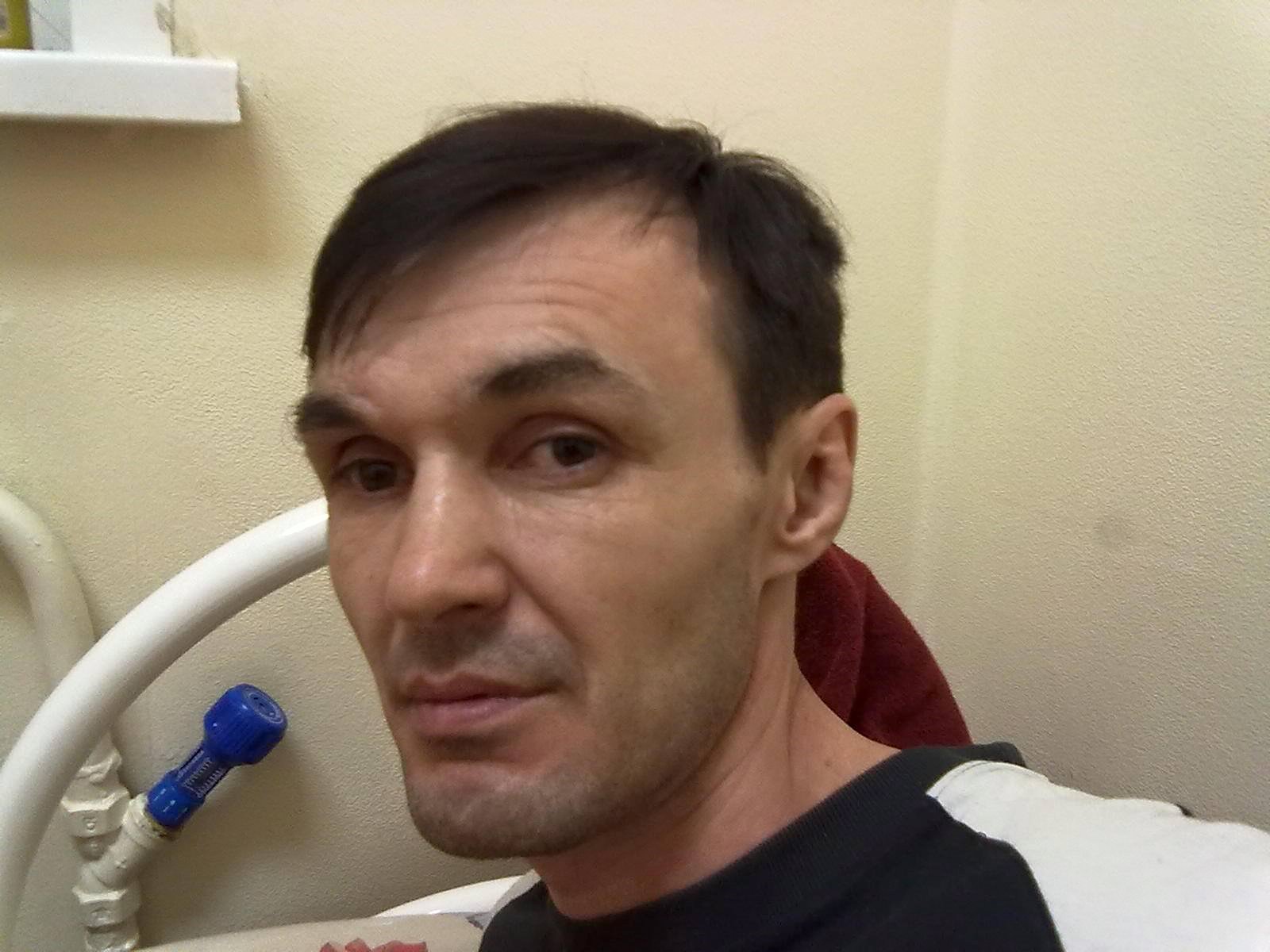
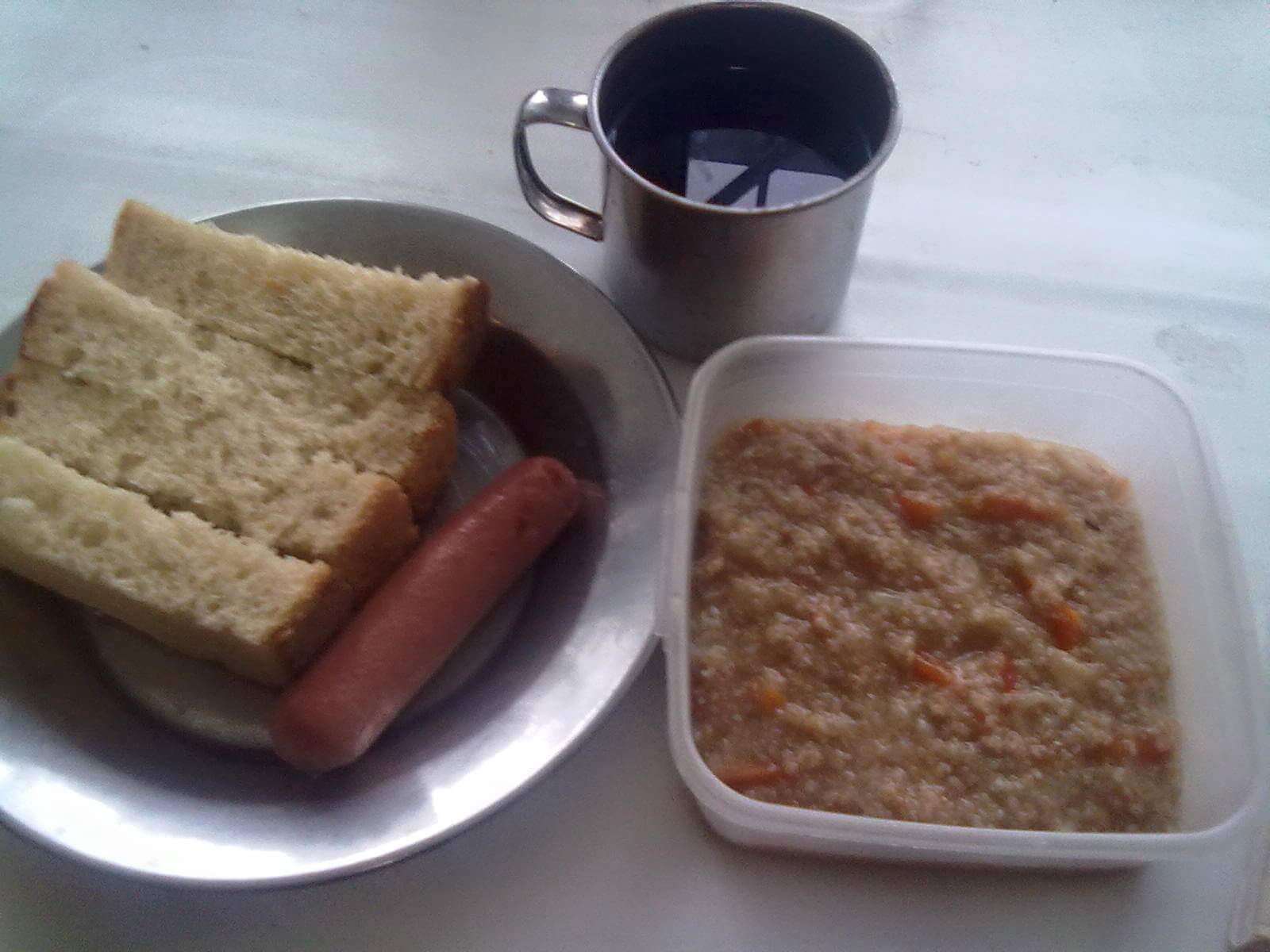
Victor declared war on video surveillance cameras, which are installed everywhere, including in residential premises - he simply turned them off in his room. The result is fines for smoking in the wrong place that he cannot pay: he does not have prison money. The non -payment of the fine entails an arrest, potentially Victor can be transferred from Suvsig to the IVS, but so far there was no court session in this case. Victor complains that they take a walk into a small courtyard - sometimes for an hour, and sometimes for 20 minutes, they are fed monotonously: “Sabok, barrel, for two days they give buckwheat. Sometimes it happens that they begin to diversify food, and mostly millet in the morning, in lunch, a carrot cabbage salad, pearl soup, the same potatoes with stewed toll, and again the chicken, and again, and again, and again or pearl barley, fish cutlet, sausage. "
The main problem of the Kemerovo Suvsig is a shower. It is one by 70, sometimes 90 people, open it twice a week, and since the heater is too weak and you have to wait for hot water every time, 10-15 people have time to wash.
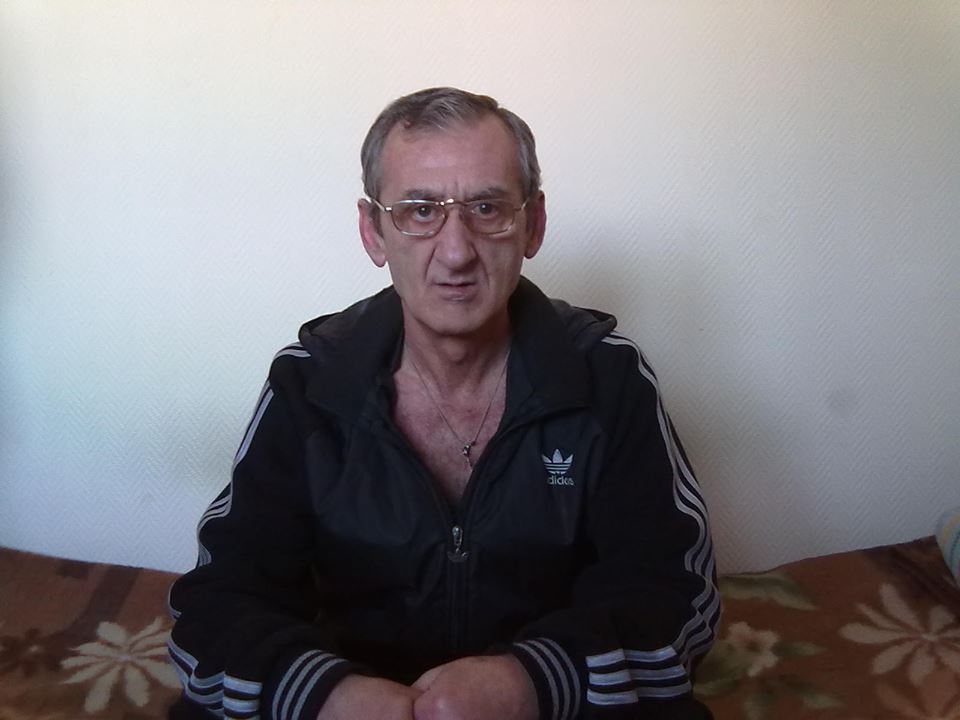
Problems and drugs. There is a first-aid post in Suvsig, but when the 61-year-old Grigory Sarkisov felt badly and went to the doctor for Corvalol, he refused him, advising to buy medicines on his own. Gregory has no money, his wife and two children live in the Rostov region, a decree on the undesirable stay in Russia has also been made in relation to him. But Grigory left his native Tbilisi in 1991, lived without registration and passports, worked at construction sites until he sat down for drug storage. In 2011, being in the colony, Gregory received a disability of the third group due to heart problems, decided to bother with a pension, but in the colony he was told that the passport could only be made from prison. And at the exit, the FMS employees were waiting for him. Gregory almost fought with the doctor because of Corvalol, but then he just left-"decided to be wiser." However, the absence of Corvalol is not the worst. A few days ago, an elderly citizen of Kyrgyzstan also had a heart attack. She was called an ambulance twice, the doctors offered to take her under the escort to the hospital twice, but the Suvsig administration refused both times. “Doctors say, and suddenly she will die here? They say-he will die, we will die, but we won’t give it to the hospital-the order of the boss,” says Stepan Kuznetsov, who watched this from his shop, to which he was handcuffed. “Two ambulances were standing there for two hours. She died there, and because of this she was worried and she was badly wrapped in the sheets and took her away and in the corridor. treated ".
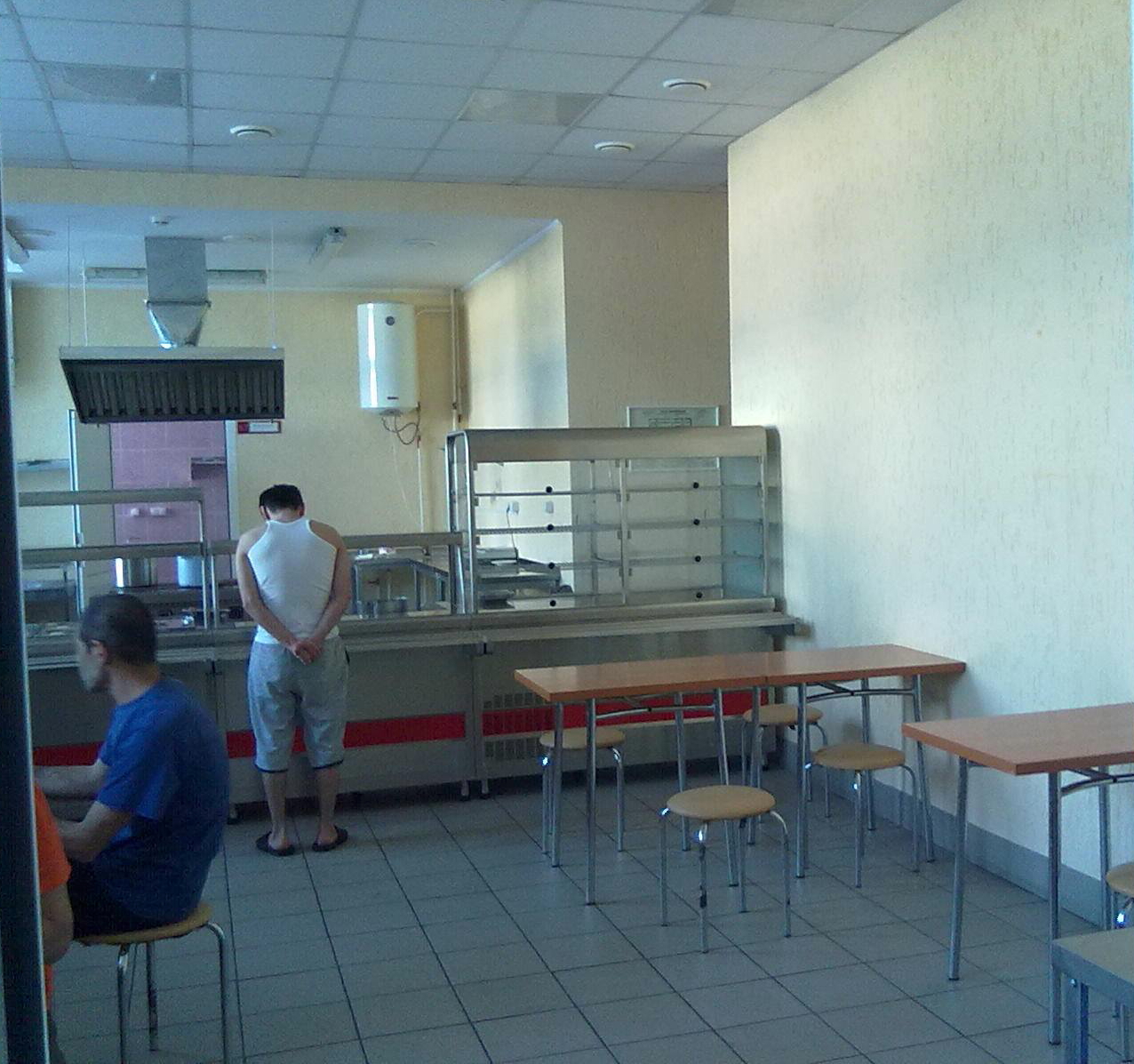
For some, Suvsig is a prison, and for others a profitable business. Someone pays the administration for the "services": "There is everything-alcohol, drugs," says Emil from St. Petersburg. "To drag, they agree with security." They deceive their own: “The new ones come, and the elder, as they communicate, finds out with whom to do what. The money is extorted competently,” says the same Emil. “Here is a person with a passport ( foreign citizen. - Approx. ), He can be sent in 2 weeks. They offer him quickly to leave, they say we’ll buy a ticket to you, let's get a fine, you’ll call you there, you’ll call you there. You have in the wild. Victor Nigmatulin from Kemerovo also spoke about the extortion of money for the ticket. According to him, foreigners, who should be deported at the expense of the state, sometimes hold a month and more, forcing them to buy tickets themselves - and, obviously, earning on this.
Death is better than Uzbekistan
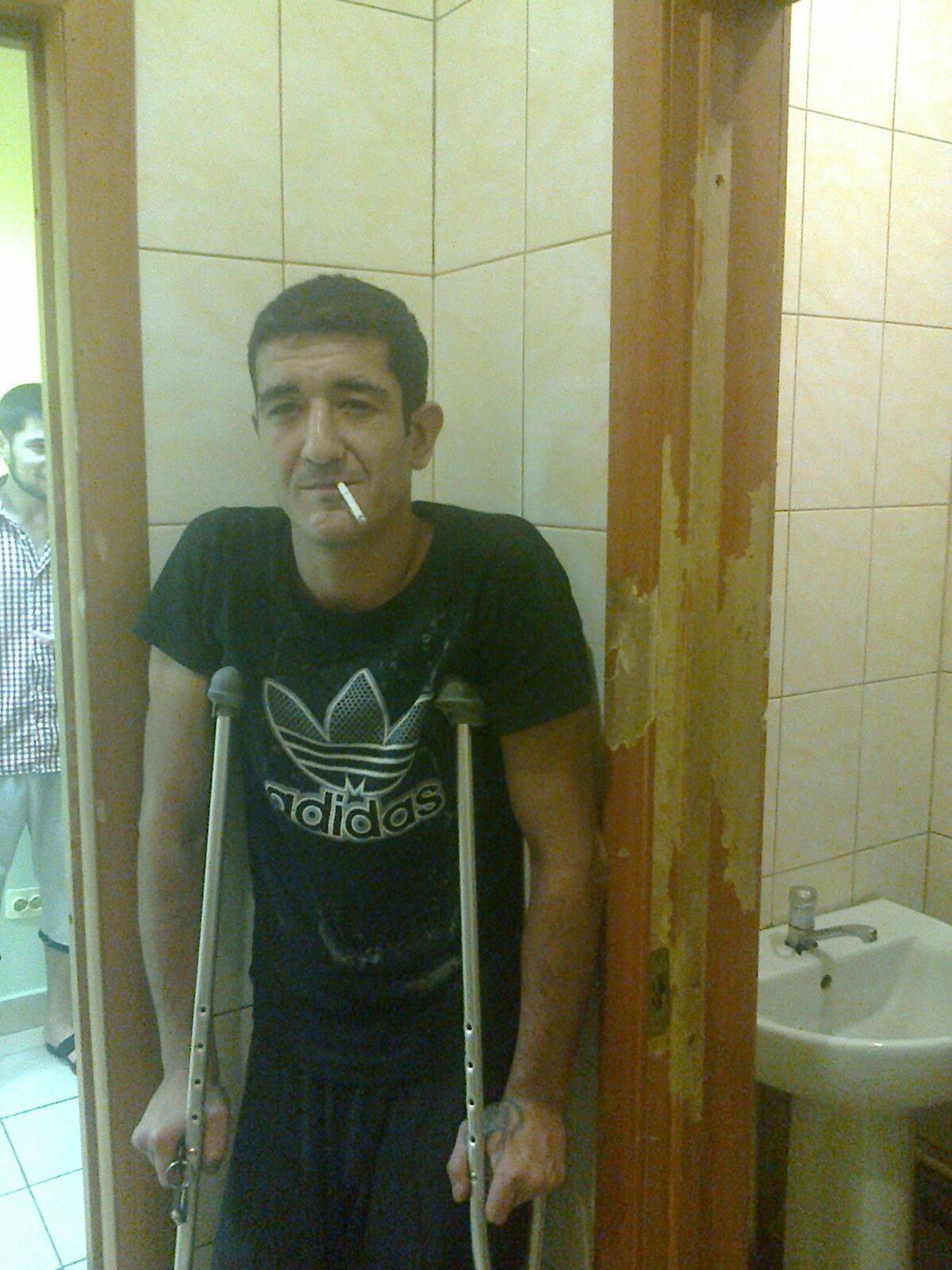
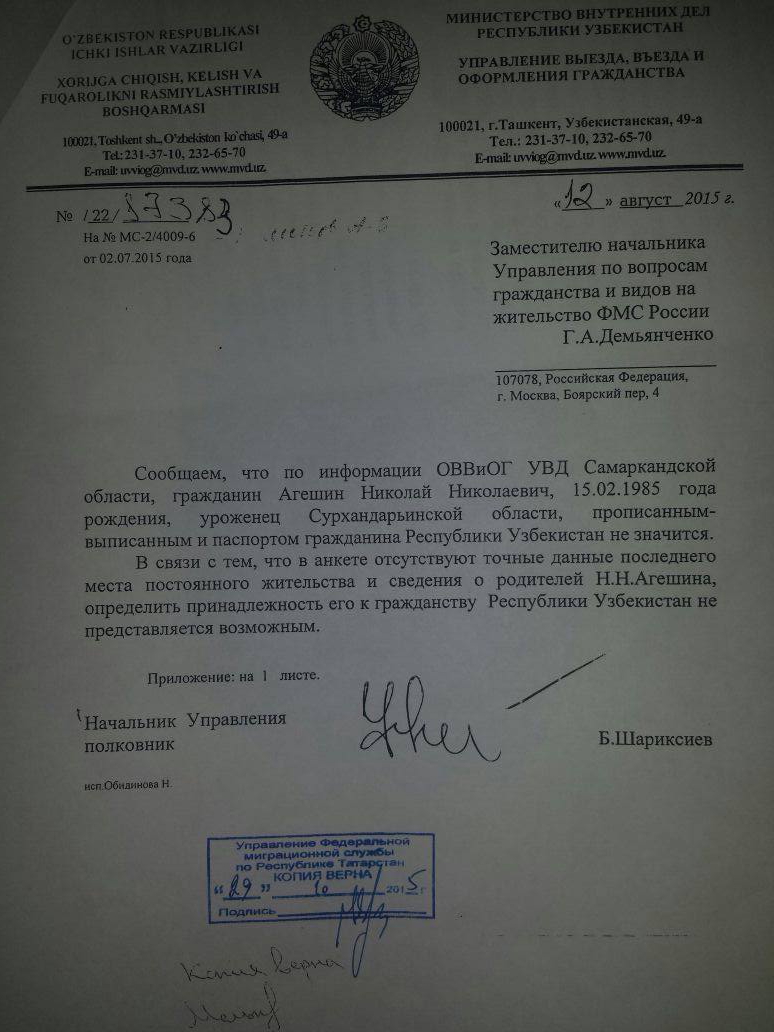
If most stateless persons eventually find themselves in the wild, albeit with an order to leave the Russian Federation, the FMS officers in Tatarstan found a special decision. According to some evidence, they deport people on the basis of ... birth certificates. 30-year-old Nikolai Ageshin was born in Samarkand, his parents fled from anti-Russian pogroms in 1995 and found themselves in Tatarstan, in the city of Leninogorsk. Nikolai graduated from school, worked - he was engaged in the installation of doors, repair. In June last year, Nikolai quarreled with his father, he called the police. Nikolai received three days of administrative arrest for hooliganism, which turned out to be 10 months of imprisonment - from the IVS he was taken to the second court, which issued a decision on his expulsion. There is nowhere to expel Nikolai - to a request from the FMS of the Ministry of Internal Affairs of Uzbekistan in September last year, it sent an answer that Ageshin could not confirm. The FMS sent a second request to which there was no answer. Тем не менее руководство СУВСИГ уверяет Агешина, что он все же улетит в Ташкент – на основании того, что он там родился. "Двоих таких, как я, уже отправили! И насчет меня начальник учреждения при мне отчитывался перед начальником ФМС, что готовит меня к реадмиссии", – говорит Николай. "Это абсолютно незаконно и не имеет никакого отношения к реадмиссии, – поясняет Светлана Ганнушкина. – Его родители могли оформить ему российское гражданство еще в 1990-х годах, когда в законе существовало понятие граждан бывшего СССР. Не его вина, что они этого не сделали".
Николай тоже жалуется на условия содержания: в комнатах проживает по шесть, а иногда по 12 человек, кормят три раза в день, но: "Невкусно – это мягко сказано. У меня кот во дворе лучше питался, – рассказывает Агешин. – Это не каша, это помои. Так не только кормят черт знает чем, но и мало! Говорят, что все по нормам, но еды недостаточно. Взрослым мужикам дают по три ложки! А иногда вот хлеба у них не хватает. Однажды женщина в столовой достает хлеб из чана для помоев, обрезает куски и кладет людям на стол. Мы начали возмущаться, а она орет, что мы проглоты, жрем много, на нас на всех не хватает".
Столовая в казанском СУВСИГе слишком маленькая, курить негде, а нарушителей наказывают: отказывают в передачках и свиданиях. Свидания, впрочем, и так ограничены – только 15-20 минут и только с близкими родственниками. Так, жена Николая, с которой он не может оформить брак, дважды писала заявления на имя начальника учреждения с просьбой повидать мужа и дважды получила отказ. "Они говорят: достаточно телефонных переговоров. А для переговоров выдается 10 минут в день. Телефоны запрещены, наши телефоны < изъятые при задержании > находятся в комнате администрации. Надо писать заявление за день, его подписывает начальник. Но там невозможно, туда заходишь, там несколько человек галдят, три администратора сидят – нормально не поговорить".
Мне больше ничего не останется, как просто вскрыться в аэропорту
Николай панически боится Узбекистана, где у него никого нет, как нет и узбекского гражданства. Руководство обещает отправить его через два месяца, но Агешин готов сделать все, чтобы остаться, грозит даже суицидом: "Я приму крайние меры, мне больше ничего не останется, как просто вскрыться в аэропорту, – говорит он. – Уж пусть так, чем я попаду в никуда и буду там побираться!"