
Translated material
The cabman will take
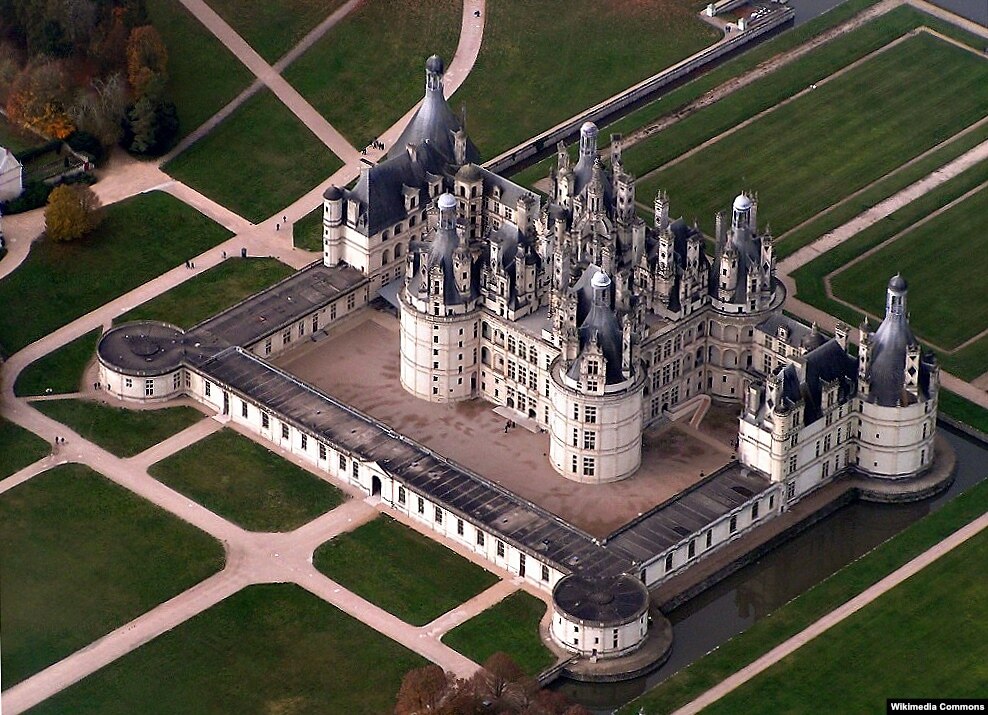
Navigator and Castle Chamber
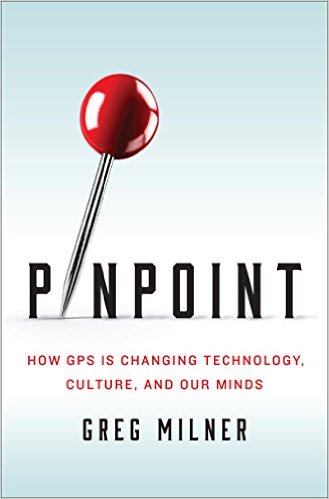
As even the doubles remember, one of them, Mitrofan at Fonvizin, did not teach geography, because the cabman will take it anyway. Today, the cabman was replaced by the GPS navigator, which simplified our life, abolished the cards and changed the mental orientation in space. The American author Greg Milner wrote a whole book about this. In it, he claims that the navigator made us all hopelessly scattered. Relying on him, we do not pay attention to the environment, lose the skills in the appeal of information, and most importantly - we lose the so -called “cognitive map”, which allows you to search and find the road without outside help. Moreover, the study of the brain of London taxi drivers (it is believed that they have the most difficult thing) showed that their area of the brain that controls the spatial orientation has been expanded. With the advent of the navigator, however, this advantage is lost. Simply put, he makes us all stupid. I was convinced of this from my own experience, traveling through France.
Remembering that in the French letter there are too many extra letters, I checked twice with the guide, collecting the name of the royal castle on the navigator’s keyboard: Chamboord.
The path was not close, but my wife and I were in no hurry - Sunday. There were almost no people in the villages, except - a passerby with a baguette. But the area of the town turned out to be crowded, in the name of which there were three hyphen. The people fell to church. Having shouted from the service, we fluently examined the Norman bell tower and drove on, driven by an equally severe voice from GPS. Relying on him, I did not take the cards with me, so I had nothing to object to when the already perfect nooks had gone. First, gas stations disappeared, then the streets, then at home. The road was steadily narrowed. The dividing strip disappeared, then the roadside, then the ditches. We rode through the forest, and the branches clung to the headlights. But the navigator confidently reduced the distance to the target, and when my wife expressed concern, I distracted her with information from the academic monograph, studied to departure.
“In Shambor,” I said, “400 rooms and treasures without a count.” Francis I was considered the legislator of the mod, and the cavaliers wore composite silk shots of the color of Kramuazi on dancing.
“Kramuazi,” the wife repeated fascinated, but then everything ruined the seagull. She had nothing to do far from the three seas, in the very center of France.
“Migratory,” I announced with false confidence, but they didn’t talk to me anymore.
Meanwhile, as the navigator solemnly announced, we reached our destination. In any case, there was nowhere to go, because the trail broke off in a swamp. A low column with the name Chambord protruded from it. The letters coincided, but the castle did not smell.
“Something similar to King Arthur arranged a veil-Morgan,” I tried to defuse the situation, but she did not discharge. Then I got out of the steering wheel and went for help to the only structure that made up the chambers. It resembled a pretty chicken coop and was, according to the sign, the mayor. In the courtyard stood an old man with a pitchfork. He looked so enthusiastic in our direction that I had a suspicion: there were no foreigners here from the war.
- Shambor? I asked him in French.
“Shambor,” he agreed.
- Shato? - I continued the conversation.
- CHQUARE?! He asked with admiration and went after his wife.
When we unfolded, they still laughed. Just getting out on the highway, we learned that we left the castle 300 kilometers to the north.
So, thanks to the navigator, I learned that in France there are two very different ones, although they are written the same way, a chamber. On the way back, we had plenty of time to decide which one is real.