
Translated material
How does false source arise?
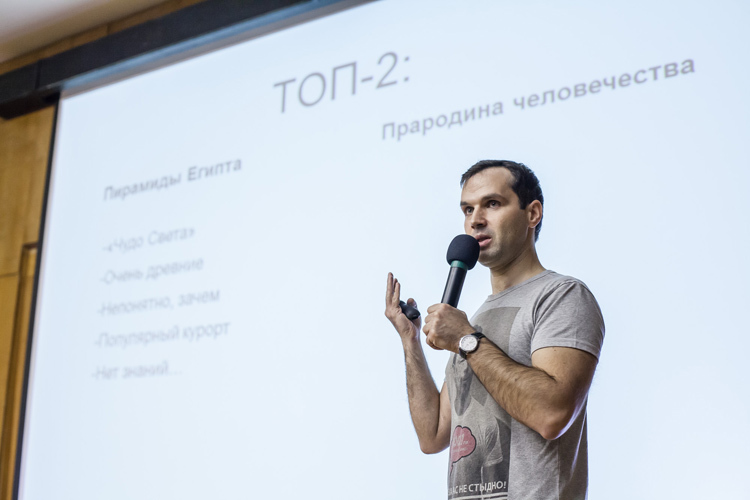
In the lecture of the Polytechnic Museum with a story about what is pseudoscience and who writes it, the editor of the Antr Opogenez.ru portal Alexander Sokolov spoke. Colta.ru publishes the decryption of the lecture “Megalites and reptilians. False in the field of ancient history. "
I want to start my performance with the epigraph: "Not a single science was doomed to suffer from amateurism as history." The phrase, said by the German historian Ernst Bernngaim, a hundred years ago, now, unfortunately, is very relevant. It seems to me that history has become a hostage to the place that it occupies in European culture. I feel it according to letters that I receive almost daily. I will give a few examples. For example, a guide writes to me from the “White Sea Petroglyphs”, who daily accepts strange personalities that put forward their hypotheses of the origin of ancient cave images: then these are Slavic-Aryan runes, then these are images of the Atlanteans, then this is a removal of the 20th century, then, on the contrary, appeared even before the flood. I am complained by an archaeologist working on the famous Arkaim, who listens from his own students in the excavation that Arkaim is the Slavic observatory and the Center for Strength. A girl writes, who miraculously escaped from the sect of Hyperboreans, walking around the north of Russia in search of traces of ancient civilizations and finding them, because in each pile of boulders they seem to be cyclopean buildings of hyperboreans. I will distinguish from the list of historical topics, especially subject to speculation, my two most beloved. My personal "top-2": the pyramids of Egypt and the ancestral home of mankind.
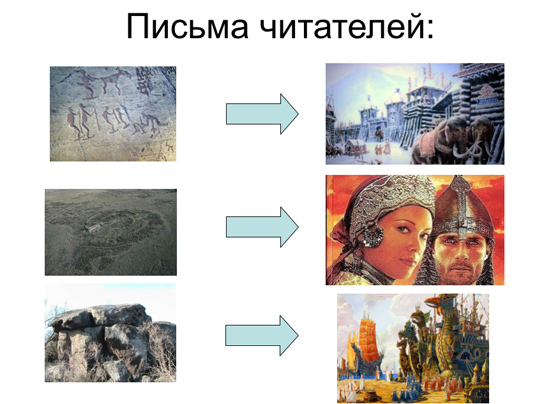
About the pyramids. Firstly, this, of course, is something huge, amazing imagination, a real miracle of light. Secondly, they are ancient, and European culture is characterized by the cult of antiquity, the cult of antiquity-that which has passed the test of time, worthy of admiration, veneration, worship. In addition, Europeans do not understand what purpose the pyramids are built. They tell us: these are tombs, tombs, but such an explanation contradicts our experience - now they will not be so buried. It is also important to say that Egypt in a very near past is a popular resort. And many Russians went there, photographed against the backdrop of the Sphinx and ate the dousing of the noodles that local guides hang on their ears. Well, in the end, I want to note that Egypt is a victim of school education. Have you thought that the history of the ancient world is told in the fifth grade? For comparison: in the same class in mathematics, we pass fractions and natural numbers. As you know, we comprehend mathematics from simple to complex. But who said that the history of the ancient world is easier than the latest? We pass the ancient world in the fifth grade with fractions, and the latest history in the ninth with square equations and progressions.
As for human ancestral home, the most ancient psychological mechanisms work here. Everyone worries who he is and from where, and therefore politicians, various religious figures are trampled on this topic. For various nationalists, the subject of pride is the ancestral home (and it must be the most ancient). And then, since the mythological consciousness is not differentiated, a certain synthesis occurs, and cadavors such as “Pyramids of the Kola Peninsula” are born, when some mounds turn into ancient buildings, which are nine thousand years old. I'm not joking. On Mars, by the way, they were also found: someone looked at the photo of Mars and noticed a resemblance.
Why are various pseudo -historical myths so popular among the people?
Now from private examples I will move on to a more global question: why is it all popular? Why are various pseudo -historical myths so popular among the people? I invented some reasons for myself, but then, after thinking, I reduced the list. In general, what does history study? The events of the past, which are basically non -processed. That is, deals with some reflection in historical sources. For a person far from science, this is all in the sand. So I recently received such a message about Dneproges. A person writes: in a thousand years, a desert will be in the place of the Dnieper, everything will fall apart, only the DnieperhES will remain, which archaeologists will find, see a bas -relief with Lenin and say that it was a tomb of a leader built with sticks and stones. It is very difficult to object to a person who imagines the work of archaeologists.
History - again, due to the influence that it has on any person of Western culture, is a trump card in various ideological wars, which the television journalists are very fond of. And what else is important - the question of tourism arises here. I mean commercial museums in resorts, which, in theory, should serve as the goals of scientific propaganda, but solve other problems along the way. At the lectures, the listeners tell me in surprise that they were in Peru and there they saw a skull with the inscription “The skull of an alien” in the window. AND? Well, it is written in the museum! And on the Mediterranean coast are dozens, if not hundreds, Cleopatra beaches. She visited everywhere, everywhere she lay and bathed. Folk rumor requires the presence of heroes and anti -heroes - historical personalities. Of some, they make worship objects and raise them to the flag, from others - the heroes of the comics. All this permeates the culture - painting, sculpture, literature, cinema and theater. And it is from there that most citizens draw information. On this, by the way, I wanted to dwell in more detail.
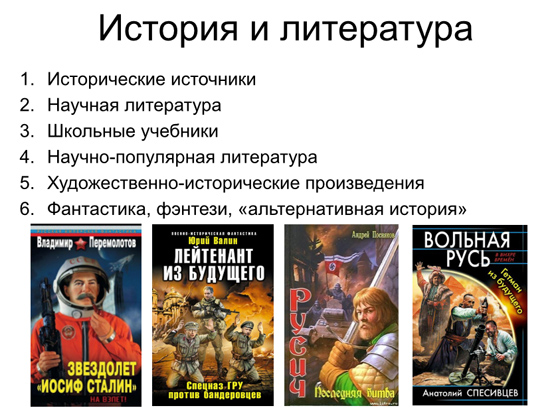
When I and my colleagues are asked to recommend something to read on the topic of history, I answer that there are very different reads. Firstly, the annals. Want to read the "Tale of Bygone Years"? Just keep in mind that this reading is not for the minibus. Secondly, scientific literature. But the authors of articles and monographs do not seek to entertain the reader - you, I think, already know this. In addition, there are school textbooks that solve different problems, including an ideological nature - for example, to educate a citizen proud of his country. In the school curriculum, the history of the native country is given a lot of space - and it is clear that this history is presented in a positive way. And this is not bad, in fact - you just need to be aware of it. For a child in the same fifth grade, history is a set of pictures. Here, for example, is a textbook for the third grade: the October Revolution, the Great Patriotic War, Gagarin flew into space, the Olympics-80. And - once again - this is normal. Bad different. Following the trends of fashion, all sorts of innovations begin to make in a modern textbook. And to be honest, I was shocked by excerpt from the 2016 textbook, which discusses the theme of Normanism and anti -Normanism (for those who understand) and it is written that this problem has not been solved and that scientists are still arguing. And after the student, it is proposed to "go on the Internet and look for the answer to the question of where the word Rus' comes from." Can you imagine what he will find in the first place? That Rus' and Prussia are the same thing. Or that Etruscans are Russian. In my opinion, sending to rummage in the trash - the advice on utility is commensurate.
Historians are not telepath and do not know what Ivan the Terrible was thinking about.
Scientific science literature is also good and bad-regardless of how much the author has prepared, how much it follows. But one of its main differences is that there we do not see scientific intestines. Often, the author simply describes a certain historical event as if, as they say, he held a candle: "And then Ivan the Terrible thought." In general, historians are not telepaths and do not know what Ivan the Terrible was thinking about. In addition, the authors of popular science literature can add some details that enhance the emotional intensity to cause the reader the necessary feelings. Here is a wonderful (in quotation marks) book “Red Frankenstein. Kremlin's secret experiments. " Her author Shishkin talks about the terrible experiments conducted by Soviet biologists. For example, he describes experiments on transplanting the sex glands at the chickens. And here is a quote: “He meticulously noted changes in their physiology and with pleasure brought into the diary the piquant features of their appearance ... But all the experimental birds were waiting for inevitable death, which was also fixed with absolute rapture.” Note, we are talking about the standard protocoling of the experiment, the most ordinary procedure that the scientist performs daily. But - the author wanted drama. And "Absolute Pros" appeared! We are talking about literature, but I want to give an example from the cinema, because for films this is characteristic more. I recently watched the BBC scientific and popular film-in the Russian version it is called the Planet of ancient people-where Cro-Magnons are played by black people who speak with good English. Further, of course, a consultant appears in the film, who shakes the skull "Cro-Magnon-1". You’ll excuse me, but Cro-Magnon-1-he is never a non-gorodal at all! I understand that now you can’t find a person with the appearance of Cro -Magnons - they are not there anymore - but this is not pronounced in the film. And the viewer takes everything for a clean coin.
Further, in fact, according to the plan, artistic works that can be written based on historical events, against the backdrop of historical events, their heroes can be historical or fictional characters, substituted in some near -historical situation. Even if we take the classics (and actually, no “even”) - Alexander Dumas, Tolstoy, Pushkin. My friends, you cannot study the history of fiction. She was written with other goals at all! There are wonderful examples of how the great classics made “black PR” real historical personalities. You may have heard about Antonio Salieri. Who is this? Composer. What did he do? Mozart killed - right! "Genius and villainy are inexplicable." Pushkin, the little tragedy "Mozart and Salieri". In fact, Salieri was not only the most famous composer of his era, but also an outstanding teacher. His disciples were Beethoven, Schubert, Ferenz Liszt, and they all remembered him with great warmth and wrote that he was a kind, cheerful person who taught talented students for free. Already more than thirty years after the death of Mozart, when Salieri was dying in a psychiatric clinic, a bike appeared that he confessed to the murder on his deathbed. The bike hit the newspapers, Pushkin took it into the plot and glorified it, as a poisoner, Salieri for centuries ahead. So do not believe the classics! These are still dreamers.
The next point is fantastic literature. It is especially worth noting such a genre as an “alternative story”, where a completely crazy combinatorika begins, where musketeers fly on dragons and shoot from laser arquebuses. It seems that all the restrictions have been removed from the author - and he himself admits that he writes science fiction - but even here a certain ideological pump is present. Here is a selection for the anger of the day. What do you think, in a child who has not read normal historical literature before, but immediately hit it, which is formed in my head?
From the point of view of PR, the text that the reader can and wants to retell is good. The reader cannot retell historical sources and scientific literature - often he does not even know about their existence. School textbooks - maybe, but does not want. Fiction remains and “alternative history”, between which, as a rule, there is no separation. The author does not help the reader understand where the texture ends and where speculation begins. Often, the author, on the contrary, interferes, masks his fabrications to a certain historical fiction. Here is Boris Akunin, for example, he has several volumes of the History of the Russian State. His fans tell me that he was still at a press conference on the occasion of the release of the first book, he asked not to take his “History” for a pure coin. He said - of course. But only readers do not go at a press conference. They read the annotation - the book is addressed to people who are interested to know how everything was actually - and, of course, buy to find out the history of their native country. What do you think, and readers of such literature check the facts that the author sets out? Never. Very rarely readers climb into sources - and then if the author was so kind that he brought the sources that he uses. As a result, it is precisely this book that readers will continue to use as a source, it will be for it that they will refer. And, as a result, the people are not the best reputation. “History is not science”, “Winners write history”, “History is fiction”, “Textbooks rewritten one hundred and fifty times.” Unfortunately, we heard this, including at the highest level. “You naively think that the facts in history are the main thing. Open your eyes! Nobody pays attention to them for a long time, ”said our dear Minister of Culture.
"Show the video!" But there is no video.
Now I will say a few words in defense of history as a science. History is not the only discipline that studies the past. In addition to it, there is geology, paleontology, one way or another astronomy, linguistics. Why do we believe that paleontologists can study animals living millions of years ago, but we refuse historians to reconstruct much closer events to us? In fact, if we admit that the past is objectively cognized, we will understand that the pictures of events can be restored - just not as we want, but with the help of scientific methods. In history, there is a powerful apparatus for this - a whole discipline called “Source Studies”, or “Criticism of Historical Sources”. And certain procedures of how work is underway with a source that fell into the hands of the researcher. First of all, its authenticity is checked, and this is done with the involvement of various specialists. The font is checked, for example, if it is printed, or handwriting, if it is handwritten material, or the material from which it is made. For example, the notorious Veles Book is made on thin planks, and if it is really a 9th century, it is strange why not on birch bark. Plus linguistic examination. For example, doubt will cause a text that is presented as ancient Slavic, but in which modern names of pagan gods are used (because the names, as you know, have changed). If we talk about modern methods, then you can make a radiocarbon analysis to assess the age of the document. Or - the restoration of the missing parts (when the integrity of the document is evaluated and reconstruction is carried out if necessary). After the document is translated from the ancient language to modern, and what is stated there is correlated with those sources that are already recognized as reliable: how much the geography corresponds, how much the events and historical personalities correspond. It is important to understand where the author of this text (if this text) drew his information: he was an eyewitness, or he was told, or he read, or is it legend, whether he told it in hot pursuit or after thirty years he remembers. After that, the objectivity and subjectivity of the document are evaluated. It is clear that any author is subjective, but - for whom he worked, who his customer, whom he sympathized with, who he was offended, had solved, what political or religious tasks solved. If he is a subordinate, then did he write to the boss, wanting to avoid punishment? Only on the basis of such a volume of facts, on the basis of correlating this information with an existing, accumulated science, there is a restoration of a truly objective picture of historical events. You tell me: these are all words. But here is an example for you.
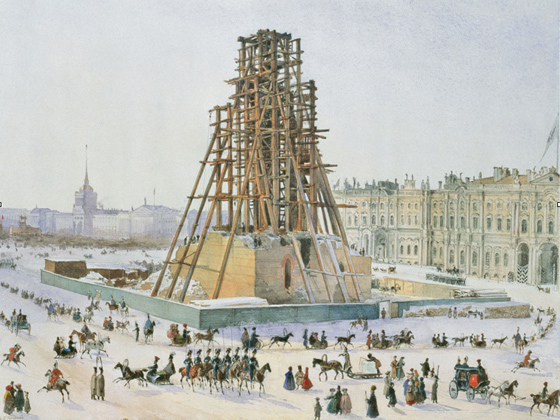
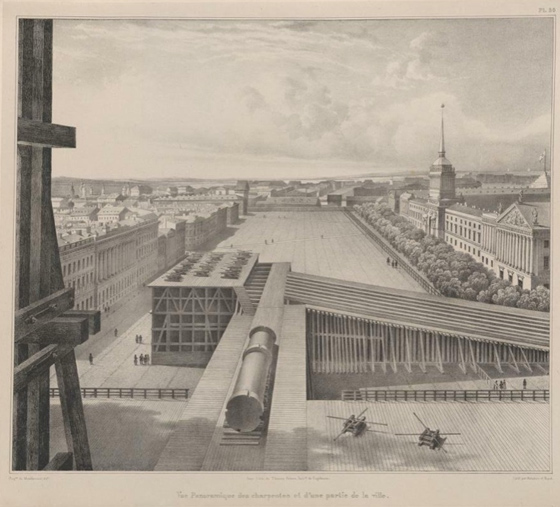
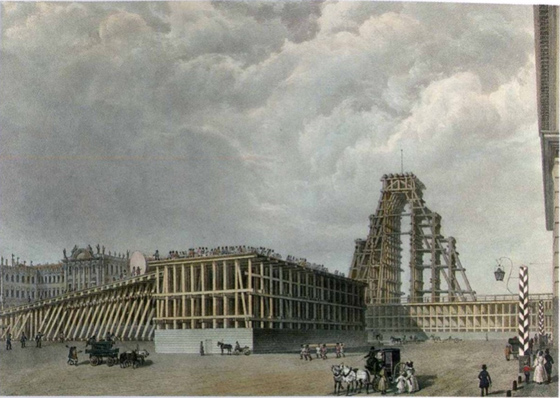
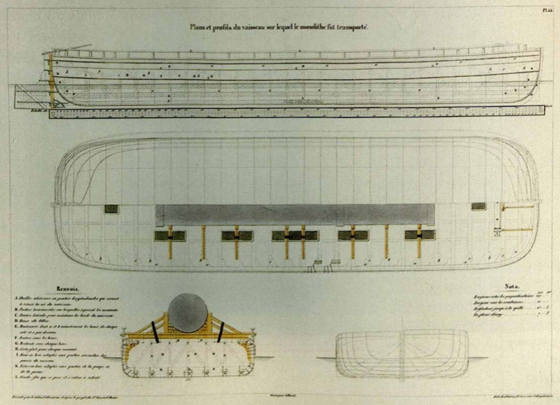
The famous symbol of St. Petersburg - the Alexander Column - weighs 600 tons. And there are authors who, in all seriousness, prove that it was not established in the 30s of the XIX century according to the Montferrand project, but many centuries before that by the Atlanteans. "They hide the truth from us again!" However, as you know, in the first third of the 19th century the press already existed, and the entire construction process was actively covered in the Northern Bee and other publications, including foreign ones. For example, in the “annual chronicle of events” (London, 1834), the article was devoted to the installation of the Alexander column. And the very opening of the column was still a show. Ten thousand people came there, and, of course, many of them then wrote about it. We know the memories of the poet Zhukovsky and the fact that Pushkin, already mentioned today, fifty days before the holiday, dumped from St. Petersburg, which he wrote in his diary. Apparently, I did not want all this crowd. In addition, the whole accounting department has been preserved, as they would say now: acts, outfits, how many people, how many provisions, how many materials. A huge amount of technical documentation and even drawings of devices that were used in this colossal project, including the vessel transporting the column along the river, have been preserved. Plus, numerous engravings, paintings by artists who captured all the details. But someone can say that all this is fakes and falsification. "Show the video!" But there is no video.
Pseudoscience lives according to completely different laws. There you do not need to engage in all this boredom - compare the hypotheses different among themselves, check the sources. There you can take one single, "right", and proudly waving it. Why long evidence when you can post a picture. В лженауке, которая живет по законам массовой культуры, все просто: чем крикливее, чем сенсационнее, чем абсурднее, тем больше вероятность, что это будут транслировать и репостить журналисты, тем глубже это засядет в головы. В лженауке нет чувства меры — не нужно бояться перегнуть палку! И как раз то, что я вынес в название своего доклада, есть характерный символ. Мегалиты и рептилоиды живут параллельно в двух мирах — в параноидально серьезных книжках и в мемах, демотиваторах, шутках из интернета. Постмодерн и китч. Когда лженаука уже перешагнула грань между безобидными фантазиями и полным абсурдом. Когда грань эта вообще стерлась. Гитлер верхом на динозавре из фильма «Железное небо — 2», который, кстати, охотно профинансировали простые люди, — символ этого явления.
Послать порыться в помойке — совет по полезности соизмеримый.
В XXI веке лженаука живет не в научных журналах, а в интернете, в блогах. Я бы даже выделил такой жанр, как «блог-хистори», и приведу пример: классическую схему публикации в блоге на тему истории. Делается это так. Сначала читателю предлагается некая проблема, загадка. При этом, описывая загадку, можно преувеличить, прибавить несколько нулей, никто проверять все равно не будет. Дальше нужно, кривляясь и ерничая, в искаженном, нелепом виде пересказать все, что нормальные историки на эту тему пишут, чтобы читатель понял, какой это все бред. И — вот неожиданная, революционная разгадка, которая все объясняет! А дальше ее обосновать. И показать картинки. И обязательно добавить: «Это все давно известно, но официальная наука не будет это признавать, потому что иначе академики потеряют свои теплые насиженные места, гранты». А дальше — поскольку это «блог-хистори» — приходят комментаторы. Они благодарно репостят и пишут: «Вы открыли мне глаза», «Я еще в школе понимал, что все чушь», «Наконец все стало ясно».
Вот в пересказе реальный пример из популярного блога. Тайны египетских пирамид до сих пор будоражат умы египтологов. Никто не знает, как они были построены. Официальная наука утверждает, что пирамиды построены из каменных блоков, но вы же понимаете, что это противоречит реальным возможностям древних египтян, которые должны были вырубать стотонные блоки гранита, тащить их многие километры. Absurd! На самом деле разгадка очень простая: пирамиды построены из бетона. Do not believe? Вот доказательства. Вот фотография. Вот кусок блока пирамиды Хеопса. Он взят с высоты 50 м, он расположен на той стороне пирамиды, куда туристов не водят. И мы видим — что? Четкие следы то ли арматуры, то ли опалубки. Очевидец подтверждает, что другие блоки с той стороны пирамиды тоже имеют такие следы. Этот факт давно известен и даже был опубликован в «Комсомольской правде», и только египтологи делают вид, что им ничего неизвестно, а может, даже уничтожают неугодные свидетельства. Дальше, естественно, приходят комментаторы: «Да, я строитель, кровельщик на пенсии, подтверждаю, что так оно и было». Надо сказать, что в пересказанном мной эпизоде вранье практически все. Средний вес блока в пирамиде Хеопса — две с половиной тонны, никак не сотня. И это известняк, и тащили его из каменоломен, которые находились тут же, в двухстах метрах от пирамид. И вообще это не кусок блока, а стела, которая находится совсем в другом месте и к пирамиде Хеопса отношения не имеет. Но самое забавное, что это действительно бетон — стела была сломана и отреставрирована в XX веке. У меня есть фото, на котором очень четко видно, что вот оригинальная стела, а вот — бетон и штукатурка, XX век. Так что никакого обмана. Вот она, цена «блог-хистори».
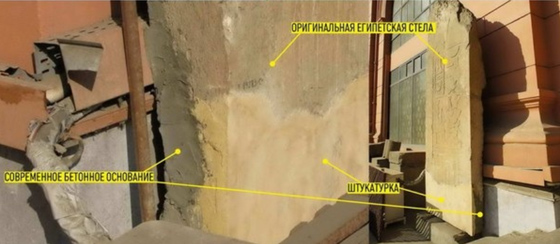
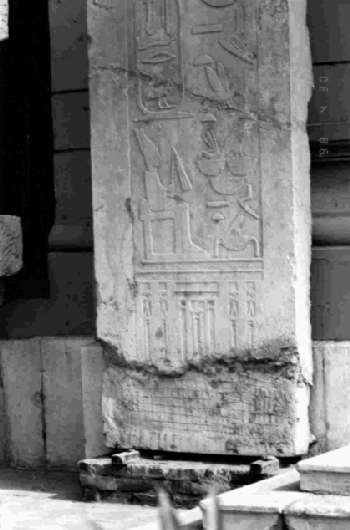
У лженауки есть одна характерная черта. Обыватели и даже те, кто распространением лженауки занимается, не различают два качественно разных типа мышления — бытовое, которое мы на кухне используем, и научное, которое годится, когда мы занимаемся исследовательской работой. Бытовое мышление характерно для подавляющего большинства людей, научное — для единиц. Потому-то лженауку так легко тиражировать, она легко входит в головы, и это же создает проблемы при популяризации настоящей науки. Популяризатор вынужден переводить с научного языка на язык обыденный, чтобы мысль его была понятна широкой аудитории.
Итак, некоторые признаки, характерные для бытового и научного мышления, и как мы с этим работаем при популяризации различных научных идей. Бытовое — это когда я вижу лицо на Луне и, значит, там действительно кто-то живет. Или когда вижу, что солнце восходит на востоке, а мне тут рассказывают, что это Земля на самом деле движется. Очевидное — это самый-самый низкий уровень познания. В действительности наука часто занимается совсем неочевидными вещами, и в популяризации очень важно знакомить людей с примерами неочевидного. Мы не видим воздух, но он существует. Мы видим горизонт, но это воображаемая линия. Классический пример: космический аппарат «Викинг» снял лицо на Марсе, так называемого «марсианского сфинкса». Сколько же было шума! Но уже в 2000-х годах фото более высокого разрешения показало, что это обман зрения.
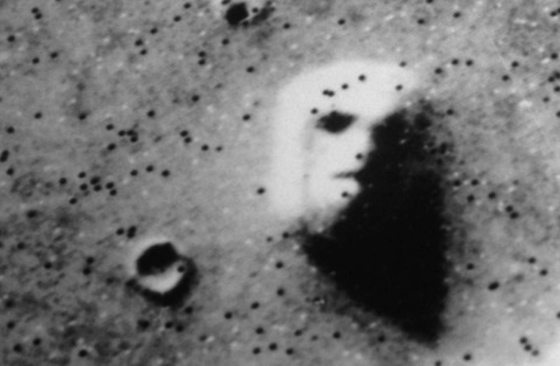
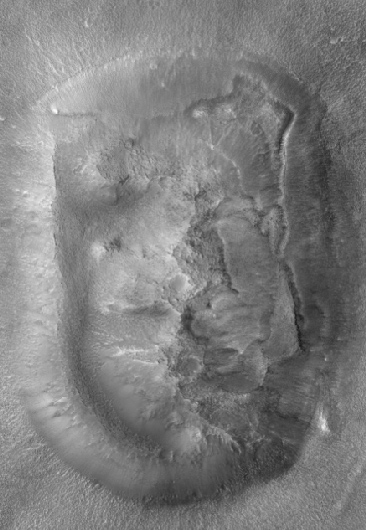
Мне хочется отметить еще одно свойство, которое успешно тиражируется литературой художественной и кинематографом. Человек любую эпоху, любое время, любую страну воспринимает в привычных, понятных ему образах. И часто в литературе и в художественном кино исторические персонажи, жившие много-много столетий назад, — это типа наши соседи по этажу, которые говорят и действуют как современные люди. И соответственно мы представляем себе, что Новгородское вече — это как Госдума наша, египетский фараон — как русский царь, а русского царя мы представляем себе по фильму «Иван Васильевич меняет профессию». Наиболее гротескный пример — мультик «The Flintstones» . Пещерный человек тоже любит пиво и футбол, но только не на джипе ездит, а на динозавре. Смешно, но так мы представляем себе примерно все прошлое. На самом же деле, как вы понимаете, люди, жившие в другую эпоху, были не такими, как мы. Они могли жить, чувствовать и думать по-другому. Собственно, даже наши современники, живущие в разных уголках планеты, существенно отличаются от нас. Мне в связи с этим вспоминается история про папуасов, охотников за головами, у которых, чтобы дать ребенку имя, нужно поймать человека из враждебного племени, узнать его имя, отрезать ему башку, принести ее домой и только после этого назвать ребенка. Есть даже поговорка: много черепов — много детей. Такой образ жизни они вели испокон века, а когда к ним приехал христианский миссионер, они спросили у него: «А у тебя есть братья и сестры?». Миссионер ответил: «У меня 12 братьев и сестер». И назвал их имена. На что папуасы восхищенно сказали: «Твой отец — могучий охотник за головами».
Чтобы человек усвоил какую-то информацию, ему нужно сопоставить ее с тем, что он уже знает, с тем, что ему приятно, о чем уже рассказали знакомые. И ученые, чтобы сделать какую-то сложную идею понятной широкой аудитории, вынуждены ступать на враждебную им территорию читателей. Мне всегда нравился пример Спенсера Уэллса. Когда он рассказывал про миграции людей, про то, как их реконструируют по митохондриальной ДНК, — он проводил аналогию с рецептами супа. Он говорил: представьте себе, что проходит съезд поваров, которые соревнуются в приготовлении какого-то определенного супа. Мы сравниваем эти рецепты между собой и видим, что они все разные, но во всех есть одинаковый ингредиент — мясо антилопы, которая водится только в Африке. Из этого мы делаем вывод, что когда-то был предковый рецепт, от которого все другие рецепты произошли, пока люди мигрировали. И этот предковый рецепт — африканский, потому что эта антилопа живет только в Африке. То есть Спенсер зашел к читателям через кулинарию, что более близко людям, чем митохондриальная ДНК. Аналогичный пример. Автор пишет: женская яйцеклетка такого же размера, как точка в конце этого предложения. Дальше он может приводить точные размеры в микрометрах, но главное, что он задал визуальный эталон, и мы, глядя на точку, понимаем, что яйцеклетка очень маленькая.
Пещерный человек тоже любит пиво и футбол, но только не на джипе ездит, а на динозавре.
Дурно понятый демократизм — особенно в журналистике — приводит к утверждению, которое считается незыблемым: будь ты школьник, будь ты кто угодно, твое мнение имеет право на существование, как и любое другое. В телевизионных шоу это приводит к тому, что мнение по генетически модифицированным организмам высказывают народный артист, спортсмен, домохозяйка, депутат Госдумы с неполным высшим образованием и, может быть, биолог. Но мы понимаем, что в науке все не так. Наука не демократична. В науке имеют значение ваши знания, ваша квалификация. В науке мнение специалиста весит больше. Но именно эта идея сама по себе вызывает у читателей яростный протест, потому что — это же обидно, я же тоже личность! Здесь можно привести аналогию со спортом: мнение профессионального спортсмена весомее, чем мнение самого крутого болельщика, который сидит дома, жрет пиво и комментирует футбольный матч. Метафора, как мне кажется, всем понятна — хотя и она у болельщиков может вызвать протест.
В обыденной жизни мы не терпим непоняток. Что-то непонятно? Стресс, опасность. Нужно быстро найти какое-то решение, чтобы успокоиться. И если решение не находится, его можно поискать в области мистики — «на то воля Божья», «эзотерика нам поможет». В науке же предполагается, что проблемы могут не решаться десятилетиями, столетиями. Ученый просто говорит: проблема пока не решена — и спокойно живет себе дальше. Занимаясь популяризацией, ученые сталкиваются с тем, что если читатель не понимает, что ему втолковывают, он тупо переключается на другой канал. Неизбежный ход — сильное упрощение идей, донесение сложного через простое, изгнание спецтерминов (не «фоссилизация», а «окаменение», не «однонуклеотидные полиморфизмы», а «гены», хотя это не одно и то же), использование визуальных решений (потому что с точки зрения пиара картинка лучше, чем текст, а видео лучше, чем картинка).
Наука строится не на ярких сенсациях, а на длинной рутинной многолетней работе сотен людей. И это плохо показывается в кино, к сожалению. Возникает проблема, потому что если мы хотим показать привлекательный образ ученого, то часто строим рассказ о нем на ярких, запоминающихся байках, которые потом веками пересказываются. Про Ньютона мы знаем, что ему на голову упало яблоко, хотя байку эту он сам про себя распространял. Мы запомнили Миклухо-Маклая не потому, что он — один из первых антропологов, который обосновал единство человечества, а потому, что он пришел к папуасам без револьвера и лег спать у них под носом на циновках. Или потому, что с помощью микроскопа загнал в трюм исламских паломников, которые пытались с ним разобраться на корабле. То есть создается романтизированный образ ученого, не соответствующий действительности. But what to do?
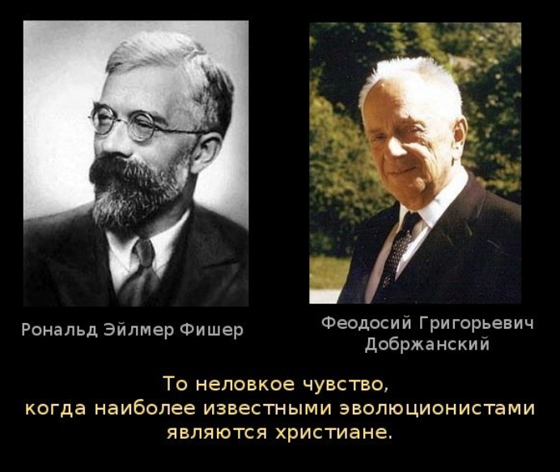
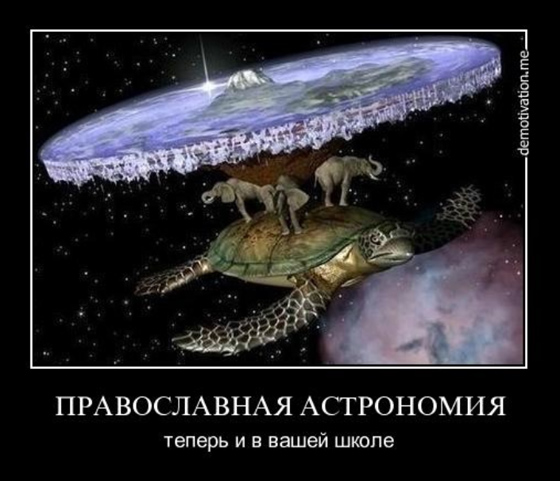
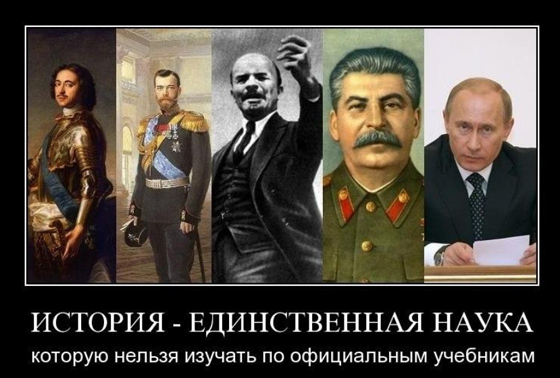
И здесь появляются разные визуальные решения — и для интернета это, конечно, в первую очередь разные демотиваторы. Картинка и какая-то хлесткая фраза. Задача — опять же вызвать «вау-эффект», посмеяться, утвердиться или разувериться. Или возненавидеть. И, конечно, репостнуть. Такие вещи активно используются пропагандистами лженауки. Например, вот здесь до нас доносят мысль, что историю нельзя изучать по официальным учебникам — то есть как будто есть другие, неофициальные, по которым можно. А здесь известный Кент Ховинд говорит: «И ты говоришь, что наука опровергла Библию?» Вот демотиватор против астрологии. А вот — видимо, в полемике с креационистами — используется идея, что среди выдающихся эволюционистов были религиозные деятели. И все это — я надеюсь, вы понимаете — надо перепроверять. Демотиватор не может служить источником информации, да? Его задача — вызвать определенную эмоцию в спорах на кухне или в интернете. Подход «убедил — не убедил». Пять минут назад я услышал, а теперь на этом основании (и на основании опыта, что есть у меня) я решаю, согласен я или не согласен. В науке, чтобы дать такой ответ, требуются годы. А тут все просто — не убедил.
Очень важная проблема, которая закладывается в различных телевизионных шоу в стиле «угадай ответ» и, к сожалению, в школах, где детей натаскивают на правильный ответ. Подход такой: у ситуации есть одно-единственное объяснение, которое надо найти. Например, в могиле неандертальцев в Шанидаре нашли цветочную пыльцу. Значит, неандертальцы возложили на могилу покойного сородича цветы. Это написано, в частности, в Википедии. В науке по-другому: у любой проблемы может быть множество гипотез, и мы сравниваем их между собой по научным правилам, выбирая наиболее убедительную, наиболее вероятную. А может получиться и так, что они равновероятные, и тогда мы говорим, что могло быть и так, и этак, но нужна еще информация — будущие исследования прояснят. Важно задавать детям творческие задачи, которые требуют мышления и у которых нет контрольного ответа, а возможны лишь варианты решения. Пример: дети, вот в могиле пыльца, а как она могла туда попасть? (Из зала: «Ветром принесло», «Росли цветочки прямо там», «Из экскрементов животных, которые какали на могилу».) А пчелы могли занести? А в желудке неандертальца могли быть цветы? На самом деле мы не знаем, какой из этих вариантов верен. И это не лженаука, а набор гипотез, каждую из которых нужно доказывать. Или — другой вариант, с которым часто приходится сталкиваться. Пирамида Хеопса — два с половиной миллиона каменных блоков — якобы построена за двадцать лет. Получается, что каждые пять минут из каменоломни должен был пулей вылетать каменный блок. Без перерыва на обед, без сна, двадцать четыре часа в сутки, двадцать лет. Absurd? Дети, давайте подумаем: можем ли мы как-то по-другому организовать труд древних египтян? Допустим, у нас есть бригада, которая производит два блока в час. Восемь часов — это шестнадцать блоков в день. А если у нас есть 30 бригад, которые параллельно работают, то это около пятисот блоков в день. Если мы отведем 300 дней в году на труд, оставим 65 на отдых, у нас получится три миллиона блоков. Все сходится.
Итак, я перехожу к выводам. История — заложница того важного значения, которое она имеет в европейской культуре. История — источник сюжетов для художественных произведений. Из художественных произведений большинство граждан черпает информацию. Еще имеет место быть интернет. Здравый глас ученого тонет в хоре обывателей. Мы понимаем, что есть искусство, есть религия, есть наука, что это разные области, что там разные подходы и что именно смешение этих подходов приводит к появлению лженауки. Противодействовать этому — в этом и заключается позитивная мысль моего выступления — можно путем грамотной популяризации. А для того чтобы быть грамотным популяризатором, нужно знать психологию читателя и методы, которыми пользуются лжеученые (в том числе провокативные). И поэтому мою книгу, задуманную мной как чистая провокация, ставят по ошибке в эзотерические отделы книжных магазинов. И я знаю, что Ася Казанцева выпустила книгу, которую тоже стоит искать в тех же отделах. Получается, что мы — такой десант в стан врага. Свое сегодняшнее выступления я назвал провокативно. And what do you think? Ко мне сразу «Российская газета» обратилась за комментариями. А если бы я назвал лекцию просто — «Некоторые спекуляции в области исторической науки»? Не обратилась бы.
Recorded by Natalya Kostrova