
Translated material
Kremlin's nuclear shadow
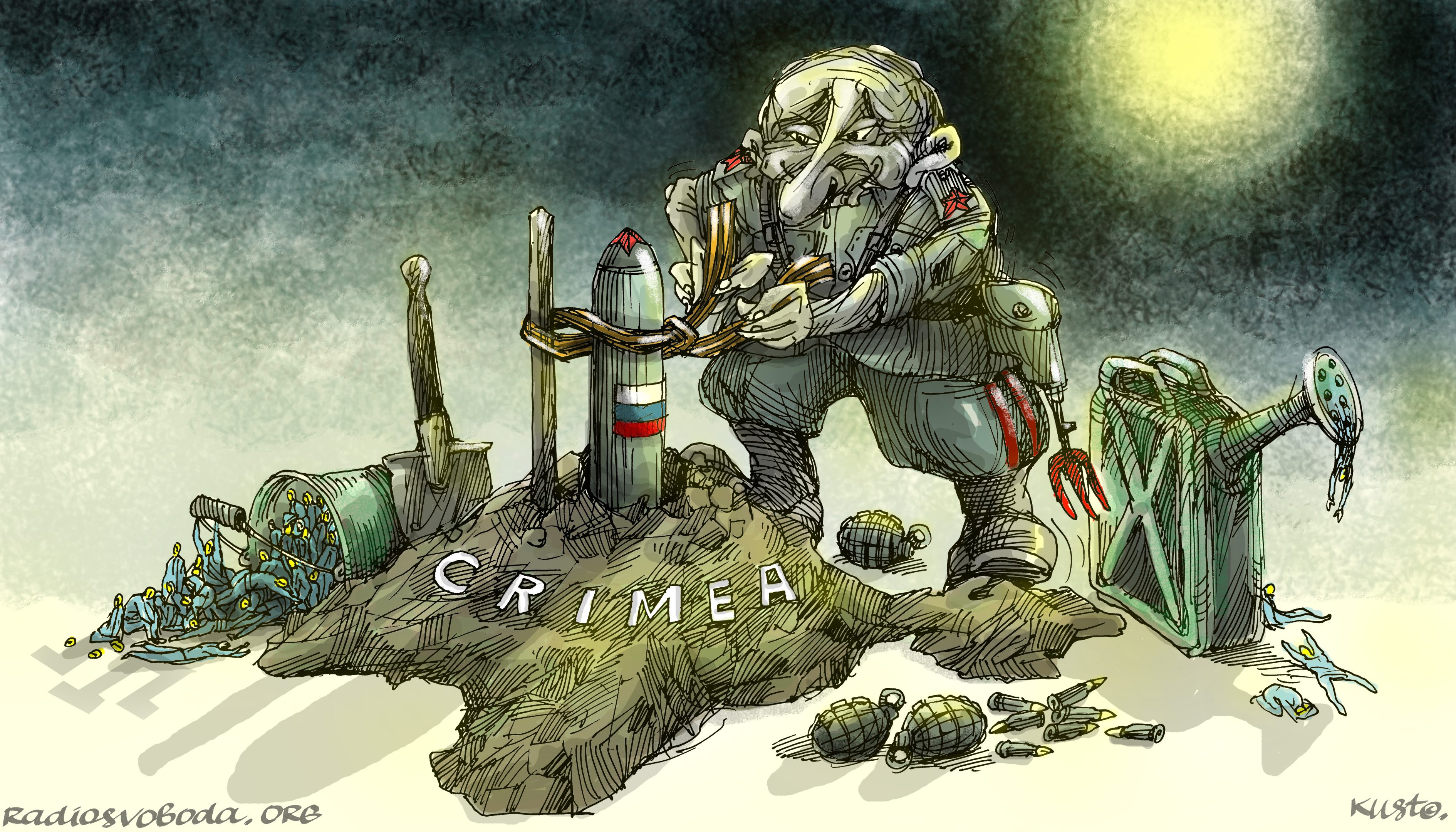
Russia abandoned the nuclear security summit and appeared in the role of a country that impedes the disarmament
Why did the Kremlin refuse to participate in the Washington Nuclear Security Summit? What are the public threats to use nuclear weapons from Russia fraught with? Is the Russian army preparing for a potential nuclear conflict? Does Moscow undermine nuclear security?
We are discussing these and other issues with Angelo Codvila , a former employee of the Senate Intelligence Committee, a professor at Boston’s University, Nicholas Roth , an analyst at Harvard University, Vitaly Kozyrem , an Andicot College officer in Massachusetts, and Yuri Yarym-Agaev , an employee of the Hoover Institute in California.
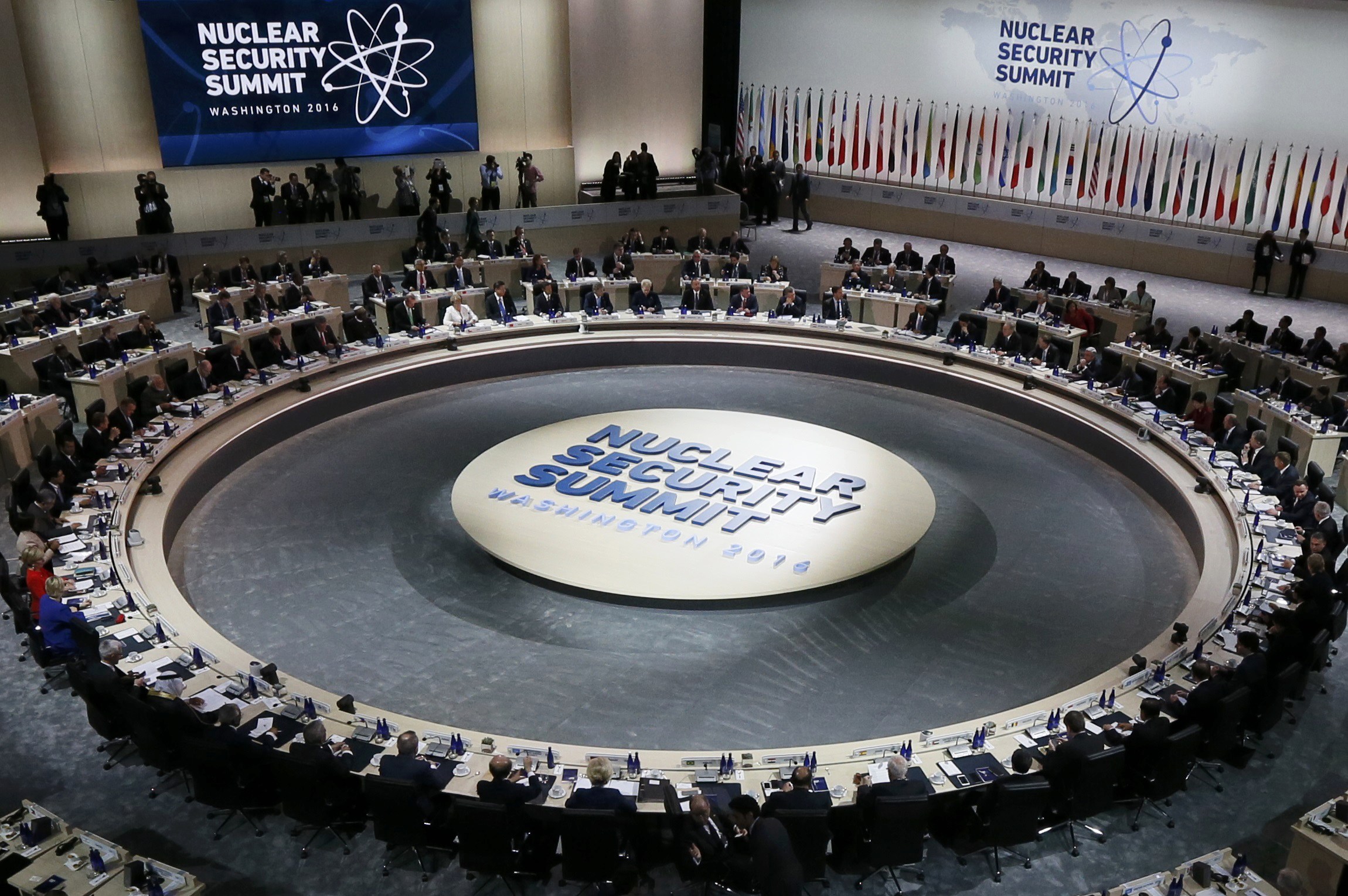
On Friday in Washington, the fourth and last nuclear security summit ended, on which the leaders of more than five dozen countries agreed on measures that would allow more strict control over nuclear materials, prevent them from falling into the hands of terrorists and expanding the powers of the Magate and the UN in regulating the global turnover of radioactive substances. This unprecedented in scale of the summit was the brainchild of President Obama, who proposed to create a similar forum immediately after his arrival in the White House. The summit, so related to the name of the president, will most likely become the lot of history after the departure of Barack Obama from the White House, so its organizers hoped that this meeting at the top, at least, would leave behind the hope that the nuclear threat was still defeated.
However, on the eve of the beginning of the meeting, these hopes gave way to other moods. And the reason for this was the Kremlin’s refusal to participate in the summit. The Financial Times has been published with the article "The United States accuses Russia of dismantling security agreements." News agencies reported that the White House called such a decision of the Russian leadership “counterproductive”, and The National Interest magazine has published an article by two former American ambassadors in the Russian neighbors under the heading “how Russia is undermining nuclear security”. Unlike the restrained formulations of high -ranking officials who neutrally stating that Moscow is jealous of a contractual system built after the Cold War, the former ambassadors of Willyam Courtney and John Hearbst insisted that the Kremlin already undermined the already fragile nuclear security system, dividing Ukraine. According to former ambassadors, he proved by this step the illusoryness of hopes that non -nuclear countries are protected by agreements from encroachments by nuclear countries. The authors urge to fight such fears and the desire of states to acquire their own atomic bombs by placing American nuclear weapons in Europe. The shadow of the missing heads of the state with the largest margin of nuclear weapons and materials was in the halls of the forum meetings. Any solutions in the field of nuclear security that Russia did not sign up look not very serious. On the day of the closing of the summit, President Obama complained that hopes for the reduction of nuclear arsenals were the victim of Vladimir Putin’s bets on the increase in Russian military power. Moscow, a boycotting summit, seemed to be plausible pretexts, suddenly appeared as a force that prevents control over nuclear weapons.
The Kremlin explains the refusal to participate in the Washington summit with disagreement with the wording of preliminary decisions, but, according to Nicholas Roth , the analyst of Harvard University, this decision looks strange:
- Being a country with the largest nuclear arsenal, with the largest reserves of radioactive materials that are on hundreds of facilities, Russia, by definition, should be an important participant in the process of ensuring nuclear security in the international arena. It is amazing that her representatives did not come to the current summit, although they participated in the previous three. This is the fourth summit in which the heads of dozens of states take part. Thanks to this forum, the issue of nuclear security began to be discussed at the highest state level. The summits set the deadlines for the implementation of specific measures, the summit format creates an atmosphere of cooperation, which helps different countries make nuclear security decisions. The current summit is special. This is the last similar meeting at which an action plan of five points should be adopted. It will determine the role of the IAEA in ensuring nuclear security, the framework of the so -called global partnership in the fight against nuclear terrorism is indicated, the role of Interpol and the UN in these efforts is more accurately determined. That is, ways to develop the process of ensuring the safety of nuclear materials are planned.
- Russia, as I understand it, two years ago actually refused to cooperate with the United States with regard to ensuring the safety of its nuclear arsenal and various nuclear facilities. Washington allocated about one hundred million dollars a year for these purposes. Some American experts express the alarm regarding the safety of Russian nuclear materials, they talk about a decrease in Russia's financing of these programs. What is known about this now?
In conditions when a very serious economic challenge is quit, to find funds to maintain nuclear infrastructure in the normal state
- Indeed, in 2014, the Russian government, which had in the past, had a claim to some aspects of the nuclear cooperation program, decided to actually interrupt it. This decision coincided with a deterioration in bilateral relations. Since then, the level of cooperation has been extremely low. It is obvious that in conditions when Russia is quit a very serious economic challenge, it is not easy to find funds to maintain in the normal state of nuclear infrastructure. The termination of cooperation with the United States has deprived Russia of significant funds, and the replenishment of this gap, I believe, represents significant difficulties. But I hope that both sides sooner or later realize that cooperation in this area is in their interests, its absence harms both countries.
Comparative optimism of the analyst from Harvard is rejected by the former employee of the Senate Intelligence Committee Angelo Codvil . The actions of the Kremlin, in his opinion, reflect the rate on nuclear weapons made by Vladimir Putin:
- The so -called Nanna -Lugara program, whose action began in 1991, was designed to help ensure the safety of the Russian nuclear arsenal, deactivate and dispose of the nuclear warheads and their delivery products, including submarines, bombers. Thanks to American financing, approximately 30 thousand Russian experts were provided. As part of the program, reserves of Russian chemical weapons were also destroyed. This program was an effective cooperation tool. With regard to various forums, which discusses measures to reduce the nuclear threat, prevent radioactive materials from entering the hands of terrorists, then behind these efforts there is a thesis of the need to reduce the volume of nuclear materials and nuclear weapons in the world. Senators NUNN and Lugar, the initiators of the cooperation program with Russia, like most Americans, believe that the world will be better without atomic weapons, it will be safer. Therefore, simultaneously with a decrease in Russian nuclear weapons reserves, an American nuclear arsenal was also subjected to significant reduction.
- It would seem that this is a sound idea. The smaller the atomic weapons in the world, the better?
Today the Russian army is much smaller than Soviet, but it has more tactical nuclear weapons in proportion to it than it was before
-I do not know what is better, which is worse, but in reality we have the following today: firstly, the Russian armed forces, objectively speaking, act according to opposite attitudes. Russia completely openly made it possible to know that it intends to integrate tactical nuclear weapons as an instrument of warfare. Today, the Russian army is much smaller than the Soviet, but in proportion, it has more tactical nuclear weapons than before. From the point of view of military strategists, it makes sense. Tactical nuclear weapons are most effective for a small army, when it opposes a larger enemy, which has conventional weapons. But unlike Russia, the United States not only dramatically reduced the arsenals of its tactical weapons, it almost did not remain in service, say, in Europe. Secondly, the regime of non-proliferation of nuclear weapons looks like a weak tool. If such a backward, isolated country as North Korea was able to create an arsenal of nuclear weapons, then any country that set itself such a goal will be able to carry out it, despite international prohibitions. This is an indisputable fact. I would call the idea of non -proliferation of an American dream, and nothing more.
-The press secretary of Vladimir Putin explained the refusal of the Russian president to participate in this summit by the fact that his documents were prepared without sufficient accounting of Russia's opinions, Russian commentators close to the Kremlin give a slightly different version: they say the group of countries intends to take on international control nuclear materials and restrict Russia's freedom to develop their nuclear arsenal. How do you like such motivations?
From the point of view of the Kremlin, there is no nuclear threat. He has no reason to deal with his own interests in order to fight the threat, which, in his opinion, does not exist
- To this, on behalf of the Kremlin, you can still add the following: "We do not want to play these games." They do not see any benefit in participating in the processes of reducing the arsenals of nuclear weapons, offered by President Obama and other world leaders, believing that this may limit their freedom of action. After all, the paradoxicality of the situation lies in the fact that Western countries act based on the desire to reduce the potential nuclear threat that they feel from the side of, say, Iran or North Korea. From the point of view of the Kremlin, there is no nuclear threat. He has no reason to deal with his own interests in order to combat threat, which, in his opinion, does not exist. The question is, who poses a nuclear threat to whom? - says Angelo Codville.
Professor of Andicot College Vitaly Kozyrev suggests that the main motive for the Kremlin in his decision to refuse to participate in the nuclear summit in Washington was an alarm that international agreements can take him freedom of maneuver.
“This can be put in the context of the general state of American-Russian relations in terms of lack of trust,” says Vitaly Kozyrev. -When from the mid-2000s the United States began to promote the idea that it was necessary to somehow control the activities of nuclear countries in terms of disposal, accumulating and enriching splitting materials, this began to go beyond the prerogatives of the IAEA, which mainly regulates the activities of non-nuclear countries, trying to make sure that their peaceful programs did not turn into nuclear weapons programs. This, of course, began to disturb Russia, fearing the creation of certain new international regimes under the US flag, non -nuclear distribution and control regimes for the use of nuclear materials that could limit the purchase and splitting, use of materials, updating the new weapons in Russia.
-In other words, in your opinion, Russia is concerned that the system of international treaties for monitoring nuclear materials, and the control of nuclear safety will prevent its freedom of action in this area?
- Undoubtedly. Because new interpretations, how the materials are used and how much these materials undermine security, according to the Kremlin, can be subjectively interpreted by the West, thereby can follow additional sanctions, some threats to those countries that will not observe new norms that are wider than the regime based on the Magate base.
-Yuri Yarym-Agaev, how do you like such an interpretation that you see in this fact the non-reckoning of Russian leaders in Washington?
“I mainly agree with this interpretation,” says Yuri Yarym-Agaev. - I just want to clarify that this is not unilateral control from America or other countries. America itself agrees to undergo such control. Objections to this control can only be if the country pursues an aggressive policy or a policy of nuclear blackmail. This is what Russia does not want the most - to lose the opportunity to pursue this particular policy. She can not have any other fundamental objections, because if she tries to imagine as a country that is in a less advantageous position than America, this is not so, control will be distributed in this case over all countries that have nuclear weapons and nuclear materials.
- Vitaliy Kozyrev, how do you like this, less gentle interpretation of the Kremlin’s actions: does not want to deprive himself of the possibilities for nuclear blackmail?
-The fact that there are many in the Russian press now, that the organizers of these forums-the USA, South Korea, the Netherlands-some kind of special preferences for themselves, I have not yet seen what preferences, what their special status is in this new special regime, which Russia is afraid. Therefore, I agree that America, subscribing to some restrictions, will also comply with the rules of use. This is in line with one of the main points in the policy of the Obama administration, starting in 2008, is a nuclear disarmament.
-Yuri Yarym-Agaev, it is very curious that there are convinced American critics of this approach of the Obama administration to nuclear weapons, which are convinced that the US president is utopian by disarmament of America. An interesting parallel is observed .
- Of course, such critics exist, I quite understand them. Because they believe, and it is quite reasonable that such a policy can lead or lead to one -way disarmament from America. The fact is that any obligations adopted by America to reduce or completely eliminate nuclear weapons are tightly controlled in the American democratic system, and America will certainly follow these obligations. While Russia or China, having signed these papers, can calmly violate these agreements. There is a danger that in the end, America will be without nuclear weapons, while China, Russia and Iran will have nuclear weapons, and anxiety is based on this.
- Vitaly Kozyrev, my interlocutor Angelo Codvil said that tactical nuclear weapons are now, as he put it, integrated into the Russian armed forces and, roughly speaking, can be used to perform tactical tasks on the battlefield. How much is this consistent with what you know about the mood in the Russian leadership? Is it ready to use nuclear weapons to achieve its goals?

- Unfortunately, yes, because of the well -known that the so -called conventional, ordinary weapons, ordinary deterrence forces are limited in Russia. And this even more fuel in the mood that Moscow needs to reconstruct its forces in order to maintain a world balance. After all, everyone knows that President Putin for the last year or two claims that Russia's role in maintaining the world balance and stability is very great. I believe that this is an increase, strengthening the realistic component, when there is an understanding of the international system, as a system of balance of power, in philosophy, in the strategy of Putin and the Kremlin, it is evident clearly, intensified and plays a large role.
-From your point of view, when Vladimir Putin talks about the fact that he theoretically considered the use of nuclear weapons during the Crimean conflict, if this conflict did not go according to the scenario by which he hoped-is this a joke, is this threat or such an option for acting?
“It seems to me that nuclear forces were brought into a state of combat readiness in order to reproduce the intervention or landing of the landing, for example, from the Western, NATO ships, the Navy, which, perhaps, was expected from the point of view of supporting the territorial integrity of Ukraine from the West,” says Vitaliy Kozyrev. - Therefore, it was a proactive measure, I do not think that they would use nuclear weapons, since everyone in the Kremlin is perfectly consulted by what it could lead to.
- You suspect that they are well aware of what this could lead to, that they are able to objectively assess the situation?
- It was just a signal from the standpoint of power, there is such a concept in foreign policy - signaling. This is a signaling. Here, in principle, the West did not force. Maybe if there was another president, say, Mitt Romny, maybe it would have happened.
– Юрий Ярым-Агаев, как мне кажется, наш собеседник всерьез верит в то, что силы НАТО могли высадиться в Крыму?
Если Россия действительно где-либо применит тактическое оружие – это дает полное основание Америке применить стратегическое ядерное оружие против России
- Unfortunately no. Хотя Америка просто это должна была бы сделать в соответствии с Будапештским соглашением. Я хотел прокомментировать несколько вещей кратко. Насчет того, что Россия поддерживает баланс в мире – конечно, более абсурдной позиции, исходящей из Кремля, быть не может. Если Кремль в это верит – это вызывает уже серьезные опасения. Дело в том, что в течение последних лет Россия является главной силой дисбаланса, которая есть сейчас в мире. Интервенция в Украине и аннексия Крыма – это прямые акции нарушения этого баланса. Более того, мы забываем часто, что это был прямой шаг против нераспространения атомного оружия. То есть она дала понять любой стране, которая потенциально может отказаться от ядерного оружия или уменьшать свой ядерный арсенал, что это очень опасно делать и делать не следует. Что касается шантажа применения тактического ядерного оружия – это совершенно абсурдная доктрина. Если она воспринимается всерьез в Кремле, то это вызывает опять же большие подозрения и опасения о состоянии умов там. Дело в том, что если Россия действительно где-либо применит тактическое оружие – это дает полное основание Америке применить стратегическое ядерное оружие против России.
– Но, как пишет в комментарии на сайте "Свободы" Андрей Пионтковский , не факт, что президент США решит нажать ядерную кнопку в защиту, скажем, Нарвы от российского нападения?
– Безусловно, то, что делает Россия, и то, что Россия подогревает, в большой степени связано со слабостью нынешнего американского президента, да и большинства политических лидеров в Европе. Но это не может вечно продолжаться. Россия забывает об одном правиле демократических государств: если ситуация действительно обостряется и становится кризисной, то демократия выбирает очень сильных лидеров. Своей такой политикой Россия все больше способствует тому, чтобы в Америке был избран сильный президент.
– Но, с другой стороны, посмотрите на популярность Трампа, который говорит о совершенно обратном в ответ на эти действия России и популярен.
– Трамп может быть как раз сильным президентом. И то, что он говорит сейчас, – это не так важно. Он для России может быть гораздо более опасен, чем Обама. Безусловно, Круз тем более. И даже Хиллари Клинтон. Это соблазнительная политика, это политика по сути ядерного шантажа. Они посмотрели на Северную Корею, которая просто живет этой политикой и кормится этой политикой, она создала такую новую экономическую модель. Россия посмотрела и сказала, что если наш клиент, если коммунистическая шестерка это делает, почему нам это не сделать? Но это очень опасная игра, это очень кратковременная игра, потому что, как я говорил, она в конце концов оборвется и оборвется очень болезненно.
– Виталий Козырев, вы думаете, Кремль сознательно взял на себя эту, в интерпретации нашего собеседника, опасную роль ядерного шантажиста?
Там (в Кремле) больше ощущение загнанного зверя, чем какого-то тонкого циника, типа лидера Северной Кореи, который что-то хочет из этого выгадать
– Я считаю, что там больше ощущение загнанного зверя, чем какого-то тонкого циника, типа лидера Северной Кореи, который что-то хочет из этого выгадать. Я думаю, что то ли сами себе внушили, то ли военные как-то просчитали, что мы совсем ослабли и не можем себя защитить от 7 тысяч крылатых ракет, которые к нам прилетят и будут нас уничтожать. У них действительно ощущение уязвимости, которая не покидает никого из лидеров. Они все-таки воспитаны были и выросли в позднесоветское время. Кроме того, был сделан вывод после случая с Каддафи, когда он отказался от ядерной программы, а потом его все-таки НАТО разбомбила, случай с той же Северной Кореей, когда Запад признает силу. Это не значит, что они шантажируют, более того, много очень примирительных заявлений после отказа от участия в ядерном саммите звучит из Кремля о том, что все-таки мы соблюдаем режим, мы самые лучшие партнеры с Соединенными Штатами по нераспространению, смотрите, сколько мы сделали, и мы в формате МАГАТЭ прекрасно сотрудничаем, у нас там нет проблем. В связи с этим то, что Си Цзиньпин приехал, я считаю, это очень выигрышный шаг в плане его поездки.
– Я хотел спросить, откуда взялись 7 тысяч ядерных боезарядов, направленных на Россию? Насколько известно, США держат в Европе не более 180 единиц тактического ядерного оружия?
– А это подсчитывает Академия геополитических проблем, заряды, которые, возможно, могут быть доставлены с различных носителей, в том числе и с подводного флота. Если посчитать весь подводный флот и ракеты континентальные бомбардировщиков, то, наверное, там окажется примерно эта цифра.
– Юрий Ярым-Агаев, все эти разговоры выглядят, конечно, дико с американской точки зрения?
– Абсолютно, это параноидально, не более того. Противоречат всем реалиям. Если у них действительно есть такое ощущение, это кроме как паранойей объяснить невозможно, потому что никаких фактов нет и быть не может. Вообще говоря, угроза определяется не количеством ракет, количеством танков или количеством самолетов, угроза определяется в первую очередь тем, кто этими ракетами и танками владеет. Угроза определяется агрессивностью страны. Угроза определяется отсутствием общественного контроля за действиями властей.
– Кстати, кое-кто пытается применить теорию игр для объяснения поведения Кремля, то есть рассматривают его поведение как постоянный поиск преимущества или победы, неприятие понятия компромисс.
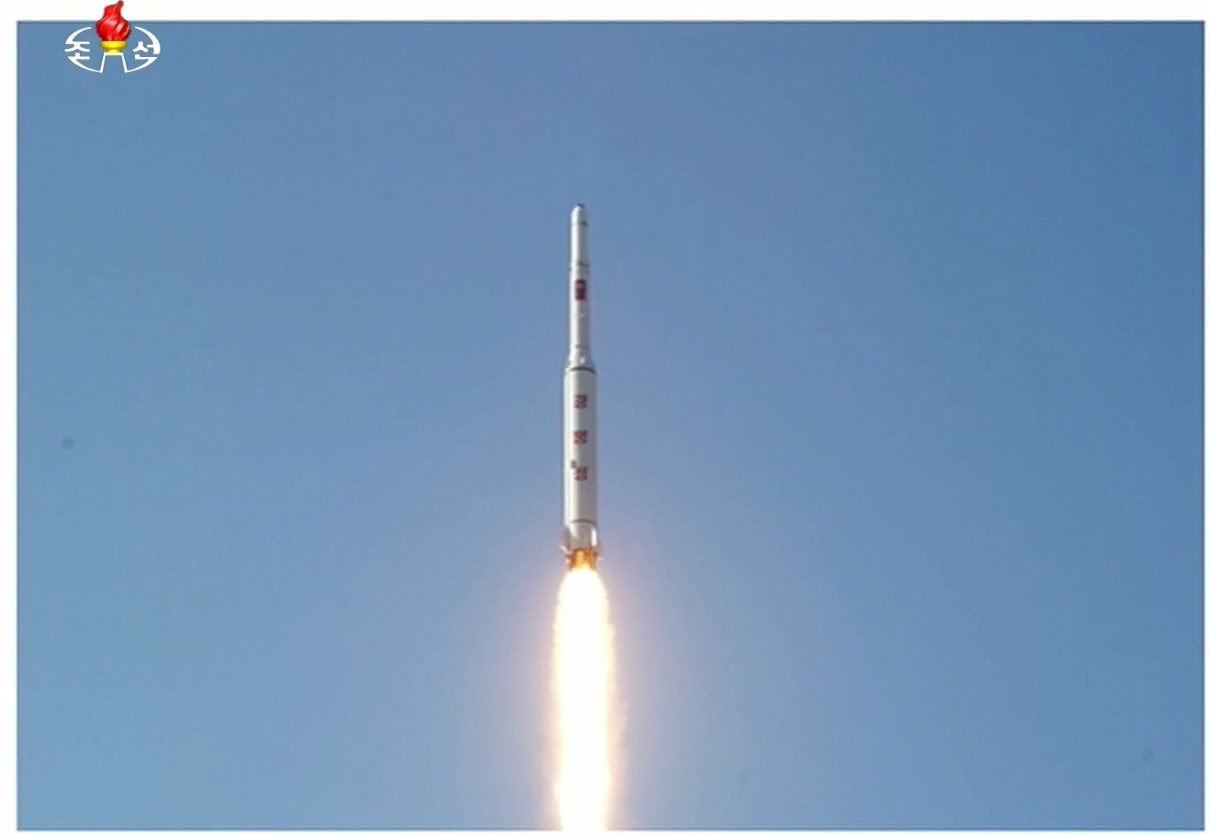
– Это очень противоречивая и парадоксальная позиция. С одной стороны, тот же Путин в 2015-м угрожал применением ядерного оружия даже против Америки, Патрушев продолжает это делать сейчас. Параллельно с этим буквально недавно Россия делает довольно резкое заявление против Северной Кореи и именно против того, что Пхеньян угрожает нанести ядерные удары своим оппонентам. В этом заявлении Министерства иностранных дел России прямо сказано, что политика Кореи дает международному сообществу правовые основания для применения против себя военной силы в соответствии с закрепленным в уставе ООН правом государства на самооборону. То есть сама же Россия говорит о том, что ядерный шантаж, угроза применения, только угроза, не само применение, уже дает право другим странам военных действий против этой страны. Так она сама такую угрозу все время проявляет, значит, она в принципе говорит, что западные страны могут в ответ на ее угрозу предпринять военные действия.
– Виталий, так и хочется употребить в отношении действий Кремля популярный ныне диагноз: когнитивный диссонанс.
– Вы упомянули теорию игр. Здесь обострилось влияние так называемой дилеммы безопасности, когда действия государства или элит, руководства государства определяются их мнениями, ощущениями этих мнимых или настоящих угроз, когда какие-то оборонительные шаги соседа воспринимаются как агрессивные приготовления к наступлению. Теория игр говорит о том, что отсутствие или ограниченные возможности в плане обмена информацией, они усугубляют дилемму безопасности, когда недоверие усиливается, соответственно, это может привести к еще более губительному витку в гонке вооружений. Это, к сожалению, происходит, кстати, как с той, так и с другой стороны. Вторая формула в теории игр – это игра с нулевой суммой или не с нулевой суммой. Я не думаю, что Россия сейчас перешла в состояние игры с нулевой суммой, сто процентов мой выигрыш, сто процентов твой проигрыш.
– Юрий Ярым-Агаев, если рассматривать ситуацию в таком контексте, с Россией все-таки можно иметь дело?
Нельзя ставить на одну доску позицию Америки и позицию России
– Я хочу сразу уточнить, что нельзя ставить на одну доску позицию Америки и позицию России. The difference is very large. Россия только что аннексировала Крым и вторглась в Восточную Украину, до этого она вторглась в Грузию. Предположение о том, что Россия может вторгнуться в Прибалтику или в Варшаву, трудно назвать американской паранойей – это основано на прямых фактах, которые произошли. У России никаких подобных фактов по отношению к Америке нет и быть не может. Информации достаточно у обеих сторон. Вопрос интерпретации информации. Если мы видим, что у России интерпретация любой информации всегда будет происходить в одну и ту же сторону, они будут всегда считать, что им угрожают, и будут считать, что они первыми могут всегда нападать, то, что этой информации будет еще больше, мало что изменит. Тут только сила и только воля и жесткость могут это остановить. Это то, что, конечно, необходимо Западу, к чему Запад в ближайшее время придет.