
Translated material
Christianity and humanism
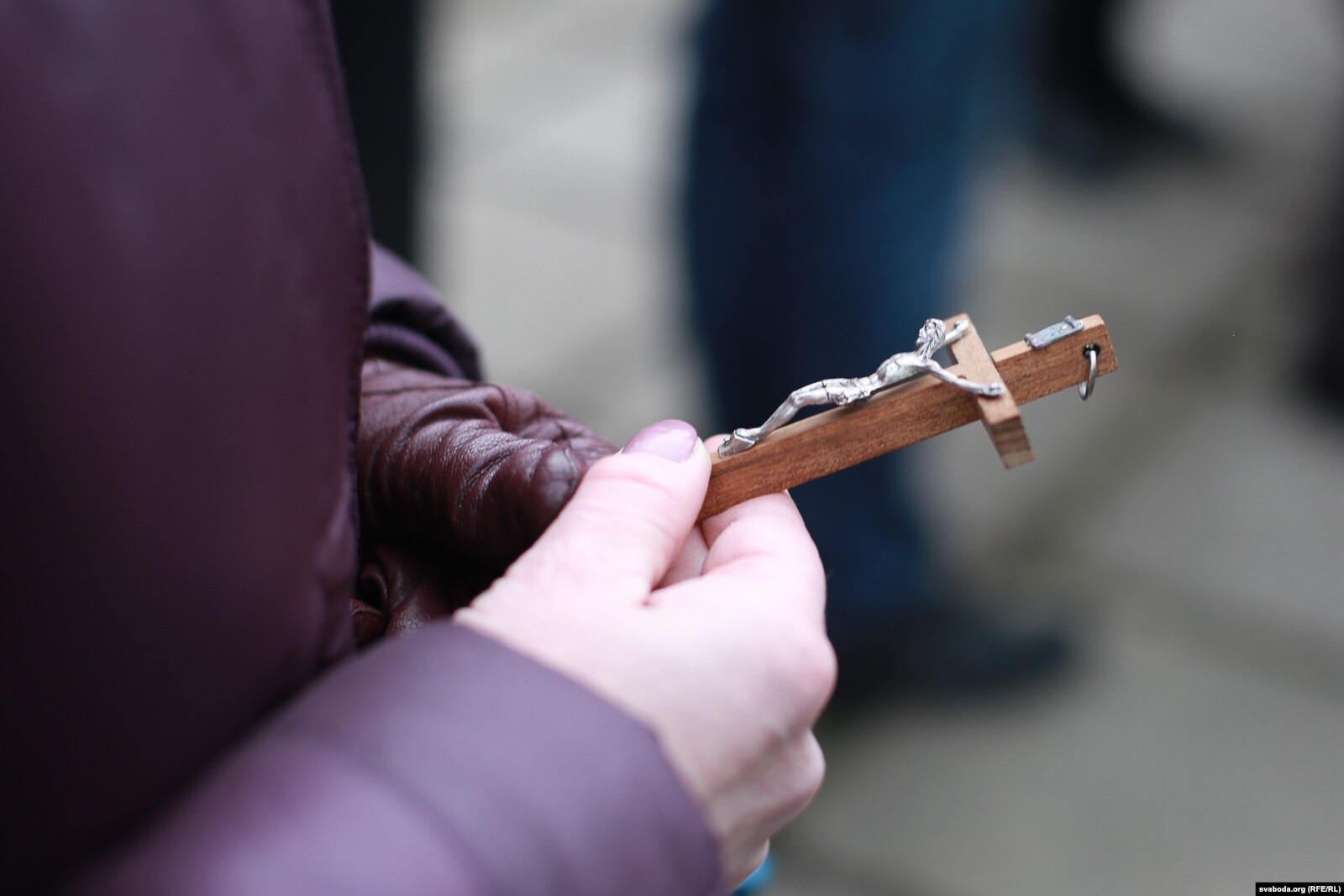
Does Christianity need humanism? Does Christianity need humanism?
Yakov Krotov: The program is devoted to humanism in the broadest sense of the word, probably, in the sense that the Patriarch of Moscow and All Russia Kirill II gave him in his recent speech, saying: “Today we are facing a very dangerous phenomenon in a philosophical, political and spiritual life. In the new time, there was a belief that the main factor determining the life of a person, and therefore society, is undeniably. heresy, and no less dangerous than Arianism . " I note that Arianism is a heresy, which for the eastern Christian world is, as it were, the standard of the threat of turning the Savior into only man. Nevertheless, there is such a movement - humanism, and it exactly corresponds to the wording of Patriarch Kirill.
In the middle of the XIX century, the Pope published an encyclic, to which a list of errors was attached. It was a kind of abstract of all that has entered a new time into an intellectual and moral life. This list began with categories - “Pantheism” , “Naturalism” and “Absolute rationalism”. I think that all these three words can be designated by the word "humanism".
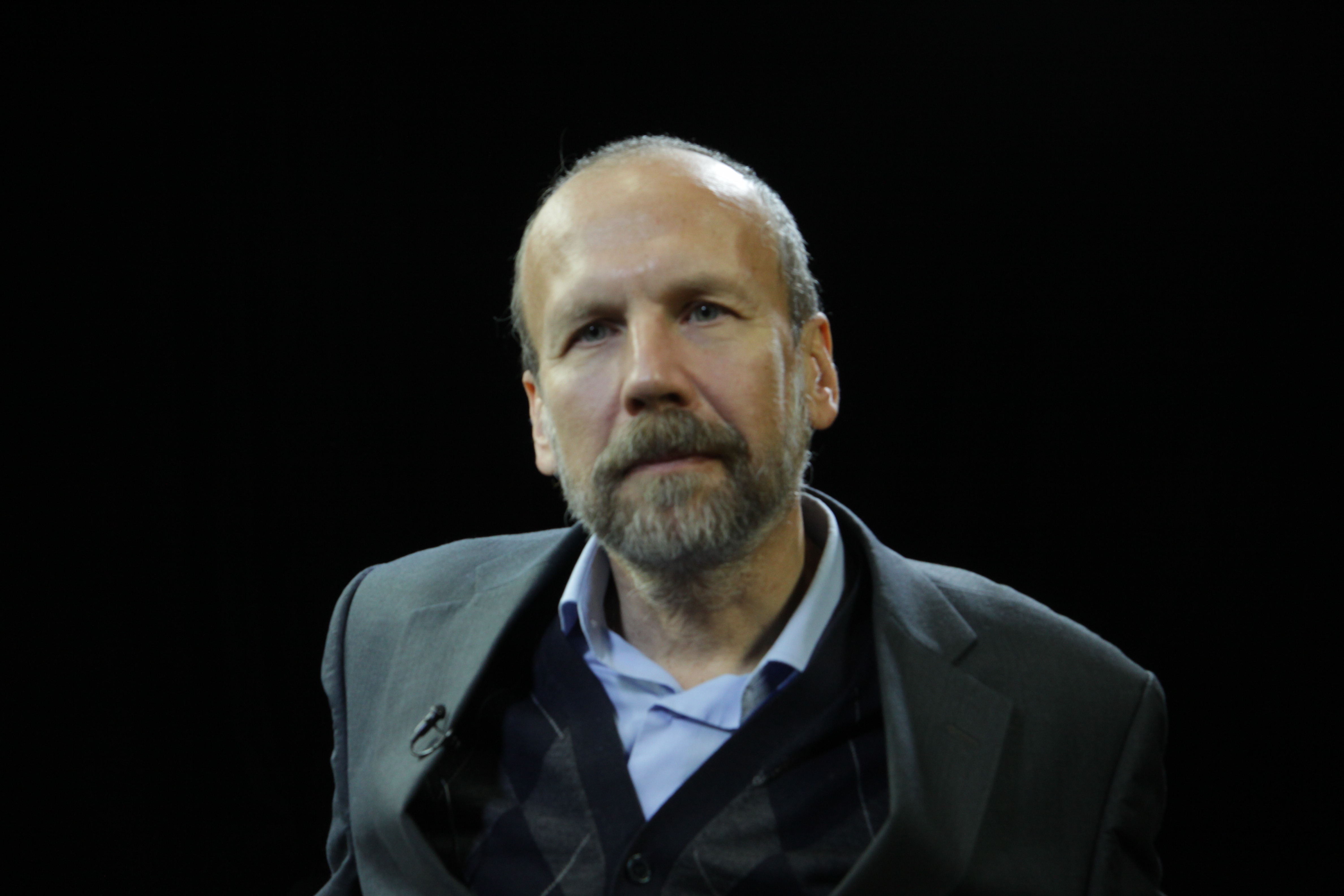
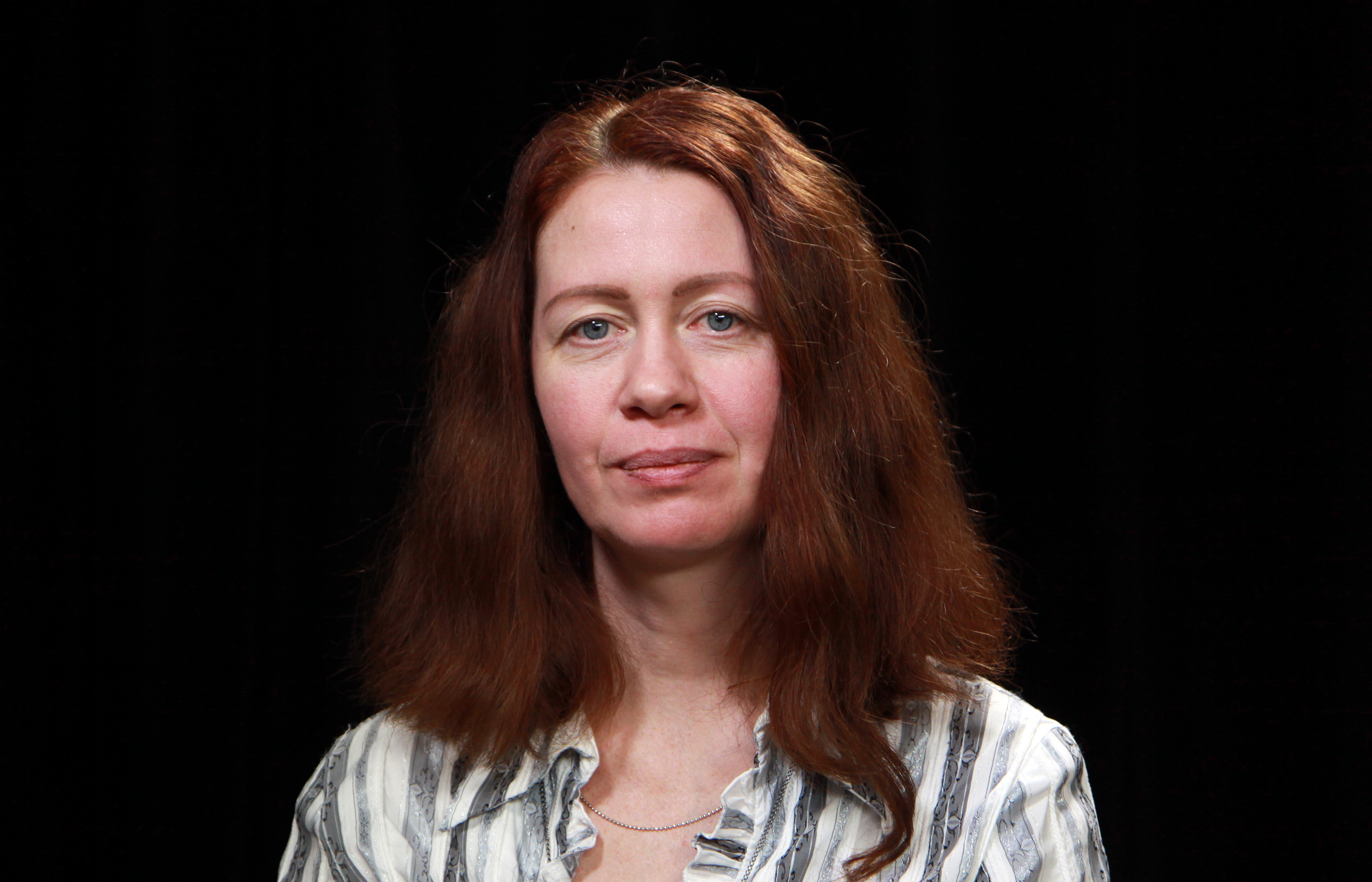
Our guest is culturologist Inna Karezina and Ivan Lupandin , historian, theologian, teacher of the history of philosophy. These people are believers, the denomination does not matter, it is important that they are oriented both in matters of faith and in matters of the history of philosophical thought.
Pantheism, naturalism and rationalism have nothing to do with humanism
Inna Karezina: We will talk about humanism from a Christian point of view, although in the history of human thought there are a lot of types of humanism. Pantheism, naturalism and rationalism have nothing to do with humanism. Pantheism is when the whole world is perceived as a kind of deity (Chinese philosophy is close to pantheism). Naturalism is a deification of nature. Rationalism, perhaps closer, can somehow be connected with a person, but humanism, probably, generally lies at the very basis of the Christian creed, and, in fact, it is embedded in the very event of the Bologces. Before the appearance of Christ, God was present on Earth in the form of an ark, and this ark was given to preserve the whole people of Israel. Since God is recognized as an epicenter of values, respectively, the people of Israel were recognized as value as a people as a whole. In view of this, any wormhole should be removed in it. The sinner is removed from the camp and is destroyed outside the camp, so as not to violate the whole in its purity. Or there is a scapegoat for which sins are hung, and it is also removed from the camp. We must follow the purity of the people.
And the goddess occurs. God, that is, the whole alpha and omega of this world, all the omnipotence of this world, all love, all meaning goes into one human person. And at this moment, a separate human person has an absolute ultimate value. Here is such a tectonic shift! Yes, this is an event that divided the story into "before" and "after" - before our era and after our faith.
Yakov Krotov: Can this be called Christian humanism?
Inna Karezina: Yes. And we live in our faith, that is, we live in the era of humanism.
Yakov Krotov: In the era of Christian humanism or humanism in general? Are there any discrepancies between Christian and secular humanism?
Inna Karezina: I believe that all other humanisms are derivatives. After all, every other humanism - Socrates or already secular humanism - are theoretical developments, while Christian humanism got its ontological status in this event of Christ.
Yakov Krotov: Here is the 16th century, the emergence of humanism in the strict sense of the word for a modern person. Among the leaders of this humanism, maybe the number one figure is Johann Reichlin . His dispute about the interpretation of the Talmud, Judaism, his protection of Judaism from fierce criticism, I would say, just anti -Semites ... and what does the Vatican do, your practical humanism? It forbids the Reichlin to speak, thereby gives, in essence, the advantage of its opponents plays into the hands of the German anti -Semitism of the 16th century (I am not sure that anti -Semitism drew great attention to this, but the fact remains).
In history, practical humanism, often turns out to be quite anti -human, and secular humanism is just a bearer of a humane attitude towards people
Ivan Lupandin: Do you remember the vision of the Prophet Ezekiel - four animals: Taurus, Leo, Man and Eagle? Papa Grigory Dvoroslov says that all these four animals somehow manifested in Christ. He was born as a person, suffered, as a Taurus, that is, as a sacrificial animal, rose like a lion and ascended, like an eagle. In history, the practical humanism, which Inna said, is often quite anti -humanism, and secular humanism is just a hummer of humane or at least tolerani to people. Where does this paradox come from?
We can say that humanism, that is, the human face, is not the fullness of everything. In Christianity, there should be the lion's beginning, and the eagle beginning, and the sacrificial beginning of the Taurus.
Indeed, if we look at the history of Christianity, we will see that the beginning of the Taurus manifested itself precisely in the era of persecution of Christians, when Christians were mute martyrs. It is difficult to say that Christianity in the Roman Empire determined the mainstream. Suppose Plutarch wrote a lot of works, but he does not mention Christians at all, and Galen said about them in only one or two places. Pliny the Elder also does not speak of Christians. It turns out that the Roman intellectual did not know who Christians are.
Only starting with Nikolai Kuzansky ... And the Reichlin, and Thomas Mor , and Rotterdam's erasmus , and Pico Della Mirandol - this is just the XV and XVI century - is the triumph of the human beginning in Christianity. Nevertheless, Nikolai Kuzansky was the first, it seems, said about the human God and, in general, about "Homo Humanus." He was just a cardinal. And by the way, no one condemned him, even Papa Eugene the fourth.
Any person suffers from the system somewhere
Then, maybe some humanists have already been condemned, but also not very strong. Neither Pico Della Mirandol nor the Rotterdam erazm did not feel real persecution. Reichlin - maybe, but he is also not burned at the stake. But Jordano Bruno is perhaps the only such case of the humanist who suffered. But he was rather a pantheist and suffered, of course, not for humanism, but for pantheism. And Descartes suffered already in the sense that his works included a list of prohibited books, and then, in my opinion, not for long.
In general, any person somewhere suffers from the system - maybe due to errors of the system itself, maybe due to its inertness, its misunderstanding that the lion's period has ended and it is time to switch to a new stage, to the humane period of a person.
And the eagle era is inevitability. In the era, when a person is oversaturated with information, he must involuntarily look at everything from a bird's flight, as we are now looking at Reichlin. It is also necessary to explain who he is, and he is such a small point in history ...
Yakov Krotov: No, for me Reichlin is not a small point. Here is Joseph Vissarionovich Stalin - a small point ...
Ivan Lupandin: Still in the mass consciousness, if we turn to it, because we are the media ...
Yakov Krotov: No, we now represent Christians with their point of view. Here the evangelist Mark comes to Alexandria, his strap bursts on sandals, he approaches the shoemaker, begins to speak with him, preach Christ. Does he turn to the mass consciousness, is he - the media? No, he is an evangelist. And now you are just the same. You turn to one single listener who sits at the computer.
Inna Karezina: Yes, but, on the other hand, when Christ says: “Go and tell all the peoples ...”, he calls for a mass consciousness.
Yakov Krotov: I think there are all nations, as the four ends of the Earth, this is a geographical designation, it is not related to mass consciousness.
We live in our faith, that is, we live in the era of humanism
Inna Karezina: Father Jacob, you are now just an example of Christian humanism, saying that all nations are an empty concept for you, and you must turn to every person. The sermon is addressed to everyone, and it is really very good, it is such a Christian humanism. As you know, the church says that Christ wants to save not everyone, but everyone.
Yakov Krotov: This is a demagogy!
Inna Karezina: In no case, this is just the most central point of Christian humanism, when an individual person is important, and not a certain whole.
The Lord wants to save each specific person
Yakov Krotov: The Lord, of course, wants to save each particular person, but when they talk about this in the church, there is demagogy in this. One of the discrepancies between humanism and Christianity (and there are a lot of them) is the issue of power. Humanism is a movement that fundamentally conflict with authority, refuses power, and the government meets the conflict. Meanwhile, the Church enjoys power within the church, and in relations with the world, and in this sense violates the commandment of the Savior: "Who wants to be the eldest, the first, let it be the whole servant." What is there! To agree with the stronger peace, enlighten, baptize in a compulsory manner, turn ... And humanism says: this is inhuman.
Inna Karezina: This is the very case when practice is in varying way with the theory. You can say as many beautiful words, but in practice behave differently. By the way, we talked about Aria, but Aria has not announced anything good for human nature. He just outlined the gap between the divine nature of man, and the gap is irresistible, there is no bridge, there is no event of God -manism, and if this is to develop, then no salvation is possible here. That's why this was a dangerous heresy that had to be overcome.
Yakov Krotov: But how is it that humane is not Christians, but Christians are inhumane?
Ivan Lupandin: You said the right things about the authorities: power is a temptation. But we must understand that when Christ said goodbye to the disciples, he said: "Give me all power in the sky and on earth." That is, the word "power" in the New Testament is not always present in a negative sense.
Another thing, let's say that Pope Gregory was the first to call himself a servant of God's servants. You can, of course, see in this a certain PR action, but you can believe in its sincerity, that he considered his connection as a service. Moreover, Gregory’s power is the first, if you recall the end of the VI century, was very, very small. In fact, Emperor Justinian possessed power, his governor somewhere in Rivne, and dad was not a very powerful person then. His power, it seems to me, was more manifested in his work, in his interpretation of the same book of the Prophet Ezekiel, the book of Job, in his "pastoral rule" and so on. It is important to us, rather, as a theologian, as one of the teachers of the church (by the way, the great -aboard liturgy of Grigory Dvoestolov serves now).
Humanism is a movement that fundamentally conflict with authority, refuses power, and the government meets the conflict
Yakov Krotov: But living people look at dads from the bottom up. They have on their minds: I fell in love with another and I want to live with it, the church court draws up a divorce. For a believer, dad is authority, which determines the attitude in this difficult situation, and determines dramatically. The humanist will say: a person married a second time, got married - well, this is his life; We are not the Old Testament to beat stones for a single -unit. And the Christian will say: well, God's law is God's law, and if you please suffer.
Inna Karezina: I cannot publicly discuss marriage and divorce, because I am holding a position that is not quite approved by the Catholic Church. And, as far as I know, a public discussion of these issues in the church is generally prohibited.
Ivan Lupandin: No, why does a person have no right to express his opinion on a burning question? Moreover, Pope Francis is now reviewing some severity ...
Inna Karezina: Well, until this issue is revised, and I'm afraid that it will not be revised. And it must be reviewed. But we had a little roll in the wrong direction. We contrast spiritual and secular power.
Yakov Krotov: We present a view of the world, as the Holy Patriarch said, when in the center is a person, everything for the benefit of a person, including a divorced one, and a view of the world, where everything is for the implementation of the Law of God. These two glances find themselves with each other in the candlelik.
Inna Karezina: A terrible thing is obtained - the opposition of the divine and human, while Christ is the God -man, in the personality of which two nature unfortunately and inseparably united. In addition, scripture is also the fruit of the joint work of the Holy Spirit and Man. That is, in the most important moments of the Christian faith, we see that the divine and human are not opposed, but, on the contrary, are connected, and this is the key to our salvation, otherwise it would be impossible. However, this is contrasted. Moreover, sometimes it even seems that some clergymen seem to be embarrassed by the human nature of Christ and prefer to talk about Christ as the king of the universe, the spiritual leader, do not like to mention that this is a person. I remember the conversation when one believer asked: "Why did Christ have wept over the deceased Lazar, if he knew that he would resurrect him now?" And the priest, lowering his eyes to the Dol, bashfully and in a half -whisper: "Well, this is just his human nature." This is supplied somehow like this, and this, of course, is wrong.
Yakov Krotov : Okay, I will formulate the question a little differently. Is a person’s setting in the Center a significant cause of disorder, tragedies and horrors of modern life?
Power is a temptation
Ivan Lupandin: In Russia, everything is a little delayed compared to Western Europe, and humanism came to us later. If in the 15th century Nikolai Kuzansky speaks of a microcosm, then we first sounded in the creation of Grigory Skvoroda , that is, this is the XVIII century. And the pan, perhaps, is the first example of Russian humanism. The second example is Radishchev: "I looked around me - and my soul became wounded by human suffering." And finally, Pushkin: “I awakened the feelings of good lyre” - and so on. Humanism came to our culture later. And I do not think that the humanism of Radishchev, the pans and Pushkin poses some threat comparable to the Arian heresy.
Yakov Krotov: Can we say that the first humanist in the history of Russia is Mikhail Trivolis , better known as Maxim Greek? He studied in Florence, came with his humanism to Russia and was put in a monastery prison for 30 years.
Ivan Lupandin: Of course! Maxim Greek represents a huge contrast, at that time in Rus' they are not used to such things.
Yakov Krotov: Are you used to it now? Maxim Greek, I recall, was put as a Turkish spy. Very relevant topic!
Ivan Lupandin: When Karamzin writes the "History of the Russian State", he writes it as a humanist.
Yakov Krotov: Is it about him the humanist Pushkin said: "The need for autocracy and the charms of the whip"?
Ivan Lupandin: Not really. I think Karamzin is a humanist in the sense that he condemns the excesses of the oprichnina of Ivan the Terrible and so on. Moreover, the common spirit, introduced by Elizabeth, and then Catherine, was still the spirit of education. It was not by chance that Catherine corresponded with Voltaire , who can also be conditionally called a humanist, although it is better to call him an enlightener. And Didro came to Catherine in St. Petersburg and left, by the way, very pleased.
I think you have to see positive points. Humanism still entered Russia, although, of course, it was not easy. In Sillabus there is a certain statement, which says that if a person is made the only judge good and evil, a true lies, then this is bad. I think this is exactly what Patriarch Kirill had in mind: a person cannot be done by a judge, let God judge, and let a person listen to God, since God has endless intelligence, and man still has the final one.
Holy Scripture is the fruit of the joint work of the Holy Spirit and Man
Inna Karezina: For me, this statement by the Patriarch is completely terrible, and it really reflects the terrible trends of our time.
They talked about the opposition of human and divine, but, on the other hand, there is another contrast - an individual and society, personality and state. And now there is an unpleasant process, when value is again shifted in favor of the state, in favor of the prevalence of public interests over private ones. The value of the state is proclaimed higher than the value of an individual. This is a very terrible logic, because the justification of any atrocities in relation to a person from the state unfolds from this.
When I talk with convinced Stalinists, I say: "Sorry, you cannot discuss this topic with me, because my ancestors suffered from this regime." To which they, without frowning, answer: "Why are you extoling your private interests, there were such conquests, such victories, such industrialization!" These people are completely sincere, and their logic is completely true, from the point of view of their position.
The division that takes place in our society is not on the border of the “smart or fool” and not along the border “educated or dark”. A university professor can carry complete nonsense, clergy too. Совершенно ужасные вещи могут говорить люди весьма образованные и высокопоставленные, в то время как тетя Клава из галантерейной лавки может придерживаться совершенно других позиций. Водораздел проходит именно по ценности человека или государства.
В процентах Петр Первый положил не меньше народу, чем Сталин
Яков Кротов: Иван Владимирович, то, что вы сказали, звучит красиво, и голос Божий – это чудно, но кто будет говорить от имени Создателя? Мы хорошо знаем ответ. Будут «основы православной культуры», будут церковные иерархи, представители традиционных конфессий, и они будут говорить от имени Творца. И мы отказываемся не перед дилеммой "Бог или человек", а перед дилеммой "человек или религиозный администратор".
Иван Лупандин: Вот я слушаю Инну и вспоминаю как раз «маленького человека» Акакия Акакиевича или героя «Медного всадника» Евгения, который сказал: «Ужо тебе, строитель чудотворный». Сказано это о Петре Первом, но можно сказать и о Сталине.
Яков Кротов: В процентах Петр Алексеевич положил не меньше народу, чем Иосиф Виссарионович.
Иван Лупандин: И то же можно сказать об Иване Грозном. The question is different. Когда Моисей говорил от лица Божия, действительно, это была проблема: какой-то человек в Израиле взял на себя эту функцию рупора Божия. Но он же не сам это сделал, он пас овец... Нельзя сказать, что он был патологический субъект, властолюбец, но иногда бывают такие периоды, когда народ сам выбирает себе вождя. Моисей, конечно, не был выбран, но он был принят.
Второй случай – Давид, который пас овец, и когда к Самуилу привели Давида, он сказал: "Это вот он". То есть человек тоже не стремился к власти, не интриговал, не подтасовывал результаты выборов, а просто пришел пророк и помазал его. В идеале было бы хорошо так, но что произошло в реальности? Константин, бывший гонитель или, по крайней мере, из банды гонителей, назначил четверых своих преемников, причем назначил не христиан.
На своей территории будущий император Константин гонений не допустил
Яков Кротов: На своей территории будущий император Константин гонений не допустил.
Иван Лупандин: И его отец Константин Хлор тоже, он был в этом смысле даже призван к этой миссии – быть христианским императором. Но вот отсюда, от Константина, и пошла, собственно, византийская власть.
Яков Кротов: А мне кажется, что византийская власть, отличная от римской, пошла с 381 года, когда император Феодосий Великий запретил языческие богослужения, языческие школы и тем самым нарушил ту концепцию толерантности, которая была в начале IV века. И где ваш гуманизм?
Иван Лупандин : Вот это реальность. И когда Иван Грозный пишет Курбскому: "Кто ты такой, чтобы меня судить? Я - наследник великих императоров: Юстиниана, Константина, чуть ли ни самого Августа. У нас в Москве - Третий Рим, а ты - просто частное лицо". Конечно, Курбский – дворянин, человек с заслугами, и, тем не менее, даже он не имеет права ничего сказать против наследника кесарей.
Яков Кротов: Это христианский гуманизм.
Иван Лупандин: Нет. И когда приехал Антоний Поссевино , он увидел все недостатки самовластия Ивана Грозного и понял, что ему надо подчиниться римскому авторитету. И вот когда он подчинится Григорию Тринадцатому и соединит церкви, и когда вот эта хорошая сила и пассионарность русского народа обратится на борьбу с Османской империи, вот тогда будет хорошо. И весь пафос Поссевино был именно в том, чтобы увидеть хорошее и устранить отдельные недостатки.
Кстати, меня поразило, что Григорий Тринадцатый, обращаясь к Ивану Грозному в письме, называет его "рэкс хуманисимус" (наигуманнейший царь). То есть он не увидел в нем изверга, а увидел потенциального политического союзника и действительно помог ему прекратить Левонскую войну. Вот такие казусы истории.
Яков Кротов: То есть, с вашей точки зрения, было бы недурственно, если бы Иван Грозный стал католиком, вместе с Италией создал бы союз против Османской империи и вместо непорядочного сжигания здесь и там отдельных купчишек, дворянчиков и крестьян была бы хорошая системная работа Доминиканского ордена по зачистке святой Руси от еретиков.
Иван Лупандин: Это было раньше, при Василии Третьем, когда был Геннадий Новгородский.
В Испании последнего еретика сожгли на костре инквизиции в 1828 году
Яков Кротов: Но это же был только один эпизод. В Испании последнего еретика сожгли на костре инквизиции в 1828 году. Вы сожалеете, что в России не был заимствован этот опыт?
Инна Карезина: Как это не был заимствован? Сжигали на Красной площади!
Иван Лупандин : Аввакум сожжен на костре - в срубе.
Яков Кротов: Это был православный гуманизм?
Иван Лупандин: Нет, конечно, речь идет не о сжигании еретиков, а о приобщении России к итальянской культуре.
Яков Кротов: Но в итальянской культуре считалось допустимым сжигать людей.
Иван Лупандин: Когда мы приходим в Сикстинскую капеллу или в Ватиканский музей, мы, прежде всего, думаем о красоте искусства эпохи Возрождения, а не об эксцессах, которые тогда происходили.
Яков Кротов: Мы думаем о том, что эти росписи созданы людьми, которые, как Микеланджело, имели несчастье дожить до конца католического гуманизма. Ведь уже после взятия и разорения Рима французами все разговоры про гуманизм в западной Церкви в общем-то закончились.
Инна Карезина: Я бы даже не называла эту эпоху католическим гуманизмом. Это уже был светский гуманизм, хотя его представители были членами Католической церкви, но, скорее, этого не происходило из-за церковных размышлений над Священным Писанием.
Гуманизм возник в католической среде, имел своими вестниками таких крупнейших католиков, как Данте и Петрарка
Яков Кротов: А это было неизбежно: гуманизм возник в католической среде, имел своими вестниками таких крупнейших католиков, как Данте и Петрарка, и вдруг с начала XVI века - облом, и к концу века мы имеем то, что ласково называется католической реформацией: жесткая система индоктринации, распространение сети семинарий – все то, что противостояло гуманизму. Ведь гуманизм определял себя как антитезу схоластицизму . И тут католическая реформация определенно взяла сторону именно схоластики, а не гуманизма.
Инна Карезина: Согласна, потому что наряду с христианским гуманизмом существует, к сожалению, такое понятие, как «христианский каннибализм». Практика опять расходится с теорией, но что здесь можно сказать? Доктрина исходит из откровения, а вот откровение – это то самое, что Церковь не всегда может сразу осознать и сформулировать в доктрину. Богочеловечество – это то, что лучшим умам Ойкумены пришлось осмысливать не один век.
Яков Кротов: Термин возник не в христианстве в III столетии. А так чтобы говорить о единстве природы и так далее - это, как правильно отметил патриарх Кирилл, только с четвертого века. То есть первые шесть поколений христиан жили, не подозревая, что Иисус – богочеловек, не знали такого слова, считали его языческим. И людей не сжигали.
Инна Карезина: И догмат Троицы – с самых первых веков был крещальный символ "во имя Отца, Сына и Святого духа.
Яков Кротов: Мы, христиане, в течение этих веков обнаружили простительную, мне кажется, способность не поспевать за откровением, зато удивительную прозорливость в сжигании людей, которые не соответствуют нашим стандартам. Так, может, притормозить и позаимствовать у гуманизма то, что иногда называется агностицизмом, то есть принципиальную установку на то, что неведение сопровождает нас на всем жизненном пути, поэтому хотя бы не торопиться с оргвыводами?
Наряду с христианским гуманизмом существует, к сожалению, такое понятие, как «христианский каннибализм»
Инна Карезина: Знаете, в чем беда светского гуманизма? Его позиции очень шатки именно потому, что не опираются на реальные события боговоплощения, то есть не имеют онтологического статуса. А Церковь, даже когда она еще не дожила до осознания гуманизма, этого боговоплощения, его ценности, или когда она отступила в борьбе уже со светским гуманизмом в XVIII веке, все-таки опять вырулила на понимание этой ценности в учении Второго Ватиканского собора, которое противники обвиняют в человекоугодничестве и человекопоклонничестве. Но если этот стержень имеется, он никуда не денется. Что касается светского гуманизма, то он всегда может обратиться в нацизм, в коммунизм, коммунистический гуманизм - такое явление тоже было.
Яков Кротов: По-вашему, у Сталина в центре мировоззрения стоял человек?
Инна Карезина: Да, человек, а не Бог – по крайней мере, это провозглашалось. Поэтому с Богом боролись, служители культа уничтожались…
Яков Кротов: У Сталина в центре стоял класс!
Инна Карезина: Провозглашалось противопоставление Бога человеку. Если не будет Бога, то человек получает всю ценность этого мира. Но для этого надо уничтожить Бога.
Все-таки гуманизм не порождал марксизма, он сопротивлялся этому делу
Яков Кротов: Я вступлюсь за гуманизм, потому что все-таки гуманизм не порождал марксизма, он сопротивлялся этому делу. И если гуманизм говорит о человеке, то он принципиально не совместим со всеми видами коллективизма, к которым относятся марксизм, ленинизм, сталинизм и так далее. Любое включение человека в классовую, сословную, экономическую общность уничтожает человека. И здесь рубеж.
А вот слово "онтология" важно, потому что нужно, чтобы наша жизнь и наши взгляды стояли на чем-то твердом - на Христе. Вот раньше, три тысячи лет назад, все писали на обожженных глиняных табличках. И если бы мы пришли к тогдашним людям с нашими смартфонами или листочками бумаги, они бы сказали: "Как можно на этом держать информацию? Она же вся сгниет, сгорит, а вот табличка переживет тысячи лет!" И были бы, кстати, правы. Кто сказал, что для того, чтобы хорошо жить, необходимо обязательно иметь философские основания, веру, цельную картину? То есть вот бушующее море жизни, и гуманист едет на серфе по волне, и похоже, что мы, христиане, - на крейсере с онтологией.
Иван Лупандин: Я хочу еще раз вспомнить, что как раз у Антония Поссевино был спор с Иваном Грозным о религии, и он говорит: сначала ты, конечно, прими католичество, но потом надо бы ввести на Руси академии, потому что у вас жуткое невежество. И действительно, за все время правления Ивана Грозного было издано всего четыре книги. Типография Ивана Федорова просуществовала только года два. То есть страна была очень отсталой. В то время в России не было ни одного университета.
Яков Кротов: Хорошо, пришли, посадили людей за парты: Ленин посадил, Петр посадил – и что из этого вышло?
Иван Лупандин: Все-таки вышло то, что мы сидим здесь в студии.
Яков Кротов: Мы здесь сидим благодаря западной гуманистической традиции.
Я учился читать по "Моральному кодексу строителя коммунизма"
Иван Лупандин: Я учился читать по "Моральному кодексу строителя коммунизма". Мне было шесть лет, мама носила белье в прачечную, и там висел за стеклом "Моральный кодекс строителя коммунизма". «Человек человеку друг, товарищ и брат!» И действительно, там было что-то и от коммунизма, и от гуманизма. Например, было такое понятие, что настоящий расцвет человека возможен только в справедливом обществе. Если общество несправедливое, если оно основано на эксплуатации человека человеком, то настоящего гуманизма не будет, а свобода выльется в свободу для богатых, в свободу денежного мешка… Там была определенная логика. Фейербах, Конт говорили о каких-то справедливых обществах без Бога. Фейербах прямо говорил о том, что идея Бога мешает настоящему гуманизму, потому что человек обедняет себя, приписывает себе все плохое, а все хорошее отчуждает и приписывает Богу. Когда не будет Бога, человек сам станет Богом. И у Ницше есть похожая идея. Это, вообще говоря, тонкая вещь. Когда человек отказывается от Бога, его действительно может немножко занести в другую сторону.
Яков Кротов: Но "может" не означает "обязательно занесет". Невротизация на религиозной почве – вот что, я думаю, отвращало Ницше и всех прочих.
Инна Карезина: Но Ницше жил в такую эпоху, когда христианство являло собой такое…
Яков Кротов: Ну, Джек-Потрошитель – верующий христианин… Викторианская эпоха - очень христианская и страшно невротичная, потому что она пыталась выдать желаемое за действительное, и в этом смысле была близка марксизму-ленинизму и сталинизму.
Инна Карезина: Вот я боюсь, что сейчас, в нашу эпоху в России имеется точно такое же явление, когда общество – это все, а человек – ничто, Христос воспринимается только как царь Вселенной.
Мы все время подходим к той проблеме, что человек должен быть противопоставлен Богу. Мы сейчас говорили о том, что в светском гуманизме, если убрать Бога, то человек получит нечто большее. Это опять стоит на том фундаменте, что Бог и человек разведены и находятся в некоторых контрарных отношениях. И только христианство соединяет их вместе.
Яков Кротов: Должно бы соединять.
Инна Карезина: Я имею в виду как раз не теорию, а практику, просто нам очень трудно жить по Священному Писанию и по христианскому учению.
Викторианская эпоха - очень христианская и страшно невротичная, потому что она пыталась выдать желаемое за действительное, и в этом смысле была близка марксизму-ленинизму и сталинизму
Яков Кротов: А вот цитата из интервью патриарха в сентябре 2015 года. Он сказал: "Вера дает человеку правильное мировоззрение, огромную внутреннюю силу и способность совершать добро. Основываясь на материалистическом гуманизме, совершать добро невозможно. Даже когда неверующий человек, называя себя гуманистом, творит добро, он совершает его, потому что Бог вложил эту способность в его природу ".
Инна заявляет, что творить добро трудно даже верующему человеку. Патриарх заявляет, что на не религиозном гуманизме вообще невозможно совершать добро. Do you agree?
Иван Лупандин: Я думаю, здесь такое рациональное зерно: если Бог есть, то он есть, и он действует. Если Бога нет… Поскольку я - верующий человек, я считаю, что Бог есть, и он действует во всем, он действует и в атеисте… И когда совершает добро человек не религиозный, например, академик Сахаров, то, я думаю, Бог как-то действует через него. Другое дело, что мать Тереза совершает добра не меньше, чем академик Сахаров, и она сознательно рефлектирует, что через нее действует Бог (хотя она не имела вот такого живого чувства Бога, иногда даже ощущала себя атеисткой)… И вот тот момент, что человек может испытывать какую-то богооставленность, показывает, что все не так просто. Мистики часто об этом говорят. Мистик иногда может иметь самоощущение атеиста, а атеист, какой-нибудь фанатик может иметь ощущение человека…
Инна Карезина: Отстаивающего свою веру в то, что Бога нет.
Ivan Lupandin: Yes. Могу себе представить даже человека не религиозного, который со страстностью умирает за свои убеждения.
Яков Кротов: Человек, которого вы, безусловно, должны знать, в некотором роде ваш коллега, отъявленный гуманист, сидел в тюрьме за пацифизм - сидел во время Первой мировой войны, сидел в начале 60-х - лорд Бертран Рассел. Вы лучше сэра Бертрана?
Иван Лупандин: Он как раз написал брошюру "Почему я не христианин", то есть он все-таки дистанцировался от христианства.
Яков Кротов: Так что, он не способен творить добро?
Бог есть, и он действует во всем, он действует и в атеисте
Иван Лупандин: Это сложная вещь. Может быть, он сделал бы гораздо больше добра, будучи христианином.
Инна Карезина: Вполне возможно, что и больше зла.
Яков Кротов: А лорд Рассел сказал бы, что вы бы сделали больше добра, будучи гуманистом.
Иван Лупандин: Бог нас рассудит.
Инна Карезина: А я просто хочу сказать, что для меня означает пугающее вас слово "онтология". Вне зависимости от того, верует человек или не верует в историчность Христа, эта ситуация произошла, а именно поэтому личность важнее общества. Вот дал Бог человеку свободу - кто-то может в это верить, кто-то может не верить, но свобода является фундаментальной ценностью. И во всех государствах именно заключение под стражу является наказанием, потому что всем понятно, что свобода – это фундаментальная ценность. So it is here. Гуманизм (светский он или не светский) существует потому, что в свое время воплотился Христос, и с тех пор это ценность.
-
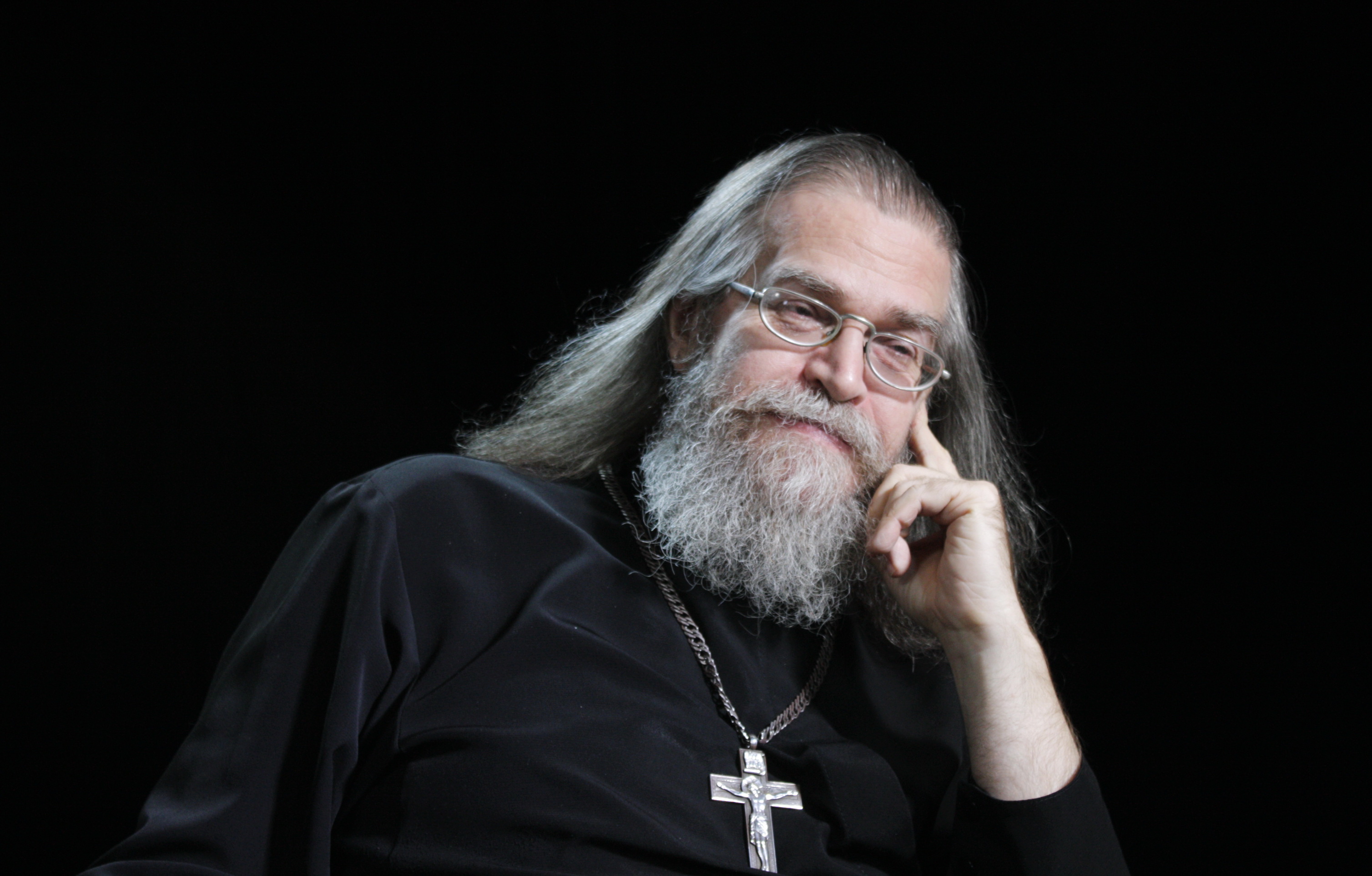

Yakov Krotov
Historian and priest, leading Radio Freedom Radio "Between Vera and Belief"
ykrotov@yahoo.com