Translated material
Violator of the principles of Zakha Hadid
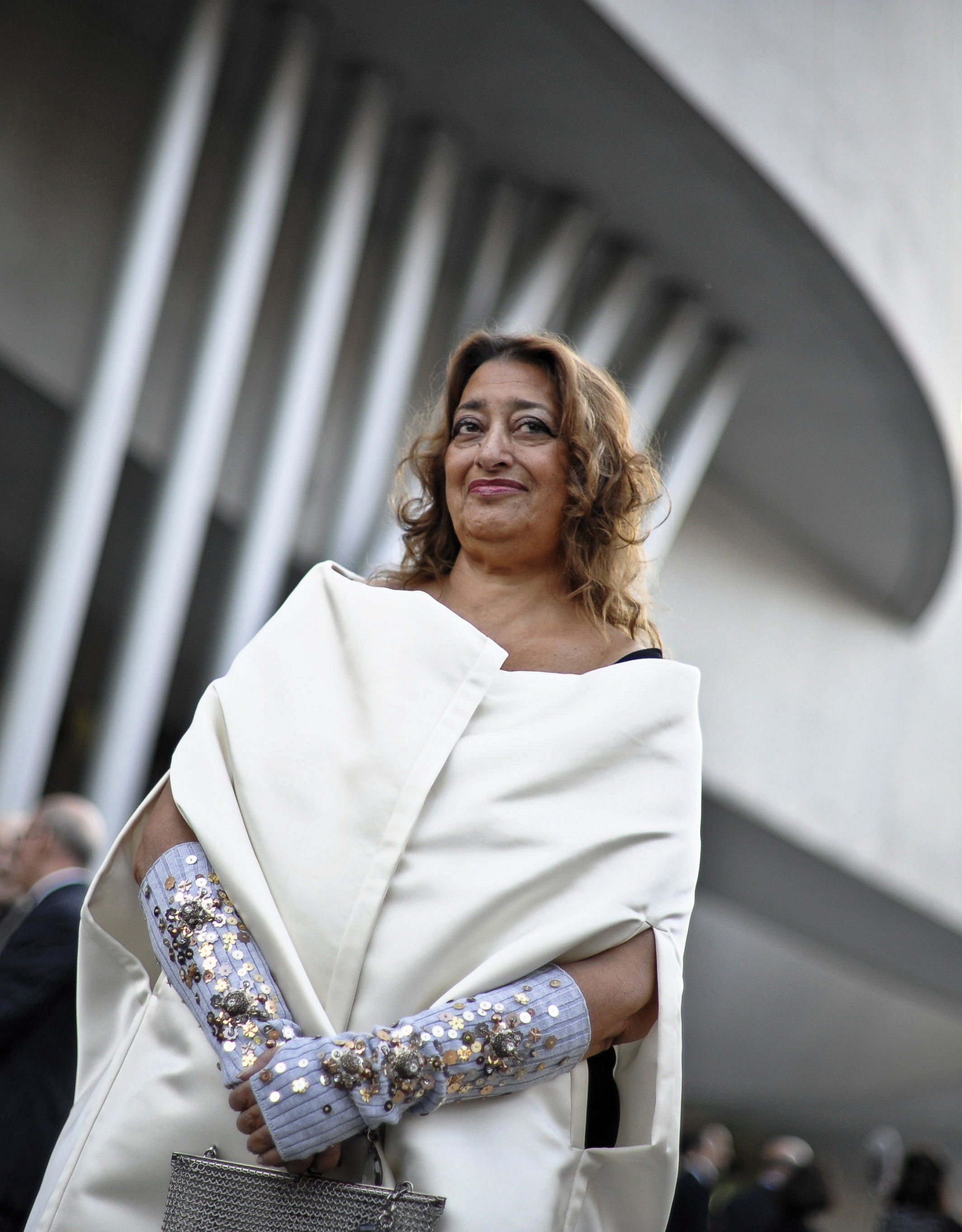
The creator of science fiction buildings, the first woman - the laureate of the Pritzker Prize, died at the age of 65
Zakha Hadid, one of the most famous architects in the world, died on March 31, 2016 from a heart attack in a hospital in Miami, where a course of treatment for bronchitis was underway.
Hadid was born in Baghdad in 1950 in a successful family of an Iraqi industrialist, who was educated in the West and led one of the liberal parties. Later, after Saddam Hussein came to power, the Hadid family left Iraq.

A Muslim woman, she attended a Catholic school with a child, later studied at the panic school in England. Then she studied mathematics at American University in Beirut. In 1972, she entered AA - the school of the architectural association in London, one of the most famous architectural educational institutions in the world. There, Hadid studied with Rem Colhas, a prominent Dutch architect and theorist, and after the end of AA worked in his architectural company.
Hadid was attracted by Russian avant -garde: Tatlin, Lisitsky, Malevich. Her graduation project in AA was called "Tectonik Malevich" - it was a project of a multi -storey hotel over the Hangerford bridge over the Thames.
Her impressive spatial ideas and forms for a long time remained unrealized - later their embodiment was facilitated by the development of computer technology. Hadid is one of the stars of deconstructivism, the architectural current, freely playing forms.
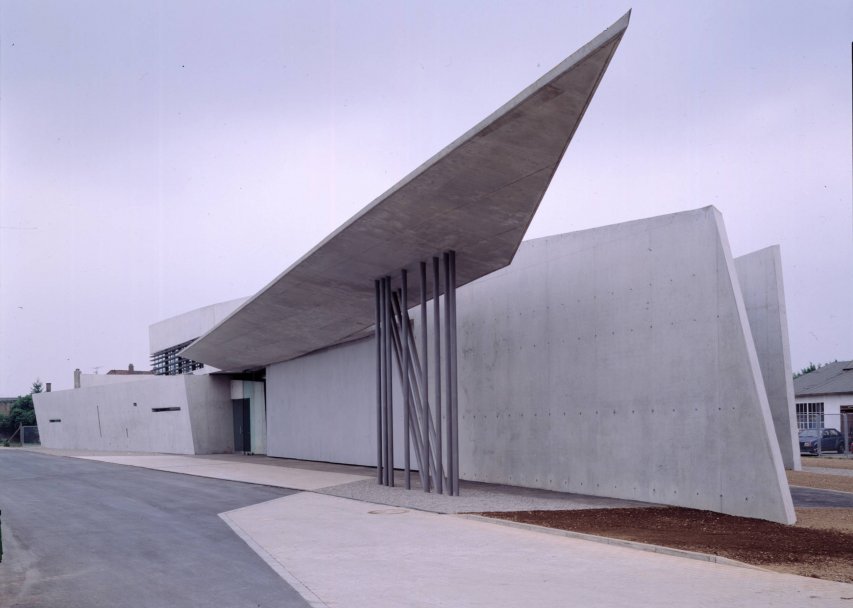
Her first implemented building was the Fire Station "Vitra" in Germany in the mid-90s. The whole of the sharp corners, the composition impressed the architectural community, and the Career Hadid went uphill (the fire department, however, left the building).
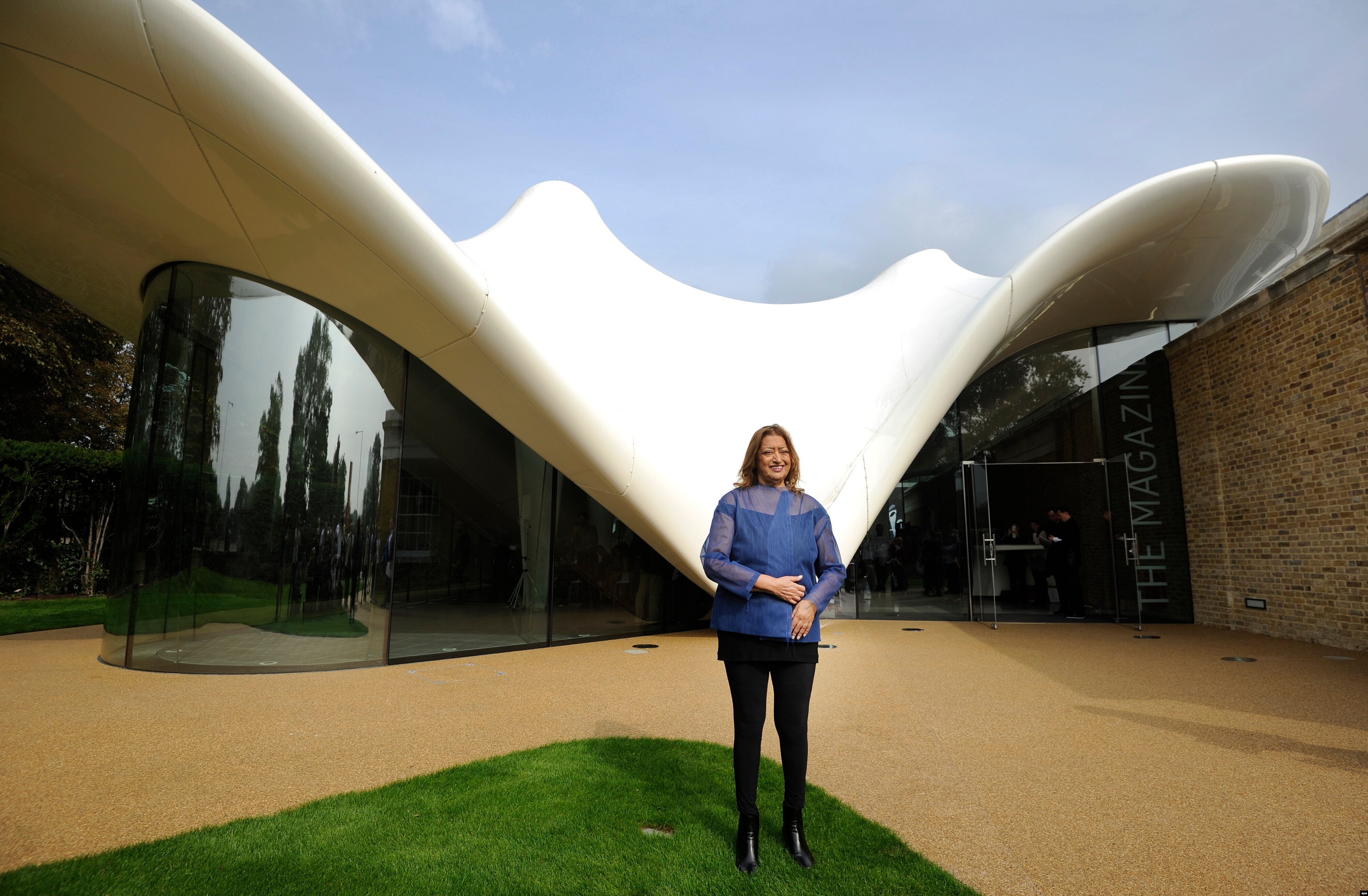
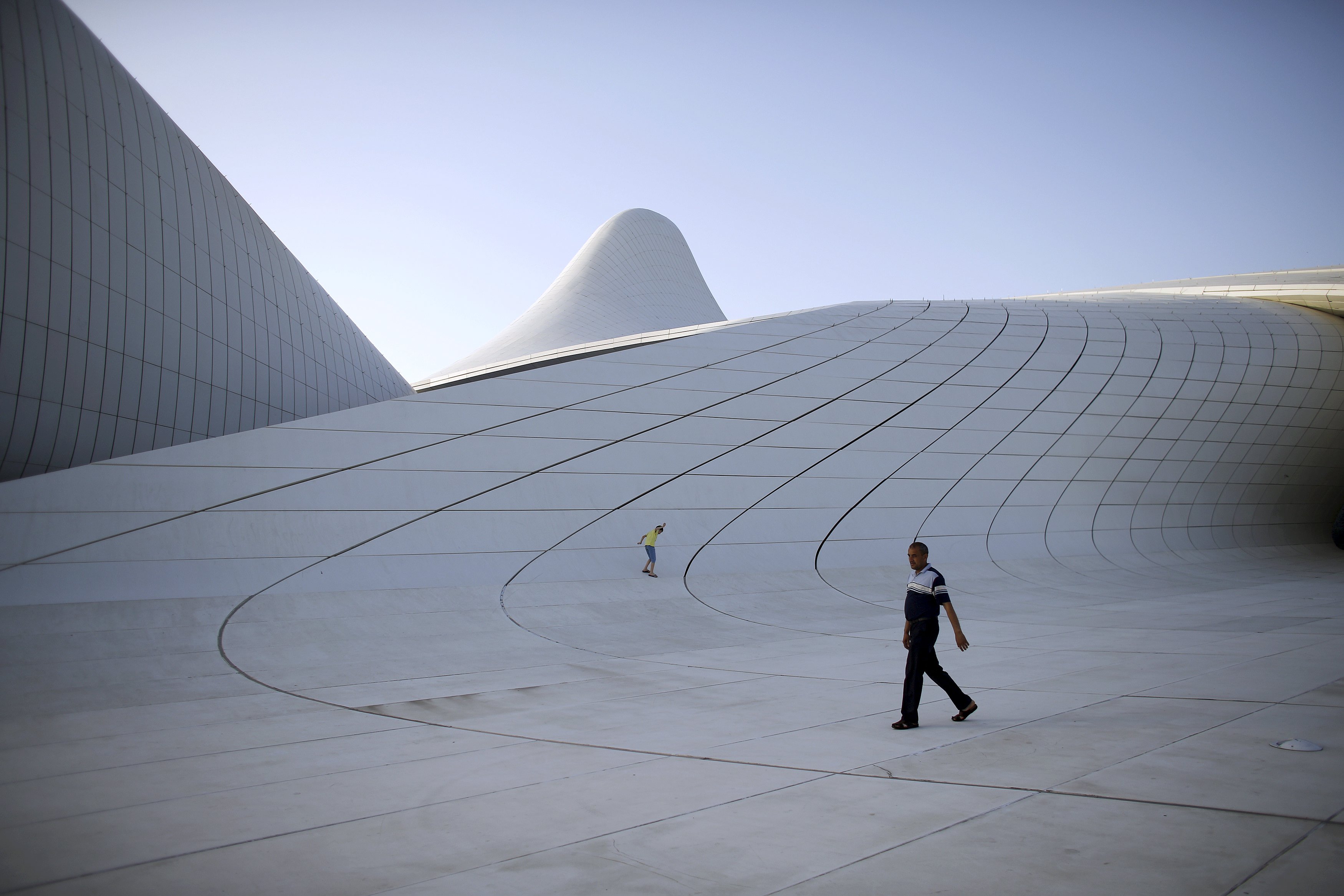
Since then, Zaha Hadid has built her extraordinary buildings around the world. Her work caused enthusiasm, sometimes protests, as, for example, during the construction of the Heydar Aliyev Center in Baku, for which, for which, as stated, people were evicted from houses demolished by force and without proper compensation.
In 2004, Khadid became the first woman awarded the Pritzker Prize, a kind of Nobel in architecture. In 2012, she was awarded the title of lady-commandor of the Order of the British Empire.
In the same 2012, in an article for Guardian, Hadid wrote:
"I made the barriers, but it was a long struggle. It made me tougher and more accurate - and maybe it is reflected in my architecture ... A woman in architecture needs confidence ..."
About Zaha Hadid and deconstructivism - architectural historian and culturologist Vladimir Paperny :
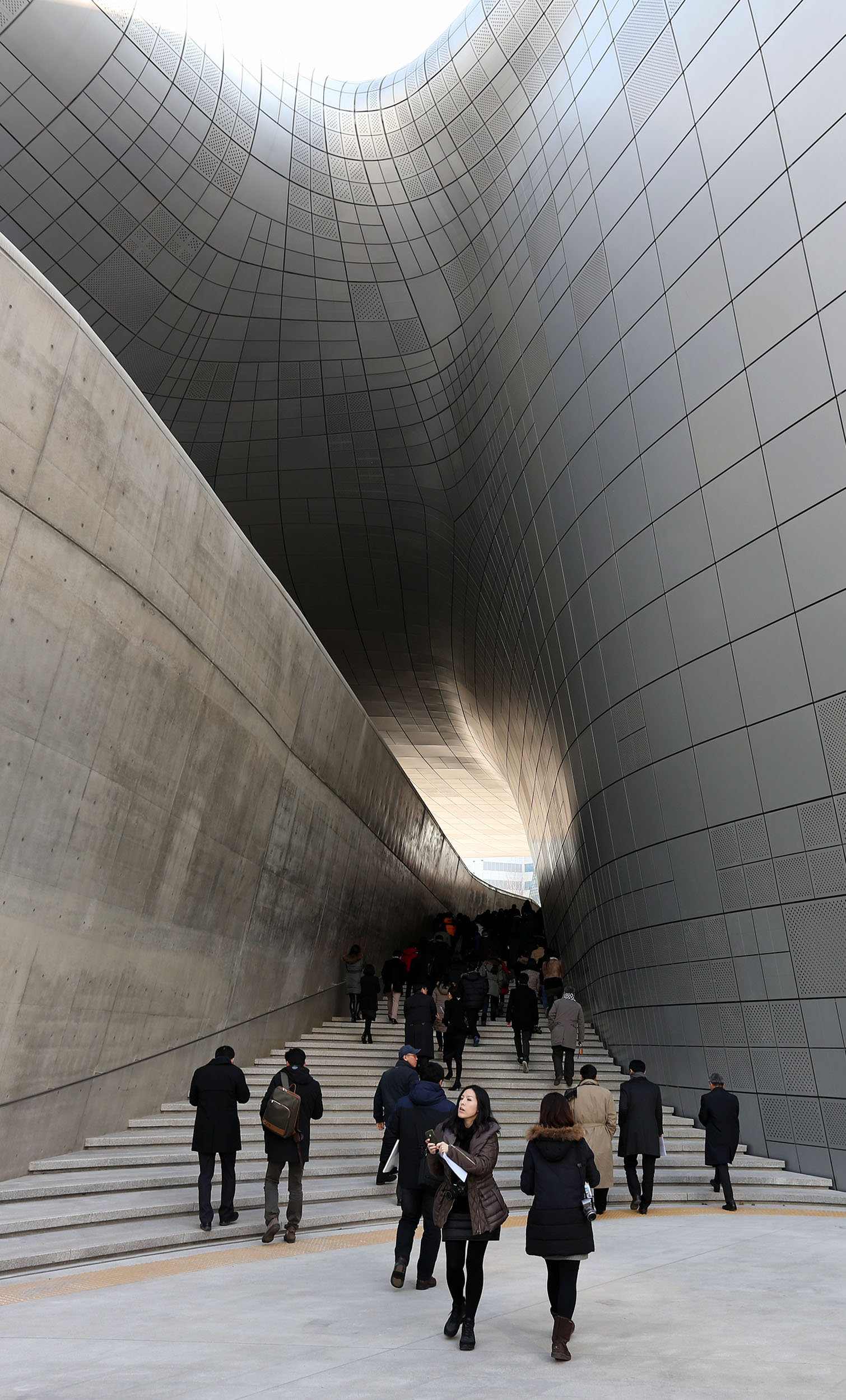
Woman
This is a woman who managed to break through almost into the hermetic world of male architecture, which for many centuries has been almost unavailable for women. And the fact that she managed to break into this world, to receive the Pritzker Prize - the equivalent of the Nobel Prize for architects, is a huge achievement not only for feminists, but in general for many women.
Courage
The second thing that people usually admire is an extraordinary courage. It allows itself to make extravagant forms, it allows you to violate the rules, it behaves according to its own rules in architecture, and in life - it delights many people.
Freedom
She, in principle, came to architecture from fine art, although she studied at the famous School of Architectural Association in London with Rem Kolkhas, with other famous architects. If you read Kolkhas’s memories about this school, they make a strange impression-drugs, rock and roll, strange unshaven people, hippie atmosphere and permissiveness, which in a sense is also visible in architecture, this permissiveness is possible.
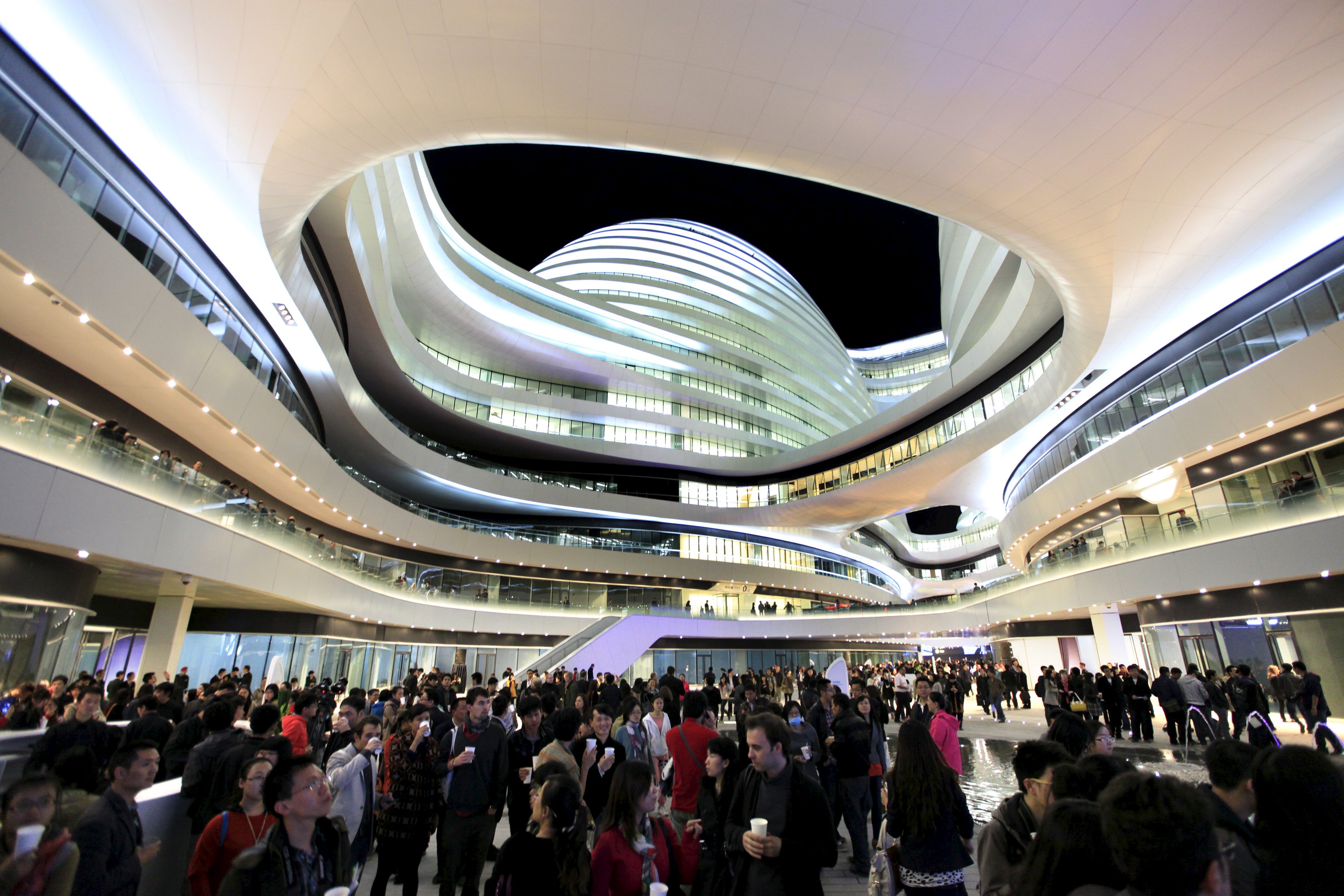
Deconstructivists
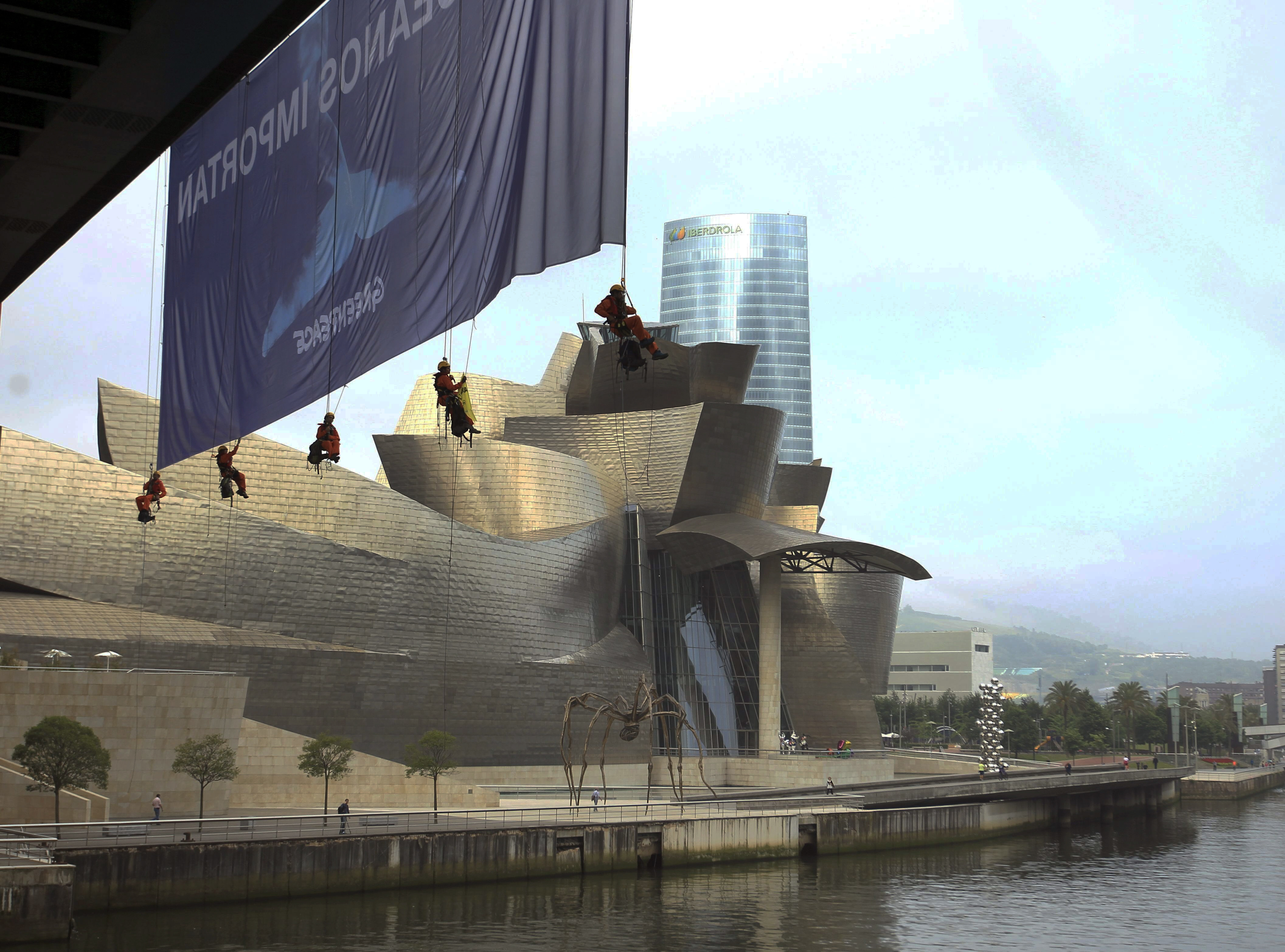
Of course, she is fantastically talented, of course, she took a step even more decisive than even Frank Gary, a man who is believed to destroy the Cartesian coordinate system, a rectangular mesh and allowed himself to create completely free curved forms. To build a building for the first time in which there was not a single right angle, not a single flat surface and a single straight line - the Guggenheim Museum in Bilbao, Gary allowed a computer program designed to design jet aircraft, because computer programs for architecture were built on a rectangular grid, and there is no this rectangular net there. Frank Gary took a very important step, introducing it to the architect’s use, now all architects use this program, and now there are many others. He opened this gateway of a rectangular mesh, it became possible to draw any shogulins, and there is an opportunity to build them.
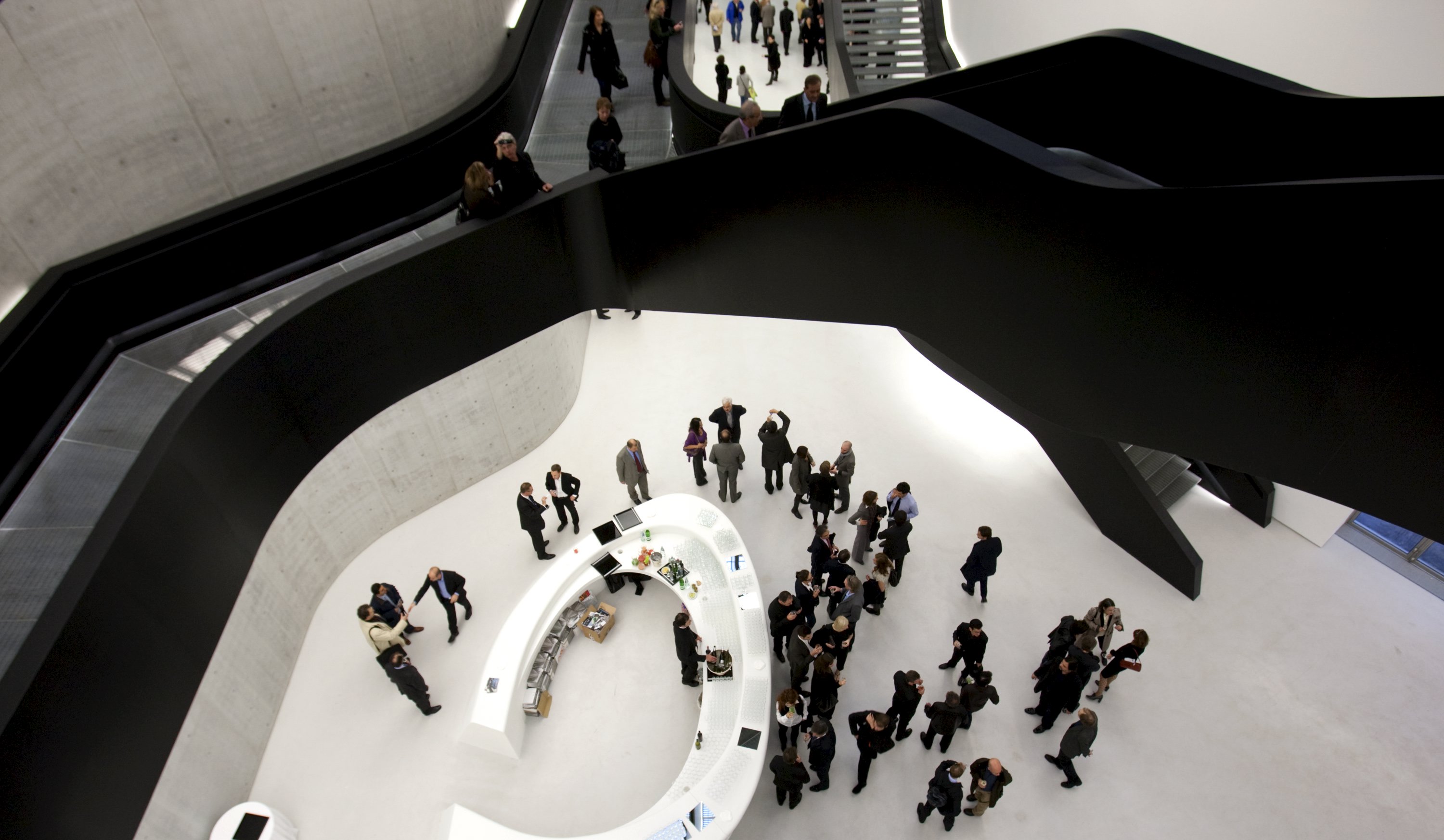
Zagulins
Interestingly, the English designer Tom Dixon, who generally came to architecture from the game on the bass guitar-he broke his hand, could not play, then he began to make furniture and gradually became a famous designer-told me that he wanted to build. When I asked him: how to build, you need to know the sopromat, materials. He says: “What nonsense. Do you think Kolkhas and Gary know the sopromat? They don’t know anything, they draw clogging, give it to an engineering company, and she finds a way to build it. So I will be the same.”
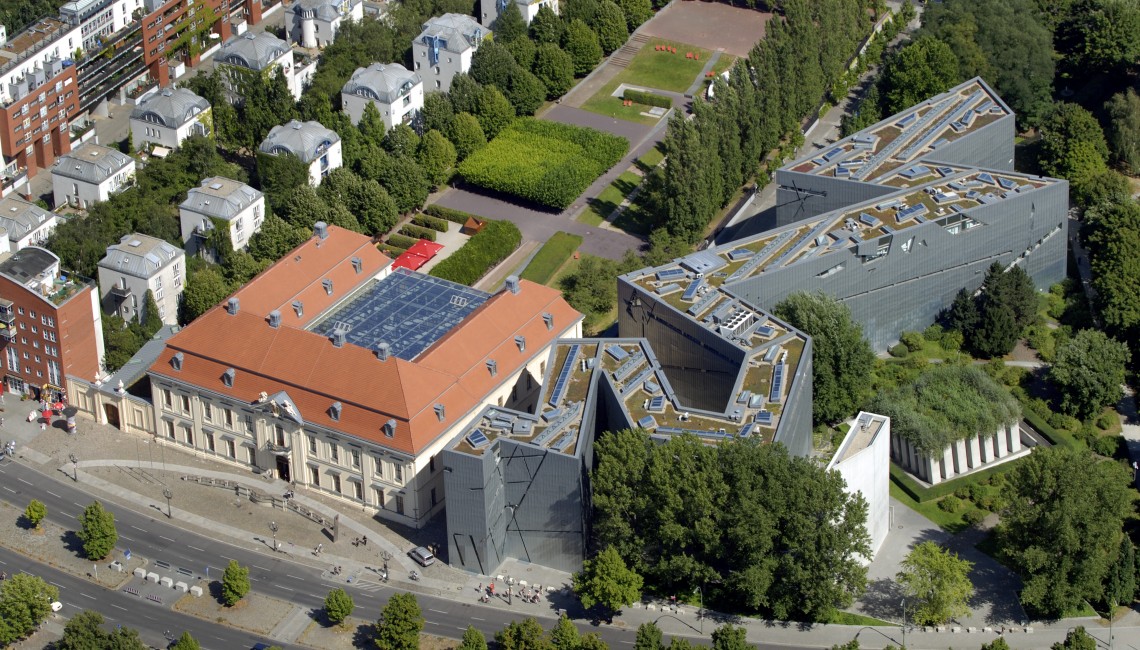
Criticism
Critics reproach the hadid's sunk and in general all this direction, which can include both Daniel Libeskind and Gary, in violation of some moral principles of architecture. Look at the Jewish Museum in Berlin Libeskind. When he was empty, it was an amazing beautiful spatial sculpture, it could be admired outside and inside. As soon as the exhibits appeared, everything collapsed. That is, it is a museum of himself, Libeskind built an amazing sculpture that glorifies himself, and not at all the history of the Jewish people. Exactly the same reproaches are presented to Frank Gary with his Guggenheim Museum in Bilbao. An amazing flower of titanium and inside is an amazing technical achievement that such curvilinear surfaces can be designed and built using a computer. But if you talk with the curators, they say that for the exposition this space is not very convenient. That is, the function is ultimately sacrificed to beauty. It can be good for art, it can be good for sculpture, but in architecture some principles are violated.
Russian avant -garde
Zakha Hadid began as a passionate fan of Casimir Malevich. In the first years, she made such variations on the topic of Malevich. Brilliant - in the sense of a sense of color, composition, understanding of movement, and so on. It was impossible to build this, and this was not intended for construction. But gradually it was necessary to somehow justify the title of the architect, she began to build. First, build in the style of Malevich, then she went into some kind of cosmic forms.
Russia
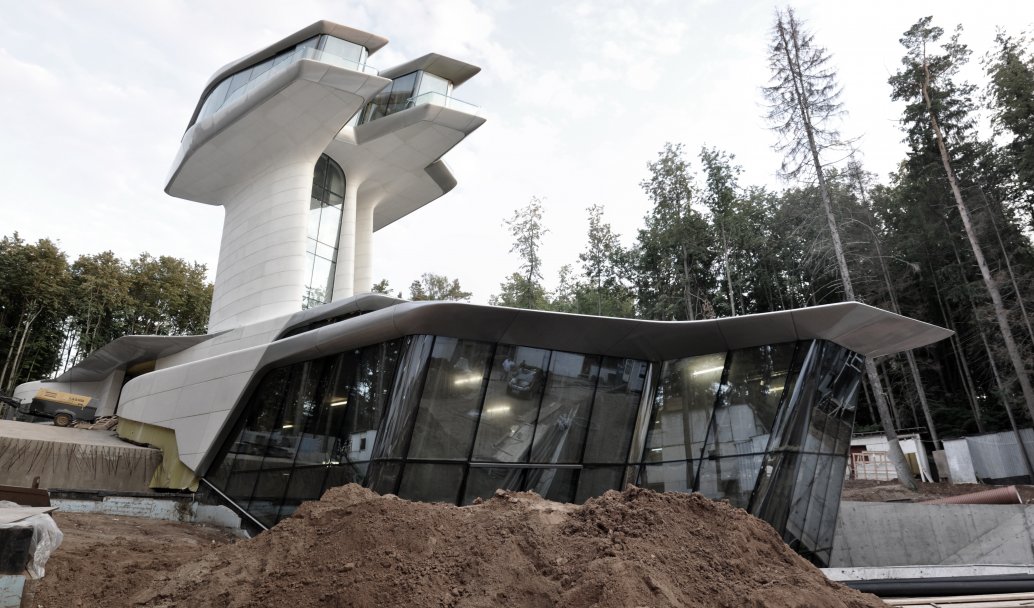
In Russia, Hadid built two objects. One is a dacha for Niomi Campbell, ordered by Doronin. Then Doronin, according to rumors, broke up with Campbell, the cottage is empty, no one needs it. The second is an office building on Sharik Podshipnikovskaya Street, very uninteresting from the outside, but judging by the photographs, I was not inside, very interesting inside. Here again one of the main principles of architecture is violated, which many modern and old architects profess: the building should begin from the inside, and from the inside - this means that with people with their needs, with their functions, with their interaction systems.

Sculpture
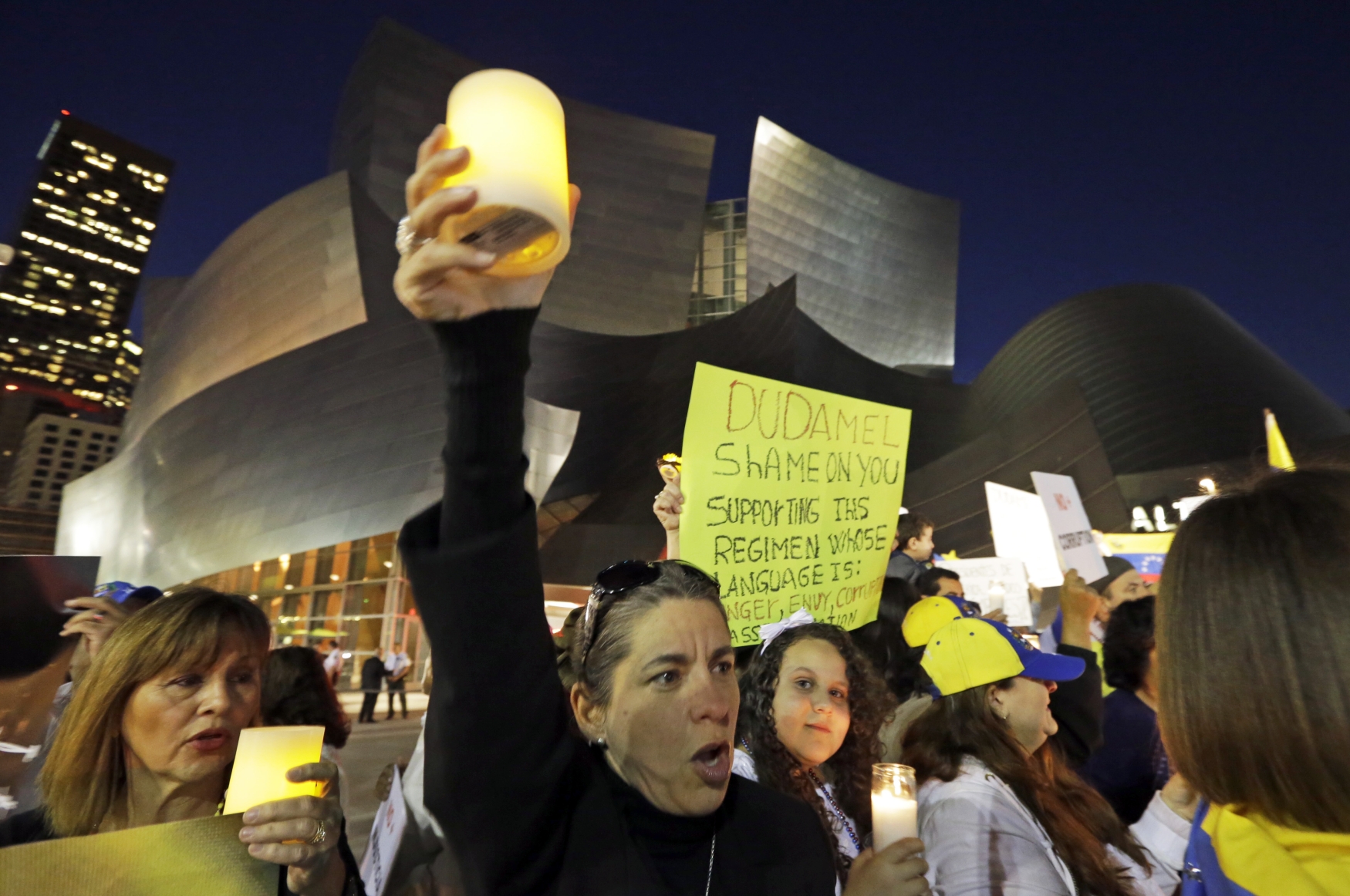
The same claim to Disney Hall Frank Gary in Los Angeles. The stunningly beautiful audience inside, the hall where they perform music is finished with wood, with phenomenal acoustics, for the creation of which they found the famous Japanese engineer. Around this hall, an amazing titanium sculpture of such forms that carry nothing, but are simply an amazingly beautiful sculpture. I bring people there, they gasp and say: my God, we have never seen anything more fantastic, unusual, sensational. But this building does not grow from the inside, as the logic of architecture requires. Because architecture differs from sculpture in that it does something for people, and here the space where you can listen to music is one volume, and a second volume has been created around it, very beautiful, having no function. Personally, I really like this building, I am happy to go there at concerts, and I go past it. But as a person thinking about architecture, I see a serious problem.
Manifesto
None of the famous architects of this direction never dared to say: I do not care about your function, I create a wonderful one. The closest to this was Frank Gary. Zakha Hadid did not seem to have made such radical statements, in any case, I do not know about them. But Frank Gary is sometimes very rude at press conferences when they ask him the question: why is such and such a function violated? He says: Leave me alone, we work and create beautiful, and you ask idiotic questions. In principle, they all say: no, of course, we take into account the function, but only the function should not be primitively understood how it was understood by functionalists, where the number of steps from the sink to the kitchen should be considered. We are not functionalists, the function should include a cultural function, emotional function, aesthetic function, functions are diverse, and we take into account all of them. We simply expand the concept of function - this is the usual answer.
Technique
I had to interview Gary, Colhas and many others, but I did not meet Hadid, so I don’t know in detail how it works. Firstly, after AA, she certainly has some level of technical knowledge. In addition, I am sure that she herself does not need to press the buttons on the computer. Gary, for example, does not know how the computer turns on, and he does not need it: he knows what he wants, he leads people who are engaged in programs. Gary, for example, does not draw, he sculpts from plasticine, from crumpled paper, he immediately starts with three -dimensional ideas. Zaha draws, and draws masterfully. I just don’t know if it is the stage of three -dimensional sketching, which is very important for Gary. In fact, this does not matter much, because she is still an architect, not an artist, if she draws, she immediately sees this form in space.