
Translated material
Syria: The threat of a truce
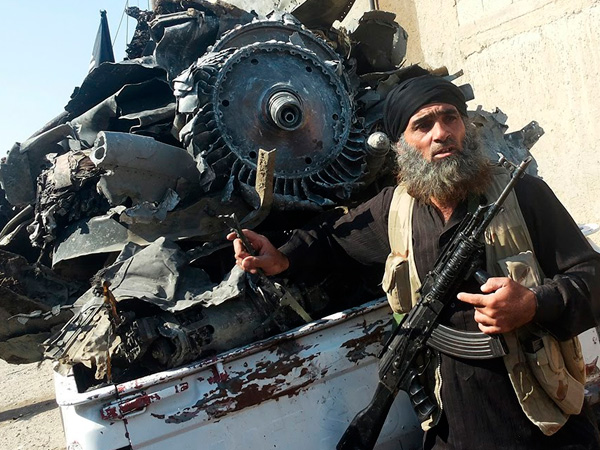
On Tuesday in Syria, near Aleppo, militants shot down a Syrian military aircraft. This happened near the front line, where there are battles with the militants of the Ang Nusra group, the al-Qaeda unit, recognized along with the Islamic State with terrorist power (organizations are prohibited in the Russian Federation). The media discuss this as one of the symptoms that the truce, which was acting in Syria in March, one way or another, may be at risk.
Washington Post comments that, judging by the incoming information, the aircraft really shot down the militants of the terrorist group, although the Syrian militants supported by the West also have the corresponding weapons. The Ang Nusra front ignores the peacekeeping process and is trying to expand its control over the territories-especially after the group was refused to participate in negotiations on the basis of its Islamic relations.
Also, in connection with this event, the author recalls that “Turkey in November shot down a Russian fighter over the territory of Syria, and this incident radically increased confrontation, which turned into an indirect conflict between world powers”, in which the West and its allies support the rebels, and Russia and Iran support the Syrian President Bashar Asad.
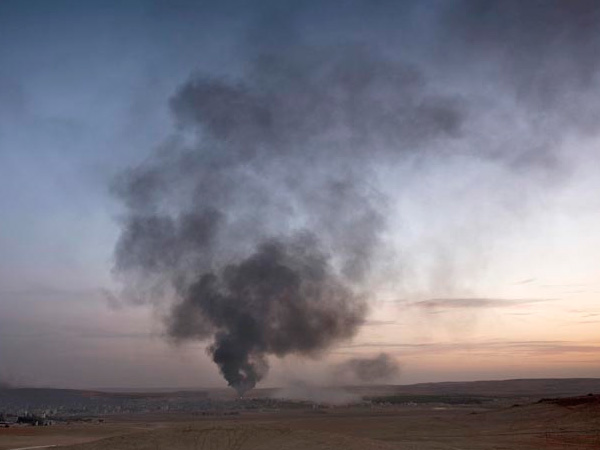 Burning plane of the Syrian armed forces. Photo: YouTube.com
On February 27, a rather shaky truce has been established, but now the situation is beginning to aggravate. This, in turn, threatens to undermine the movement to stabilize that began, the impulse to which was set by negotiations in Geneva, who took place in March. Then they ended on a relatively optimistic note: few expected that the ceasefire would really be observed. Nevertheless, minus some violations, a truce acted.
A little earlier, the Financial Times wrote that the act of al-Qaeda militants, who began the attack on the forces of Assad in the north of the country, threaten a shaky truce in Syria to regain the territories that have passed under the control of the government.
In general, the opposition, comments on FT, has come to life somewhat since Russia announced the withdrawal of troops and that it will now mainly support the operations of the Syrian government against the IG. The rebels are now motivating their blows near Aleppo (violating the conditions of a truce) by the fact that they simply react to attacks from the regime.
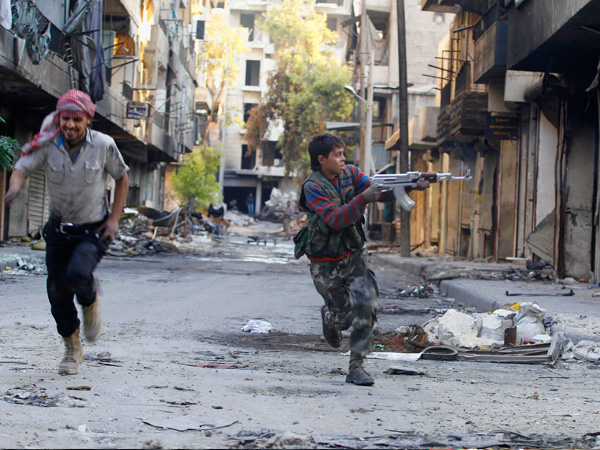 Fights in the Aleppo area. Photo: YouTube.com
In the instability of the situation, notes FT, both the government and the rebels are equally to blame. In particular, these are rebels who are fighting with the support of Al-Qaeda. A special revitalization is observed precisely in the Aleppo area, where after the offensive of government troops with the support of Russia, the opposition was on the verge of defeat, but now the territories have begun to rebbing. How quickly they do this, suggests that the government’s armed forces, when Russia does not support them, are quite ineffective. In principle, it stipulates FT, Moscow could again direct its air reinforcements to Assad’s help so that it would fix its position, but most likely it would not do this. It is more likely that Russia will keep the Syrian president under pressure to make him more flexible during peace negotiations.