
Translated material
Ural forced
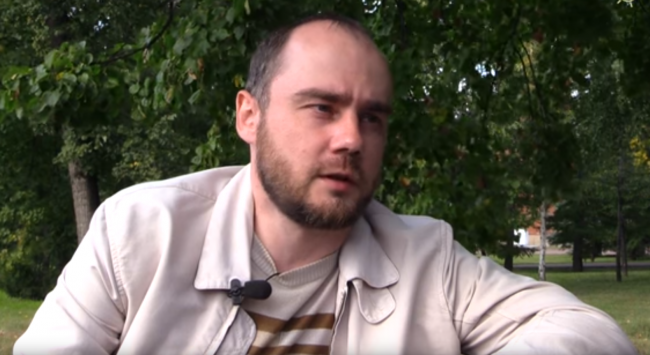
For several months now, in the regional clinical specialized neuropsychiatric hospital No. 1 of the city of Chelyabinsk, Alexei Moroshkin, sent there for forced treatment. The case of calls for violation of the territorial integrity of the Russian Federation (which appeared at the end of 2013 against the backdrop of events on the Maidan and gaining more and more popular Art. 280.1 of the Criminal Code) was instituted to Moroshkin. The reason was his posts on the VKontakte social network about the need to create the Ural People’s Republic, which he wrote under the pseudonym Andrei Bray.
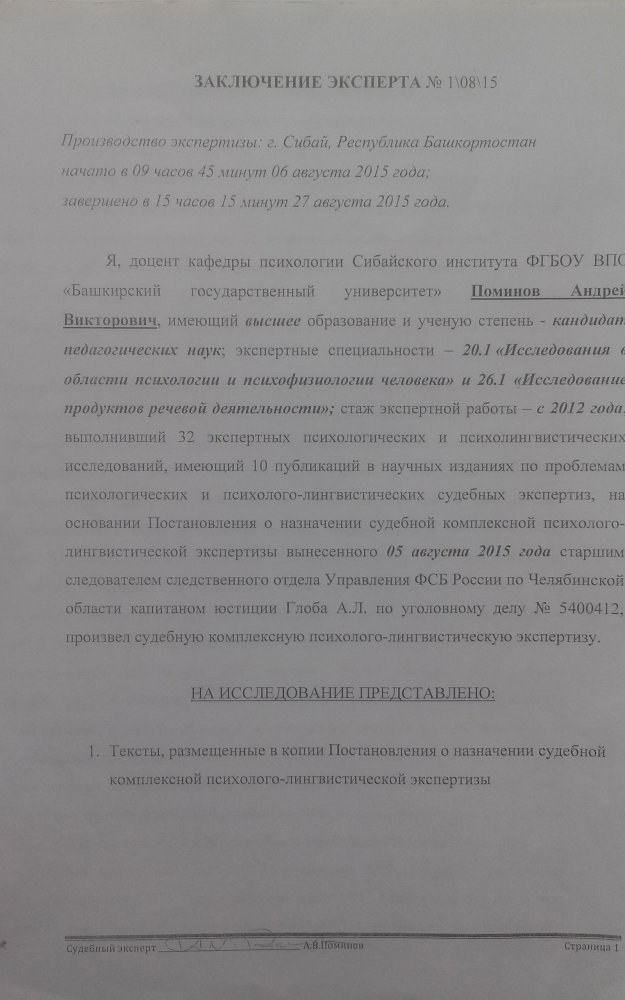
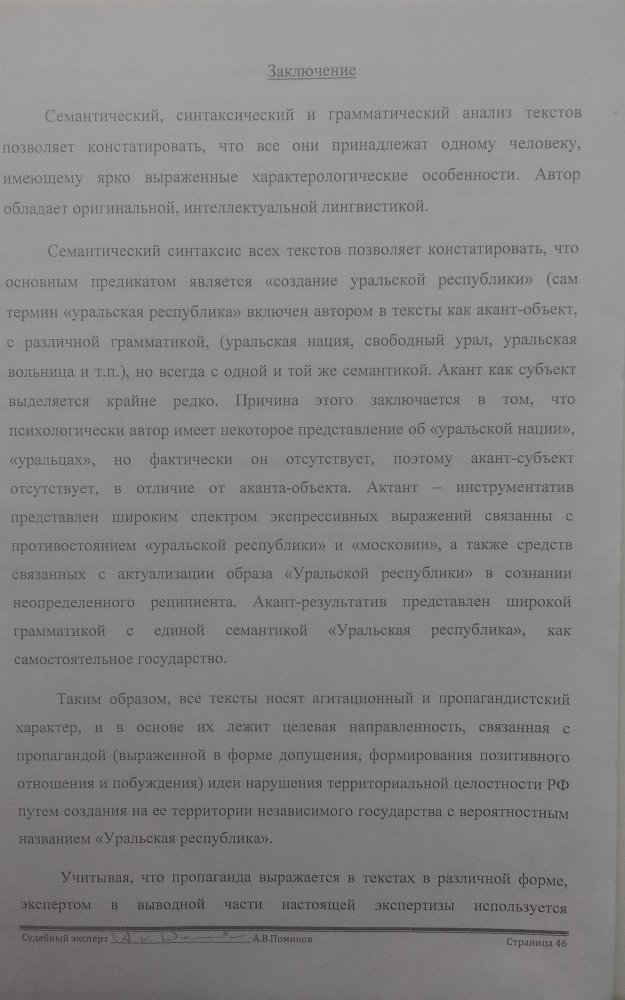
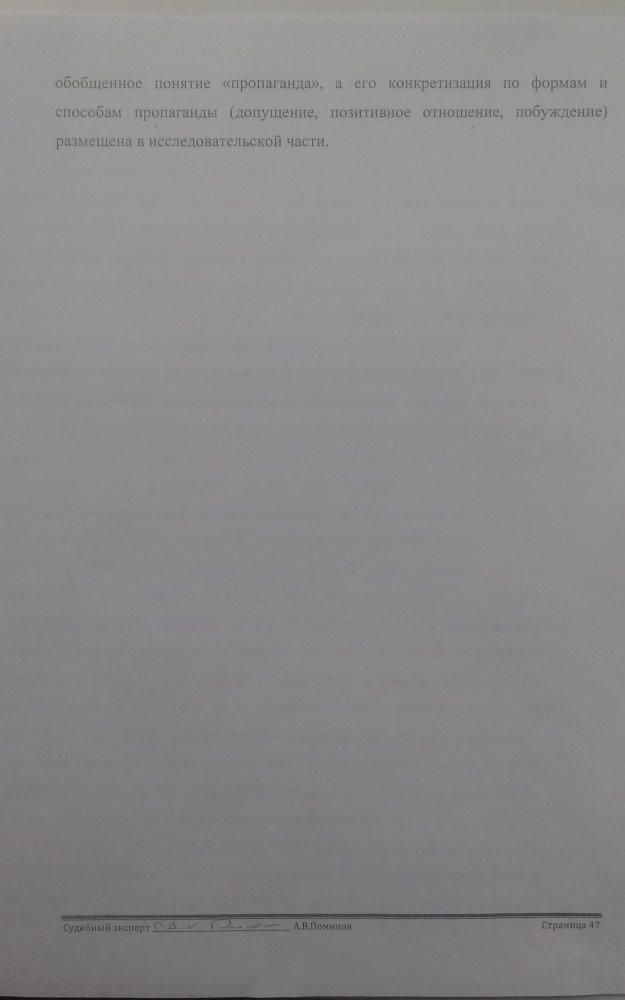
With a search to Moroshkin came on August 10, 2015. It was carried out by the employees of the local FSB and the Center for Combating Extremism with the support of special forces. In addition to the posts of the Urals Republic, Moroshkin was charged with a pro -Ukrainian position and criticism of the Russian authorities in connection with the events in eastern Ukraine. The posts on his own page, as well as in the group created by him “For the Fighting Ukraine! For the free Urals! " (Currently, access to both pages is blocked). A linguistic examination of Moroshkin’s entries was conducted, the text of which causes some doubt about the competence of those who conducted it. In particular, it is argued that the author of posts has “pronounced characterological characteristics” and “has original, intellectual linguistics”. In addition, in conclusion, the term “acant” is used several times-apparently, this refers to the “actant” (a significant participant in the situation; once in a large paragraph this term is still written correctly). In addition, the expert concludes that there are calls to violate the territorial integrity of the Russian Federation in Moroshkin’s statements, although the expert does not have such rights-whether there are only a court in someone else's actions in someone else's actions.
 Meanwhile, a year and a half before, Moroshkin was one of the first to support the idea of joining Crimea to Russia: on March 2, 2014 he arrived on the peninsula and joined the ranks of the pro -Russian militia. Then he went to Kharkov, where he participated in the assault on the local administration, and from there to Donetsk - there he spent some time in the Vostok battalion. Moroshkin spoke about this experience and disappointment in Russian Spring in an interview with open Russia.
In mid-September, Moroshkin, who was under the subscription of the lower-off wizard, managed to move to Ukraine , and immediately after that, as he told the Internet publication “The City. RU ”, FSB officers from Moscow arrived in Chelyabinsk and conducted a new search in his apartment. He did not exclude that the persecution may be subjected to the Ukrainian authorities.
Already at the end of September, Moroshkin returned to Russia. On the night of September 26, he was detained in Bryansk. From here he was transported by car to Moscow, to Sheremetyevo Airport. As his mother Tatyana Moroshkina told the OVD-Info, they put a bandage to his eyes, tied his hands with tape behind his back, beat on the road on the road and demanded that he confessed to a new crime-painting a bust of Lenin in Chelyabinsk in the colors of the Ukrainian flag. In 2015, Lenin’s there was painted twice - in April and September. The suspect in the first painting Ivan Gilmutdinov pleaded guilty, going to the agreement with the investigation. At this time, he was already in jail on charges of committing other crimes. For the second time, Lenin was painted shortly after the news appeared about the disclosure of the first “act of vandalism”. The message about the coloring of the bust of the leader was one of the first to appear in the Moroshkin group “For Fighting Ukraine! For the free Urals! ”
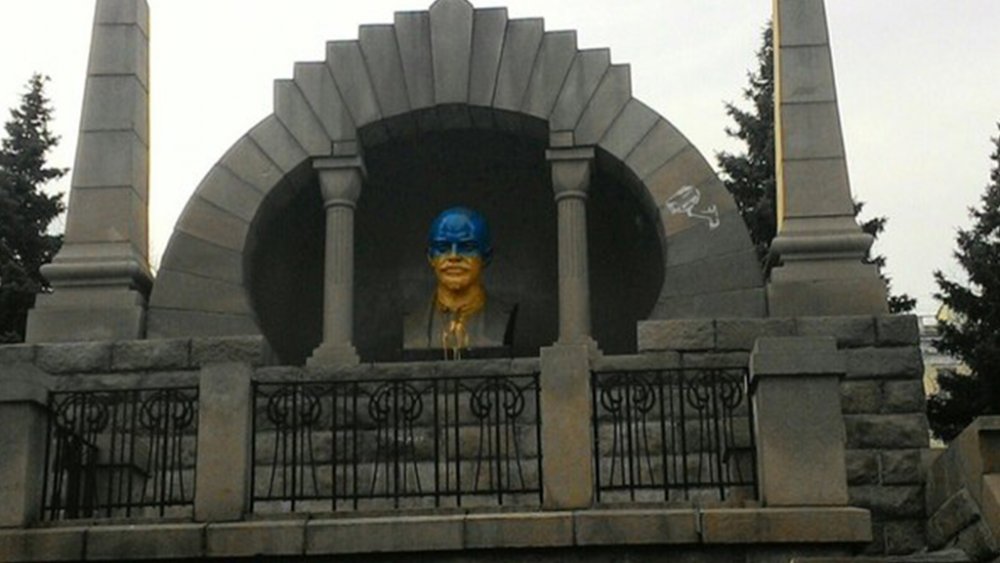
At the airport, he was also driven with blindfolded eyes and with wrapped hands. They wanted to put in some duty room on the territory of the airport, but the employee there said that they have only people who have committed administrative offenses. From Moscow, Moroshkin was delivered to Chelyabinsk - first to the center for counteracting extremism, then to the Federal Security Service. Since the detention in Bryansk, he was not allowed to eat for three days and sleep. The state lawyer called for interrogation immediately told Moroshkin that Lenin was dramatically negative about painting the bust and would not protect him, but came only because “even such” the lawyer was laid by law. Then Moroshkin was placed in pre -trial detention center No. 7. This investigative insulator was previously under the jurisdiction of the FSB, but a few years ago the FSIN was transferred. Nevertheless, according to a member of the local public observation commission Tatyana Schur, he remains under the unofficial control of the FSB. Moroshkin was kept in a single chamber. According to his mother, operatives constantly came to him and said that he would be accused at once in two articles - calls for separatism and vandalism. Tatyana Moroshkina was called to persuade her son to admit the guilt of coloring the monument. At the same time, they promised that even if he does not admit guilt, there were two witnesses who would testify against him. According to his mother, he was offered to say that the bust was painted not in support of Ukraine, but rather against Ukraine and Lenin, "who at one time created this Ukraine." However, things were not united in the end, and the case of vandalism has not yet reached the trial.
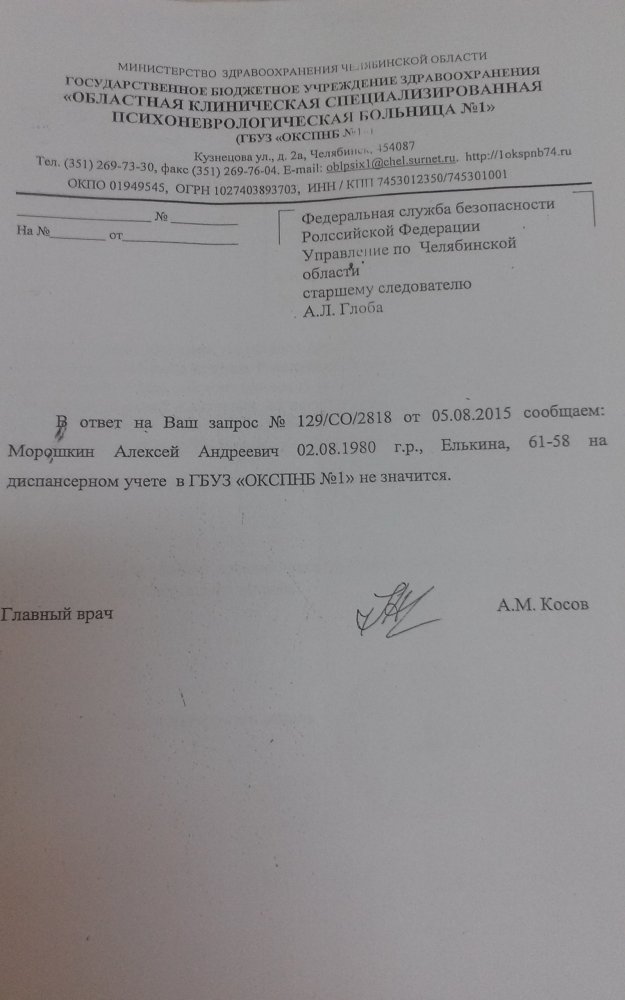
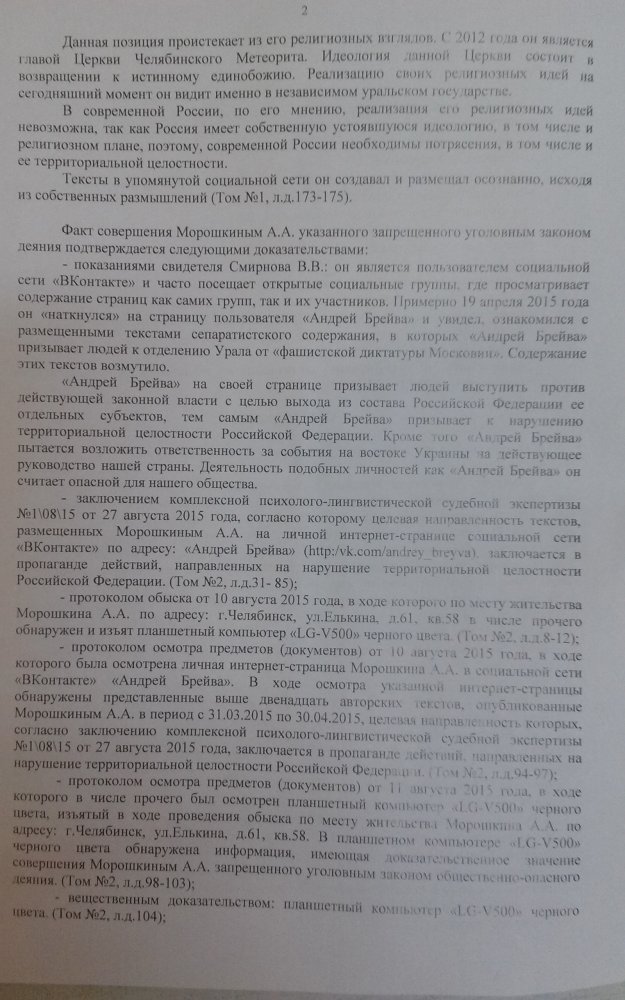
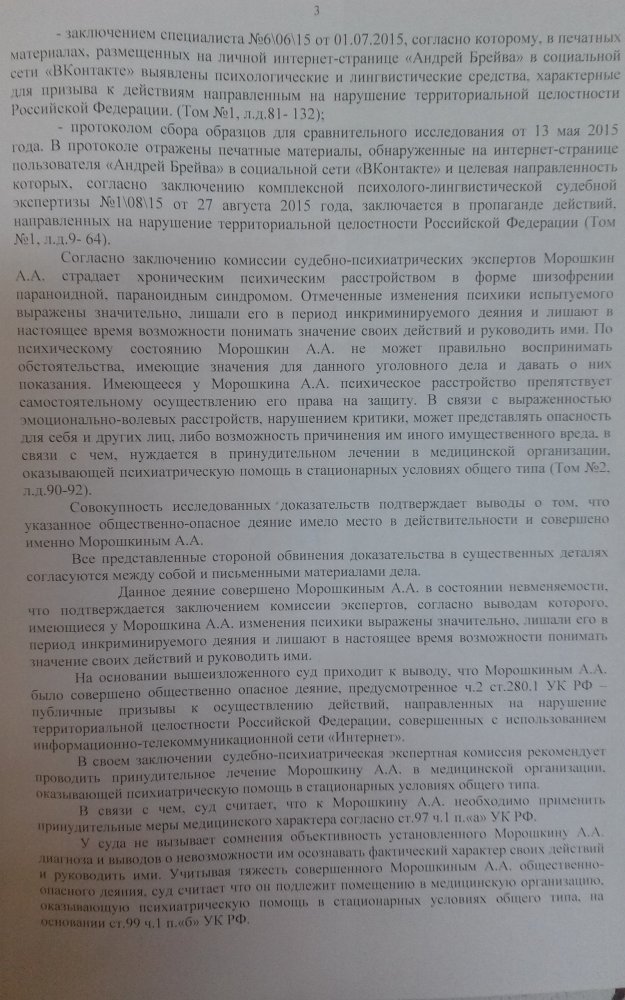
In the case of calling for separatism, the results of a psychiatric examination, which was carried out in August, played a key role. According to Tatyana Moroshkina, the conversation of her son and a specialist took only five minutes, otherwise the authors of the examination refer to the case file and the medical certificates provided (such a psychiatric examination is precisely and bears the unofficial name “five -minute”). Earlier, Moroshkin was not registered with a psychiatrist, the paper indicating this is also in the case. For a long time, he was diagnosed with epilepsy, about which the family twice turned to a private clinic. These certificates also got into the case, but the forensic experts diagnosed him with paranoid schizophrenia with the formulation of “nonsense of religious reformation”. The reason for this, apparently, was network publications and interviews of Moroshkin, dedicated to the Virtual Church of the Chelyabinsk meteorite invented by him. In 2014, he, having declared himself the rector of this church, demanded that the regional authorities transfer him to followers the Chelyabinsk meteorite, which fell on February 15, 2013 to Lake Chebarkul, and insisted on installing a meteorite in the regional center of the temple.
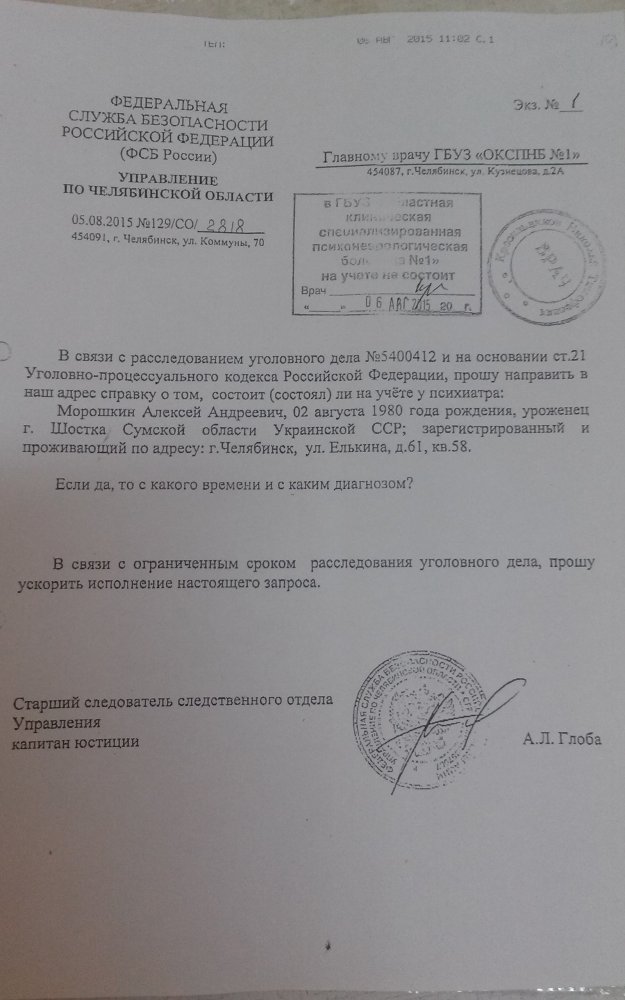
From the conclusion of experts it follows that Moroshkin suffers from childhood with a chronic mental illness, in connection with which he was issued a free visit to the school. Meanwhile, his mother claims that he had a free visit because of rheumatism. Moroshkina tried to achieve another examination. But the state lawyer, according to her, did not even contact her about this. Later, the lawyer changed, but the new defender with whom Moroshkina entered into an agreement was, according to her, purely symbolic.
Moroshkina said that she did not agree with the examination. They began to threaten her. According to Moroshkina, she was told: "He will not only receive such a disease, which you want to dispute, there are many other diseases, and generally think about what it will come out of there, or even will not come out at all."
On October 29, Alexei Moroshkin was transferred to pre -trial detention center No. 1. When the initial period of arrest - two months - expired, the court extended it for another six months despite the arguments of the defense.
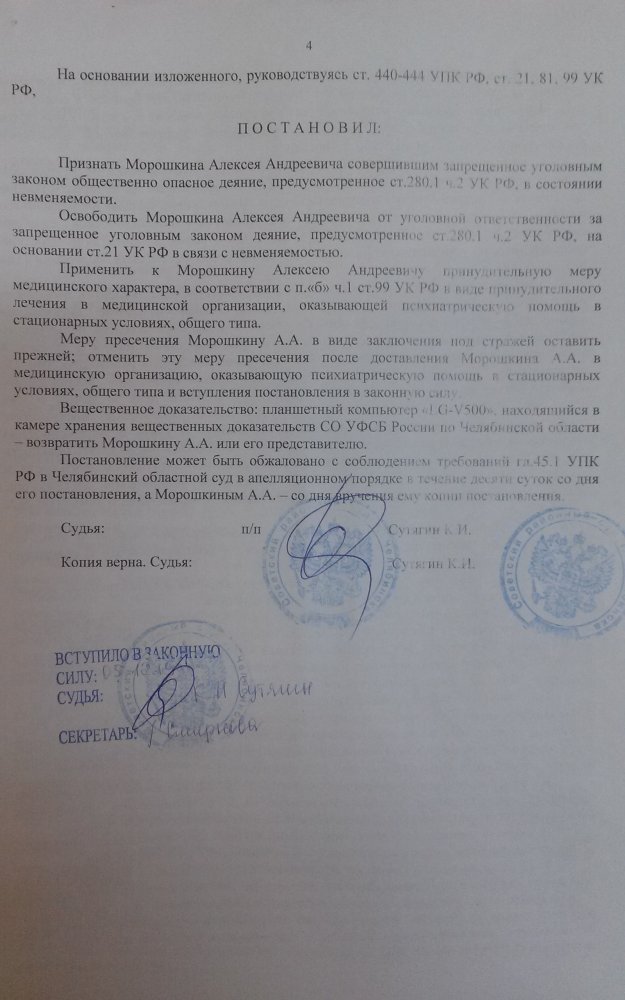
On November 19, 2015, the Soviet District Court of Chelyabinsk freed Moroshkin from criminal liability and decided to send him to a psychiatric hospital. On November 27, he was placed in the medical unit of the pre -trial detention center (the so -called “fool”), where he was together with the accused of serious and especially serious crimes suffering from a mental disorder. “Without water, without a toilet, and even on a cot,” Tatyana Moroshkina describes the conditions in which her son found himself. “Double standards are obtained: in the FSB pre -trial detention center, he was not considered sick,” she notes. In conditions of constant pressure, the family decided not to file an appeal. Moroshkin pleaded guilty. Since December 10, he is in a hospital.
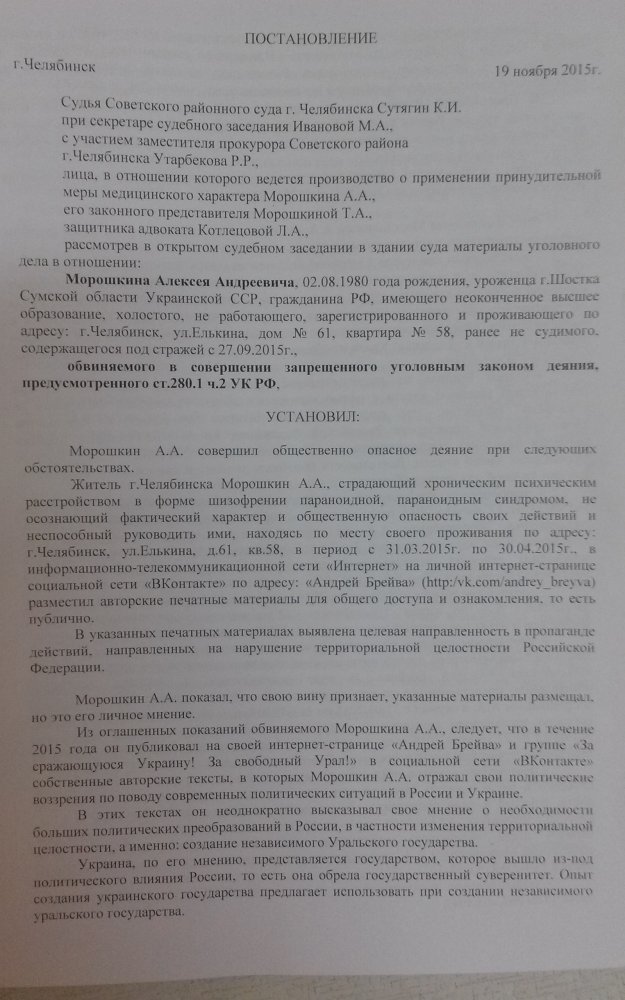
At first, Moroshkin’s mother promised that after six months the son could leave the hospital, and then the diagnosis may be removed. However, later she was told that, according to the prevailing practice, after six months there would be a length of the term for at least a year. “Ordinary patients, not“ lure, ”are one and a half to three months,” Tatyana Moroshkina notes.
The case of vandalism is still at the investigation stage. Representatives of the organs of Moroshkin in the hospital did not attend. According to the mother, he is currently in normal condition.
As for the article on calls for violation of the territorial integrity of the Russian Federation, it is used to persecute for almost any statements about the possibility of separating one or another region from Russia, and not even implying any aggressive actions. Several cases have been instituted in connection with such statements about the Crimea. Karelian deputy Vladimir Nakarkin was sentenced to a fine for an offer to hold a referendum on the department of Karelia. On March 30, in Krasnodar, the verdict was upheld by the activist Daria Polyudova, who, in particular, accused of a parody of the possibility of joining the Kuban Ukrainians to Ukraine (the case under the same article was instructed to the same content on the territory of Ukraine Krasnodar psychologist Peter Lyubchenkov ). In the case when a discussion of the need for separation of the territory is accompanied by calls for aggressive actions, a person can be accused of two articles at once - not only under Art. 280.1, but also under Art. 280 of the Criminal Code (calls for extremist activity), as in the case of a resident of Tver Andrei Bubeev : for two articles he immediately earned a repost of the text of the radical publicist Boris Stomakhin. Of all the texts of Moroshkin-Bray, copies of which remained in the public domain, only one is connected with aggression, but he only calls for the Urals to fight back if a “punitive operation” is carried out in the territory of the “future Ural People’s Republic”.
Forced psychiatry cannot be called the often used tool in the field of political persecution in modern Russia. The case of exemption from punishment and sending to a psychiatric hospital has recently been known for recently - this was what Mikhail Kosenko , who, unlike Moroshkin, was registered with the dispensary, but by the time of the beginning of the criminal persecution of exacerbations for more than ten years, he did not have been registered with Morozhkin. Experts invited by the investigation made Kosenko the same diagnosis as Moroshkin - “paranoid schizophrenia”, despite the fact that the initial diagnosis was “sluggish schizophrenia”, which is now officially called schizotypic disorder and schizophrenia is not considered at all. In the hospital, Kosenko spent about three and a half months.
On the other hand, it is regularly known that people without proper grounds are sent to a psychiatric examination to hospitals and specialized centers. The most high -profile story is connected with the artist Peter Pavlensky, the case of which was instructed for a promotion with a fabric of the FSB building in Moscow: for about a month he stayed in the Center of the Serbian Judicial Psychiatry, where no one was allowed to him.