
Translated material
Hybrid referendum as a cover
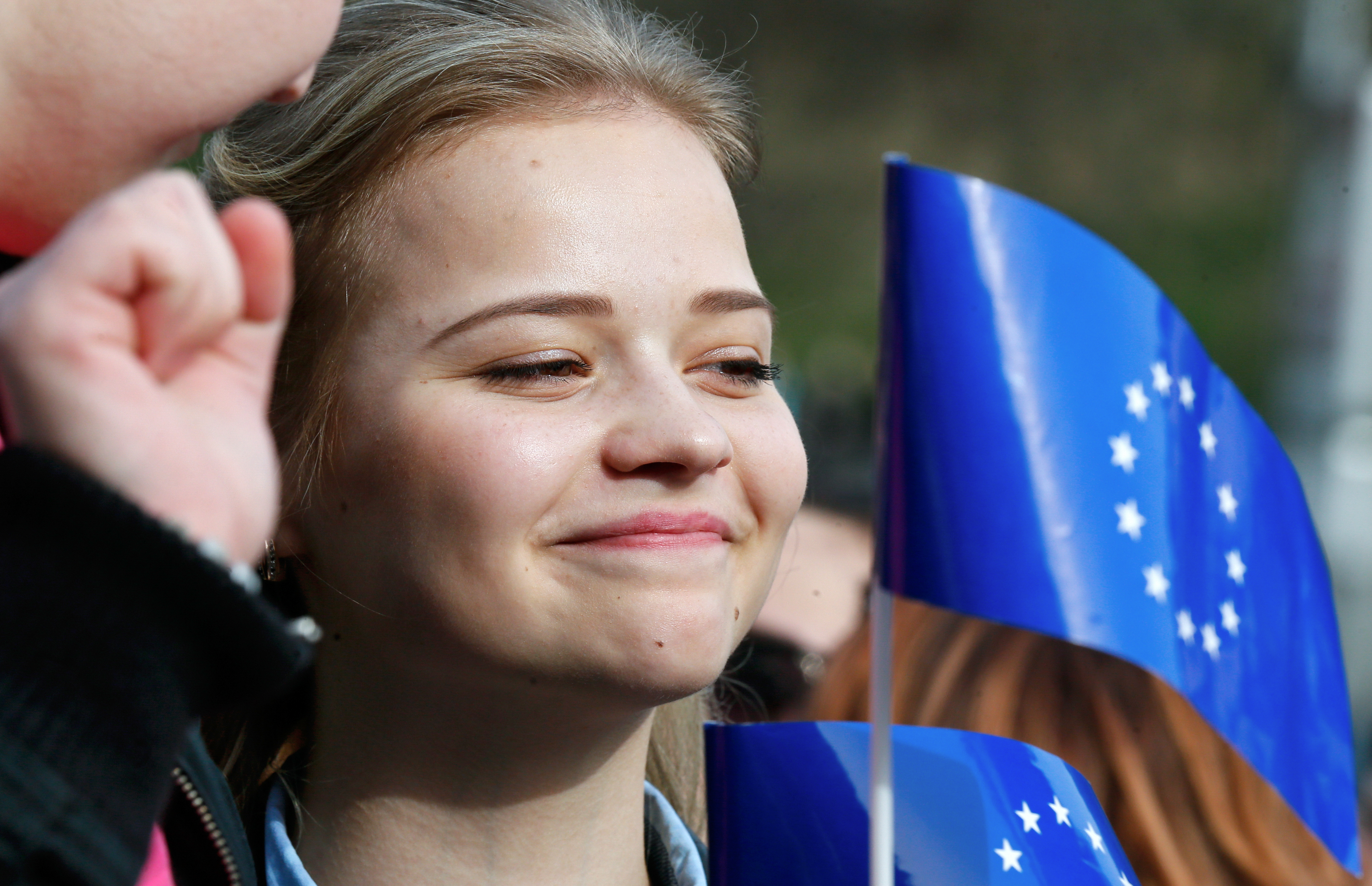
A referendum on the Association of the EU and Ukraine in the Netherlands is used to "strengthen anti -European sentiments in the country"
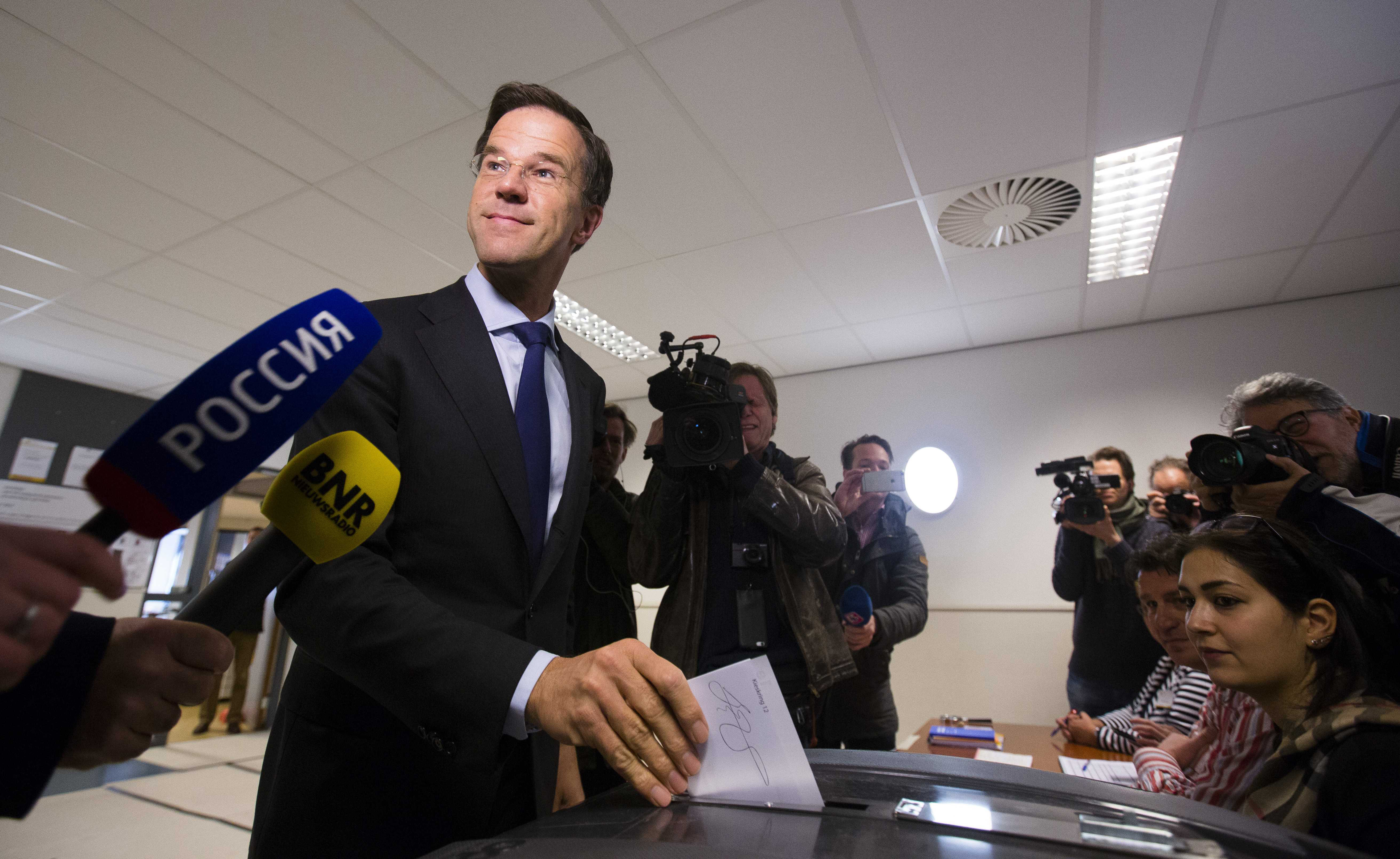
On Wednesday in the Netherlands, a nationwide referendum takes place, in which subjects of the kingdom can speak for or against an agreement on the Association of the European Union with Ukraine. Meanwhile, as the referendum organizers themselves admit, they used the Ukrainian topic only as a cover.
Over the past few weeks, it was possible to attend events on the Ukrainian topic every day and evening: debates, films, books of books, concerts. On the other hand, Ukraine in the Dutch discourse has turned into a certain simulacra, an inflatable construct that is interesting only in the context of a referendum. The latter is exactly in accordance with the idea of its organizers. The other day, on the pages of the leading Dutch newspaper NRC Handelsblad, they stated that Ukraine was “before the light bulb”, that it was taken only as a suitable reason to collect signatures about the first nation -wide referendum and that its real goal was to concentrate and canalize the anti -European sentiments of the Dutch. The expert of the Independent Analytical Institute of Clingendael Toni Van der Tokht , a foreign policy specialist, former Consul General of the Netherlands in St. Petersburg.
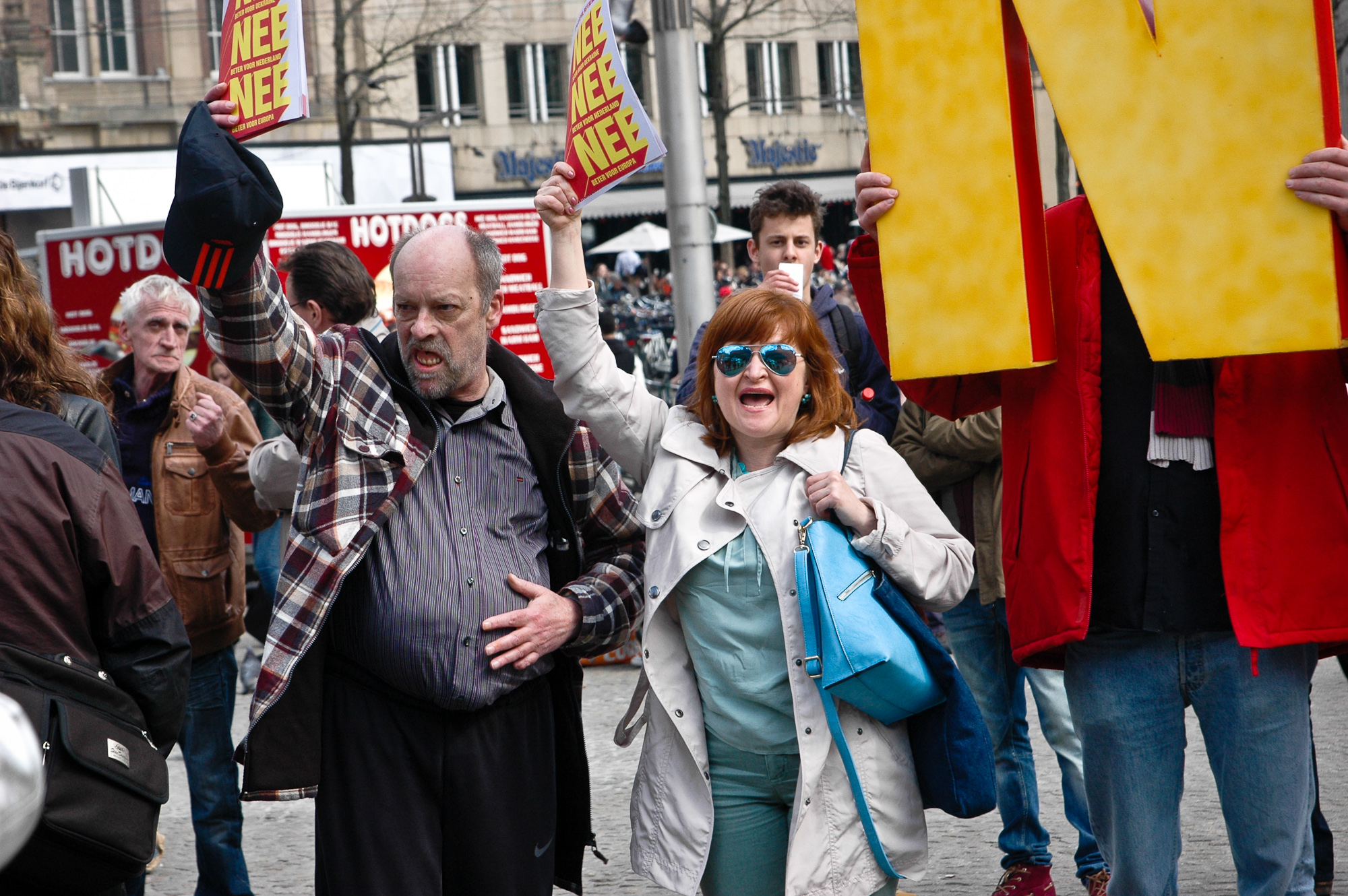
- The problem is that the camp of opponents of the agreement all the time avoids discussion on the merits of the issue. Perhaps because of distrust of their own arguments, I do not know. For example, last week I had the following case: I was invited to perform in the library of the city of Lelistad, there should have been a debate between those who are and who are against. Representatives of the Progressive Democratic Party D66 were going to come from supporters, and opponents from the Socialist Party (SP). But when they found out that I would speak, they said that they could not find anyone. It is a pity, because I am more impressed by an open dispute face to face with the opponent. From the organizers of other similar debate, for example, from the Brand Newukraine committee, I also heard that those who call to vote "no" do not come to the debate.
- Last week, the members of the referendum organizing committee themselves explained to us that the discussion on the merits of the issue was not at all included in their plans ...
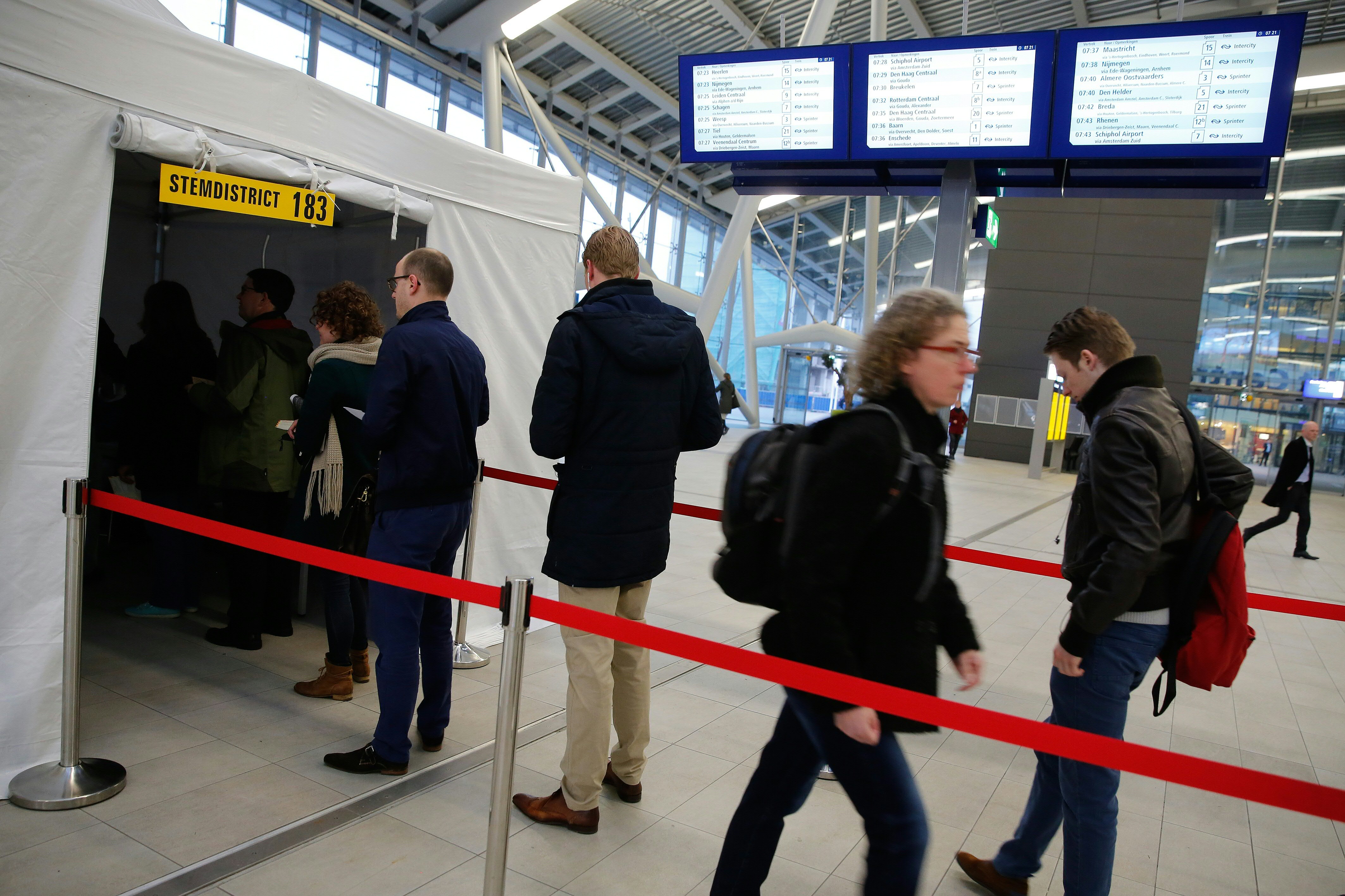
- Yes, I was most shocked by this interview in which they themselves admitted that they did not care about Ukraine, and the referendum was conceived as a way of shaking the European Union, that their goal is to undermine the EU as a project and preparing a referendum on the exit of the EU - Nexit, it turns out. That this is some wrong referendum. In my ballot, nothing is written about leaving the EU, they ask me: am I for or against an associative agreement with Ukraine? For me, this was a confirmation of a long -standing suspicion that Ukraine is a random victim in the struggle for the right to conduct such referendums, just a convenient reason to collect signatures for which they grabbed last year.
- A hybrid referendum?
- Yes, a hybrid referendum in which Ukraine and Ukrainians are simply used. Even the official visits of the delegation from the Netherlands Parliament to Ukraine, which included a prominent role by the ardent opponent of the agreement of the socialist Harry van Bommel, did not open their eyes to the fact that this agreement means for Ukraine. Those who call on to vote "no" are not interested in the content, - the expert notes.
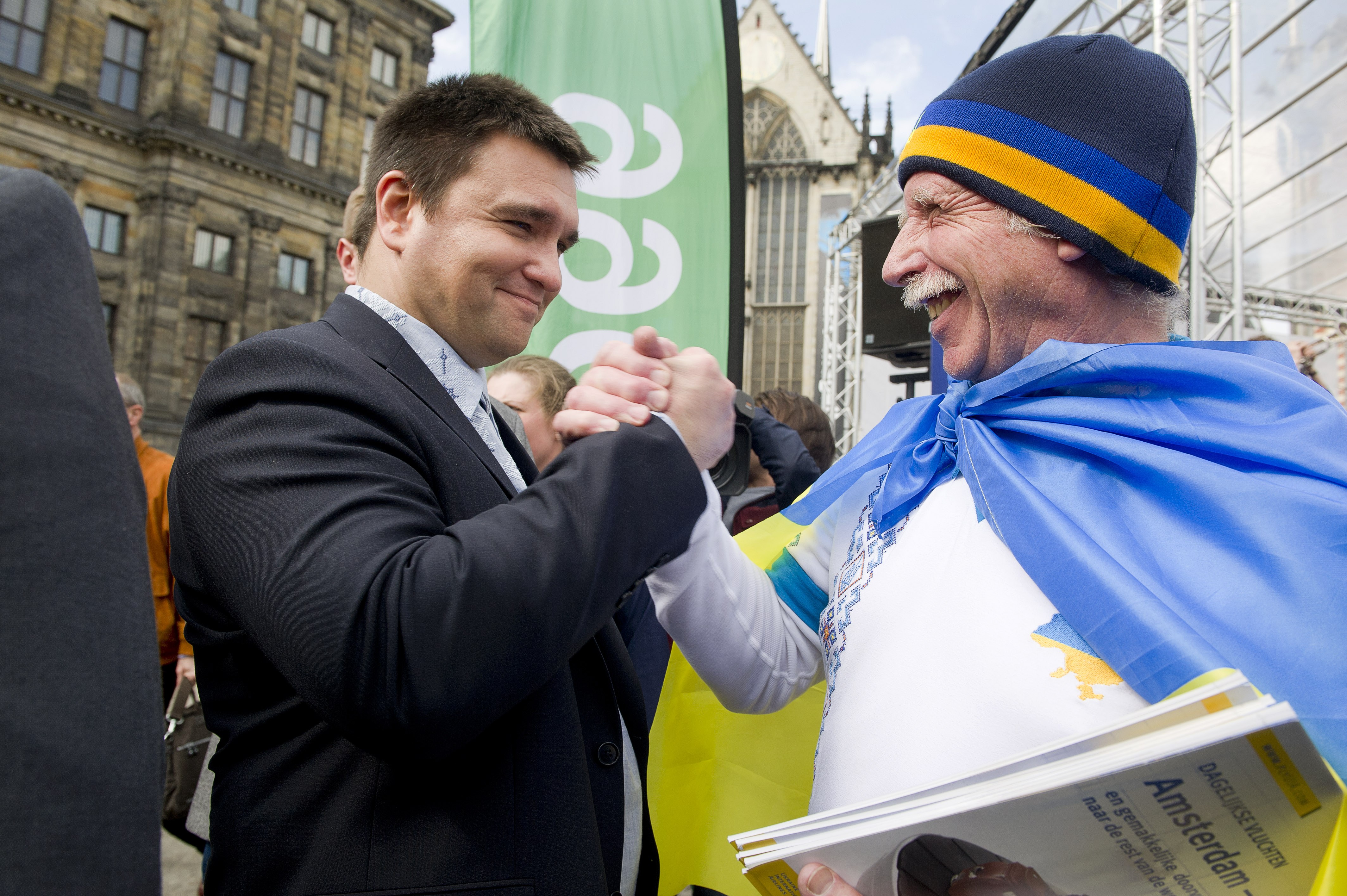
Like true soldiers of the hybrid war, referendum organizers Aryan Van Dixhorn and Pepyyn van Hauelingen in the sensational newspaper interview in photographs hide their faces. A few minutes later, my interlocutor and I will go in a bit, the full hall of the Amsterdam theater "Delimar". On his stage as opponents, the Minister of Foreign Affairs of Ukraine Pavel Klimkin and the brilliant Bulgarian political scientist Ivan Krastev are sitting employees of the European Institute of Democracy and Cooperation in Paris Natalya Narochnitskaya and her deputy John Lockland - there were many reports about them that they were receiving huge money from the Kremlin. According to Krasthev, if the British referendum honestly asks the question of Britain’s exit from the EU, then such pseudo -referendums on minor issues as Dutch - if they begin to be held throughout Europe, are able to paralyze all European democracy. Can a Dutch referendum be an order from Moscow? Tony van der Tokht continues:
Puppy sedimentary in relation to Moscow in Holland is not observed
- From the camp with the flag "no" there are a lot of heard the arguments that sound in unison with Russian propaganda. Question: "Are the authors of the idea of referendum funding from the Kremlin?" Plings in the press, but so far I have not met any direct evidence of this. The fact that they say the same thing with Russian propagandists does not mean that they receive money from one source. Perhaps they really think so.
- Did they have contacts with the Russian side?
- I do not have such information. In the Netherlands, this is not yet observed, as, for example, in France, where it is no longer a secret that the “National Front” Marin Le Pen receives money from Russia. It is also known that the Greek "Siriza" received money from Russia, from people from the Kremlin environment. There were no such obvious examples in Holland.
Prominent Dutch politicians do not go to give an interview on RT (Russian television channel Russia Today. - RS) . Gerte Wilders was once on Russia Today after the annexation of Crimea, but he did not approve this annexation. I do not think that in Russia they were happy to perceive how he keeps a distance in this sense. There is no such puppy sedimentary in relation to Moscow, which is not observed in Holland in Holland.
- So what is your forecast for Wednesday?
- I think the chances of yes and no are almost equal. The threshold of turnout will be overcome 30 percent.
-What if there is no "no"?
- 70 percent of the agreement, that is, its trading part, only in the competence of the European Commission. In other words, the trading part of the agreement will be implemented in any case, regardless of the Dutch referendum. In the event of a negative outcome of the vote at the referendum, the agreement will be re -discussed in both wards of the Dutch parliament. If the cabinet continues the same line that it holds today - that the agreement carries advantages for Ukraine, and the EU, and for the Netherlands, then they will perform in parliament with the recommendation to vote for, despite the referendum. Parliamentarians have no obligations to follow the results of the referendum, so far all parliamentary parties, with the exception of the party of Hertha Wilders, socialists and the party of animal defenders, voted for an associative agreement.
- I heard that in one of the ruling parties - in the party of labor (PVDA) they promised to respect a folk choice.
The main part of the agreement will not change, and the referendum is also unlikely to affect the relationship between the EU and Ukraine
- I hope that common sense will win. But if suddenly Holland does not ratify the agreement, then our prime minister will have to explain to his colleagues in the European Council why this happened. Considering that the referendum is advisory and has no legal force, I believe that the foreign colleagues of Prime Minister Mark Rutte are unlikely to show understanding. There were no precedents yet, but I think that if we find ourselves in such a situation that one Holland does not ratify this document, then at the European level there will be no second consideration: other countries will never go to this only because the Dutch group voted against.
The only thing that can happen is the addition of protocols to the main text in which the participation of the Netherlands will be limited in those parts of the agreement that relate to political cooperation. But this would be strange, because it would mean that the Netherlands would not cooperate with Ukraine on migration, the fight against terrorism, non-proliferation of nuclear weapons, that is, in such areas, in which, in my opinion, no one in the Netherlands acts in general. But even in this strange case, the main part of the agreement will not change, and the referendum is also unlikely to affect the relations of the EU and Ukraine, ”says Tony Van der Tokht, an expert of an independent analytical institution of clingendael.