
Translated material
Before the "publication"
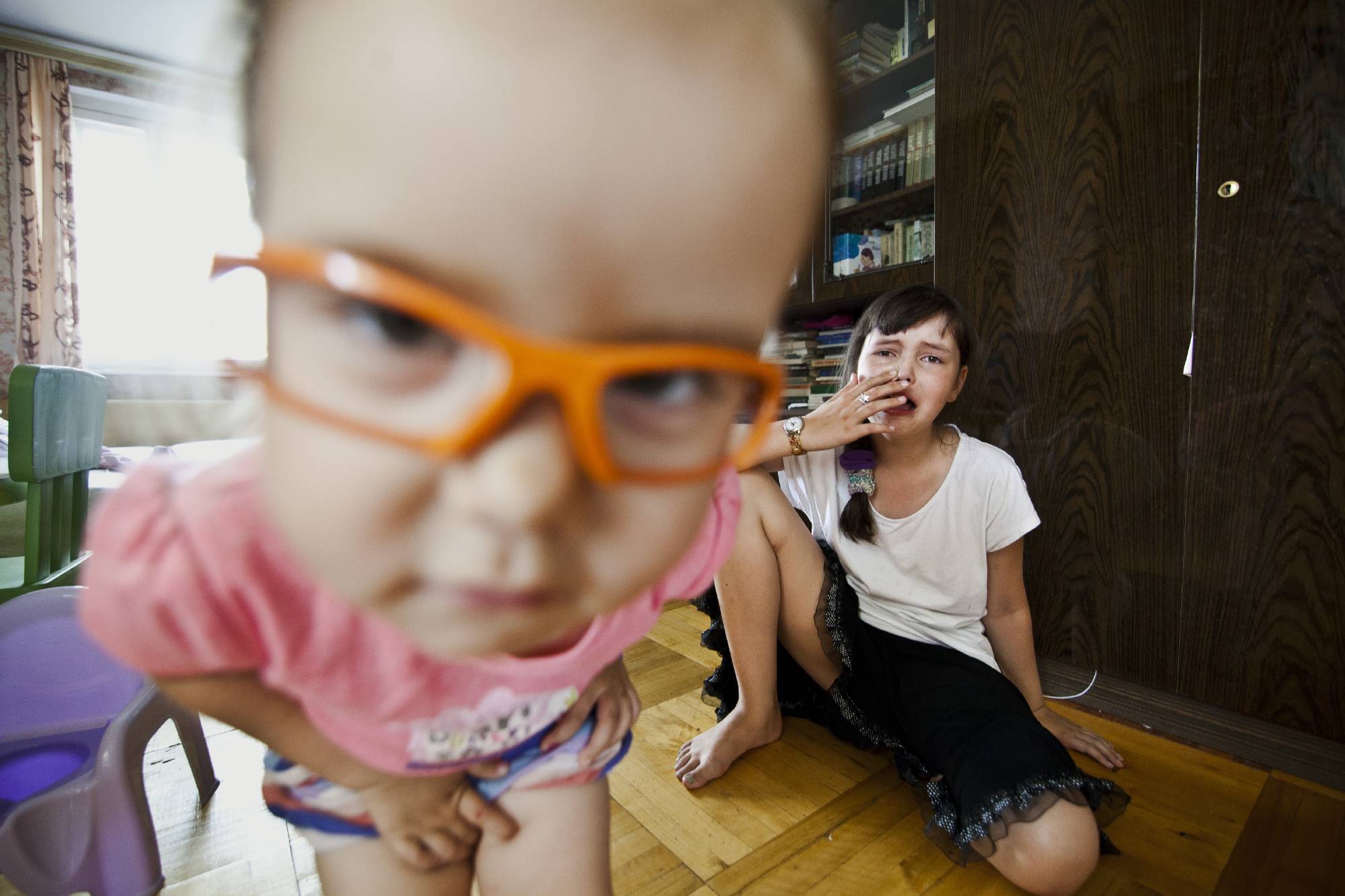
On April 13, as part of the 31 Days Fotofest documentary photo festival, the exhibition “Publication” opens in the center of modern photography
At the exhibition in Fotodoc Seven completely different photo projects were collected (six domestic and one French) - from documentary social research to experiments in other genres.
The exposition included a series selected by independent experts - publishers, photographers and photo editors, including the deputy visual director of the TD portal Anastasia Svartsevich.
The exhibition "Publication" is held at the center of documentary photography "Fotodoc" (Moscow, Zemlyanoy Val Street, house 57, building 6). It will last until May 8 and will work daily from 13.00 to 20.00, except Monday and Tuesday.
Free admission.
Mother
Photographer: Kristina Brazhnikova
Svetlana Trubnikova 48 years old. Five years ago, both legs were amputated below her knee, then she almost lost her sight. First, the eldest daughter took her to her, but because of extremely cramped conditions, Svetlana decided to return to her house. And then the owner in the house was her son Igor, who at that time was only 11 years old. Relatives and neighbors help them, over time, social workers and local authorities began to support them, but most of the house worries lies with the fifteen -year -old guy.
After in the spring of 2014 they told about this family in the program “Let them talk” and wrote in some media, Elena Rostropovich’s charity foundation began to help them. He paid for the rehabilitation course in a German clinic, where Svetlana has picked up good prostheses, so now she can move around the house herself. Now she is waiting for an operation to transplant the cornea, after which, perhaps, vision will partially return to her. An unknown philanthropist bought them an apartment with amenities in the city, where they moved in September 2015.
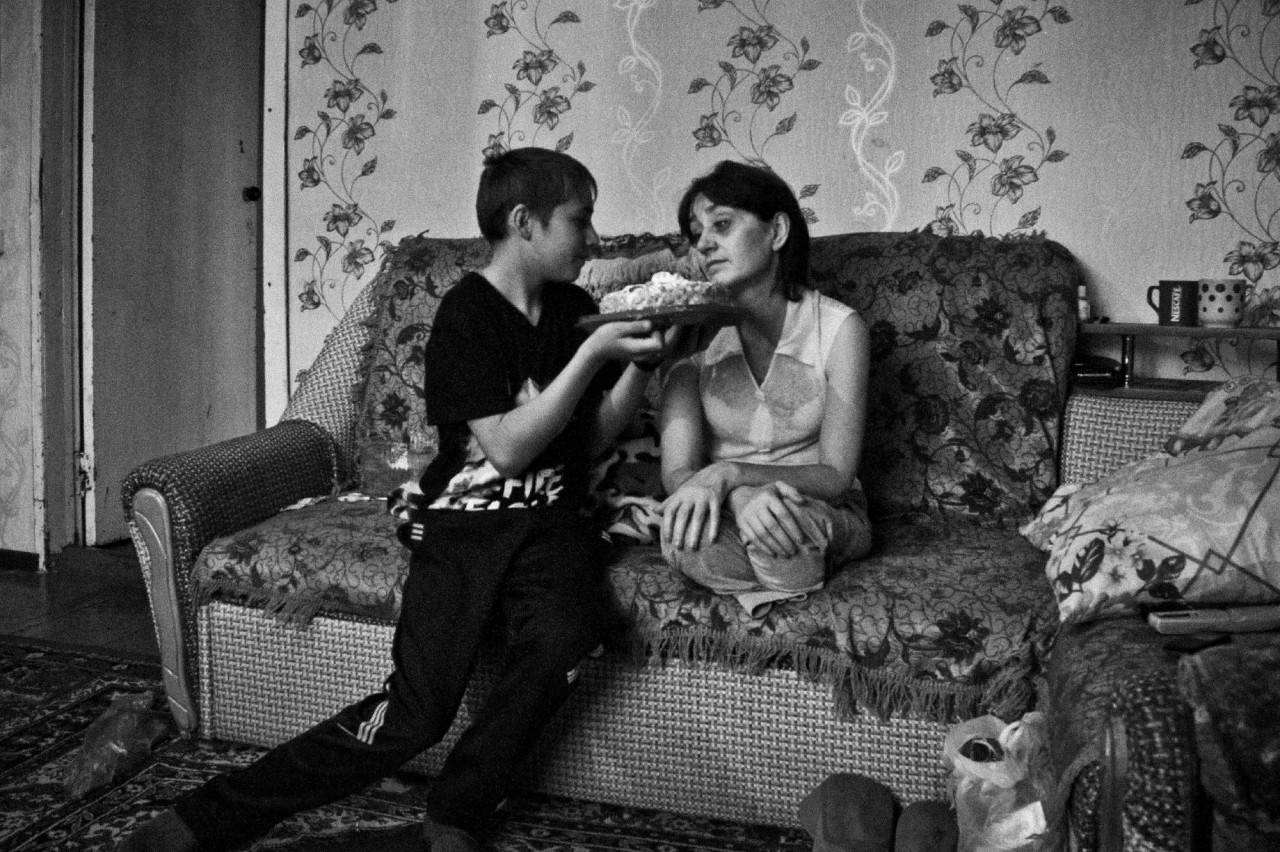 Kristina Brazhnikova, "Mom"
 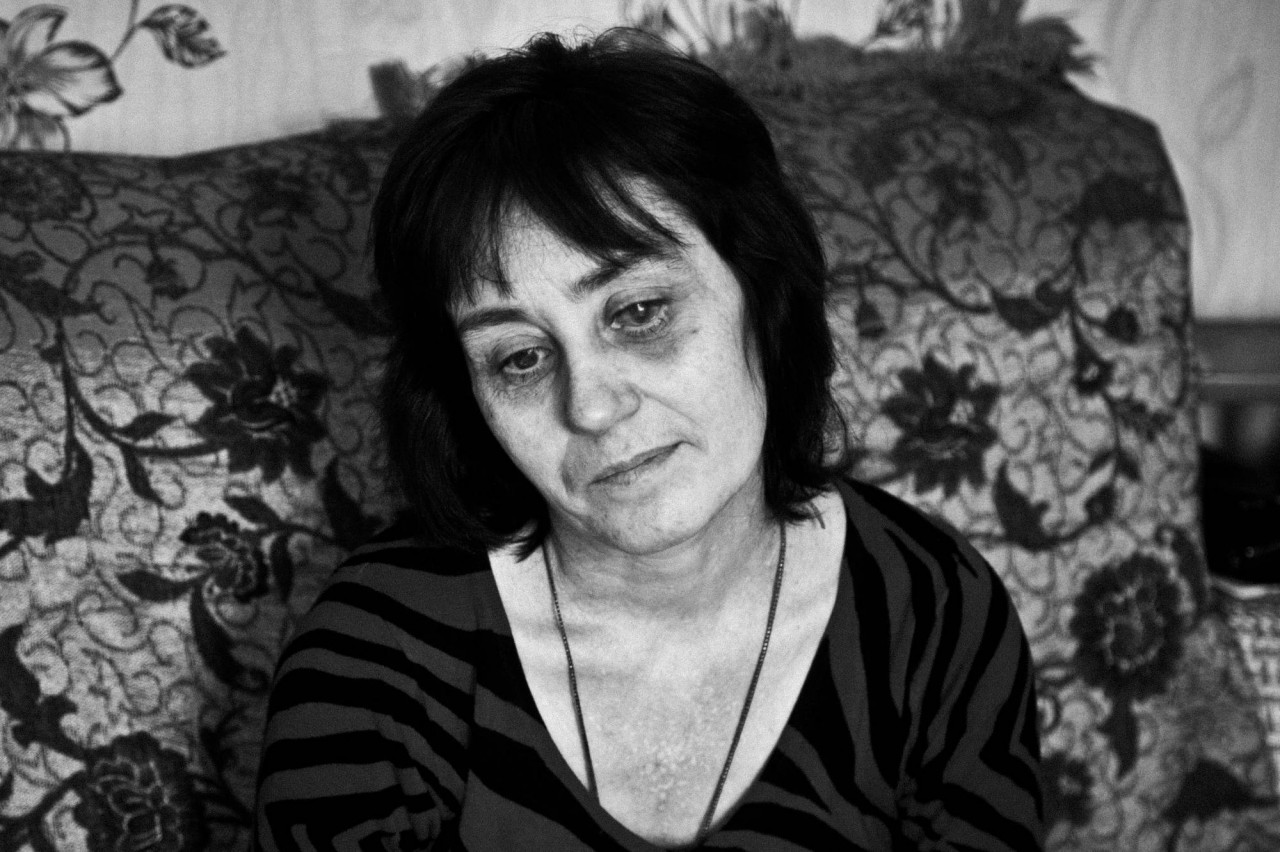 Kristina Brazhnikova, "Mom"
 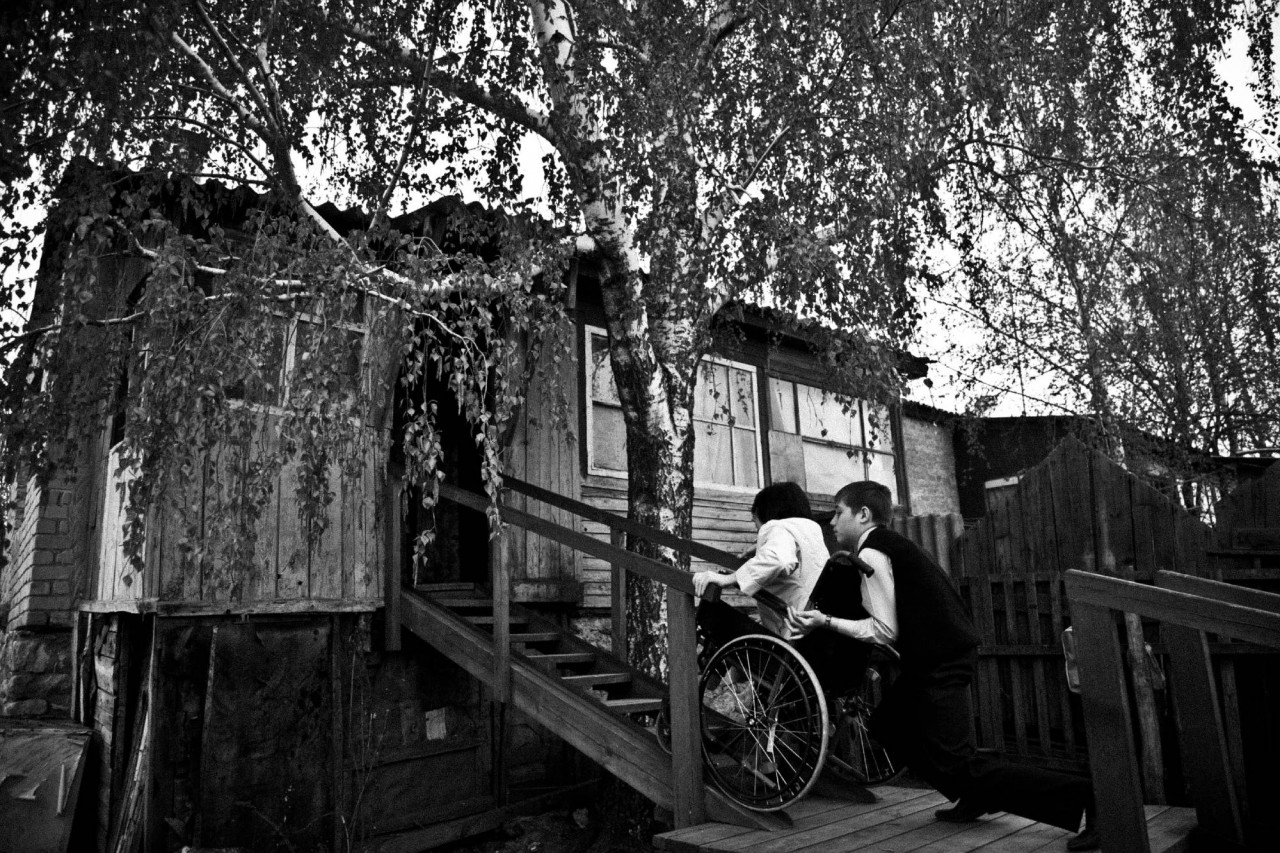 Kristina Brazhnikova, "Mom"
 Photo as a keepsake
Photographer: Alexander Vasyukovich
When I worked in the east of Ukraine, many soldiers asked me to photograph them as a keepsake. I shot and sent photos to the people who are depicted on them, their children, wives, friends.
On the Internet, every day we see different photos “as a keepsake”. But for a photograph of a man who went to the front, there is a completely different story.
Dry figures about the number of dead are no longer impressions - these are statistics. But when, looking at the photo, you already know the circumstances and place of death, you know what happened to your family and friends after this frame was made, everything is perceived in a completely different way.
And no matter what side the soldiers depicted in these photographs fought, the story is repeated for everyone, in any war.
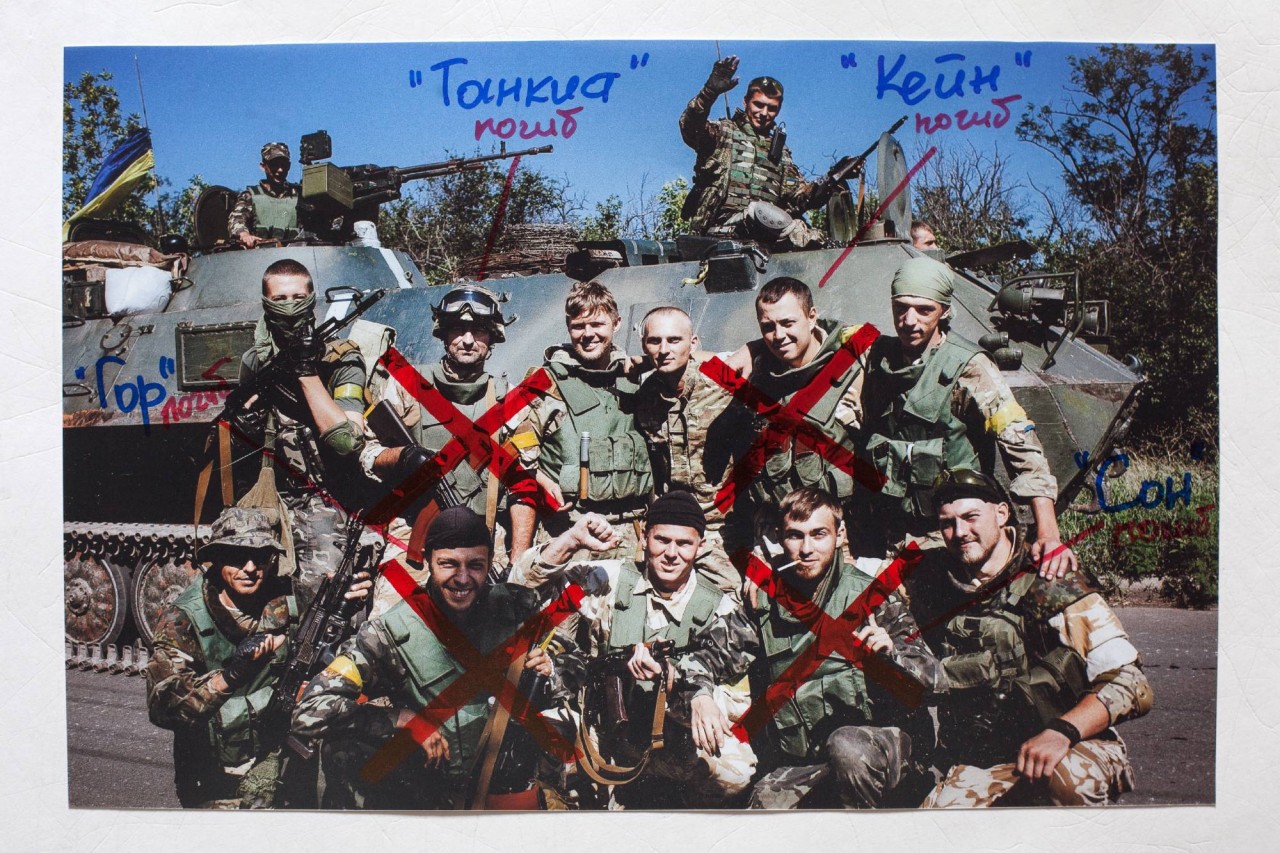 Alexander Vasyukovich, "Photo for Memory"
 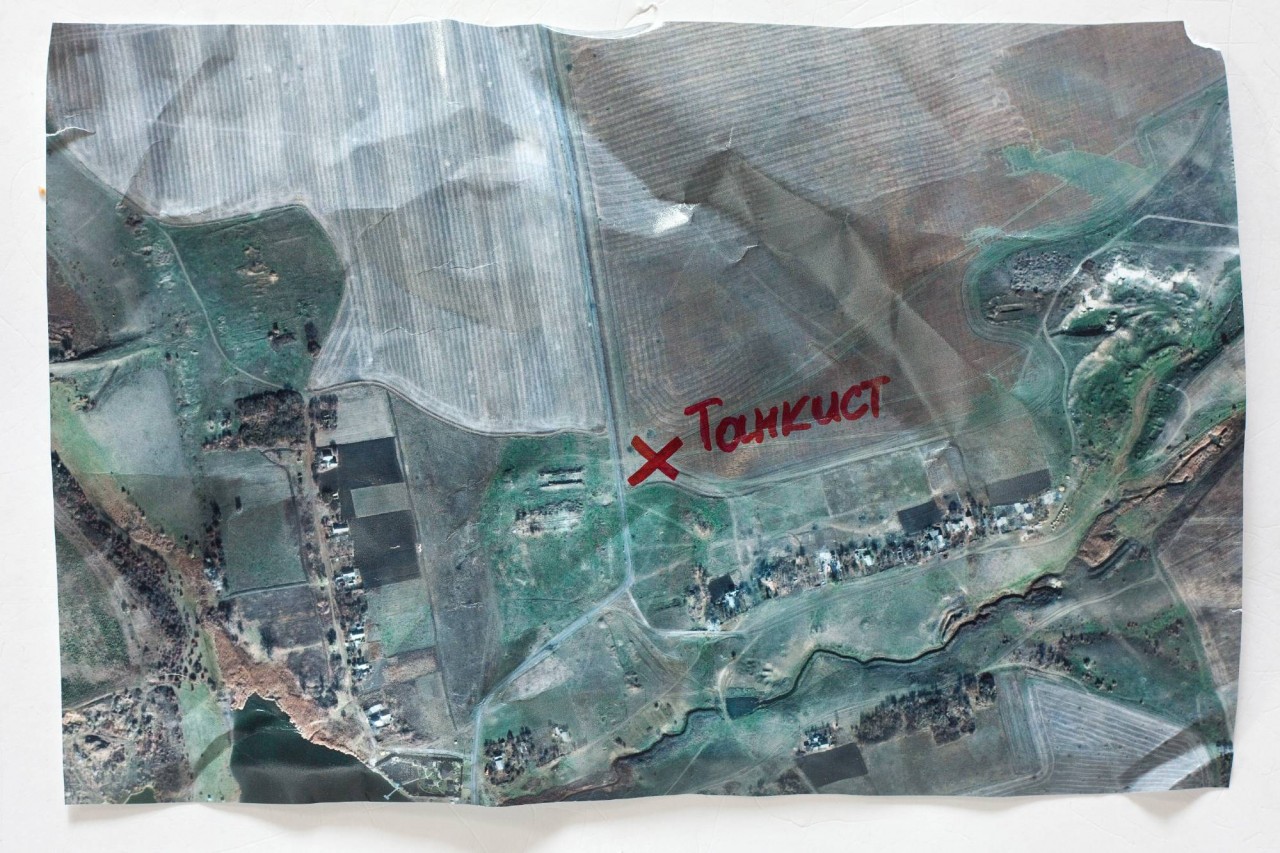 Alexander Vasyukovich, "Photo for Memory"
 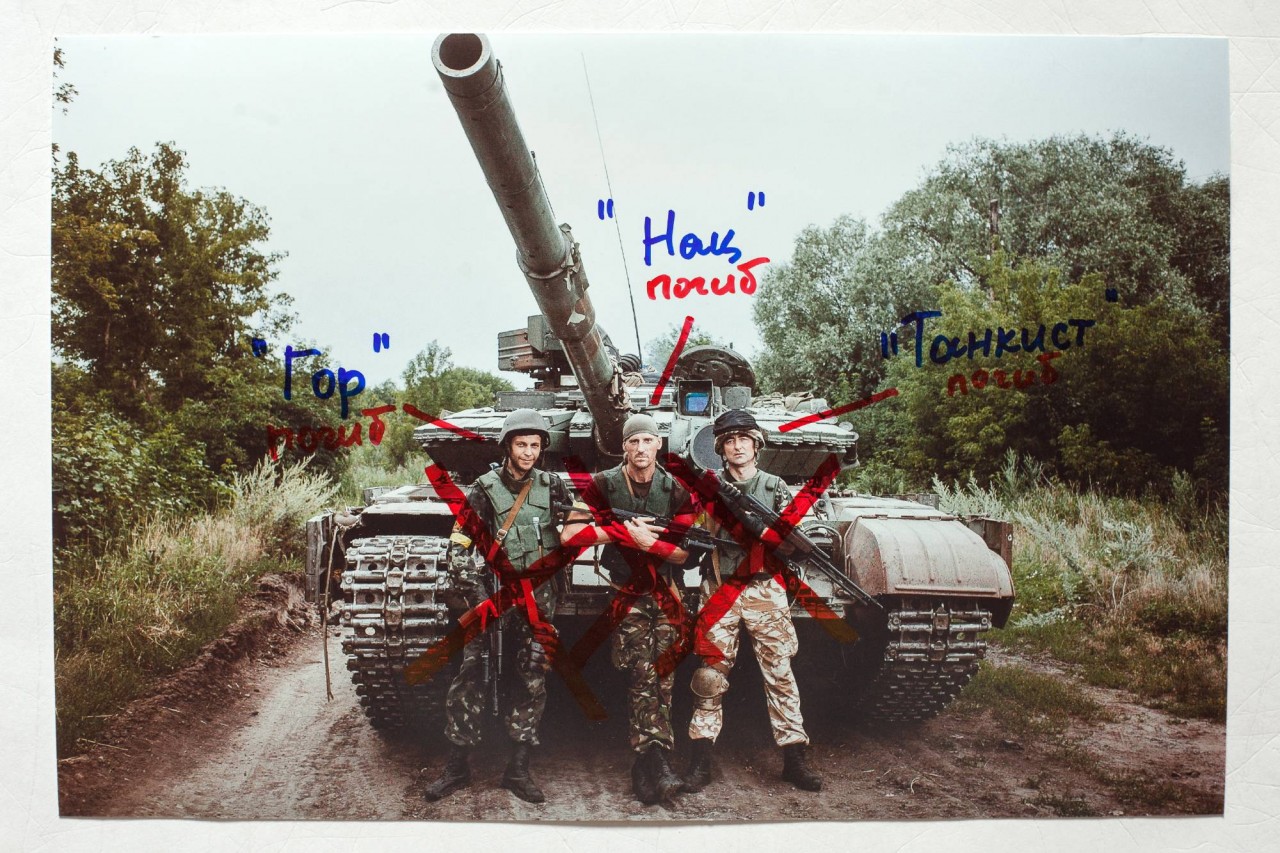 Alexander Vasyukovich, "Photo for Memory"
 Bat mice
Photographer: Alexandra Kulak
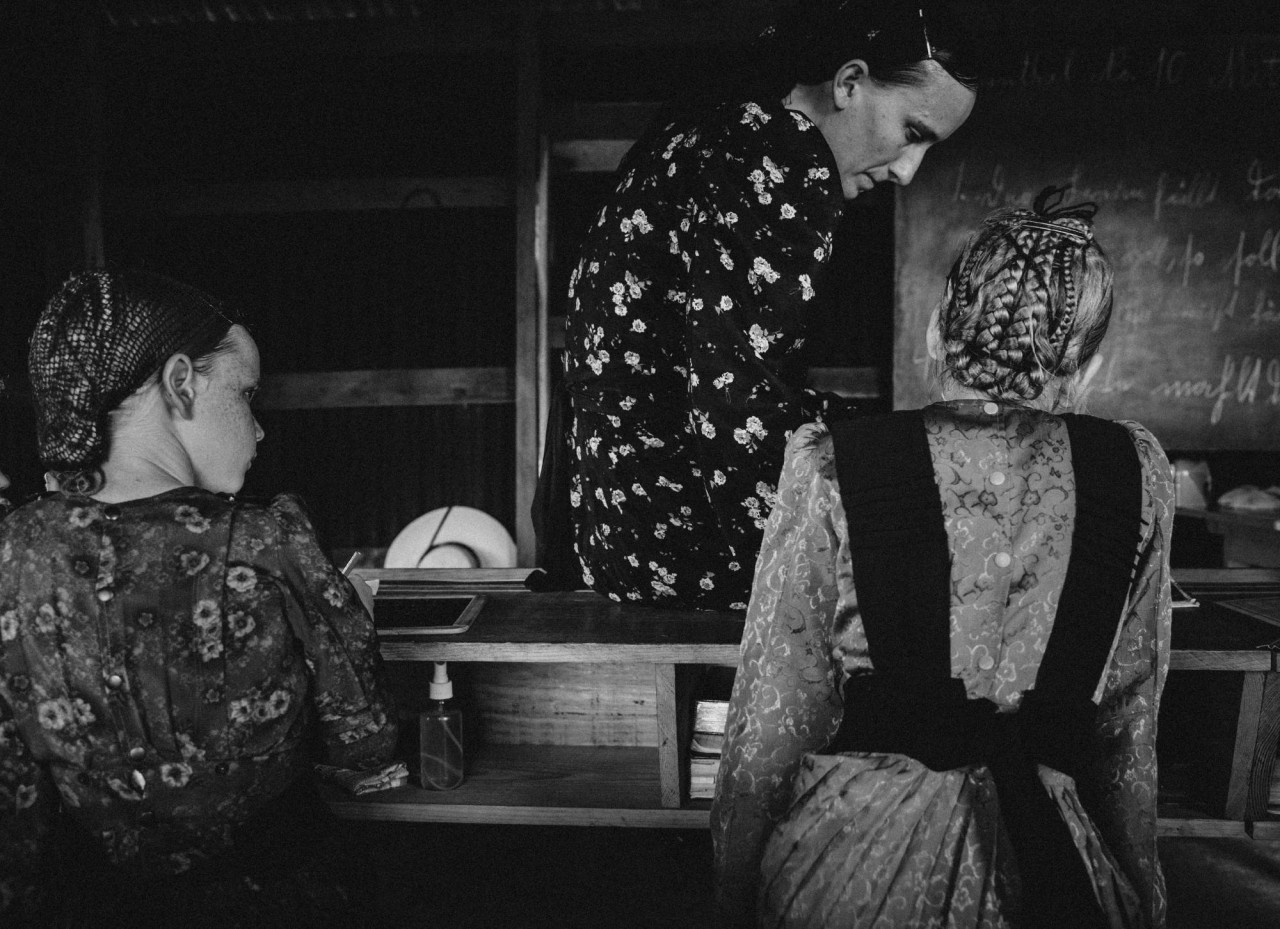
The photos were taken in several Mexican colonies of the Mennonites: La Honda, Rio Verve and Salamanka.
For religious considerations, the mennonites refuse to pick up weapons. Their pacifism gave rise to a specific form of passive protest: every time the state authorities tried to force the Mennonites to serve in the army, they simply emigrated. The centuries -old history of their migrations is huge: from Holland and Germany, through Russia, Canada, USA, to scattering in the countries of Latin America: Mexico, Guatemala, Brazil. This is a closed society that denies the modern achievements of civilization and means of communication: electricity, mobile communications, cars and cameras.
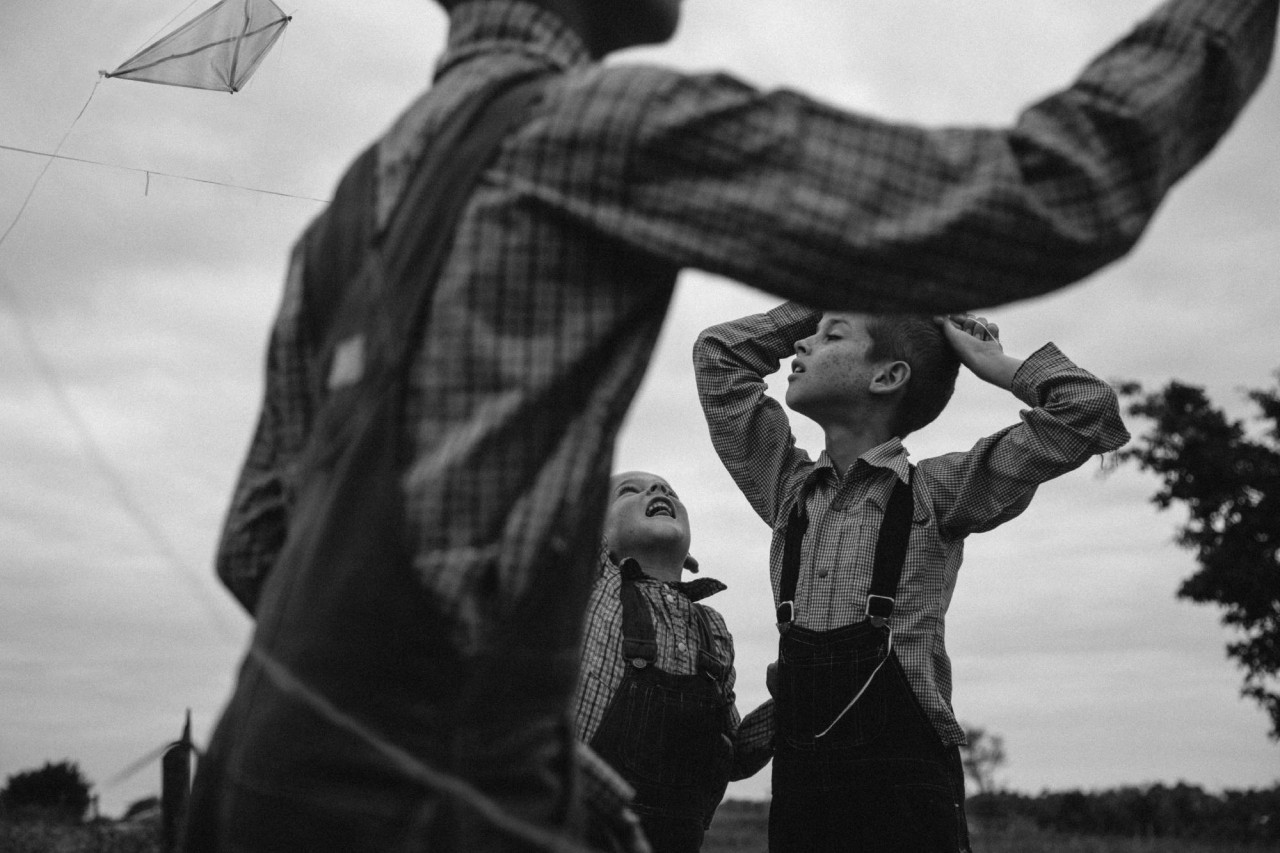 Alexandra Kulak, "bats"
  Alexandra Kulak, "bats"
 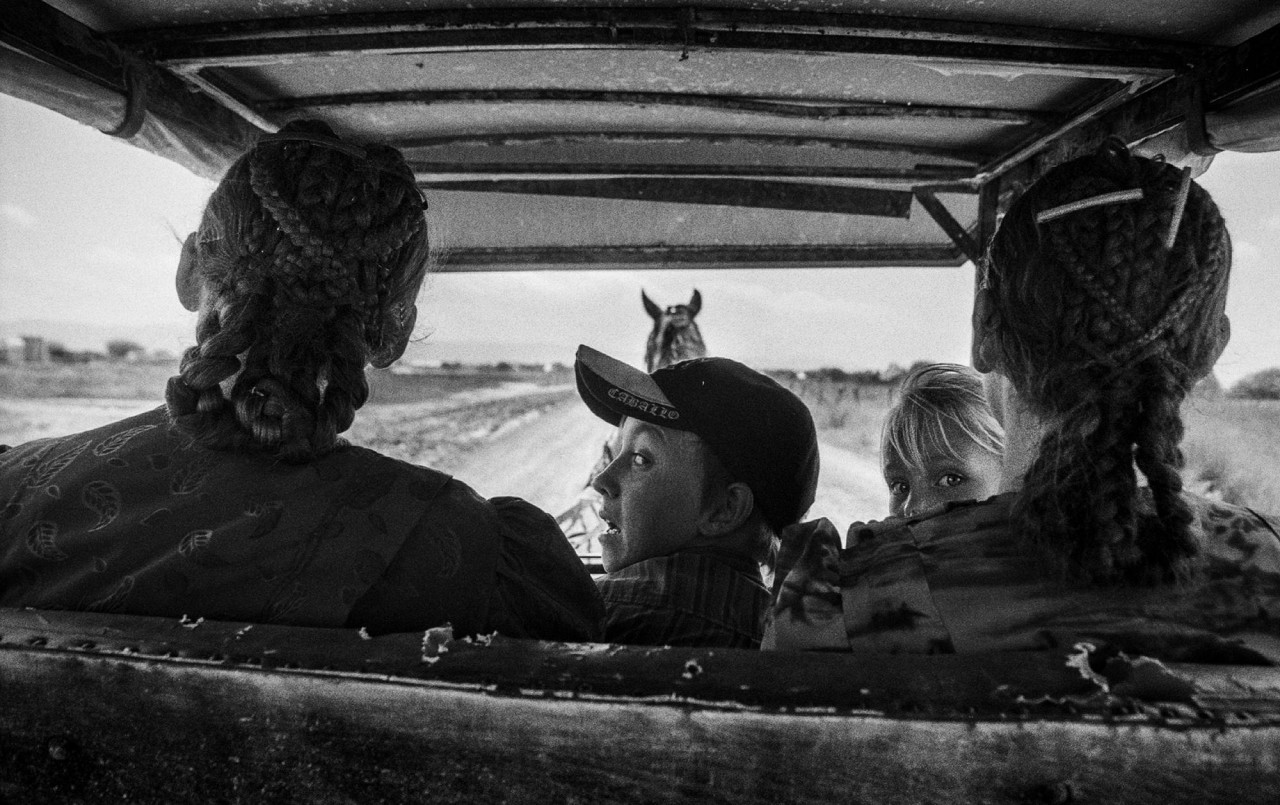 Alexandra Kulak, "bats"
 Out. Xenia
Photographer: Alina Inozemtseva
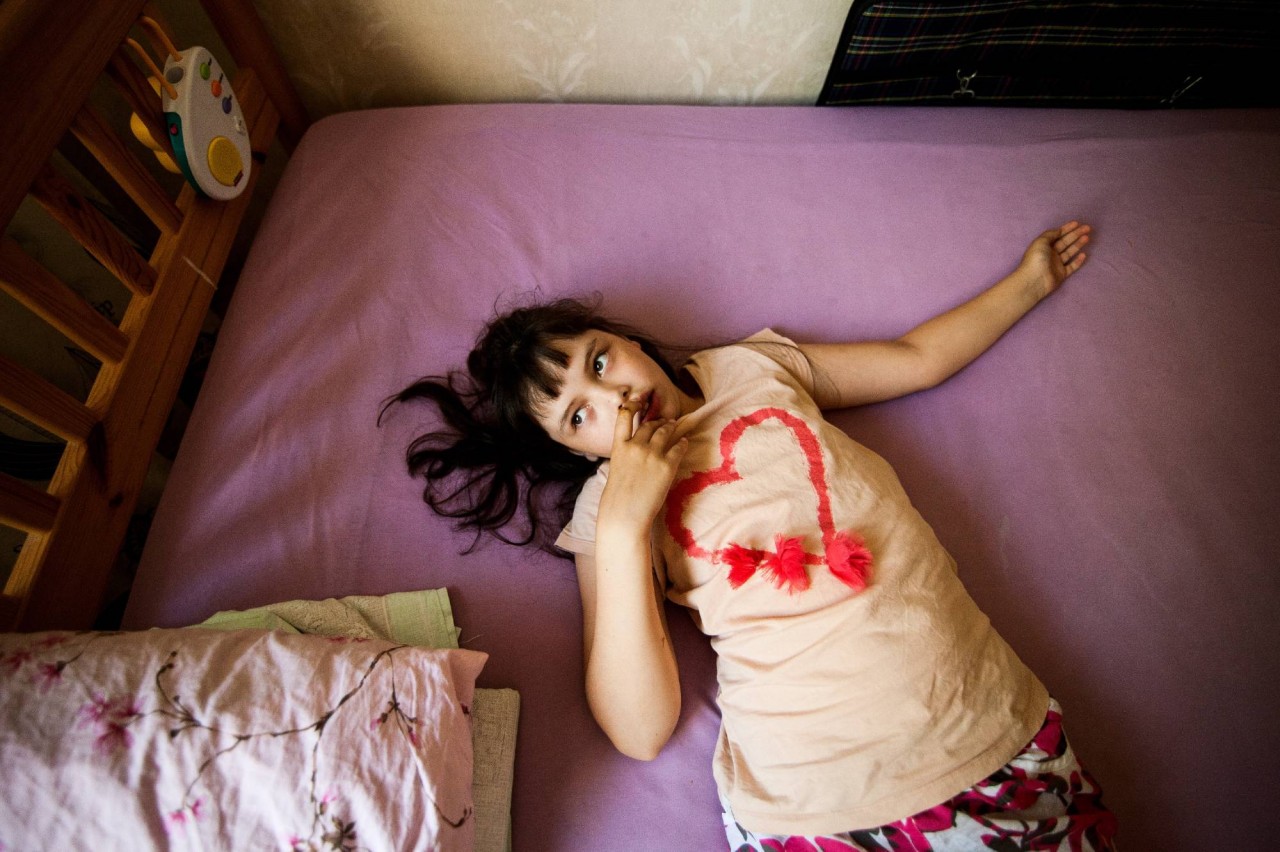
Kseni's story is similar to many others. At three years old, parents found in the girl the first signs of autism: falling out of the surrounding space, lack of speech, the inability to establish contact and much more. Parents began to do everything that is possible in this situation: sensorimotor correction, work with a psychologist, massages, individual training (at the moment, Xenia masters the first -class program). At five, Ksyusha spoke, began to ask questions, learned to establish eye contact, make a dialogue. Now Ksena is ten years old. The state of the girl improves every year, speech is complicated, behavior stabilizes, skills are honed. Xenia was born in a musical family. From the age of seven, she goes to a music school, sings and plays the piano.
Xeni received the diagnosis and disability at seven. She is one of the few children in Russia with a confirmed diagnosis of autism. Doctors put him very reluctantly. Signs of autism are still not always recognized, and not every region of Russia is ready to highlight the manual.
Kseni's story is evidence that autism is not a sentence. This requires incredible efforts: patience, love, faith and, of course, money. But the moment when your child first turns his head, responding in his name, is worth it.
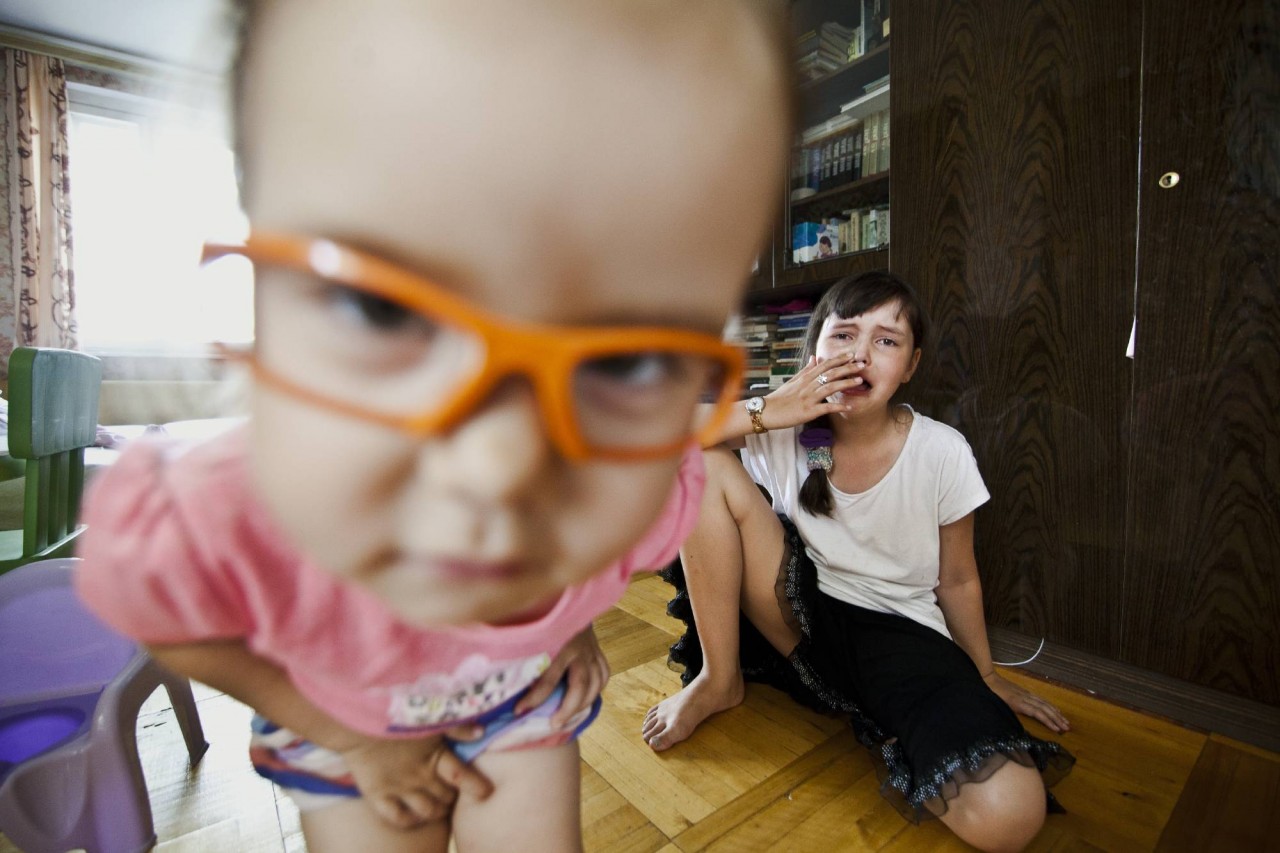 Alina Inozemtseva “Out. Xenia » Photo: Alina Inozemtseva
 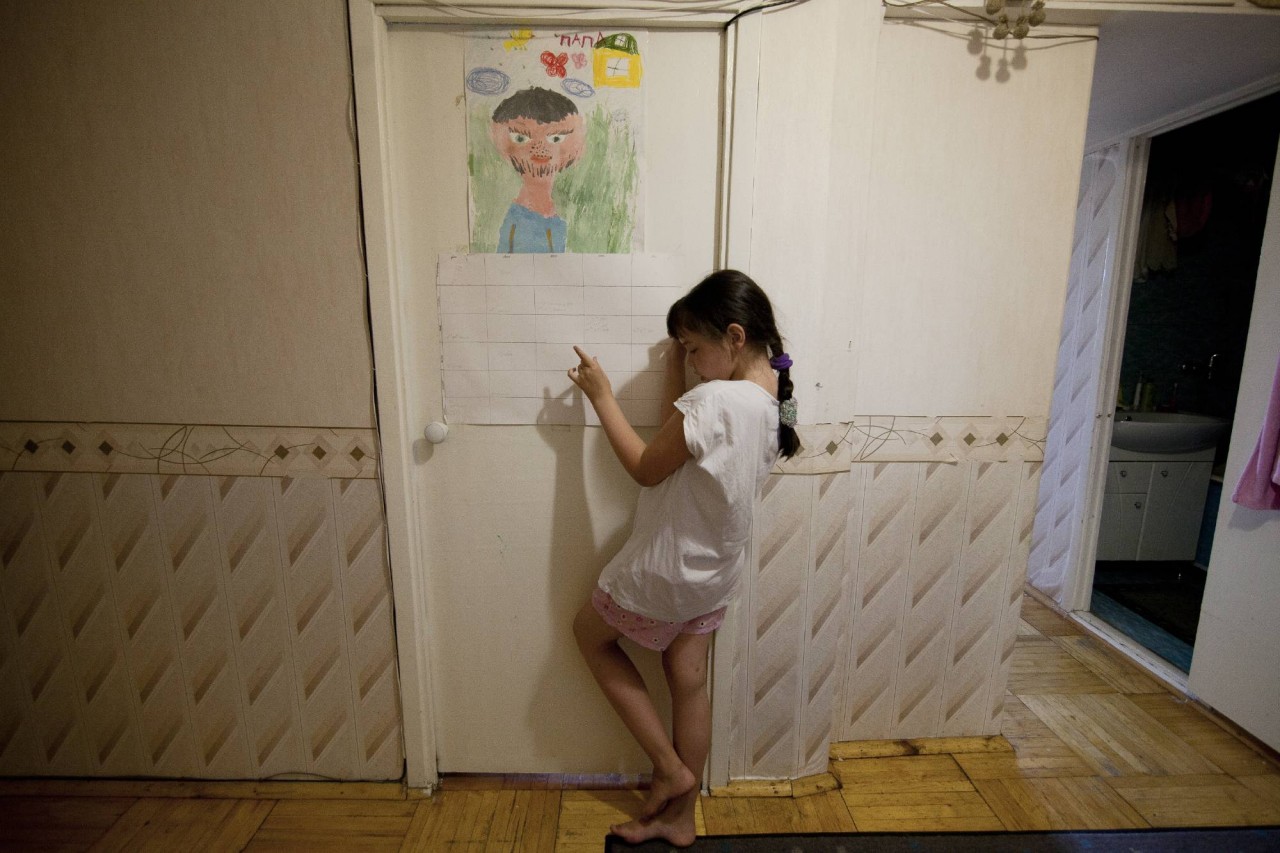 Alina Inozemtseva “Out. Xenia "
  Alina Inozemtseva “Out. Xenia "
 Tales
Photographer: Fedor Telekov
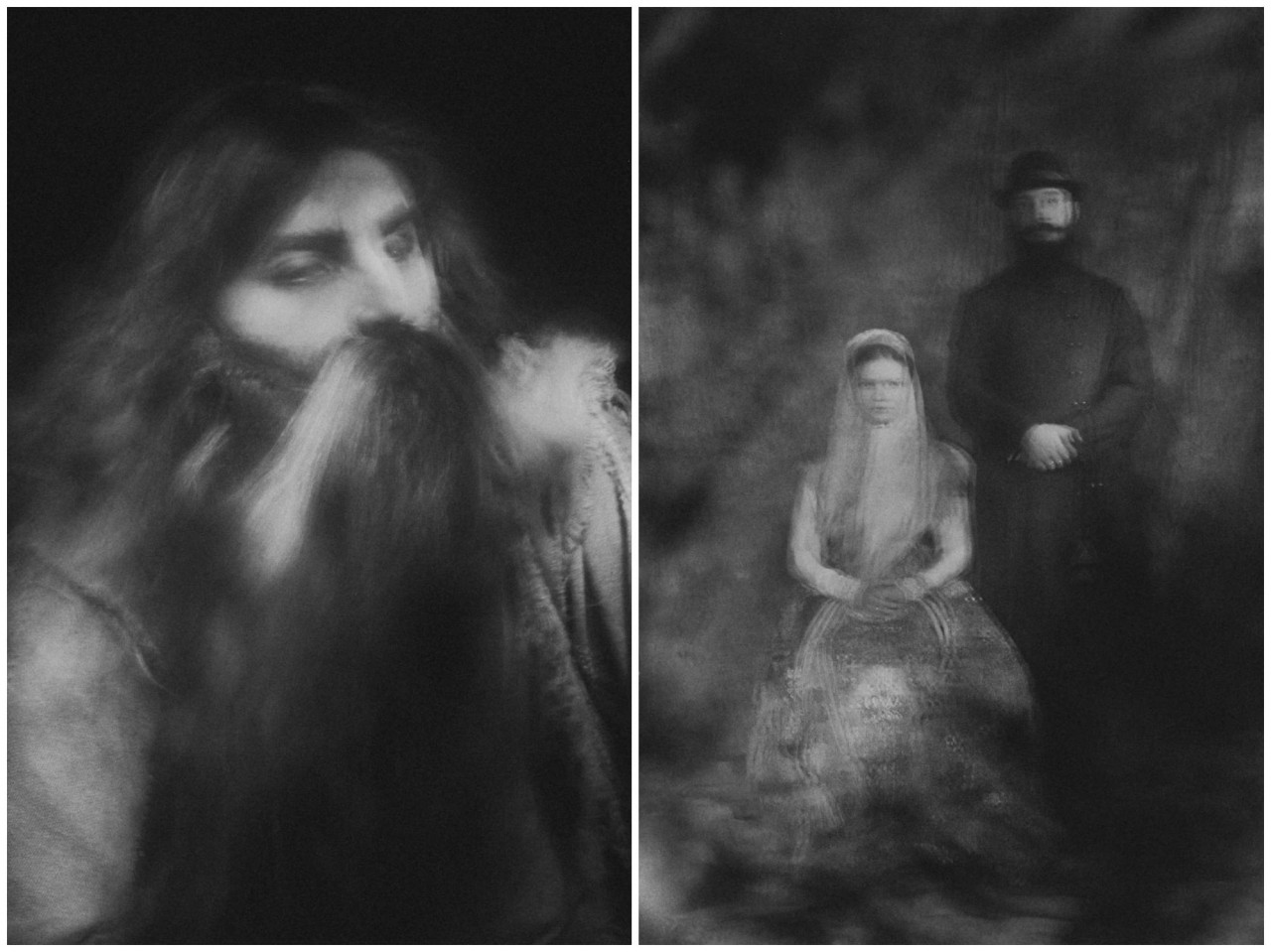
The Urals is not only a geographical concept, the border between Europe and Asia, but also the place of connection of cultures of different peoples. In the Middle Ages, pagan, Muslim and Christian cultures crossed here, but did not exterminate each other, but formed a new form. Russians, Tatars, Bashkirs, Ukrainians, Udmurts, Zyryans, Mari, Mansi - all of them still live in the Urals in the neighborhood.
Since the 17th century, the Urals have turned into an industrial center of the country. The factory civilization has become a new layer in the history of the Urals.
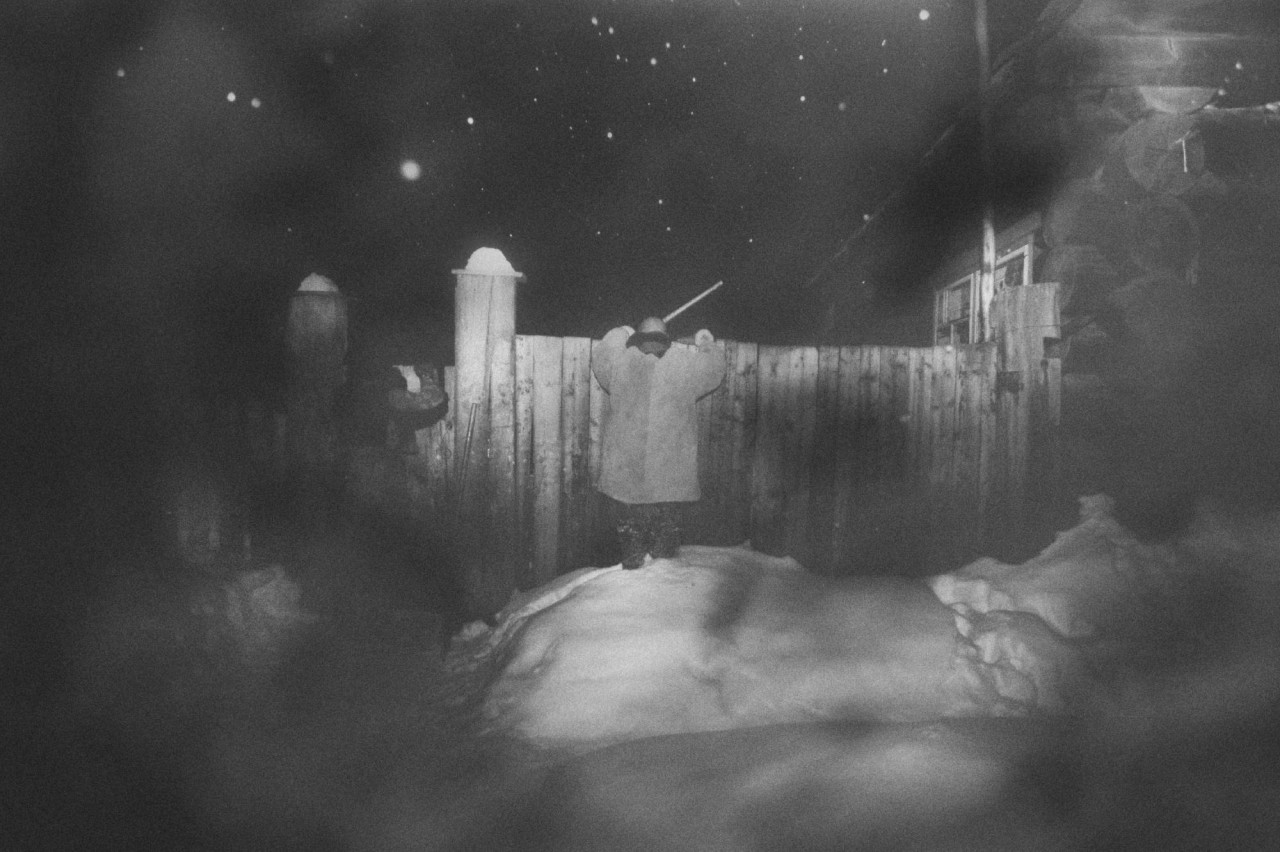
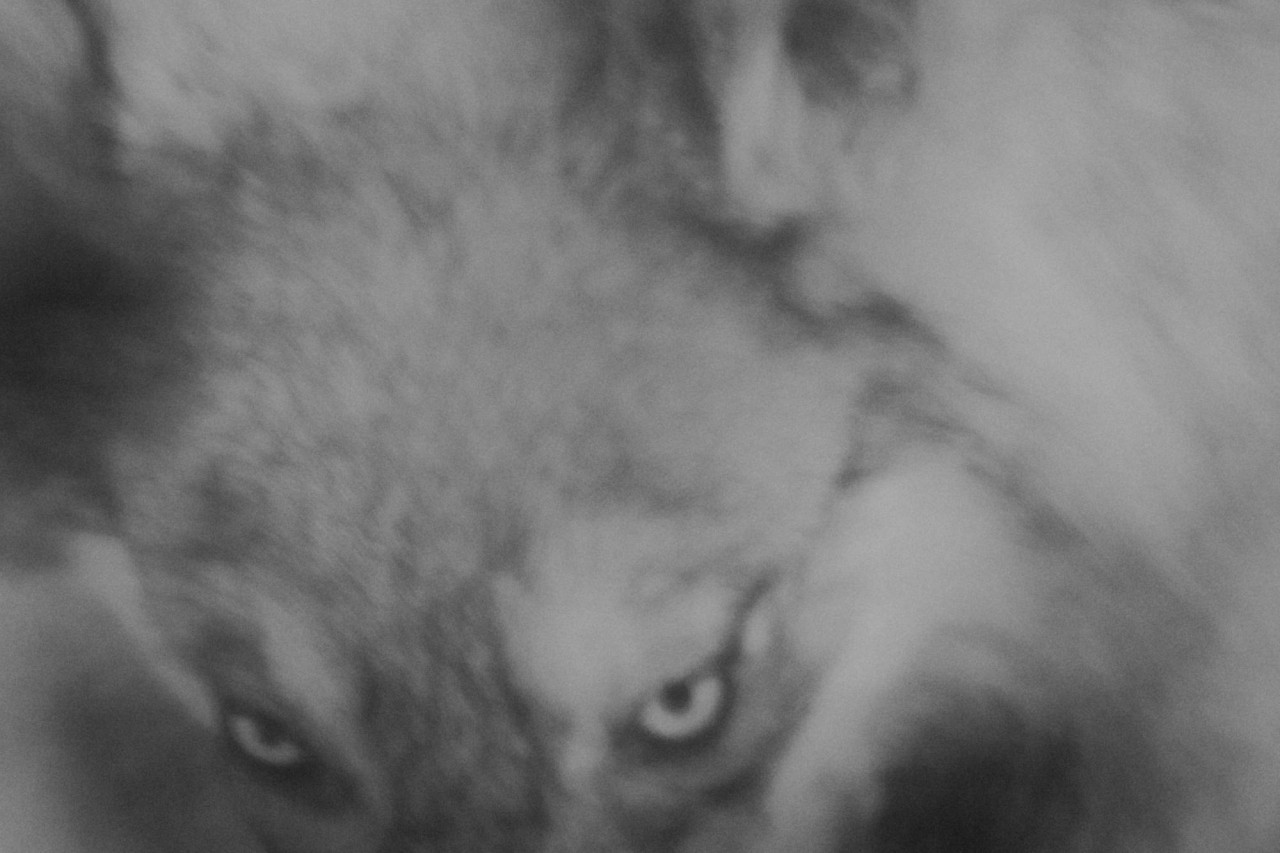
However, today myths and reality, the past and present of the Urals coexist, form a special Ural world that is not like any other. Mountains, rivers, forests and people store ancient pagan images.
The project has three main starting points: Mansi and Bashkir mythology, works by P.P. Bazhova and factory culture.
 Fedor Telekov, "Tales"
  Fedor Telekov, "Tales"
  Fedor Telekov, "Tales"
 "Care"
Photographer: Alexey Kurbatov
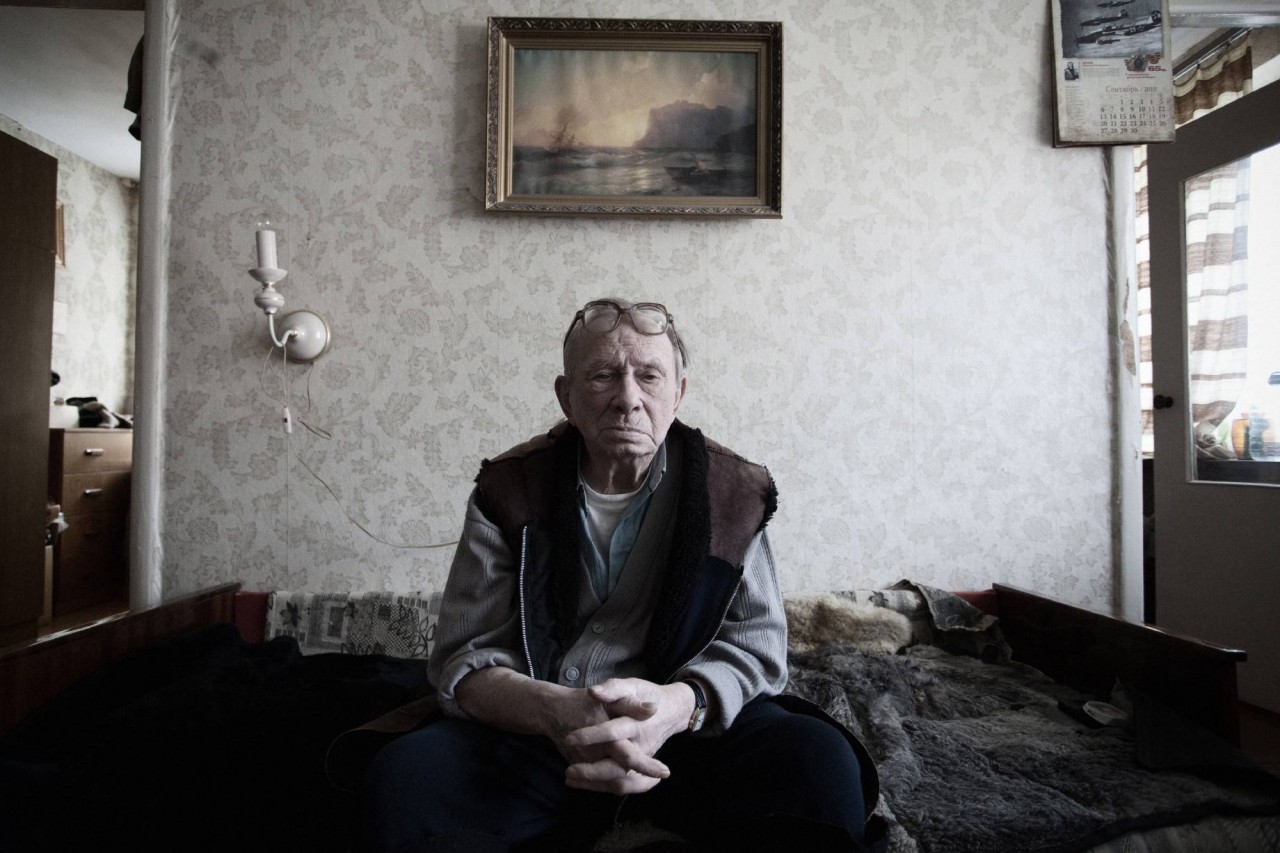
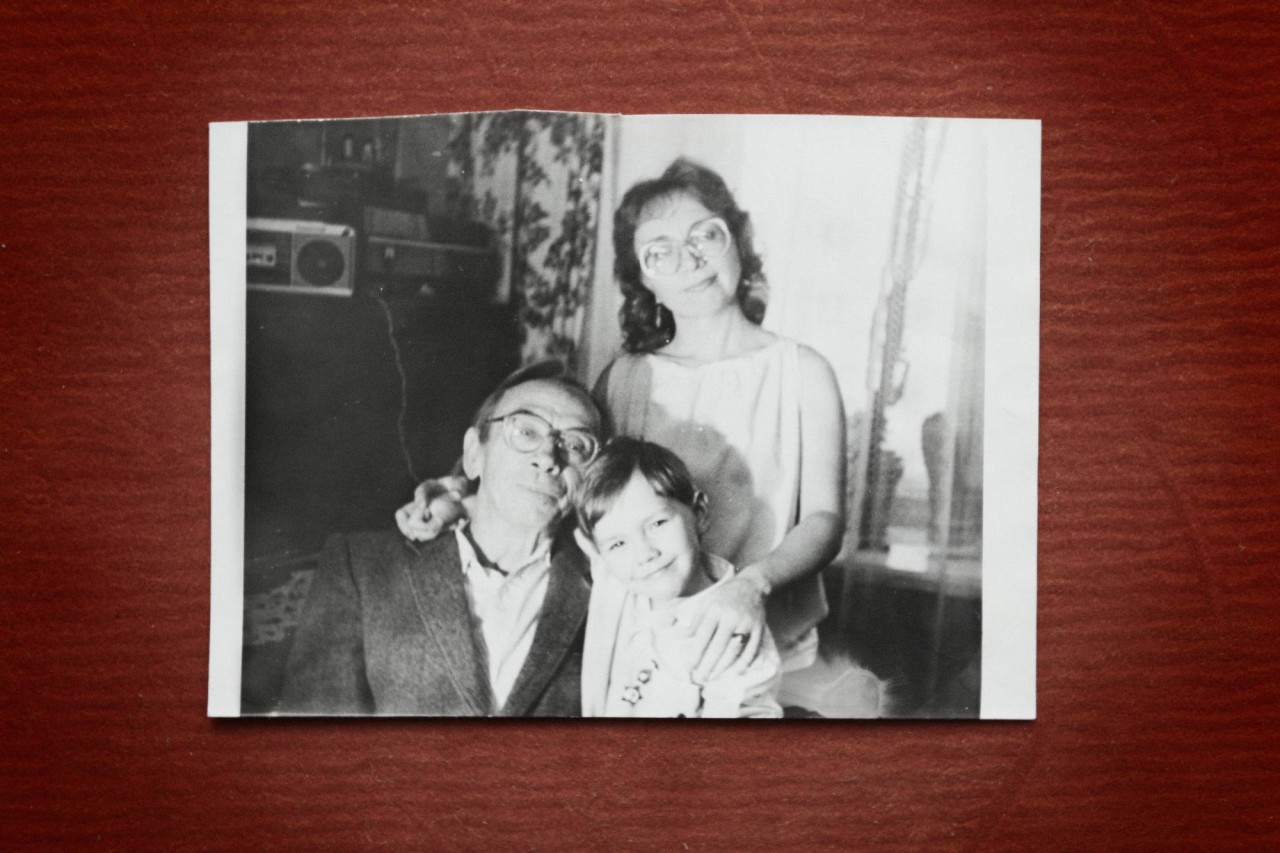
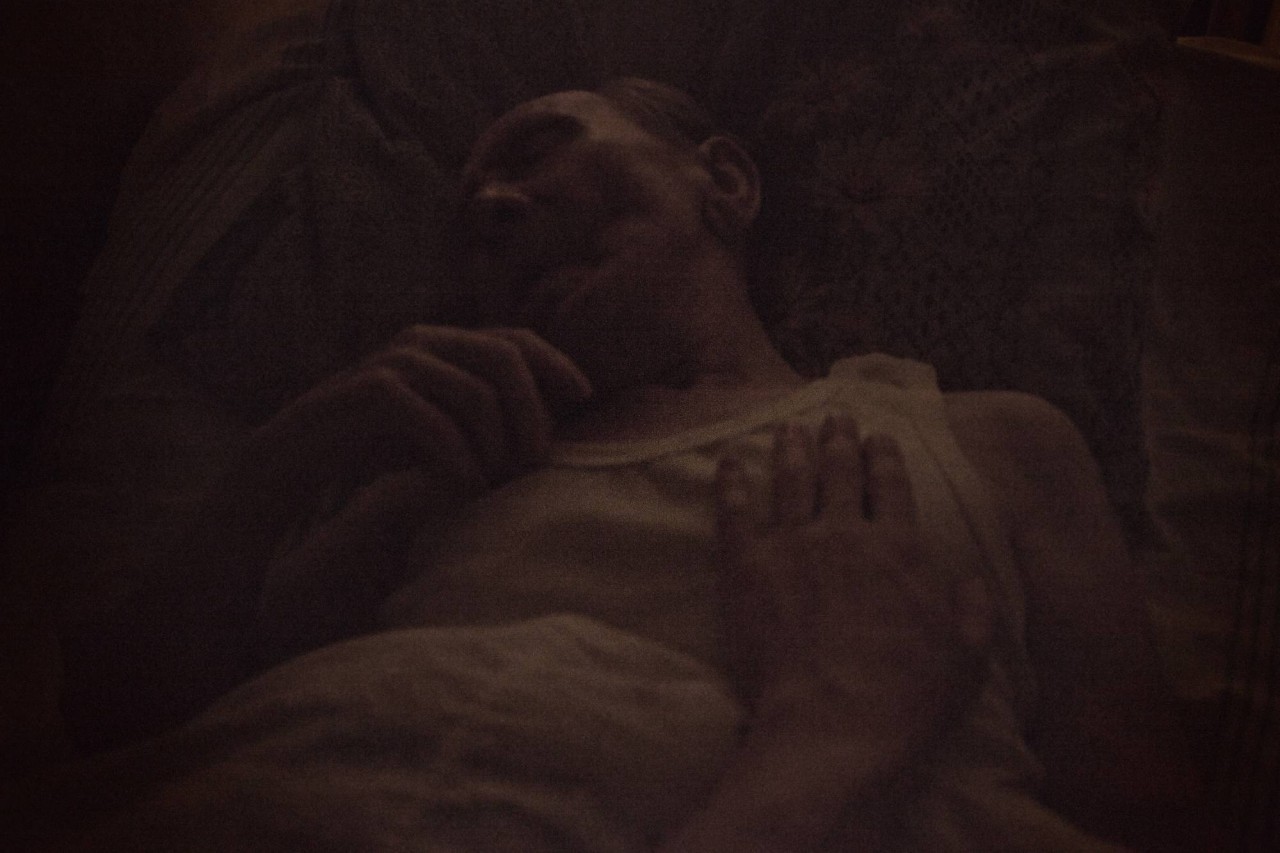
This story is about me and my grandfather. About the clash of generations. About the tragic relationship between them. About understanding and misunderstanding. About love and selfishness. And about memory. It is she who helps a person understand himself and become better.
At the end of 2012, I moved to my grandfather. He had lived alone for several years, every day he became weaker and needed help.
Grandfather died on May 1. I can only hope that in his last days he felt that he was not alone.
 Alexey Kurbatov, "Care"
  Alexey Kurbatov, "Care"
  Alexey Kurbatov, "Care"
 Foreign legion
Photographer: Guillaume Chuven
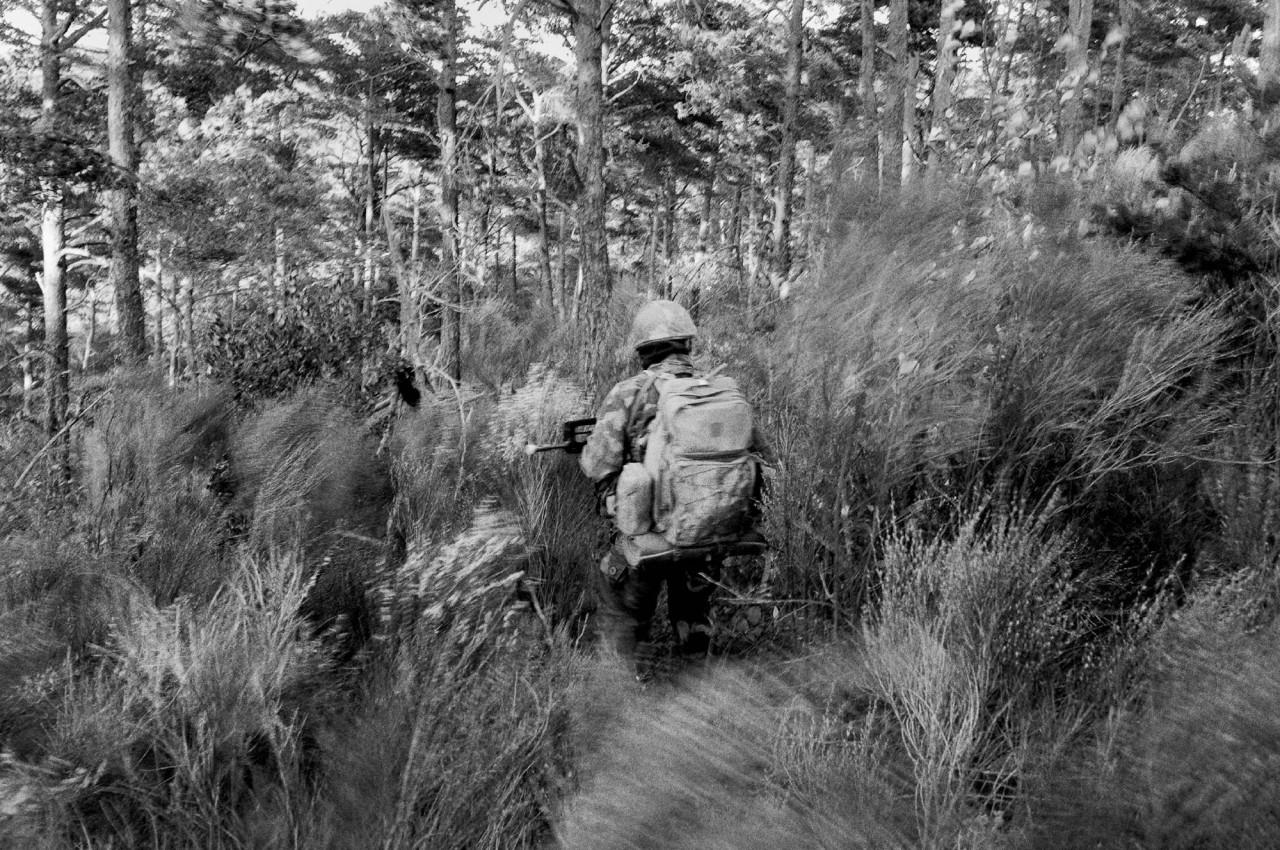
The first surprise in the Legion: the variety of nationalities and races, in the unit of only three Frenchmen for a dozen Slavs and several Asians and South Americans: Nepalians, Mongols, Indians, Japanese, Chinese, Colombians, Uruguayans. Of the seven thousand mercenaries serving in the legion (they select one of ten applicants), most of them from Russia or from the former Soviet republics.
For most soldiers, the main motives of the service are the need for stability, the desire to earn money, a craving for adventure, curiosity, the flight from personal tragedies.
Legionnaires are always at the front line, in hot spots. Since 1831, their calling to “stop wars”, freeing from this fate of the French.
 Guillaume Chuven, "Foreign Legion"
 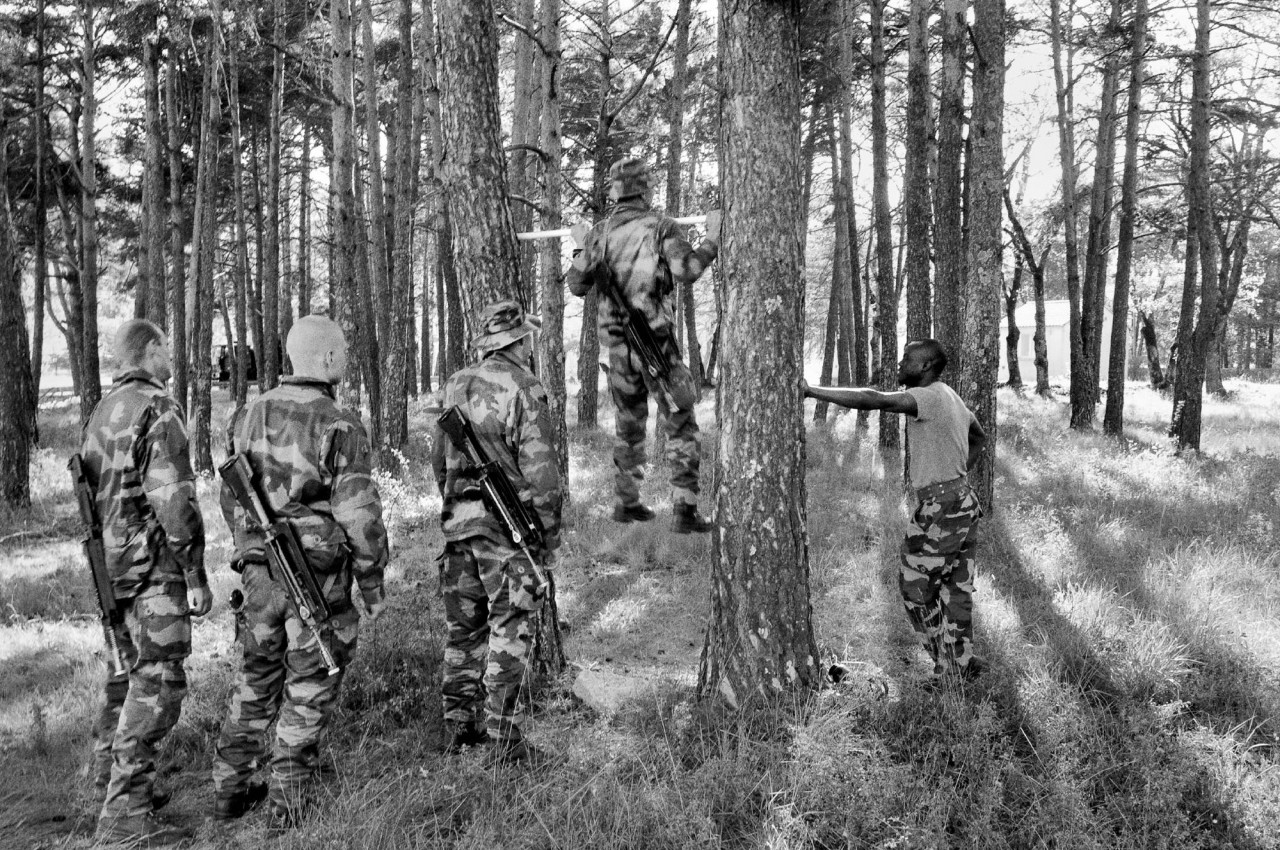 Guillaume Chuven, "Foreign Legion"
 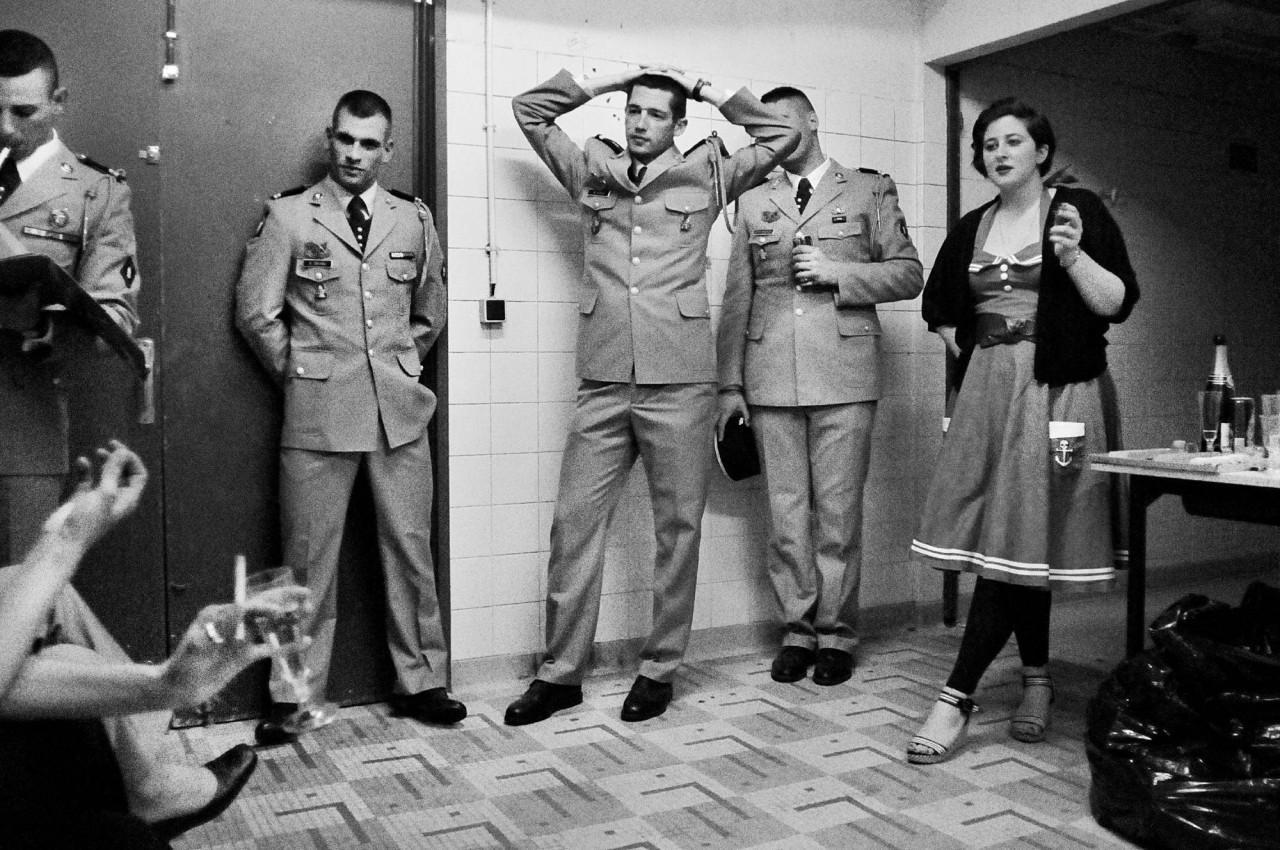 Guillaume Chuven, "Foreign Legion"