
Translated material
Compensation to Ukrainians with psychological problems after Chernobyl will "eat" up to 6% of the country's GDP per year
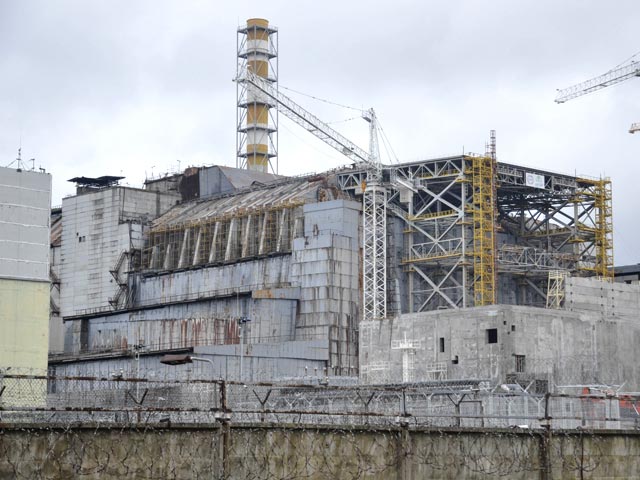
Scientists of the Munich Institute of Economic Research argue that Ukraine should spend on average 2 to 6% of GDP per year on people with psychological problems after the disaster at the Chernobyl nuclear power plant. The results of the research published in the March issue of the Journal of Public Economics reported by the Swiss newspaper Neue Zuercher Zeitung , which is quoted byInopressa .
Disasters at nuclear power plants harm not only the physical, but also the mental health of people, say Alexander and Natalya Dunzer, authors of the study called "long -term consequences of Chernobyl: data on well -being, mental health and well -being." After April 26, 1986, Ukraine, after the disaster at the Chernobyl nuclear power plant, has to "spend on average 5 to 7% of its GDP on restoration work, disinfection and payments to the victims," the work says.
At the same time, according to researchers, the psychological consequences of the disaster for the population were not previously taken into account, although they are quite significant. The authors of the study emphasize that they analyzed the consequences of the Chernobyl disaster for people who were exposed to low doses of radiation; People who were exposed to high doses of radiation were not taken into account in the study.
96% of the inhabitants of Ukraine who have received very low doses of radiation, even 30 years after the disaster, continue to suffer from psychological problems: “They are less satisfied with life, more often suffer from depression and depend on social payments,” the authors of the work came to the conclusion.
According to scientists, fears about future results of medical examinations have a strong influence on the psychological state: the victims lowly assess the probability of their survival and life expectancy.
According to researchers, compensation to people undergoing low radiation doses can be 2.2-5.5% of Ukraine's GDP per year (as of 2004). The total costs significantly exceed those 5-7% of GDP that are spent on eliminating the consequences of the disaster and the social support of the victims.
It should be noted that in the practice of the Government of the former republics of the USSR they try to save on social benefits to the Chernobyls ("Grobovs", as the liquidators themselves call their payments). For example, in Belarus from January 1, 2013, the liquidators of the Chernobyl accident were equated to people who suffered as a result of the disaster. From January 1, 2014, benefits for liquidators in Uzbekistan stopped operating.
On the difficulty with confirming the status of a participant in the elimination of the consequences of the accident, liquidators in Ukraine complained. On March 23, the Chernobyls, victims of Khreshchatyk Street in the center of Kyiv, demanding to cancel the decision to reduce payments in 2011, and on April 12 in the Poltava region with the same requirements, about 50 people blocked the highway of international significance Kyiv - Kharkov - Douvzhansky in the village of Voinikha in the Labinsky district.
Poroshenko imposed a veto on the law on the return of benefits to the victims of Chernobyl
On April 12, in the year of the 30th anniversary of the disaster, the President of Ukraine Petro Poroshenko imposed a veto on the law adopted by the Verkhovna Rada on the return of benefits to the victims of the Chernobyl accident. As Newsru.ua noted, the law significantly expanded the circle of persons who will provide benefits and compensation, and resumed the provision of benefits and compensation to citizens who suffered due to the Chernobyl disaster.
The document with the proposals of Poroshenko, posted onthe website of the Verkhovna Rada, said that "the amendments provided for by law will lead to additional expenses from the state budget of Ukraine", that "in the conditions of limited budget resources and a significant fall in the state economy," will lead to the urging the state budget of Ukraine.
"The approach proposed by law does not correspond to the unified policy of the state in the system of reforming the provision of benefits, compensation and guarantees to certain categories of citizens by ensuring their targeted, taking into account the average monthly income of the family," Poroshenko noted.
The explosion in the fourth power unit of the Chernobyl nuclear power plant occurred at night on April 26, 1986. Tons of radioactive substances were thrown into the atmosphere, the total emission of which was 50 million kuri. This indicator is equivalent to the consequences of explosions of 500 atomic bombs, similar to the one that was dropped by American troops on Hiroshima in 1945.