
Translated material
Breathe - don't breathe
As the Russian President tried to help seriously ill people. And why did he not succeed
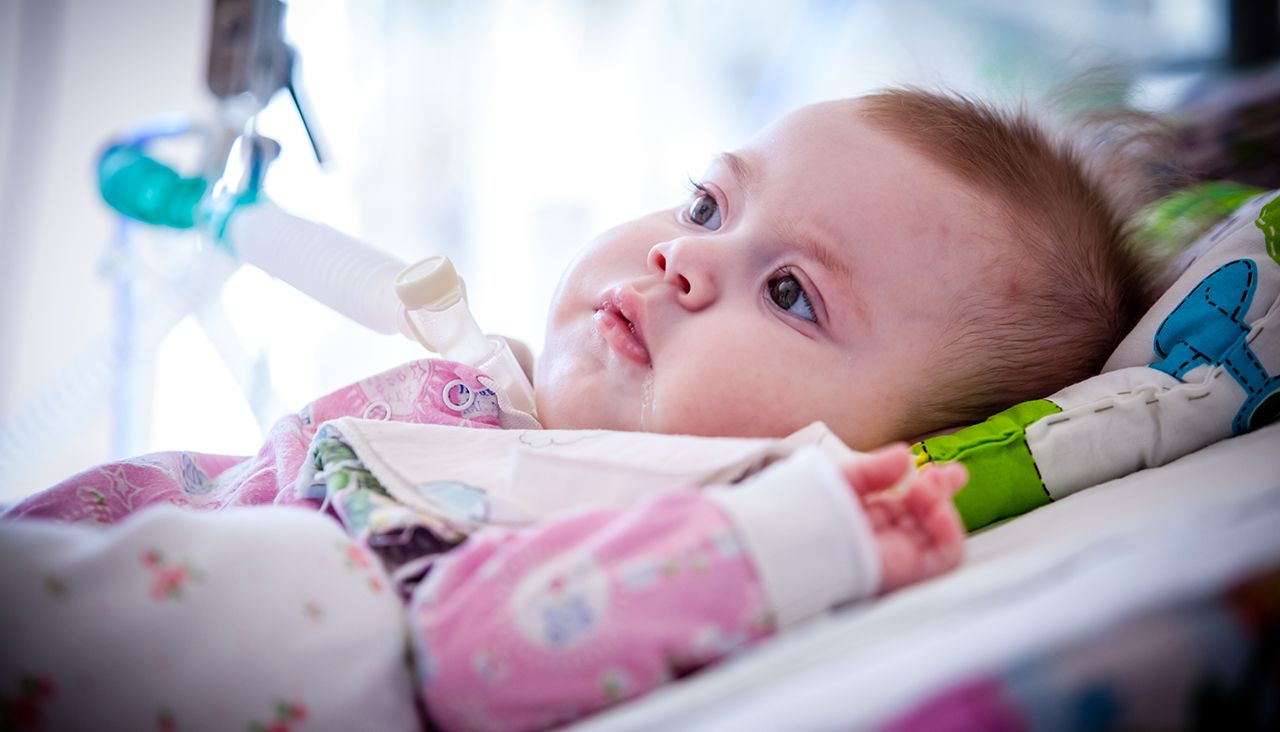
During the next “direct line” on April 14, 2016, Russian President Vladimir Putin answered the question of whether close relatives can be next to patients in intensive care. He said that there are no conditions for this yet. Answering another question - the possibility of buying by the state of artificial ventilation apparatuses (IVL) for inconspicuously sick, so that they are at home, and not in intensive care, - Putin said that the state has no money yet. The special correspondent of Medusa Katerina Gordeeva tells how many times these questions were asked to the president and how his answers are changing from year to year.
2014. Nastya
The first three hours Lydia (the name changed) sat on a chair, staring at the crack between the tiles of the wall opposite. Then she began to suffocate: all the tears that were unpublished during the illness of her daughter suddenly poured, and it was impossible to restrain himself. Then her legs became cotton: Lydia could no longer get up, go, look for the doctor, look into his eyes and ask her to be allowed into intensive care at least for a minute.
I thought to myself: if they let me go, I will find a way from there not to go out.
Formally, between Lydia and her daughter Nastya (the name changed) was 30 meters: Lydia was sitting in the corridor, and Nastya lay in the intensive care unit of the children's hospital in the city of S., the doctor was a day off, and the doctor on duty said that he could not decide whether to let Lidia to his daughter. But the main thing will not call - why bother a person during non -working hours.
Closer to the night, Lydia returned home. She took her brother's hunting rifle wrapped in rags. She sat in a taxi, reached the hospital. And with a gun at the ready, she moved towards the resuscitation.
Then everything is like in a fog: Lydia screams, someone wringes her hands, someone calls the police, doctors, nurses, and the smell of ammonia are running. And from somewhere above the voice of the doctor on duty: "What do you want, she died, she died, she is no longer!"
So Lydia found out that her only daughter, five -year -old Nastya, died in intensive care.
Nastya was sick for a long time and seriously - cancer. Several times already got into intensive care. Lydia, of course, thought that one day irreparable would happen. But Lydia simply could not imagine that her daughter will die when her mother would not be nearby.
She rushed around the hospital, demanding the body of her daughter and accusing the doctors of murder. The calling the police was already approaching the clinic. The employees and volunteers of the Hospice (until then, who helped Lydia psychologically, and her daughters - with pain relief) tried to solve the situation on the phone: the hospital of the S. Moscow Region is in two and a half hours of driving from the center of Moscow; It took time to get.
In the end, it was possible to agree: in intensive care, they “forget” the story about the gun, and Lydia takes away and buries the body of the daughter without any complaints about the medical institution.
This story happened in the winter of 2013, on New Year's Eve.
In the spring of 2014, the head of the Hospice Foundation “Vera” Nyutu Federmeser was first invited to the “direct line” with Vladimir Putin. And she, remembering the story of Lydia and Nastya, decided to ask the president about the right of her parents to be with her children in intensive care.
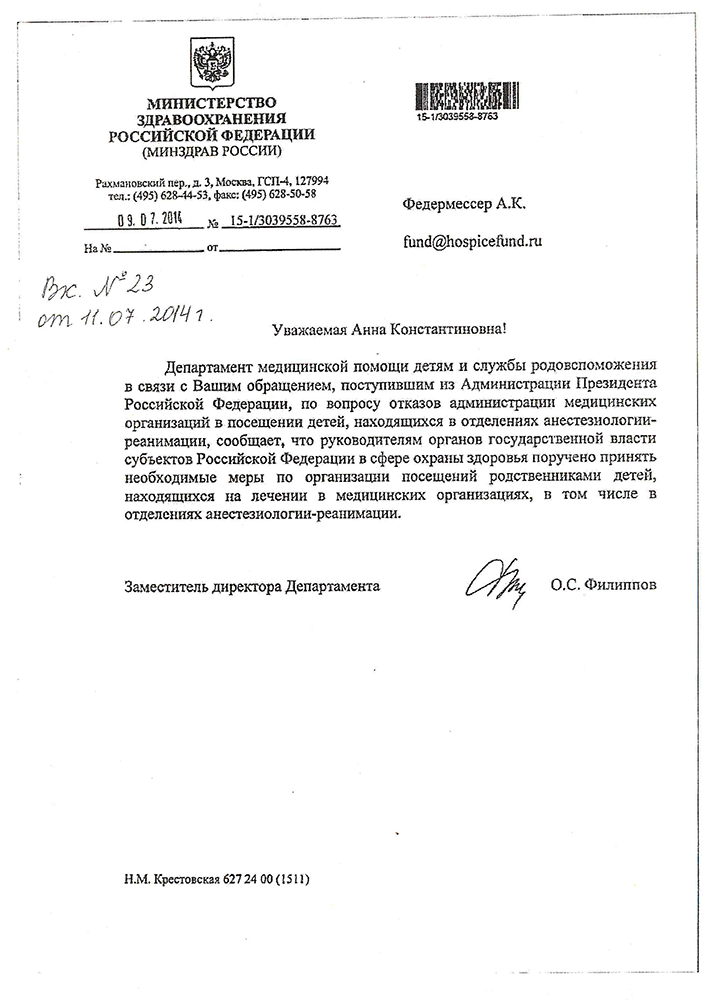
During that television, the head of state answered 81 question. The duration of Putin’s communication with the people was 3 hours 54 minutes. To the question of Nyuta, the Federmeser did not have enough time. But he was able to transfer it through the president’s electronic reception. From the presidential administration, the letter fell into the Ministry of Health. And from there it was replied that "the heads of state authorities of the constituent entities of the Russian Federation in the field of health protection were instructed to take the necessary measures to organize the visits to children on treatment in medical organizations, including in the departments of anesthesiology-resuscitation."
But in the daily life of seriously ill children and their parents, no significant changes occurred.
2015. Ksyusha
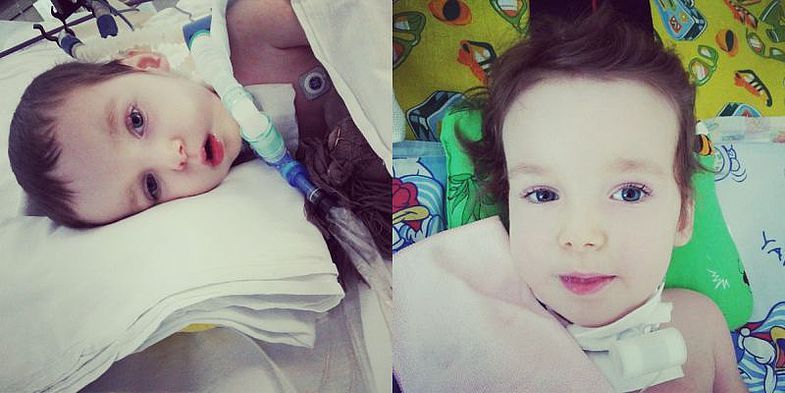
In less than three years of her life, Ksyusha Kretshtopova visited different hospitals and resuscitation nine times. In one, because of the walk, the girl literally fell off his ear. Even in her life there was such a terrible resuscitation, where her parents were not allowed at all, and another resuscitation was better, there Ksyusha was allowed to put a pony with a long bang next to them.
Ksyusha’s diagnosis is spinal amyotrophy of the first type (Verdnig Hoffmann): She can never breathe herself, only with the help of an artificial ventilation apparatus. The one that would suit her at home stands along with a standard set of consumables (humidifier, pulsoximeter, nebulizer, oxygen concentrator, suction) about a million rubles.
Money for Ksyusha was collected by the whole world through the children's hospice “House with a lighthouse”. And then the Ksyushins of photographs compared the whole world - from resuscitation and from the home. It is quite difficult to believe in this, but in the photo made at home, Ksyusha smiled. Her dad Alexander informed everyone of interest: according to his estimates, Ksyusha’s stay at the home apparatus of Ivl paid off after six months. That is, Ksyusha in intensive care was worth a state budget more than Ksyusha at home. “Take the state to transfer such children from the hospital to home conditions,” Alexander reasoned, “it would save. I'm not talking about a psychological aspect. ”
In the spring of 2015, the head of the Vera Hospice Fund Nyuta Federmeser again found herself on a “direct line” with Putin. And this time she was able to go to the microphone .
It was about developing a mechanism for providing free of charge for temporary use (that is, home) of artificial ventilation devices and jerking for children who need them. According to the fund, such children - about two and a half thousand throughout the country. “[They] live in intensive care, at the state expense, do not see their mother, do not see peers, do not develop. They die ahead of time, including from loneliness. Their life depends on these devices, and they want to be at home, ”Federmeser told the president. Vladimir Putin replied that he did not know anything about this, but he would certainly give the necessary instructions to the relevant departments, and the problem with the purchase of IVL for children whom parents want to pick up home will be decided.
A year later, the Federmeser was forced to admit: Putin really gave his subordinates, but it was not fulfilled. “In the process of fulfilling the presidential order, officials held several meetings at different levels. The meetings called funds, parents of sick children, financiers, doctors, lawyers. As a result, the Ministry of Health reported to the government that the issue has already been settled, additional changes to the law were not required, because the devices of the Ivl fell into the list of Hospital equipment. The connection between the assignment and the answer was not traced, the main thing is to report, ”Federmeser summarizes the annual work. - In fact, everything is exactly the same as it was before the question and the presidential order: we do not know a single case when the child was discharged from the hospital with a set of necessary equipment acquired at the funds of the state budget. Moreover, to the appeals of parents with requests to provide them with the IVL apparatus to transfer the child from the resuscitation department home, refusals were received. ”
2016. Alyosha
Alyosha P. was born in the fall of 2015. And at the end of the winter of 2016, he almost died. The ambulance took the child to a large children's Moscow hospital, where he was placed in intensive care and connected to the tubes. The boy’s parents were told, like everyone, to come from 14:00 to 15:00 - at this time, doctors usually tell relatives about the condition of children in intensive care. Then for about five to ten relatives they let inwards.
Alyosha’s parents knew: the disease of their son is not compatible with life. And they were very bitter from the fact that the remaining days they would not spend together, but separately, separated by three doors and the corridor: the boy - in intensive care, on the apparatus of artificial ventilation of the lungs, and mom, dad, brothers and sisters - in painful ignorance, whether Alyosha is alive, whether he was cold and whether he, for example, would drink, for example, to drink.
After two resuscitation weeks, Alyosha was transferred to a palliative department. The children's hospice provided a mask (non -invasive) apparatus of artificial ventilation of the lungs (NILL) to the hospital. Alyosha was breathing, but still faded away before his eyes.
Mom and dad told the doctors that they would like the son to die at home, in the circle of their big and friendly family: it would be easier for everyone. But the doctors replied that on Friday it is impossible to write out, it is possible only on Monday. Parents explained that the road every minute spent at home. And this dispute, it seems, could last endlessly. But Alyosha had very decisive parents: under their responsibility and contrary to the protests of others, they took the boy home. In response, the hospital’s staff turned to the police.
The next day, a district police officer came home to Alyoshin's parents. For an hour and a half, the mother and dad of the child were explained to the stranger in uniform, how important this is that at the most difficult moment, those who love him were next to the helpless baby.
“If you cannot imagine what the child who lies in intensive care is worried, just lie down and lie down for a month. With strangers. Without the possibility of crying, asking and being heard, ”says the doctor-resuscitator Alexander Levontin. - Now I'm not even talking about what is happening inside such a child. I say as a doctor: a child who spent a lot of time in intensive care without relatives nearby develops severe psychosomatic reactions. I have a patient, she, so life has developed, visited the intensive care units of six horsemen. And sometimes, it was a quest for parents: what resuscitation to the baby will now be taken, how to catch up, how to find out whether she is alive or not. But when she finally turned out to be at home, the family faced the most difficult problems of adaptation: the child had a hysteria whenever mother or grandmother left the room. It seemed to her that she would be left alone again now. And that this is forever. "
Alyosha died on the second day after mom and dad at his own peril and risk took him from the hospital. Parents are sure that it was very important for their whole family - that the boy died on his mother’s hands.
Less than a month after Aleshina’s death, on a straight line with the president in 2016, actor Konstantin Khabensky, the founder of the Fund for Assistance to Children with Oncological and other severe diseases of the brain, again asked Putin a question related to the possibility of relatives to be in intensive care near patients (large and small), as well as the question of what prevents the state from writing out inexplicably patients and adults. Supplying IVL devices and appropriate consumables.
“We knew very well that a year ago Nyuta [Federmeser] already made a question about Ivl and received a seemingly positive answer. And that two years ago the question of resuscitation sounded, ”says Alena Meshkova, director of the Konstantin Khabensky Foundation. - We knew that the questions were asked, the answers were obtained, but, in fact, nothing changed: in the same way, I had to “resolve” the stories with the opportunity to visit sick children, just the same way no one bought a single IVL apparatus for the state account for a year. And we decided to repeat the questions. This is in the interests of the charitable community so that systemic problems are solved faster and more efficiently. And here the answer is that there is no money, we, of course, did not expect. They thought the process would start and this initiative would be implemented, you just need to push it again, but it turned out differently. ”
“Nobody believed in money for Ivl. But even rhetoric disappeared. And this is a feature of the last time, ”said Ekaterina Chistyakova, director of the Life Foundation, another charitable organization, who has long and seriously engaged in the topics of relatives in intensive care and the possibilities of palliative patients to be at home, and not in medical facilities.
“Vladimir Putin pointed out that there is no money to resolve the issue of providing our patients with devices,” says Nyuta Federmeser. - But we provided documents to the Ministry of Health, from which it follows that we, in fact, suggest the state to save. Judge for yourself: one day of the child connected to the apparatus, at home - this is 13 thousand rubles; Everything is included in the amount, from the service of the device to diapers and the patient's nutrition. In state resuscitation, one day in intensive care on the IVL apparatus is 36 thousand rubles. Saving almost three times! "
“A year ago, after the issue of ensuring Ivl at home was raised by Nyuta, we presented a complete financial and economic justification to the Ministry of Health,” says Olga Germanenko, head of the Association of Patients with Spinal-Youth Atrophy. - We calculated how much equipment for home use costs - several times cheaper than equipment of an expert class, which is placed in hospitals; How much care costs, how much is the maintenance taking into account depreciation and replacing the failed spare parts: four thousand rubles at home against 24 thousand rubles in the hospital per day! These are the net expenses for the Ivl. Isn't such a saving state profitable? "
Alina. How much it costs to breathe at home
The seven -year -old daughter of Olga Alina has been breathing for two and a half years only through the apparatus of artificial ventilation of the lungs. Alina cannot tell her mother either what she was alone in intensive care, or how better it became at home. Alina is not talking. But at home Olga washes and dresses Alina every day. And also - she calls it “to bring beauty” - braids braids. This is their life; Which for five months of resuscitation isolation did not have Alina with her mother and - do not collect the philanthropists money for Alinin's apparatus of the Ivl and the consumables for him - could never have been.
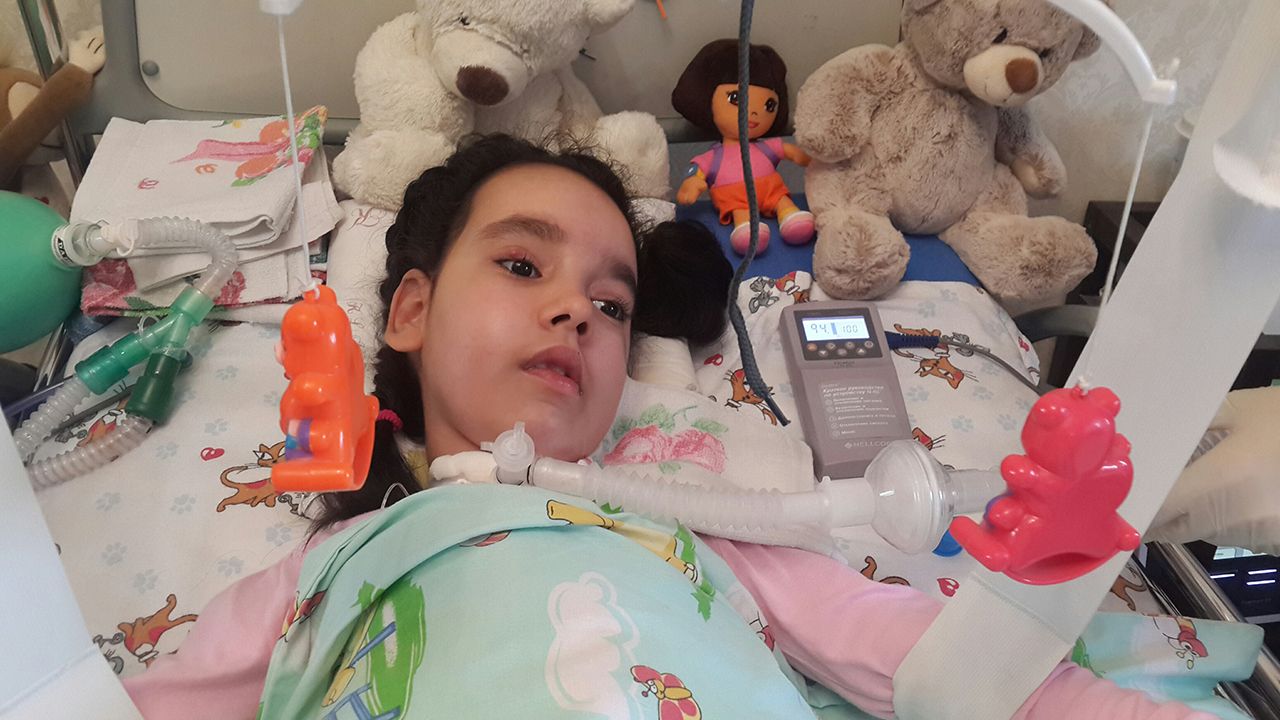
“In the summer we are going to try to start a walk,” says Olga, “so far we are tempered. Every day I make her massage, wipe her, turn it over ... Who, tell me, would do all this in intensive care? Who can love her as I love her, but - at work? The best nurse, the most compassionate doctor - they work. And for me, Alina is life. Such a difference. And I don’t have to pay for the fact that I care for my own daughter, I do it because I am a mother. This is to the question of money. ”
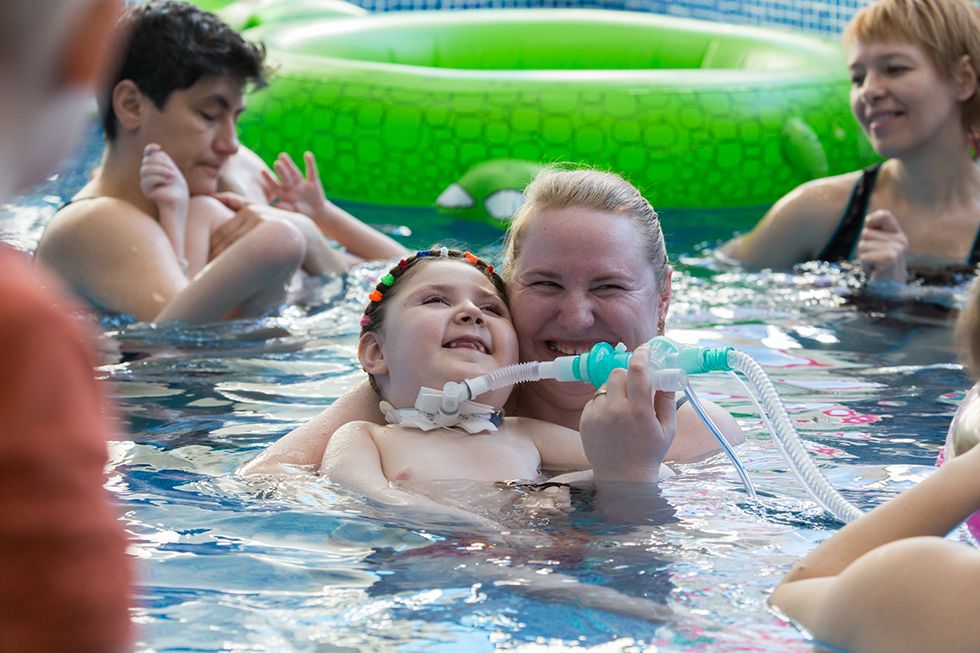
“The matter, of course, is not in money, but in the absence of a regulatory framework, which would regulate the procedure for transferring children to Ivl home and regularly supporting them with consumables so that children who are now in intensive care can live at home, in the family circle. Are you aware that children with Ivl devices can study at school, swim in the pool, walk? Instead, they are locked in intensive care, where they are formed by walks, where they are lonely and scary, where doctors avoid them, because they are hopeless, where they can pass much earlier than at home, because they do not see parental care, where they die alone and without love, ”says Nyuta Federmeser.
Today, all 110 IVL devices that are used in Russia are houses - devices purchased and served with money of the Blessers of the Vera Foundation. Formally, that is, from the point of view of Federal Law N323, according to which medical care in Russia is in medical institutions by medical workers, parents using Ivl at home, and doctors who help them are criminals, because they violate the legislation, carrying out, in fact, resuscitation actions at home. “The family, who has a person at the Ivl at home, has already broken the law,” says Federmeser. - In the event of the death of such a person, for example, a child, a family may be charged with causing death by negligence. And no one can protect them. ”
“In addition, understand that the human blood indicators are changing both from a state and over time-if it is a child, then he is growing,” says the realmorist Anton Volkovsky. - The device must be adjusted, adjusted. This should be done by the resuscitator. With a 40 percent deficit of resuscitators in our country in the regions, no one will come to such a patient and no one will help. What can I say, from Moscow or St. Petersburg you will leave kilometers per hundred and no normal blood analyzers in any hospital. And they are necessary to adjust the operation of the device. Here you have Ivl at home. "
In Russia, there is no legal framework to implement the idea of Ivl at home, nor doctors defined by the Ministry of Health acts in order to control this process. And there is no law according to which domestic Ivl, consumables for them and the help of resuscitators would be paid by the state - as is adopted in many countries. Each sigh of each child who breathes through the apparatus outside of resuscitation is the money of philanthropists. And if one day the fund, for example, does not collect the right amount, it is scary to imagine what can happen.
«По нашим подсчетам, чтобы закрыть в России тему с ИВЛ в домашних условиях, требуется тысяча аппаратов искусственной вентиляции легких и ежемесячные расходники к ним, — говорит Нюта Федермессер. — Цена вопроса — около одного миллиарда рублей. Это единовременная покупка аппаратов. Ну, и ежемесячные расходники. Разумеется, аппараты могут переходить из одной семьи в другую, после того, как — по естественным и печальным причинам — перестанут быть нужны. Сумма, конечно, немаленькая. Но на людей в больницах государство потратит больше!»
«Не знаю, может быть, дело в том, что у них там в одном источнике финансирования денег нет, а в другом есть, — говорит Ольга Германенко, руководитель Ассоциации пациентов со спинально-мышечной атрофией. — Ведь на больницы по ОМС [обязательному медицинскому страхованию] по факту они тратят больше. И всех это устраивает. А на домашние аппараты денег надо меньше, но перенаправить нельзя?»
«Все, увы, просто и понятно: когда человек на ИВЛ занимает койку в отделении госбольницы, всю помощь он получает из средств ОМС, а значит, если мы говорим о выделении ему домашнего аппарата ИВЛ, речь идет не о выделении дополнительных средств, а о существенной экономии за счет грамотного распределения денег. Но над тем, как их перераспределять, надо подумать. Надо придумать эту систему помощи. А вот до этого никому нет дела. Ну, не хочет никто голову ломать, и все тут», — печально подытоживает Федермессер.
После «Прямой линии». Stepa
«Знаете, мы смотрели „Прямую линию“ с нашими докторами. И вот когда Хабенский задал вопрос, а президент ему ответил, стало ясно, что на государственном уровне все эти проблемы — они не рассматриваются как важные, — говорит реаниматолог Александра Левонтин. — Несколько тысяч слабых, которым страшно и одиноко в реанимации, это ерунда на фоне военных конфликтов и экономического кризиса. И люди, к которым мы стучимся, с такими проблемами не сталкивались. Но точно знают, если столкнутся — их близкие будут лежать в реанимациях, скорее всего, не этой страны. И их к ним пустят. Это, конечно, очень выбивает из колеи».
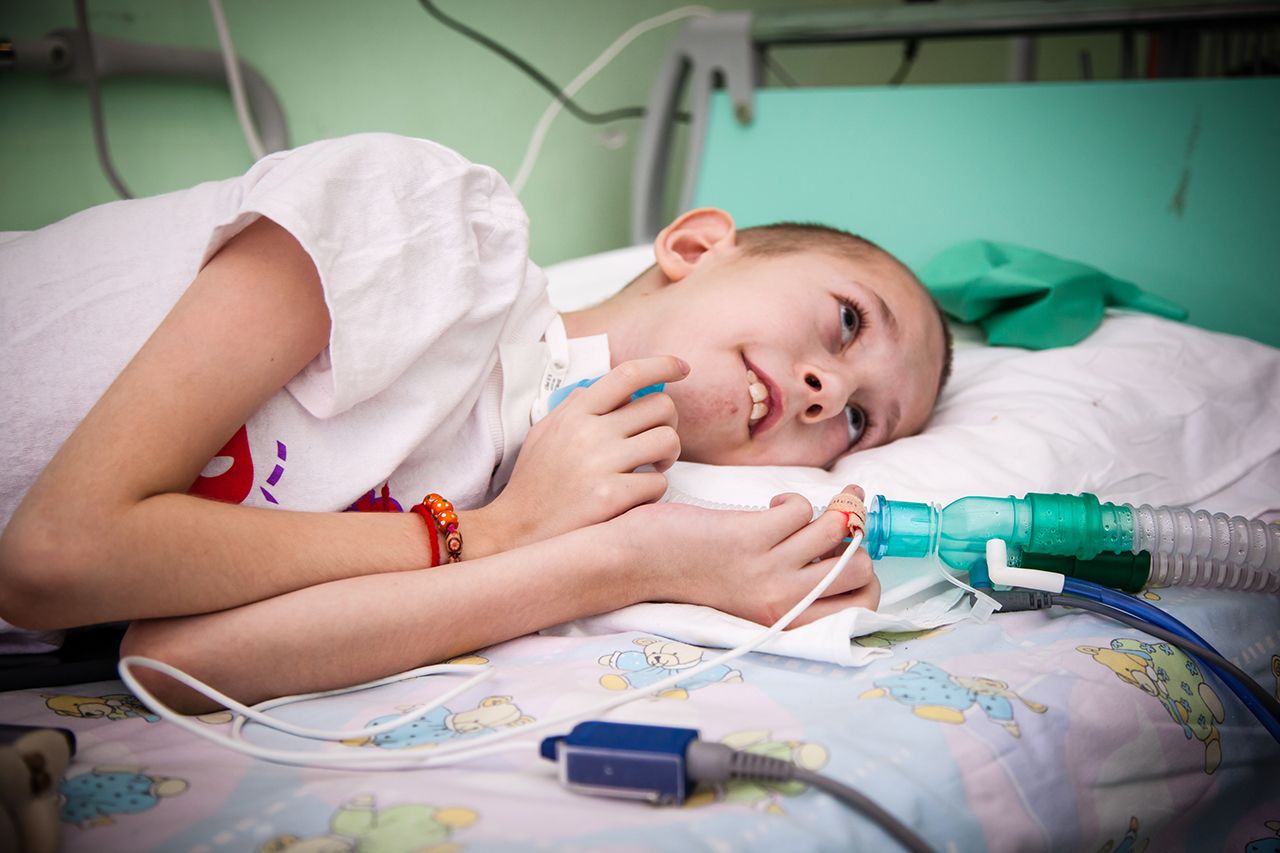
Чуть больше года назад доктор Левонтин, работая в Научном центре детского здоровья, познакомилась со Степой Горбаневым из поселка Комсомольский Белгородской области. У Степы не было (и до сих пор нет) конкретного диагноза, но есть конкретная проблема: Степа не может дышать сам. Доктор Александра Левонтин взялась за Горбаневых: например, обучила Степину маму менять трубки, разбираться с пищащим на всю реанимацию о тревоге аппаратом ИВЛ. А потом ушла в отпуск.
Ни в одной российской клинике не любят пациентов, которые «залежались» дольше, чем на 21 день, а Степа лежал в реанимации уже несколько месяцев. И пока доктор Левонтин была в отпуске, Степу перевели в другую реанимацию, где мама не могла находиться с ним целый день. Мама плакала и звонила доктору. Доктор вернулась в Москву и пошла в новую Степину реанимацию, соврала, что она крестная, потому что не знала, примут ли там стороннего врача-реаниматолога. И ей сказали ждать. Доктор Левонтин сидела несколько часов перед дверями реанимации без белого халата, как сидят часами все родственники реанимационных пациентов. Потом ее завели на 15 минут и очень быстро сказали выходить. «Знаете, оказалось, что ждать не так сложно, как уходить», — говорит Александра. Побывав в шкуре родственника, доктор Левонтин решила, что никогда не будет выгонять близких из реанимации.
«Это не только человеческое соображение, — говорит доктор, — это еще и профессиональное: когда ребенок находится с родителями, то, как минимум, он не нуждается в такой глубокой седации, в какую обычно его вводят в реанимации, чтобы обезопасить центральную нервную систему и защитить сердце. Если есть кто-то, кто объяснит маме, что вот в этот момент и вот в этот будет происходить с ребенком, то она сможет это объяснить ему. И ребенку будет легче. И врачам будет легче. И это, правда, будет нормальная конструктивная работа».
«Я понимаю, о чем говорит Путин, когда говорит, что нет возможностей реализовывать право родственников на неограниченные посещения в реанимации, — рассуждает реаниматолог Антон Волковский. — Наши больницы, в целом, по стране, — это больницы, которые построены в 1940-50 годы. Они строились по отличным от нынешних техническим стандартам: нет принудительной вентиляции, тесно, негде развернуться. Кроме того, в большинстве региональных реанимаций трудно наладить нормальную систему обработки белья. Те же шторки на ширмах, если мы вдруг предположим, что эти ширмы есть и кто-то захочет их достать и сделать более комфортным посещение пациента родственниками, — их надо ежедневно менять. Должна как часы работать служба, которая следит за стерильностью, за балансом микробиологической системы».
По мнению Волковского, подавляющее большинство региональных больниц просто физически не может себе позволить открыть двери реанимации для неограниченных посещений. «То есть, на самом деле, если предпринять некоторые титанические усилия, то сделать это можно. Но предпринимать эти усилия у руководителей больниц, да и у медперсонала нет никакой мотивации, — заключает Волковский, — сестер и врачей в реанимациях, как правило, не хватает, условия, в которых лежат люди, не ахти. Если сейчас туда запустить всех желающих, польется поток видеозаписей и жалоб, в большинстве своем обоснованных, но кому нужна эта головная боль?»
Врач-реаниматолог Волковский полагает, для того, чтобы отделение реанимации было готово принимать посетителей, многим больницам придется переделывать уже сделанный косметический ремонт: разграничивать отделение по зонам, ставить функциональные кровати, устраивать разъемы под современную систему вентиляции, устанавливать рельсовую систему, позволяющую раздвигать ширмы. На многое из этого нет денег, на другое — воли. «Понимаете, требуется замена всей системы, в том числе и системы взглядов на вещи. Проще сказать, что ничего не получается. И ведь это тоже будет правдой! Допуск людей в реанимацию без выполнения всех условий увеличит частоту инфекций, спровоцирует перенос внутрибольничных штаммов между отделениями, повлечет за собой массовое заражение людей с ослабленным иммунитетом, в первую очередь, из онкологических отделений. Так вам скажет любой человек, знакомый с системой. И будет прав», — заключает Волковский.
«Разговоры про гигиену мне всегда кажутся странными. Это такой аргумент безысходности, который появляется по поводу реанимации, когда сказать больше нечего, — рассуждает Александра Левонтин. — Санпином легко прикрыться как щитом, если больше нечего сказать. А что, сотрудники, которые работают в реанимации, они по улицам не ходят, с инфекциями не сталкиваются? Ходят и сталкиваются. Помню, как итальянские коллеги рассказывали нам со смехом, что после того, как они перестали менять уличную обувь при входе в больницу, внешние инфекции поглотили внутрибольничные. Но это все, повторюсь, не аргументы в разговоре о том, надо ли пускать родных к человеку, которому худо. Правильный ответ вы получите, если представите себя на месте того, кому плохо. Или того, у кого там, под трубками и катетерами, самый дорогой на свете человек. Надо вас пускать к нему или не надо, что теперь скажете?»
Менеджер детской программы фонда помощи хосписам «Вера» Лидия Мониава отмечает: «Когда маме, которая находится в реанимации с тяжелым ребенком в критическом состоянии, объясняют предназначение медицинских предметов и открыто рассказывают, когда ребенок ухудшается, что с ним происходит и что делают врачи, чтобы ему помочь, мама становится союзником докторов. От нее — только помощь и сотрудничество».
«Редко бывают случаи, когда родители неадекватные, — говорит реаниматолог Левонтин. — Но в основном родственники в реанимации — это руки, внимание и помощь. Никто из медперсонала не будет так ухаживать за пациентом, так собирать слюнки, так вытирать сопельки и так обрабатывать пролежни или переворачивать каждые два часа, как это делают родные».
Профессионалы-реаниматологи, споря о нюансах, сходятся во мнении: должный уровень гигиены (мытье рук до и после посещения реанимации, бахилы, шапочки и халаты), выполнение указаний медперсонала и сотрудничество делают реанимацию открытой для родственников зоной. «Конечно, в некоторых случаях даже чудо не сделает возможным 24-часовое пребывание родных, но об этом, как правило, и не идет речи», — добавляет реаниматолог Левонтин.
«Я помню, Алина лежала в реанимации, где было так тесно, что невозможно развернуться. Трое ребятишек с трубками, проводками и катетерами. Значит, если к каждому придут, то получится еще и трое взрослых. Одновременно все родственники не помещались. Мы договаривались, мы находили выход из положения», — вспоминает Ольга Германенко, руководитель Ассоциации пациентов со спинально-мышечной атрофией. И тут же добавляет: «Так ведь мы просим давать ИВЛ на дом и выписывать тех, кто „живет“ на нем домой, как раз для того, чтобы быть с ними рядом и не занимать койкоместа, которые могут пригодиться другим острым и экстренным пациентам. Чтобы полегче больницам нашим в том числе стало».
«Представляете, в отделениях реанимации страны находятся еще две с половиной тысячи пациентов, которые могли бы быть дома и освободили бы занимаемые койки для других, тех, кому очень надо, но нет мест! — с энтузиазмом говорит Нюта Федермессер. И осекается: — Но вновь прибывших тоже надо будет спасать, лечить, вытаскивать. А это опять — деньги. А денег, как нам уже сказали, нет».
Katerina Gordeeva
Riga