
Translated material
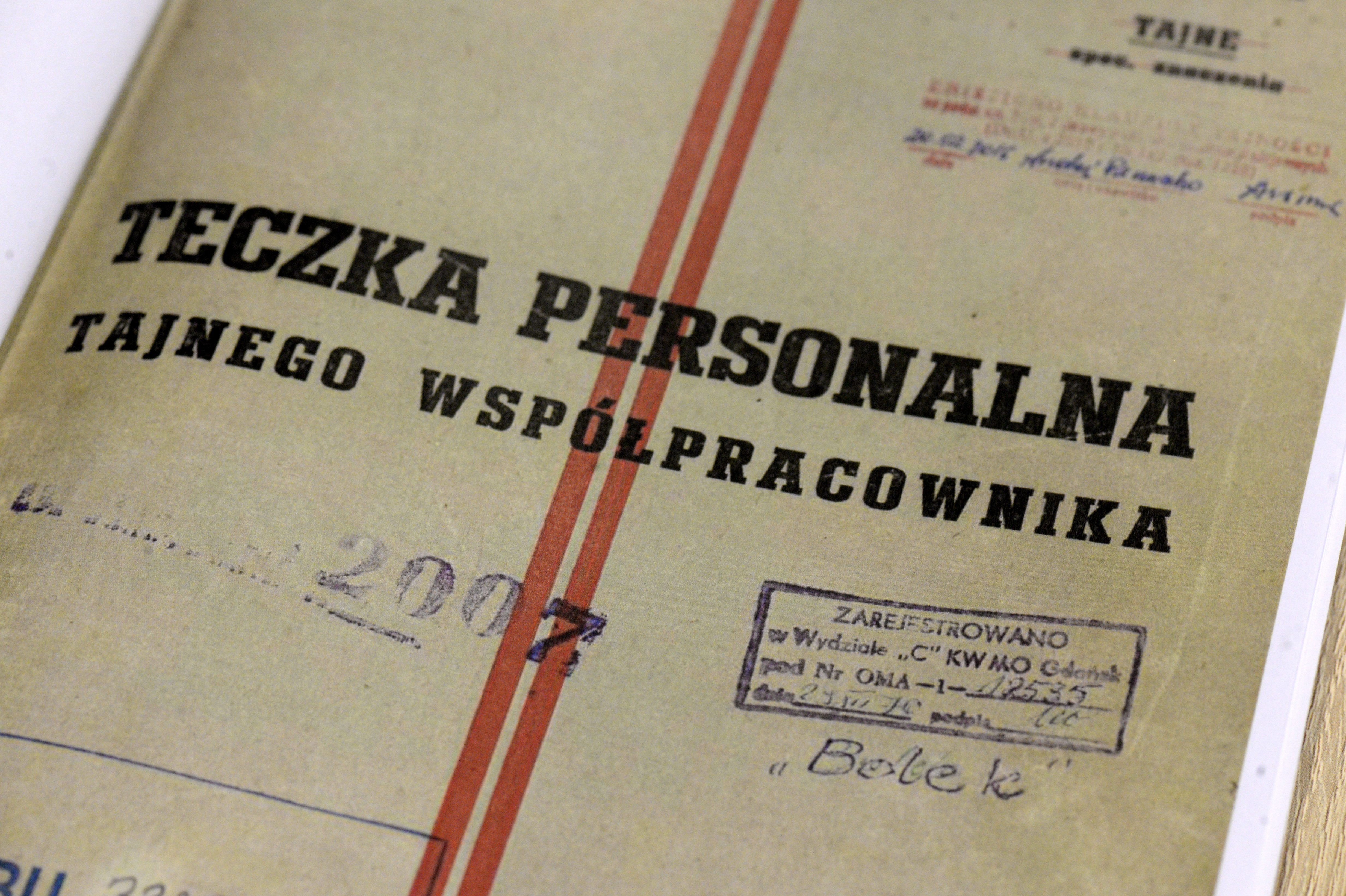
Agent "Bolek" who became a rock
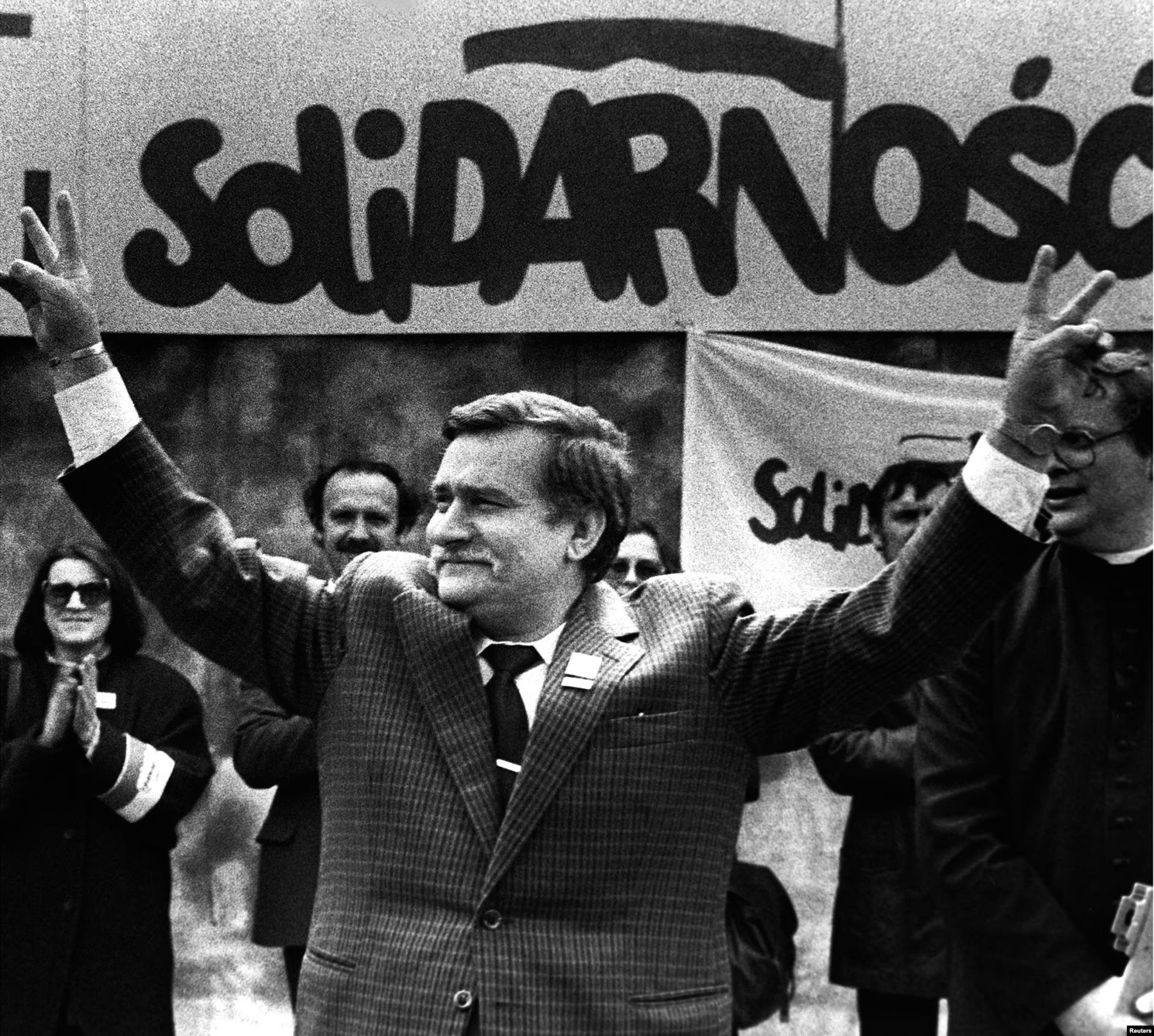
Historians-on the consequences of the release of the dossier of Lech Valensa to perceive the anti-communist movement of the 1980s in Poland
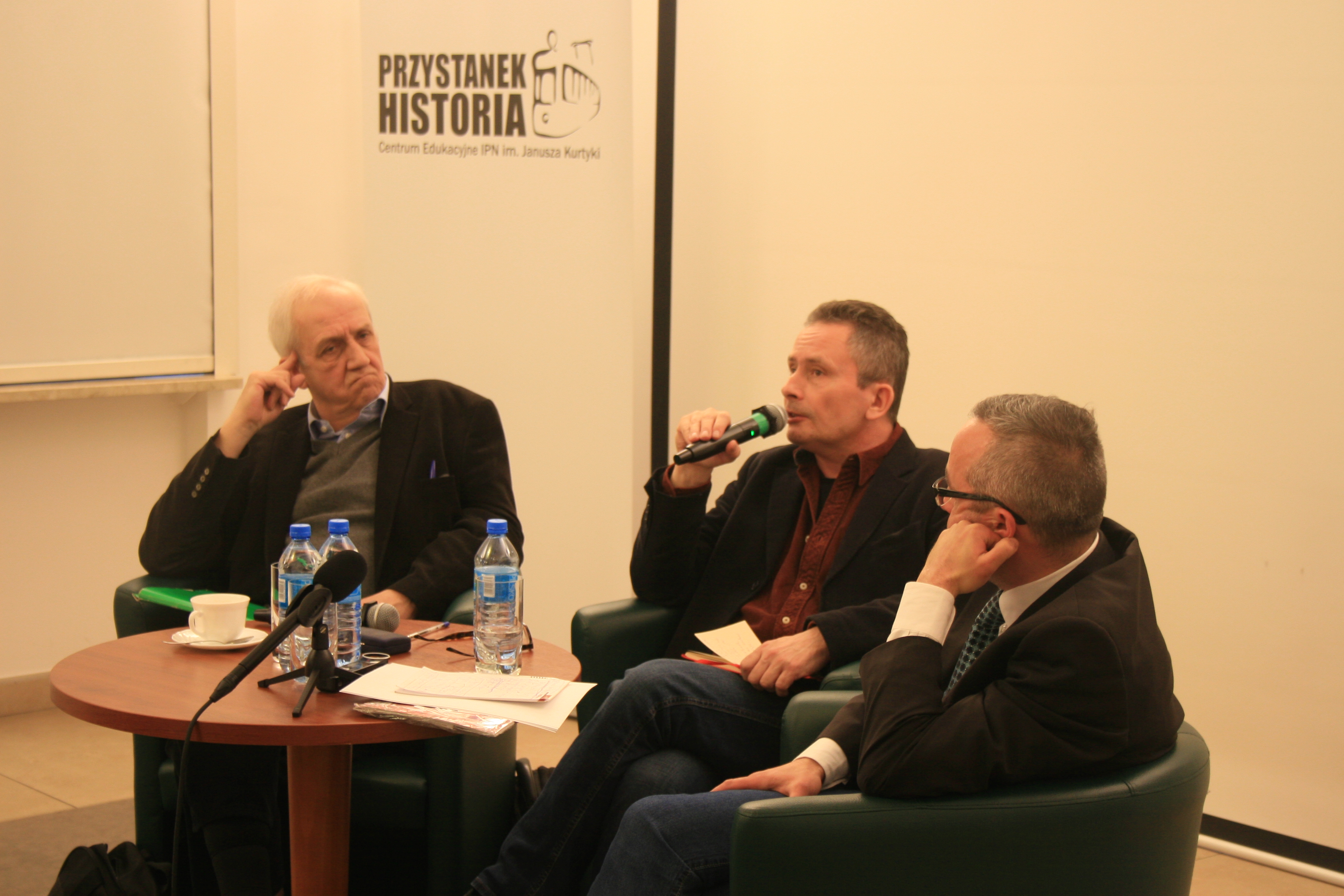
How did Lech Valenes's cooperation with Polish state security in the 1970s affected the further adoption of decisions as the leader of the anti-communist movement, the head of the Union "Solidarity" and the President of Poland? The discussion on this occasion took place at the Institute of National Memory in Warsaw. Professors Andrzej Frishka and Peter Gontarchik participated in it, who studied the materials found in the house of the widow of General Kischak, primarily the so -called "dossier Bolek." The editor -in -chief of the magazine "On the Web" Peter Skvochinsky was discussed.
In the introductory word, Peter Skvochinsky noted that his attitude to Valens had changed for the worse after the discovery of the “Dossier Bolex”, primarily because after studying the content of this folder it became known that Valensa informed the Polish state security of his colleagues, about what was happening at the enterprise where he worked. At the same time, Skvochinsky said that he had previously knew about the informational activities of Valensa.
The representative of the older generation of Polish historians, the author of many books on the history of modernity and movement "Solidarity" Professor Andrzej Frishka said that "Dossier Bolek" undoubtedly worsened the image of Lech Valensa in his eyes. “But not everything was so simple. I would say that not only worsened, but also allowed me to better understand the features of his activity in the 1970s,” the professor emphasized. After studying the documents, Professor Frishka concluded that Valens became the informant of state security to be forced when he was detained on Saturday December 19, 1970. In power in the Polish People’s Republic, there was still homulpers and political changes in the PNR had not yet occurred, the historian noted. Valens was part of the strike committee of the Lenin Shipyle and was detained as one of the leaders of the working protest. By the way, Valens wrote about this in his book "The Road of Hope", Professor Frishka recalled. As a result of this detention, Valens was recruited, said Frishka. Until the summer of 1971, Valensa honestly and frankly talks with Captain Grachik, transfers a lot of information to him, describing what is happening in the working environment at the shipyard: what the workers want, what they achieve, how and with what and with what the strikes begin.
When asked whether Valence harmed people with his denunciations, Frishka answers in the affirmative, because Valens called the names of people who made leaflets who had weapons in their hands that showed the greatest activity in the labor movement. Professor Frishka said that he had a question why this guy (Valens), who will later show himself firm, go to cooperate with state security in the 1970s?
“This was partly happening to him because of fear,” Professor Frishka believes. It is clear that he thought that he would be imprisoned, that he would not be released. There is also another point: the state security officer Grachik, who interrogated Valens, wanted to create the feeling that he was doing something useful. It seemed to Valens that together with the rook, he helped to calm the situation on the shipyard, where at that time working protests were going on, to prevent bloodshed.
Professor Frishka drew attention to the fact that half of the content of the Valenese folder concerns what is happening before the summer of 1971 and is, as the historian scientist believes, an attempt from Valensa to convince representatives of the authorities, which should avoid the worst. In the future, Valensa already has a conversation in a completely different style, less and less speaks of individuals and more and more about working conditions. And then he comes to meetings without enthusiasm or does not come at all. "Every person who has experienced such as secret cooperation, recruitment, undoubtedly, has the need to return to this. And on the other hand, the question arises: did Valensa become an autonomous, sovereign figure after that? And how did what happened to his leadership qualities later formed him?" Professor Frishka believes that in the future Valens acted without any illusions and stood, as he put it, "like a rock."
Valenes as a figure of new trade unions could naively try through state security officers to transfer to the authorities about those outrages that were going on at the shipyard, where he worked
Even if it turns out that Valence’s signature is falsified, Professor Gontarchik believes, there will be no serious revaluation of the opened documents and information will not occur. However, in his opinion, the handwriting with which the reports of Valens are written is some doubts. “This handwriting is too good for a simple worker,” Gontarchik said. These reports of the Gabists could well write with their own hand from the words of Valens himself. However, the cooperation of Valens with GB will not be able to challenge, even if it turns out that the reports are written and not his hand.
In 2008, Gontarchik and Slavomir Tsaltskievich published a historical scientific publication entitled "Lech Valens and state security. Contribution to the biography." The book caused a large controversy in Poland, and both author were persecuted. In his work, Gontarschik and Tsaltskievich cited evidence that in the 1970s the leader of the Union of Solidarity and ex-president of Poland Lech Valens was a secret informant of the Polish secret police.

The participants in the discussion also expressed the opinion that Valens could believe in the so-called "update", which began in Poland in the 1970s under Edward Gereke. Professor Frishka said that at that time many considered state security as an intermediary in a dialogue of power with society, because otherwise a simple person could not reach the communist leadership. Professor Frishka suggested that Valens, as an activist of new trade unions, could naively try through state security officers to transfer to the authorities about the ugliness that were going on at the shipyard, where he worked. When reading some reports of Valens, it is clear that he is trying to use his conversations with representatives of state security to improve the situation at the enterprise. He discusses with them salaries, relations of management and subordinates. "Valensa interprets state security as a segment of power, which can lead to positive changes. He is trying to convince an employee of state security that if you do not improve the system, then the matter will reach the rebellion," Professor Freshka notes.
The historian also drew attention to the fact that the Valeny-Bolek dossier contains five pages written on a typewriter, with the content of Valensa’s performance before workers in 1976, where he criticizes the authorities, speaks of corruption and ugliness that are going on at the enterprise. Professor Frishka believes that in this speech we are dealing with the rebel program. And in general, from the point of view of Professor Frishka, this folder talks about Valens as a rebel much more than the informant.
Peter Gontarchik agreed with this opinion. He also believes that Valensa appears to a much greater extent both then and after as an outstanding leader, and not as a “person hanging on a lace of state security. “His cooperation ends with a complete break,” Gontarchik noted, at the same time paying attention to the fact that Valensa reported to his colleagues in the trade union movement and his competitors, who headed working protests with him. “Valensa reported to his competitors and behaved like a person who treats people rudely and without sentiment,” says Peter Gontarchik. “Yes, Valensa harmed other people in 1970, ran and reported, it is known that many people were dismissed from work.”
From the point of view of Pyotr Skvuchinsky, after Valensa talked with state security agents for a long time, in his relationship with these people there was a certain familiarity. In this regard, Skvochinsky recalled that the first secretary of the Central Committee of Porp Stanislav Kanya repeatedly made it clear that the situation with the working protests is under the control of party authorities, because at the head of the riots are people under control.
Professor Frishka expressed the opinion that the so -called "familiarity of Valensa when communicating with people in uniforms", most likely, can be said during his internation in Arlamov after the introduction of martial law. “It was at this time that he communicates with the officers added to him to the greatest extent,” Professor Frishka said. But this can hardly be called familiarity, because he does not obey the fireplace officers, refuses to make political statements that require him. When on December 17, 1981, Colonel Ivanets conducts various conversations with Valensa and asks to participate in the calm of the situation, Valens refuses everything, Professor Freshka reminded: "At that time, Valenes stood firmly like a rock."
At this time, he does not agree with Kishchak ( the then head of the Ministry of Internal Affairs of the PNC - RS ), Frishka said. The professor also recalled that state security managed to destroy dozens of volumes collected during the observation and interrogations of Valenes in 1981. "15 volumes with the materials of listening to Valens - everything went to the furnace," he recalled. Frishka does not see the reason to believe that in his activities in the 1980s, Valens succumbed to the pressure of state security. Nevertheless, Frishka believes that state security played a significant role in the fate of Valensa. “She not only watched him, but also guarded him,” said Frishka. “She protected from possible attempts on his life.” "If we are talking about Valence's weakness in relation to people in uniforms, then we can say that this feeling contrasted sharply with a deeply contemptuous attitude to party workers," Professor Friske said.
According to Professor Frishka, a further interpretation of the role and image of Valeny in Poland each Pole or a foreigner will have his own and will be in one or another depending on the person’s personal attitude to the 1989 events, to the round table, and the elections held on June 4. Whether the round table will be considered a “collusion of elites” or a public contract, at the conclusion of which the anti -communist opposition was able to agree with the pro -Soviet forces of the left orientation on the peaceful transfer of power - depending on this, the role of Lech Valensa will be perceived. "Those who do not agree with what happened in 1989 will not agree to accept the positive image of Valensa," Frishka said.
“For me, Valensa is the leader of the Solidarity movement, with great disadvantages, which also reflected all the inconsistency of this movement, but Valence has a charisma that cannot be trampled,” Professor Frishka said. Peter Gontarschik also stated that he did not see another politician in the history of Poland, which could replace Valenes in his role in the working and trade union movement, even taking into account all its shortcomings.