
Translated material
"I never use a miletic"
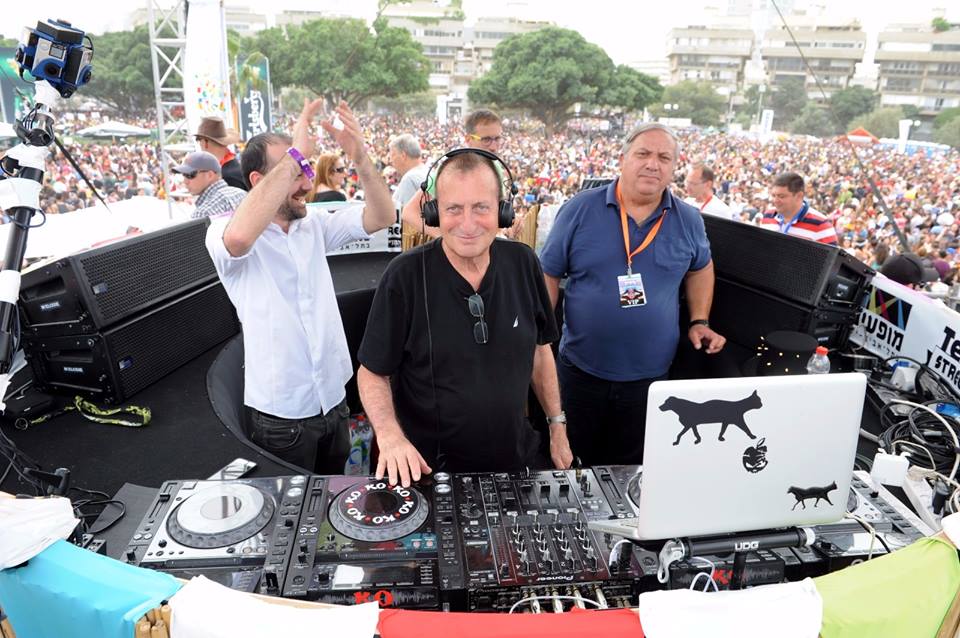
Mayor of Tel Aviv Ron Huldai-about social equality, dressing, yogurts, migrants and gay parade
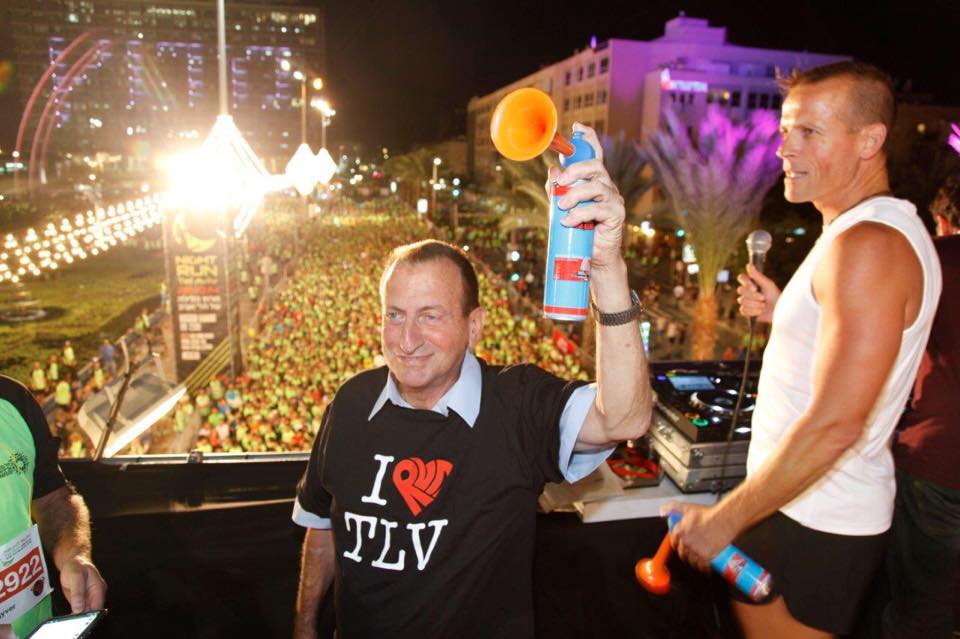
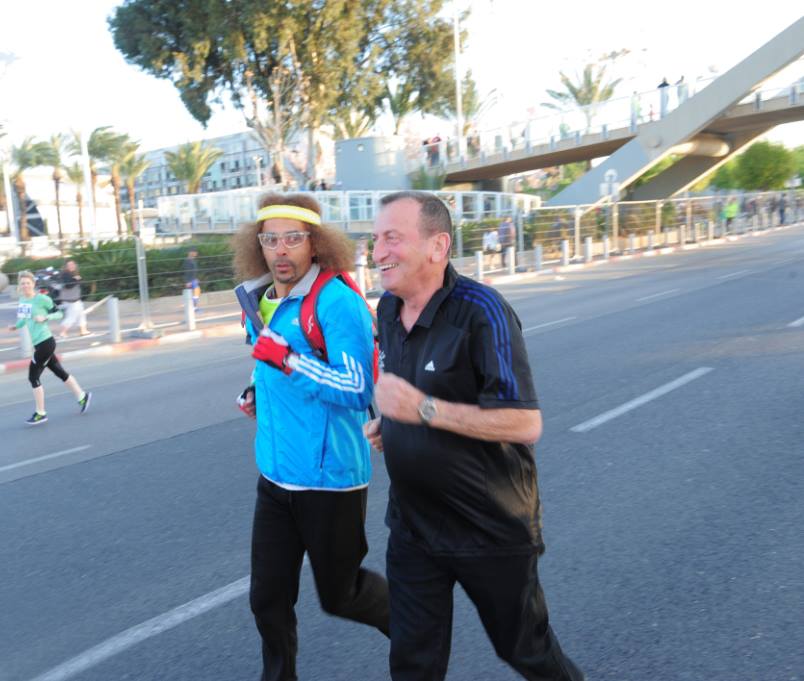
The 71-year-old mayor of Tel Aviv Ron Huldai fundamentally does not use the security, despite the frequent terrorist attacks in Israel. Each year, he opens the city gay parade and continues to persistently advocate observing the rights of homosexuals. In the past, the director of the school and the General of the Air Force, Khuldai until recently, went to work at the City Hall on a bicycle, but due to an unsuccessful fall, he broke his shoulder and was forced to transfer to the car, having previously hidden the mayor's flap in the trunk.
Radio Liberty correspondent Roman Super met with the mayor and found out what needs to be done to turn a slum and dysfunctional city into one of the most attractive and successful places of the Middle East. And at the same time he asked why the Israelis love and hate repatriates from Russia, why life in Tel Aviv is many times more expensive in Moscow, how to solve the problem of illegal migrants and just and for all get rid of traffic jams.
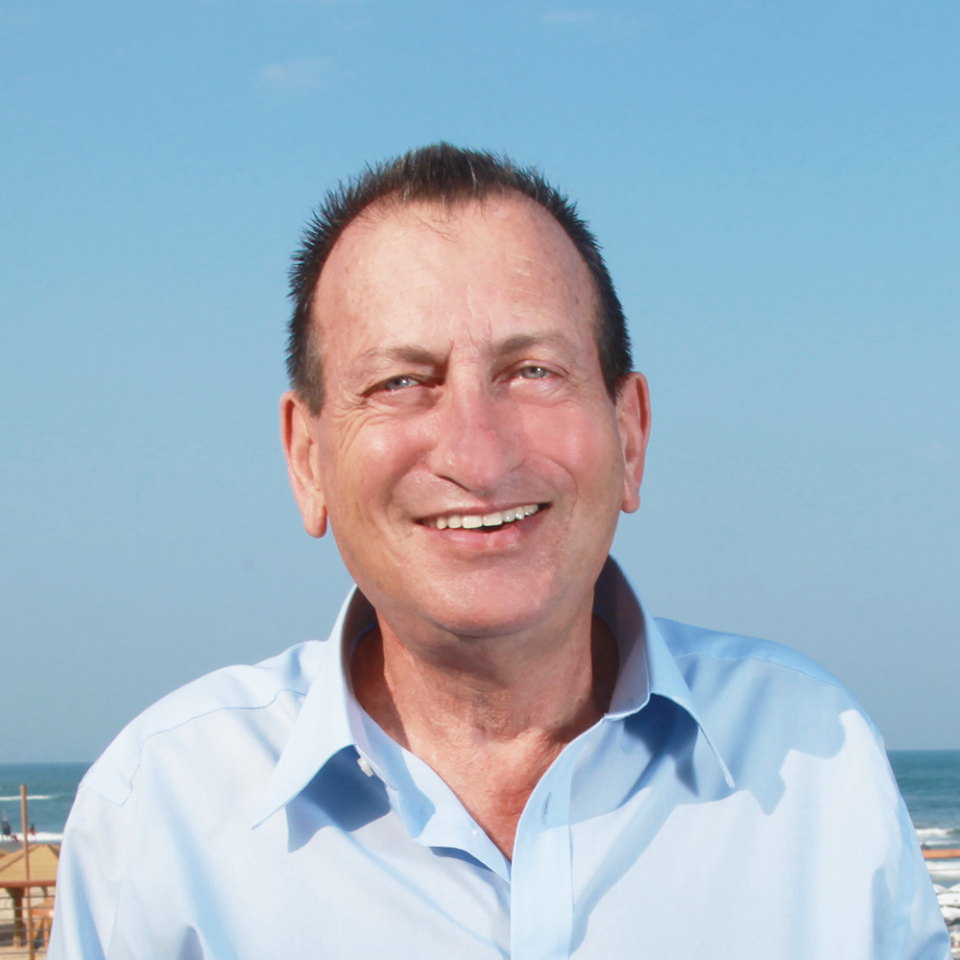
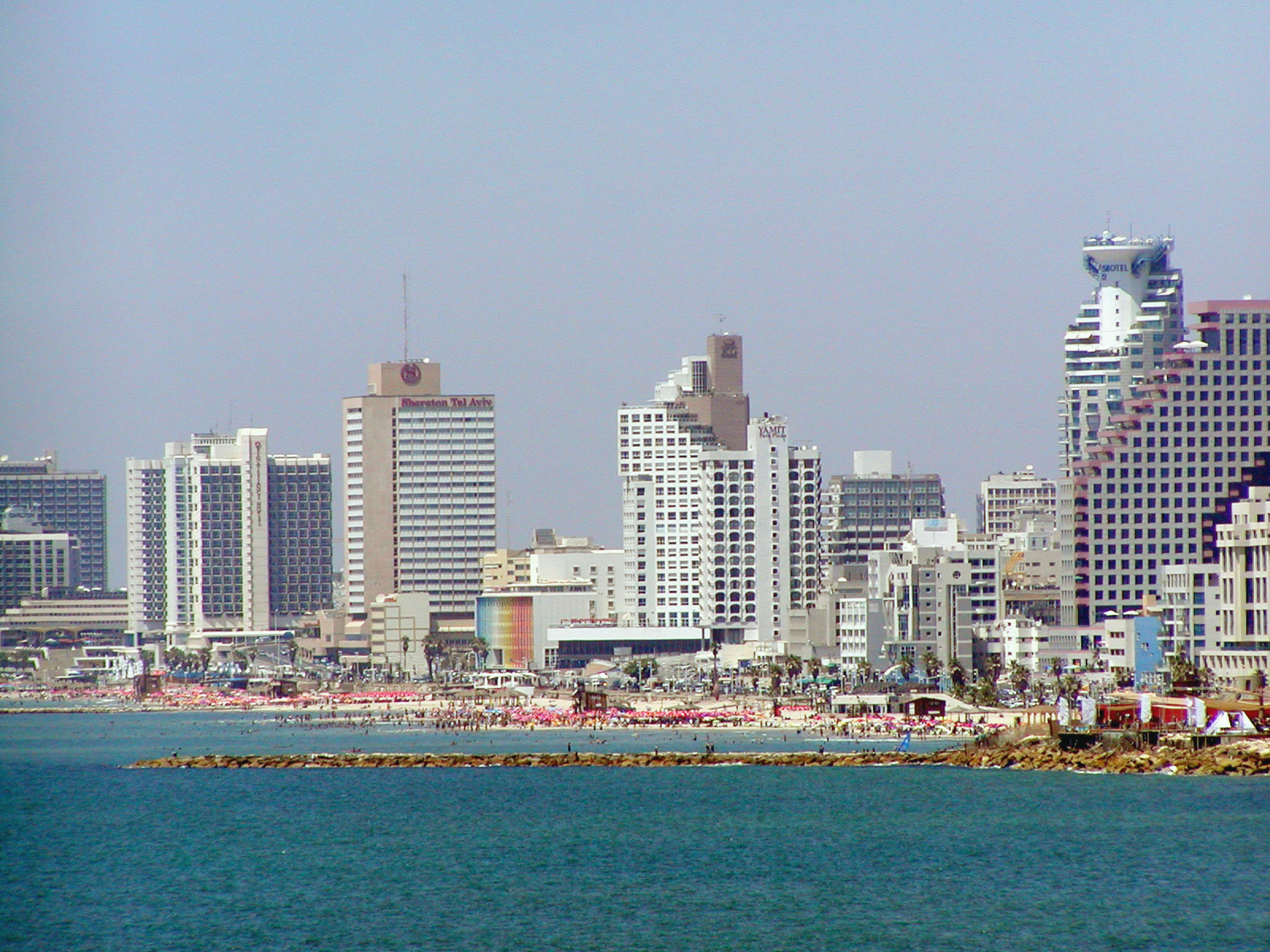
- Mr. Mayor, let's start our interview with a conversation about money. Tel Aviv is indecent to an attractive city. There is everything that a person can be needed for a good and bright life. The only problem: to live in Tel Aviv is impossible due to excessive high cost. Is this a conscious policy - a "city for the rich"?
-Seventeen and a half years ago I became the mayor of Tel Aviv. And it was a bankrot city with a holey budget. The city hall drowned in debt. People mostly left this city. Few people wanted to live here. If people do not want to live in some place, then life in it will most likely be cheap. Today, people seek to live in Tel Aviv, and prices are rising. In Austria, the most expensive city is Vienna. In France - Paris. In Israel-Tel Aviv.
-I always thought that Moscow is an expensive city. But, having arrived in Tel Aviv, he realized that Moscow is cheap. But the city you lead is unreasonably expensive. He stands like London. But this, sorry, is not London. And Israel, by the way, was created on the principle of social equality for everyone.
Israel began to focus on hard capitalism
- Indeed, Israel was created on the principle of social equality of all citizens. In the fifties, the population of our state doubled in just four years. In the country, state housing was rapidly built for people. But in the eighties the situation has changed. Power has changed. The system has changed. Israel began to focus on rigid capitalism, and social inequality increased. Further - everything, as always: a narrow group of citizens was rich, wide - lost. Social abysses are always best visible in big cities, so Tel Aviv’s high cost touches you. But not only he is getting more expensive. Honestly, all of Israel is one large expensive city.
- If you build more, if you create competition, if you reduce the tax burden, it will be cheaper and more pleasant to live in this city.
- And we try to do it. I try to do this in Tel Aviv, as soon as I can. For all inhabitants, especially for poor.
- Then let's bend your fingers. What exactly are you doing to make life cheaper?
-Firstly, for all residents of the city, we have done free parking. Secondly, one by one we open social houses of culture in which all events for Telavivists are free, they are completely subsidized. Thirdly, we are developing a bicycle rental: today the townspeople can really save six thousand shekels a month, abandoning cars in favor of city bicycles. Fourth, any resident of Tel Aviv for a hundred dollars can buy an annual subscription to cinemas and watch as many films as it can fit in a person. Fifthly, we came up with special plastic cards for the townspeople that provide them with twenty percent discounts in many restaurants, shops and concert halls.
- All these are pleasant trifles of life. But there are more important things. Tell me, how many people in Tel Aviv have their own housing?
-Half of the population of Tel Aviva lives in rental housing. Fifty percent.
- Not surprisingly. The apartment in Tel Aviv is hard to find in less than a million dollars. And this will not be a luxurious apartment with a sea view. This is just a normal apartment. Million dollars, Ron. Is it too much for the Middle East?
- This is a sore subject. Very.
- The Israelites are calm about the fact that all their lives they will not live in their apartments? Is this the norm here?
- In the past, the Israelis were ready to pay a mortgage for decades and did it. The idea that this particular apartment will belong to them was inspired. Today, a colossal number of people-entire generations of Israelis-have lost hope to buy an apartment for themselves someday.
- Who is to blame?
- Government. Our government is not socially oriented. The government does not care at all.
“But the whole city is in construction sites.” New residential buildings appear. The areas grow.
- Because, on the one hand, there is a limit to the indifference of the government. And on the other hand, our Minister of Finance played the topic of affordable housing during the election race, he needed to show that the situation was changing. It remains only to prove that he will really do something.
-Remember, when and what first apartment in Tel Aviv did you buy yourself?
- Yes, but I'm a bad example. I bought my first apartment when I served in the Air Force. There was a completely different time. Combat pilots received assistance from the state. There was a completely different system of purchasing housing.
-In what apartment does the mayor of Tel Aviv live today?
-I live in Tel Aviv, in my apartment. It is modest, located on the ground floor of an ordinary residential building. True, I have a kindergarten - 150 meters. I have nine grandchildren. And they need this kindergarten more than me.

-We figured out the apartments: it is almost impossible to buy them in Tel Aviv. The second vital story is food. So I go to Tel Aviv to the store, go to the shelf with dairy products and see only local yogurt manufacturers. There are no foreign competitors on the shelf. What does it mean?
“So yogurt will be expensive.”
- Outragedly road. In any European city in the store there will be dozens of yogurts from different manufacturers. And they will cost cheaper. Israel is again striking in the price tag. And the lack of foreign companies on the shelves. Why doesn't Israel open the economy for the world? It will become easier to live.
- Switzerland, France, Germany and other countries at the government level subsidize agriculture. Because they understand how important it is to support their farmers. Farmers feel good, having competitors from other countries in grocery stores. Israel does not do this. Therefore, if tomorrow Israel allows you to bring foreign chicken eggs ...
- That Israeli chicken eggs will finally cease to cost like drugs.
- And we will lose our entire settlement structure in Galilee, which lives with these chicken eggs. There are interests of the state.
- And they do not allow honest competition to develop. This is protectionism.
- But these interests retain a settlement policy.
- Do you personally like Ron, when there are ten cheap yogurts on the shelf or three dear ones?
We can all want ten cheap yogurts, a novel. But if these yogurts violate the balance of the country, then what can you do
“We can all want ten cheap yogurts, Roman.” But if these yogurts violate the country's balance, then what can you do? If these yogurts destroy local agriculture? We have wonderful farmers who work not only for Israel, but for the whole world, including Russia.
- Israeli products fantastically tasty. But buying them is cheaper in the Moscow supermarket than in a store in Tel Aviv. And this is a real cognitive dissonance.
- This question must be asked to intermediaries who connect our farmers with shops.
-We also figured out food more or less: either expensive, but with their agriculture, or nothing. There are several more eternal city problems. For example, traffic jams. Tel Aviv rides slowly at rush hour. How do you solve the problem of traffic jams? And what works best?
- I cannot solve the problem of traffic jams in any way! All transport of Israel is in the hands of the government, which does nothing here either. They finally decided to build a light metro. But this is a very belated solution.
- Well, if all of Israel was in your hands, then how would you solve the problem of traffic jams in the city?
- I would have made a very unpopular decision. I would go to the people and tell them: guys, the era of private cars is over! Want a good free city? Transplant public transport. All preferences must be given to public transport! Want to drive your own cars? Stand in traffic jams. But politicians who make decisions are afraid to pronounce this truth out loud. Because they will not understand the rich.
-Is there a problem in illegal migrants in Tel Aviv?
- Yes, and this is also a very sick question.
- Do you have a prescription? Or is it also not your responsibility?
- Do you have a recipe?
- I have? No. But I do not manage the city.
The one who came to Tel Aviv and lives in Tel Aviv, that Telavian, and I have to help him
- There is no simple recipe here. Because this problem does not have a solution. The question should be different: what can be done to improve the situation? If someone thinks that there is a simple and final solution to the problem of illegal migrants, then he is mistaken. There is no solution all over the world. But there is an understanding that illegal migrants must be accepted. Yes, you need to do everything possible so that these people do not enter the country. But if they have already arrived, then they need to be treated humanly. If you treat them humanly, then they are more likely to become part of society. This happened in America with the Mexicans. This happened with the Turks in Germany. This happens all over the world. I became the first mayor in Tel Aviv who opened a special bureau to help foreigners, including illegal migrants. The one who came to Tel Aviv and lives in Tel Aviv, that Telavian, and I have to help him.
-Are the inhabitants of Tel Aviv support you in the fact that you are ready to support illegal migrants?
- When I communicate with my voters, I tell them that I support migrants for the well -being of the voters themselves. I have to give migrants an education, I have to raise their children, I have to provide medical care. Because if I do not do all this, we will all suffer from the aggression of illegal migrants. A hungry person is an evil person. A contented person is a kind person. This is life.
- Let's now about the high. Please tell us how you are a gentleman of the city? How, for example, did you make a cozy and comfortable place for Tel Aviv Bohemia from a sluggish dangerous area of Jaffa? Do you pay money to artists and hipsters so that they settle in Jaffa?
- I do not pay anything to anyone. Whoever wants where he lives there. I do two things. The first is investments and infrastructure. I invested huge amounts in the development of Jaffa, because it was the most abandoned area of the city with constant conflicts between the Arabs and Jews. We completely renovated one hundred and eighty streets, built roads, and established an aquisite. The second thing is education and education. I began to build schools, including for Arabs. College for four thousand students opened. Social conditions have risen. The streets in Jaffa began to be called not only the names of the Jews, but also the Arabs. It sharply relieved the voltage. Understanding that a person is a person is changing a lot.
“You said that you are not paying anything to anyone, but this is not so.” I heard that in Tel Aviv there are special scholarships that are paid to students to settle in the most terrible quarters of the city and thereby blurred an unreliable audience.
- Yes, there is such a program exclusively for students. Students who are ready to live in dysfunctional areas of Tel Aviv can count on additional scholarships. But for this we ask them to work with society, to positively influence it.
-The city is gentlemanly, this is a fact that is really difficult to say against. They say that 15 years ago in Tel Aviv there was nowhere to drink good coffee. Now everything is wrong. Nevertheless, in places, Tel Aviv was stuck in the past. Some areas look like Beirut during a civil war. Some areas look like a decoration for a horror movie. Hands do not reach these places?
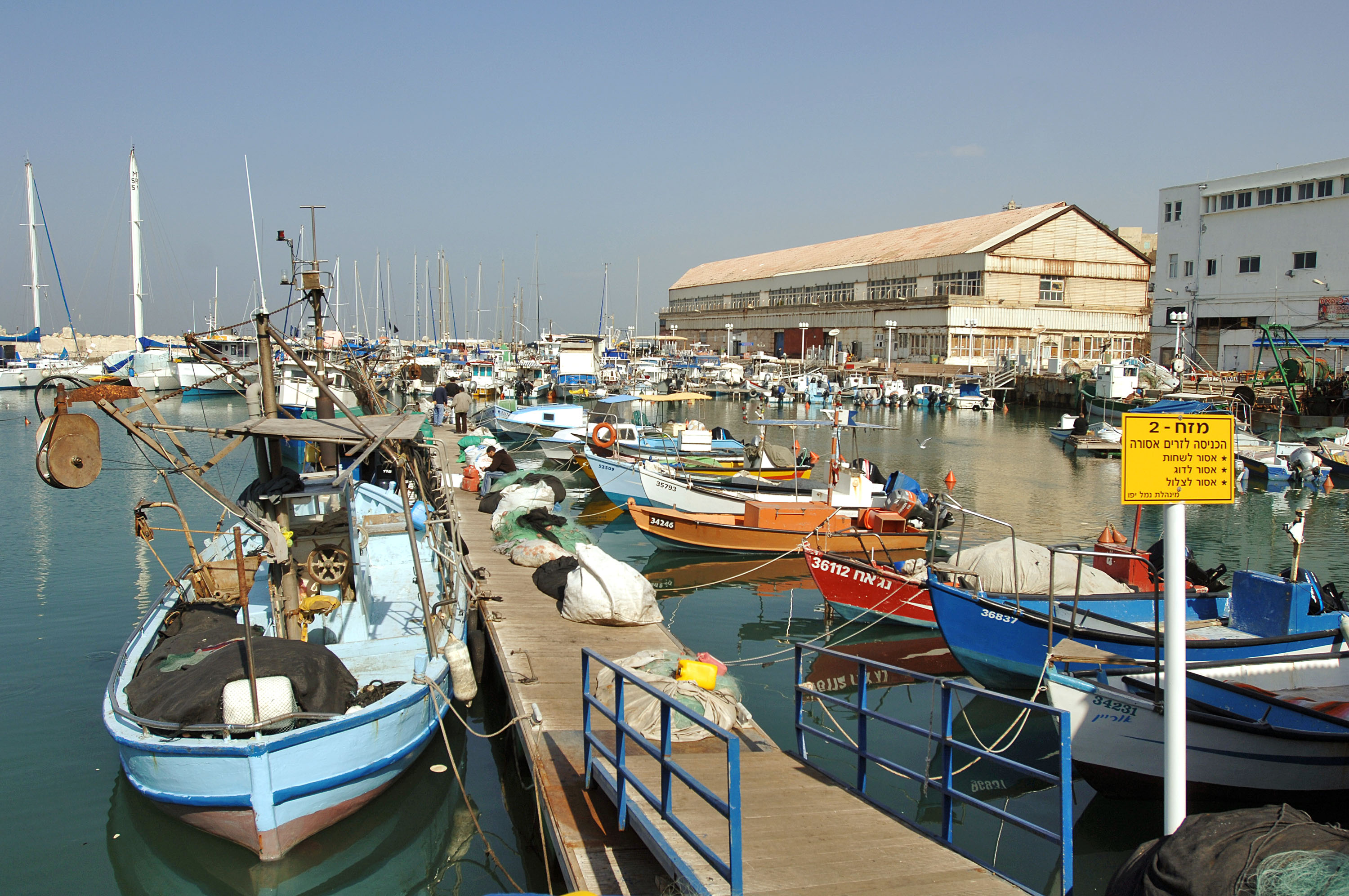
- Gentrification takes a lot of time. But it cannot be stopped. The city is transformed. You are talking about individual areas that look terrible. But you need to understand that not all of us can restore. Many terrible houses that everyone do not like are in private ownership in people who, for example, live abroad and do not want to make repairs. We cannot force these people to restore our homes and cannot do this without their consent. And even more so, we cannot take and demolish other people's houses, even if they are in a bad state.
- In Moscow, this is definitely not a problem. Recently, many private shopping tents have been demolished throughout the city in one night. And the city, it seems, was not particularly interested in documents about property.
“This can never be here.”
“I know that you, Mr. Mayor, carry Israeli gays and lesbians in your hands.” And it’s clear why. You opened in the center of Tel Aviv Gay Center, you participate in the city gay parade every year. You persistently advocate observing the rights of gays and lesbians. Why are you doing this?
- Because everyone must have rights.
- Is this the whole answer?
- Yes.
- Is this part of your political renom? Do you support gays to get their votes in the elections?
- Yes, I just think that gays should have exactly the same rights as everyone else, that's all. When I began to lead the city, gays at all hated me, did not vote for me, called me a homophobe. But then they saw my attitude to human rights, and the situation changed. Believe me, I would fight for their rights and without their votes. In addition, a tolerant attitude towards gays is always great for the economy of the city, for tourism. If good gays, then there will be tourists.
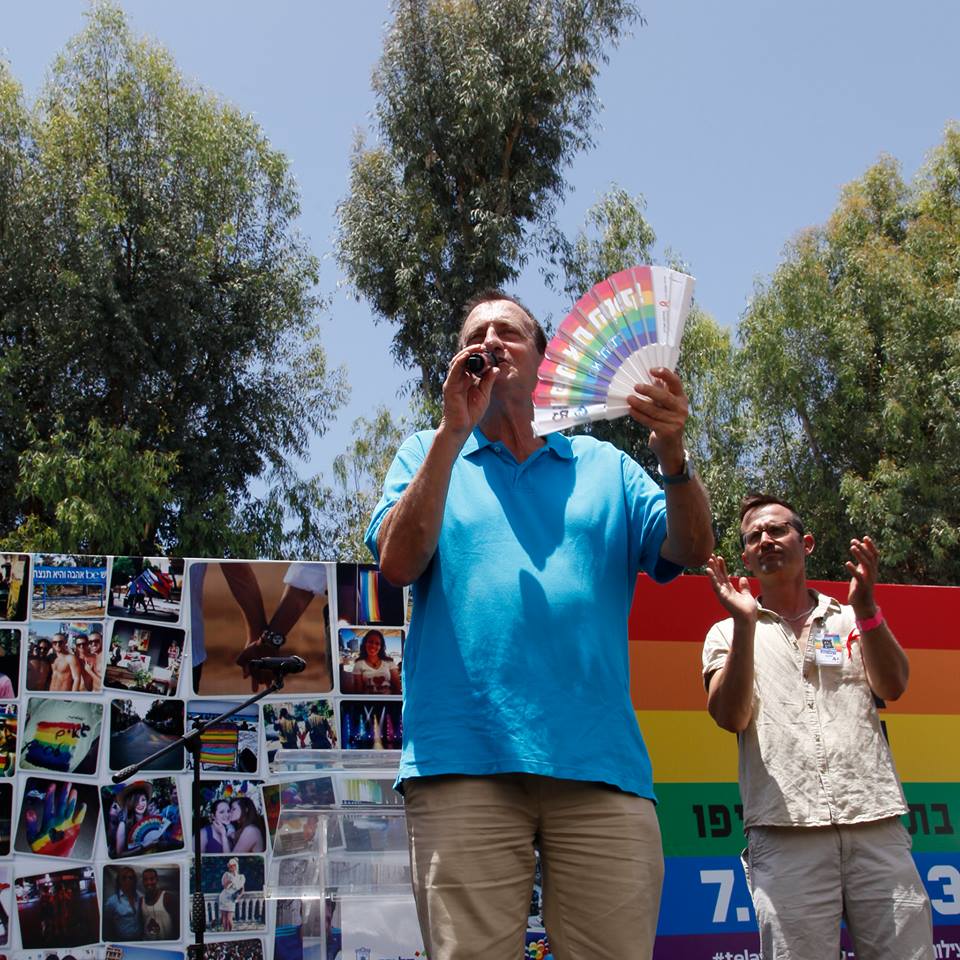
- By the way, do you know what is happening with gay rights in Russia? Have you heard about the law on gay propaganda?
- Yes, I know. This is shame and shame. I wrote a letter to the mayor of Moscow Sobyanin on this occasion.
- And what did he answer you?
- Nothing.
- Are you in Moscow?
-It was three or four times.
- Are you comfortable in this city?
- The only place where I am comfortable abroad is the United States. I lived in America for more than a year and a half.
-If you imagine that some magic suddenly makes you the mayor of the Russian capital, what would the three decisions of the mayor of Moscow Ron Holdai would be?
- I will not answer this question, because I never give any advice to the mayors of other cities. Unless they ask me about it themselves, of course.
- Do you know a person named Sergey Kapkov?
- No.
- This is an official from the Moscow government, who was responsible in the city for the development of the cultural environment: from theaters to parks. And the city with him really bloomed. With him, many associated the hopes that Moscow would become a truly European city. He resigned under rather strange circumstances, without fitting into the logic of the time of modern Russia. My question is in this regard to you this: how much are you able to surround yourself by people, colleagues, with whose opinion you disagree, but who can be useful for the city?
- Not sure that I understand your question correctly.
- Do you dismiss a person from the city hall, if you do not agree with any decision, but are these decisions useful for the city? Are you able to work only with loyal people?
The people will fire the conditional Israeli Sergey Kapkov, if they consider it necessary, and not the mayor
“I cannot fire such a person.” We do not appoint these people, but elect. So the people will fire the conditional Israeli Sergey Kapkov, if they consider it necessary, not the mayor. In general, I have been working with people all my life, with whom many political issues do not agree. It doesn’t happen that everyone likes you. It does not happen that you like everything. Politics is such a thing in which one hundred percent cannot be achieved. In a democratic society, sometimes seventy percent happen, sometimes even eighty, but one hundred - never. Politics is always a compromise.
- You, as the mayor, are obliged to report to society and the state about your income?
- Before public services - yes. Before society - no. This is not public information. But the tax inspectorate knows everything about me, of course.
- What money do you live for?
- I live on my salary.
- Many readers from Russia have now smiled cunningly. Can you do business?
- Of course not.
- Can your closest relatives engage in business?
- They can, unless this business is connected with the mayor.
- Do you move around the city with security? Do you have it?
- No, I have no guard.
- The mayor of Jerusalem has a guard.
- There is a different reality in Jerusalem. I never felt that something threatens me.
- How do you get to work? Do you have a car with a miga?
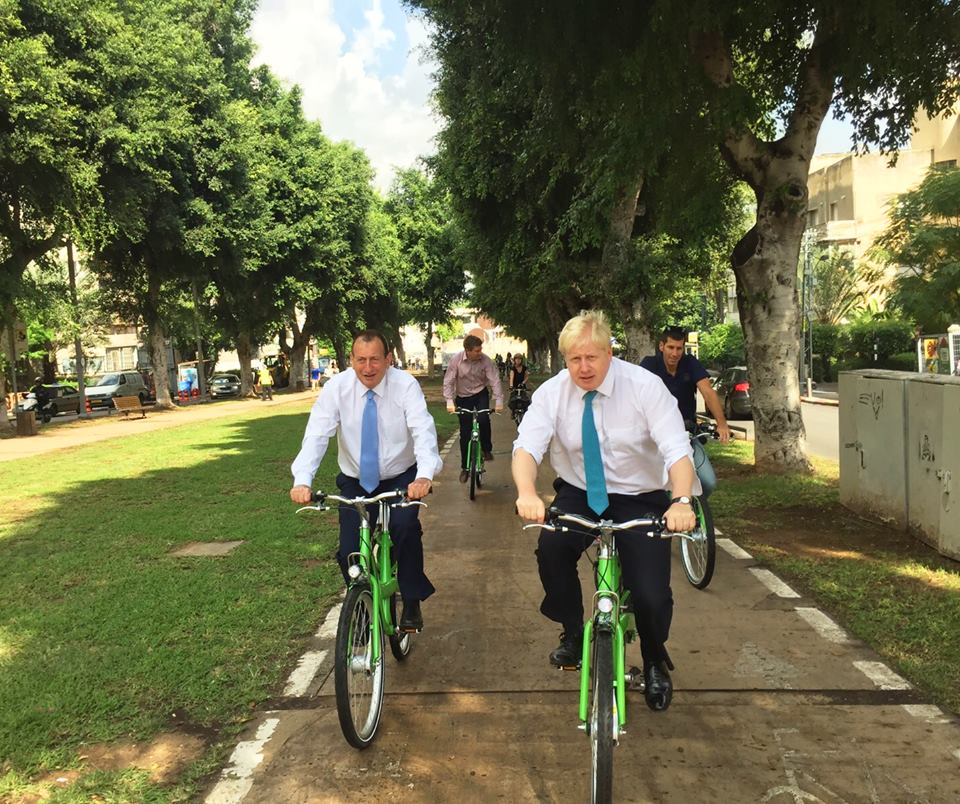
- I get to work by car without a flashing light. I have a flashing light inside the car for emergency cases. Если случится теракт и мне нужно срочно добраться до работы, я могу такой мигалкой воспользоваться. Но я никогда не пользуюсь мигалкой. Раньше ездил на работу на велосипеде, но полгода назад упал с него и сломал плечо. У меня в багажнике автомобиля лежит складывающийся велосипед. Иногда я его достаю и использую внутри города.
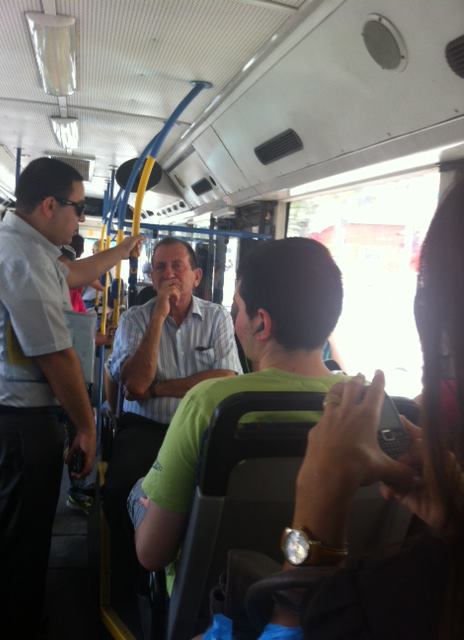
– Вы знаете, сколько стоит проезд в городском автобусе в Тель-Авиве?
- Certainly.
- How many?
– 6,60. Но я плачу половину от этой суммы, так как являюсь ветераном.
– Господин мэр, у вас устаревшая информация. Проезд подешевел недавно. 5,90 сейчас стоит.
– Точно, недавно подешевел проезд, вы правы. Я не пользуюсь городскими автобусами часто, но иногда случается. Иногда я специально еду на автобусе, чтобы узнать лучше, как реально работает общественный транспорт в городе.
– С журналистами едете?
– Исключено. Я не таскаю за собой по городу журналистов.
– Эта демократичность родом из вашего детства? Я так понимаю, вы из низов?
– Я вырос в очень простой семье, в кибуце. Демократия и демократичность были основой нашей жизни. Literally. Раз в неделю мы в кибуце садились за один стол и голосовали по всем вопросам: рабочие сами решали, что они будут делать и как жить. Мои родители были учителями, приехавшими в кибуц из Польши еще до войны. И главную идеологию и жизненный принцип я навсегда усвоил от мамы: человек – это человек.
– А как вы стали мэром? Опишите израильский путь в политику. Наверняка, большие армейские достижения, потом крупный бизнес?..
– Нет общего израильского пути в политику. Каждый приходит в нее по-разному.
– Вашей пружиной что было? Army?
- No. В армии меня никто не знал. Моей пружиной была городская гимназия "Герцлия". Когда я возглавил эту школу, многие не понимали, что происходит, крутили пальцами у виска: как генерал – военный летчик – может быть директором гимназии? Школа эта находилась в страшном упадке. Но при мне довольно быстро она стала одной из лучших в стране. В этой школе захотели учиться все израильские дети.
– И вот вы уже почти 18 лет мэр.
- Yes.
– Почему так долго? По-моему, это очень русская традиция, не израильская: цепляться за власть десятилетиями.
– Нет-нет, если вы посмотрите на израильское местное самоуправление, то увидите, что оно очень стабильное. У нас мэры по 30-40 лет занимают должности. Я девятый мэр за 107 лет существования Тель-Авива. А вот федеральное государственное управление не стабильное вовсе, там многое меняется стремительно.
– Все мы знаем о волне террора в Израиле. Террористы с ножами нападают на мирных граждан каждый месяц. Были случаи и в Тель-Авиве. Вы в связи с этим принимаете какие-то особые меры как градоначальник? Или здесь настолько привыкли к терактам, что особого внимания вы уже не обращаете?
- And so and so. Наша армия, наша полиция, наши спецслужбы двадцать четыре часа в сутки семь дней в неделю усиленно ведут борьбу с террором, пытаясь предотвратить нападения на людей. Но все-таки иногда происходят теракты. Жители Израиля при этом понимают, что сидеть дома и трястись от страха глупо. Что, ребенок не пойдет в школу? Что, горожане не пойдут на море? Все пойдут туда, куда хотят. And that's right.
– Вы чувствуете, что люди стали нервознее?
– Когда происходят обострения, люди больше смотрят по сторонам. Кто-то ходит по городу с такой штукой (мэр достает из своего рабочего стола баллончик со слезоточивым газом). Кто-то ходит с пистолетом. Но мы продолжаем жить.
– Лично вы оглядываетесь по сторонам? Вам бывает страшно?
- No. Я же вам сказал, что у меня и охраны-то нет. Ничего я не боюсь. У меня есть статистика, цифры, которые говорят о том, что Тель-Авив – это один из самых безопасных городов в мире. В Чикаго вероятность напороться на уличные неприятности в три раза выше, чем в Тель-Авиве.
– Вам знакома статистика последних лет о репатриации из России? Вы знаете, что она выросла больше чем в два раза? С чем вы связываете это?
– Мне известно, что репатриация сильно выросла из Украины. И мне известно, что репатрианты из России, приехавшие в последний год, в основном остаются жить в Тель-Авиве, а не в каких-то других городах Израиля.
– Скажите, что отличает русскоговорящих израильтян от всех остальных граждан?
Алия из России – это самое большое чудо, которое произошло с государством Израиль за последние десятки лет
– Про алию из России могу сказать следующее. Эта алия очень выгодна для Израиля, даже несмотря на то что она в последнее время не очень сионистская. Алия из России – это самое большое чудо, которое произошло с государством Израиль за последние десятки лет. Израиль получил от России такое количество готовых специалистов и лучших умов! Они приехали профессионалами и помогли превратить Израиль в нацию стартапов.
– Я вот заметил еще одну особенность русскоязычных израильтян. Они до предела правые. Самое популярное мнение по поводу арабо-израильских отношений у них такое: а давайте их всех выгоним из Израиля, а если не получится, уничтожим, раз вести себя не умеют. Вам понятно это настроение?
– Это настроение меня расстраивает. Оправдать его я не могу. Это настроение ужасно. Возможно, люди, приехавшие из великой русской империи, продолжают нести в себе комплексы: мол, как это мы поделимся с кем-то кусочком земли? Да не бывать такому! Но я хотел бы сказать этим людям, что демократия – она для всех демократия. И для евреев. И для (как минимум) двух миллионов других людей, проживающих в Израиле.
– Рон, как у вас складываются отношения с израильскими журналистами? Вы когда-нибудь позволяли себе влиять на СМИ? Звонили главному редактору и просили что-нибудь не писать или, наоборот, писать?
– Никогда такого не было.
– Тогда так спрошу: у вас есть дружественное СМИ, на которое вы можете положиться?
– Нет, о чем вы говорите? Я очень много раз страдал от нападок журналистов. Как на них можно положиться?
– Ну слушайте. У московского мэра традиционно есть целый телеканал за спиной, который каждый день ездит за ним с камерами и из года в год говорит о нем только хорошее.
– Я для себя как-то давно понял, что СМИ не способны влиять на общественное мнение. СМИ способны и должны это мнение отражать. Не больше и не меньше.
– Вас клюет религиозное население Израиля за то, что в Тель-Авиве по субботам работают магазины, ездят такси и жизнь вполне себе продолжается?
СМИ не способны влиять на общественное мнение. СМИ способны и должны это мнение отражать
– Нет, никогда меня религиозные израильтяне за это не клевали. И я не считаю, что все магазины должны быть открыты в субботу. В субботу должны работать несколько магазинов, которые способны оказать базовые услуги жителям Тель-Авива. Я действительно считаю, что в субботу промышленные предприятия, большие торговые предприятия должны быть закрыты. Люди должны отдохнуть. Погуляйте пешком. Сходите в театр, сходите в ресторан.
– Здесь можно начать долгий спор о том, что мне, например, в субботу не хочется отдыхать. А хочется поехать на городском автобусе (налог на который я, будучи атеистом, плачу, но автобусы-то в субботу все равно не ездят) на работу деньги зарабатывать на дорогущие израильские йогурты… но сделаем это в другой раз.
– Сделаем.
– Про вас, господин мэр, в Израиле ходит байка. Не так давно в Тель-Авиве чистили реку. И вот вы якобы неожиданно приехали с инспекцией – проверять, как чистят. Приехали вы, посмотрели на воду, молча разделись и пошли купаться. Is that so?
– Было такое. Дело в том, что я возглавлял одну структуру, которая отвечала за то, чтобы почистить реку Яркон. Мне сложно это давалось, потому что у реки этой была ужасная репутация. В Тель-Авиве было принято считать, что это помойка, а не река. Но я был на все сто процентов уверен, что мы ее почистили. Как мне еще это доказать? Я прыгнул и поплыл. Как видите, живой и здоровый сижу перед вами.
Перевод с иврита – Илана Михаэли.