
Translated material
Mistress of the "House of the World"
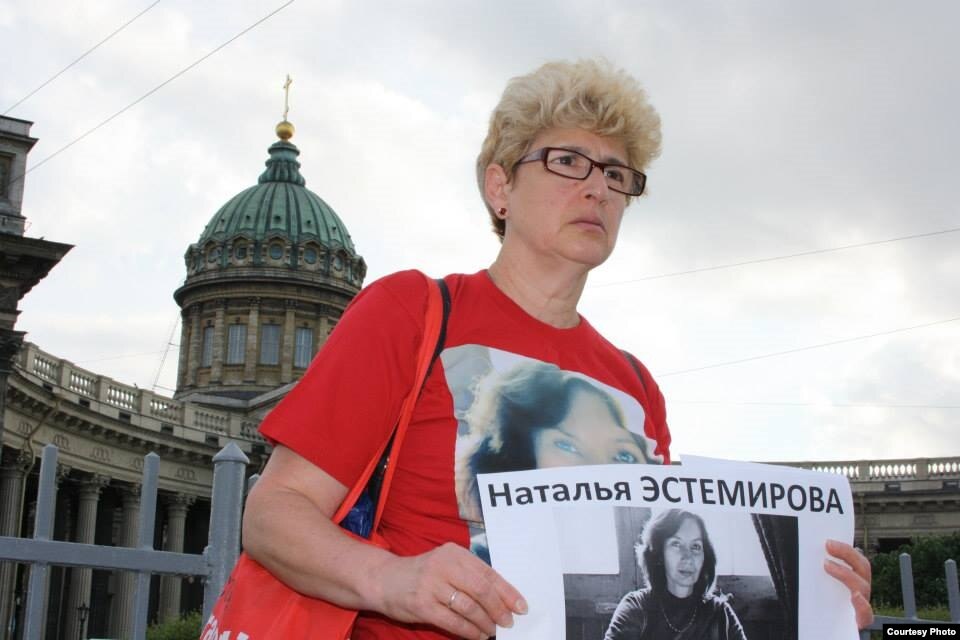
Human rights activist Elena Vilenskaya - that she is beyond the power: to restrain tears in Chechnya and pass by injustice
Radio Liberty continues a series of essays about the Russians who make the lives of their compatriots at least a little better. Elena Vilenskaya - head of the human rights organization "House of World and Non -violence" . For many years, she has been establishing relations between people who were on different sides of the front line during the Chechen wars.
Elena Vilenskaya, by her own admission, lives in order to ensure that ordinary people "do not allow themselves to draw themselves into this enmity," launched by irresponsible Russian tops. She organizes trips to St. Petersburg for children from the Chechen village of Aldy, where St. Petersburg riot police atrocious during the war. She explains to the children that not brutal killers live in her hometown, like those riot police.
Solzhenitsyn on the mezzanine
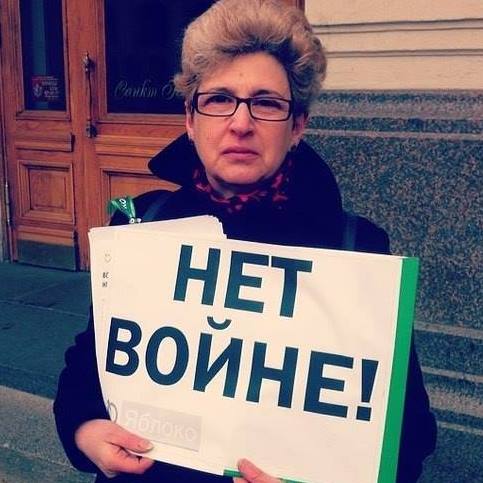
Parents of Elena Vilenskaya - Leningraders. But it so happened that after graduating from the Institute of Film Engineers, mother was distributed to Ukraine, there was also a father, a military, a veteran of the Great Patriotic War. In Ukraine, they met, Lena was born there, her youth passed there. According to Elena, her family was quite dissident: there was constantly forbidden literature in the house, Galich sounded, the very prohibited “voices” were heard.
“Dad had a very close school friend, Uncle Mark, and he had a niece Irina, for whom he was essentially a father,” says Elena Vilenskaya. - And here she was in the Yakira group, or rather, the son of Yakira. These were young people who wrote a kind of appeal about the introduction of Soviet troops into Czechoslovakia. They dealt with them: someone was shoved by the psychiatric hospital, Ira was expelled from Moscow University, she was engaged in cybernetics, she was very promising. In 1980, all dissidents were expelled from Moscow, and they all left for Lithuania with their children, and there they arranged a car accident, so that of all, no one survived from five people. Uncle Mark then said that when he went there, the Kagabashniki did not even hide anything. Such a tragedy. I was 14 years old then, and I remember all these conversations. I remember how, even before this tragedy, people who spent the people came to us, and my mother curtained the windows, closed the windows, put the pillow on the phone. We had everything: Solzhenitsyn on the mezzanine and "enemy voices", but this is not unique, it was in many families.
Elena Vilenskaya graduated from the Faculty of Foreign Languages at the Herzen Pedagogical Institute in Leningrad. And after the release, she had great difficulties with work: the notorious "fifth point", or in other words, the unspoken state anti -Semitism closed the possibilities of decent teaching work. Brilliant knowledge of languages had to be used in kindergarten, at school, pour over technical translations. And then a restructuring came, and technical translations became unclaimed. I had to engage in the transportation of products in a certain Lithuanian company. “My universities,” Elena grins. Soon she met Ella Polyakova, who had just rowed at the head of the "soldiers' mothers of St. Petersburg", and joined the organization, where she worked for 13 years.
"You are so helping!"
Very often they did not follow our advice, did not want to fight, and then again ran to us when their sons were already in a coma or were killed
Elena Vilenskaya led the tragic events in Tbilisi in the early 1990s to the "soldier's mothers of St. Petersburg" . Knowledge of languages and workaholism came in handy to help conscripts and military personnel suffering from army "hazing". “They said about us:“ You are so helping, ”Elena laughs and explains what was the most difficult in her work, and this is not unraveling specific affairs and not communication with the military authorities:
- The longer I worked there, the more difficult it became for me that everything seems to be known, everything is clear, there were many open information in those years, but still the mother of the conscripts did not understand that the sons should not be given to such an army. Very often they did not follow our advice, did not want to fight, and then again resorted to us when their sons were already in a coma or were killed. It was difficult to transfer. Why don't they understand? What else should happen so that they understand? This annoyed this: they say, where she is climbing, we will somehow solve it ourselves. When you know something, I always want to convey their experience, and people do not want to believe in the bad, I want to think that they will not touch them-and this is also natural.
Nationalists love to scold Chechens, but they do not know that the Russians suffered almost more there
Nevertheless, Elena is sure that even one life is already a lot to save. The organization "House of Peace and Nenius" appeared even when Elena worked with "Soldiers' mothers."
- Then we had a very good relationship with the Belgian organization PAX Christi Flandria , they were our partners. And they were engaged in a lot of non -violence methods, work in schools, and not only in Belgium, but in those countries where there were internal wars and conflicts. They worked in Israel, in the Congo, in the countries of the former Yugoslavia. They then invited us to organize an internship for several St. Petersburg teachers.
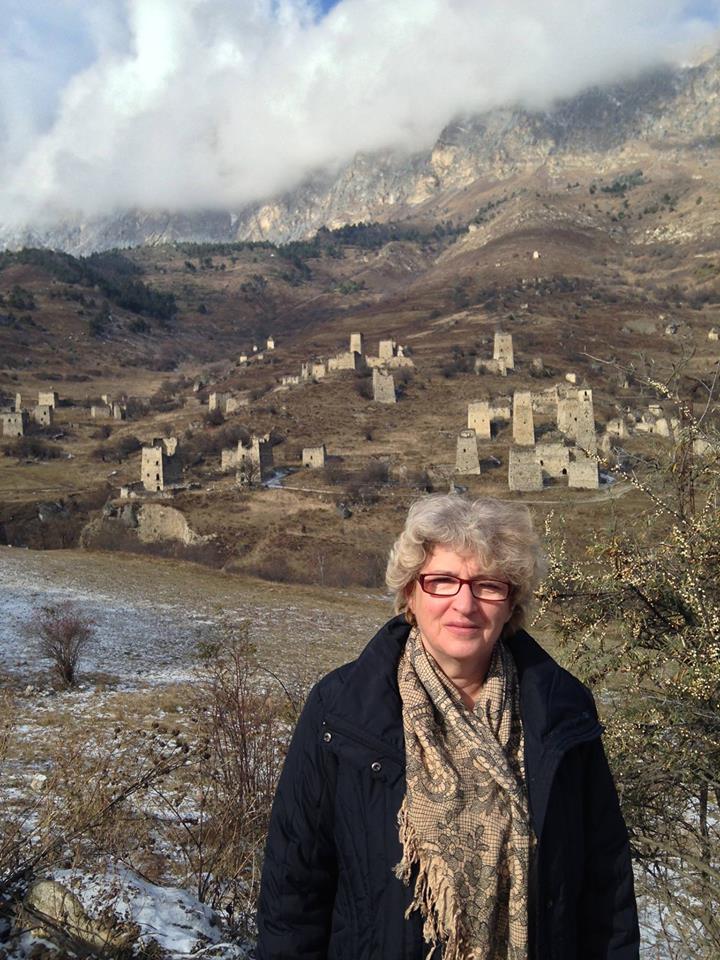
All this time, Elena Vilenskaya did not leave thoughts about the war in Chechnya, because they had to live among those citizens of Russia who allowed themselves to cross the line:
-These wars were different, many of those who went through the first Chechen, did not go to the second, because they understood something. But all the same, how many crimes there were committed against civilians! Nationalists love to scold Chechens, but they do not know that the Russians suffered almost more there - the bombs did not understand who to fall on.
The task that the House of Peace and Nenius took on was much more delicate than those that the "soldier's mothers" had to decide. Human rights activists came to schools and taught to overcome conflicts without violence. Teachers confirmed: after such classes, the level of aggression at school was significantly reduced. The same "House of Peace and Nenius" was engaged in Chechnya:
- Our main task is to reduce people. The wars are starting from above, and ordinary people pay. It seems to me that the main thing is that people do not allow themselves to drag themselves into this enmity. Then there is still hope to get out of this situation.
Politkovskaya, Estemirova and another 58
At that time, Elena learned from the articles of Anna Politkovskaya in Novaya Gazeta about the tragedy in the Chechen village of Aldy near Grozny. There, Russian federal troops staged a "cleansing", killing several dozen civilians, including a pregnant woman, old people and children:
- It is very difficult to accurately establish how much was killed during that stripping, the "memorial" carefully examined this, and they got at least 58 people. But there were still shelling, during them people also died, and it was almost impossible to establish who and when. And then several times they came and took the men from this village, and no one returned back. And during the stripping it is known that the feds went and simply shot people. They demanded money. If they were brought little, killed, and just so killed. And our Petersburg riot police distinguished himself there. And since then, Petersburg among residents of Aldov has been associated exclusively with this bloody bath. And I was so painful, so ashamed to realize it! We decided: we must do something about it.
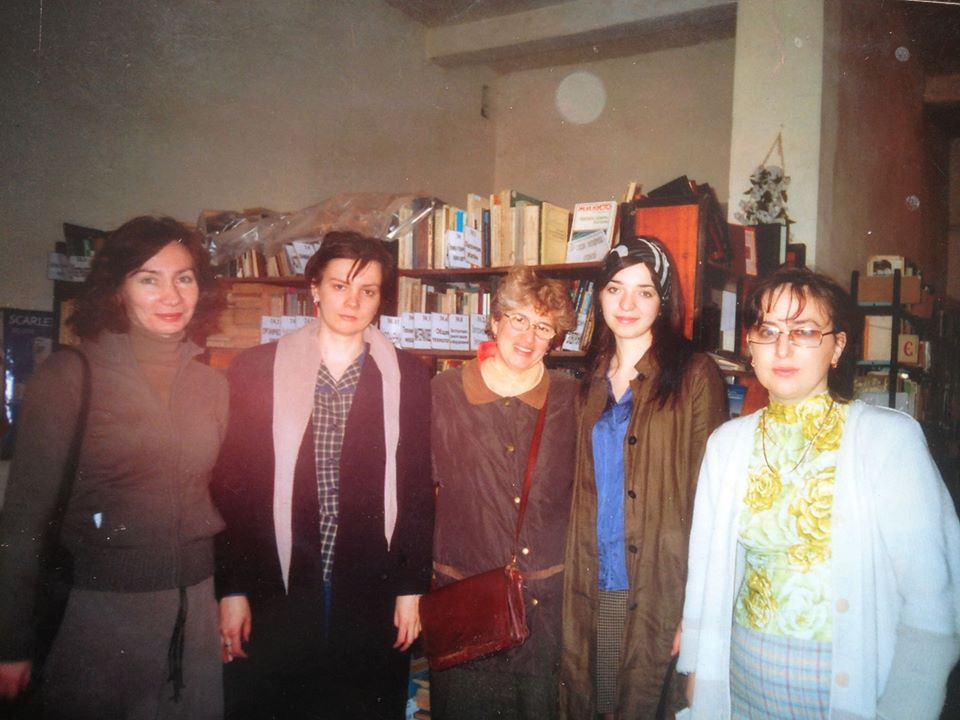
So, in the organization "House of World and Nenius", a project was born, which concerned this Chechen village of Aldy. According to Elena Vilenskaya, the authorities did everything so that this crime remained unpunished. The needs of human rights activists replied that they were not injured, which means that no one is obliged to answer them. Elena Tragedy Aldes haunted because for the inhabitants of this village Petersburg became a symbol of atrocities. The state demanded to forget, the perpetrators were not found, but they remember the horror in Alda in Chechnya. And among young people, children who did not find the Soviet Union, they did not travel around the country, but saw only one war, only nightmares with Russia were connected. Elena was friendly with the Chechen human rights activist Natalya Estemirova, they discussed this problem together. When the Memorial published a book about the tragedy of Aldes, Natalya received permission in the Department of Education and presented it in Chechnya.
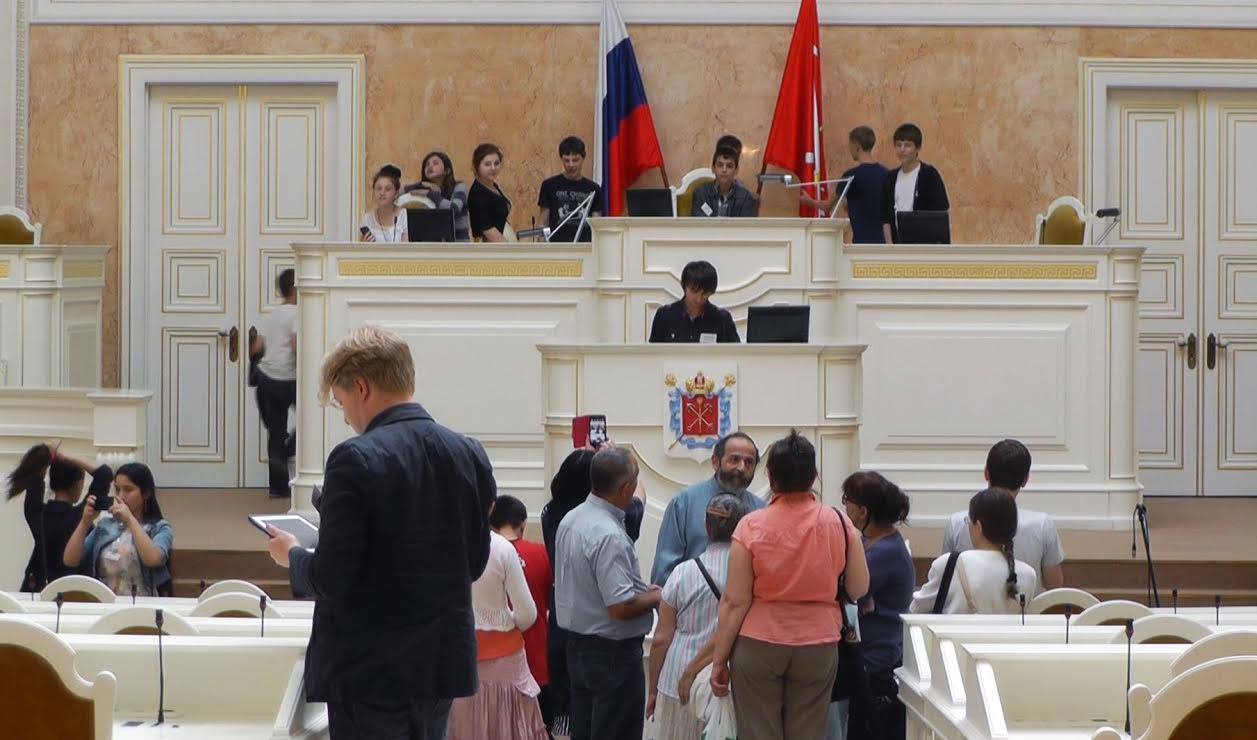
- In the new Aldes, one school No. 39, we came there. High school students, teachers gathered, and Natasha says to me: "Lena, I know you, only please do not cry." The first thing Lena did, bringing her repentance was to burst out. It was terrible. The children looked with disbelief - of course, you are standing in front of them and do not know what and how to say, so as not to offend anyone and that vulgarity does not work out. And then one teacher approached us, she taught drawing and art history. She cried like that, said that she madly loves Petersburg, knows where in the Hermitage what picture is hanging. The first thing she did after the tragedy was sent her son to Petersburg so that he would not have this hatred. We made friends, and the school principal there was marvelous, it is a pity that then he had to leave.
We decided to invite children from Aldes to St. Petersburg so that they realize that there are not killers and maniacs here, but normal people
Elena found out what the school needs than can help - it turned out, there are no Russian books. Children did not know the Russian language well, both children's books and classics were needed. Returning to Petersburg, Elena threw a cry. People carried very good books, whole libraries. As a result, two containers of books went to Alda.
- We had such a trinity - Katya Sokiryanskaya and Nikolai Rybakov and I decided that we needed to change the attitude of young residents of Aldes to St. Petersburg. Nikolai Rybakov is now a second person in the "Apple", and Katya Sokiryanskaya - from the "Memorial". Now she works in an international crisis group. We decided to invite children from Aldes to St. Petersburg and introduce not only to the city, not only with museums, but with people, so that they realize that they live not killers and maniacs, but normal people.
“When this project was born,” Elena continues, “many volunteers appeared, a wonderful program was compiled with free visit to museums, the Soros Foundation gave money for this project.” Many families wanted to accept Chechen children at home, many donated money. It was decided that it was necessary to organize a meeting of young Chechens with some kind of iconic man for St. Petersburg, they became Oleg Basilashvili, who said that although he had been painted every hour, he would definitely allocate time for such a meeting. And the "Literary Cafe" offered a discount, learning where the children came from. An evening was arranged in the Museum of the History of Religion, on which children from the Lyceum of Arts performed, then all the children mixed up, made friends and tangled a lezginka together. In parallel, there were trainings for St. Petersburg and Chechen teachers. I still keep the SSMES, which were sent from the road - "we love you" and all that - the children became very friends and corresponded for some time. Then there was another second group, this project was much wider, the meeting of the children was only part of it. This time, composer Sergey Slonimsky met with Chechen children. And two years ago, Petersburg children went to Chechnya, and it was very cool, but, of course, the atmosphere in Chechnya has changed a lot in recent years.
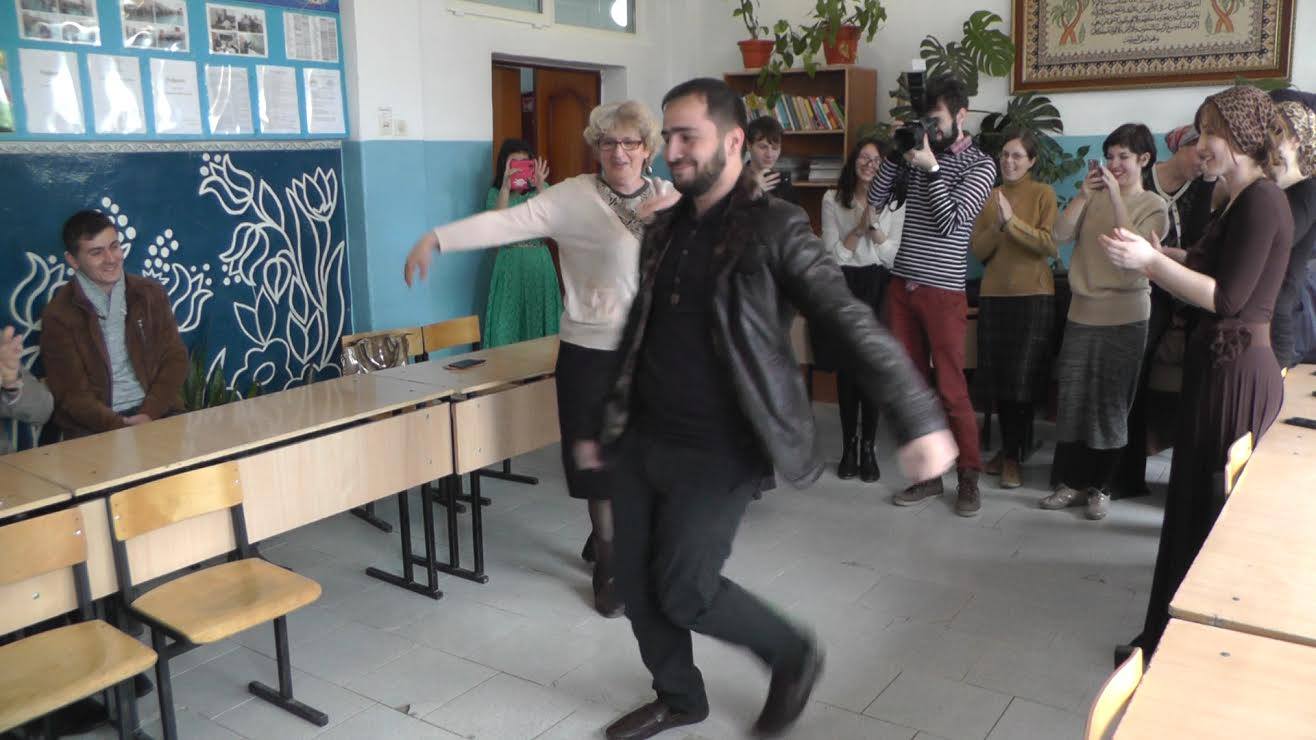
Elena Vilenskaya and now continues to be friends with Chechens, children and adults - not within the framework of projects, but at the level of personal ties. When asked whether it was possible to do what projects in Aldy had been engaged, she sighs: only partly. Elena haunts that one resident of Aldov, the grandmother of four children, did not agree to let her grandchildren go to St. Petersburg, although tickets were already bought for them before the second trip. This woman had two sons and a husband, who, defending the children, closed them with his body in stripping. And my grandmother said: "No, I'm afraid these children are the only thing I have left of my sons, and I am afraid to let them go."
Elena had many plans - to maintain relations with a school in Aldy, to arrange internships for gifted children in St. Petersburg, but now everything has changed:
- Now people have accumulated fatigue from constant fear there. There, even the day of deportation of the Chechen people was forbidden to celebrate on February 23, it was postponed to May 10. People have apathy and fatigue from these two wars, from injustice, from endless fear, and there is no longer any former enthusiasm.
Incomplete joy from life in mode
Aldy is not the only Chechen project of Elena Vilenskaya. The House of Peace and Non Asials arranged the contests "War in my life" twice: children from Chechnya and from other Russian regions described the war. According to Elena, Chechen children wrote about inexpressible pain, about loved ones, killed or missing after "laid" produced by federal troops. Children from other regions mainly sent military-patriotic works that glorified military exploits. But there were several works and drawings, where the war was perceived as personal pain, as if children managed to look at it from the inside.
What a blessing that my parents did not live before the war with Ukraine! They would simply not survive this
- The idea was for these children to meet with adults, helping to write work - with parents or teachers. And then one day a young man arrived with his father-teacher, we even made this meeting closed, all this required great delicacy, because one boy died, they died on a mine. There were a lot of such stories. Then there was an open meeting where everyone read their works. And at the second meeting, a student of this very teacher came, she wrote a job in the form of a diary of a Chechen girl. Then I gave her to read it to one Chechen, she cried - everything is true. How could the girl find out and feel it all? This teacher managed to explain everything so well to the children.
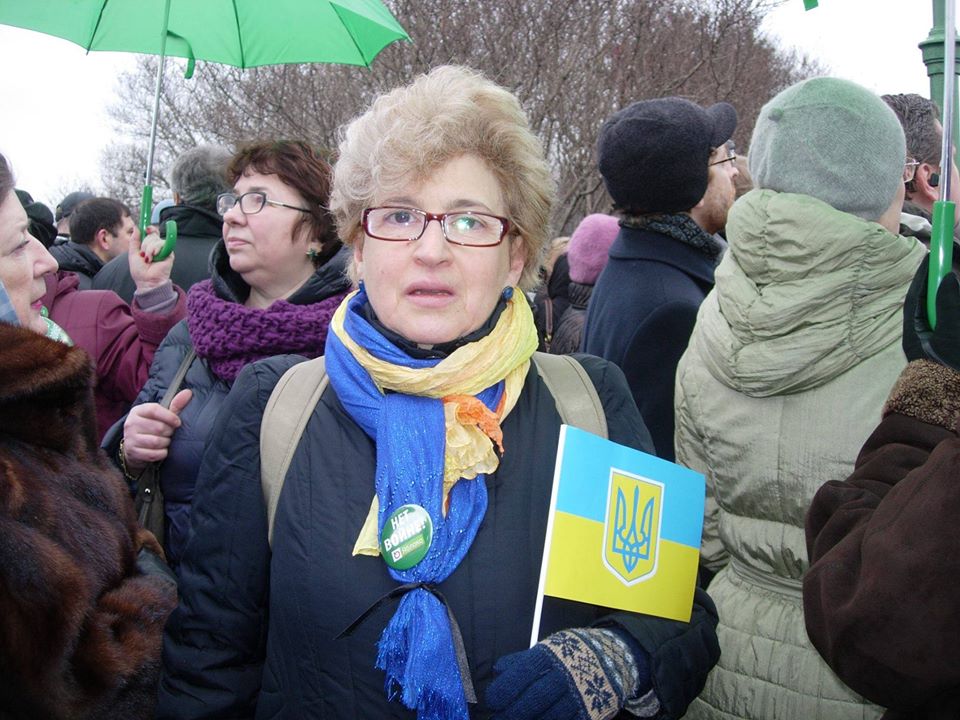
Elena says she cannot move away from today's Russian situation and be happy:
- The joy of life is incomplete. Especially after we experienced the time of hopes: the regime collapsed, we freed ourselves, began to travel everywhere freely, and at some point it was not ashamed of our country-and now again! Maybe it sounds cynical, but sometimes I think: what a blessing that my parents did not survive before the war with Ukraine! They would simply not survive this - they met there, this is my homeland. I have a lot of acquaintances in Ukraine, they understand everything, but their children treat us completely differently.
As for the organization "House of Peace and Nenius", it is now with difficulty - foreign grants are scary, they will announce a "foreign agent", there is almost no money. But Elena Vilenskaya does not give up. Now she is engaged in the Chechen-Ingush conflict, which in Russia is known very little, spends evenings dedicated to the depressed peoples. She says that she simply cannot pass by injustice.