
Translated material
LEGO owners recognized the mistake to be a refusal to sell details to the artist Ai Weiwei
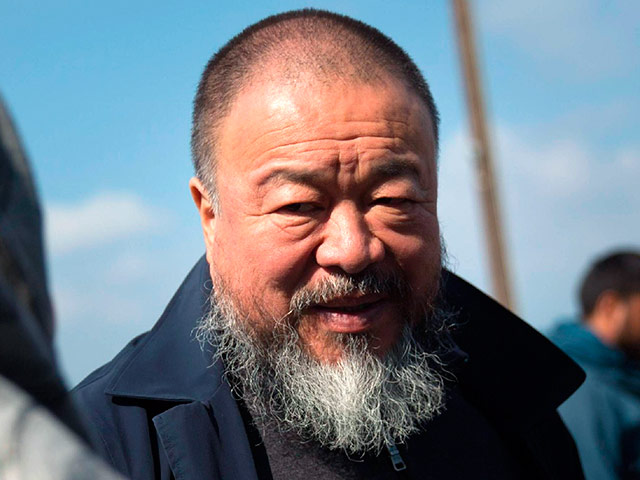
The owners of the Danish company for the production of LEGO toys recognized that the refusal to sell a batch of parts for the designer Chinese artist Ai Weiwei was erroneous due to his political activity. The Wall Street Journal made this statement on the eve of Kyeld Kirk Christiansen, the grandson of the founder of the company.
Lego Vice -Chairman said that the artist’s request was rejected at a very low level - the consumer service department. According to him, an employee of the company incorrectly interpreted LEGO policy regarding political neutrality and made an erroneous decision.
“It was an internal mistake. This is a typical example of what could go wrong in a large company,” Christiansen said on Monday, April 25, during an interview that he gave in his office in a bar (Switzerland) surrounded by helicopters and spacecraft collected from Lego and spacecraft.
Ai Weiwei welcomed this statement and noted that the management of the Danish company took a lot of time to realize this. He also admitted that his youngest son loves to play Lego.
Recall that the famous dissident was going to buy a large batch of details to create an installation. Lego refused to complete the order, noting that they do not approve of the use of the details of the designer in politicized work.
In social networks, a campaign of Ai Weiwei’s assistance was unfolded to collect Lego details under the hashtag #legosformweiwei.
Ai Weiwei was going to use the details of the designer for the exposition in the National Gallery in the Australian Victoria. In January, representatives of Lego announced a change in their own rules, noting that literal execution could lead to misunderstandings, but there were no indications of the Ai Weivei art project.
Ai Weiwei works in the genre of constructivism. He was the founder and member of the group of artists Xing Xing ("Stars"). In 1979, artists put their work on the sidewalk in front of the Art Museum in Beijing. The police forced the authors to close the exhibition the very next day. In 1981, Ai Weiwei emigrated to the United States, escaping from the persecution of the Chinese authorities. In 1982, he entered the New York School of Design. Until 1993, Weivey lived in the United States, after which he returned to China because of his father's illness. On April 3, 2011, the artist was arrested at the Beijing airport before landing on the plane on which Ai Weiwei was going to fly to Hong Kong. In the house, studio and gallery of the artist, searches were held. Representatives of the world art community and the US authorities were demanding to free Ai Weiwei. On June 22 of the same year, the artist was released "as pleading his guilt and for health reasons."
In the ranking for 2011, “One hundred most influential persons in the art world”, compiled by the journal Artreview, Ai Weiwei took first place. According to Time magazine, it occupies the 24th line in the list of the most influential people in the world.