
Translated material
"There are only tears"
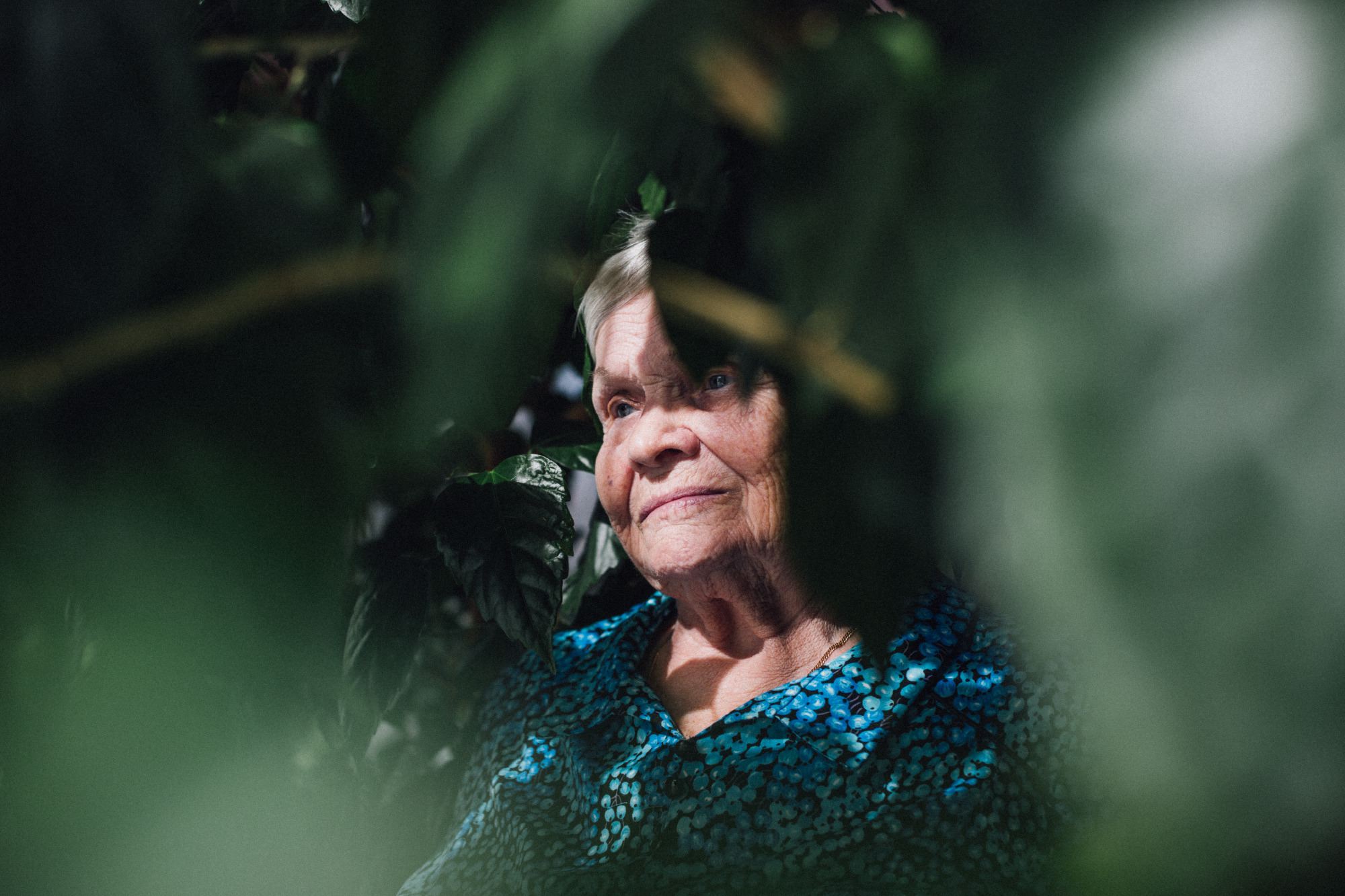
Eighty old people live in the Vsevolozhsk boarding house for the elderly. Some of them have suffered a stroke and cannot serve themselves. With your help, the "such business" site helps to raise money for them. And so that you understand who you are helping, we publish monologues of the residents of the boarding school
Help the good city of Petersburg helpNina Tarasovna, 91
My life is very difficult. Only childhood was good.
I was born in the Pskov region, in Pukhnovo. Our family was big: half-ruled-our relatives. It is understandable: one of my grandmother had five daughters, and the other had seven sons. It was fun. They cooked beer, but no one was a drunkard. They played the games, but there were no cardigns either. The party was all the time. After work, of course, dances, harmonica - must. Everywhere kindness.
I was very obedient. And she wanted to help the folder. I’ll get up at four in the morning, I’ll go to the mill. Dad will come at six, looks - already a bag of flour is standing. It was pleasant to him. And I am pleased.
And then the war began. And since then I almost did not know joy.
The whole war we lived in the occupation. How the Germans go - so we hid, some in the underput, some where. They found me once, almost shot me. And one woman was killed in front of my eyes. They came home to her on August 17, as I remember now. She has seven children, and she sits, breastfeeding the smallest. The German says: “Give me potatoes!”, And she replies: “Go dig up yourself!” Well, the German shot her twice right in the chest - and killed on the spot. And then he got angry, he wants more blood. He grabbed a neighbor, the foreman of our, a good man, because he thought that this was the husband of a murdered woman, and forced to dig a hole on the lake - they say, I’ll shoot you now. The neighbors came running, shouting: "Yes, he is not her husband, not her husband!" And then the German lagged behind him. But our foreman has gone crazy with fear.
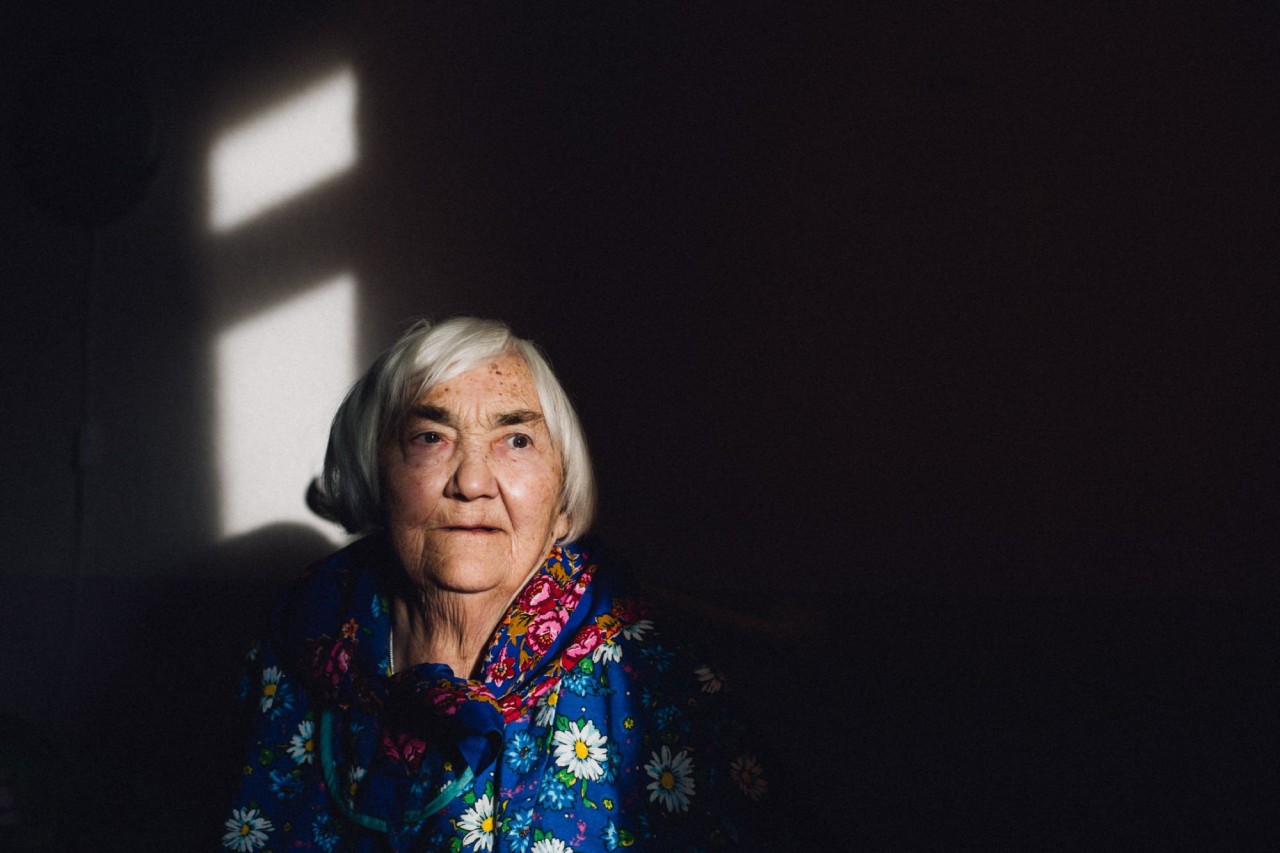 Portrait of Nina Tarasovna in her room photo: Ksenia Ivanova for TD
 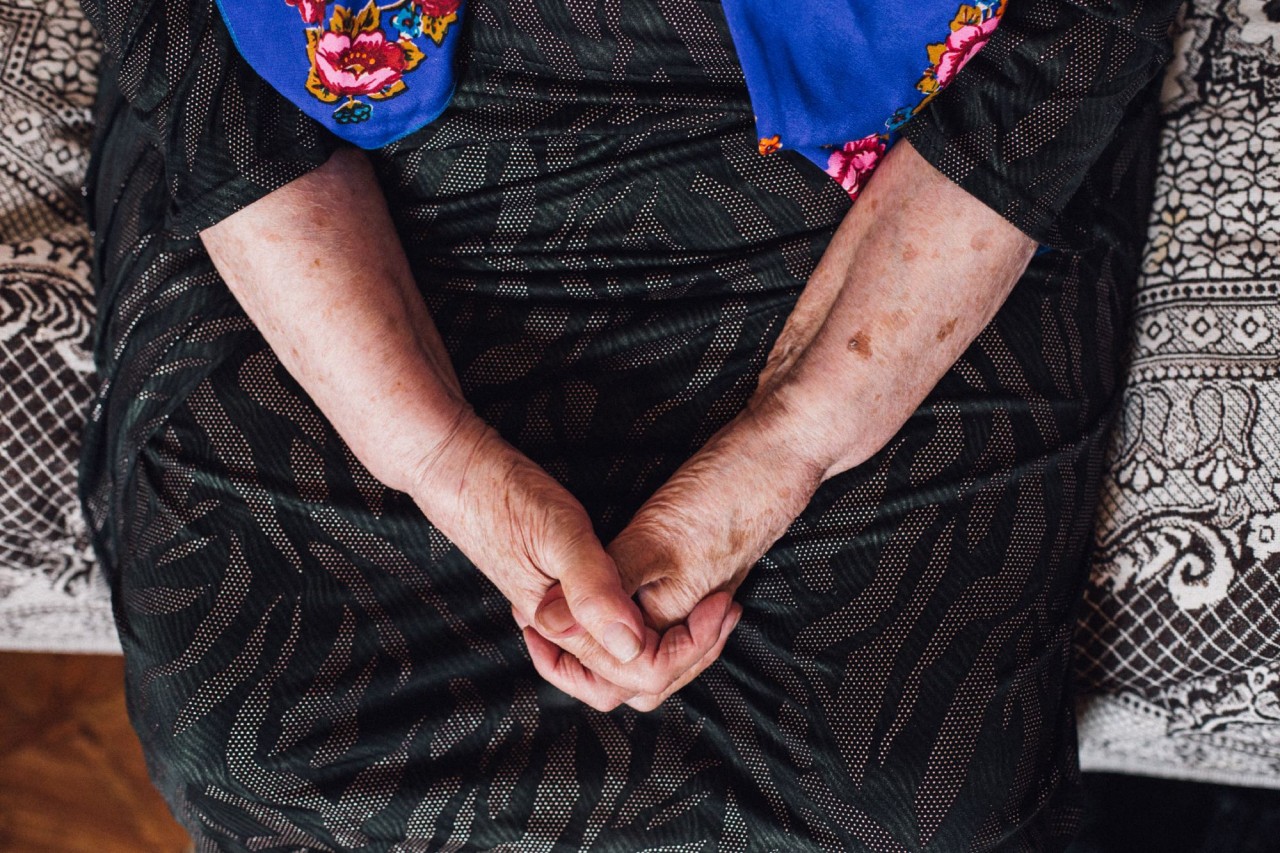 Hands Nina Tarasovna Photo: Ksenia Ivanova for TD
There were few men in the war. So we women, 35 hectares of the Earth plowed ourselves, removed ourselves - we harnessed to plugs instead of horses and pulled. My dad went to fight, but he was wounded by an explosive bullet. I found out that he was in a Toropets. And this is one hundred kilometers from us. I’m walking along the road, and from the front trucks go with overcoats, dirty, shot, bloodied - summer, uniforms have changed. And other cars go to the front - with young guys, ruddy. One car still picked me up, the boss was driving there. But they bombed so that we rode these days a day. We arrived at the Toropets in the evening of the next day. The driver asks me: "In which hospital to take you, there are ten of them." And I don't know. He landed at the first one at school. The duty officer comes out, says: "It's too late, to whom did you come to?" “I am looking for Tarasa Alekseev,” I answer. "We don't have this!" I already turned to go where my eyes looked. So a janitor that the chalk is a broom with a broom, says: “But I know him! He lies in the fourth ward. " And they say that there is no God!
I saw dad several times. He was wounded strongly, suffered, but did not moan even once - he was very patient. He died on the operating table.
The whole village we grieved. My younger brother, instead of his father, went to work on the age of 11.
So we all worked, worked, worked. After the war, we had no more money for another ten years, they joked that we were working for sticks - workdays were put up with sticks. But the authorities do not care - as you want, and live. Well, here we lived with potatoes mostly. For breakfast potatoes, for lunch and dinner.
I was on the collective farm with the accountant, and then they put me by the secretary - I wrote beautifully. The phone was taken to me, and I was very afraid of him. Well, how is it - the machine calls, and the conversation comes from it. Then again on the collective farm, I did everything there. God forbid, but I never had corns - this is what it is?
I got married, gave birth to my daughter, only one - my health did not allow. There are two granddaughters, four great -grandchildren. I have been here for several years. In 2012, she was one at home, caught on the heater wire, fell, and he crushed me on top - and I got stuck in it, not to pull it out, and hotly. It’s good that it was Friday, and on Saturdays my daughter came to me. And so she found me. I sent to the hospital, I stayed there for four months, treated the bones. And then they decided to send me here. The daughter almost does not come - her legs are very sick. And one granddaughter happens once or twice a month.
Anastasia Vasilievna, 85 years old
I am a bracket. Do you know why the Pskov Skobari is called? Because Peter I opened a hardware production in Pskov. And these brackets - you saw them on steamboats, sailors run along them. I generally know a lot of facts of all kinds. And riddles. Here, for example, the ice battle is also nonsense. There was no battle. It was just that the Swedes had very severe uniforms. And our are all slender, their horses are thin -legged, leather straps. And these are heavy - so they went under the ice. Guess: there were two fathers and two sons, each carried each orange - how many oranges were there? And without windows, without doors, is a chapel of people full? No, not a cucumber. This is a mouth. In my room, only one tenant remained, but gold.
My family was not bad. Dad died early, really. Mom brought one three. The war began, all our men went to the front. And no one returned: brother, uncle and two cousins - everyone died. And we got into the occupation. The Germans decided in Pskov the water supply for some reason lay, drove teenagers to dig trenches, and we dug the earth all day. Once, prisoners of war walked past us, the appearance of a terrible one. And one woman wanted to give one of them a piece of bread - the German immediately killed her.
I have little education. I finished four classes. And the fifth - after the war, in the evening school. Then I already went to study and work. After the war, there was a set for factory training-they took me on a glass-fiberglass. I made flasks, all kinds of tubes for laboratories. Hot is a job. You sit under the burner all the time. And not one - there were twenty -four people in the room. Have you seen a welding device? And we had twenty -four at the same time. And the room is fifty meters. And imagine. Our masters were high -class. And very intelligent men. One was ours, Russian. The second is Estonian. And the third is German. But we treated him well, even respected very much.
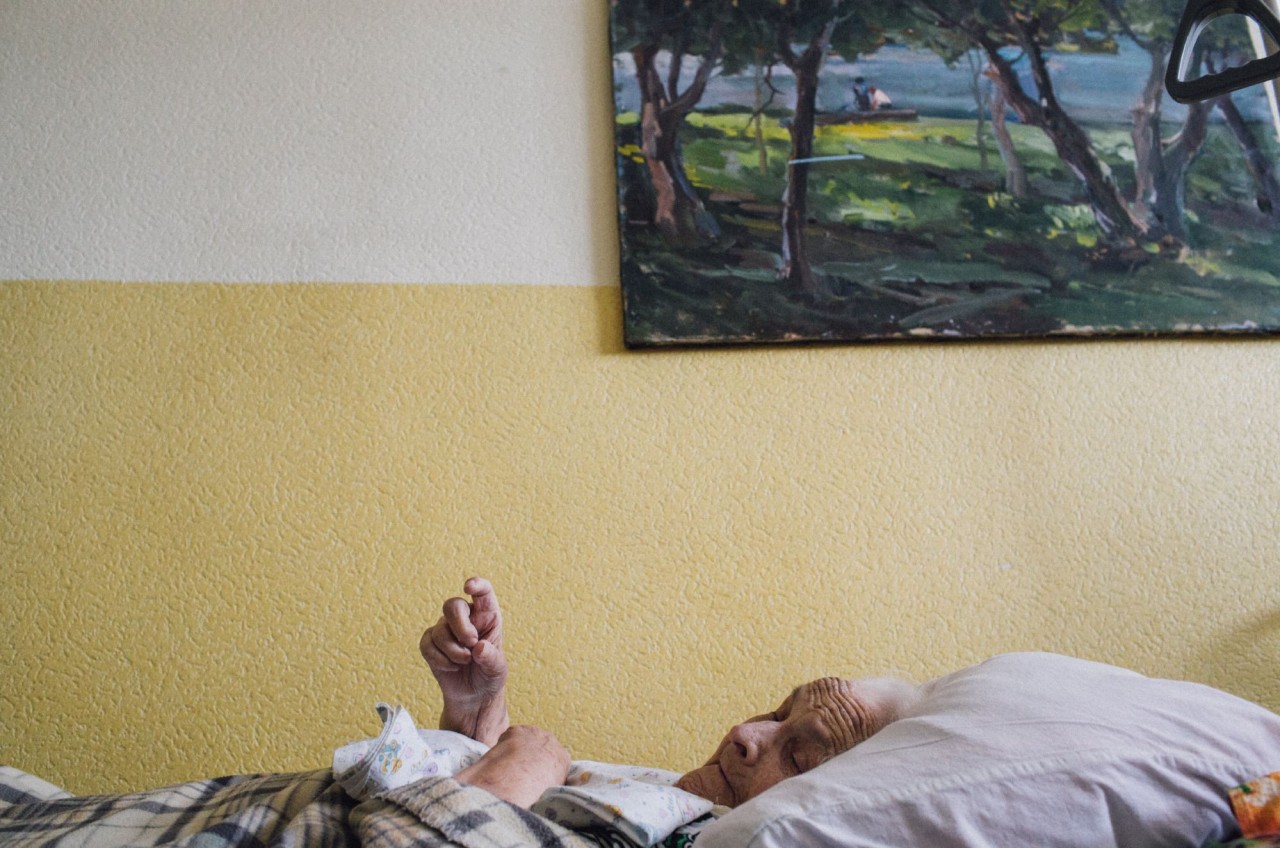 Anastasia Vasilievna tells how she made test tubes at a glass factory, where she worked for many years photo: Ksenia Ivanova for TD
 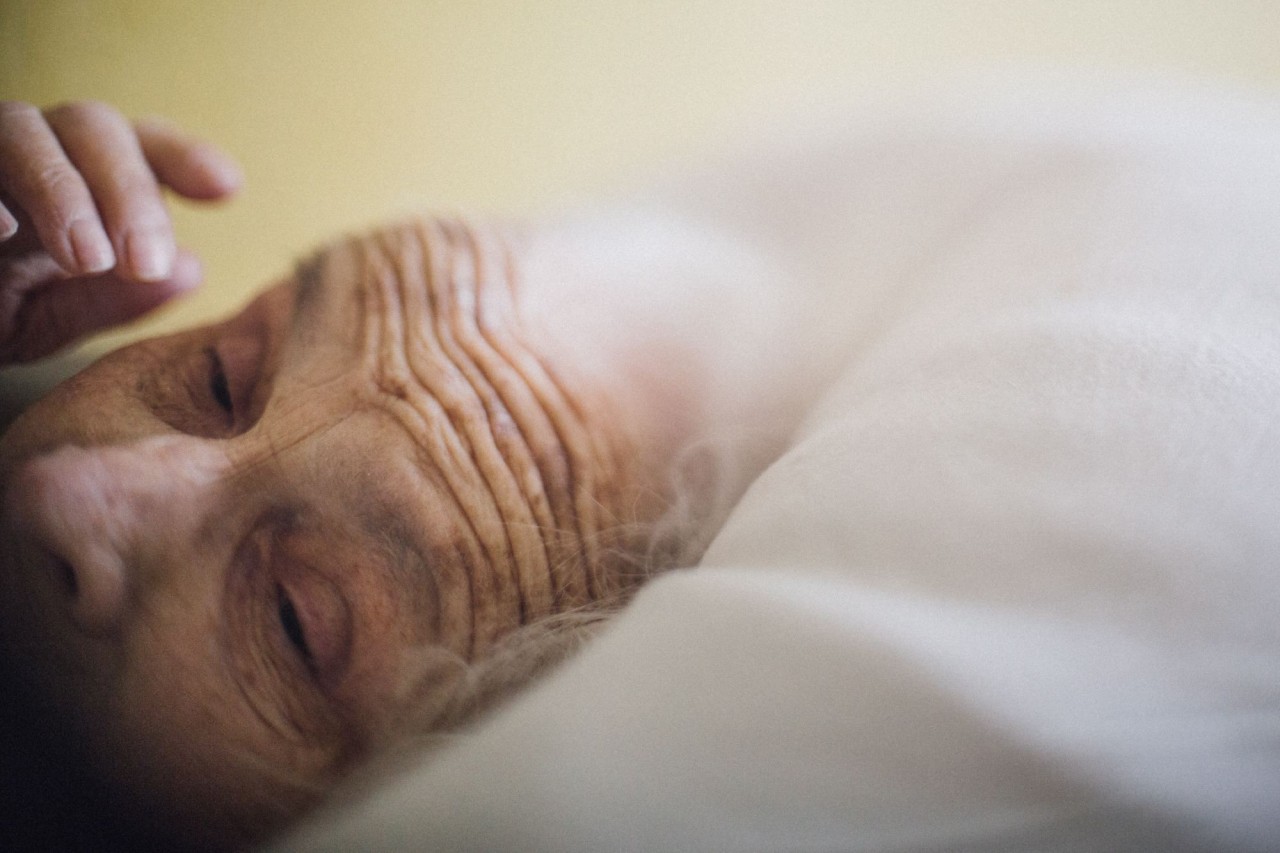 Portrait of Anastasia Vasilievna Photo: Ksenia Ivanova for TD
Married I went to a positive guy. Everyone loved him: he was not a rowdy and a drunkard. He had the only bad habit - football. We walked with him a lot: we went to dancing, in the Hermitage were, in the Kirov Islands, we went to Pavlovsk. Our daughter was wonderful. Pretty, dark. I dressed her up like a doll-I wrapped it well. I remember made her a whole -glass raspberry dress with two valves - above the chest and above the knee. Everyone who saw this dress was groaning. I have two grandchildren from her, twins. We lived with a grandmother's kindergarten, and when I walked with them, they all boasted that my grandmother, that is, have my own garden.
In old age, trouble with me was shaking - the entire left half was paralyzed. I have no husband or daughter anymoreIn old age, trouble with me was shaking - the entire left half was paralyzed. I have no husband or daughter anymore. And the son-in-law comes sometimes, but here everyone says that it is only because of the pension.
I remember poetry, I remember. Such, for example, love: friends are not known in a noisy conversation, friends are known to trouble, if grief will come, and tears will pour, a friend is the one who cry with you.
And no one will cry with me. Because you need to feel someone else's grief for this. And then everyone has their own grief.
Antonina Egorovna, 73 years old
I was born in the Pskov region in 1942. I don't remember dad. I know that he came from the front in 1944 for a couple of days. And very soon after that he died. But my brother was born from that manner. In 1949, when I was seven, and my brother was five, my mother died. And we ended up in an orphanage in the island. There I fell ill with polio. What is interesting - I picked him up in the hospital. Nobody in the entire district got sick except me. Since then I have problems with my legs.
In the orphanage, we were very good. Now you listen to the TV - this is a real hell. And then it was completely different. I recently asked my brother: "When were you really happy?" And he says: "In the orphanage." And me too. We have the brightest memories of this time.
The orphanage was in an old mansion over the river, everywhere meadows, forests - Zhule. We had our own garden. A cow was attached to his brother - he looked after her. The educators were such good good women!
But then from behind me they sent me to a special orphanage, under Gatchina. It was good there too. No one pressed anyone. Olga Alexandrovna, a lonely, childless woman, looked after us - so she fiddled with us as with her relatives. I drove into the forest for mushrooms and berries. And we hobbled behind her: some on crutches, some in the stroller.
At that time, the post -war one was not taken from the orphanage, on the contrary, many guys, especially those like me, were parents, they just could not feed their children.
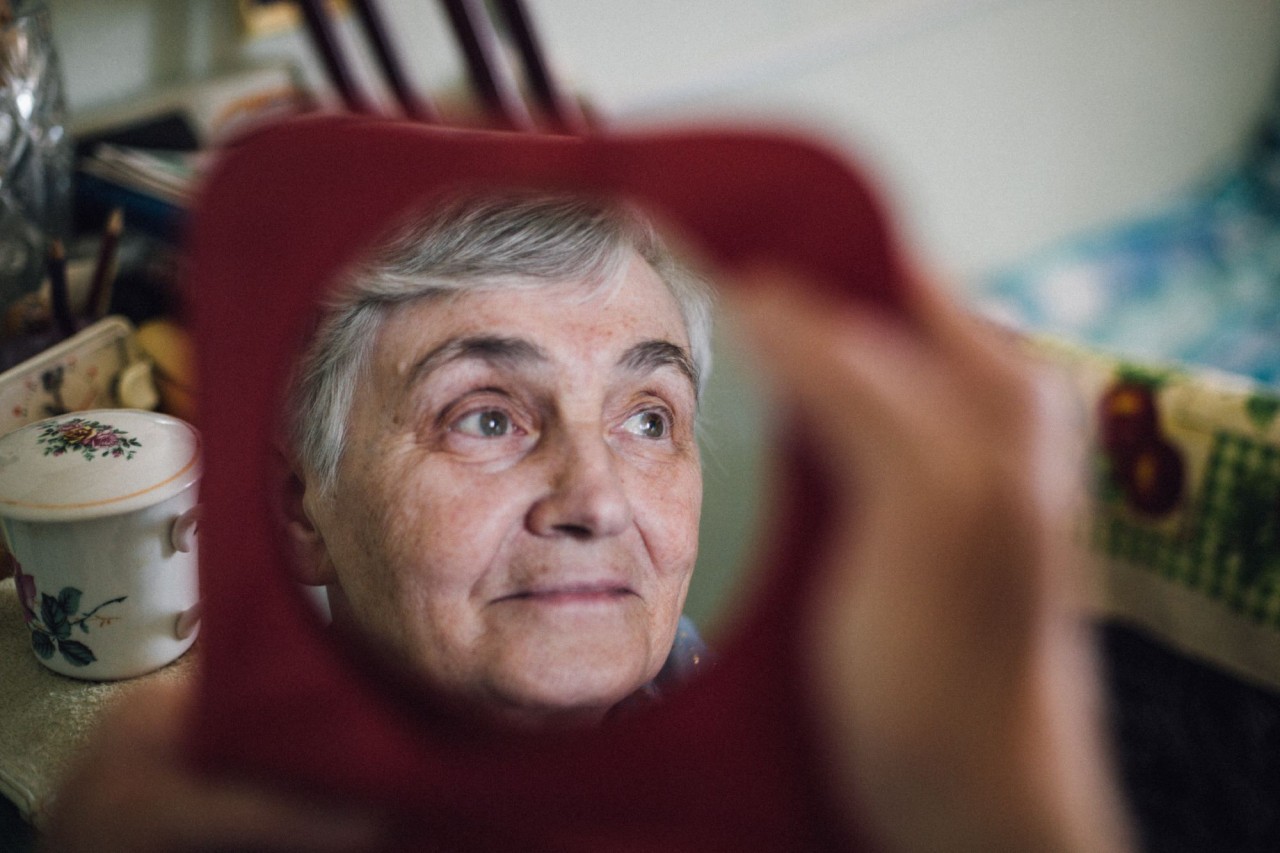 Portrait of Antonina Egorovna with her mirror photo: Ksenia Ivanova for TD
 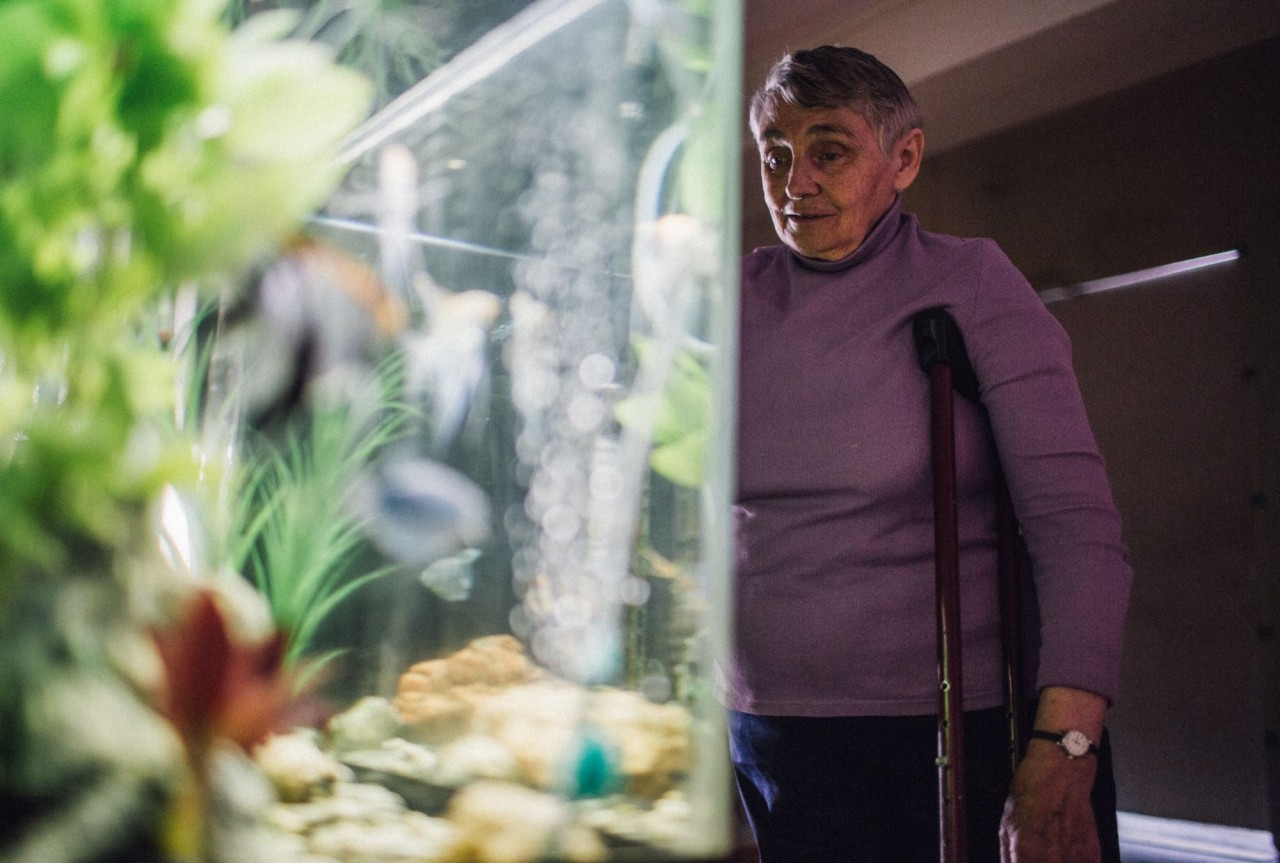 Every day Antonina Egorovna with her friend Zina feeds fish and one catfish, monitors the illumination of the aquarium photo: Ksenia Ivanova for TD
My brother and I were not lost. I came to him a couple of times. They told me that he is Shalopay and a bully - and he is just a normal healthy boy. I believe that of these are just good people growing.
After the orphanage, they sent me to study on a dressmaker - so I worked all my life with a tailor. First lived in a hostel. Then they gave me a room in a communal apartment. The brother from the army returned, says: "I’ll go to the factory and to the hostel." And I just read the article in the newspaper that one of the same naive got into the hostel, and there was a booze, someone was stabbed with a knife, and everyone was dumped for a simplespan. And so this article impressed me that I forbade my brother to get in the hostel. So we lived in a 12-meter room until he got married. He and his wife have been together for 45 years.
Since childhood, I decided that I would not spoil your fate, and I will not have a husband or childrenAnd I have never been married. I didn’t even have this in my thoughts. I fell in love - yes, and mutually. But he was a healthy, handsome young guy. Why should he break his life with a disabled person. Since childhood, I decided that I would not spoil his fate, and I will not have a husband or children.
I also always knew that in the end I would end up in a boarding school.
They gave me an apartment when I was already far from fifty. And on the second floor without an elevator. And the architecture is so intricate that my healthy neighbors on those stairs broke my legs. And in 2009, I rewrote the apartment to the nephew, and handed myself to the boarding school. The commission came to the commission, and there the girl gasped: "Well, where are you in the boarding school, you are still young." And I answer her: “Well, no, make out, because I want to register, adapt, meet someone in my mind. Why should I wait for a completely helpless state? " And the ticket was quickly issued to me. It used to be easier, because they only accepted the lonely. And since then, the law has come out by which children can be handed over, the queues of kilometers. Now you can’t get here - everything is clogged.
My brother visits me and the nephew arrives with the son of Yegorushka - he is such a paw, baby, I love him very much.
Anna Vasilievna, 92
I was born in the Leningrad region. The family was eight people: three brothers, the fourth, dad, mom, grandparents. Dad and mom were collective farmers. I studied in the village of Morozovka. And then she went to study on a laboratory assistant at the military factory. And then the war began. The plant was evacuated, but I stayed. All my brothers fought. One was a border guard, the other was a tanker, the third was an aviator. All my brothers are disabled people. No one is alive.
I fought too. Our squadron stood on Ladoga, and I helped there, what I could, and then I was appointed the head of the laundry.
When the victory came, we simply did not understand. They waited so many years, hoped, and here is a victory - and no one can believe in such happiness. The silence of the grave minute stood. And then everyone was distraught right with joy.
My husband was a pilot. He met a victory in Khabarovsk, and then found us with his son in my father's house. But the work of the pilot is such - where they send, you fly there. So we moved all the time. This is very inconvenient-only you adapt somewhere, it's time to fly away. For eight years we lived in the Far East. Then he was transferred to Germany. It was very interesting. We did not hold evil for the war for the war. And they accepted us in a king. They respected us incomparably. What kind of rations were given to us! And they had everything beautifully there - they quickly recovered after bombing. Only I regret that I never got to Berlin - once they organized a trip for officer wives, but I had no one to leave my son with. And our women returned so inspired, they said that it was a beautiful city.
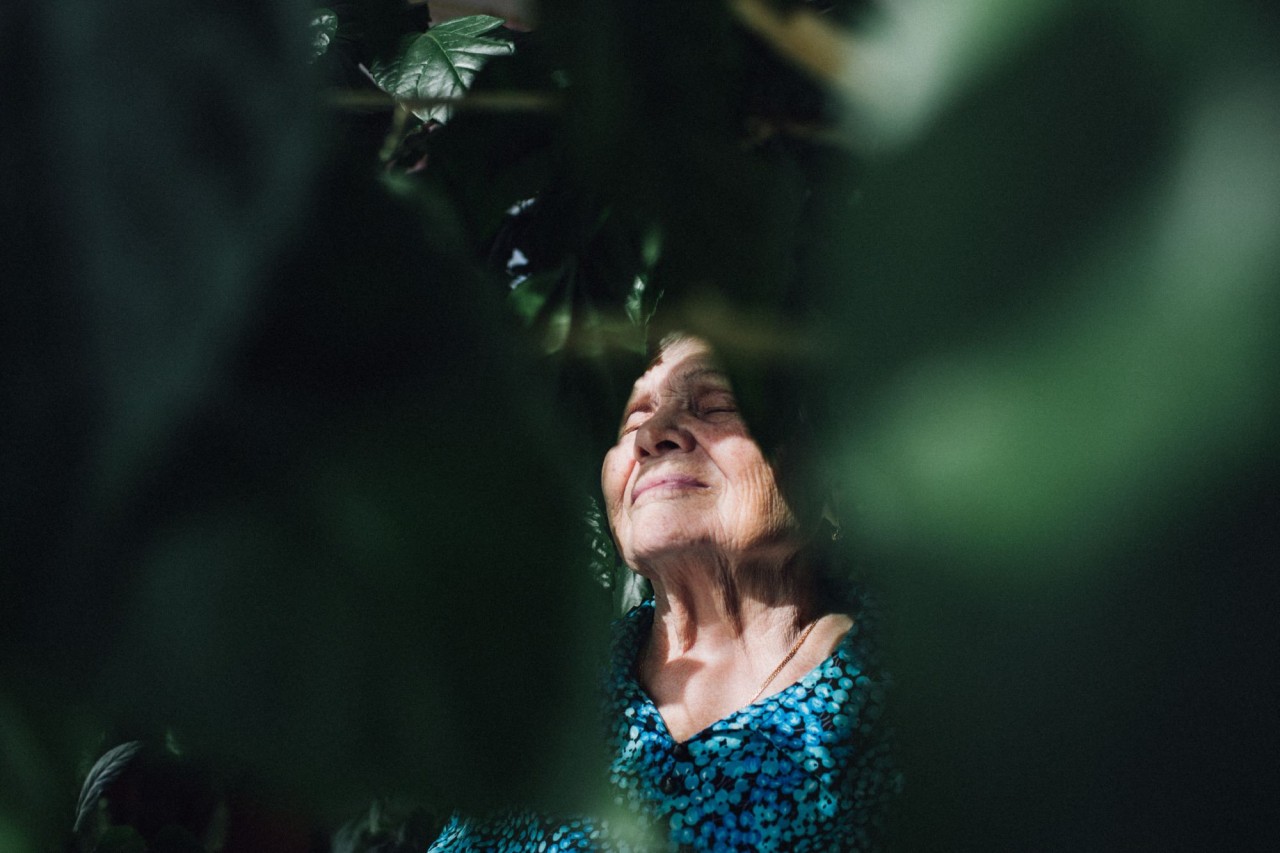 Portrait of Anna Vasilievna in the living room of a boarding school photo: Ksenia Ivanova for TD
 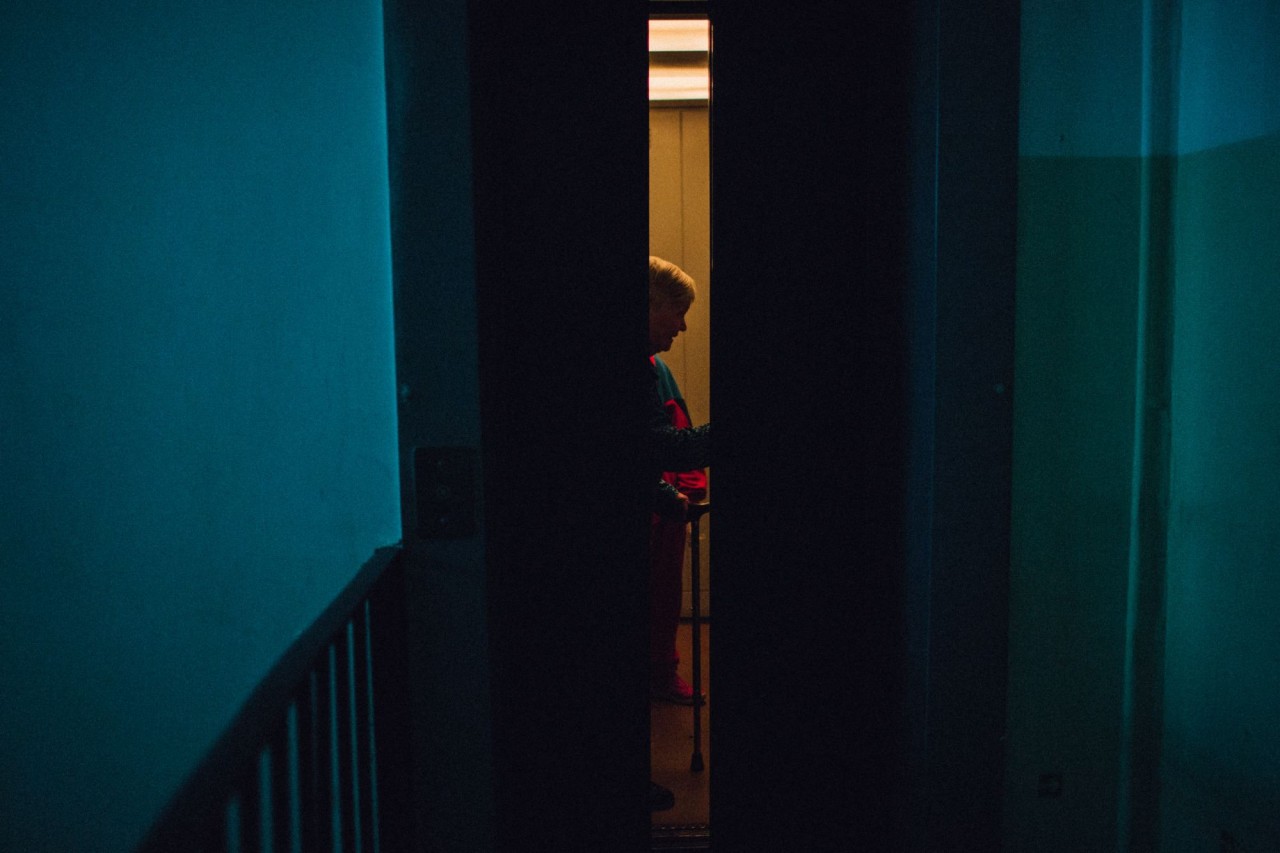 After lunch, Anna Vasilievna, together with her friend Zina, climb the elevator to her room photo: Ksenia Ivanova for TD
From Germany we flew to Kaliningrad. Then we left for Rostov-on-Don. And my husband died there at the age of 53. And then the son is also at the age of 53. So they lie side by side. I returned to the relatives near Leningrad, but every year I flew on the grave, put the monument, landed flowers. And now I will never get there again.
I returned to the parental house, but there were no more brothers, and my daughter-in-law, although they reacted to me warmly, but still felt that I was bothering them. I wanted to make repairs - I had money for it - but they told me that this is not necessary. In general, I felt lonely and unnecessary and went to ask the shelter in a boarding school.
I brought comfort here to make it like a house. I bought a TV, refrigerator, microwave, carpet - we live gorgeousNow we have a good relationship. They visit me, they call me for the holidays.
I live in a room with Mikhail Ivanovich. It somehow happened that we came together with him. He is not my husband, of course, but only a friend. What is love in our years? I brought comfort here to make it like a house. I bought a TV, a refrigerator, a microwave, a carpet - we live chic. Mikhail Ivanovich and I are always shown to everyone as exemplary. I follow him and follow myself. I have dresses, makeup, hairstyle - so they often call me a local star.
Mikhail Stanislavovich, 69 years old
I am from Lithuania, a post -war guy. Mom - Russian, dad is a half -sex, half -liter. Family legend says that his father bought his mother from the Germans - so he liked her.
After the war, the Stalinist resettlement of peoples happened, and they sent us to Siberia. We lived there for eight years. The best years of my life. For boys, happiness: expanse, mountains, forests, air. We lived in the village on the banks of the river. Such a fish was there! Burbot, Harius, pancreas - they have not seen this here. We drank birch juice all the time. They ran to the beekeepers for honey. Every day is a holiday.
Father and mother worked at the state farm. One of my sister is two years older, the other is two years younger.
They dreamed of only one thing - so that there was no war. Then everyone had one desire. Well, to become a person. Smart, competent, so as not to be a fool. Everyone wanted to turn into something like a scientist so that consciousness was in the head.
I remember how Stalin died. And what a joy it was. But they rejoiced quietly just in case. We immediately returned to Lithuania.
After my studies, I went to the army, to missile troops - I lived with white bears on the New Earth for three years. Parents have already moved to Leningrad. And after the army I went to get there to work. They quickly took to the fire department of the Petrograd district - it was the largest and most equipped.
I remember how Stalin died. And what a joy it was. But they rejoiced quietly just in caseI started with a simple fireman, and twenty years later I left there as a senior lieutenant, the head of the guard. I put a lot of fires, as a rule, I had without sacrifices. I am a pan-sport in fire and applied sports. There is such an attraction-an assault staircase, I ran back and forth on it, like a hare, ran for hours.
I have always been a womanizer, I loved girls all my life. I had a room in a communal apartment. And now, I remember, I’m calling one friend - I can’t, the other is also not able to, the third came running. And then these two pulled themselves up. So the four of us spent a day. And everyone whispered: "Leave them, marry me!"
But I married for the first time not with them, but on the Cossack - in a capture, impudence and loving her. We gave birth to a daughter. But I disappeared at work. She, apparently, bored and started her lover. Divorced. I found another for myself - on vacation in Sudak. He brought her son, I arranged her in the police - so that it did not work out that she was also bored, like the previous one. But here the opposite situation came out - we were all the time at work, she has a day off - I have a worker, and vice versa. They parted with her too. Now she is in the damp earth.
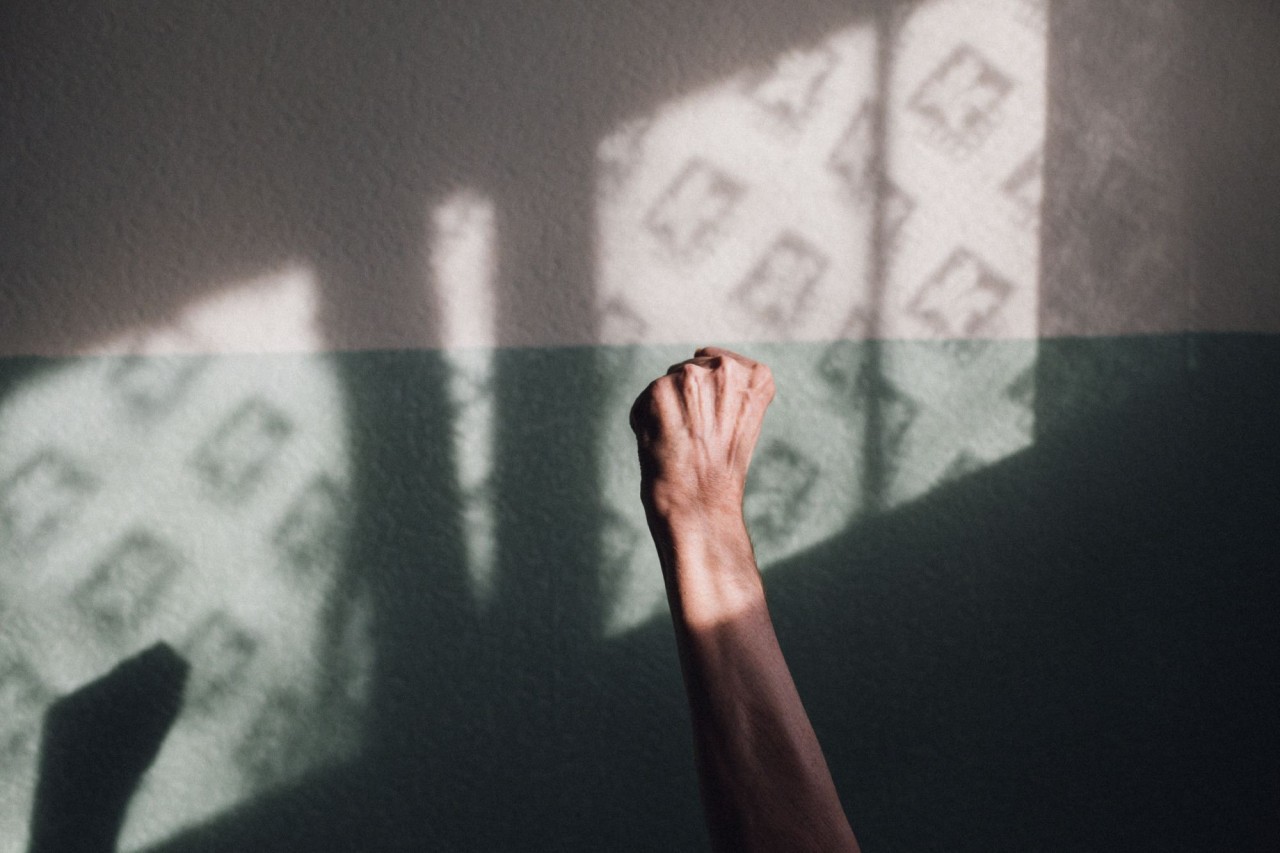 In parting, Mikhail Stanislavovich said "But Pasaran!" Photo: Ksenia Ivanova for TD
 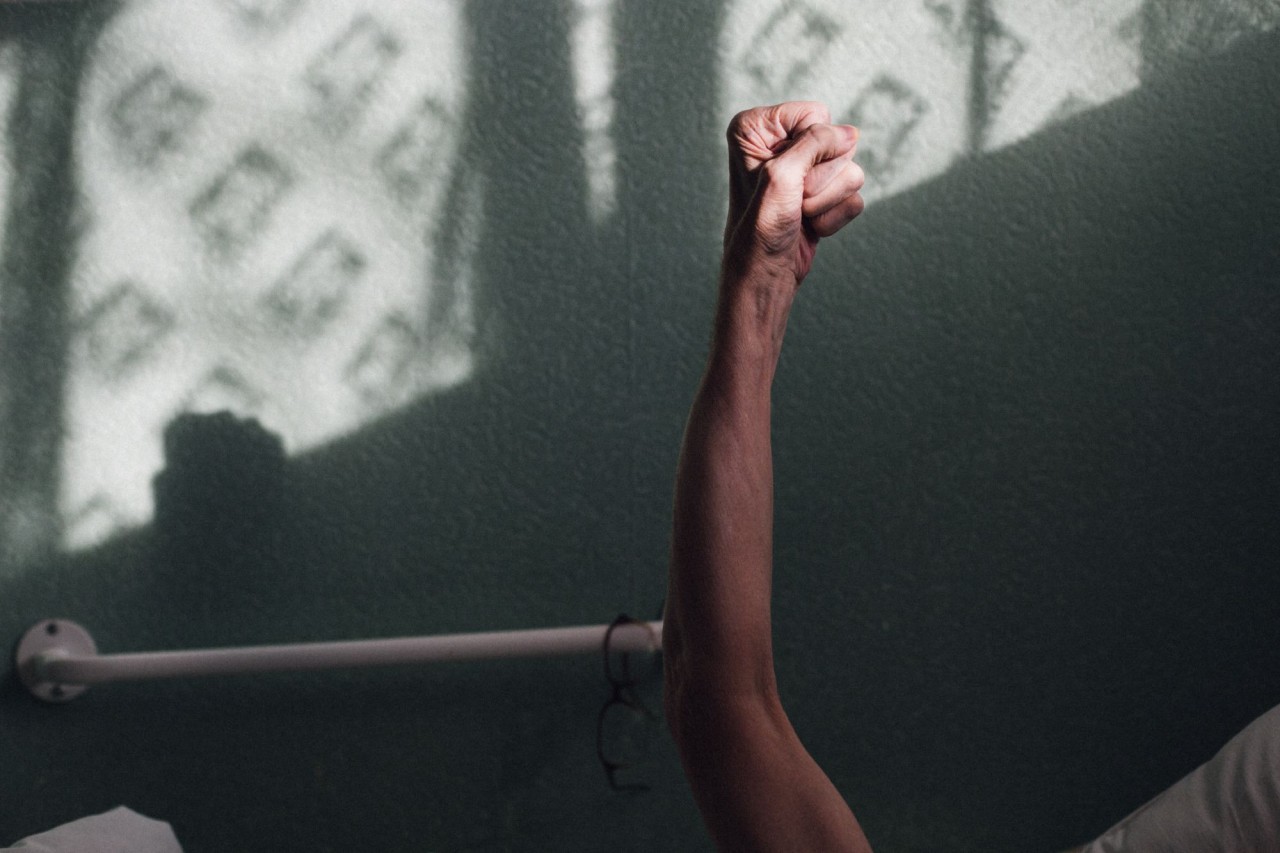 Mikhail Stanislavovich Photo: Ksenia Ivanova for TD
 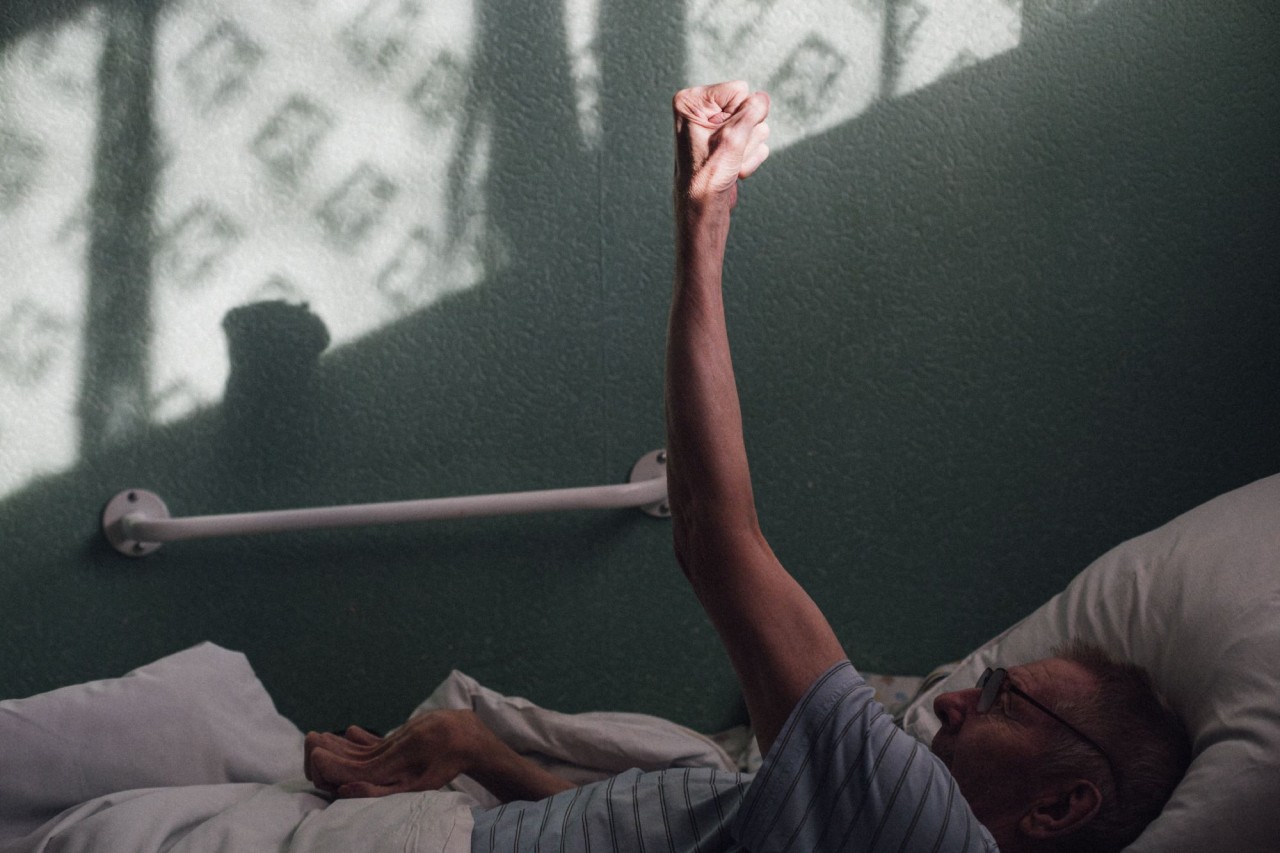 Mikhail Stanislavovich Photo: Ksenia Ivanova for TD
When I was forty -five years old, they offered me the position of senior state inspector in the fire area in the Volosovsky district. And this is next to the parents! And I worked there for six and a half years. The Leningrad room in a communal apartment changed to a one -room apartment in the Volosovsky district. И гектар земли под себя приватизировал — он у меня весь был засажен вдоль и поперек. 1990-е, годы голодные, очень это все было кстати. Шестнадцать ульев у меня стояло — на весь район я своим медом славился.
Сейчас пятый год пошел, как меня парализовало. Но начало конца случилось давно — меня инсультом долбануло четыре раза. В первый раз — когда в течение недели похоронил папу и маму. Сломался я тогда немножечко — и дал газу, а спирт, видно, паленый был. Ну, и хватило меня. А последний удар был, когда сестренка младшая умерла. Вот только ее проводили — сразу меня в бараний рог скрутило.
Лежу тут теперь. I don't lose heart. На книжки зрения не хватает, а телевизор смотрю. Если бы Путин мне позвонил, я бы подпрыгнул от радости до потолка и выздоровел сразу. А пока разрабатываю конечности помаленьку. Если научусь садиться как следует сам, сбегу отсюда — буду ползать вокруг родительского дома по родной земле.
Вера Алексеевна, 82 года
Я старожил, двадцать лет тут живу — с тех пор, как интернат открылся. Пришла я сюда здоровой, мне был 61 год — просто так получилось, что больше идти было некуда. И работала я тут на всех должностях, кроме начальственных: и на кухне, и санитаркой, и в прачечной, и пенсии выдавала. А потом заболела, стала как все тут — старым инвалидом.
Родилась я в Кировской области. Папа был потомственным железнодорожником, а мама — домохозяйка. Трое детей было: два брата и я, младшая сестра. Оба брата уже умерли.
После войны поехала я в поселок Бор, хотела стать библиотекарем. Но как приступила к обязанностям — сразу передумала, не понравилось мне совсем. И я пошла на почту. Там и прижилась.
Однажды поехала навестить брата в Алма-Ату. А там красиво, тепло, продуктов полно и вещей — я такого никогда не видела. В общем, решили мы с мужем переехать тоже. Я сразу устроилась на главпочтамт. Работы было столько! Особенно после моего маленького поселкового отделения. С восьми утра до восьми вечера мы работали. Я была начальником посылочного зала, так на две кассы в сутки принимали четыреста посылок — люди слали фрукты, мясо, одежду. Очередь занимали с пяти часов утра. Как будто стоит пшеница золотая, конца и края не видать. От бечевки у меня сухожилие на одной руке все время воспалялось. Но я знаю верный способ — натирать болячку йодом с анальгином. Passed.
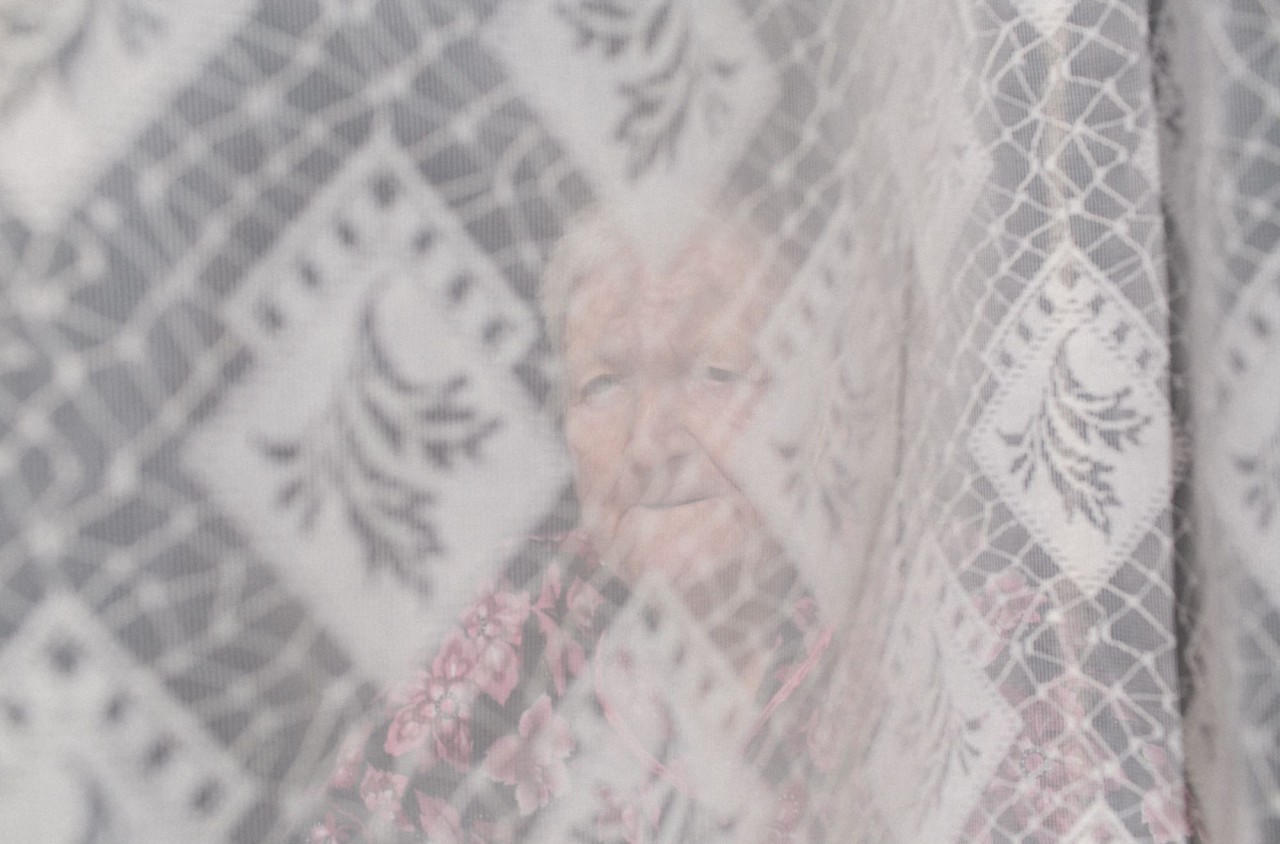 Портрет Веры Алексеевны в ее комнате Фото: Ксения Иванова для ТД
 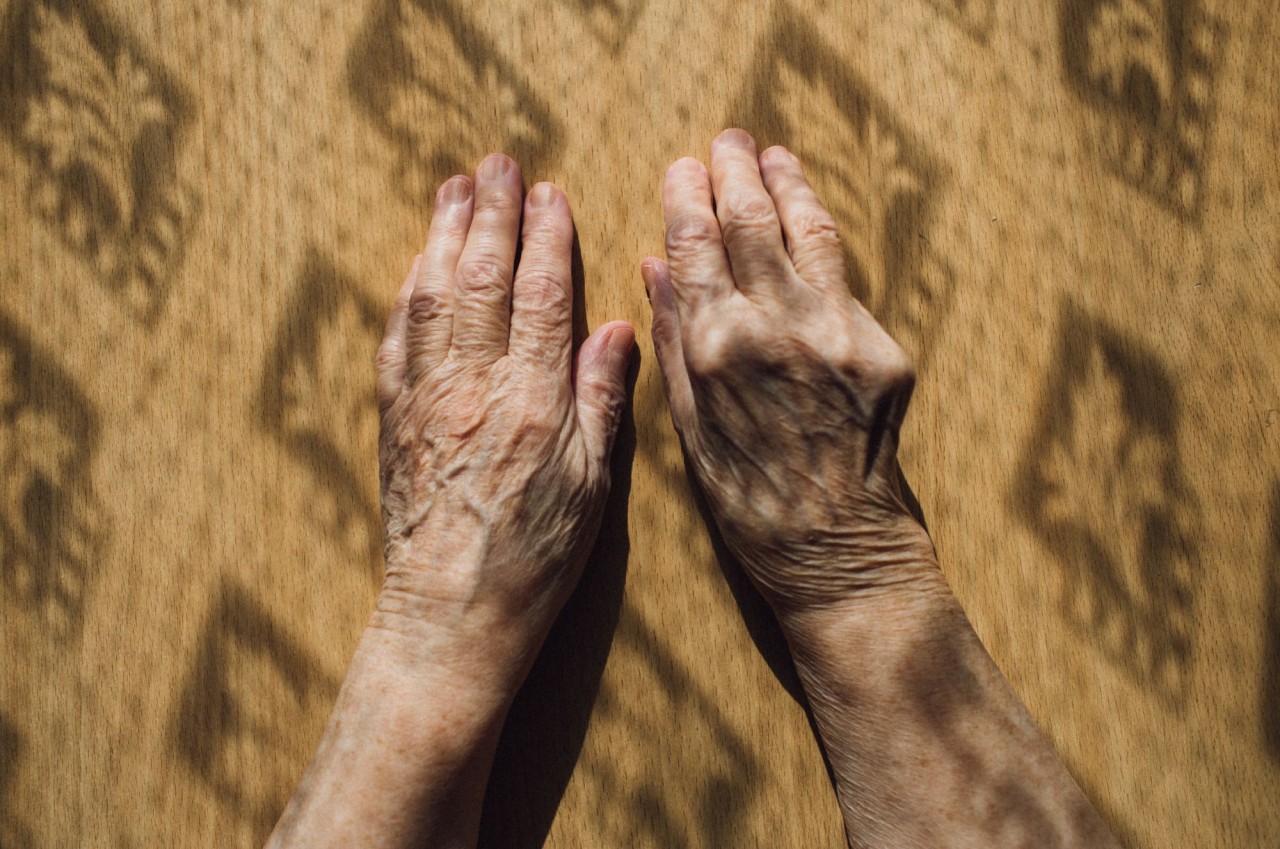 В течение 40 лет Вера Алексеевна работала на почте. От постоянного перематывания посылок бечевкой один из пальцев больше не сгибается. Фото: Ксения Иванова для ТД
Двадцать пять лет я в Казахстане прожила. А потом перестройка началась, и все это богатство закончилось. Как-то все пошло наперекосяк. Муж мой пьяницей оказался. Казахи стали злые — начали русских вытеснять. У меня квартира была прекрасная двухкомнатная — так мне стали звонить, угрожать, записки с угрозами оставлять. It was scary. Я дружила с семьей гинеколога Грейдена — прекрасный был человек, интеллигентный, но его тоже затравили. Помню, сижу у них в гостях, вечер, кто-то звонит по телефону. Грейден трубку снял, услышал там что-то такое, что тут же замертво упал. Решила я уехать. В обменное бюро пошла — там за мою квартиру давали только комнату в коммуналке на окраине Ленинграда. Стали меня шантажировать. В общем, не много денег я за ту квартиру получила, но уже, считай, повезло.
Дочка умерла. Зять запил, уехал в Магнитогорск и сына с собой забрал. Теперь они вдвоем спиваютсяПриехала я к дочке в Разметелево, тут, недалеко. У нее муж, сын и дочь. Дочка заболела раком. Ну и вот мы с ней посоветовались и решили, что мне надо куда-то уйти. Помню, как внук Максимка плакал: «Бабушка, не уходи, я из дома сбегу, если ты уйдешь!». Well, what to do? Я надеялась устроиться на вахту в общежитие — чтобы мне дали там комнату. Но таких, как я, оказалось очень много. Вот я сюда в интернат и приехала.
Дочка умерла. Зять запил, уехал в Магнитогорск и сына с собой забрал. Теперь они вдвоем спиваются. А внучка Катенька меня не забывает, приезжает все время. У нее дочка есть, Сашенька. Но я не разрешаю ее сюда приводить — зачем ребенку тут среди старух бегать.
Не о такой жизни я, конечно, мечтала. Но как уж получилось.
Виктор Петрович, 82 года
Моя биография страшная. Я родился в Вындином Острове. Там река Волхов, посередине островок, а деревня наша как раз напротив него. Семейка стала разрастаться: родители, бабушка с дедом и мы, дети — всего девять человек. Отцу предложили построить большой дом на хуторе в километре от деревни. Переехали мы. А в 1938-м вышел указ — хутора на снос. Опять нам строиться. И переехали мы в деревню Свинкино, сейчас Гостинополье. Учетное такое место у железной дороги.
The war began. Немцы в сентябре 1941 года подошли к Ленинграду. Шуганули их, конечно, и они как раз в наших местах остановились. Много там погибло русского брата. Немцы лютовали. It was scary. И отец вырыл нам в лесу землянку — там мы и жили. Сам он Финскую войну отвоевал, раненый пришел домой, в 41-м его уже не призвали, он с палкой ходил.
В ноябре немцы сожгли всю деревню и из землянок нас вымели. Я помню, что идем мы под конвоем, а отца уводят. В апреле, когда снег сошел, нашли его и еще четверых мужчин, заколотых, как поросят. Ну а пока вот ноябрь. Мы в углу расположились у дальних родственников в Вындином Острове. Мать пошла со старшим братом искать новую землянку. Январь, холод страшный, снегу завал. И нет их несколько дней. А Вындин Остров тоже подожгли. Восемь лет мне было, но я взял младшего брата и сестренку и тоже пошел искать землянку. Мы влезли к кому-то, в угол залегли. У меня только мешочек пшеницы был, мы его клевали, как птички. Другие родственники нас отыскали и к себе забрали. А потом и мама наконец вернулась. В общем, нашли мы в итоге глинобитную баню — в ней и жили до конца войны. What did we eat? One God knows.
Мать работала на складе топлива. Иной раз чурку дров принесет. Мы в лес ходили со старшим братом, с корня пилили сухостой.
Весной снег сошел — оказалось, что повсюду мины противопехотные, прямо, как картошка, раскиданы. Пацанов сколько полегло! Каждый день кто-нибудь подрывался.
После победы дали нам в Волхове в бараке комнату. Без окна. 24 метра. Нас — восемь человек. Дедушка однажды сел в товарный вагон, а он был из-под масла или от бензина. Закурил — вагон и сгорел. Его в тюрьму отправили — там дед от голода и умер.
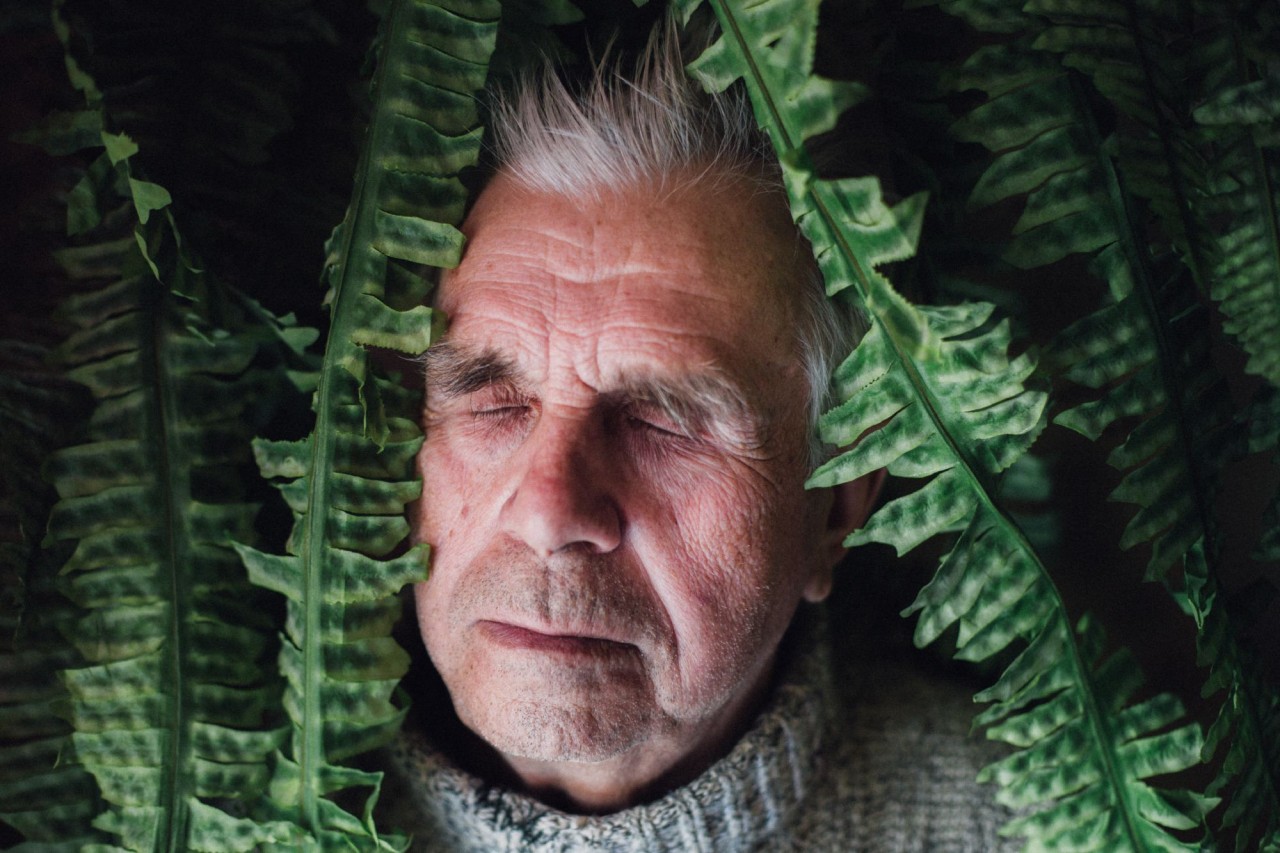 Портрет Виктора Петровича в комнате отдыха Фото: Ксения Иванова для ТД
 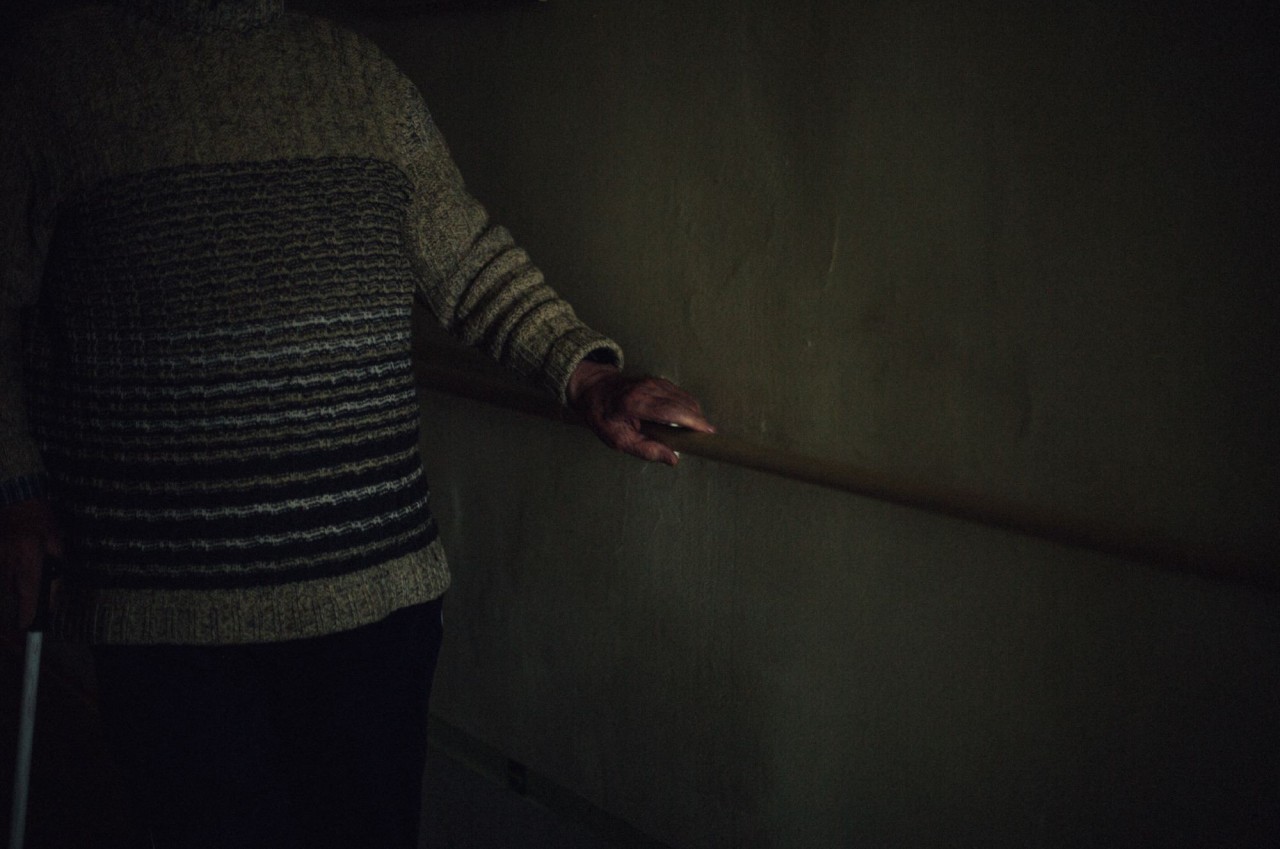 После прогулки Виктор Петрович идет в свою комнату Фото: Ксения Иванова для ТД
 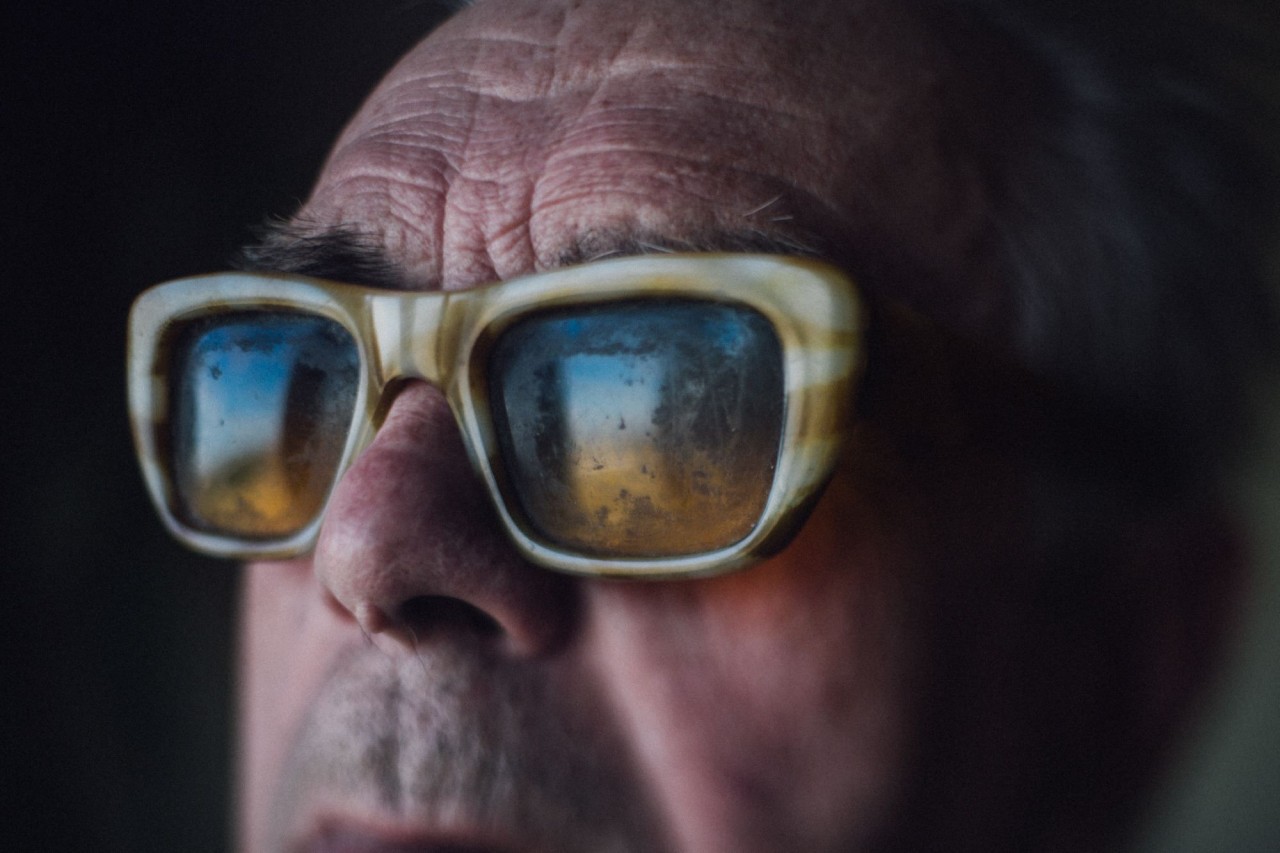 Портрет Виктора Петровича в комнате отдыха Фото: Ксения Иванова для ТД
Я ходил пахать поля — к палке привязал саперную лопатку, с утра до ночи с ней ходил, так что руки отваливались.
Закончил я всего шесть классов. В 1949-м поступил в железнодорожное училище. И всю жизнь провел на железной дороге, прошел путь от слесаря до машиниста.
С 2000 года я заготавливал и продавал веники. А это, скажу я вам, тоже большое искусство. Пора созревания веников — июнь-июль, я больше тысячи их делал. На рынке они были по 40 и больше, а я по 25 рублей продавал. И мои лучше были. В продажу потому что шел любой лист березы, а они же все разные. Есть как мусорные веники, а есть такие, где внутренняя сторона опушенная. Хранить тоже надо с умом — только в темном сарае, они тогда не выгорают и не осыпаются. Больше всего брали женщины. Well, what? Хорошей женщине всегда можно подобрать хороший веник. Но хороших мало.
Хорошей женщине всегда можно подобрать хороший веник. Но хороших малоДважды я женился и дважды — неудачно. Неправильные женщины какие-то попадались.
21 апреля ровно два года исполнилось, что я тут. He came. В прошлом мае сошлись тут с одной дамой. Написали заявление, съехались. Но подружка моя оказалась проходимка. Disractible.
Говорят, что характер у меня дурной. But this is all not true.
Валентина Николаевна, 86 лет
По разговору слышно, что я новгородская, из-под Волхова. Там власовская дивизия сдалась немцам, страшные бои были, не вода в реке текла, а кровь одна — страшно было очень.
Мне 11 лет было, когда война началась. Я уже работала вовсю. В колхозе, в совхозе. Запрягали быков, пахали на них, возили. Из Ленинграда приезжали обозы, забирали все, что можно. Иногда спрятать что-нибудь удавалось. А так — все для Ленинграда. Сами голодали ужасно. Выкручивались, как умели. Листья липовые собирали, толкли, лепешки из них делали. Пестуши собирали на полях — такие торчки на пашнях из земли выглядывают. Из них тоже толкушку можно сделать. А летом собирали чанами грибы и ягоды. Черники, брусники, клюквы было полно — болотистые места.
Война закончилась и всех по ремесленным училищам распределили. Меня — в железнодорожное. Выбора не было — куда больше нужно людей, туда и брали. В 1947 году отправили меня отрабатывать в Ленинград. Мы восстанавливали железные дороги. Рельсы прокладывали, шпалы укладывали. Теперь машины это делают, а мы тогда на себе. Теперь они бетонные, а раньше были деревянные, но тоже тяжеленные.
Отработала я больше двух лет. Потом замуж вышла за военного. Его отправили в Уссурийск. И китайцы напали на наш гарнизон. Про это, конечно, власти умалчивали. А война там шла страшная. Китайцы, как муравьи, плыли по заливу со всех сторон. И их жгли лазером — лучом, который все сжигает. Бились за этот полуостров, столько людей погибло, ужас. А потом его все равно китайцам отдали.
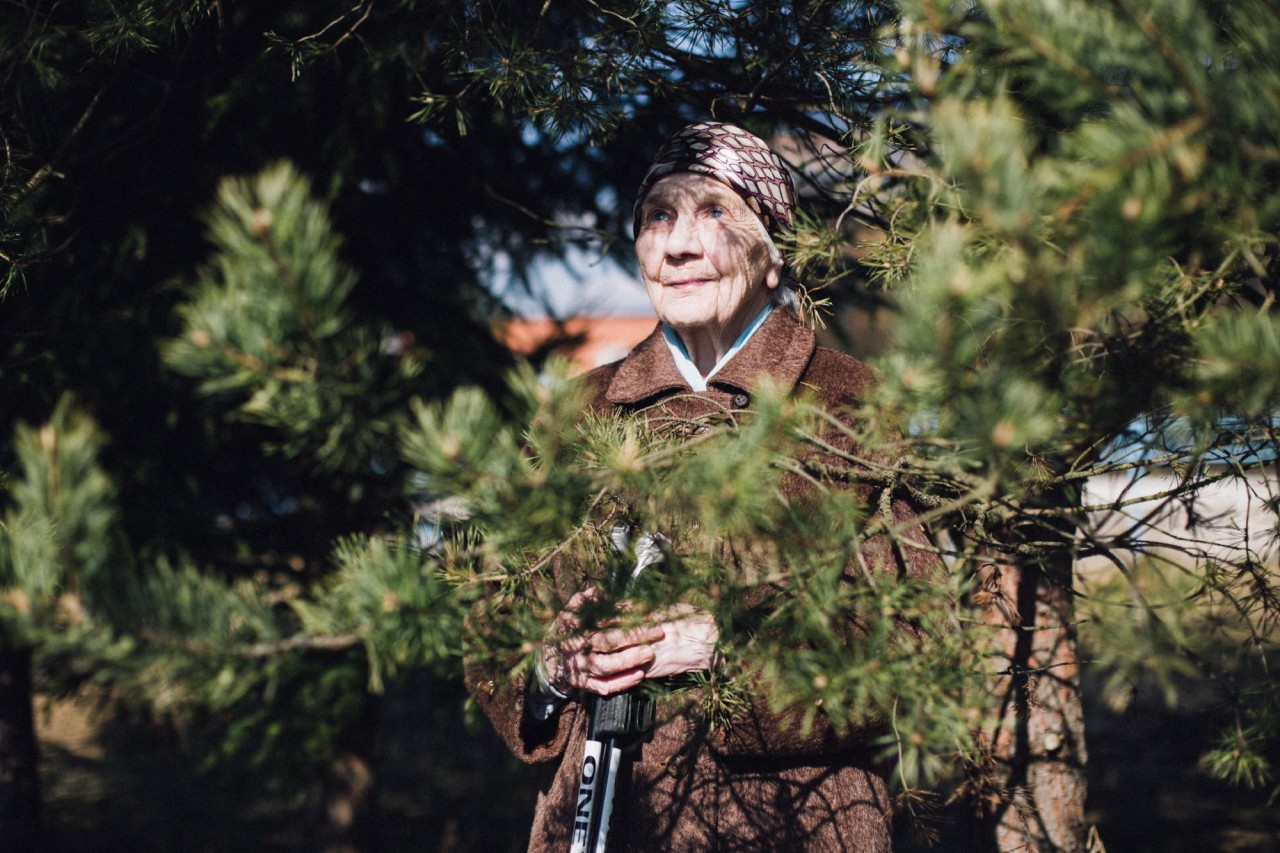 Несмотря на 86 лет, Валентина Николаевна ходит на прогулку с палочками по два часа каждый день. Фото: Ксения Иванова для ТД
 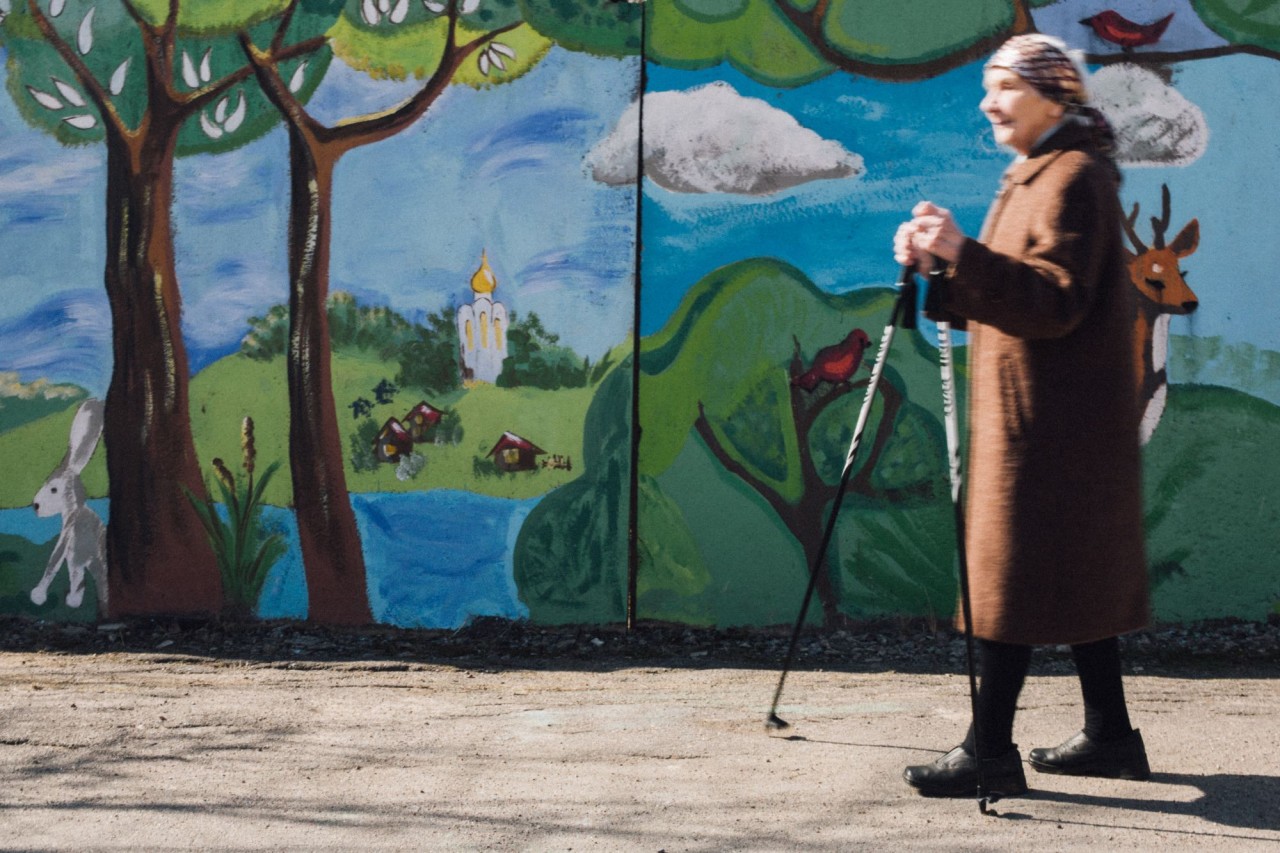 Несмотря на 86 лет, Валентина Николаевна ходит на прогулку с палочками по два часа каждый день. Фото: Ксения Иванова для ТД
В части все были вооружены и стрелять умели, даже дети. Так что я стрелять умею. Из карабина, из пистолета, из калашникова. Когда я уже давно на пенсии была, то устроилась на стрельбище на Среднем проспекте — там все удивлялись, как я по мишеням попадаю.
Вообще я не стеснялась никогда никакой работы, я все делать стремлюсь. Раньше как — если месяц не работаешь, сразу стаж теряешь. Так что мне везло, я сразу находила работу. В канцелярии работала, в буфете, в военторге. Без работы не сидела.
жизнь моя была такая сложная, что я вспоминать сейчас не хочу ничего — там одни слезыНесколько лет назад я чуть на тот свет не отправилась. Приступ у меня был. Вызвали скорую, я без сознания, но слышу, как врач с медсестрой переговариваются: довезем ли? Довезли. Восемь дней в реанимации провела. Но ноги все равно отказали. Дали мне ходунок, и я потихоньку-помаленьку, по сантиметру научилась снова ходить.
Сейчас я здесь, и я довольна. Коллектив у нас дружный, директор хорошая — все сама делает, в кабинете не сидит.
Я веселая вообще. Но жизнь моя была такая сложная, что я вспоминать сейчас не хочу ничего — там одни слезы.
You need your help
Фонд «Нужна помощь» собирает средства на покупку тренажеров для подопечных Всеволожского дома-интерната. Занятия на этих тренажерах улучшают координацию, укрепляют мышцы и ведут к более быстрому восстановлению после инсультов.
Любое, даже самое маленькое пожертвование поможет кому-то восстановить здоровье после перенесенного инсульта.