
Translated material
Craig Wright, creator of bitcoin
What is known about the Australian who invented cryptocurrency
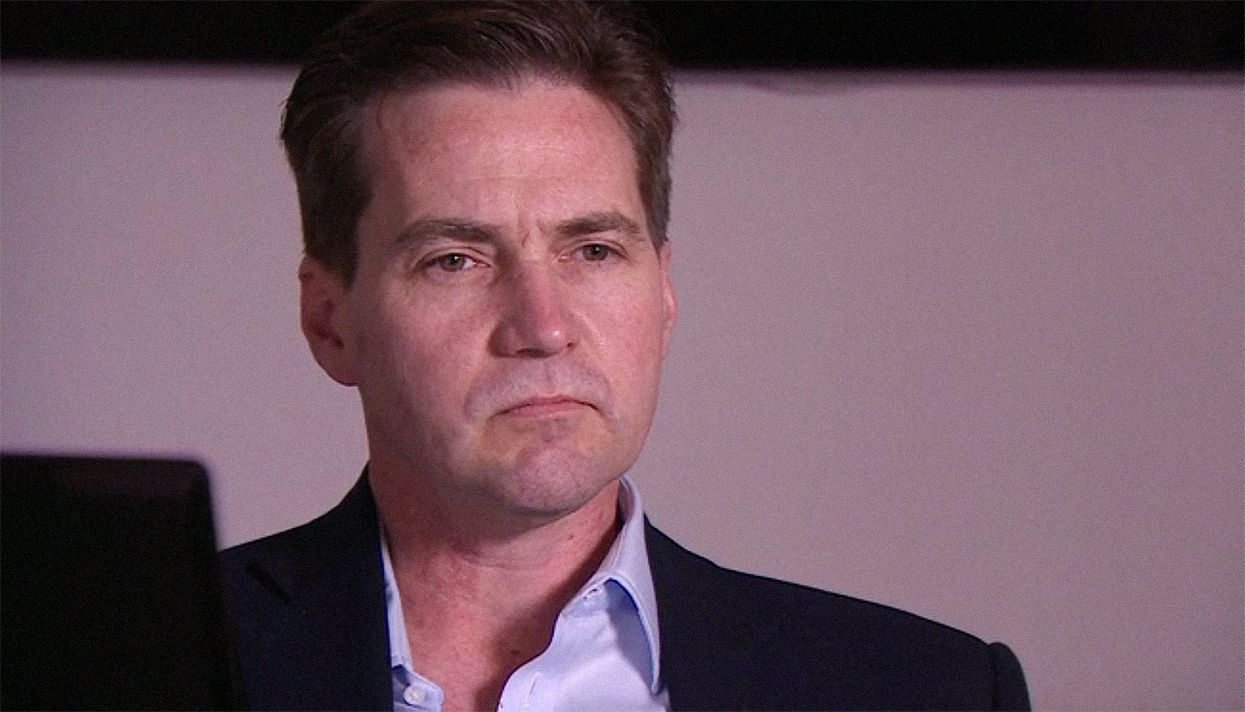
On May 2, Australian entrepreneur Craig Wright publicly confirmed that he is the mysterious Satoshi Nakamoto, the creator of Bitcoin. Wright was already called one of the most likely creators of the most popular cryptocurrency in the world, but he himself preferred to remain silent. "Medusa" says what is known about this person - and is it possible to believe his words.
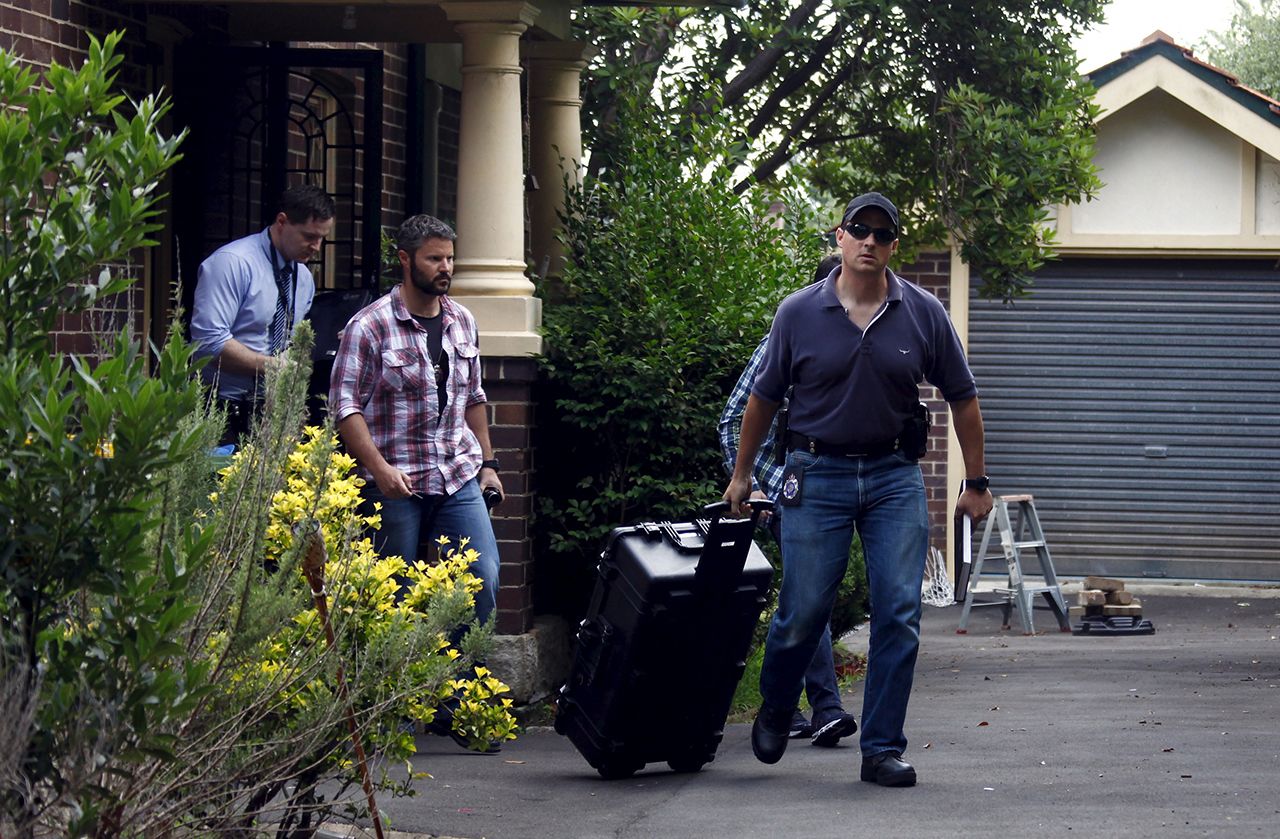
Craig Wright is a 45-year-old entrepreneur from Australia . Until recently, he was known only by the fact that in 2014 he proposed to open Bitcoin Bank. His companies are invested in bitcoin wallets, a bitcoin exchange and another business associated with cryptocurrency. It is known that the Australian police had claims to Wright - apparently, they concerned taxes; In December 2015, he even searched his house. Wright wrote several works that touched the topic of cryptocurrencies, and in the summer of 2008, a few months before the publication of a scientific article by a certain Satoshi Nakamoto on bitcoins, announced similar material in his blog.
For the first time, Wright was connected with bitcoins in December 2015. Then the publications Wired and Gizmodo published large investigations based on the Australian correspondence presented to journalists. From the investigation it followed that it was Wright that could be hidden under the pseudonym Satoshi Nakamoto; At least, many indirect evidence indicated this. Wright himself did not comment on the investigation. Just simultaneously with the publication of the material in the house of the entrepreneur, a search was carried out. You can read details about the investigation of WireD here .
Wright presented evidence that he is the creator of bitcoins. “Satoshi died. This is only the beginning, ”Craig Wright wrote in his blog on May 2 and accompanied the post with detailed instructions on how to check the authenticity of his statements about the creation of cryptocurrency. Journalists of the BBC , GQ and The Economist got acquainted with these evidence before the publication: they relate to data on the first bitcoins in history to be created by Wright supercomputers. Theoretically, only the real creator of bitcoins could have such information about them.
Journalists came to the conclusion that the evidence presented by the Australian is quite convincing. John Matonis, one of the former leaders of Bitcoin Foundation (engaged in the development of the cryptocurrency system), is also sure of this: it has been in correspondence with Nakamoto since 2010; Having first met with Wright in 2015, he suggested that in front of him is the creator of bitcoins. Matonis, along with journalists, got acquainted with Wright's documents and agreed that he was Satoshi Nakamoto.
Nevertheless, journalists still doubt. The most skeptical of the story of Craig Wright reacted to The Economist. The publication gives several arguments at once that cannot be overlooked. First of all, this is the very way that Wright proves its authorship. If you do not go into details, Wright showed reporters only what he wanted, and refused to join the encrypted correspondence with The Economist, although this would help to confirm that he has the same encryption keys as Nakamoto.
Among other suspicious moments: false reports of some scientific achievements in Wright profile on Linkedin (he explains this with a joke), Wright’s hidden desire to recognize his achievements, as well as the question of whether he is competent to be the author of the bitcoin network. According to The Economist, Wright did not write a single article in whole devoted to bitcoins (he has more than a hundred publications on extremely wide subjects), although he mentioned cryptocurrency and reasoned about it from the perspective of a sorting person. Despite the fact that people who knew Nakamoto by correspondence are sure that Wright is the creator of cryptocurrencies, the Economist notes: there is no complete confidence in this.
Why Wright admitted is unknown. He himself says that he does not seek fame or money, but simply wants to establish clarity and dispel the rumors generated by publications in the press. However, half a year ago, when no one considered Wright the creator of Bitcoin, he concluded a certain agreement with the writer Andrew Okhegen, the author of the unauthorized biography of Julian Assange. Perhaps Wright decided to reveal himself before the journalists got to him.
Nakamoto is the surname of the Japanese philosopher of the XVII century. Wright, he said, took the pseudonym in honor of Tominaga Nakamoto, who was a supporter of free trade. About where the name Satoshi came from in the pseudonym, Wright refused to say: "Some things should remain secret."