
Translated material
Mass exile of people from Russia
What is said in a report on migrant expulsion
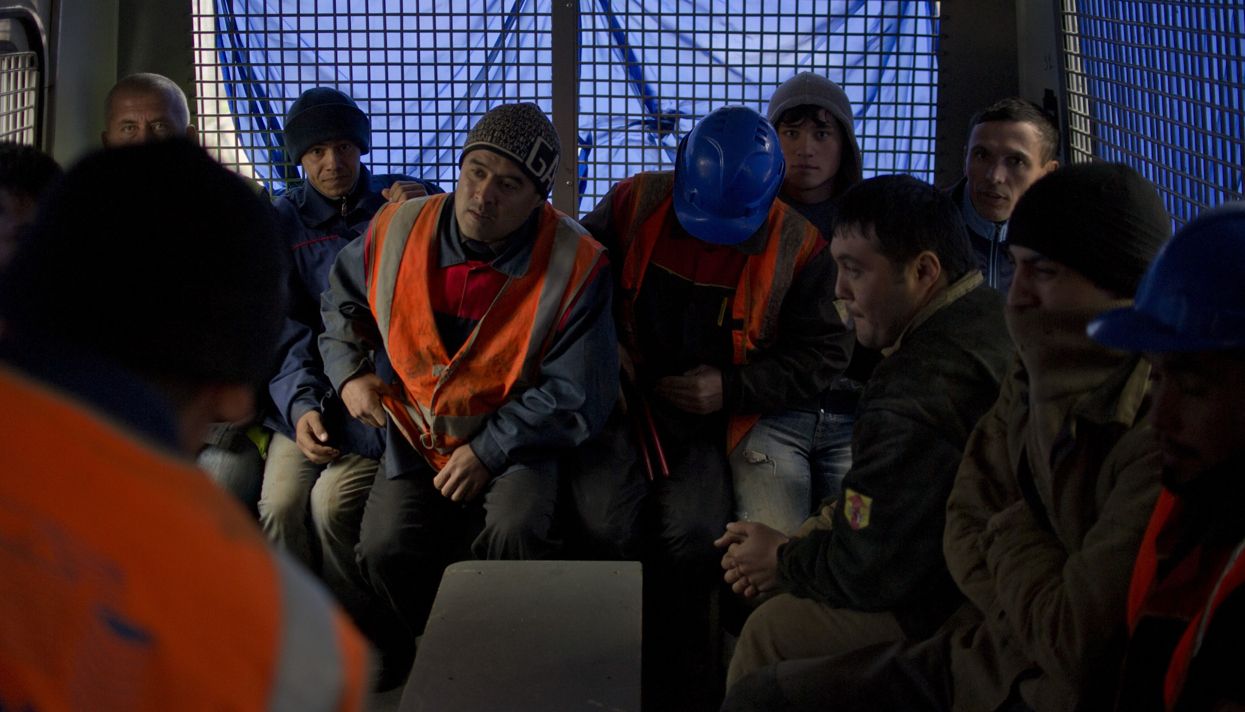
The Civil Assistance Committee, which protects the rights of refugees and migrants, presented the report “Administrative expulsions from Russia - a trial or mass exile?”. It refers to three times the growth-since 2013-court decisions on the expulsion of migrants from the territory of Russia, total violations of migrant rights during court hearings and record holders who manage to make 90 decisions per day. "Medusa" retells the contents of the report.
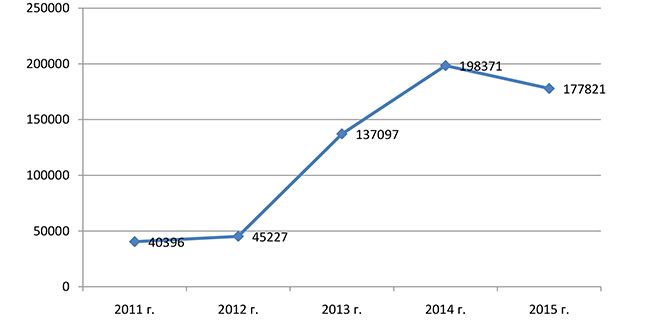
In 2012, Russian courts made 45227 decisions on the administrative expulsion of migrants; In 2013, their number increased three times-to 137097, in 2014-to 198371, and in 2015 it decreased to 177821. The authors of the report from “Civil Assistance” associate multiplying growth with the entry into force of two articles, implying mandatory punishment in the form of administrative expulsion: part 3 of Article 18.8 of the Code of Administrative Bednicts (violation of foreign advice (violation of foreign ones A citizen or stateless person of the rules of entry into the Russian Federation or the regime of stay) and part 2 of Article 18.10 (illegal implementation by a foreign citizen or stateless person in the Russian Federation). The authors of the report call these articles "political legitimization of mass expulsions."
“They have the task of expeling people,” said Illarion Vasiliev, lawyer of “civil assistance”. - I spoke with one of the judges. He said: “Why are you going against the current? We have an instruction.” The exposure machine works effectively, its task is to throw as many people as possible. ” “This is the mass exile of people from Russia. The decisions go in the courts with incredible speed, ”said Svetlana Gannushkina, the head of“ Civil Assistance ”.
One of the leaders in the "expulsion" of migrants is Moscow. According to the report, almost a third of all court decisions in 2012-2016 (154494 out of 513289 decisions) came to the capital. Such cases are more than 80% of the total number of administrative cases in district courts.
“Civil assistance” also revealed judges - record holders for the speed of decisions against migrants. In the first place - the judge of the Golovinsky District Court Sergey Bazarov: on January 23, 2015 he managed to take out 90 cases of expulsion, spending about four minutes on one thing, including the registration of all papers. From January to June 2015, he examined about 1,100 cases on “migrant articles” and in 100% of cases appointed administrative punishment.
In second place - Marina Lipskaya from the Shcherbinsky district court: on January 21, 2015, she expelled 73 people; From January to June 2015 I considered 1,500 cases and in 100% of cases imposed administrative punishment. On the third-Andrey Vasiliev from the Chertanovsky District Court: on February 27 and April 24, 2015, he made 60 decisions; From January to June 2015, he examined more than 2500 cases.
“Things are starting due to the slightest violations of numerous rules,” the report shall be indicated. Svetlana Gannushkina cited the story from 2014 as an example. Then eight migrants, whom the police detained when they loaded banks with paint into the car, were going to expel from Russia. They were charged with the work not on that patent: they indicated the specialty “Malyars” in it, but they did not have patents for work by loaders.
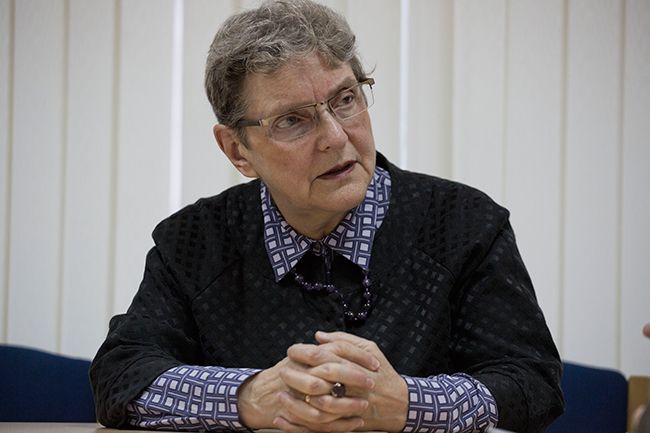
The author of the report is an employee of Civil Assistance Konstantin Troitsky indicates that migrants in Russia are “deprived of the right to a fair court”: monitoring of human rights defenders showed that at most court hearings the cases are considered collectively, their rights are not explained, translators are not granted. Troitsky visited one of these meetings in the Meshchansky court and gives his transcript.
Judge: Were Born in Uzbekistan?
Detainee: [inaudible]
Judge: Citizen of Dagestan? Did you study at school?
The detainee speaks in Uzbek.
Judge: Did you study at school?
The detainee speaks in Uzbek.
Judge: How many classes?
Detainee: until the ninth grade.
Police: answer Russian. Remove the hat.
Judge: Where do you work and by whom?
The detainee speaks in Uzbek.
Judge: by whom?
Contained: construction.
Judge: Name the address in Uzbekistan.
The detainee speaks in Uzbek.
Judge: Which house is house?
They say in Uzbek. The other detainee answers.
Judge: When you were detained, where was your passport?
They say in Uzbek.
The other detainee answers: he forgot at home, then his relatives brought.
Judge: You don't have a registration card at all, right?
They say in Uzbek.
Judge: Sit down.
The report states that some meetings do not take place at all: the detainee is being trained for several minutes to the secretary’s office, and after a few minutes he comes out with a ready -made decision.
The decrease in the number of decisions in 2015 “Civil assistance” connects with the departure of a large number of migrants from Russia. “Russia is no longer in priority [for migrants]: the ruble has fallen,” said lawyer Illarion Vasiliev. - People from Uzbekistan and Tajikistan are now going to Kazakhstan and the UAE. There is a chance that now a car that cannot be stopped will hit Ukrainian migrants. ” Ukrainian migrants (including refugees from the east of the country) in Russia now, according to human rights defenders, about two and a half million.
The full version of the report can be read here .
Daniil Turovsky
Moscow