
Translated material
The ex-head of the Moscow laboratory recognized the use of doping at the Sochi Olympics
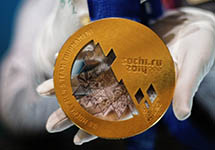
Dozens of Russian athletes, including 15 gold medalists, used doping during the Sochi Olympics. This was stated by the ex-head of the Moscow Anti-Doping Laboratory Grigory Rodchenkov, reports The New York Times
According to Rodchenkov, this was part of a state program carefully planned over the years. The goal was to ensure dominance at the games of Russian athletes. The ex-director of the laboratory admitted that he developed three mixtures from the forbidden drugs that he mixed with alcohol and gave athletes. Doping was used by some leaders of the Russian Olympic team. Among them are 14 liners and two members of the bobslei team, which eventually won gold medals.
Russian anti-doping experts and special services replaced the doping tests of the Russian national team at “clean” samples taken a few months before the Olympic competitions, Rodchenkov said. By the end of the games, about 100 urine samples were replaced.
Rodchenkov spoke about the details of the work on substitution of doping industry. Every night for several hours, the FSB experts and employees worked in a secret laboratory in the light of a single lamp. Samples with urine, which were supposed to end up analyzing for doping, were transmitted through holes in the wall the size of a fist. “People honored the successes of the Olympic champions, and we sat like crazy and changed urine samples,” Rodchenkov said. “Can you imagine how the Olympic sport is arranged?”
On May 7, the former Rusad employee Vitaly Stepanov said in the CBS News program 60 minutes that at least four Russian athletes who won the gold medals of the 2014 Olympic Games in Sochi, used doping . According to Stepanov, at present, Rodchenkov, who was currently in the United States, told him that employees of Russian special services were involved in violations of anti-doping norms at the 2014 Olympics. "The FSB tried to control every step of the anti -doping process in Sochi," Stepanov said. Also, he claims, Rodchenkov has a "list of Sochi", which contains the names of Russian athletes who accepted steroids.
According to the Minister of Sports Vitaly Mutko, the accusations made by Stepanov are based on speculation. “This will continue for a long time,” the minister said. “Stepanov sat down on his skate again. He will endlessly talk about doping in Russian sports. This was in the first film, continued in the next. All his so -called revelations are based on speculations. And they are actively replicated.”
On Tuesday, the World Anti -Doping Agency said that Stepanov’s statements about the use of prohibited drugs at the Sochi Olympics. WADA will immediately check new accusations against Russian doping services regarding the Olympic Games in Sochi-2014, ”the agency said.
"Statements made in the program give a real reason for concern, since they contain allegations of attempts to undermine the process of combating doping at the Sochi Olympics," said WADA President Craig Ridi. He expressed bewilderment in connection with that, Rodchenkov, being one of those who were interviewed by the members of the WADA independent commission during the investigation of the case in Russian athletics, then did not report anything about the situation with Sochi. Ridie thanked Stepanov and his wife, athlete Julia Stepanov, for active cooperation with WADA.