
Translated material
"Everything will be much worse"
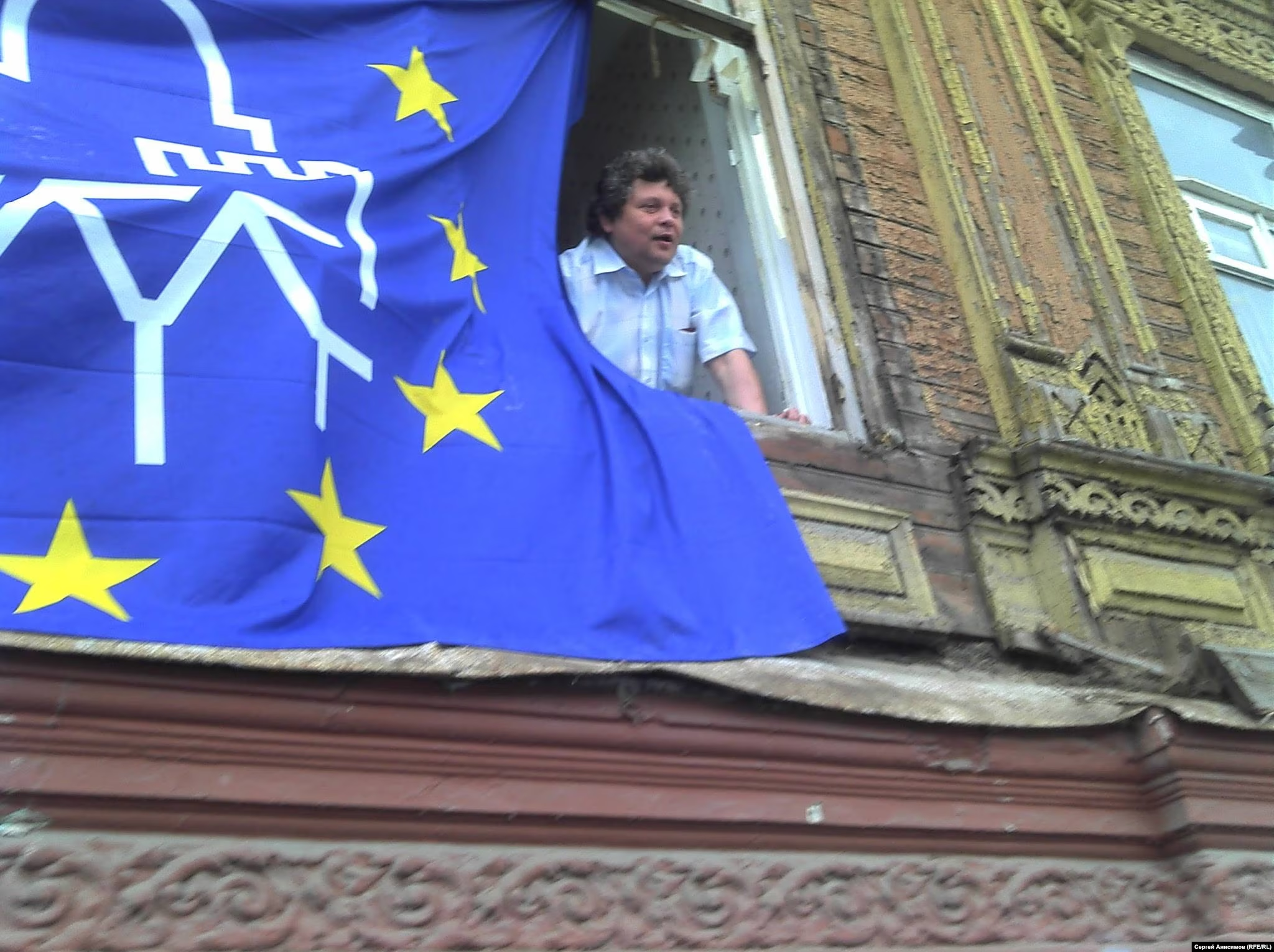
Human rights activist Stanislav Dmitrievsky - about work in Chechnya, state pressure and award for courage
In the late 80s, Stanislav Dmitrievsky, together with Boris Nemtsov, opposed the construction within the city, then still Gorky, the nuclear power plant. Thus began his human rights activity. In 2006, Dmitrievsky was convicted under the 282th article of the Criminal Code of the Russian Federation (excitement of racial, national and social hostility or hatred) for the publication of Maskhadov and Zakayev’s appeals with a call to the peaceful resolution of the Chechen conflict and sentenced to two years in prison.
The other day, the human rights activist received one of the most prestigious awards - the Prize of the Moscow Helsinki Group for courage in protecting human rights. In an interview with the RS correspondent, Stanislav Dmitrievsky told what this prize means for him and what it is in today's Russia - to protect human rights.
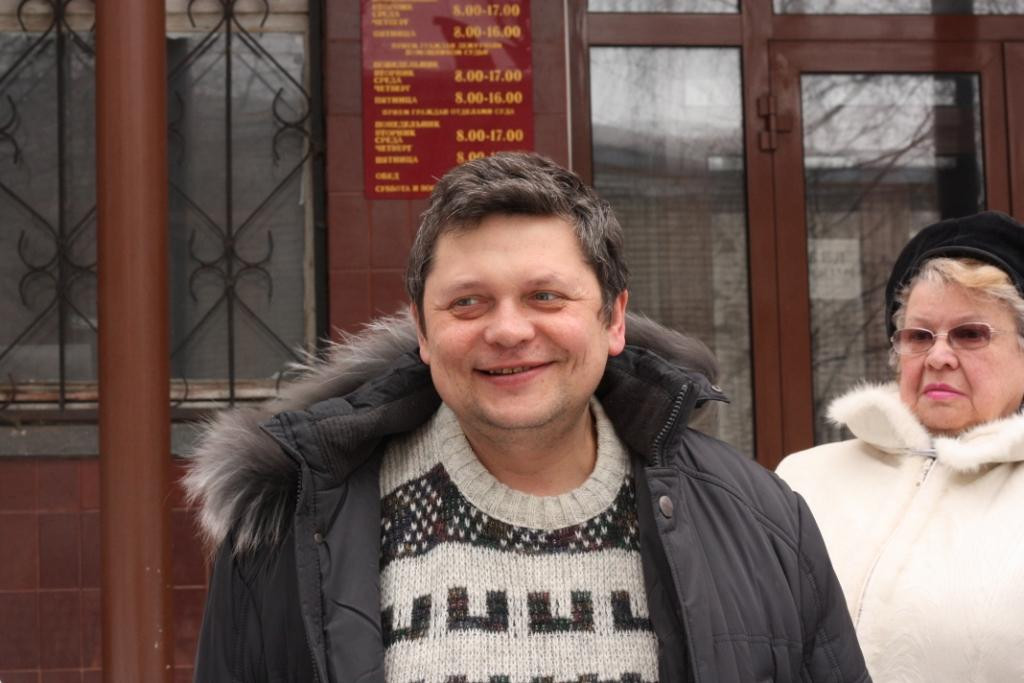
- The official wording of the award handed to you - "For the courage shown in the protection of human rights." Do you feel that recently the courage for human rights work in our country is required more and more?
- There are a lot of people worthy of this award in the human rights community, so I do not really understand why they chose me. At the same time, for those who, like me, worked in hot spots for twenty or more years, the situation of risk to life and threat to health has probably always existed. The peculiarity of today's time lies in the fact that for those who are engaged in human rights activities in the usual, at first glance of a successful region, such as the Nizhny Novgorod region, risks are increasing. Therefore, the human qualities necessary in order to overcome excitement and fear, today, probably, is required more than before.
-You were awarded the award for something specific, for some public action or, so to speak, "by the totality of merits"?
- You are right, rather, by the amount of merits. There is nothing to be done - this format has this award.
It’s the most dangerous to work in Chechnya today, not only within Russia, but throughout Europe
- Is this your first award for human rights activities?
- Ten years ago, an organization entitled "International Amnesty" gave me a prize with about the same wording - "For journalism in the conditions of danger." Every time it is very touching. But I emphasize that at present in our country there are a huge number of human rights activists who are worthy of receiving such awards no less than your humble servant. This applies to many people working next to me. For example, employees of the "Torture Prevention Committee" who constantly work in Chechnya as part of consolidated mobile groups.
- You constantly participate in human rights monitoring missions in hot spots: in Chechnya and in the Donbass. In which region is a human rights activist is more dangerous today?
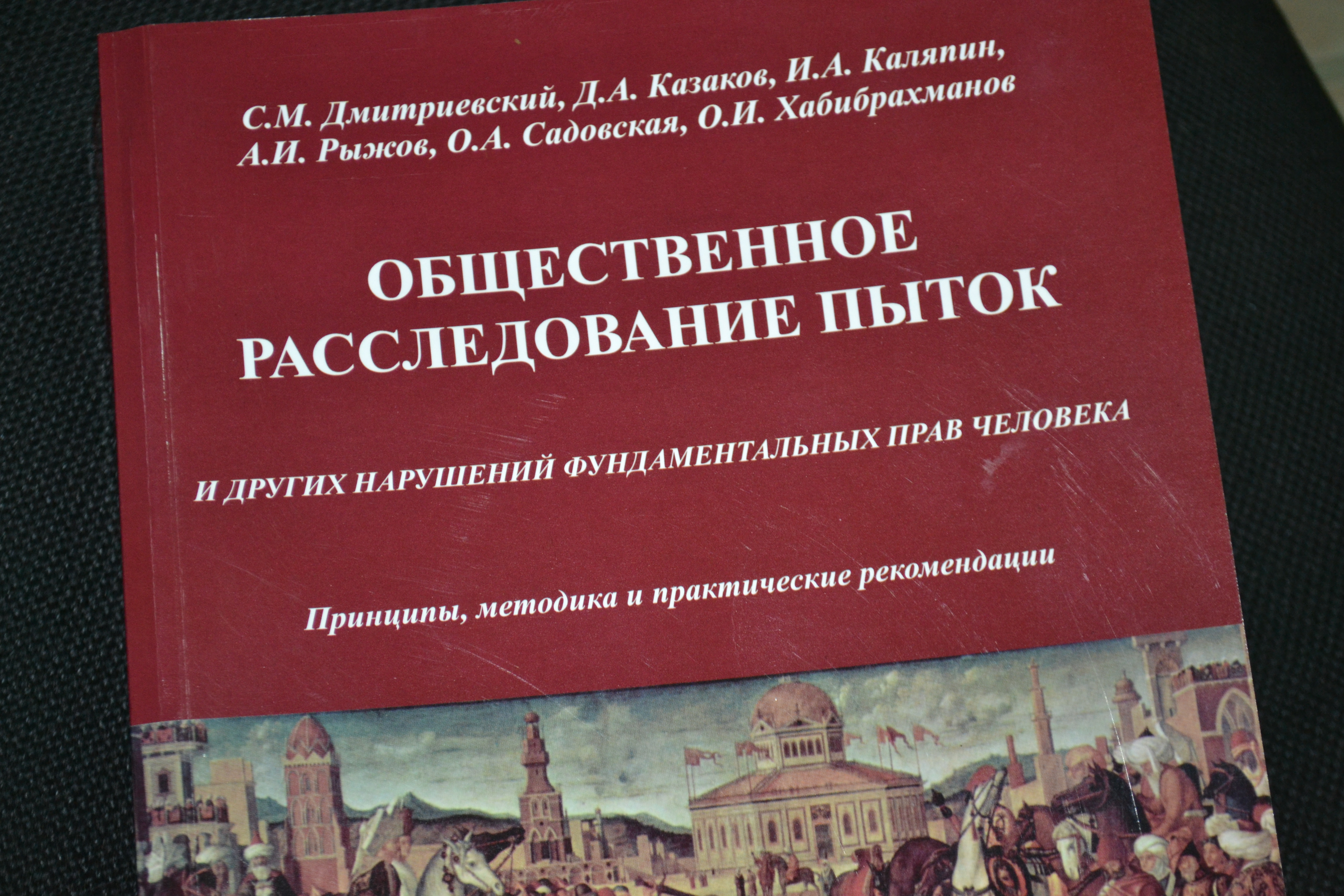
- Of course, in Chechnya, where a unique situation has now developed in their risks for human rights defenders. Formally, Chechnya is the subject of the Russian Federation, where it was possible to build not just authoritarian, as in Russia, but rather a totalitarian quasi -state in which Russian laws do not apply, but the only law that can be formulated as follows: "Ramzan is always right." Recent events related to the attack in Grozny on the head of the "Committee on the Prevention of torture" Igor Kalyapin, journalists of the consolidated mobile group indicate violations of human rights in the Chechen Republic very clearly. In any hot spots, it is dangerous for human rights activists to work, because you cannot control all circumstances. However, in Chechnya, in my opinion, it is most dangerous to work today. It is more dangerous not only within Russia or in the post -Soviet space, but throughout Europe.
- In 2006, you were convicted under Article 282 of the Criminal Code of the Russian Federation (excitement of racial, national and social hostility or hatred) to two years in prison for the publication of Maskhadov and Zakayev’s appeals with a call for the peaceful resolution of the Chechen conflict. What did that story change in you?
Human rights activities are greatly annoyed by power
- I perceive that sentence as the best prize for my work. If human rights activity irritates power so strongly, causing a response opposition, then I got to the point, then I am on the right track. Conviction only strengthened my determination to engage in the case that I have been doing for almost thirty years.
- Ten years ago, you were threatened with a real term of imprisonment. At your case, prominent metropolitan human rights defenders came to Nizhny Novgorod in your case, who organized serious public support. As a result, the authorities did not dare to put you ...
- Indeed, then I felt in its entirety the force of solidarity of not only the Russian, but also the international human rights community. At the ceremony of presenting the award of the Moscow Helsinki group, I spoke about this to Sergey Adamovich Kovalev, who then came to Nizhny, and Lyudmila Mikhailovna Alekseeva: "If not for you, I would definitely be imprisoned!" I was really lucky then. Just because a similar political process over a person engaged in human rights activities in post -Soviet Russia was one of the first. Today, there are much more such trials, the attention of the human rights public to all political processes in the country physically lacks. Therefore, I think that people who are subjected to political persecution in Russia today are much harder. Ten years ago, human rights activists who were subjected to the pressure of the state in fabricated cases were very few, almost isolated cases. Now we are almost every day we hear about new and new trials of this kind.
-For several years in Nizhny Novgorod there was a "Society of Russian-Chechen Friendship" you created. And then the authorities closed him. You tried to revive the organization, including registering abroad, but, as far as I know, not very successfully. The law that prescribes to mark such public organizations with "stigma" "Foreign Agent"?
The Law "On Foreign Agents" is aimed at the destruction of civil society in Russia
- No, this is another story. The law "On foreign agents was adopted much later, I simply did not have time to get under it. There was an attempt to deal with our organization that interfered with many. Today the state took a clear course that can be characterized as follows:" Everything that is written in the country's human rights does not matter. "Anti -Western rhetoric is actively used. So that human rights organizations that build their activities are not built, not. By coordinating their activities with the opinion of the “Comrade of the Head”, the so -called “Foreign Agents” law and a number of other legislative initiatives, in my opinion, are aimed at destroying civil society in Russia.
- One of your last shares is a single picket at the entrance to the building of the Legislative Assembly of the Nizhny Novgorod Region with a poster to “prohibit Shantsev” in response to attempts by the authorities to prohibit public events in the city center. As a result, the authorities did not dare to prohibit. You have a feeling that you can do a dialogue with the authorities today? In this sense, the regional authorities are more adequate than the capital?
-The local authorities are forced to respond to more or less significant protests. An attempt to prohibit public events on the main pedestrian street of Nizhny Novgorod - Bolshaya Pokrovskaya met a rather unanimous rejection from completely different forces, from regional branches of parliamentary parties and ending with civilian activists and cultural figures. The result was a powerful cumulative effect.
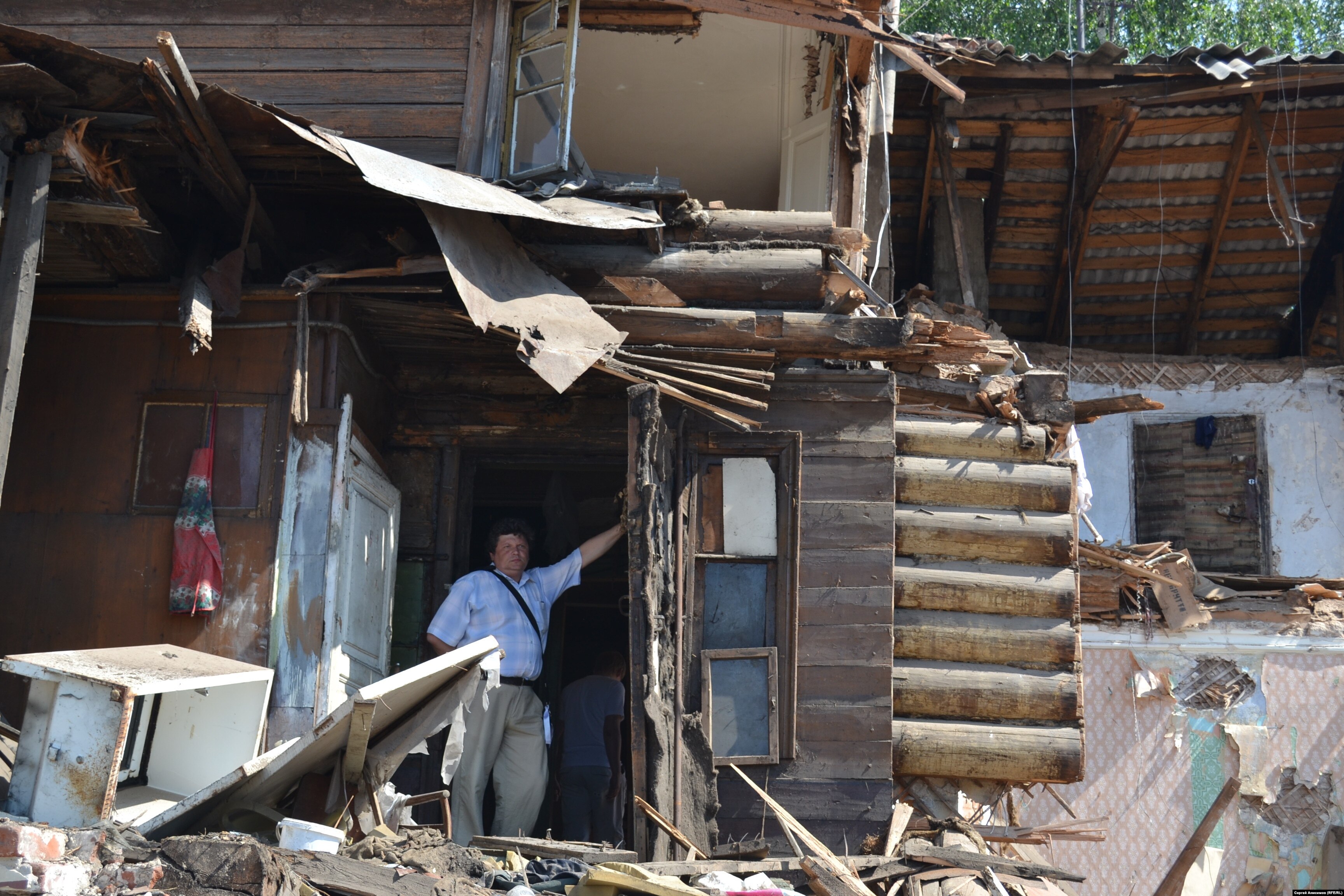
Each region has its own specifics. The dialogue primarily implies that the subjects of the dialogue speak the same language. If the parties are able to understand each other, the dialogue is possible and very necessary. Unfortunately, I often encounter situations where we and our opponents speak different language, appeal to different moral and even legal values. It is clear that in this sense the Nizhny Novgorod region, of course, differs from the same Chechen Republic for the better.
- On the anniversary of the murder of Nemtsov, there were attempts to prevent the march of his memory in Nizhny Novgorod - did this cause a noticeable public reaction, protest? Or in general, the lower one is equally loyal to the authorities and the same political apathy reigns in it as in other cities of the country? Do you have a feeling of meaninglessness of human rights activity today?
- Unfortunately, apathy is a feature of not only the Nizhny Novgorod community, but the entire Russian society at this stage. Those who love and know how to think, make efforts so as not to think and not see. Just because sometimes it becomes really scary if you recall the situation with the murder of the former Nizhny Novgorod governor Boris Nemtsov. Nevertheless, the march of Nemtsov’s memory in Nizhny still managed to spend. The authorities in this case made concessions in response to a joint position in this matter of the active part of society. This is our little victory in a big battle. But it is not necessary to seduce especially, I do not need to. Just the other day, we celebrated the fortieth anniversary of the creation of the Moscow Helsinki group along with Yuri Aleksin, Sergey Kovalev, Lyudmila Alekseeva and other people who stood at the source of the ICG. None of them, starting human rights, thought that human rights in the USSR in the foreseeable future would improve. When planning their activities, politicians proceed from strict calculation. And human rights activists proceed that, as Sergei Adamovich Kovalev is expressed, "it is impossible to live differently."
After some time, we will find ourselves at the point when people understand that they will sit down, but this is not a reason to do nothing
As Socrates said: "Let my lira are incorrectly configured, let my choir sings unstable and the whole world does not agree with me, if only I would live in peace with a single person-with myself." You just need to do your job, and the result is in the hands of God. As one smart person said, the one who wants to see the results of his work during his life is better to be a shoemaker.
- How, in your opinion, will the situation with human rights in our country develop? Is a certain liberalization of social relations possible?
- I am not a prophet, but, in my opinion, everything will be much worse than now. Perhaps even after some time we will find ourselves at the same point at which the founders of the Moscow Helsinki group were in 1976. When people understood that they would sit down, but this was not a reason to do anything. One way or another, you need to hope for the best, but prepare for the worst.