
Translated material
In the garden in the second
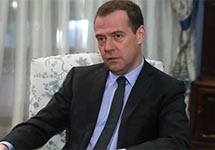
In response to the sanctions of Western countries, the food embargo introduced by Russia will be extended until the end of 2017. Prime Minister Dmitry Medvedev instructed to prepare relevant documents, Interfax reports .
"Our manufacturers have repeatedly advocated the preservation of the food embargo on agrarian goods and agricultural goods from countries that imposed sanctions against the Russian Federation or later joined them. I want to say that I instructed to prepare proposals for the extension of the response for a year, but by the end of 2017," Medvedev said at a meeting with members of the Russian Union of Industrialists and Entrepreneurs.
The embargo for the supply of products from countries that adopted sanctions against Russia was introduced on August 7, 2014. On June 24 last year, Russian President Vladimir Putin signed a decree on the extension of the food embargo for a year.
On July 29, Putin signed a decree on the destruction of sanctions products on the Russian border. According to the document, from August 6, all products from the countries that the Russian food embargo are applied to. The exception, said in the decree, is only "goods imported by individuals for personal use, or placed under the customs procedure of customs transit and transported to third countries."
On December 16, Putin signed a decree on the suspension of the contract on the Free Trade Zone against Ukraine from January 1 in connection with its association with the EU. The document said that this decision is explained by "exceptional circumstances affecting the interests and economic security of Russia." In addition, a grocery embargo was introduced in relation to countries joining sanctions against Russia. This list includes Ukraine, as well as Albania, Montenegro, Iceland, Liechtenstein.
After the Russian Su-24 was shot down as a result of the attack of the Turkish Air Force, Russia introduced restrictions on the import of a number of Turkish food products .