
Translated material
They did not help me. I will help
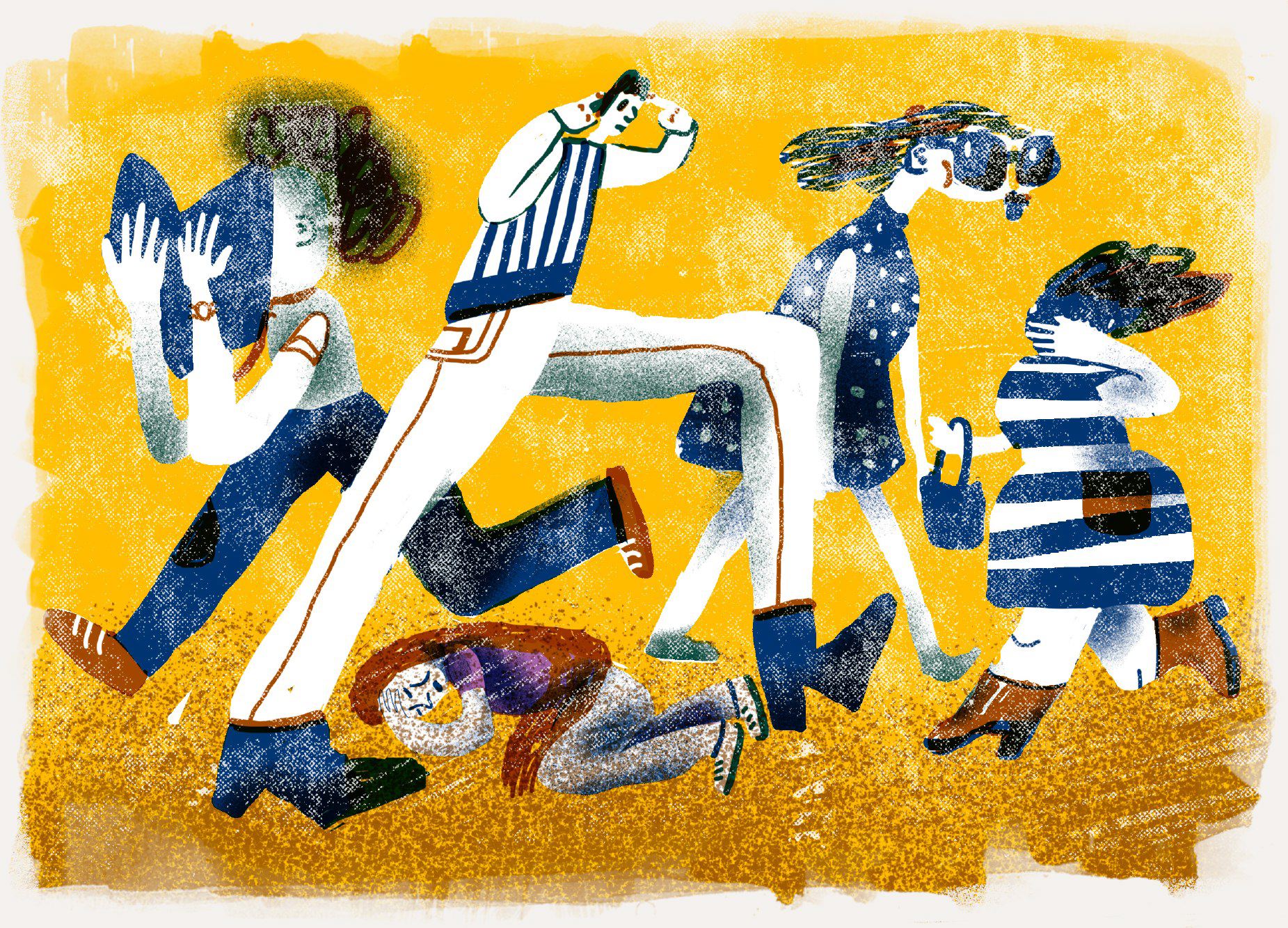
Ekaterina Vinokurova that the ability of our fellow citizens to sympathize, empathize and help was stronger than denunciations, communal services and collective farms
“Please, please, stand up for me now. Do you really hear, I really need help now, right now. "
I scream silently.
One very popular newsmaker is mocking me, and well -known, but deciding to take my bad mood on me. “Please, colleagues, there are a lot of you around. Tell him that you can’t. Sign the hero. "
Everyone is silent.
I turn around and leave. I, of course, burst out only in the hotel room - it was on a business trip.
When they begin to discuss the problem of the lack of systemic empathy in our country - not a one -time sense of pity, but a systematic habit of solidarity and empathy, I always remember this silence and my silent cries.
And often, when they ask me to turn on and help someone, no, no, but a treacherous thought flashes. Nobody helped me at one time. That's the very necessary minute.
Each adult has such stories - not one, but dozens. And everyone, for sure, has such an idea: they did not help me, so why do I have something to be incapable of those around me?
It seems more correct to me to ask questions to myself.
For example, what interfered with me in the situation in which I ended up, just voice the request for help to colleagues, and orally? Why was I obviously sure that help would not come?
It so happened that in our country there is no culture of requests for help itself, because they ask for help weak. The strong should endure silently, gritting their teeth. To endure, albeit a terrible breakdown, but tolerate as much as possible.
It seems more correct to me to ask questions to myselfMy friend, for example, recently fainted in the subway. A jump in pressure. This did not happen right away, the station or two she tried to hang on the handrail until the last, struggling with a foulness. Nobody lost her place until she fell to the floor. But she did not ask to give in.
Or here is the situation - alas, standard for many cities.
On the lawn lies a person. Dressed untidily, it seems, alive, or maybe not. Maybe a drunken bum, or maybe a heart attack.
Passers -by are in a hurry, stop and ask what’s the matter, hardly one out of ten. The rest will wait for an articulated request for help that gives them the right to intervention. Probably because it is easier to pass by than getting into a “awkward” situation, interrupting the peaceful dream of a homeless drunk and - God forbid - to drop a sense of self -esteem.
Some do not ask, others do not offer, because for some reason the momentary preservation of self-esteem is much more appreciated than such basic values as life and health, and the phrase “I need help” for some reason is considered humiliating for asking for help.
In the twentieth century, we experienced two terrible wars, post -war devastation, forced collectivization, stagnation, deficit, perestroika, finally, a suffocating reduction in the free space of the zero and flew on a full move into a cold civil war, when the political views of a person are much more important than personal qualities in a public space, and when part of society is completely seriously ready for war and for the destruction of another part society.
It would seem that it is still necessary to develop this habit of everyday solidarity in people?
Unfortunately, over the past century, too much of what this habit repelled at the daily level.
We are not only a country where millions died in the war. We are also a country of millions who died in peacetime.
There were denunciations of friends and relatives and forced improving the collective mind in all the most private spheres of life. There was forced collectivization and forced redistribution, when people were actually forced to “be good”, “share”, collect another humanitarian aid to the children of Cuba and so on. Instead of the production of daily voluntary empathy, it was imposed forcedly, and it was enough to demonstrate empathy, showing solidarity with the working people of the whole world suffering from the oppression of capitalism. In case of abandoning this forced empathy, sanctions were applied to ideologically unstable citizens.
We are also a country of millions who died in peacetimeFinally, the communal services in which a whole generation grew, and then - the subsequent joy of the resettlement of people in separate apartments, when one could stop reckoning every minute with the desires and problems of a dozen outsiders who have only forced attitude towards your life.
As soon as the coercion to the demonstration of empathy disappeared into the restructuring, there was no trace of it.
The state continues to the struggle for the imposition of forced empathy to this day. What is worth, for example, the annual theft of the state -owned on May 1 of May, when they need to come to the rally of United Russia and go to columns with trade unions, demonstrating some solidarity, which is actually not in sight.
If you expect that I will finish on a doomed note that, they say, the people are so bad that you can’t change anything, you are very mistaken. The ability of our fellow citizens to sympathize, empathize and help was stronger than denunciations, communal services, collective farms, and all the cheap window of party bosses of old and new times.
Here with great difficulty, but they are going to funds for a children's hospice in Omsk.
You see all the new posts in social networks “My friends have a trouble with my friends, you need help” with the uptate “Thank you, help found”.
Here with great difficulty, but they are going to funds for a children's hospice in OmskFor the New Year, gifts are collected for residents of nursing homes, and thousands of people find time to buy a stranger or grandmother to warm mittens and write warm words.
Those who work and very busy people are increasingly finding a few hours a week to work in the movement "Volunteers to help orphans."
But on the lawn near the metro to the lying man, first with cautiously, and then people are more confident and somewhat embarrassedly begin to coordinate actions that can save life to someone.
I also go to this person, and this is a hidden shabby "Why did no one once helped me?" retreats far into the darkness. Once it will hide there forever.