
Translated material
Why Alpha ministers of Alpha and Omega?
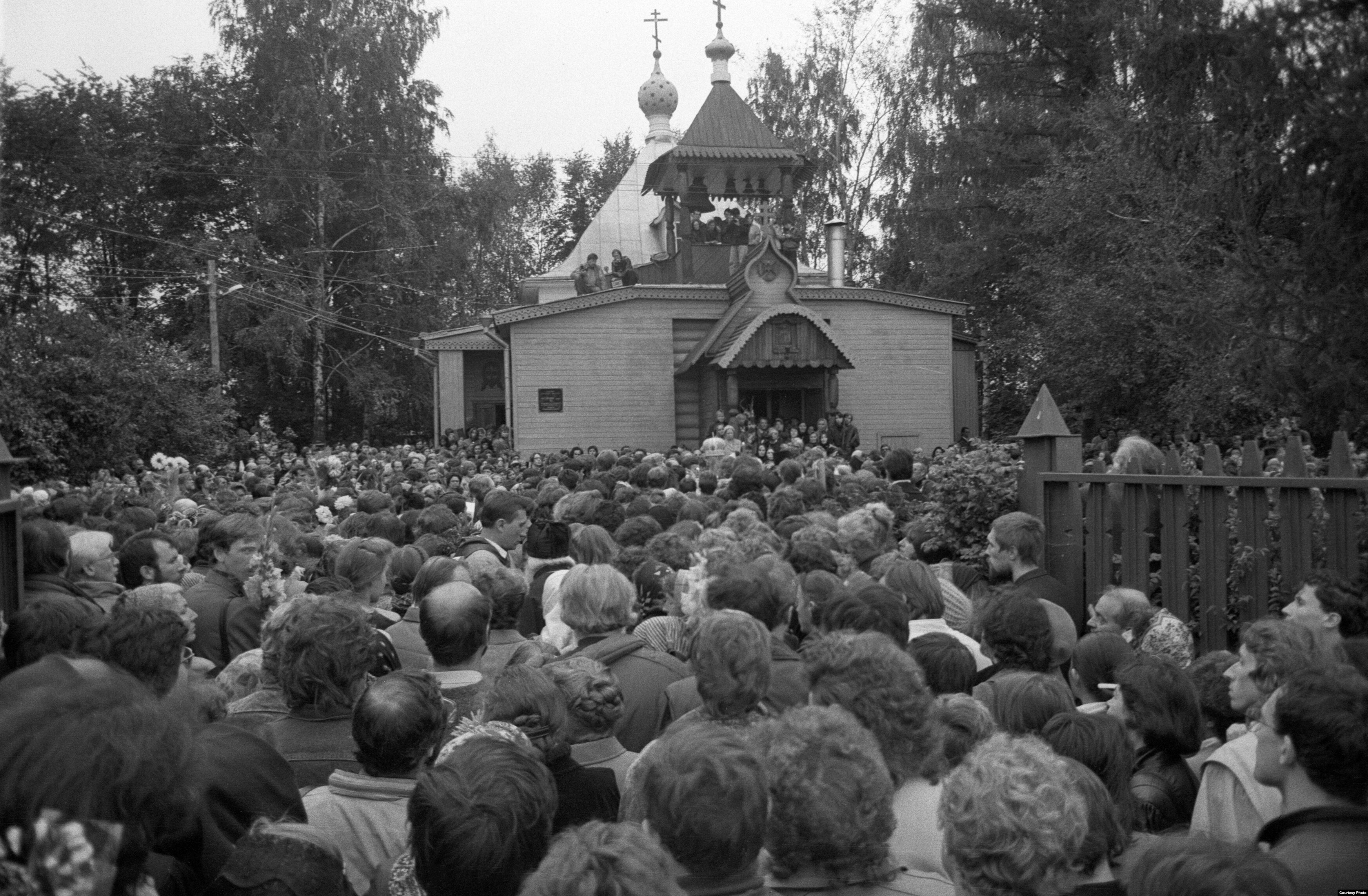
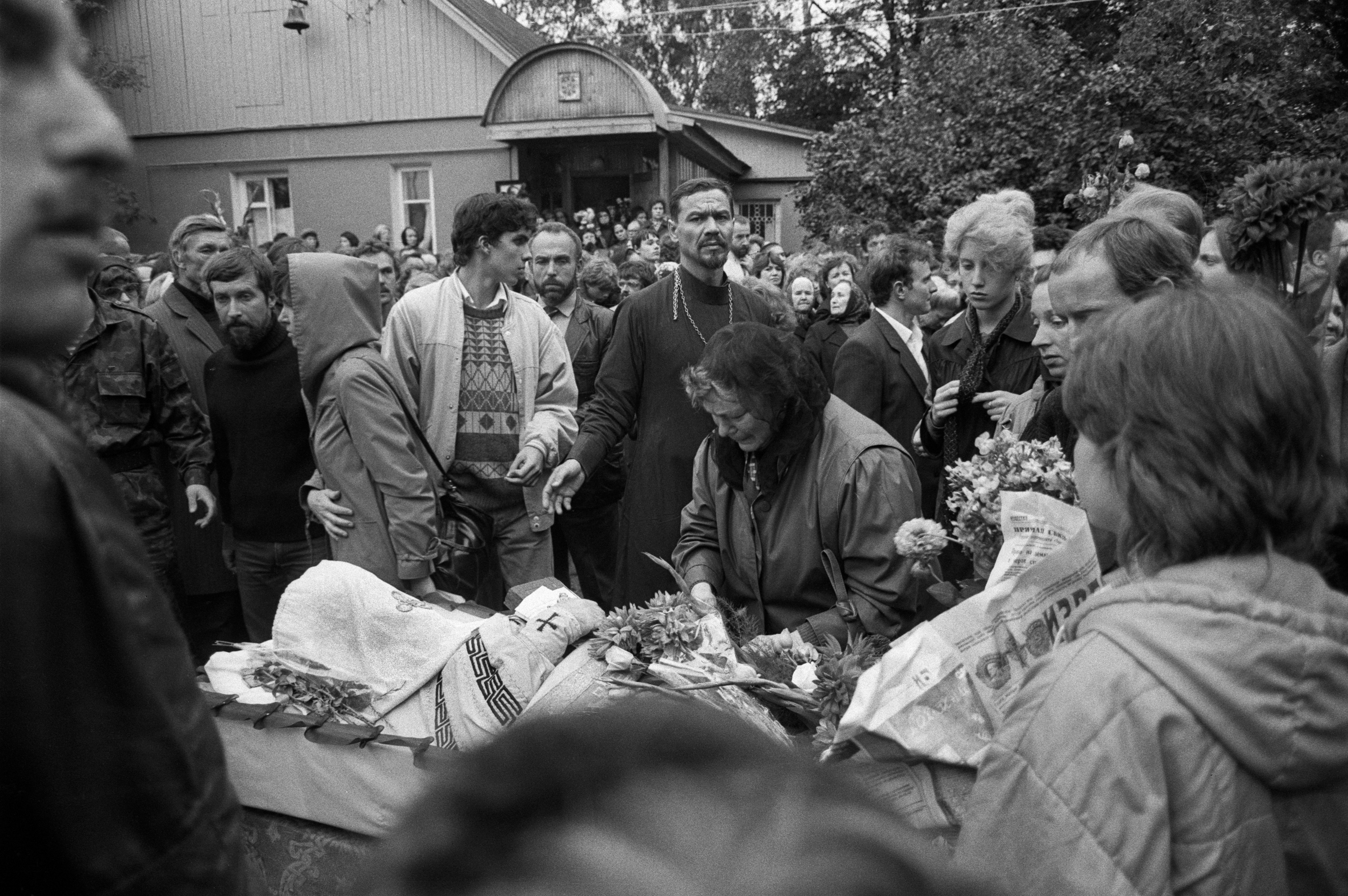
KGB and the death of Father Alexander Me
Yakov Krotov: This release of our program is devoted to the problem of the murders of the clergy in modern Russia.
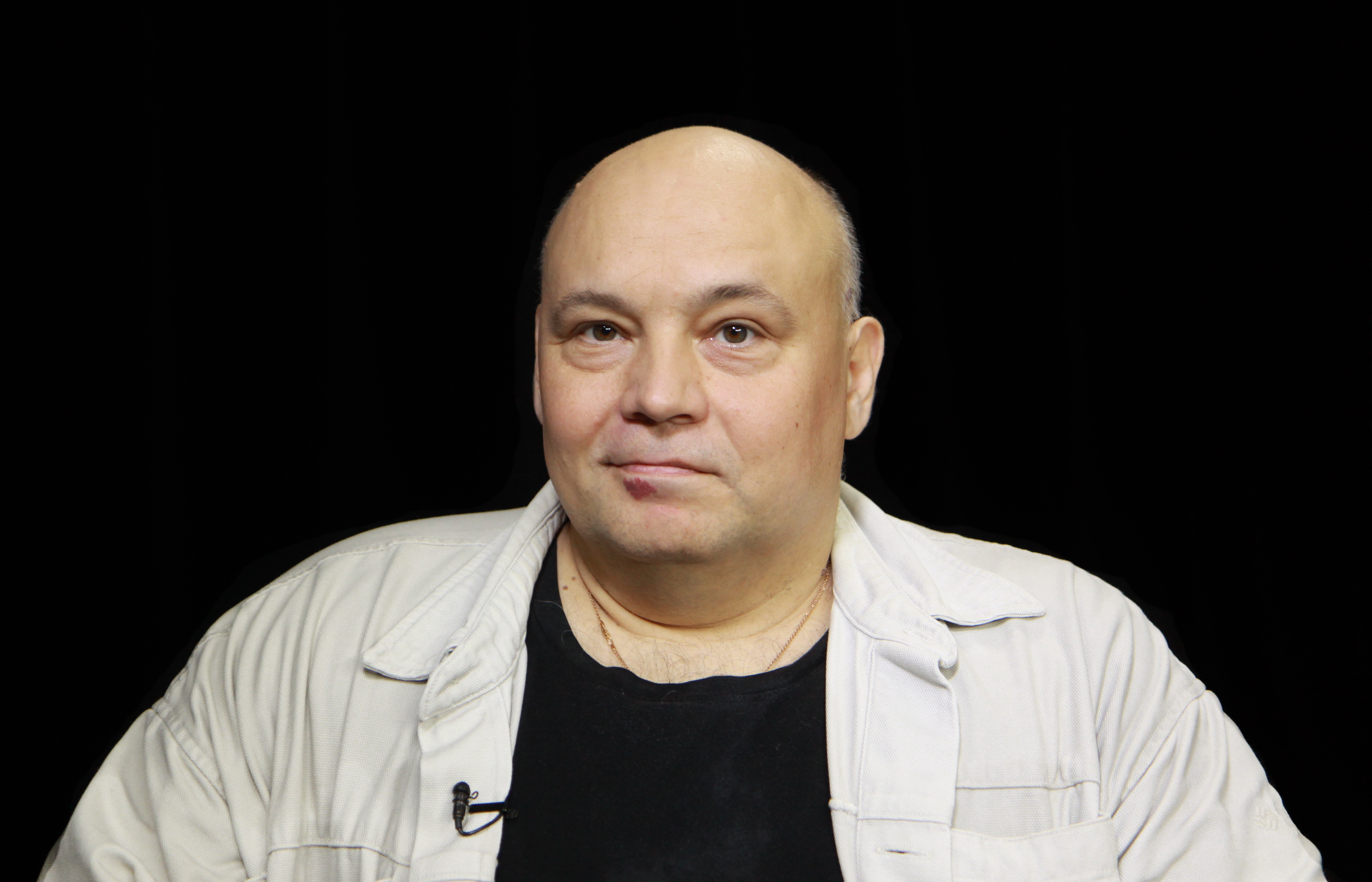
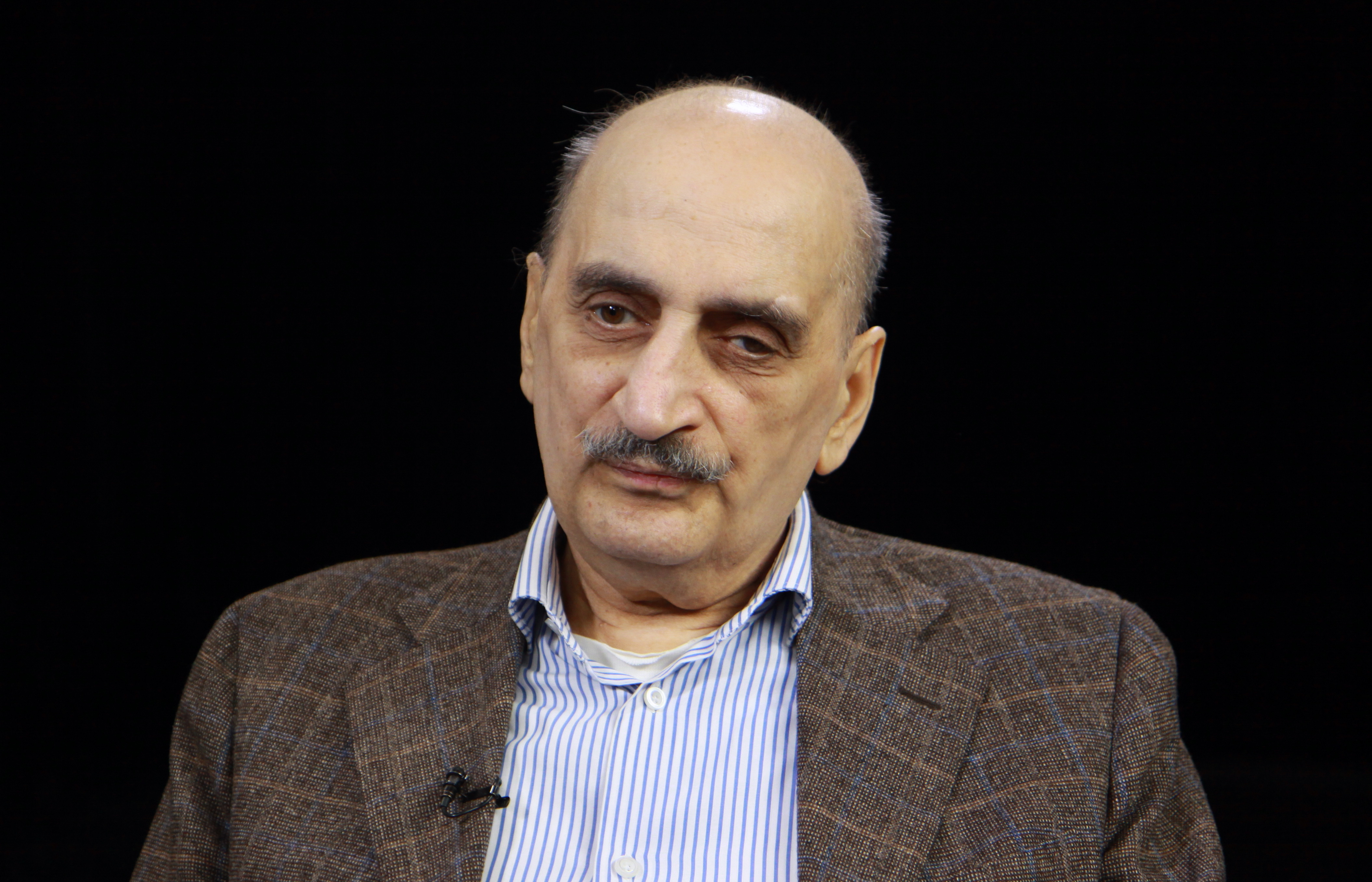
Our guest is Sergey Grigoryants , the organizer of the conference "KGB and the Church", held in the early 90s, and the historian of the special services Andrei Sobolev (passage from the USA).
Let me explain what I mean by modern Russia. Of course, there were mass killings of the clergy (extraordinary and anti-law) of the 20s, 30s, 50s. Few people know that the clergy were planted and shot after the war, but this is a separate story that ended at least in 1955. In the Khrushchev rule, of course, there were priests who were planted - several people, for example, Father John the Peasant , were priests who betrayed the church under pressure and began to expose Orthodoxy, but no one spoke about it and suspected it.
With the beginning of the dissident movement, especially in the 70-80s, persistent conversations began that this priest was killed, this priest was killed ...
And suddenly, with the beginning of the dissident movement, especially in the 70-80s, persistent conversations began that this priest was killed, this priest was killed ... Conversations pointed to the strange circumstances of the death of the Old Believer priest, an Old Believer elder, at least three Lithuanian Roman Catholic priests, and the strange deaths of Greek Catholics. In addition, they killed the Polish priest, the father of the hedgehog Popelushko , who formally has nothing to do with Russia, however, I think this must be mentioned.
And finally, not the last, but the most significant - this, of course, is the murder of Father Alexander me on September 9, 1990. This murder was investigated for more than ten years, then the case was closed. The first suspect was released by the court, it turned out that they had lost everything that could be lost, did not interrogate everyone who could be interrogated, and the case is in the archive.
Today, nevertheless, again and again they ask who killed the father of Alexander me. Not so long ago, Deacon Andrei Kuraev in an interview said that this could not be a murder organized by the state security organs, this could not be a political murder, because the time was not that. The Soviet Union broke up, and here one priest, besides, is “quite official”, as Father Andrei Kuraev put it, and who would need to kill him?
Today again and again they ask who killed the father of Alexander me
The murder of a priest in a Christian country is still an exceptional event. In Poland, the dissidents were also killed, but 700 thousand people came to the funeral of his father Popelushko, this is an unheard of figure. In the same way, about two thousand people came to the funeral of Alexander's Father Alexander - in our time it seems that this is not very much, but in September 1990 it was an overwhelming figure.
Sergey Grigoryants: On the one hand, I do not agree with the conclusions of Dyakon Kuraev. On the other hand, I would not at all be surprised at what you were surprised at my introduction. Father Alexander is an unusually large socio -political leader, unusually significant at that time, in 1990. And his murder is connected precisely with that restored after the removal of the seven -part by the terrorist nature of the KGB and its political tasks. Already under Khrushchev, with his communist-idealistic ideas that the church is yesterday, and everything should be unbelievers, the KGB was reduced four times, the surveillance was destroyed, the fourth department was destroyed, which was engaged in the work with the intelligentsia and the clergy. Then, under Andropov, it was revived as the fifth department.
The absence of murders under Khrushchev was a completely directed practice, and it was not for nothing that the Semi -Following boasted that with him the Lefortovo prison was half empty. And the number of prisoners accused for political reasons, in 1965, compared to 1964, decreased four times.
Father Alexander is an unusually large socio -political leader
And it was not by chance that a giant fifth department was created under Andropov, which followed literally everyone, including the priests, for which the entire KGB worked throughout the Soviet Union, because there were no spies, and they were all required to help the Fifth Line. But quite quickly it was created ... At first it was called “Management A”, then the Alpha Group, which, in the end, was subordinated to the seventh management. The seventh department is surveillance, observation, but his commander was deputy Sudoplatov . And “Group A”, in contrast to terrorist groups that always existed under the first main administration of foreign intelligence, with their own security departments that existed in the GRU, had no tasks except terror within the USSR.
Yakov Krotov: Is the Alpha Group by chance from the 70s began to work within Russia? When the Roman John Pavel the Great, the new man’s newly elected pope, suddenly died - a young man in his prime dies a few months after the election, - of course, there were rumors that this was the KGB hand. When they shot at John Paul the Second, it was not even rumors, there was a Bulgarian trace, and only the question remained, how much it was the KGB, and how much - with the help of Bulgarian comrades ...
And again the question arises: why nothing is visible before that, although the twelfth is an incomparably more malicious and reactionary figure, and with him there was his own man in the form of the famous international killer Joseph Grigulevich , who was listed as the Costa Rica ambassador ... This is the Soviet killer, he was offered to kill, but not the dad, which he could easily kill, but Iosipa Broza Tito, but Iosipa Broza Tito. - It did not work out, but they wanted. Why still the 70s?
From 1922 to 1939, there was a special department under Lubyanka, who was dealing with issues of splitting the church from the inside, a factory of criminal cases
Andrei Sobolev: If in large historical pieces to consider the history of relations between the special services of the Soviet Union and religious organizations, then such stages can be isolated. For example, from 1922 to 1939 there was a special department under Lubyanka, who was involved, among other things, the issues of splitting the church from the inside, by the factory of criminal cases. And they did not disdain the murders, but these were indirect killings - through the factory of a person’s case they sent to the camp, and he either died there, or a sentence was appointed, which was carried out. It was one stage when the Soviet government had to put the so -called church circles under full, one hundred percent management. But they did not really understand the power of these church circles. The same Stalin asked: "How many divisions of your pope have Roman?" And if the Pope does not have a single division, what to talk to him?
Nevertheless, the pressure of the Anglo-American allies in 1941 led to the fact that in 1943, a well-known story with the Russian Orthodox Church was organized, and it seemed to be calm down. You asked the church - Nate the Church to you!
And so, it would seem, the triumph of the Soviet regime, which defeated Hitler Germany ... The strongest country on the continent, America is far away, England is defeated, and suddenly in the 60s, after the triumphal procession of the Soviet government in Europe, it turns out that there is a certain force that previously unknown, and this force is called the Catholic Church. In 1962, the Second Vatican Council took place, and at this cathedral the Lubyan colleagues unexpectedly discovered for themselves and reported it to the Central Committee, which, it turns out, is 800 million active adults around the world. It turns out that the Vatican has what potential, and we can’t cope with him ...
Yakov Krotov: The Killer profession has his own risks, pros, cons and, as father Alexander Kuraev put it, bonuses. Here is his reasoning: “Why create problems from scratch and kill someone? The KGB received nothing from this (the alleged murder of Father Alexander me), no“ bonuses ”, only solid disadvantages, because a wave rose immediately: you see, priests in the Soviet Union are killed, and even a Jew! So I am convinced that this is not a KGB.”
What "bonuses" can be obtained by killing a priest?
The creation of terrorist groups to combat political movements in the Soviet Union was quite purposeful
Sergey Grigoryants: The creation of terrorist groups to combat political movements in the Soviet Union was quite purposeful. Lithuanian priests, a number of Ukrainians, Armenians and so on were killed.
And the "bonus" is very important here. There is a category of people who are difficult or inconvenient to judge - such people as, say, writer Yuri Dombrovsky or Kostya Bogatyrev , who are perceived as hostile people, by the way, that have already interfered with camp experience and not going to any agreements.
But, no less important, there is a very definite “bonus” - intimidation of everyone else. Dombrovsky was killed simply in the house of writers, in front of writers. Host Bogatyrev was killed in the entrance, but at the same time they immediately threw a brick in the window of his friend Kopelev - they say, we can kill you, but so far we are not killing.
Yakov Krotov: And according to your experience, communicating with people of this circle, it acted, people are intimidated?
Sergey Grigoryants: Yes, to some extent acted. Moreover, it acted two -sidedly. Say, Kopelev later told me ... I asked him why Ozerova, his wife, wrote a letter that the cost of Bogatyrev, of course, was killed not by KGB officers, but by some criminals? Kopelev himself was completely fearless, and his wife was afraid for the children, and he said: “It was very terrible” - not about himself, about his wife. And so, on the one hand, there was fear, and on the other hand, the desire to say: no, no, this is not a KGB, the KGB does not do this ... and such an circumvention is actually a moral approach to the killers.
There is a very definite "bonus" - intimidation of everyone else
But with Father Alexander, everything was completely different, because it was a completely different time.
Andrei Sobolev: Nevertheless, you need to clearly imagine how the Western world reacted to the presence of rare and smallest signs of spiritual life in the Soviet Union and how he reacted painfully when some kind of change occurred in figures. This does not mean that the fate of each dissident or a famous public figure was in the Western intelligence services under a magnifying glass, but the analytical controls worked, a certain public opinion was created against this background.
A well -known example is the fate of Father Dmitry Dudko . It was beneficial for the KGB to kill, for example, Father Dmitry Dudko? Probably, it was still more painful that what was done to him, precisely for the line that he spent all this time.
But to imagine that Father Alexander Men was in such a position ... I, by great misfortune, was not personally familiar with Father Alexander, but from what I know, read, from discourse, I understand that this is probably the only person who replayed the Lubyanka at a time and not two, and, most importantly, they believed him. They perfectly understood that this person could not be broken, rather, he would have broken them. It was impossible to break it through the knee.
Yakov Krotov: Here are three priests - three different scenarios of the work of state security. Father Dmitry Dudko was planted and released by the Stalinist, and he kept this line until his death. Father Gleb Yakunin in 1979 was imprisoned, but could not break, and Father Gleb actively participated in the activities of the human rights movement.
And then active interrogations of Father Alexander and his parishioners begin. For almost all ten years (the peak was in 1982-84), Alexander's father was interrogated in the residence of Metropolitan Juvenal and not only there. The last time I was in the same case in April 1990. And he said to me: "Time time in interrogations" - which we did for many years.
Father Gleb Yakunin in 1979 was imprisoned, but could not break
Did Father Alexander really outplay them, and they could not do anything with him? He did not participate in the activities of the Helsinki group ... As you know, the Lithuanian priest, father Jozas Stroskis, who was killed in February 1986, signed human rights letters, was friends with Sergey Kovalev . Father Alexander still tried to distance himself. He was charged with Tamizdat publications, friendship with dissidents, but not dissident. So why was it to kill?
Sergey Grigoryants: In 1984-1986 and in 1990, the goals were completely different. In 1984-86, the KGB was still largely a structure, controlled by the CPSU Central Committee and worked on the interests of the Soviet state. And in 1990, the KGB went to his power, he had his own goals, completely new opponents and completely new methods of solving problems. After all, Lithuanian priests, except for one or two, also did not take much participation in the publication of the Bulletin of the Lithuanian Catholic Church, so your analogy is not entirely accurate. And the difference between father Gleb and Father Alexander, in general, is not in this ...
Behind Father Alexander were hundreds of thousands of Russian believers
Father Alexander did not play with anyone. Behind Father Alexander were hundreds of thousands of Russian believers. Father Alexander at that time, like Andrei Sakharov, was the leader of a powerful public force, directly hostile KGB, completely independently, even from whether he realized it or not, he was close to dissidents or far from them. The KGB had its own leader - Yeltsin, they had their own people in the Supreme Council - Sobchak, Popov, Afanasyev and so on. There were more or less deceived dissidents who sincerely believed that they were winning. And Father Alexander had Russian Orthodoxy behind his back.
It was the KGB that he was a Jew by origin. But Father Alexander, like Andrei Sakharov, in his ideological, in any case, spiritual orientation was a European, and this was the most important, and this directly contradicted the interests of the KGB.
Yakov Krotov: The next analogue of the death of his father Alexander is suggested - the murder of Father Hedgehog Popelushko in Poland. I only recently found out that his killer served ten years instead of fifteen, was released and actively performing on TV, was printed in the newspapers, he was even imprisoned for six months, because he expressed that "they put me in vain." What should be in the soul of a person who does not hide that he killed? And during the trial (protocols were printed in Warsaw) he was asked why, and he replied: "out of fear." How sincere is this explanation? He portrayed this business so that they wanted to scare, but at some point they went over the stick.
Father Alexander is probably the only person who replayed the Lubyanka at a time and not two, and, most importantly, they believed him
Andrei Sobolev: Actually, it was so. They really overdid it there. From the point of view of the West, there were two weak links in the monolithic camp of socialism. Of course, the Baltic states, Lithuania, was a weak link. There, anti -Russian and anti -Soviet sentiments for a long time did not allow living calmly, especially after the destruction of the "forest brothers" inhuman methods. And the second weak link was Poland.
In all countries of the socialist camp, the instructors were alone - these are instructors from the Lubyanka who systematically went to Moscow for instructions, Moscow periodically sent its emissaries, and everyone worked one template. They all perfectly understood that pulling out these weak links from the monolith of socialism will sooner or later lead to the collapse of the entire socialist system, and these conversations were completely openly conducted in the late 80s.
In addition, the examples were before my eyes. If we return in 1990, to the period of global, serious changes in the system of socialist administration, then in the spring, almost in March 1990, the 6th article of the Constitution of the Russian Federation was canceled, and this is the “leading and guiding role of the Communist Party of the Soviet Union”. The Communist Party before this period was guiding and guiding force, including for the KGB. And thinking people began to be aware there: we are sitting here-it seems that for centuries, the Soviet regime is still 100-200 years ahead, and then-and some priests, dissidents took and broke it all. Of course, scary - it is not clear who can take and bring down a whole system. And there was a lot of fear here - for his fate, first of all.
Yakov Krotov: When I interrogated me and other parishioners of Father Alexander, it was clear that the investigation was promoting three versions, three reasons for the murder: one-that his father Alexander had some kind of diamonds and diamonds; The second - that Alexander killed his father ... and it is curious that a month after the murder of Father Alexander killed me, the secretary of the Lord Juvenal Lazarus Solneshko and the abbot of the Church of the Nativity of the Virgin in Malaya Dmitrovka. Both were known for their non -traditional ...
Sergey Grigoryants: ... good relations with Metropolitan Krutitsky and Kolomensky.
Yakov Krotov: Yes, that is, as it were, the series was built: “You see, two of them were killed - it means that this one is the same.” But more than all there were questions that “Father Alexander was a Jew, and could Jews kill him, who believed that he had retreated from the faith of his fathers”? This question licked in a variety of combinations.
Father Alexander had Russian Orthodoxy behind his back
Sergey Grigoryants: At this time, the KGB was completely not interesting for the CPSU Central Committee, and the Soviet apparatus was as hostile as everything else. КГБ довольно активно боролся, скажем, с премьер-министром Рыжковым , с теми, кто хоть как-то пытался удержать советскую экономику и более-менее советский порядок. This is time. Но для КГБ это была борьба не с врагами ЦК КПСС и не по отношению к ЦК КПСС, а с собственными противниками, какими были Андрей Сахаров и отец Александр.
Что касается еврейской ноты, то она довольно хорошо зафиксирована. Был такой вполне забытый персонаж по фамилии Потемкин. Сейчас он, кажется, где-то в Испании, в представительстве Московской патриархии, а до этого он был в Литве при литовском митрополите, раскаявшемся и рассказавшем, что он был завербован. Его карьера начиналась замечательным образом. Где-то в Душанбе ему удалось всучить известному американскому журналисту русского происхождения Николасу Данилоффу какие-то бумаги, а потом было обнаружено, что это оборонительные сооружения на советской границе. В результате этого Николаса Данилоффа удалось обменять, по-моему, даже на двух советских шпионов, в то время арестованных в Нью-Йорке.
Так что Потемкин был такой… ну, для знающих людей - человек с "хорошей" репутацией. И на первой полосе газеты "Московский комсомолец" этот достойный и, как вы понимаете, совершенно независимый человек как раз и опубликовал вот это сообщение о том, что отца Александра, как он точно знает, убили агенты МОССАДа, которые не могли ему простить того, что он, еврей, стал православным священником. Так что все, о чем вас расспрашивали, было письменно закреплено хорошими людьми.
Яков Кротов: Вот что вызывает у меня некоторое недоумение. 1988 год, март. Прихожан отца Александра Меня продолжают вызывать на допросы, причем почему-то в гостиницу "Россия" - там на каком-то этаже были кабинеты Госбезопасности.
Для КГБ это была борьба не с врагами ЦК КПСС, а с собственными противниками, какими были Андрей Сахаров и отец Александр
Сергей Григорьян: И в других гостиницах тоже.
Яков Кротов: И в то же время к отцу Андрею Кураеву в Троице-Сергиеву лавру приходит офицер госбезопасности (как он описывает в том же интервью) и спрашивает, не хочет ли он учиться за границей. Отец Андрей Кураев говорит: "Конечно, хочу!" И ему предлагают ехать в Будапешт. 1988 год – одних допрашивают, других командируют в Будапешт. При этом отец Андрей Кураев убежден, что его наказывают, потому что он в Коломенском пединституте провел какую-то лекцию, и это был прорыв в феврале 1988 года - тысячелетие крещения Руси…
За 25 лет отец Андрей, видимо, уже забыл свою брошюру с анализом трудов отца Александра Меня, где тоже была выпотрошена еврейская тематика. И в этом интервью отец Андрей Кураев впервые сказал, что это действительно он писал телеграмму патриарха Алексия в связи с кончиной отца Александра Меня, что я всегда подозревал (а кто еще?).
Эта телеграмма, опубликованная и зачитанная над могилой, потрясла многих тем, что в ней слово "соболезнование"… Там три фразы, и последние слова - о том, что, «конечно, взгляды отца Александра Меня не разделялись всей церковной полнотой». И вот над гробом только что убитого богослова такое обвинение. Спрашивается, а кто эта церковная полнота? Какие взгляды она не разделяла? А спустя 25 лет Кураев заявляет, что это был официозный священник, у него не было никаких особых взглядов, за которые стоило бы убить. Одного сажают, другого допрашивают, третьего посылают учиться и дают зеленый свет - где тогда логика?
КГБ при Шелепине и Семичастном был другим, чем при Андропове
Сергей Григорьянц: Да, но еще одного убивают!
Я когда-то в журнале "Гласность" опубликовал докладные полковника, руководителя Комитета по делам религий Плеханова в ЦК КПСС о его беседах и с одним будущим патриархом – Пименом, и с другим будущим патриархом – Алексием. Из них совершенно недвусмысленно следовала их близость к полковнику Плеханову и большая откровенность. Видимо, дьякон Кураев даже не понимает, что тем самым он показывает, насколько враждебны и не близки были взгляды и роль отца Александра руководимой КГБ Московской патриархии.
Яков Кротов: А можно попросить чуть-чуть расшифровать то, что вы определили как европейскость?
Сергей Григорьянц: Это очень сложный вопрос. Знаете, когда-то отец Глеб Якунин мне рассказал, как раз со слов отца Александра, о том, как ему широко известный митрополит Никодим советовал не принимать всех этих людей всерьез. Европейская ориентированность советской власти, которая, в первую очередь, была связана с интересами КГБ… Опубликованы материалы генерал-лейтенанта Почепы о том, как его агенты воровали документы Ватикана, как они проникали в Ватикан.
О Никодиме известно очень многое. Вот все они, и Никодим, в первую очередь, были, несомненно, связаны с КГБ, но КГБ менялся. КГБ при Шелепине и Семичастном был другим, чем при Андропове. Так что это очень сложный отдельный сюжет, где действительно есть и сторонники экуменизма , и у этих сторонников совсем разные соображения, и есть практически достигнутое КГБ руководство Всемирным советом церквей. Ватиканский собор – бог бы с ним, все-таки это слишком большая структура, а уж Всемирный совет церквей они просто положили в карман.
Яков Кротов: А отца Александра не положили…
Сергей Григорьянц: Да. И вот роль отца Александра совсем другая. Это отдельный сложный вопрос, и если мы займемся им, то уйдем от основной нашей темы, от убийства отца Александра.
Такая структура, как КГБ, не может существовать без понятия "главный враг"
Андрей Соболев: Такая структура, как КГБ, не может существовать без понятия "главный враг". Это структура, которая всегда работает против кого-то. И как раз в конце 80-х годов вот этот главный враг – США – прекратил свое существование. Он никуда не исчез, он просто стал главным другом! И срочно нужно было найти главного врага, потому что иначе - зачем вообще существует вся эта контора с десятками тысяч штатных и внештатных сотрудников, они кушают бюджетные деньги, генералы получают звания, оправдывая свое существование…
На мой взгляд, именно тогда произошла трансформация: главный враг сейчас - не некая географическая единица, пусть и отдаленная, за океаном, а некая идеологическая система. А первая идеологическая система – религиозная, потому что все-таки инерция советского мышления в рамках КГБ была сильна. А второе – это, естественно, Запад как таковой, но нельзя было это провозглашать, зато можно было в кругу своих тихонечко шептать: «А ты знаешь, проклятые американцы (слово "НАТО" тогда не употребляли)»... Но и сейчас очень многие повторяют «мантру» о том, что великий Советский Союз был специально развален внешними усилиями для того, чтобы получить доступ к нашим замечательным ресурсам… Значит, за это надо мстить, проводить какие-то акции возмездия, в том числе и в отношении отдельных фигурантов.
И сейчас очень многие повторяют «мантру» о том, что великий Советский Союз был специально развален внешними усилиями
Думаю, что такого рода настроения существовали не только среди верхушки того же Главного разведывательного управления или КГБ. Я лично слышал выразителей этих настроений, которые животной радостью радовались, когда услышали, что трагически погиб насильственной смертью отец Александр. Они говорили: "Ну, наконец-то нашелся хоть кто-то из нормальных наших мужиков, который этого вот…" – и дальше шел не очень цензурный текст. Я думаю, и они с радостью пустили бы в ход эту саперную лопатку, доведись им быть в этой ситуации.
Яков Кротов: Сергей Иванович, когда вы говорите "европейскость", у меня ощущение, что это слово можно заменить словом "подлинность". Ведь был экуменизм официозный, экуменизм верхушки, и был экуменизм отца Александра. И был Христос кремлевский (при Сталине и при Хрущеве), и был Христос отца Александра.
Насколько люди, организовавшие убийство, добились своей цели? Ведь в том интервью тот же отец Андрей Кураев объясняет, что главным лидером религиозного возрождения уже в 1988 году был он, отец Андрей Кураев.
Сергей Григорьянц: Кто?! Ух ты, как интересно!
Был экуменизм официозный, и был экуменизм отца Александра
Яков Кротов: А отец Александр Мень был «официоз» и в этом смысле никого не интересовал. Не в 1988 году, но за 25 лет, если смотреть на тиражи и количество последователей, людей, которые восхищаются отцом Андреем Кураевым и тех, кто восхищается отцом Александром Менем, то очень может быть, что произошла сдвижка вот туда, к тем, кого КГБ посылал учиться, а не к тем, кого он допрашивал. В этом смысле убийство, может быть, было продуктивным?
Сергей Григорьянц: Продуктивным или не продуктивным – это зависит от судьбы России. С таким же успехом можно говорить, что победила Московская патриархия. И уж, по-моему, ни у кого нет сомнений в том, что победил КГБ и пришел к власти. Но нам как людям верующим надо верить, что все-таки все это не навсегда и должно быть иначе.
Яков Кротов: Я согласен, что в рамках современных понятий могут сказать, что Христа распял тоже КГБ, и, тем не менее, Церковь Христова возрождается, несмотря на все подмены и обманы!
-
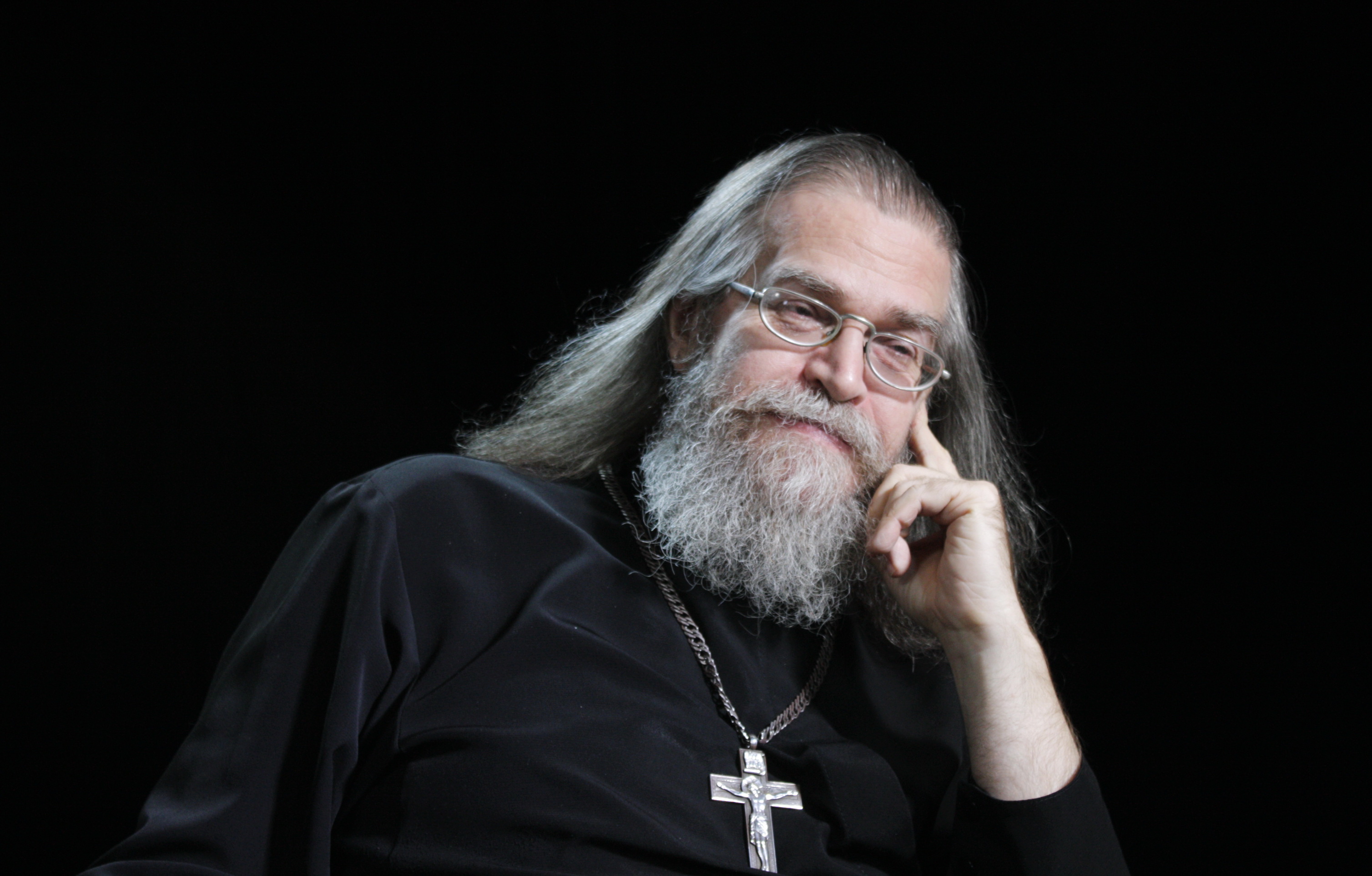

Yakov Krotov
Historian and priest, leading Radio Freedom Radio "Between Vera and Belief"
ykrotov@yahoo.com