
Translated material
For an unmistakable mistake
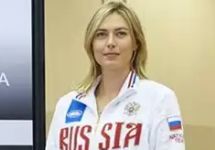
The International Tennis Federation disqualified Russian woman Maria Sharapov for violating anti -doping rules. This was reported by the ITF press service.
On May 18-19, an independent tribunal appointed by ITF examined the Sharapova case and published its decision on Wednesday. The athlete’s disqualification period was set from January 26, the dates of taking a positive test. The results shown by Sharapova this year on Australian Open are canceled the results. The tennis player is deprived of rating points and prize money that she won in this competition.
Sharapova said that she did not agree with the ITF decision and intends to appeal the decision on disqualification in a sports arbitration court (CAS). “I will immediately appeal this decision in CAS. I will fight to return to the tennis court as soon as possible,” the athlete wrote.
On March 7, Sharapova admitted to the use of Meldonium prohibited from January 1 . “I was very often sick, I had a lack of magnesium and signs of diabetes,” said the athlete, “I have taken this drug for the past 10 years. This is one of the many drugs prescribed by me.” Sharapova emphasized that she was not going to end his career. "This is a matter of responsibility and professionalism. I made a mistake. I do not want my career to end in this way, and I hope that I will still have a chance to play," said the athlete.
Traces of Meldonia were found by Doping Production of Sharapova, taken on January 26 during a performance at the last Australian Open. The ITF press service that Sharapova was charged on March 2, and she agreed with them. ITF temporarily disqualified Sharapov from March 12 until the end of the investigation in her case.
Porsche, Nike and Tag Heuer have suspended Sharapova’s advertising contracts. On March 15, the United Nations has announced the decision to temporarily suspend cooperation with the Russian woman as an ambassador of goodwill. In April, Sharapova was excluded from among the participants in the Tournament of the Grand Slam series Roland Garros.
On April 13, the World Anti-Doping Agency stated that the content of Meldonia in the athlete doping industry below one microgram per milliliter of blood, provided that the test was made before March 1, 2016, is acceptable . "Cases when in doping industry the content of Meldonium is less than 1 μg and it was taken until March 1, 2016, are comparable to the use of the drug until January 1, 2016. Thus, it is allowed that the athlete did not take the drug intentionally after its ban," the WADA statement noted.
If the concentration of Meldonium in a doping industry, taken before March 1, is from 1 to 15 μg or if in doping products taken after March 1, its concentration is less than 1 μg, then the decision on the temporary disqualification of athletes convicted of the forbidden drug remains with the federation, the statement said.