
Translated material
Accident
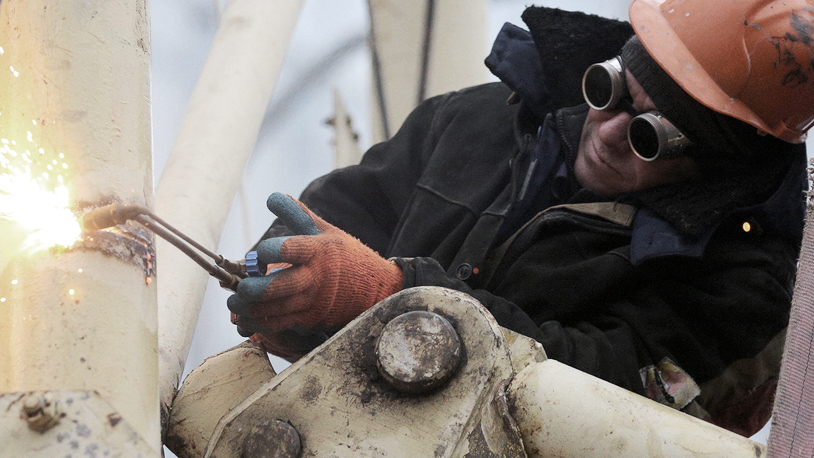
What to do if you were injured at work?
Maryana Torocheshnikova: According to the Federal Service for Labor and Employment, in 2015, employers in Russia submitted 11,948 notices about accidents that occurred at production . 4193 of them with a fatal outcome. The most traumatic is the construction, processing production and agriculture. However, according to representatives of independent trade unions and lawyers who protect the labor rights of citizens, the official statistics of industrial injuries in Russia do not reflect the real picture. Not all accidents are recorded, and often unscrupulous employers with the help of different promises convince employees to sign papers that injury is household and is not related to production. It happens that an employee who has become disabled is in a hurry to dismiss in the shortest possible time. After that, it becomes almost impossible to obtain any compensation from the social insurance fund or the employer. How to protect rights after an accident in work? What compensation can be counted on, and how to get them?
The procedure for obtaining injuries in production today is discussing with experts in the Radio Studio Liberty - this is a lawyer of the Center for Social and Labor Rights Ksenia Mikhailichenko and the chairman of the Moscow branch of the Interregional Trade Union "Workers' Association" Grigory Sivachev .
Before you talk about what every person needs to do, who, God forbid, has received an injury in work, explain whether this is really a serious problem? These 11948 notices are not all serious injuries, and many of these cases (in my opinion, about five thousand) were not recognized as production after the investigation. How much is my words about the fact that statistics do not reflect the real picture correspond to reality?
Employers in Russia massively hide cases of injuries in production
Grigory Sivachev: There is truth in your words. Indeed, employers in Russia massively hide cases of injuries in production, and we, trade union organizations in Moscow, very often encounter this in practice. The latest cases were the workers of the Ingeokoma, Metroevtsy. We talked with the workers, and in many hostels, people lay with diseases that received either because working conditions in the mine did not comply with the norms (that is, knee-deep in the water, or immediately after the explosion, you get to work, and the respiratory tract suffer from this), or they were injured due to the fact that the safety precautions, again, was disturbed from the side of the employer, he did not provide them with overalls and so on. And all of them were not properly executed, did not receive any payments and actually lived at their own workshops at work, who bought them medicines and feed
Many enterprises in Moscow have cases when the employer hides such things. These are most often cases when an employee does not have access to the work on education or sufficient qualifications, due to the fact that a vocational education has been killed in our last 20 years, and there are not enough specialists. Or the employer did not provide the employee with the necessary tools, it is necessary to protect to perform these works, but at the same time requires him to perform this work. In this case, of course, the guilt of the employer, and he recommends the employee to refuse payments, often even compensating for Muscovites and large enterprises. The employer compensates the employee to the employee all the costs of treatment from his funds, but this is not issued as a production injury.
The most traumatic is the construction, processing production and agriculture
Maryana Torocheshnikova: And what is the point - not to formalize an accident in production? After all, then all expenses are not incurred by the employer, but by the Federal Social Insurance Fund, and the employer would just say: I did monthly contributions, I have an insured event, you understand.
Grigory Sivachev: Direct meaning! If this is a difficult accident, then the investigation commission should have a representative of the State Labor Inspectorate. And, of course, in the investigation of an accident, if a fact is proved that the employer allowed the employee to work without a mandatory briefing or not providing him with the necessary means of protection, or that the employee did not have access to this activity at all, the employer will pay the FSS, but the employer can also be held accountable.
In addition to administrative, we have criminal liability-this is the 143rd article of the Criminal Code and the 216th, related to construction and mining. That's exactly the fact that the employees of the metro building immediately after the explosion are allowed into the mine, this is a violation of the 216th article of the Criminal Code, and the punishment may be from a fine of two hundred thousand to three years in prison.
Maryana Torocheshnikova: Yes, in this case, the employer is not interested in someone to come and arrange a check. Nevertheless, what to do, if misfortune happened, a person was injured at work? How to prove to a person that he received it precisely at work, that this is a production injury, and that he has the right to all the necessary compensation?
There are several articles of the Labor Code that each employee should know as "our Father"
Ksenia Mikhailichenko: There are several articles of the Labor Code that each employee should know as "our Father". He must know that there is a 227th article of the Labor Code, which just describes what an accident is in production, how it should be investigated and so on.
That is why official statistics are one, and the other is unofficial? Here, in my opinion, there are guilt and employees themselves. They are now very easy to deceive, because they simply do not know what rights they have. The 227th article says that there are a number of cases when the employer must conduct an investigation.
First of all, we must look at the subject - it should be a person who works under an employment or civil law contract, and there are payments to the social insurance fund. Very often there are controversial situations when there are students, trainees, and so on in production. These people are currently absolutely the same employees and use all guarantees of the Labor Code, so we also safely apply the 227th article to them! We have persons who are serving a sentence with the exercise of labor duties, that is, they work, and something can also happen to them, and we also distribute this article to them, they are the same employees.
Here you are a subject who has the right to all this. Moreover, now a story is very common when a civil contract is concluded, but in fact a person does not carry out work under a civil law contract, but he is the same employee.
Maryana Torocheshnikova: Do you mean the service agreement, what is called a freelancer agreement?
Ksenia Mikhailichenko: Yes, and now even in large industries there are a number of workers who work under an employment contract, and absolutely the same people who stand next to them, at a neighboring machine, draw up them under a civil law contract. So, we also distribute this article to them, because they actually carry out the labor function. Of course, there will be another question about proving the fact that they also carry out the labor function, but there is still such a practice that the courts recognize all this, so people have absolutely the same right.
Maryana Torocheshnikova: But if misfortune has already happened, how does the investigation begin?
Problems often arise in the process of forming commissions to investigate production injury
Grigory Sivachev: A commission is being created, a security engineer is included there or the one who is responsible for the company for safety precautions - such a position should be at an enterprise, where more than 50 employees. If a slight trauma, then a representative of the trade union is enough.
Maryana Torocheshnikova: What is an easy injury?
Ksenia Mikhailichenko: A medical institution issues a certificate in the form of 315, when a person enters there. Accordingly, the doctor who examines it gives the employer this certificate in which it is written, an easy injury or severe.
Grigory Sivachev: And, depending on this, the employer either conducts an investigation on his own, or he must attract a representative of the state labor inspectorate so that this investigation is objective. Problems very often arise precisely in the process of forming these commissions to investigate production injury.
In Russia, the trade union movement is extremely not developed, with the exception of the heir to the All -Union Central Council of Trade Unions - the FNPR , which includes state -owned companies. In most private companies, there are no trade union organizations, and the employer at his discretion solves this issue. He evaluates risks and makes a decision whether to formalize it as a production injury or not. There is no independent representative from the trade union organization who could restrain the employer so that there is an objective investigation, and it is at this stage that problems often arise-it is difficult to prove something. The employer convinces the employee, and the employee - a person dependent on the employer ...
Maryana Torocheshnikova: That is, the employer convinces: "You are not a scandal, I will pay you something with a leftist ..."
The trade union movement is not developed in Russia
Grigory Sivachev: Yes, or do not pay at all. If you are from another region, then you will depend on the employer not only financially, but also in terms of home. With a broken leg you depend on the hostel, and you will make noise - from the hostel to the street, goodbye!
Here we have metrostroevtians-these are mainly miners who came from different regions of Russia, if not at all from abroad. And with which of them I communicated, all of them, when obtaining a production injury, refused to formalize it, because they are completely dependent on the employer. And then it is very difficult to prove anything, because “the investigation of the accident showed that this happened due to the fault of the employee”-there were such subtils (which smelled of alcohol, for example).

Ksenia Mikhailichenko: If a person was in a state of alcohol, narcotic or other toxic intoxication, then this accident is no longer recognized as related to production. But there are a number of points - very often the employer misleads the employee. The employee says: "I fell during the break, and the employer told me that I did not work, there was a break." But in fact, if you fell on the territory of the employer during a break, then this is also an accident in production.
Or, for example, a person works as a rotational basis, and during an intermediary vacation he receives some kind of injury. It seems to be logical-you did not work, but the specifics of the shift work lies in that (and this, again, is written in the 227th article) that even during rest, this accident is subject to investigation. So there are times when an employee can be very easily misleading, but we look at the 227th article - everything is written there.
Or, for example, an accident associated with natural elements, anomalies: a person in the workplace, and suddenly a thunderstorm, a strong hail, something happens, and this is also included in the 227th article.
If you are from another region, then you will depend on the employer not only financially, but also in terms of home
Grigory Sivachev: There is another trick when they say to the employee: "We will now dismiss you under the article." 81st article, paragraph 6 is when the employee grossly violated safety precautions, which entailed these consequences. "You did not have shoes with metal inserts, and because of this you broke your leg." But at the same time they are silent that this is the fault of the employer - he did not provide shoes. And they say to the employee: "We are now reducing you under this article, and you are not only relying on any payments, and then you will not get anywhere with such a record with the work book." They openly lie to the employee, and he believes because of legal illiteracy. There is no trade union organization, there is no one to protect ...
Maryana Torocheshnikova: After an accident, a commission should be formed, and if it is an easy injury, the commission is formed only from the employees, and if a severe injury, then there will be a state labor inspectorate. And if this is a fatal tragedy, then law enforcement agencies are probably involved. Or can they participate in the work of such a commission in less severe cases? When do the prosecutor's office or the police participate?
Ksenia Mikhailichenko: In a difficult accident, either group (more than two people), or with a fatal outcome, in addition to the State Labor Inspectorate, the employer must still notify the prosecutor's office. If there is an active trade union organization, then it takes everything into its own hands. And then the prosecutor must react well. Moreover, the local administration must also be notified, which everyone is forgetting about.
Maryana Torocheshnikova: And for what?
Ksenia Mikhailichenko: Probably so that she understands what was happening.
Maryana Torocheshnikova: And so that she also takes control of the work of this organization.
In case of severe accident, either group or fatal, the employer must still notify the prosecutor's office
Ksenia Mikhailichenko: Yes. If this enterprise is subordinate to some special body - for example, a number of industries are subordinate to Rostec, Rostec has the right to carry out various checks there, then this body must be notified.
And most importantly: in any case, even with easy injury, you need to notify the social insurance fund. This is the main subject, which mainly then pays funds, and there are very large payments. He should initially know what is happening, monitor the whole situation, because then all the documents are surrendered to him. And the social insurance fund, at least in Moscow, is very actively involved in the work of the commission, begins to call employers and so on.
The Social Insurance Foundation is at its budget, therefore it immediately puts the case with control and actively interacts with the employer. Often people come to court, call a social insurance fund as a third party, and the fund does not even know that there was such a situation.
Maryana Torocheshnikova: Can this be considered as one of the options for fighting an unscrupulous employer? For example, if the employer tells the employee: “Sign the papers that you refuse everything, do not write any statements, otherwise I will dismiss you ...”, in this case, can a call to the fund help? And what to do at all if the employer rested and says: "You will perform - you will go to your Krasnoyarsk in a gypsum"?
In any case, even with easy injury, you need to notify the Social Insurance Fund
Ksenia Mikhailichenko: Here you can act in different directions: call the fund, call or write to the State Labor Inspectorate. If there is a trade union, then the support of the trade union is very important. There are various organizations that protect labor rights. There are legal advice where you can call and find out what to do.
Maryana Torocheshnikova: What can be done in place if there was an injury?
Grigory Sivachev: The main thing is witnesses. The employer may not form a commission, not notify the FSS and at all not to formalize it, and then shout that there was nothing, it is not known where and how the employee was injured, that it was non -working time and it has nothing to do with him.
First of all, you need to talk with colleagues at work. If such a situation happens, then witnesses are the main one. The FSS reacts to this because it is profitable for him to identify such cases, the employer usually has a certain discount on insurance payments if he is clean, if he had no cases of production injuries within a certain time.
Maryana Torocheshnikova: And here is another reason to hide it! Accordingly, then he pays less than contributions to the fund.
They frankly lie to the employee, and he believes because of legal illiteracy
Grigory Sivachev: Yes. Everything is wonderful with him, and he saves this. And the FSS, identifying such unscrupulous employers, has a greater income, so the FSS in this regard will be an ally of employees. We also have a very wide space for maneuver on the Internet. The only thing is that the lawyer says that he will take money for the consultation, then there is no need to contact him, because there are a lot of free lawyers who can request some percentage of assistance if it comes to court. The center of social and labor rights was very advertised, it is a wonderful organization, it helped a lot. So we must contact with the support of colleagues.
Maryana Torocheshnikova: And if the colleagues are intimidated?
Ksenia Mikhailichenko: This happens very often. Employees often first sign all the refusals, they write some statements for them that he had fallen there at home, and then they understand that they signed in vain. Please do not sign anything! По крайней мере, в тот момент, когда вы еще находитесь в таком непонятном бессознательном состоянии, нельзя ничего подписывать, ведь потом безумно сложно оспорить что-то, если есть бумага, в которой вы сами лично написали, что никаких претензий ни к кому не имеете, что вы упали дома, в огороде, когда копали картошку.
Безусловно, бывают случаи, когда коллег запугивают. Поэтому самый лучший вариант, если дело доходит до суда, когда в качестве свидетелей приходят люди, которые уже не работают на этого работодателя. Эти люди уже не зависимы от работодателя, они говорят всю правду, без проблем! Нужно поговорить с коллегами, объяснить им, что каждый из них может оказаться в точно такой же ситуации.
Марьяна Торочешникова: А видеофиксация, аудиозаписи? Например, можно записать момент, когда работодатель давит на работника, говорит: "Ничего не пиши" или "Напиши то, что я тебе говорю, иначе будет то-то и то-то", - это потом будет рассматриваться в суде как доказательства давления? Или это ненадлежащие доказательства, и суд не примет их во внимание?
Фонд социального страхования радеет за свой бюджет, поэтому сразу ставит дело на контроль и активно взаимодействует с работодателем
Ксения Михайличенко: Судебная практика по приобщению видео- и аудиозаписей настолько разнообразна, что все зависит от конкретного судьи, от его уже сформировавшейся позиции по отношению к таким доказательствам. В принципе, судья прослушивает это как дополнительное доказательство, и у него уже формируется определенное мнение, хотя некоторые судьи категорически отказывают в приобщении таких доказательств. Самые надежные доказательства - письменные и свидетельские. Когда нет хорошо оформленного акта, остаются только свидетельские показания.
Марьяна Торочешникова: Это сложный путь, который связан с взаимодействием с недобросовестным работодателем. Если работодатель добросовестный, то собирается комиссия и составляется акт, а дальше все отправляют в Фонд социального страхования. А кто определяет размеры выплат?
Ксения Михайличенко: Есть закон № 195 "О несчастных случаях на производстве и профессиональных заболеваниях", в котором все расписано. На что имеет право работник, который попадает в такую ситуацию? Прежде всего, это пособие по временной нетрудоспособности. Его размер больше, чем размер пособия по больничному листу, здесь человек, независимо от стажа, получает стопроцентную заработную плату, пока находится на больничном. Там немного другой порядок расчета - заработная плата рассчитывается не за два года, а за двенадцать месяцев, и максимальный размер может доходить до четырехкратного. Максимальный размер у нас – пятьдесят девять тысяч пятьсот рублей в месяц, и мы еще можем умножить это на четыре, то есть получается больше двухсот тысяч. Если у вас заработная плата, например, 210 тысяч, то вы так же и будете получать ее.
Марьяна Торочешникова: И строители, которые работают на опасных производствах, получают такие деньги официально?
Основное - это свидетели. Прежде всего, нужно поговорить с коллегами по работе
Григорий Сивачев: Нет, если брать рабочих, то официально никто таких денег не получает.
Ксения Михайличенко: В любом случае, законодательство нам говорит, что до этого предела - 210 тысяч - можно получать.
Марьяна Торочешникова: А как доказать, что ты по факту получал большую зарплату, чем значилось в каких-то бумажках? Такое ведь часто случается, особенно как раз на самых травмоопасных производствах - в строительстве, на обрабатывающем производстве и в сельском хозяйстве. И человеку надо платить страховые выплаты, исходя не из 20 тысяч, которые он получал официально, а из 120 тысяч, которые он получал реально. Is it possible?
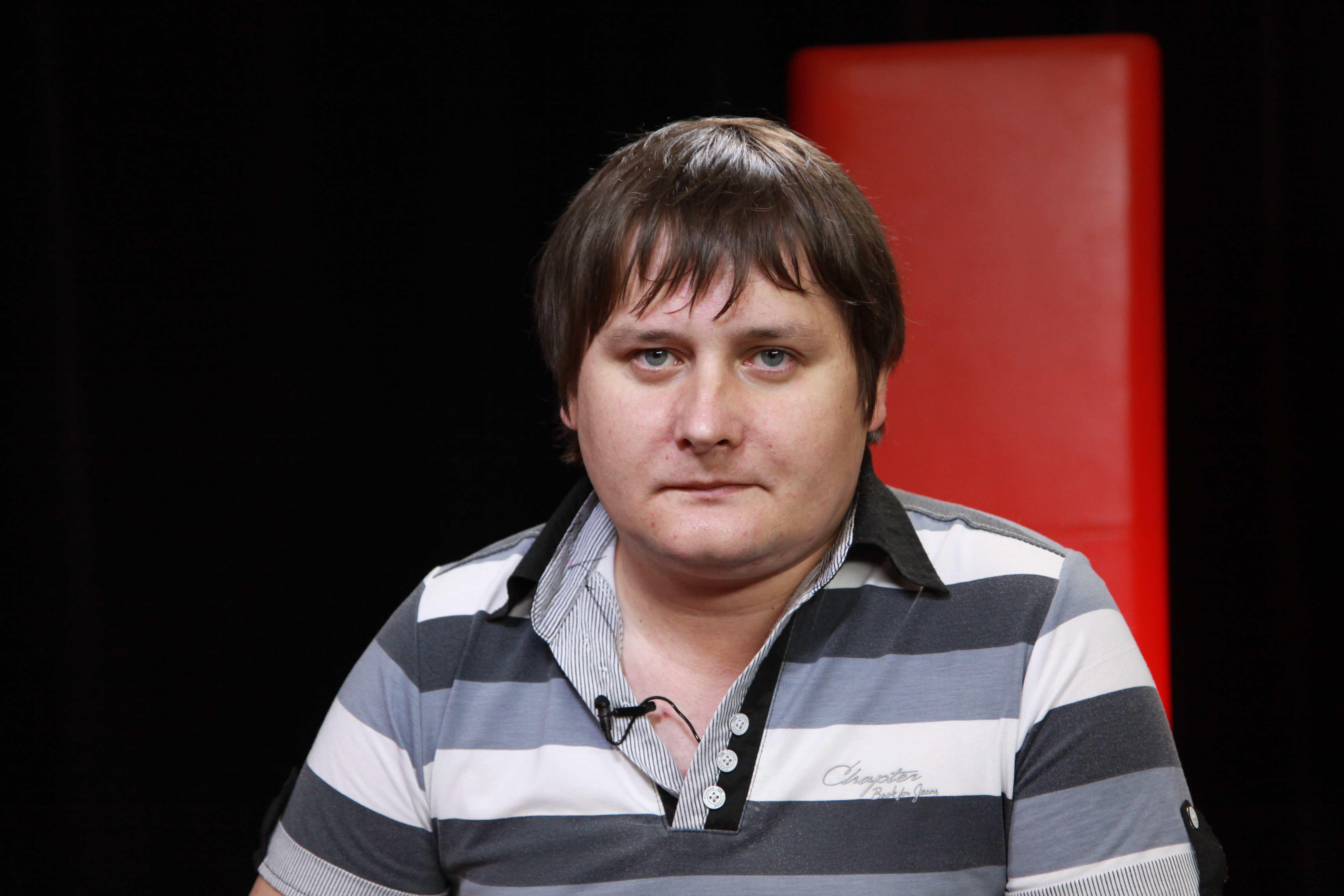
Григорий Сивачев: Доказать можно все. Я знаю случай, когда трудовой коллектив обманули с выплатами, с зарплатой, и они обратились в суд. А они вообще не были официально оформлены, не было ни трудового договора, вообще ничего. И чисто на основе свидетельских показаний друг друга они подтвердили факт, что работали на этого работодателя и им выплатили зарплату. Опять же, все упирается в свидетельские показания! «Черная зарплата», к сожалению, очень сложно доказуема, особенно проблематично для человека, у которого травма, доказать, что он получал больше.
Марьяна Торочешникова: И уж подавно Фонд не захочет ничего этого оплачивать.
«Черная зарплата», к сожалению, очень сложно доказуема
Григорий Сивачев: Да, и работодатель будет здесь бороться всеми правдами и неправдами. Ведь если в суде будет доказано, что работник получал больше, чем его официальная, «белая» зарплата, то, возможно, работодатель попадет на еще на большие штрафы.
Ксения Михайличенко: И ему еще нужно будет доплатить налоги, все взносы!
Григорий Сивачев: Да, поэтому тут вся машина работодателя и коррупции будет против работника.
Ксения Михайличенко: Это действительно очень сложно доказать, и позитивной практики за последние четыре года практически нет, поэтому будем все-таки исходить из официальной заработной платы. Вот это пособие - единственная выплата, которую выплачивает работодатель, пока человек находится на больничном - месяц, два, три и так далее, - а потом ФСС все это возмещает из взносов.
А дальше есть выплаты, которые делает уже непосредственно Фонд, работодатель не имеет к ним отношения, и единственная обязанность работодателя - это передать Фонду документы: акт, копии трудового договора, трудовой книжки, - то есть документы, связанные с работником. Акт - самый важный документ для ФСС. Дальше Фонд назначает ряд пособий. Прежде всего, это единовременное пособие, оно у нас максимальное - 90 тысяч рублей в 2016 году, и оно выплачивается человеку при стопроцентной утрате профессиональной трудоспособности. Если меньше, соответственно, процент его утраты - от 90 тысяч. Сумма с каждым годом растет. Это ему выплачивают сразу, как только Фонд получил документы - их провели, и в течение десяти дней это выплачивается.
Акт - самый важный документ для ФСС
Дальше Фонд назначает ему специальную ежемесячную выплату, которая начинает выплачиваться после того, как заканчивается больничный лист, и человек либо выходит на работу, либо оформляет инвалидность и сидит дома. Ежемесячная выплата назначается на основании медицинской справки, которую работник приносит в фонд, где по результатам медицинской экспертизы устанавливается конкретный процент утраты его трудоспособности. Рассчитывается его средний заработок за 12 месяцев, от этой суммы берется тот процент, сколько он утратил, и выплачивается ему ежемесячно. Причем это может быть пожизненная выплата, если это утрата до конца жизни. Бывает, что человек восстанавливается, и медицинская экспертиза показывает, что утрата стала чуть меньше или, наоборот, чуть больше, то есть Фонд теперь постоянно производит ему эту выплату.
Марьяна Торочешникова: Даже если человек нашел себе какую-то работу?
Ксения Михайличенко: Это неважно, он может работать, может не работать, это безусловная выплата. Более того, если происходит смерть во время работы, то такие же выплаты - и единовременную, и ежемесячную - получают его иждивенцы, например, ребенок до 18 лет, а если он учится на очной форме обучения, то эта выплата продолжается до 23 лет.
Марьяна Торочешникова: Это компенсация по утрате кормильца?
Ксения Михайличенко: Нет, это другая история.
Марьяна Торочешникова: И человек может получать обе эти выплаты одновременно?
Если происходит смерть во время работы, то выплаты получают иждивенцы
Ксения Михайличенко: Да, это разные законы, разные выплаты, что-то регулируется законодательством субъекта, этим занимается соцзащита... И в законе нет никаких ограничений. А если в законе нет императивной нормы, которая что-то запрещает, значит, одно другого не отрицает.
Марьяна Торочешникова: Важное обстоятельство – гибель человека на производстве. Если человеку, ставшему инвалидом или получившему травму на производстве, сложно доказать, что это была производственная травма, насколько легко или, напротив, сложно родственникам погибшего установить, как он умер? Вам известны случаи, когда родственники пытались выяснить, его сбила машина или кар на стройке?
Григорий Сивачев: Мне известны трагические случаи на стройках, когда именно не удавалось что-либо доказать. Лет 12 назад я работал на стройке и бурильщиком, и стропальщиком. Зачастую работодатель скрывал, что я работал бурильщиком, потому что у меня не было "корочки", и получи я травму – работодатель попал бы на серьезный штраф. Или я работал стропальщиком на высоте, а у меня элементарно не было страховочного пояса, и если бы я упал вниз, то работодателю было бы крайне невыгодно фиксировать этот несчастный случай.
А тогда в Москве был строительный бум, я работал в компании «Донстрой», где очень активно привлекались трудовые мигранты. Тогда еще не было жестких квот на привлечение иностранной рабочей силы, и они использовались работодателем в основном как дешевый рабский труд. И были случаи, когда работник падал с высоты, работая без страховки. Его переодевали в непотребную одежду и выкидывали, как бомжа, за территорию стройки.
Марьяна Торочешникова: Поскольку вы назвали компанию, то здесь я делаю ремарку (чтобы нас не привлекли к ответственности - за клевету, например), что никаких расследований не проводилось, и вы не можете юридически доказать эти свои слова. Это ваши предположения.
Когда работник падал с высоты, работая без страховки, его переодевали в непотребную одежду и выкидывали, как бомжа, за территорию стройки
Григорий Сивачев: Да. Был шум, когда Галина Дмитриева вместе со мной писала заявления о пропаже двух строителей – Александра Паретова и Дамира… не помню уже его фамилию. И их родители приезжали в Москву, искали их, но концов так и не нашли, даже тела не были найдены. И тогда, лет десять-двенадцать назад, это было массово. Сейчас ситуация не такая вопиющая, но работодателю выгодно скрывать именно такой несчастный случай, если у него очень много нарушений. При смертельном случае подключается прокуратура, государственная инспекция по труду, возникают вопросы. Те же строительные компании постоянно проверяют, и почему те проверяющие не нашли никаких нарушений? Вскрываются коррупционные составляющие и так далее. То есть это невыгодно никому! Это ЧП, оно предается огласке, подключаются надзорные органы, и работодателю это крайне невыгодно, если у него не все чисто с техникой безопасности или с чем-то еще.
Марьяна Торочешникова: То есть здесь родственники не могут ни на что рассчитывать, разве что уже на правоохранительные органы.
Ксения Михайличенко: В моей практике был случай, когда семья была в Молдавии, а человек работал на стройке в Москве и погиб, упал с крана. Но здесь его коллеги сразу пошли к работодателю и сказали: "Составляйте акт, мы передадим семье". Работодатель, очевидно, испугался, сразу все составил, коллеги передали все семье, и семья, помимо того, что она все получила от ФСС, еще пошла в суд и с работодателя по гражданскому кодексу взыскали 500 тысяч морального вреда. И это только благодаря тому, что коллеги, видимо, очень хорошо напугали работодателя, потому что в суде было видно, что он пришел нехотя, но не отрицал факта, что человек у него работал. Трудового договора не было, но работодатель признал, что это был его работник, и для суда этого было достаточно.
Марьяна Торочешникова: Но это, опять же, добрая воля работодателя, просто попались активные люди, а так бы он мог сказать: нет, ребята, я ничего не знаю, у меня в документах этого человека нет…
Ксения Михайличенко: Да, в таких ситуациях все очень сложно. А семья далеко, она не знает, к кому обратиться… Даже если она обращается к юристу… Да меня даже элементарно не пустят на стройку, чтобы я там что-то доказывала.
Марьяна Торочешникова: Погибший был гражданином Молдавии. И, стало быть, это обман, когда работодатель говорит: "Ты не гражданин России, значит, никакие выплаты из российского фонда социального страхования тебе не положены"?
Ксения Михайличенко: У нас практически в каждом законе, который связан с трудовыми отношениями, в первой-второй статье видно, что законодательство распространяется на граждан Российской Федерации, граждан других государств и на лиц без гражданства.
При смертельном случае подключается прокуратура, государственная инспекция по труду, возникают вопросы
Григорий Сивачев: Сейчас при получении патента иностранные работники ежемесячно выплачивают взносы в российскую казну на эти нужды, и сам работодатель зачастую забирает с их зарплаты 13%. Вот ребята из Ингеокома сейчас написали заявления работодателю: прошу не вычитать из моей зарплаты 13% ввиду того, что я сам оплачиваю патент. То есть зачастую наше государство получает с таких работников двойную плату, и на их все распространяется.
Марьяна Торочешникова: Но когда они приходят в больницу со своим патентом, им говорят: до свидания.
Ксения Михайличенко: Нет, в последнее время, по крайней мере, в Москве, все достаточно нормально и в этом плане.
Григорий Сивачев: Зачастую многие работники не знают, что они могут обратиться. Им ничего не рассказывают, и правовая безграмотность крайне выгодна работодателю. Человек чувствует себя полностью бесправным в чужой стране, в чужом городе, и с ним можно делать что угодно.
Марьяна Торочешникова: У меня тут есть подборка вопросов, связанных с производственными травмами. Например, мужчин пишет: "Получил на работе травму – перелом большого пальца. Вина работодателя – неисправные станки. Мне сказали, чтобы я не говорил, что это производственная травма, иначе уволят".
Нужно принести все чеки в ФСС, и он все это оплатит
Ксения Михайличенко: Ему оплатят весь его больничный лист – 100% его заработной платы. Ему все равно оплатят единовременную помощь, даже в каком-то маленьком размере. Кроме того, этот закон предусматривает оплату фондом всех издержек на медицинское обслуживание, на реабилитацию. Нужно принести все чеки в Фонд, и Фонд все это оплатит.
Марьяна Торочешникова: А если человек не хочет проходить реабилитацию в государственной клинике, он может лечиться за свой счет в частной клинике, и станет ли тогда ФСС компенсировать ему эти средства?
Ксения Михайличенко: У ФСС есть целый ряд различных регламентов, где предусмотрено, кому и какие положены выплаты. И ограничений на то, что это должна быть государственная или частная клиника, насколько я помню, нет, все ограничивается суммами. Если человек приходит и говорит, что он лечил палец за пять тысяч евро в месяц, понятно, что он точно выйдет за ту сумму, которая утверждается каждый год. Главное, чтобы у медицинского учреждения была лицензия. Сейчас часто возникают разговоры: «Ой, Фонд не выплатил, потому что мы лечились в частной клинике», - так это потому, что у многих частых клиник нет лицензий на ведение медицинской деятельности.
Человек чувствует себя полностью бесправным в чужой стране, в чужом городе, и с ним можно делать что угодно
Григорий Сивачев: В договоре на предприятии тоже могут быть прописаны какие-то выплаты в различных ситуациях. То есть работник много на что имеет право, но мало что знает. Все это надо отслеживать в каждом конкретном случае.
Есть вопиющий случай с Верой Шиховой, которая уже несколько лет ездит в Москву…
Марьяна Торочешникова: …и дважды приходила в студию Радио Свобода!
Григорий Сивачев: ФСС повел себя некорректно по отношению к ее сыну, который получил производственную травму.
Марьяна Торочешникова: И женщина уже несколько лет борется за это. Я успела привести только один пример, и надо будет сделать еще одну передачу на эту тему с разбором конкретных случаев.
Предлагаем всем читать статью 227 Трудового кодекса РФ, где написано, что должны делать работник и работодатель в случае производственной травмы. Также предлагаю всем приходить на сайт Центра социально-трудовых прав. И конечно, приходите на сайт МПРА, там есть необходимые инструкции, как себя вести в случае, если вы считаете, что работодатель нарушает ваши права.