
Translated material
On bird rights
Text: Julia Drozdova 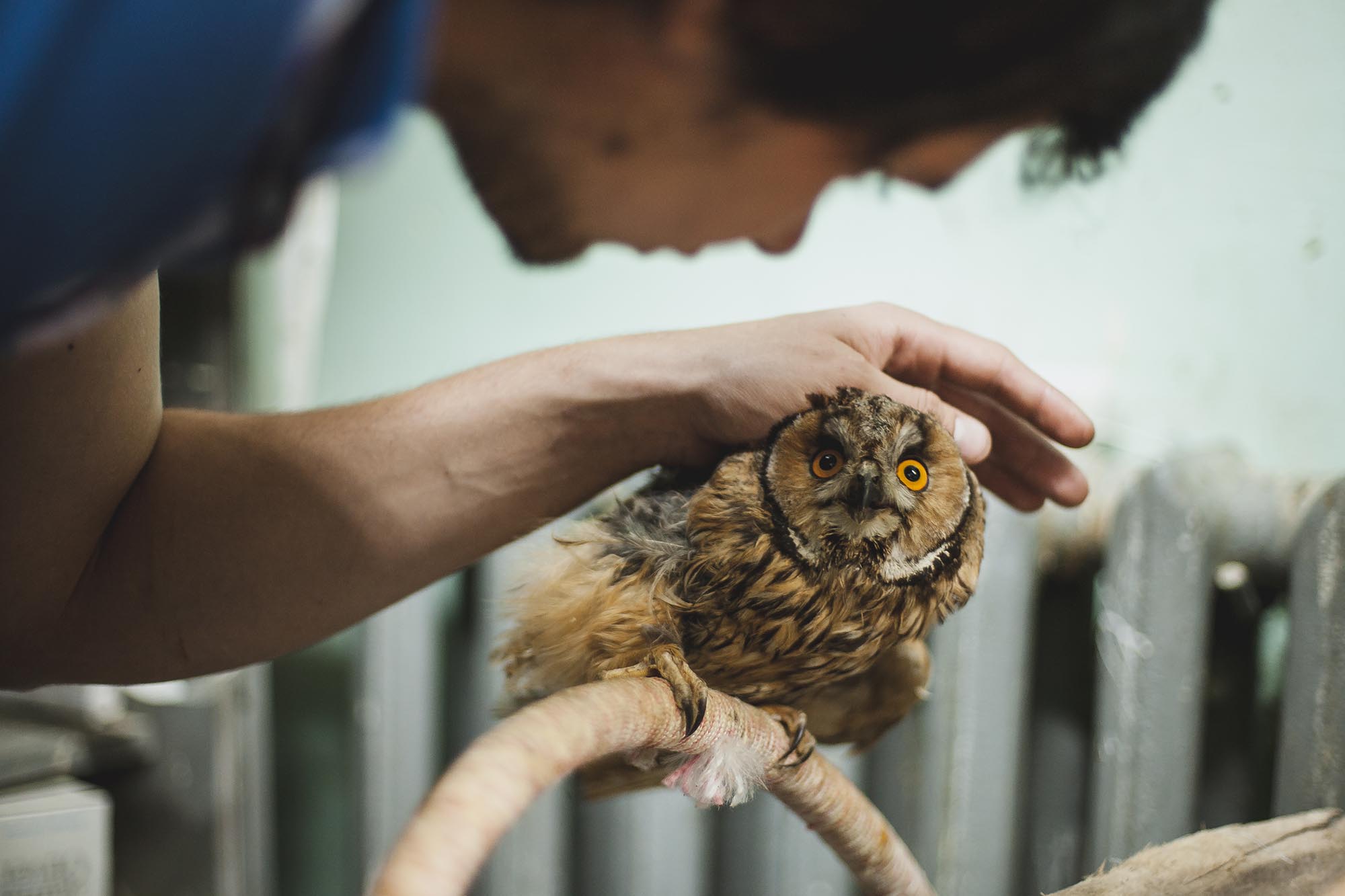 Photo: Julia Drozdova
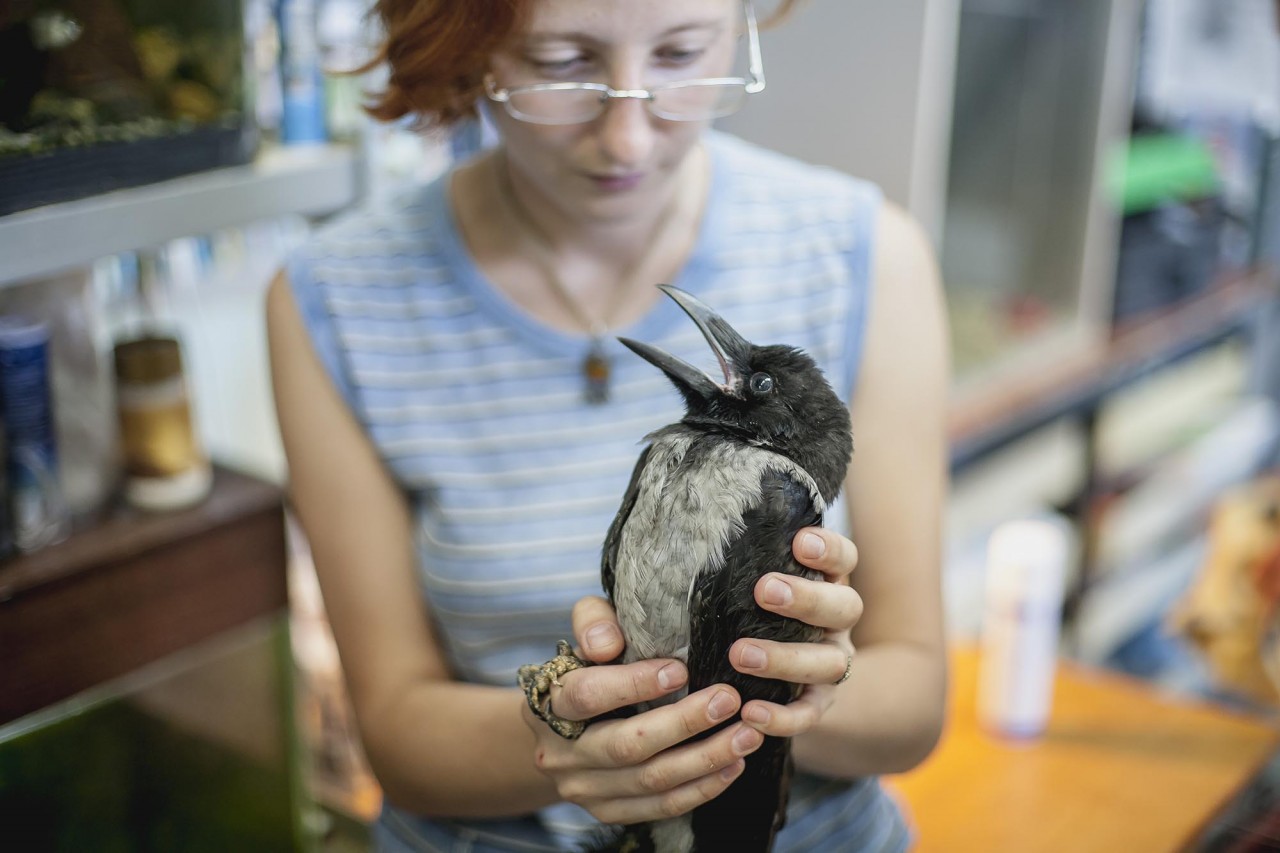
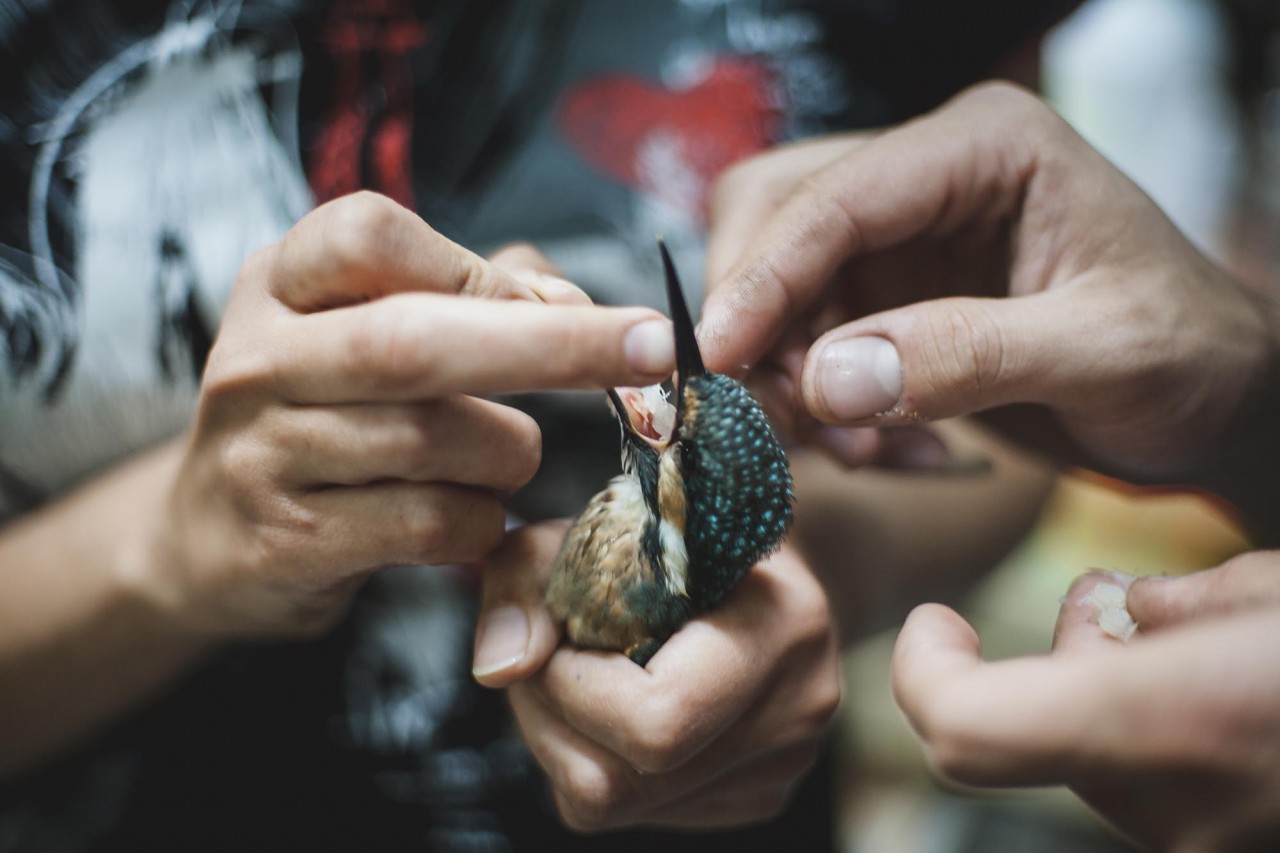 Most of the birds have to be fed forcibly, because many of them are first contacted with a person, and even in such stressful conditions. But the employees of the center quickly find a common language with patients photo: Julia Drozdova
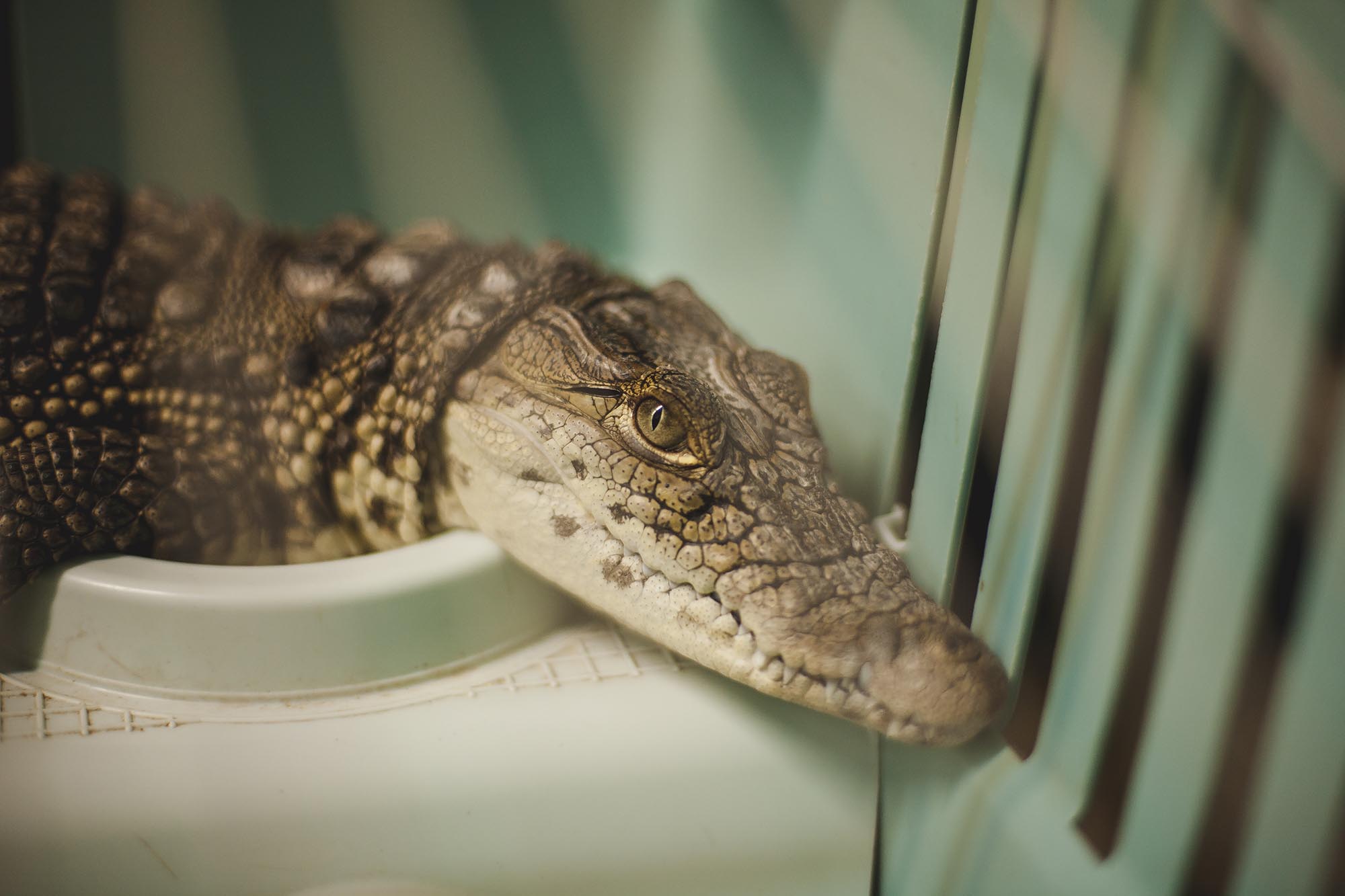
 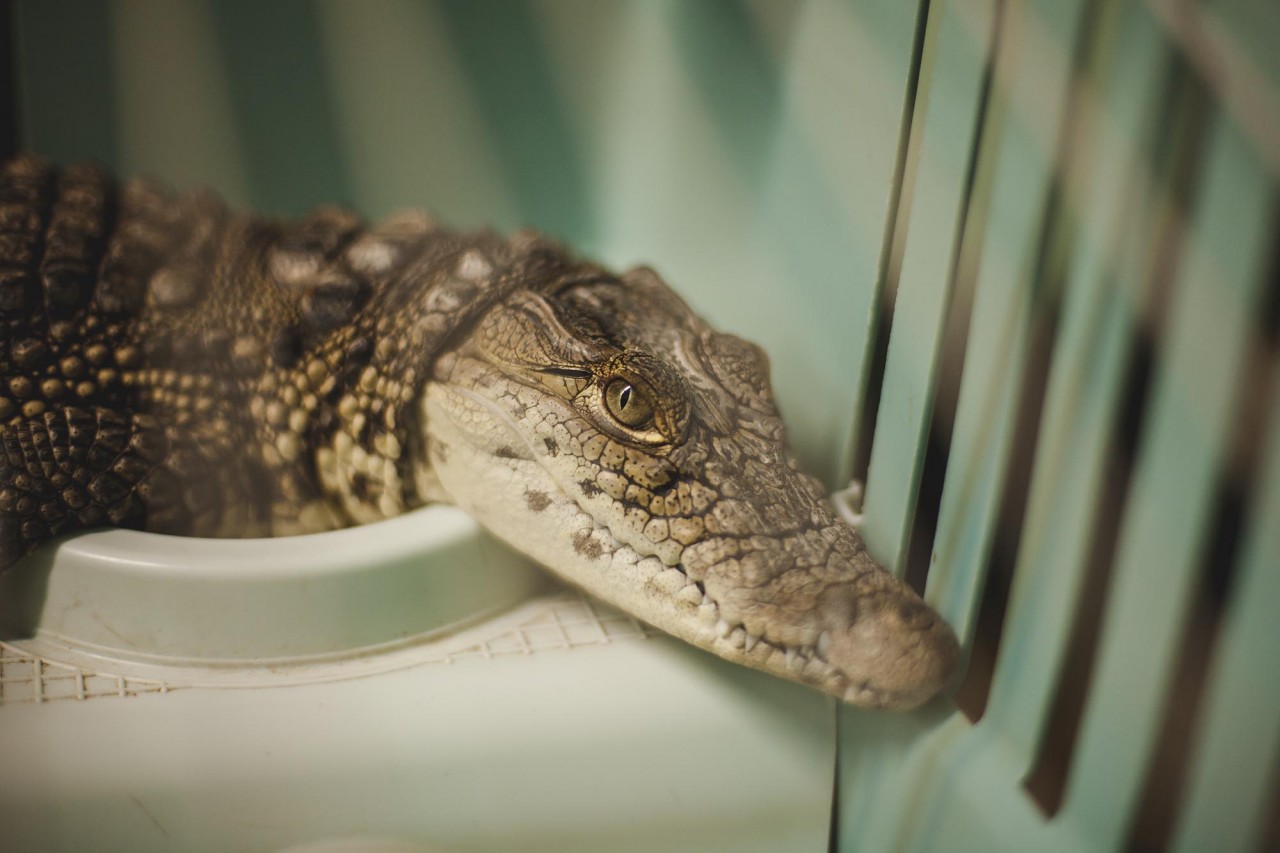 The most unusual patient of the center is the Nile crocodile. In the wild, they reach five and a half meters in length. The crocodile was selected in a very early age in winter, after a long recovery period of it, already completely healthy, handed over the reptiles to Moscow, to more suitable conditions of the photo: Julia Drozdova
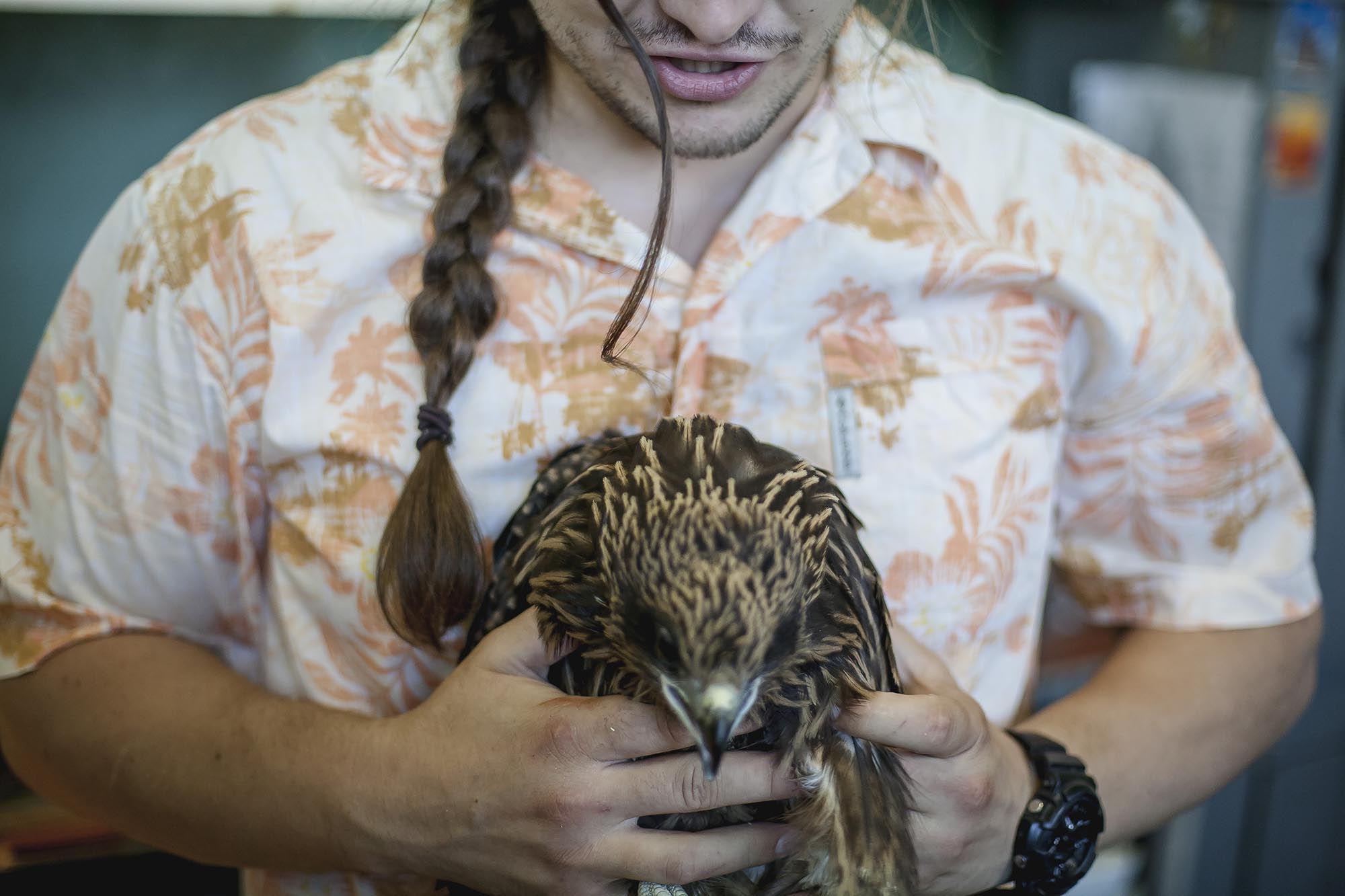
 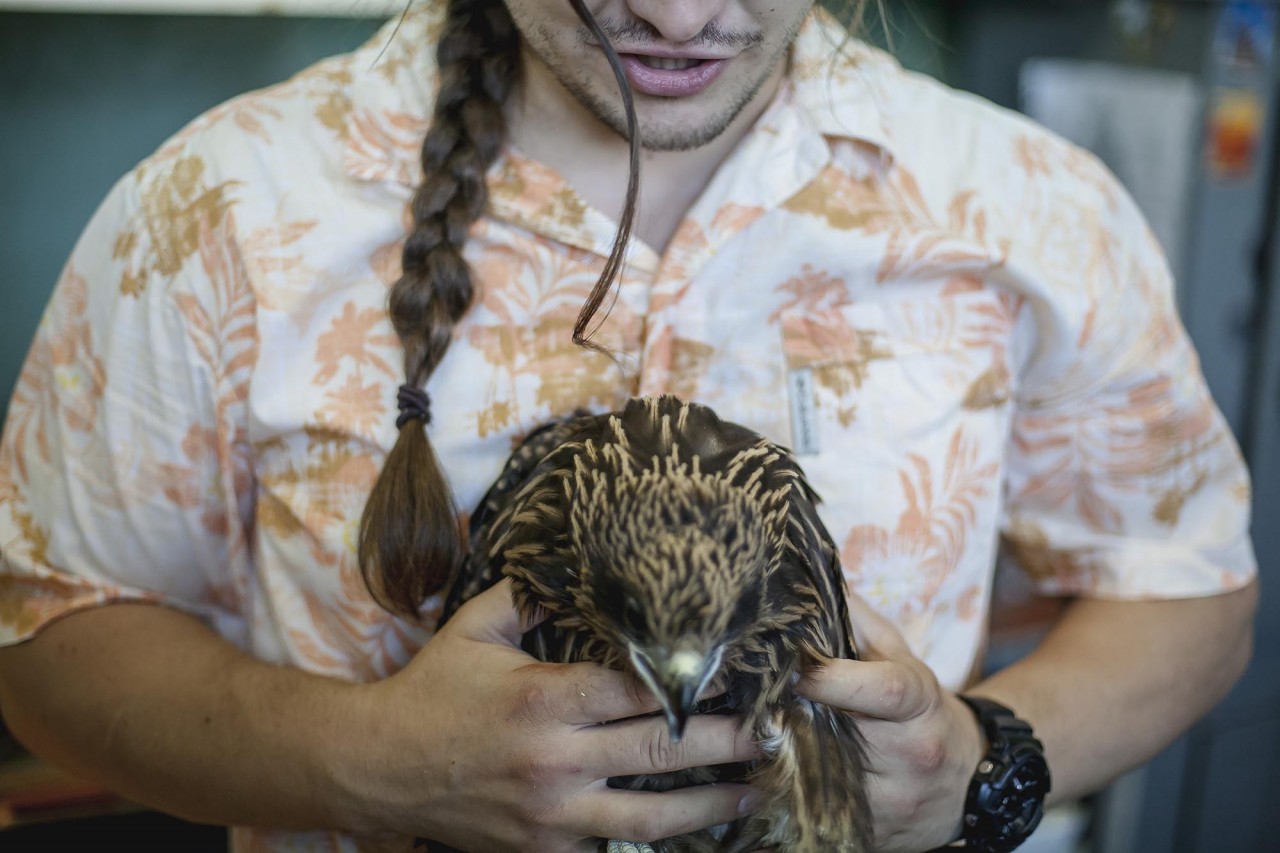 Employee of the Center Kirill Ivlev with a newly arrived black kite. Kite are one of the most frequent “patients” of the center. They often hunt near roads, so they often fall into the center of help with bruises and fractures of the photo: Julia Drozdova
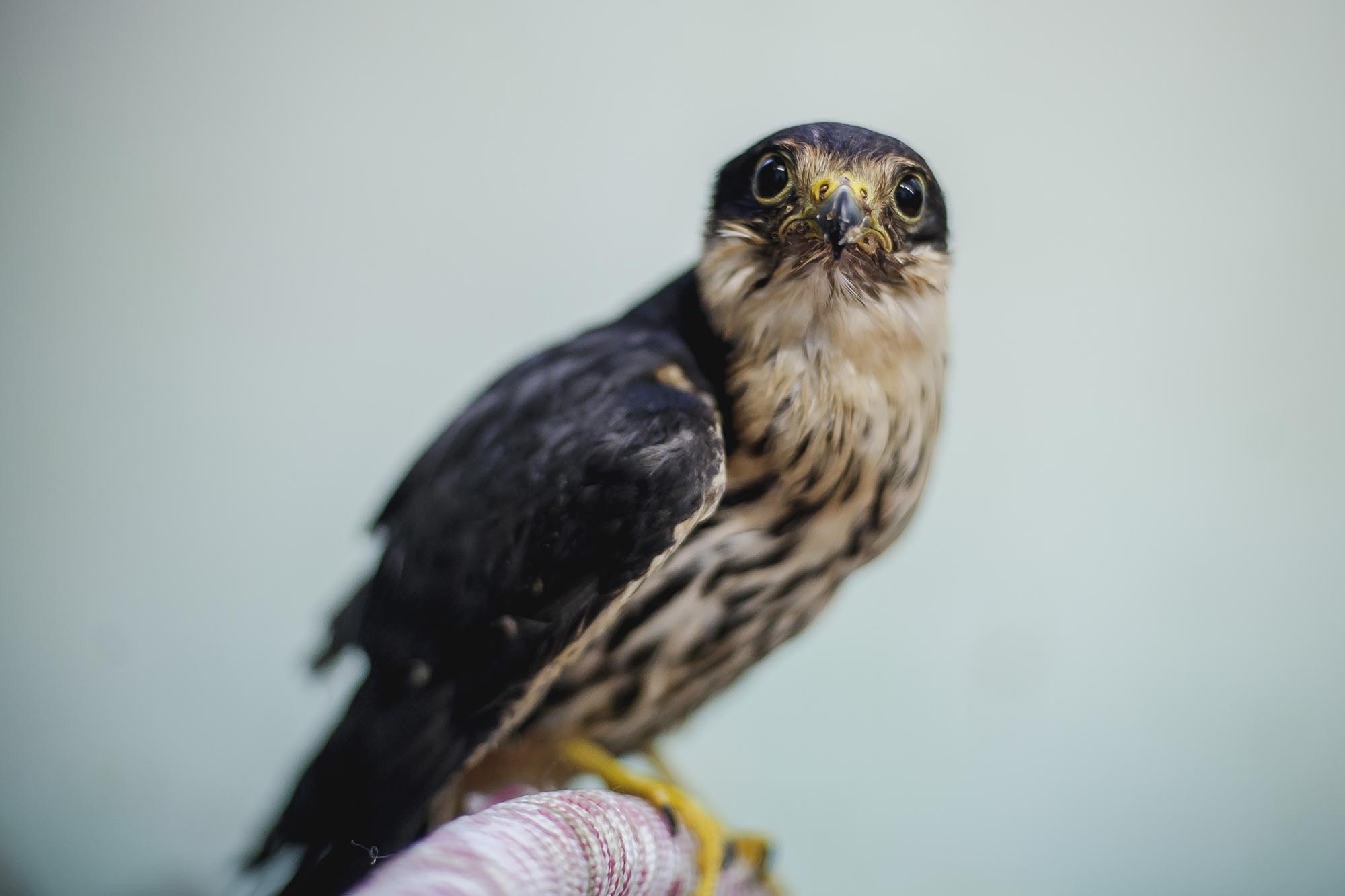
 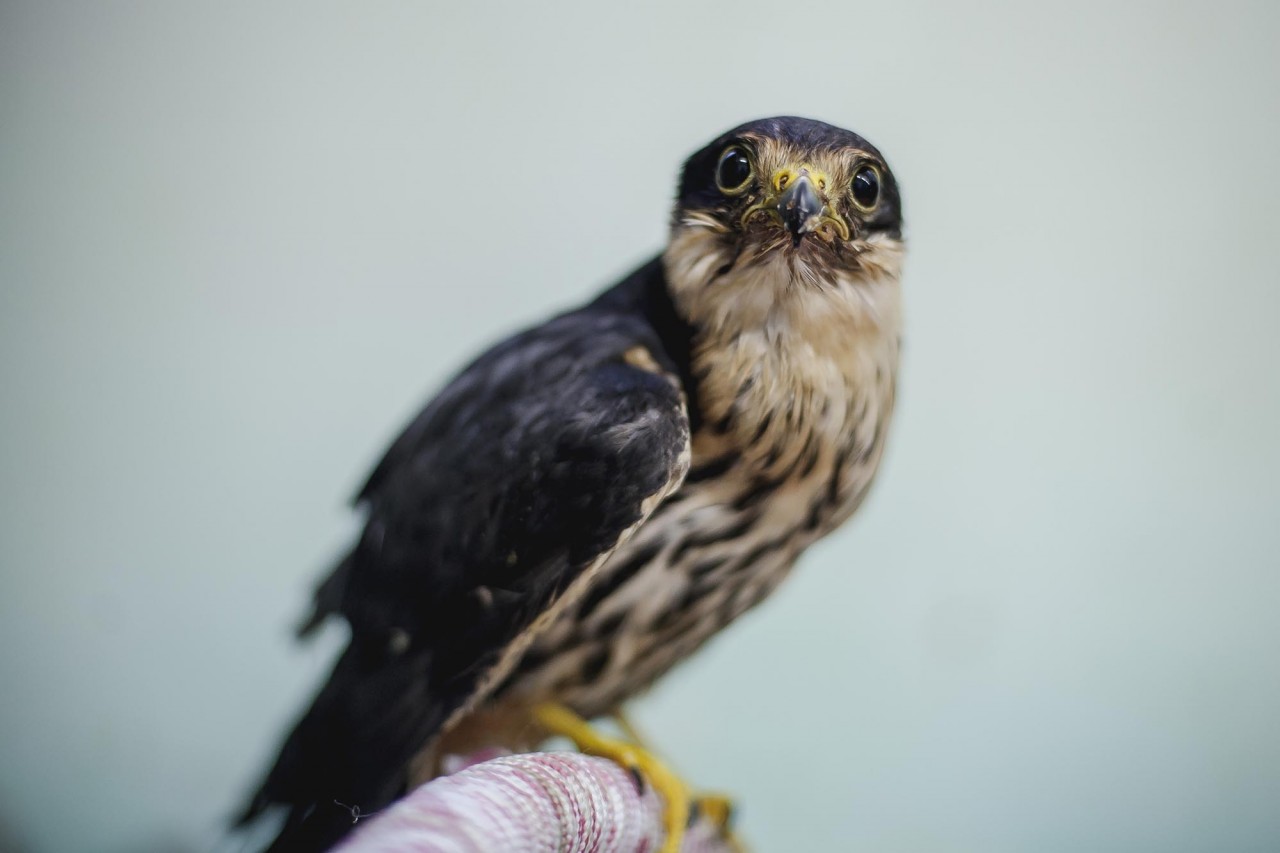 Falcon Cheglok, daily predator. According to the results of treatment, the bird is recognized as unsuitable for release in the wild, so she was found a new house and loving caring hosts photo: Julia Drozdova
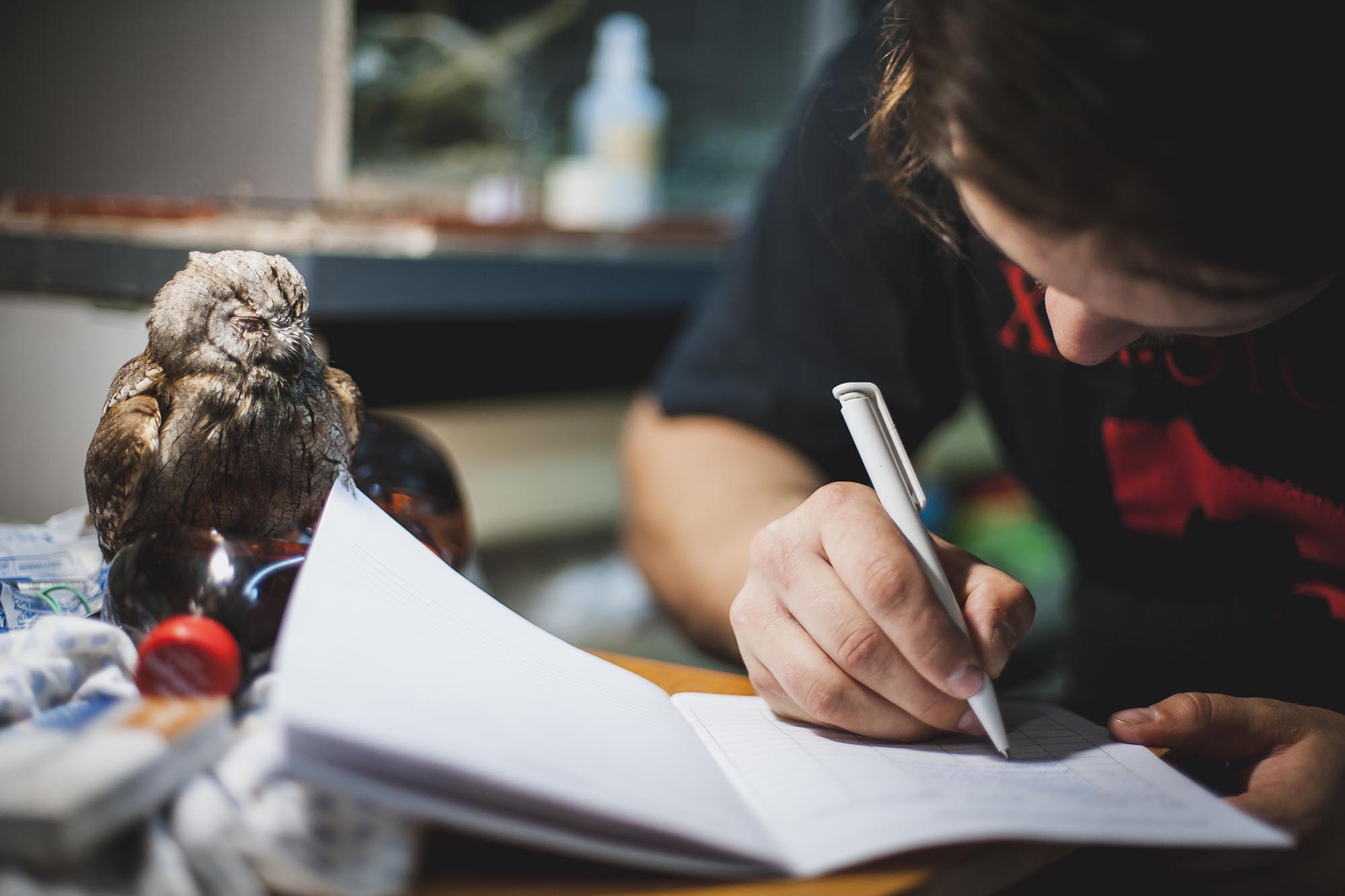
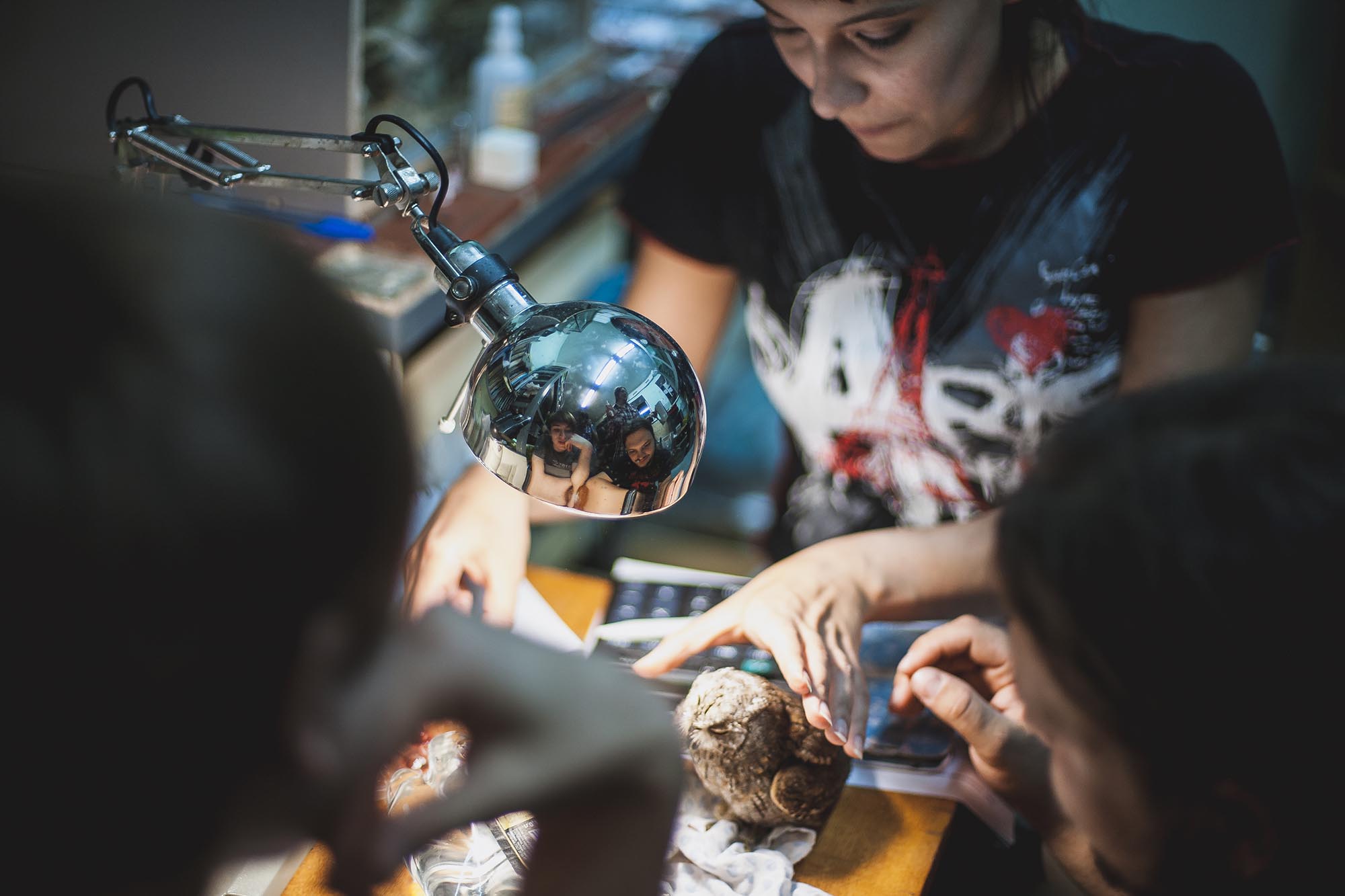
 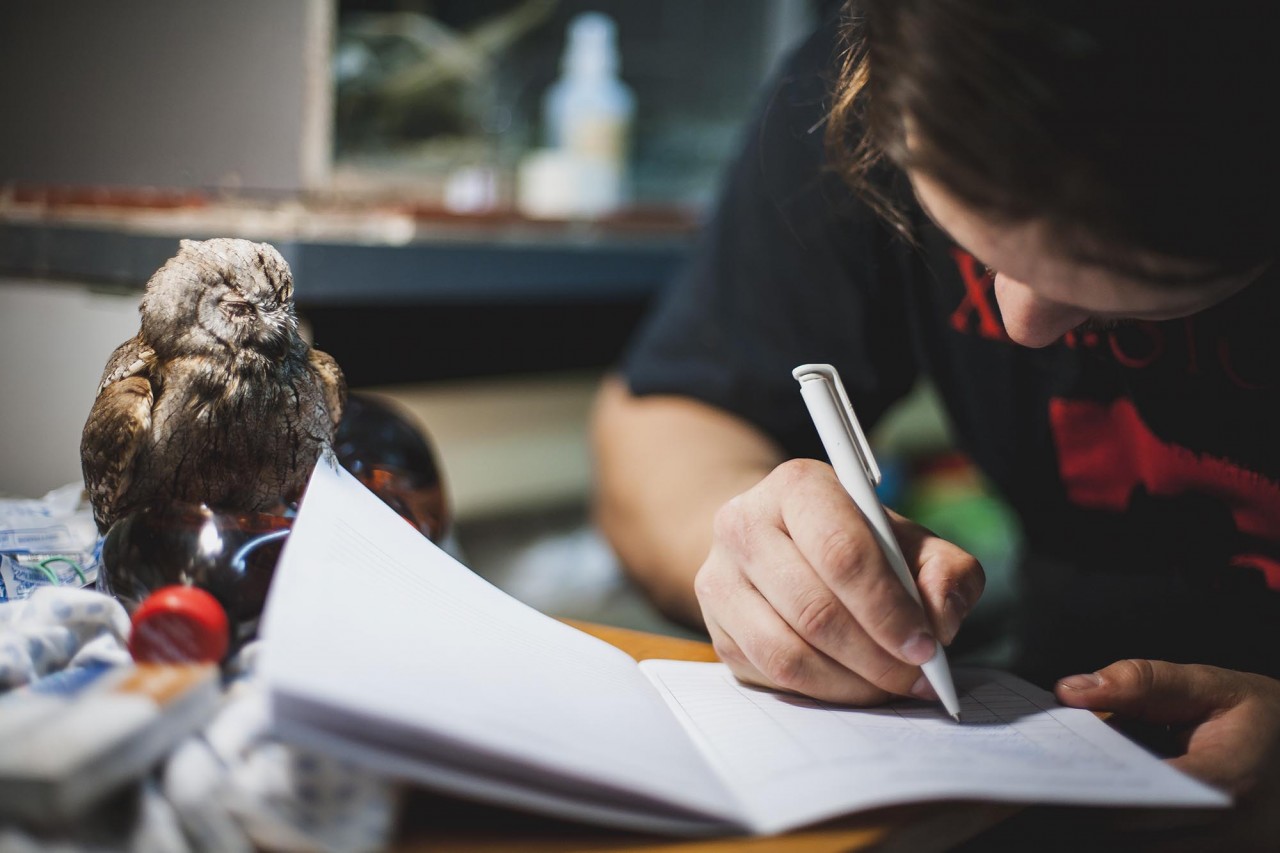 While the small patient is warming on a bottle of warm water under the lamp, the center employee fills his personal medical card. All “patients” receive such a card upon admission to the center, it records the alleged age and gender of the animal, weight, results of examinations, procedures, dosage of drugs and results of analyzes photo: Julia Drozdova
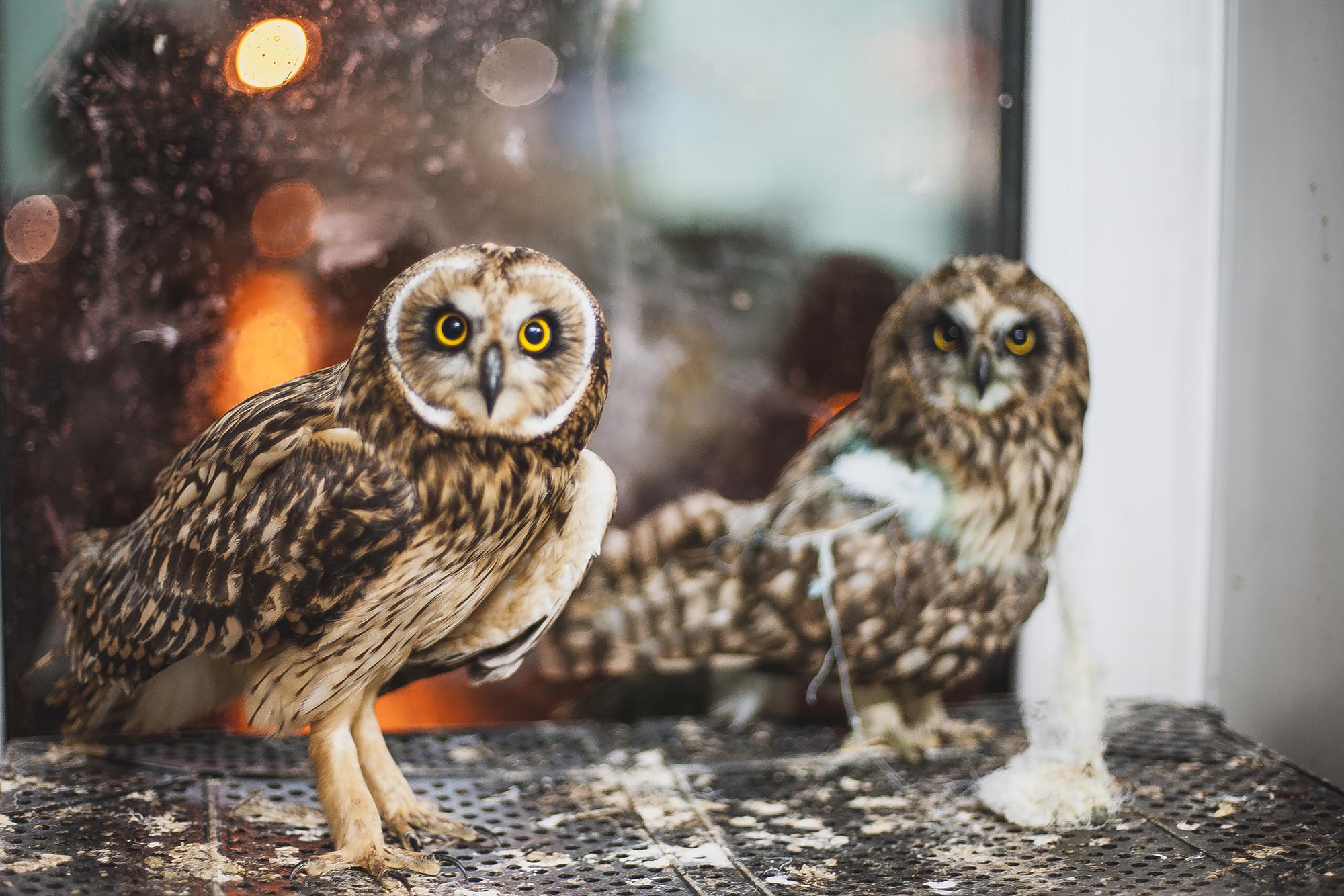
 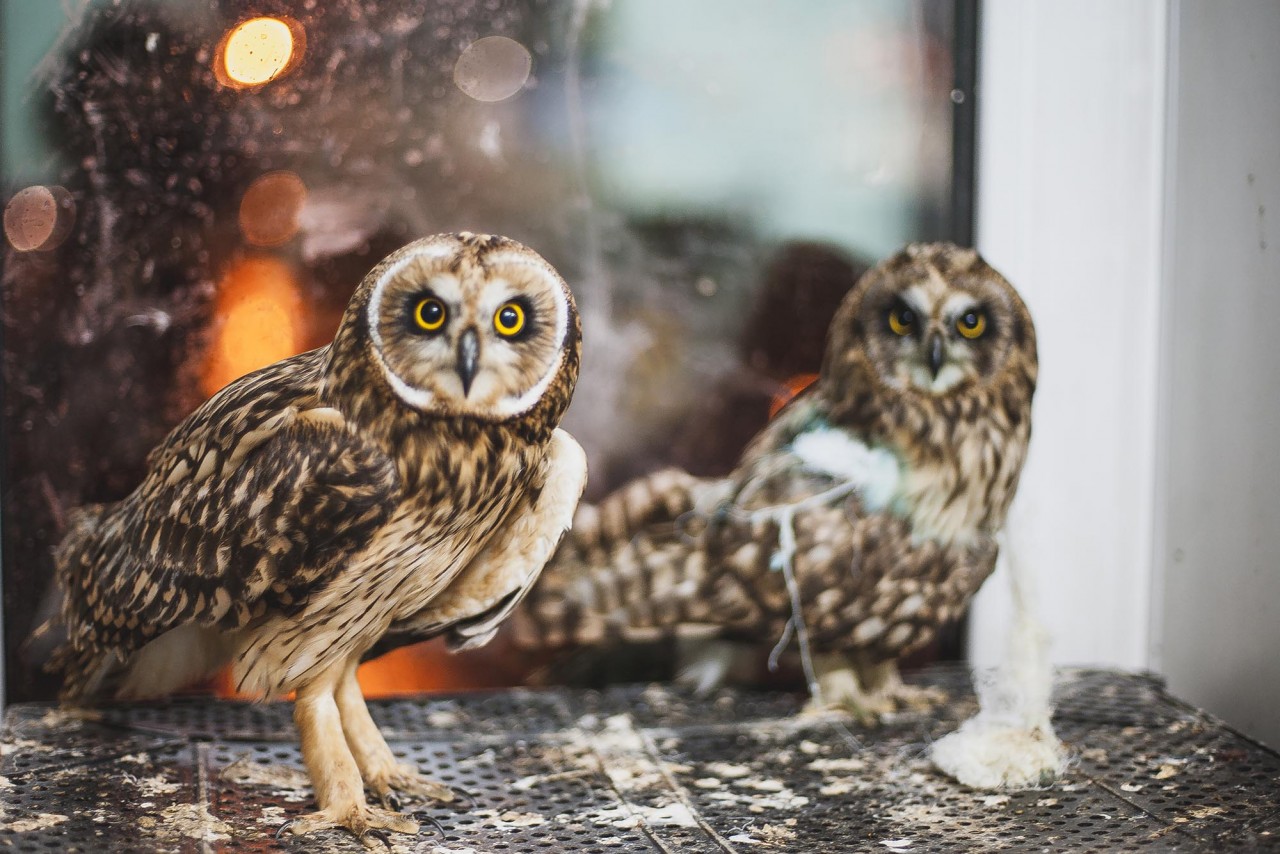 Swamp owls are frequent guests in the Center for Assistance. Most birds suffer as a result of human activity photo: Julia Drozdova
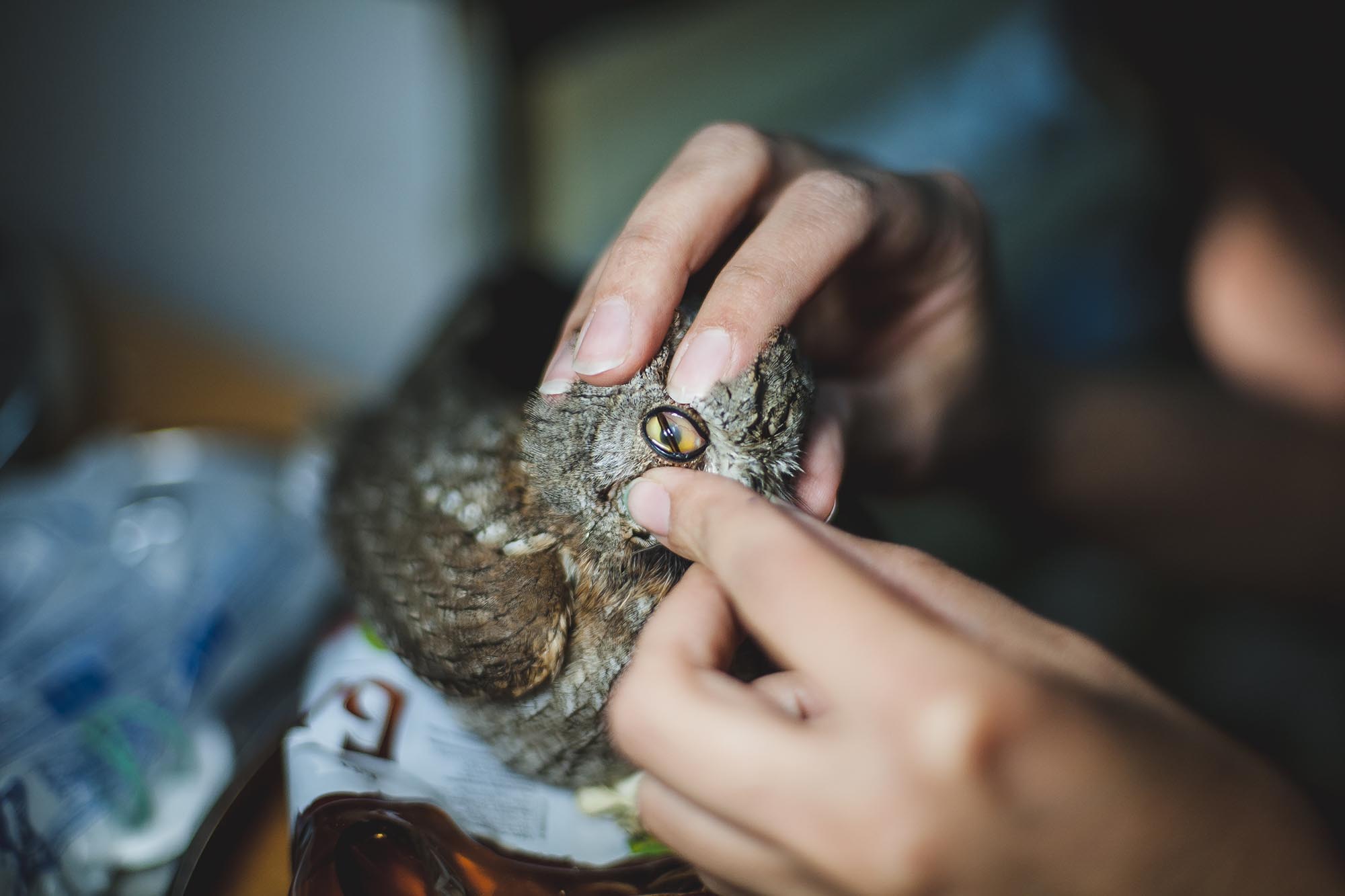
 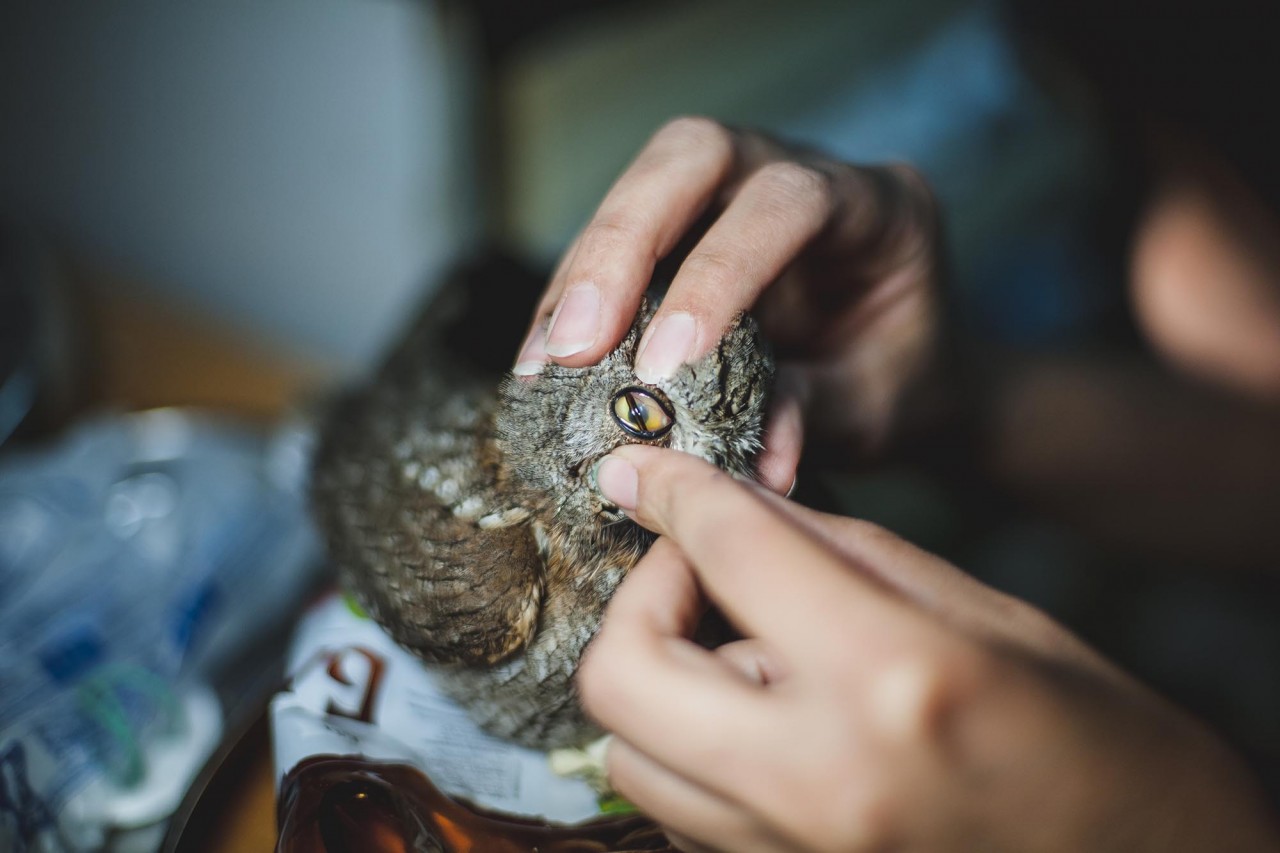 Inspection of a small owl-banding photo: Julia Drozdova
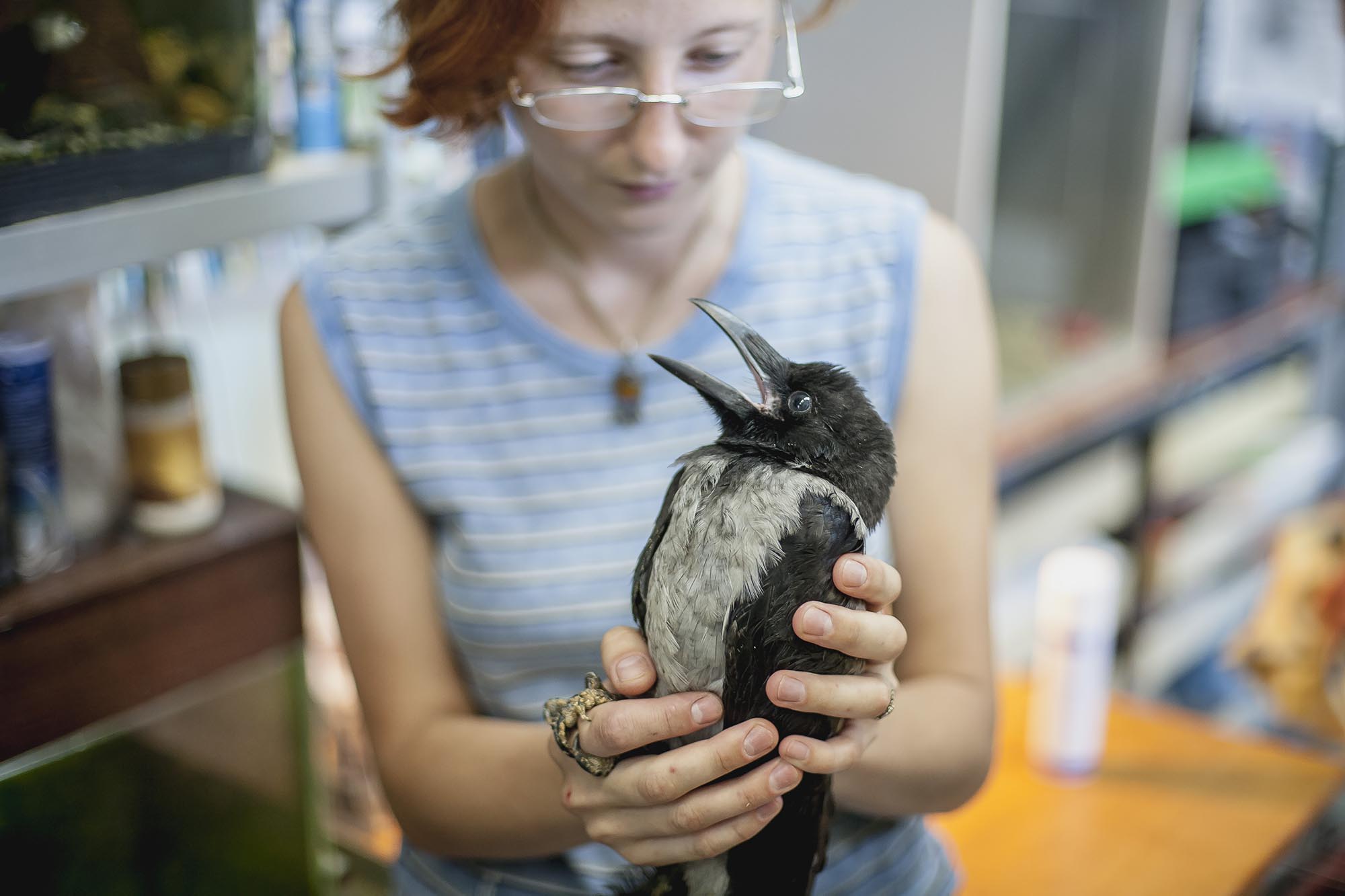
  Sveta Yakovleva is a specialist in the Voznov, a graduate of the Faculty of Biology of KemSU. Contains rook houses and knows firsthand about the difficulties of living together with the vital photos: Julia Drozdova
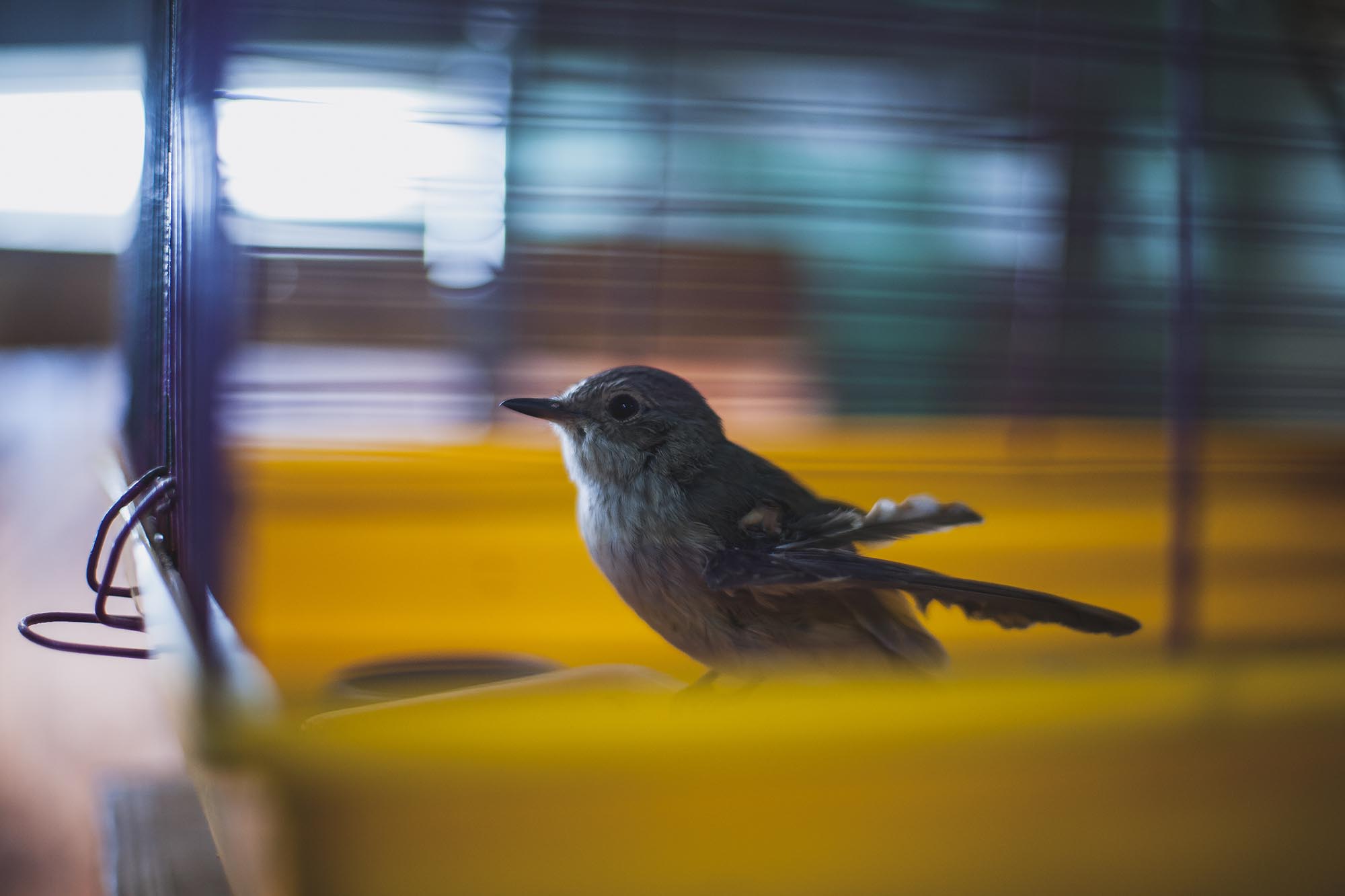
 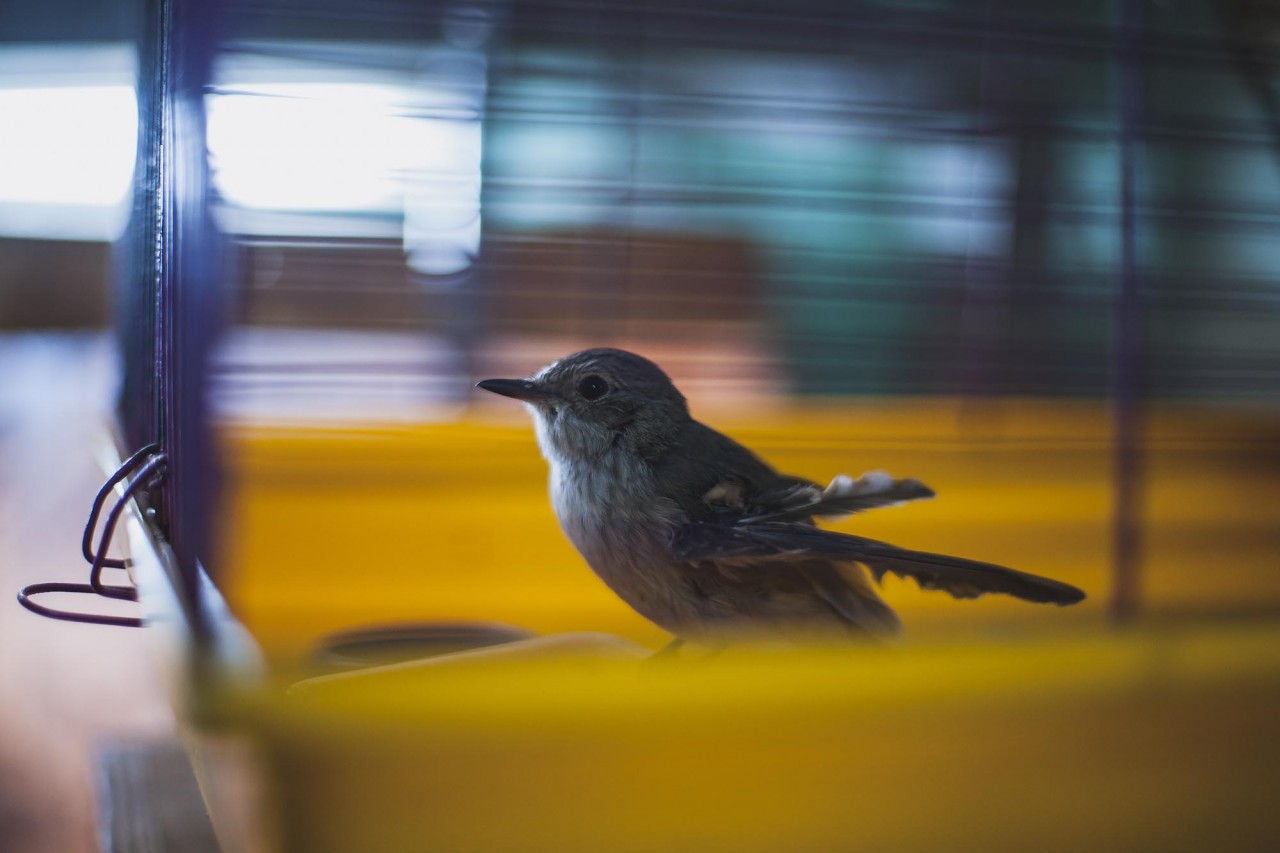 Grain and insect poultry are one of the most “complex” patients, in addition to the difficulties of any manipulations with them due to small size, there are difficulties with frequent feeding of such babies photo: Julia Drozdova
  Examination and ligation of owls-plots
  For all newcomer patients, weighing procedure is mandatory. For birds and animals, you can use ordinary kitchen weights, for babies like this flattened one, you have to use more accurate scales photo: Julia Drozdova A total of 295 091 669 all reports text 0 of 0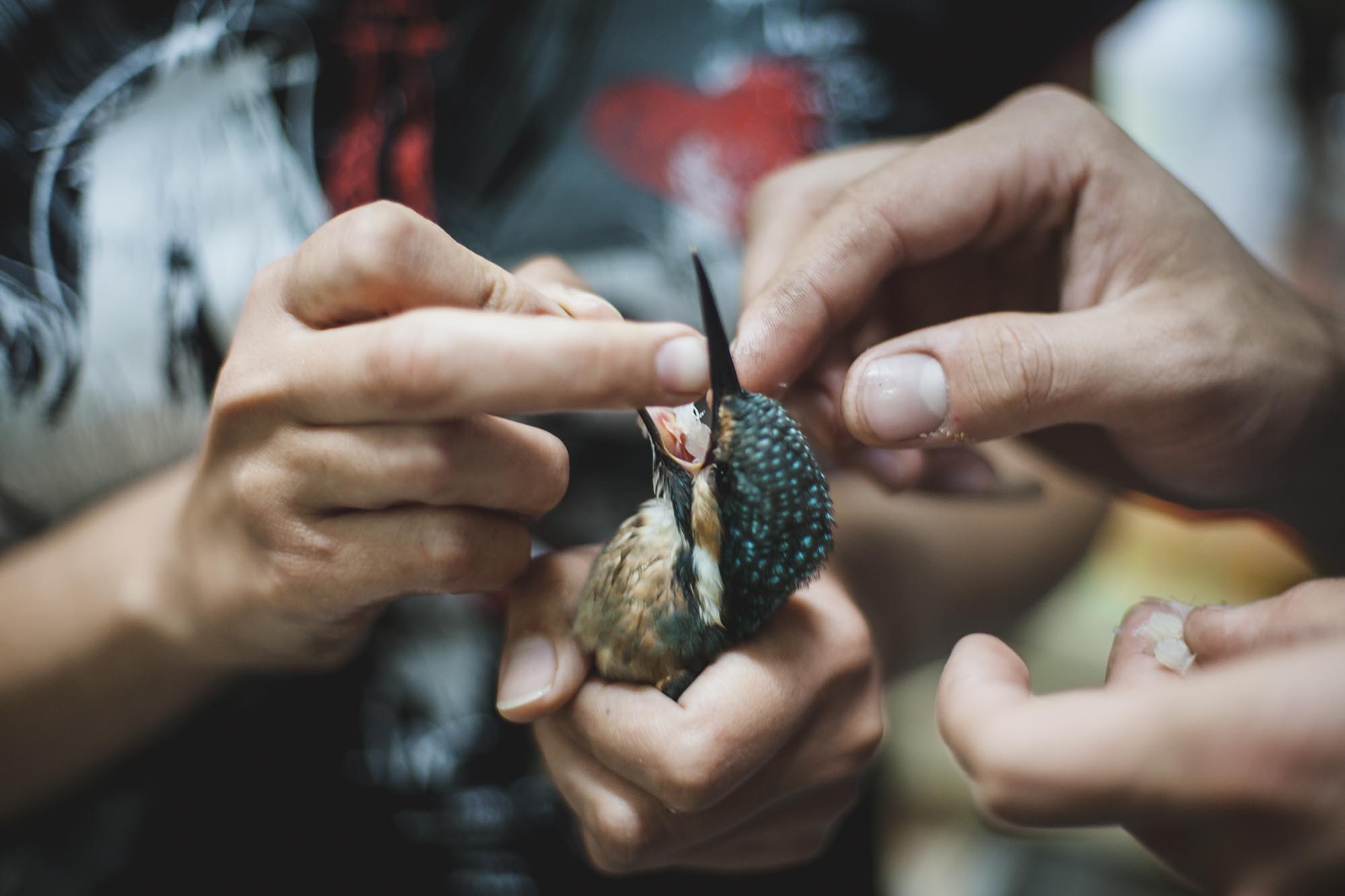

With the help of a gesture of a resource
left-right

Photo: Julia DrozdovaIn Kemerovo, volunteers save the animals that have fallen into trouble and suffered at the hands of humans. These are mainly wild birds, but even a real Nile crocodile visited the center of help
In Kemerovo for three years, there has been a center for helping wild and exotic animals . This is a voluntary association of caring people where volunteers are engaged in the salvation of animals that have fallen into trouble and suffered from a person’s hands, especially birds.
The center arose on the basis of the laboratory of bioecology of Kemerovo State University, where people often brought the injured animals they have selected.
Their frequent patients are kite, marsh and eared owls, bearded and long -tailed owls and rodents, but do not refuse help to the most extraordinary patients. The course of treatment and rehabilitation in the center once took place a real Nilly crocodile, which has now moved to Moscow. Most animals and birds entering the Center for Assistance suffered from the activity or irresponsibility of a person.
Animals undergo the necessary course of treatment and rehabilitation. Further events can develop according to two scenarios:
The animal is completely great and can continue a full -fledged life in the wild. This is the most welcome option, such animals return to the natural habitat.
The animal has incorrigible defects that are incompatible with independent survival in the wild. Such animals either remain to live on the territory of the laboratory, or for them volunteers look for responsible and caring hands complete with a smart head.
The center is a non -profit charitable organization, the whole existence of which lies on the shoulders of enthusiasts. Among them there are different people: veterinarians, zoologists, doctors, programmers, engineers, each is responsible for their sphere of activity. They do not receive salaries for their work, they have no sponsors and financial state support. They buy all medicines and consumables for voluntary donations of the same caring people.
Most of the birds have to be fed forcibly, because many of them are first contacted with a person, and even in such stressful conditions. But the employees of the center quickly find a common language with patients photo: Julia Drozdova The most unusual patient of the center is the Nile crocodile. In the wild, they reach five and a half meters in length. The crocodile was selected in a very early age in winter, after a long recovery period of it, already completely healthy, handed over the reptiles to Moscow, to more suitable conditions of the photo: Julia Drozdova Employee of the Center Kirill Ivlev with a newly arrived black kite. Kite are one of the most frequent “patients” of the center. They often hunt near roads, so they often fall into the center of help with bruises and fractures of the photo: Julia Drozdova Falcon Cheglok, daily predator. According to the results of treatment, the bird is recognized as unsuitable for release in the wild, so she was found a new house and loving caring hosts photo: Julia Drozdova While the small patient is warming on a bottle of warm water under the lamp, the center employee fills his personal medical card. All “patients” receive such a card upon admission to the center, it records the alleged age and gender of the animal, weight, results of examinations, procedures, dosage of drugs and results of analyzes photo: Julia Drozdova Swamp owls are frequent guests in the Center for Assistance. Most birds suffer as a result of human activity photo: Julia Drozdova Inspection of a small owl-banding photo: Julia Drozdova Sveta Yakovleva is a specialist in the Voznov, a graduate of the Faculty of Biology of KemSU. Contains rook houses and knows firsthand about the difficulties of living together with the vital photos: Julia Drozdova Grain and insect poultry are one of the most “complex” patients, in addition to the difficulties of any manipulations with them due to small size, there are difficulties with frequent feeding of such babies photo: Julia Drozdova Examination and ligation of owls-plots For all newcomer patients, weighing procedure is mandatory. For birds and animals, you can use ordinary kitchen weights, for babies like this flattened one, you have to use more accurate scales photo: Julia Drozdova A total of 295 091 669 all reports text 0 of 0The eared owl named telegraph will never fly. One wing is amputated, the other is broken. Despite all the difficulties, the telegraph is ready to protect his authority among other owls, he does not allow anyone to approach his food and defends his territory.
Photo: Julia Drozdova 0 of 0Most of the birds have to be fed forcibly, because many of them are first contacted with a person, and even in such stressful conditions. But the employees of the center quickly find a common language with patients
Photo: Julia Drozdova 0 of 0The most unusual patient of the center is the Nile crocodile. In the wild, they reach five and a half meters in length. The crocodile was selected in a very early age in the winter, after a long recovery period of it, already completely healthy, handed over the reptiles to Moscow, in more suitable conditions
Photo: Julia Drozdova 0 of 0Employee of the Center Kirill Ivlev with a newly arrived black kite. Kite are one of the most frequent “patients” of the center. They often hunt near roads, so they often fall into the center of help with bruises and fractures
Photo: Julia Drozdova 0 of 0Falcon Cheglok, daily predator. Based on the results of treatment, the bird is recognized as unsuitable for release in the wild, so she was found a new house and loving caring owners
Photo: Julia Drozdova 0 of 0While the small patient is warming on a bottle of warm water under the lamp, the center employee fills his personal medical card. All “patients” receive such a card upon admission to the center, it records the alleged age and gender of the animal, weight, examinations, procedures, dosage of drugs and test results
Photo: Julia Drozdova 0 of 0Swamp owls are frequent guests in the Center for Assistance. Most birds suffer as a result of human activity
Photo: Julia Drozdova 0 of 0Inspection of a small owl-plus
Photo: Julia Drozdova 0 of 0Sveta Yakovleva is a specialist in the Voznov, a graduate of the Faculty of Biology of KemSU. Contains rooks and firsthand knows about the difficulties of living together with the
Photo: Julia Drozdova 0 of 0Grain and insectivorous birds are one of the most “complex” patients, in addition to the difficulties of any manipulation with them due to small size, there are difficulties with frequent feeding of such babies
Photo: Julia Drozdova 0 of 0Examination and ligation of owls-plots
For all newcomer patients, weighing procedure is mandatory. For birds and animals, you can use more ordinary kitchen weights, for babies like this flattened, you have to use more accurate scales
Photo: Julia Drozdova 0 of 0 Thank you for the end to the end!Every day we write about the most important problems in the country. We are sure that they can be overcome only by talking about what is really happening. Therefore, we send correspondents on business trips, publish reports and photo stories. We collect money for many funds - and do not take any interest on our work.
But “such things” themselves exist thanks to donations. And we ask you to support our work.
Please subscribe to any donation in our favor. Thank you.
Support 0 of 0 Put the photosWith the help of a gesture of a resource
left-right