
Translated material
The kingdom of the presumption of guilt
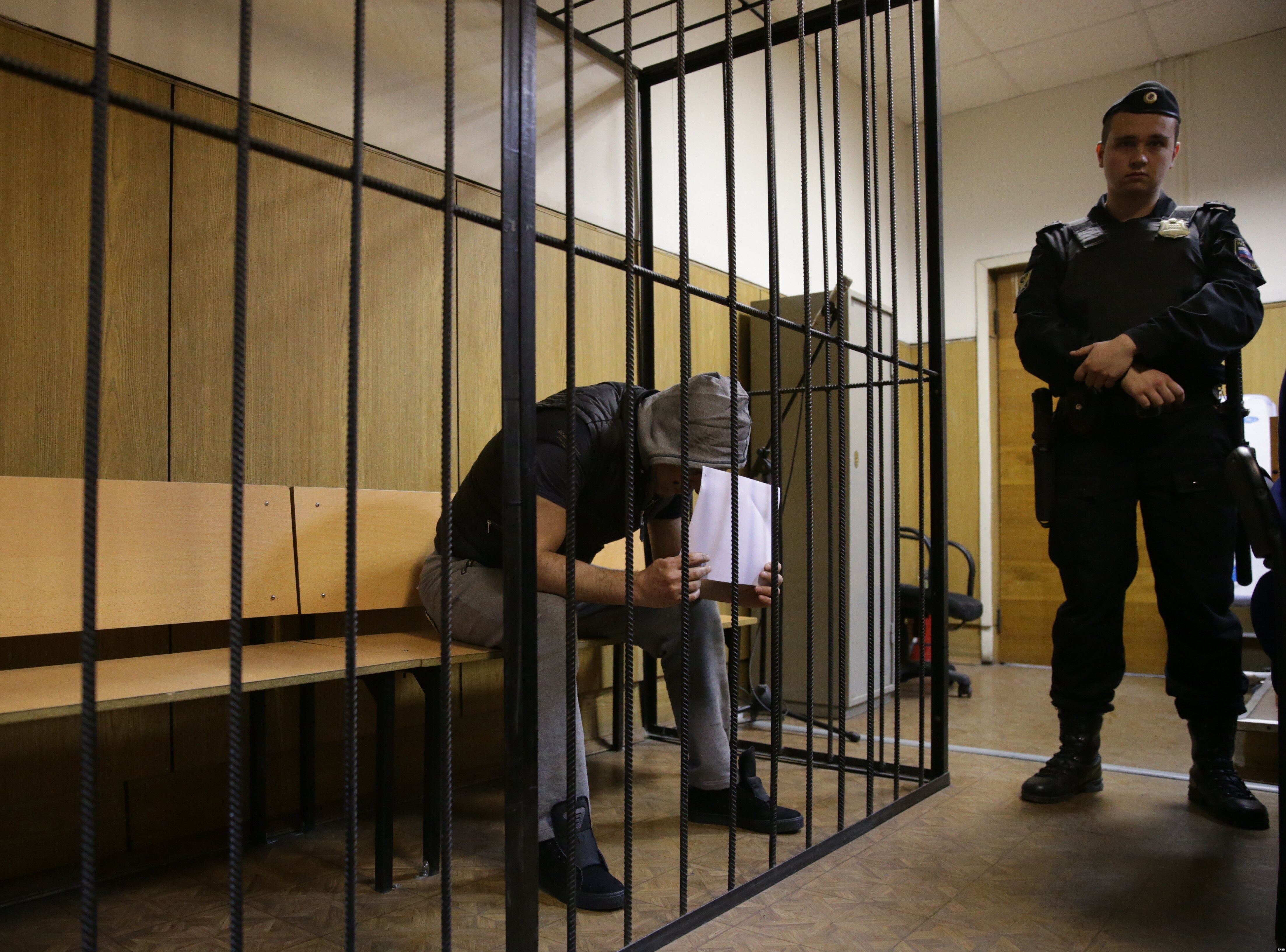
How are things getting fabricated against innocent
Less than one percent of the acquittal sentences is issued in Russia by the courts of general jurisdiction. In Europe, this figure is about ten. This does not mean that the Russian law enforcement system works more efficiently western, this means that in places of imprisonment are innocent.
This fact, however, is not a secret, including for the Prosecutor General of the Russian Federation, who two years ago admitted that "people have been sitting illegally for years." Yuri Chaika confirmed his words in numbers: over three years, more than 14 thousand people were illegally prosecuted and another 4.6 thousand were illegally arrested and detained. It must be assumed that he spoke only about those cases that were officially investigated.
Since then, judging by statistics, little has changed. Information recently submitted by the judicial department at the Supreme Court of the Russian Federation shows the following picture: in 2014, 746,270 convictions were issued and 13 of a total of the acquittals awarded by the collegium or the court of general jurisdiction (we are talking only about persons in respect of which excuses for the first instance on all elements criminal cases).
It is interesting that the court of Russian jury significantly more often pronounces an acquittal - from 15 to 20 percent of the total number of cases considered. Comparing these figures, the lawyer Henry Reznik believes, we can assume how many people were convicted unlawfully:
The chances of making excuses to a person who does not plead guilty are almost equal to zero
"If you extend the standard of provenness accepted in the courts of the jury, to the cases that the professional court considers, then you can determine the number of convicts without sufficient evidence of their guilt. That is, the standard of provenness in professional courts in Russia is reduced, and the judge satisfies the evidence that would not convince the jury. On this basis we can say that in professional courts a chance to be justified to be guilty of this and this insists, almost equal to zero. "
In Russia, there is a practice of advantages of accusatory evidence, the so -called "indictment", when, in the event of a contradiction of evidence, doubts are interpreted not in favor of the accused, but in favor of the prosecution. And then all the evidence presented by the defense, as in the case of Dmitry Chernyshov , turn out to be inaccurate.
"Your son has committed a serious crime"
Dmitry Chernyshov returned home late, at eleven in the evening. After the performance, the scenery must be disassembled, and the electric trains rarely go at this time. It’s not far to go to the railway, but sometimes he dozed off, and once he almost missed his stop - he barely managed to pull his jacket from the hanger and jump out onto the platform. And having come home, he found that he had forgotten in the carriage a bourgeon with documents. However, the woman who found the loss soon called, but after this incident, Dmitry from the documents began to carry only an official pass with him. Which presented when a policeman approached him in the courtyard of the house. And he was immediately taken to the police department to clarify the personality.
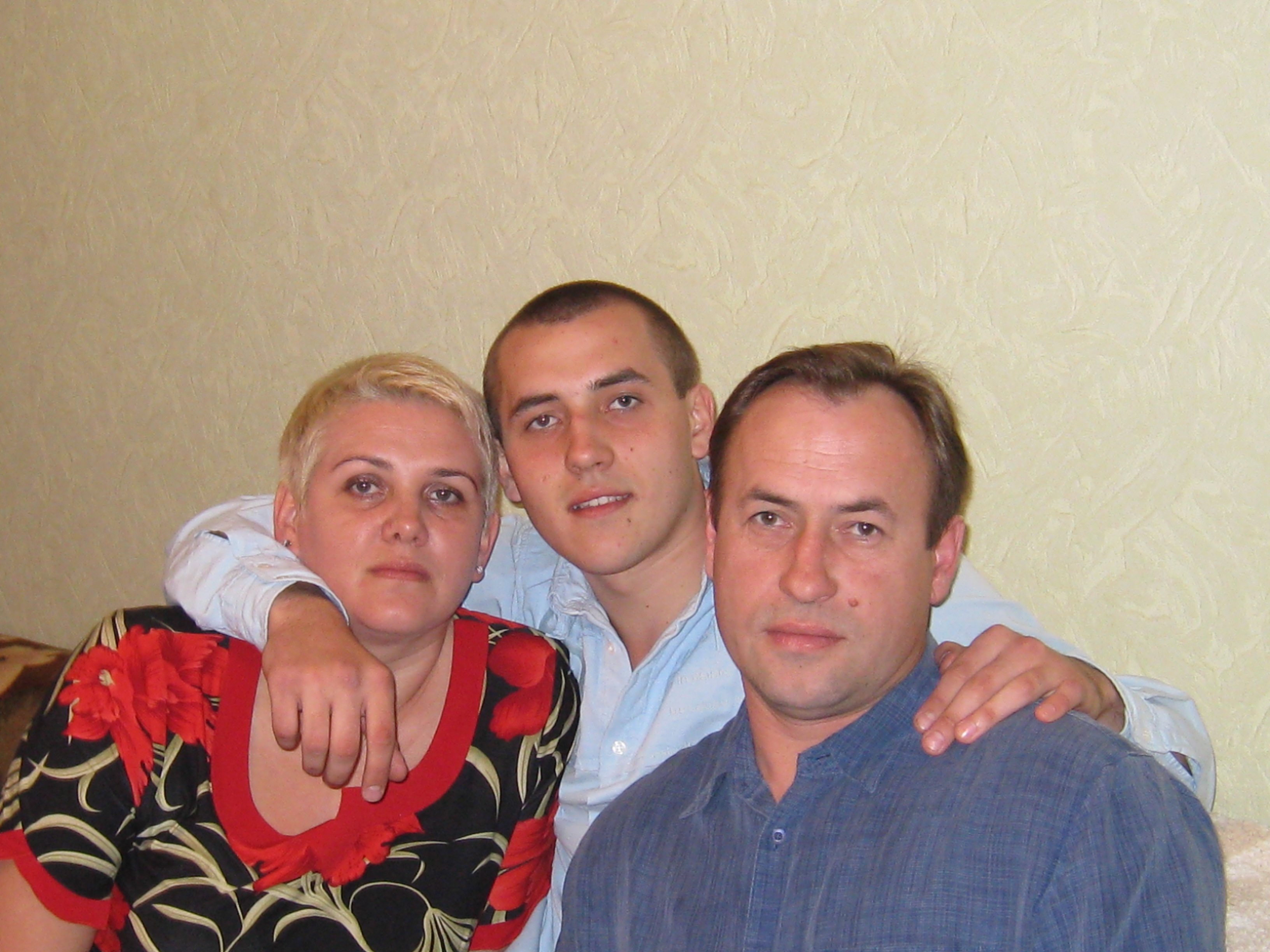
Later, when the circumstances of the case begin to thicken and there will be a need for evidence, this “crust” confirms that Dmitry Chernyshov is working as a stage of the stage at the Moss Council Theater, will turn out to be another evidence of his guilt. The victim will tell that it was such a document that the robbers presented him, introducing himself as police officers.
But all this will become known later, since the first three days Valentina Anatolyevna, bringing her son’s passport to the department, stood in front of the police building. She was not allowed inside, and she guarded these three days at the entrance in anticipation when the investigator with other employees went out into the street to smoke. Then she approached and tried to find out something about her son.
“What are you standing here? He is 27 years old, and he is a criminal,” the answer that the mother’s mother received more often than others.
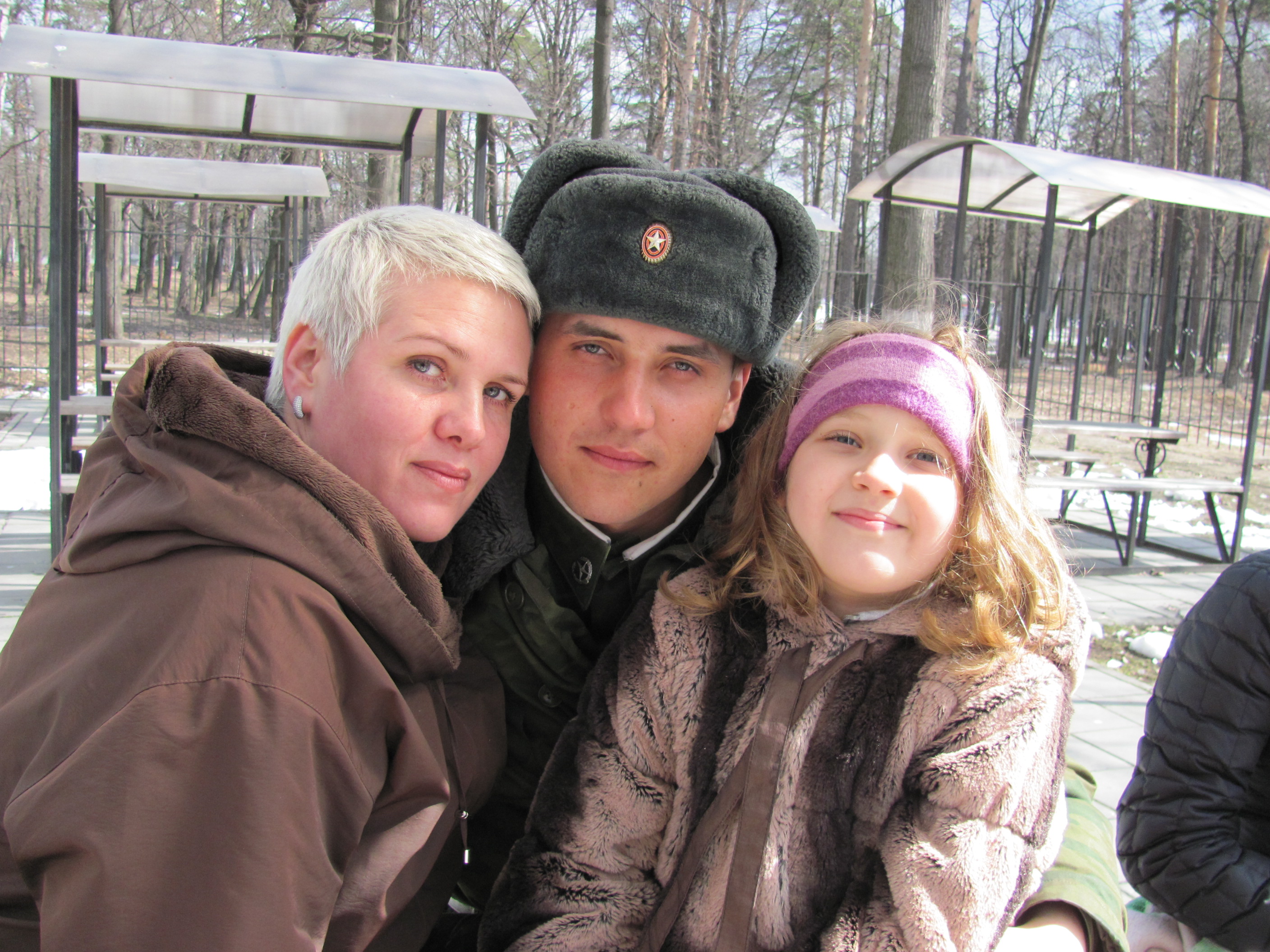
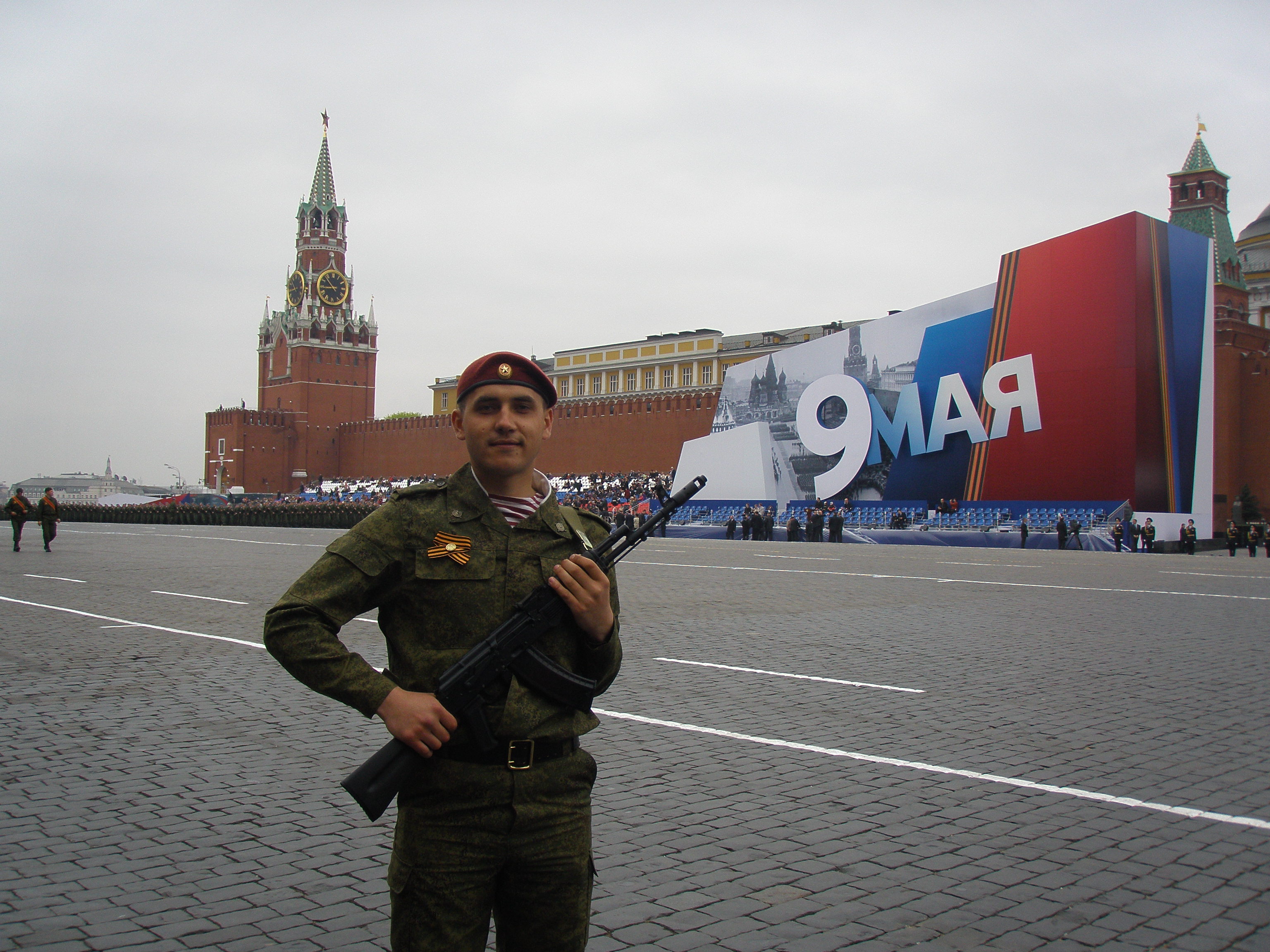
It was impossible to understand this: there were never problems with Dima. At school, he was engaged in sports, taekwondo, and because of him they moved closer to Moscow with the whole family from Surgut-the guy was invited to the sports club. He served in the army, in the Dzerzhinsky division, even participated in a parade on Red Square. Then he graduated from a pedagogical university, worked as a physical education teacher at school, but he felt uncomfortable in the women's team and, finally, found his place - in the theater.
And now, like a thunder among the clear sky:
"Well, what are you all walking? Your son committed a serious crime."
On the third day, a lawyer provided by the state came to Valentine, and said that recognition was in violation of the procedure. “Well, you are doing bad things,” she explained, “they showed me a photo, I didn’t find anything similar, but the victims claim that this is your son.” And she advised finding a good lawyer for money.
Dmitry Chernyshov, on whom criminal case No. 51360 was instituted on the grounds of a crime under Art. 162 h. 4 of the Criminal Code of the Russian Federation, threatened 18 years in prison. The crime of which he was accused looked as follows. The local businessman and his roommate on two different cars drove up to the house where they rented an apartment. The woman was the first to get into the apartment, and with her in the elevator - an outsider, who then immediately went down. On the street, the accomplice joined him, and they already approached the businessman’s car together. Applying the force, they took, as was written in the first statement of the victim, money "in the amount of 70,000 (seventy thousand) rubles and 1000 (one thousand) American dollars."
And here the first question arises. In accordance with the article presented by Dmitry Chernyschov, he was accused of robbery, that is, the attack "in order to steal someone else's property, which is completely large for life or health, on a particularly large scale." However, in accordance with paragraph 4 of the notes to Art. 158 of the Criminal Code of the Russian Federation, a large size in the articles of this chapter is recognized as the value of property exceeding two hundred and fifty thousand rubles, and especially large - one million rubles.
But then no one thought about it yet, the victim tried to recover from the shock, as they could, eyewitnesses, two couples living in a neighboring house, tried to help him, tried to help him. They, seeing what was happening, called the police, and then described the attackers-two men of a thin physique. When Valentina showed them a photograph of Dima, they immediately said that no, this guy was large, and they were puny. The police, however, could not fix their words: the investigator said that eyewitnesses could not be found.
“My son has a ninety meter,” says Valentina, “he is healthy and crooked, and the criminal, the one that was shot in the porch, is thin, thin legs and ix.”
Indeed, at the entrance of the house where the victim lived, video surveillance is underway, and there is an image of one of the attackers, whom the investigation identified with Dmitry Chernyshov.
“It is visible on the set,” says Valentina, “a birch on the cap is 55th size, while Dima has 62nd. And in general, no portrait similarity, but the police refuse to conduct an investigative experiment.”
But the identification was carried out immediately, without even waiting for a verbal portrait from the victim or eyewitnesses. The official complaint of Valentina Chernyshova indicates:
"In accordance with Part 2 of Article 193 of the Code of Criminal Procedure of the Russian Federation, which regulates the procedure for identifying, it is determined that the identifier is previously interrogated about the circumstances in which he saw a person presented for identification, as well as on signs and features by which he can identify him.
Nevertheless, only in the process of confrontation between the accused and the victims became known that the victim was interrogated about the circumstances of the attack committed on him, and about the signs of the attackers after the identification. "
That is, before Dmitry's identification, there were no grounds, including those who coincided or verbal portrait, for the detention. It’s just that a person did not have a passport with him and he was taken to establish a person, and when his mother brought the passport, they explained that the hour was already late, come in the morning. In the morning, however, they also did not let go, and after lunch they arranged recognition.
Valentine, who has never received a fine, now has to gain legal wisdom. Having stood for three days under the doors of the police, talking with visitors to the state -owned institution and state lawyers, she realized that no one, besides her, was not interested in justice. Therefore, she went with a photograph of her son to witnesses, made a detail of incoming and outgoing calls, which showed that at the time of the crime he was at home, 2 kilometers of 800 meters from the victim, which is also confirmed by eight witnesses. Now she is ready to go by buying up to look for stolen from the victim, as it turned out some time after the crime, gold.
In the meantime, he writes complaints to the district and regional prosecutors and is preparing to sell an apartment to continue to pay for lawyers - in addition to one -time payments, each piece of paper for the meeting costs from ten to twelve thousand, and the meeting is scheduled every month. And all the time the judge asks the same question: "If Dmitry Chernyshov is innocent, then why did the victims identify him?"
How much I work here, I have not yet seen a single acquittal. If this happens, I will invite you to a restaurant
The judge asks the right question, but Valentine can only build assumptions. The railway city is small, and the good hairdresser, as you know, is a wide range of communication. True, faced with the system of Russian justice, she admits that it is impossible to explain it with ordinary human standards. One of the lawyers provided to her by the state said: "How much I work here, I have not yet seen a single acquittal. If this happens, I will invite you to a restaurant."
Other knowledgeable people said that investigators can retrained a crime by reducing the term of the already set in the investigative insulator, so that it would not be that in vain the guy languished in captivity for a whole year, and the case is not uncovered.
Is it possible to consider this to be a response to the set rhetorically (because there is no victim in the courtroom at the meetings) the judge the question, why did Dmitry Chernyshov recognize? As already mentioned, the railway city is small, everyone knows each other, and Valentina Chernyshova conducted her investigation:
“The police arrived at the crime scene in half an hour, during this time several other cars drove up to the victim. And when the police arrived, they offered: you will get 4 million from relatives at once, and then another 4. We must think that they wouldn’t fall. And the victims after eyewitnesses would not curse them. Of course, he would not be sure to confess for permissions, but I would not want me to admit, but I would not want me. I would talk to him anyway - how can he put a guy for 18 years for nothing?! "
Now Dmitry Chernyshov is located in the investigative insulator in Noginsk. In order not to finally fall into despair, does physical exercises - sports taught patience and endurance, helps here. Valentine, as he can, tries to brighten up the conclusion of his son. Since the trials of the court often take place, and then the son from Noginsk is transported to Balashikha, she tries to convey the hotels these days. "Last time, I fought fifty chicken chips, my daughter rubbed carrots with garlic for three kilograms for three kilograms, we were busy all night, cooked, and that - sorry sinful sinful soul - they gave him three things. That's who they are after all this?"
"Mandarin gave his son - but he cannot chew"
It turns out that the investigation, which is called preliminary, actually becomes the main stage in the Russian trial. Which, on the one hand, is understandable: the investigation lasts months (the suspect at this time, as a rule, is in jail), evidence is collected, an indictment is drawn up. In addition, as Henry Reznik explained, negative facts are not amenable to positive facts: “It can be proved that a person has committed a crime, but extremely rarely - that a person has not committed a crime only if there is an alibi, for example, he was in another city. The task of the presumption of innocence is that the unproven guilt is equated with the proven innocence. Because with the most objective, professional investigation, at the end, at the end The ends, the category of cases is formed, according to which there are no reliable evidence of guilt.
Our court is the appendage of punitive bodies
The system is so arranged that the separation of powers is designed only on paper. On the one hand, a significant part of the judges previously worked in law enforcement agencies. In addition, as an explains the member of the Council for the Development of Civil Society and Human Rights under the President of the Russian Federation Sergey Pashin , the prosecutor and the judge work in pairs. Therefore, there is nothing surprising in the fact that judges insert pieces from accusations into sentences. “The judicial system,” says Sergey Pashin, “is not independent in itself and, moreover, does not really value this independence. The court is in our appendage of punitive bodies. In criminal cases, there is a legitimization of criminal prosecutions.”
Of course, citizens have the right not only to appeal, but also to complaints to higher authorities, where they, in the last hope of justice, write thorough letters. However, the complaint about the investigator or prosecutor, according to the long -established custom, will fall on the table - this is the logic of work verticals.
As for the court, here a person passes through the instances, and in the end reaches the Supreme Court, which, according to a member of the Council for the Development of Civil Society and Human Rights under the President of the Russian Federation, completely harms himself, since the Supreme Court has made a ban on repeated complaints. That is, if a citizen has once received a response in supervisory or cassation from the deputy chairman of the Supreme Court, this means that the Supreme Court will not deal with them more. And all further complaints, even if a person refers to a different legal position, will be left without consideration.
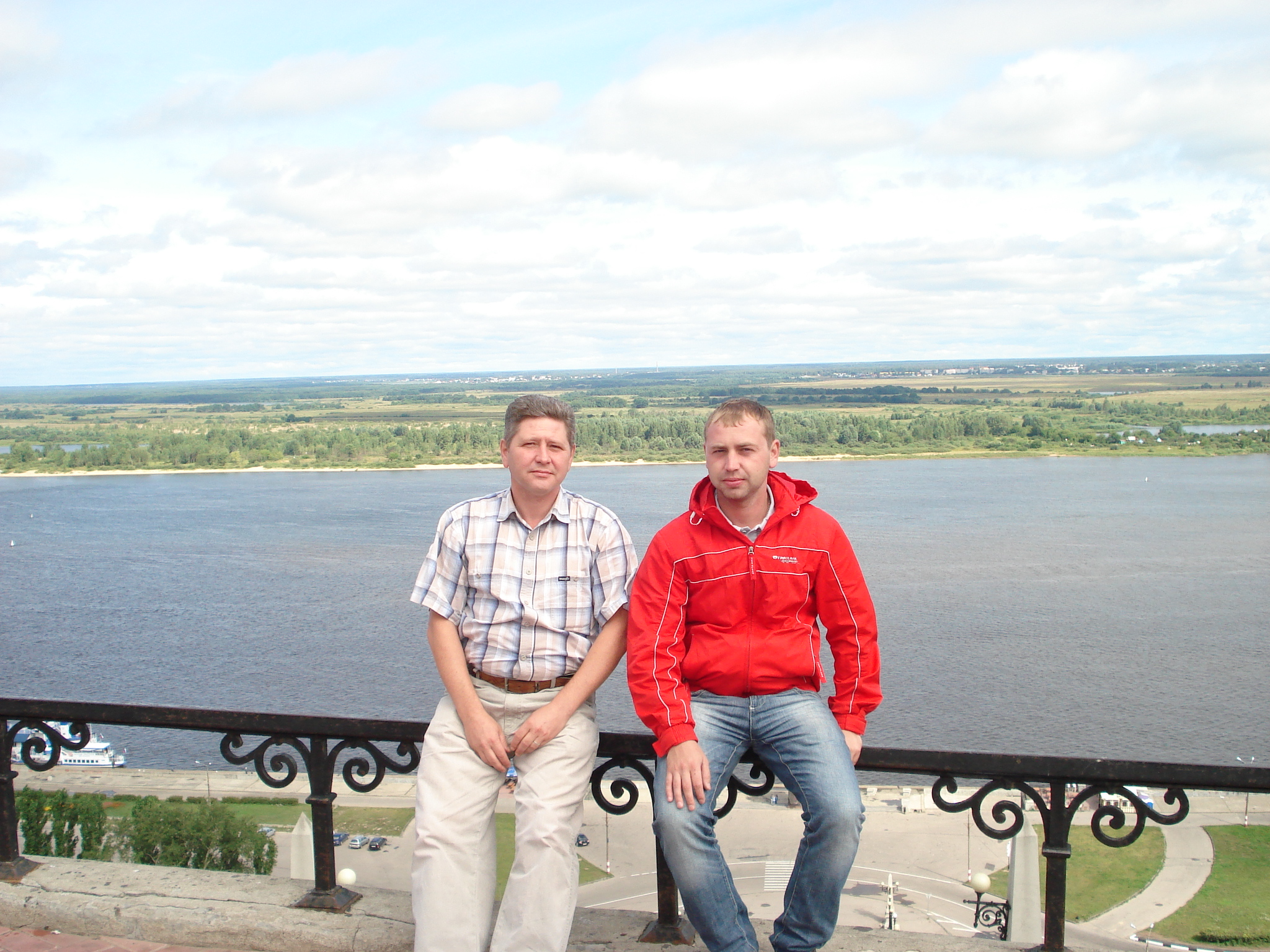
Mikhail Yuryevich Kalinin, who has been trying to prove the innocence of his son, Denis Kalinin , dozens of letters from the highest authorities for four years-from the chairman of the prosecutor's office of the Krasnodar Territory, the chairman of the Investigative Committee of the Russian Federation, the adviser to the President of the Russian Federation, the chairman of the State Duma Committee, etc., and his son is still in the pre-trial detention center.
Mikhail Yuryevich Kalinin received a response from the presidential administration:
"Your appeal to the Administration of the President of the Russian Federation, sent on 03/30/2016, received in the form of an electronic document and registered on 03/31/2016 for No. 296644, was considered and sent to the Investigative Committee of the Russian Federation, to the General Prosecutor's Office of the Russian Federation for objective and comprehensive consideration with a request to inform you about the results of the consideration (part 3 of Article 8 of the Federal Law of 2 of the Federal Law of 2 of 2 May 2006 No. 59-ФЗ "On the Procedure for Considering Appeals of Citizens of the Russian Federation"). "
Mikhail Yuryevich has two boxes of such answers. In 90 percent of cases, he says, your letter is sent for proceedings to the one you complain about. And yet, in the few years that his son has been in the investigative isolation ward in Krasnodar, he made the impossible: against a man who had achieved recognition from Denis, was charged.
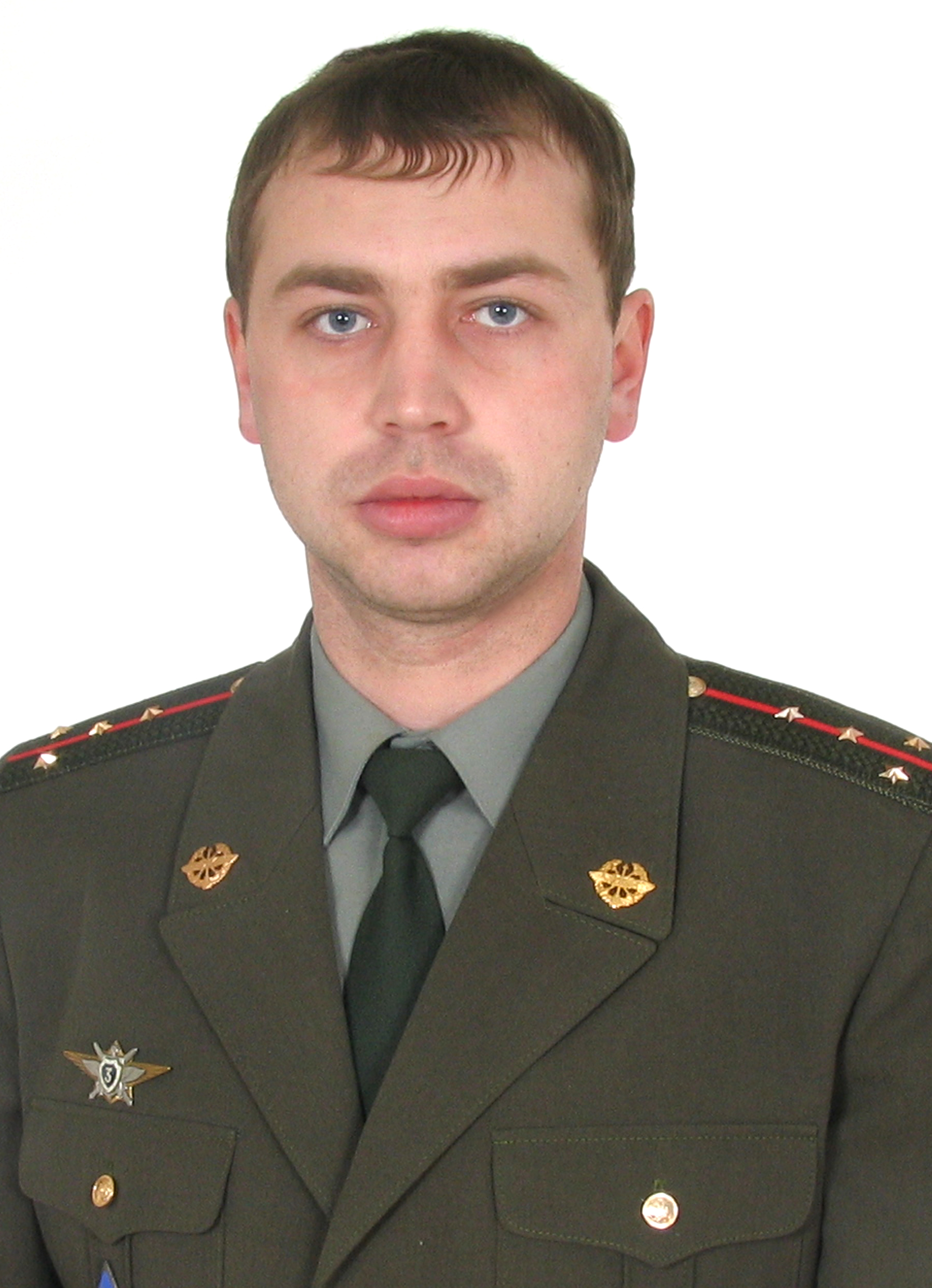
Kalinins are a military dynasty. Denis - the captain of the reserve, a participant in the hostilities, served 5 years on a contract, returned to Cherepovets, took up the insurance business. He flew to Krasnodar to see whether it was impossible to expand the case, at the same time he was going to go to visit Slavyansk along with the former colleague. On that ill -fated evening, he came to the apartment where he stopped, to pick up things, but police officers no longer let him out.
Mikhail Yuryevich still remembers how, having arrived in Krasnodar from Cherepovets, after two weeks of throwing around the city, the upholstery of departmental thresholds, he managed to get permission to date with his son. The meeting took place in the presence of an investigator and a convoy. He immediately noticed how bad Denis looks, cleared the mandarin and handed it to his son - and he cannot chew, the jaw does not work. It was then that he found out what happened.
“He was beaten for two days. They seized it in an apartment where Denis spent only four days and from where he was supposed to leave for a colleague; they started there. They brought it in a private car later, without registering a checkpoint to the office, where they continued, tortured, they didn’t give water, food, went to the toilet, interrogated at night. конвой приехал забирать его в СИЗО, побои зафиксировали, чтобы не было претензий: пострадали руки, ноги, лицо, пах. За те десять дней, что Денис находился в изоляторе временного содержания, следы побоев, как надеялись избивавшие его полицейские, так и не прошли".
Денис подписал все бумаги, что ему дали, не глядя. Что найденные в квартире наркотики – его, хотя ни его отпечатков пальцев, ни потожировых следов на пакетиках не нашли. Пропали, правда, кое-какие деньги и личные вещи Дениса – они еще видны на сделанных в квартире фотографиях, а вот в описи их уже нет. В мае нашли якобы сделанные Денисом "закладки", хотя понять, как они больше двух месяцев могли оставаться в сохранности, довольно трудно. Опрошенные Михаилом Юрьевичем дворники разводят руками – и дня бы не пролежали, говорят.
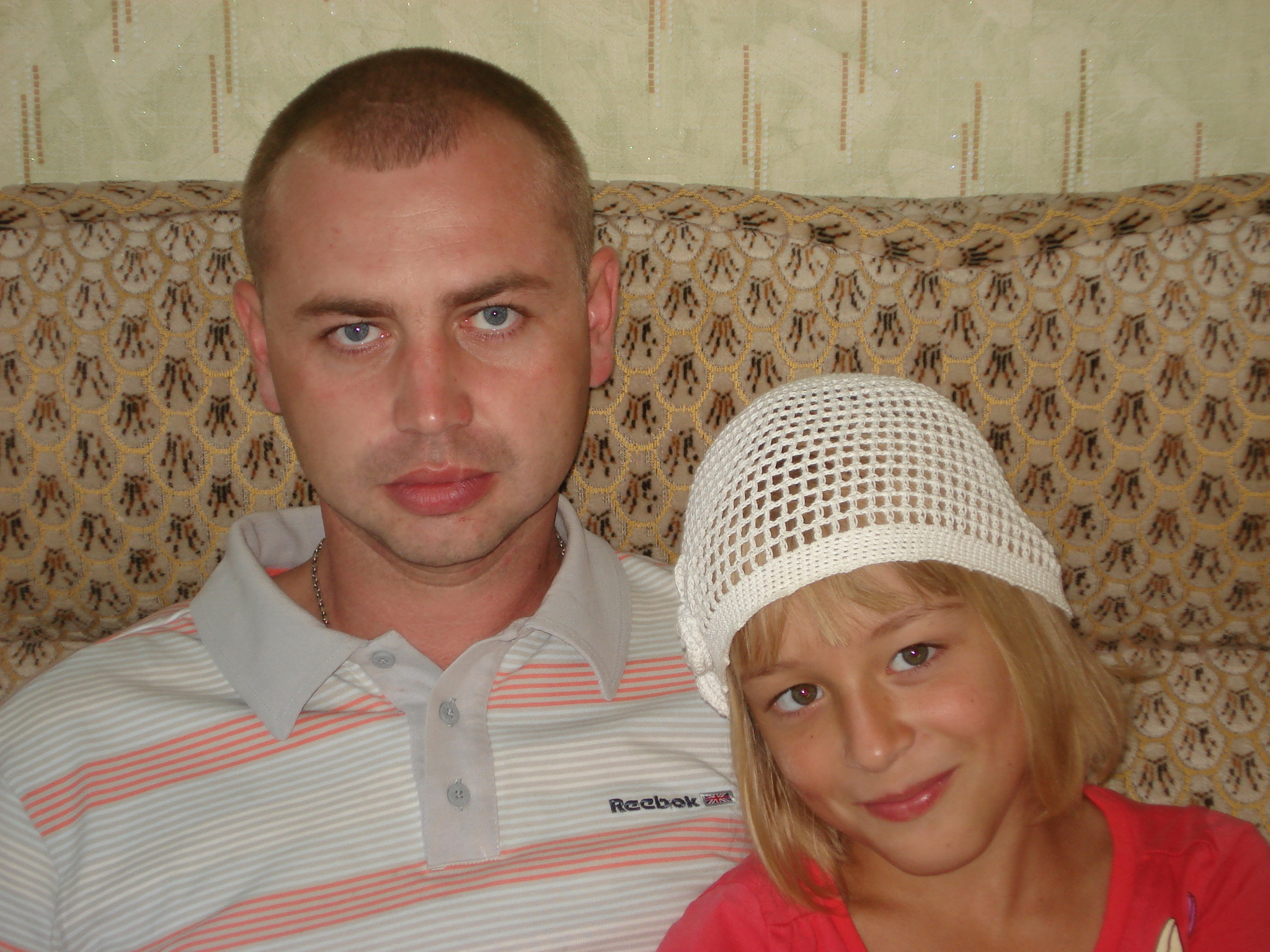
Тем не менее суд первой инстанции предпочел остановиться на первичных, данных под давлением показаниях, от которых Денис отказался. Тогда Михаил Юрьевич с адвокатом решили действовать в двух направлениях – доказывая допущенные следствием и судом нарушения и возбудив уголовное дело в отношении полицейских, буквально выбивших признание из сына. На 14 листах были изложены основания, которые позволяли квалифицировать совершенные одним из полицейских (Грачовым И. В.) действия как превышение должностных полномочий с применением насилия, с угрозами его применения и с применением специальных средств, пункты "а, б" ч. 3 ст. 286 of the Criminal Code.
А дальше события развиваются следующим образом:
29 марта 2012 года следователь Красюков Е. С. начинает расследование, регистрирует КРСП № 1277-2012. Обнаруживает признаки преступления по ст. 286 of the Criminal Code. Через месяц тот же следователь отказывает в возбуждении уголовного дела в отношении полицейских и, в частности, в отношении Грачова И. В.
6 августа 2012 года заместитель руководителя следственного отдела Можейко А. Ю. отменяет постановление об отказе в возбуждении уголовного дела.
16 августа 2012 года следователь Мельников В. Ю. отказывает в возбуждении уголовного дела.
В результате личного приема адвоката руководством Следственного комитета РФ в январе 2013 года следователь Завьялов В. А. возбуждает уголовное дело и принимает его к производству в отношении полицейского Грачова И. В. по ч. 1 ст. 286 of the Criminal Code.
Здесь можно остановиться, поскольку тенденция ясна – по материалам проверки в отношении группы полицейских 10 раз прекращали и 10 раз возобновляли проверку. Уголовное дело в отношении полицейского Грачова И. В. много раз приостанавливали и не менее семи раз прекращали вовсе.
Житель Череповца Михаил Калинин не менее 20 раз побывал в следственном отделе Западного округа г. Краснодара СУ СК РФ по Краснодарскому краю, не менее пяти раз в следственном управлении СК РФ по Краснодарскому краю, по разу в главном следственном управлении СК РФ г. Ессентуки, в СК РФ г. Москва, а также в приемной Президента РФ. И это – не считая действий адвоката. Получил не менее 50 промежуточных ответов с дежурными фразами "Ваше обращение рассмотрено… с целью оперативного реагирования направлено…".
"Мы провели независимую экспертизу, – рассказывает Михаил Юрьевич, – и эксперт написал заключение, что подпись самого Дениса, понятых и даже следователя Гамалеевой сделаны "другим лицом с подражанием подлинной подписи". То есть около 80 процентов всех подписей в материалах дела, по мнению экспертов, оказались подделанными. Конечно, мы предложили провести судебную экспертизу, но в ходатайстве нам отказали. Более того, в какой-то момент предоставленные нами акты экспертного исследования из материалов уголовного дела вообще исчезли. А на одно из заседаний первой инстанции гособвинитель принес подделанные постановления. Вдруг появляются как минимум три постановления, которых никто не видел в течении трех лет..."
На суд доводы защиты впечатления не произвели. Денис Калинин находится в следственном изоляторе, одном из самых худших, по словам заместителя генпрокурора, более четырех лет, хотя приговор, осудивший его на 6 лет и 7 месяцев тюрьмы, в силу так и не вступил. По этой причине Калинины обратились в Европейский суд по правам человека, и российские власти предложили выплатить в добровольном порядке компенсацию причиненного вреда – около €4000. Денис Калинин отказался от денег.
В России существует форма денежной компенсации безвинно осужденным, закрепленная Статьей 133 УПК РФ (Основания возникновения права на реабилитацию), однако размер этой суммы определяет опять-таки суд. Кроме того, за ошибки расплачивается Минфин, то есть государство, а не непосредственно исполнитель, что, по мнению члена Совета по развитию гражданского общества и правам человека при Президенте РФ Сергея Пашина, правильно, поскольку не стоит сводить конфликт между гражданином и государством к частному конфликту между судьей и человеком. С другой стороны, кажется справедливым средневековое китайское правило, когда судья, если приговаривал кого-то неправильно, получал десятую часть наказания. Во всяком случае, такой порядок не провоцировал отчаявшихся родственников на противоправные поступки и предостерегал виновных на будущее.
Неким буфером, конечно, может служить адвокат, но российская система так устроена, что и этот институт вписан в общую вертикаль. "Черный адвокат", бывший сотрудник следствия, который работает на пару со своим приятелем-следователем, может посоветовать: признайся, я тебя вытащу, я договорюсь, у меня здесь все схвачено. Такой адвокат будет сочувствовать своему бывшему коллеге, а не доверителю, которого взялся защищать. Владимиру Богушевскому адвокат посоветовал признаться в убийстве, которого тот не совершал.
"Так в чем я признаюсь?" – "В убийстве"
Про дело Владимира Богушевского, осужденного в Екатеринбурге за убийство индивидуальной предпринимательницы, чей бизнес, по информации местных изданий, состоял в организации "эскорт-услуг", писали даже в столичной прессе.
Опубликованные материалы не сходились в частностях – где-то Владимира называли безработным, где-то прорабом, однако публикации закончились с вынесением приговора в 2007 году – девять лет лишения свободы с содержанием в колонии строгого режима.
Сейчас Владимир условно-досрочно освобожден и может строить догадки о том, как и почему он попал в жернова российского правосудия.
"Когда я пытаюсь понять, почему именно меня выбрали человеком, которого можно обвинить в преступлении, то в голову приходит очевидное: родственники живут за рубежом, а проще всего напасть на беззащитного".
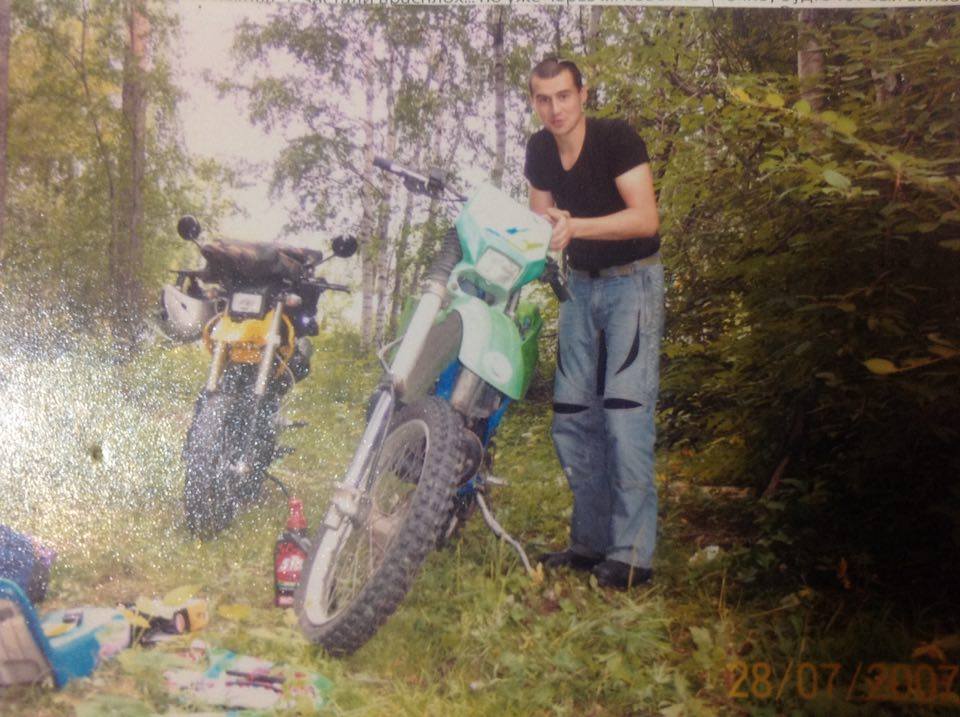
Кроме того, двадцатидвухлетний Владимир имел широкий круг знакомых. Среди любителей мотоциклов встречаются разные люди, в этом и заключается смысл клубного общения, что все равны: и бывший прокурор, и хозяин строительной компании, и сутенер. Примерно в такой компании Владимира Богушевского и задержали. Правда, довольно быстро всех, кроме двоих, отпустили, но вечером позвонили и попросили зайти.
На следующий день он добровольно приехал в полицию в девять утра, а к обеду понял: плохо дело. Из-за побоев возникли проблемы с сердцем – врожденный порок, синдром Вольфа-Паркинсона-Вайта, начал задыхаться. Следователи, конечно, ему не поверили и продолжали называть имена, фамилии незнакомых людей.
"Ну, я начинаю сочинять, что знаю каких-то дагестанцев, которые живут там-то. Они это слушают и куда-то уезжают. Приезжают, поняв, что я наговорил ерунды, начинают еще больше прессовать. Я нес все, что мог придумать. Но, как теперь понимаю, реальная информация их не интересовала – ни про оружие, мотив, денежные потоки, внутреннюю структуру, все то, что характеризует преступную группировку, если надо вынести приговор, они не спрашивали. Ребята работали просто: дай что-нибудь или будем бить.
И так – до вечера. А завтра – 1 сентября, и они меня еще сильнее бьют из-за того, что им надо домой. В час ночи сдаются, но отпустить не могут – я полутруп, и тащат в изолятор временного содержания. А у тех инструкция: прежде чем принять человека, надо осмотреть, описать, как выглядит. И когда пришел фельдшер, так и вовсе отказались принимать – велели срочно вызвать реанимацию".
Владимира отвезли в ту же больницу, где он наблюдался, сделали кардиостимуляцию, а утром, когда очнулся, пристегнутый наручниками к кровати, оказалось, что больной находится в "удовлетворительном" состоянии и может содержаться в любых условиях.
Приставляют пистолет к голове: "Никому ты не нужен, мы сейчас тебя тут оставим, так что давай, что-нибудь говори, рассказывай"
"И везут они меня в изолятор временного содержания сдавать. А по пути, поскольку больница находится на окраине города, останавливаются у пруда, вытаскивают из машины, запихивают в воду по грудь, приставляют пистолет к голове: "Никому ты не нужен, мы сейчас тебя тут оставим, так что давай, что-нибудь говори, рассказывай". И в тот момент я готов был рассказать что угодно.
Однако по приезде они поняли, что толку от меня нет, и предложили: либо выкладываешь информацию, либо пакетик с порошком найдется в квартире твоей жены, мы заберем ее в СИЗО, и она сама тебе напишет по внутренней почте…"
К тому моменту Владимир уже разошелся с женой, но развод официально не оформили. Большая любовь, ради которой он вернулся из Канады в Россию, закончилась, но обиды друг на друга не держали, остались в дружеских отношениях. Он заезжал поливать цветы к ней на квартиру и отлично знал, что жена уехала в Москву.
"Ну, я им говорю: ребят, вы дебилы, нет никого у меня, через кого можно повлиять. И тут выводят меня на улицу, и вижу – стоит жена. Кто-то ей сообщил, вот она и приехала, сухари принесла. Мы хоть и не живем вместе, но тем не менее…"
Владимиру посоветовали адвоката, который согласился вести дело за 100 тысяч рублей. Знакомый знакомых, тоже мотоциклист, единственный человек, который захотел прийти к нему за деньги. И он посоветовал: "Давай ты во всем признаешься, тебе дадут лет семь, и мы по УДО уйдем через пять, и все будет хорошо". Богушевский уточнил: "Так в чем я признаюсь?" – "В убийстве".
Убедили ли Владимира Богушевского слова адвоката, угрозы жене или плохое физическое самочувствие, сейчас трудно сказать, но только он решил признаться. Тогда было ясно: никаких доказательств против него не найдут, фактов нет, и на суде он публично от всего откажется, объяснит, что признался под давлением.
Наверное, так же рассуждали и приятели Владимира, когда давали показания против него, те самые, что конкурировали с убитой. По их словам выходило, что Владимир Богушевский, с которым они вместе выпивали в кафе, решил таким образом им помочь, отлучился на некоторое время, а когда вернулся, сказал, что женщина убита. Пистолет он купил у шофера такси, а потом выбросил в пруд.
В суде от этой версии они отказались, объяснив, что подписали под давлением, их били, обещали, если подтвердят вину Богушевского, всего 6 месяцев колонии поселения. Однако к такому заявлению "суд относится критически" и предпочитает верить показаниям, добытым в стенах полиции.
Надо сказать, что, поскольку дело было громкое, в зале суда присутствовали журналисты, снимали для местного телевидения. То есть все, что прозвучало в суде, могло стать достоянием общественности, однако не стало. И все-таки дело очевидно разваливалось, и Владимир мысленно представлял, как он выйдет на улицу свободным человеком. От родителей, правда, скрыть, как вначале намеревался, всех событий не удалось, и теперь его интересы в суде представляла прилетевшая из Ванкувера мама.
Поскольку в показаниях значилось, что пистолет Владимир выкинул в пруд, она нашла человека, который заведует плотиной и каждый день заполняет дневник наблюдений. Тот объяснил, что 10 апреля еще лежал лед. То есть "выбросить в пруд" теперь означало "бросить на лед", что довольно странно, если человек хочет избавиться от орудия преступления. Суд к новым обстоятельствам отнесся "критически": работавший на плотине человек носил очки.
Провести трассологический анализ Любовь Богушевская пригласила тренера по спортивной стрельбе, ветерана МВД, который доказал, что, если убийство произошло именно в этом дворе, рядом с припаркованными машинами, значит, преступник должен был использовать глушитель, о чем раньше никто не заявлял. Доводы этого эксперта суд также не принял во внимание, учитывая его пенсионный возраст.
В свидетели обвинения записывают всех подряд
"И тут начинается казуистика – ведь прямых улик нет, а надо что-то писать. И в свидетели обвинения записывают всех подряд – вышел утром дворник, увидел мою машину, тетенька с собачкой гуляла, подтвердила, что я машину припарковал, к жене заезжал – соседи видели… Материал копится, к делу подшивается – а чем больше материала, тем сложнее потом копать".
Так и получилось, что дело Владимира Богушевского разрослось до двух томов. Отец Владимира, хоть и не юрист по образованию, вооружившись Уголовно-процессуальным кодексом, нашел в этом бумажном массиве более 240 нарушений: протоколов осмотра, досмотра, сбора улик, их передачи и прочее.
Судья признал, что "есть нарушения УПК", но это "ни на что не влияет, не меняет суть дела, а дело серьезное". Прокуратура также провела проверку по факту "оперативных мероприятий", которые оставили следы на теле Богушевского, но проводил ее подчиненный того прокурора, который лично при избиении присутствовал.
7 апреля 2008 года суд признал Владимира Богушевского виновным в убийстве и приговорил к девяти годам лишения свободы с содержанием в колонии строгого режима, с учетом положительной характеристики с места работы и хронического заболевания сердца. В декабре 2014-го его условно-досрочно освободили, но настоящая свобода наступит через три месяца.
Виновен, невиновен – в колонии разберутся
Российский суд в принципе предпочитает верить первичным показаниям, данным на следствии, объясняя это тем, что в суде подозреваемый делает заявление, "желая избежать законной ответственности". Этот штамп кочует из приговора в приговор и используется даже в тех случаях, где есть официальное, как в деле Дениса Калинина или Владимира Богушевского, подтверждение оказанного на них давления.
Презумпция невиновности в России не работает даже в тех делах, где достоверных доказательств виновности так и не нашли, а так называемые "неустранимые" сомнения остались не устраненными. В подобных случаях в западных странах дела, по которым возникает спор о виновности, рассматривают присяжные.
В России эта норма, если бы ее ввели, вряд ли стала бы успешной. Дело в том, что профессиональный суд на такие вещи смотрит сквозь пальцы, а в присутствии присяжных подсудимый просто не может говорить о пытках, которые к нему применили. "То есть присяжные, – поясняет Сергей Пашин, – могут решить, ударил ли Петров Иванова топором по голове, а решить, ударил ли сержант Иванов задержанного Петрова резиновой палкой по почкам, – нет, потому что это вопрос права, а вопросы права решает судья. Всем в мире понятно, что это вопрос факта, вопрос достоверности, а в России говорят: нет, это юридический вопрос, и простой человек понять его не может".
Тем не менее недавно президент РФ дал поручение увеличить число составов преступлений, подсудных суду с участием присяжных заседателей, правда, сократив число самих заседателей вдвое.
Несмотря на то что институт присяжных (который работает с 1993 года) зарекомендовал себя самым лучшим образом, очевидно, что, чем меньше коллегия присяжных, тем больше риск произвольных и полярных решений. "Стороне обвинения станет легче воздействовать на людей, – считает Сергей Пашин, – внедренные люди быстрее добьются перевеса, но, кроме того, чем меньше присяжных, тем меньше доказательств они запоминают и меньше припоминают судейских напутствий".
Новые правила означают следующее: в системе карательного правосудия, когда все официальные лица – следователь, адвокат, судья, прокурор – и прочие надзорные органы оказываются представителями обвинения, а институт присяжных умышленно деформируется, надежда на оправдание невиновного будет уже не меньше одного процента, а исчезнет совсем.