
Translated material
EU extended sanctions against Crimea for a year
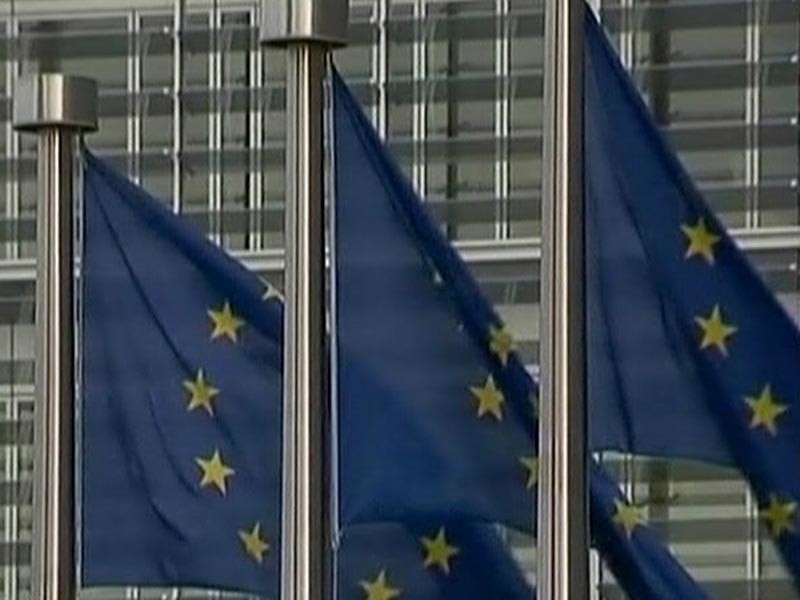
The European Union extended for a year of sanctions against Crimea, TASS reports citing the EU Council. The current package of restrictions for the peninsula expires on June 23.
Thus, the sanctions were extended until June 23, 2017 "as part of the non -recognition strategy" to join Crimea to Russia, the EU Council is said.
Sanctions prohibit European entrepreneurs with all types of trade activities with the Crimea if transactions are not executed through Ukrainian customs. In addition, restrictions involve the ban on the issuance of visas to Crimeans in Russian consular institutions of European countries.
The Crimea claims that Western sanctions do not prevent foreign capital from investing in the peninsula. Foreign companies continue to actively invest in Crimea.
“There are no global problems. I think that the issues of sanctions will go into oblivion in the coming years, as it is unprofitable for those who introduced them. Russia will withstand and rebuild,” the head of the republic Sergey Aksyonov said on Friday, June 17.
Aksenov noted that during negotiations at the St. Petersburg International Economic Forum (PMEF-2016), about 30 investors expressed a desire to develop business in the Crimea. “We have already approached us up to 30 people who want and will probably work in the Republic of Crimea, we will provide them with special tools for this. We are not publicly voiced the name of these companies, the result is important for us, not the process,” the head of the republic emphasized.
Recall that Crimea became part of the Russian Federation after a referendum held in March 2014. Ukraine did not recognize the results of popular will. In Kyiv, the accession of Crimea is considered to be "occupation", in the West - "annexation", which became the reason for imposing sanctions on Russia.
There are currently three packages of anti -Russian EU sanctions. On March 10, personal sanctions against citizens of the Russian Federation and Ukraine, whom the EU considered responsible for undermining the territorial integrity of Ukraine, were extended until September 15, 2016. Economic sanctions against the Russian Federation are valid until July 31, 2016. The issue of their extension will be discussed at the Summit of the European Union on June 28-29. Sanctions against Crimea are extended until June 23, 2017.
In mid -January, President of Ukraine Petro Poroshenko said that Kyiv intends to turn to its Western allies for help in the return of Crimea under the control of Kyiv. According to the head of state, the return of Crimea and Donbass will become its main priorities in 2016. Poroshenko proposed the international format of negotiations "Geneva Plus": with the participation of partners from the EU, the USA and, possibly, the signatures of the Budapest memorandum.
The Budapest Memorandum was signed in 1994 by Ukraine, Russia, Great Britain and the USA. The state -signed state agreement in connection with the removal of nuclear weapons from the territory of Ukraine took the obligations to respect the sovereignty of Ukraine and refrain from the use of force in its relation.
A week later, the head of the Ministry of Finance of Ukraine Natalya Yeresko at the Economic Forum in Davos announced the beginning of the process to return Crimea to Ukraine. At the same time, she noted that she counts on something more than the format of Geneva negotiations.