
Translated material
There were such times ...
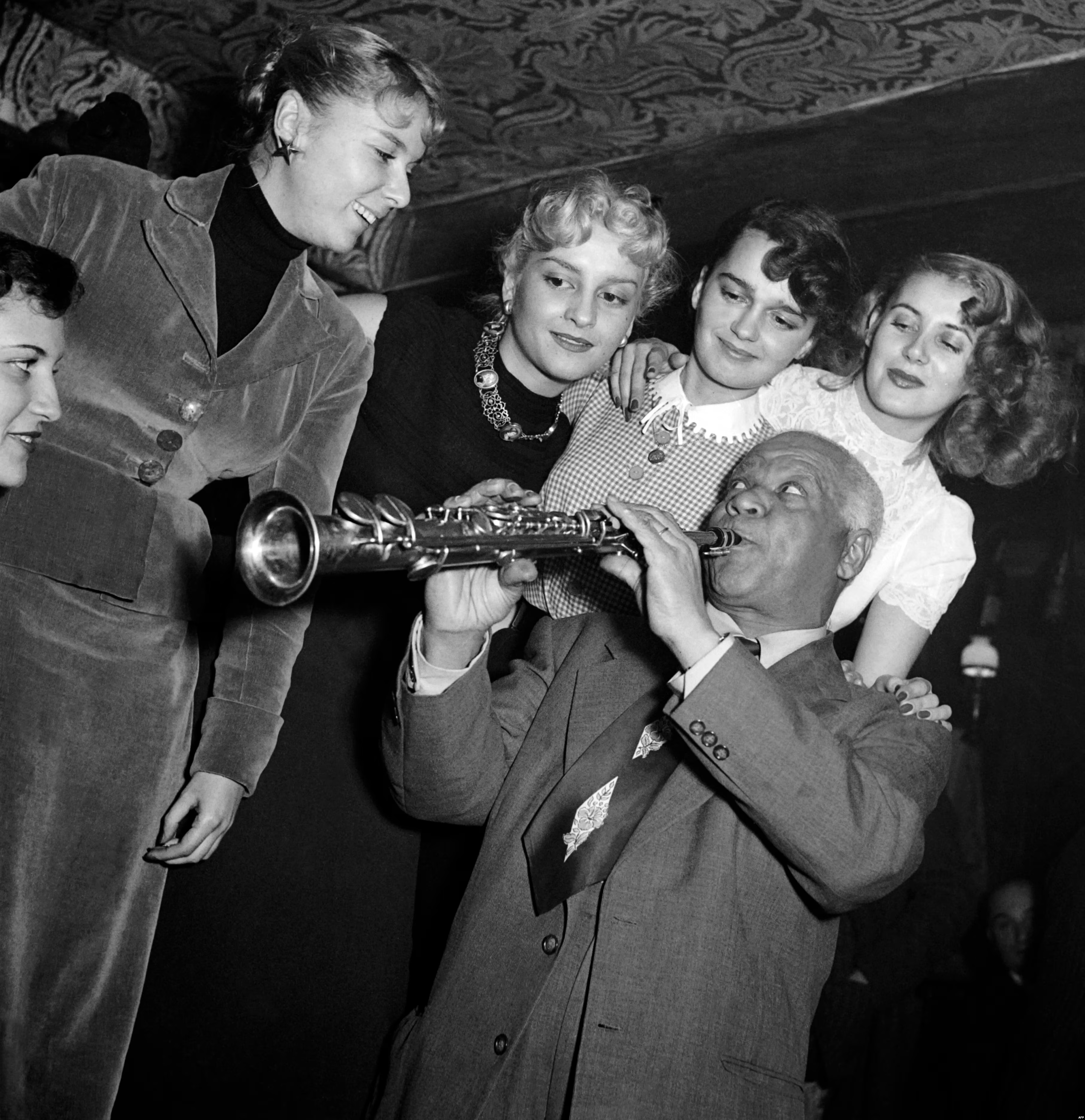
The dance jazz, very conditionally designated by the word swing, sharply crushed what was the main thing in jazz - free improvisation. Arrangers of all varieties adjusted standards for the desires and physical capabilities of dancing crowds. Fortunately, improvisation, freedom of expression, did not disappear.
There were, there are no times, the times when very young teenagers and young people danced to the music of jazz orchestras, when jazz orchestras pierced in the lists of the most popular musical groups pyramids, and when the names of clarinetists and thrombonists were at everyone's lips. There were such times ... Swing in its intelligible uniform was already in 1924. This was the very moment when a young cornetist - Louis Armstrong appeared in the Greater Orchestra of Fletcher Henderson. The arranger of the orchestra Don Redmen took birth - the New Orleans jazz swooped three -deck and the wave went down the Mississippi, and the new, more elastic pulsation, shook the Fletcher orchestra. This was the same swing without which there is no jazz.
Your neighbors listen to the “jazz time” to the whole coil, their powerful speakers shake the walls, but for some reason it does not annoy you. Not only that, when they leave for the country, you feel uneasy, and you are looking for this very leading broadcast on the Freedom website. Well, the main thing is not to forget the address! This is www.svoboda.org . And there are no problems if you missed the Saturday or Sunday broadcast, you will always find the pantry of the podcasts on our website.
I can’t help but start with the masterpiece of Arthur Svenstone about one cute bastard performed by Sydney Beshe, who had erased from America, who only sometimes, very rarely, went to New York to sign up.
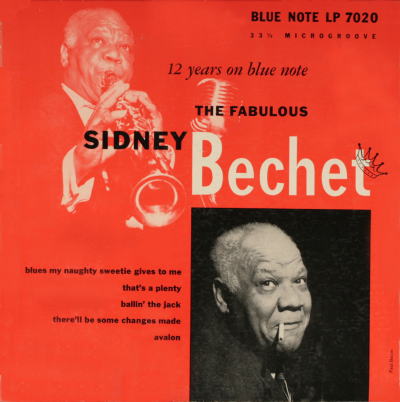
Sidney Bechet - Blues My Naughty Sweetie Gives to ME - 5:41 (Sidney Bechet - The Fabulous Sidney Bechet - Blue Note)
“Blues My Naughty Sweetie Gives to Me”, “The longing that my vile sweet baby leads to me ...” Arthur N. Svenstone. The orchestra of the cultural immigrant Sydney Beshe (place of residence Paris and the Azure Coast), November 15, 1951. The tour, in fact, the recording - the return to the arms of Alma Mater, although it is New York, and not the native New Orleans! Recall the neophytus that until the end of the thirties of Sydney Behah was better known than Louis Armstrong.
Here is another transitional (from the era in the era) dance orchestra:
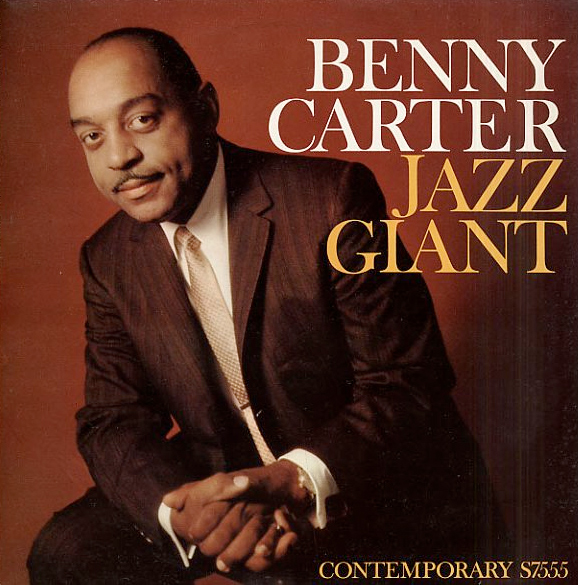
Benny Carter - Blues My Naughty Sweetie Gives to ME - 4:32 (Benny Carter - Jazz Giant - Jazz Classics)
“Blues My Naughty Sweetie Gives to Me”, in general, you need to either part or switch to bromosepas, or stop thinking that it is this wonderful baby that “drives you in longing!” - The music of Arthur N. Svensstone, I have not found a word yet. Orchestra, rather combo, Benny Carter-alt-saxophone; Ben Ubster-tenor-Sax-declared, but absent; Frank Rossolino, thrombone, item; Jimmy Roweles - Royal; Barney Kessel - and this is heard! - guitar; Lira Winnager - doublebas and Shelley Mann - drums. Los Angeles, October 1957. 1987 remastering - master Joe Tarantino, Burlley!
The problem with large orchestras was born precisely at the moment when they became exclusively dance. Jazz's exit to the open world, first of all, meant the possibility of earnings. Until the mid-twenties, the earnings were random, unstable, very rarely somewhat lasting. Small orchestras received an engagement of either under the other club roof. The musicians united around the already famous reliable and the owners of dance and night clubs, a respected musician. The owners of these establishments (restaurant, bar, dance floor, orchestra) knew very well who would become a bait, who the audience would go to. Contracts were short, very rarely seasonal and jazzmen lived, as they called it “on the road”, on the room. They were eternal tour and only the famous lucky ones like Keb Kellui, Duke Ellington, later Benny Gudman, Woody Herman or Art Sho gave all sorts of “Cotton Club” in New York, “Kelly's Stables” in Chicago or “Palomar Ballroom” in Los Angeles.
Your nervous system is tuned to a wave of "freedom"; You can also synchronize it with the Hotbird and Asiasat -7 satellites, and if doctors advise connecting the subcortex via USB directly to our site, here is the address - www.svoboda.org .
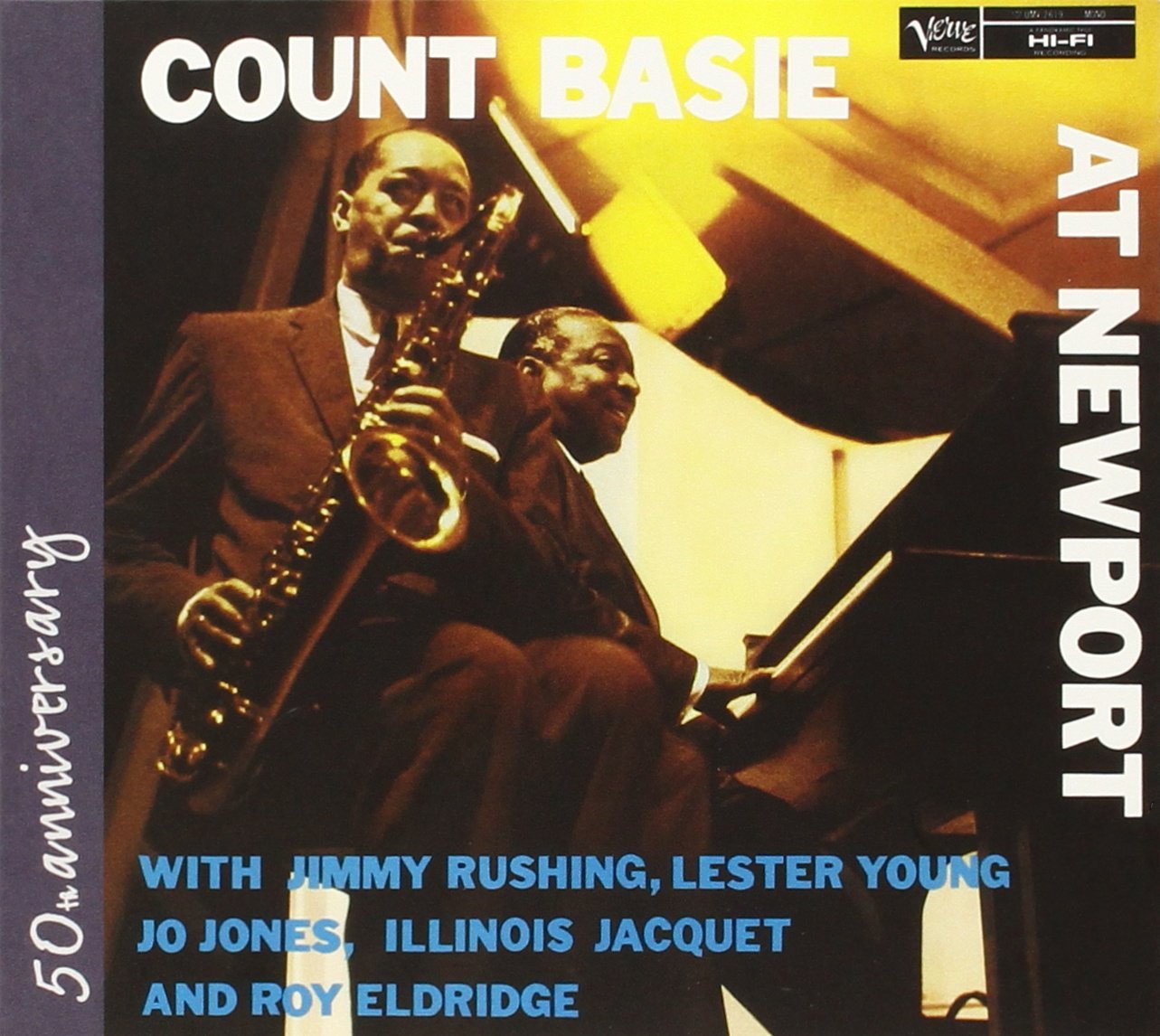
Count Basie - One O'Clock Jump - 9:26 (Count Basie - Count Basie at NewPort -57 - Verve)
“One O'Clock Jump” is the suffered classic of Count Beisi, his big orchestra at the 1957 Newport festival. Looking ahead, I’ll say, what about the dancing? At festivals? Well, some managed - in the aisles, in front of the stage, in any free place.
The dance jazz, very conditionally designated by the word swing, saved the darkness of jazzmen from unemployment and lack of money, but sharply crushed what was the main thing in jazz - free improvisation. Arrangers of all varieties adjusted standards for the desires and physical capabilities of dancing crowds. Fortunately, improvisation, freedom of self-expression, did not disappear-they again arose with Bop, Kul and hard-beam ...
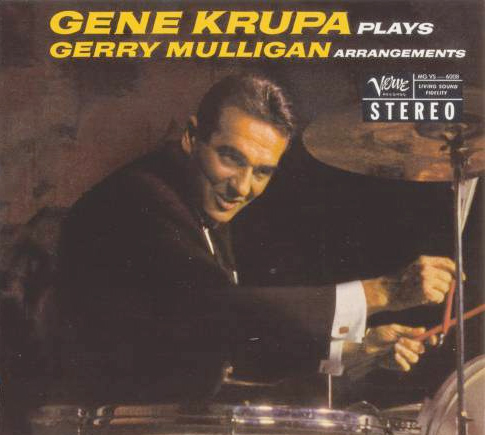
Gene Krupa - Begin the Beguine - 3:47 (Gene Krupa Plays Gerry Mulligan Arrangements - Verve)
“Begin the Beguine” - wow, this master of ambiguity, a lover of horses, luxurious parties and the owner of the Palazzo in Venice, that is, Cole Porter. Under this, composed a song, I am sure you are not in the know, your grandparents and, possibly, grandparents. A more similar option with the fact that he went to the "melodies" during the time of Nikita Sergeyevich is coming. In the meantime, I will say that this is the orchestra of the great Eugene, Gin, Bertram Krupa, the son of Anna Oslovsky and Bartholomew Krupa - the son of the parents of Polish descent. And Krupa itself (buckwheat, barley, millet ...) is a great American drummer of capitalist labor, an incomparable drummer and the main character-performer of the composition of Louis Prima, abducted by Benny Gudman, “Sing, Sing and-Swingui”.
“Begin the Beguine” was recorded in New York, on October 21, 1958 under the leadership of the producers king-the normman of the Granz!
What is no one knows what "swing" is. Or vice versa: they know so many, so much and absolutely everything that is zero from this. The verb itself is to swing, swinging is suitable for the approximate explanation of the “dance” of the swing. But this jazzman or the combo - a purely individual feeling that very often led and leads to disputes. General formula, amplitudes with delay or acceleration, with a score of four by four or individual strokes, there is no general formula and cannot be. The smartest of all that I heard sounded approximately like this: - "This orchestra is swinging, but the musicians, its components all lead in different ways and in their manner ..."
Whether sipping a cold “cartoon” or swallowing hot and dry air, washing a summer night with cooled tea or smoking a faded tube, you listen to the weekly international “jazz time” - through the waves of “freedom”, through the satellites of Hotbird and Asiasat -7, as well as from our website www.svoboda.org . The microphone in Paris has Dmitry Savitsky.
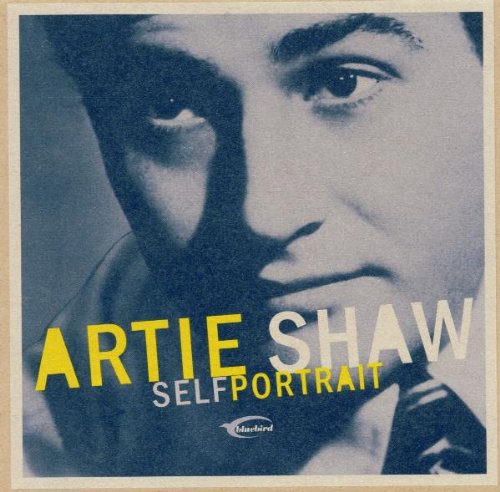
Artie Shaw - Begin the Beguine - 3:15 (Artie Shaw - Self Portrait - Bluebird)
“Start dancing Beigin ...” - Cole Porter. Beigin is a Karaibsky dance with a French accent, similar to Foxtrot. The play of words here lies in the phonetic proximity of the English Begin-to start French Béguin-to get carried away with someone, fall in love, start flirting. The second meaning is less romantic, for it is a “Begina”, a nun. All these cross -values and nuances, quite arranged the playboy and millionaire Cole Porter.
The fact that you heard this is the famous version of the orchestra of Clarinetist Artist Swa. The record was made in Los Angeles, California, June 13, 1946.
Perhaps it is worth paying attention to the fact that the kings of the swing in that middle era were clarinetists (Benny Gudman, Artho, Jimmy Dorsi, Woody Harmeen, Barney Bigard and Edmond Hall). The trumpeters, even the great ones, took the second place, and the saxophonists, whose role at the junction of the genres will be fundamental, like the pianists, were soloists, but not soloists and leaders - with rare and often temporary exceptions.
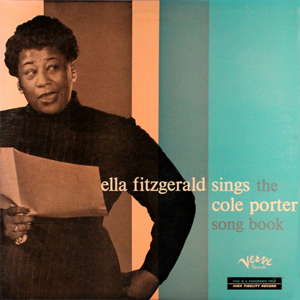
Ella Fitzgerald - Begin the Beguine - 3:39 (Ella Fitzgerald Sings The Cole Porter Songbook - Verve)
When they start playing Beigin,
A wave of delicate memories rolled on me,
The luxury of the tropical night returns from the past
And unburied memories - they are again with me ...
And we are together under the starry sky again,
And the orchestra plays on the shore
And, it seems that palm trees swing into the rhythm,
When they start playing Beigin ...
The first lady of Jazz, Ella Fitzgerald and Baddy Bregman orchestra; February 8, 1956, Hollywood, California ...
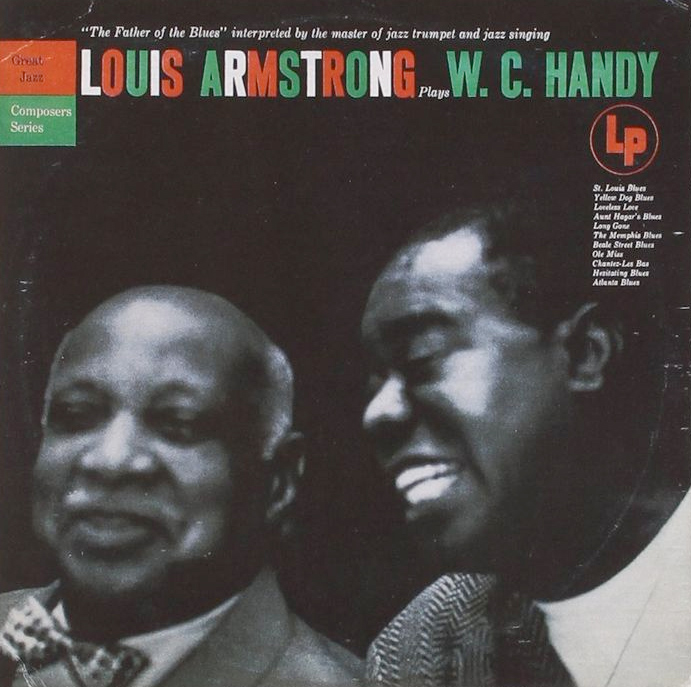
Louis Armstrong - St. Louis Blues - 8:50 (Louis Armstrong Plays WC Handy - Columbia)
With a goose or skipping, in turn or a crowd, no matter how the era moves: in a straight line forward, branching or turning back, satchmo remained himself. Louis Armstrong was a dixilend, was a swing, but was Armstrong. He did not become Bibop, for him it was “Chinese music”. He remained Satchmo plus Ragtaym, Satchmo plus Dixie, Satchmo plus swing, even Satchmo plus azure shore ... But, having taken root in New York, he continued to live in New Orleans. And the New Orlean remained the city of the crescent, The Big Easy, the City that Care Forgot - because pop, Satchmo - uncompromisingly remained itself ...
In this case, July 1954: Satchmo and its All Stars orchestra recorded vinyl dedicated to WC Handy on Kolambia. The vocals of Welmes Middleton and Armstrong itself. Barney Bigard - Claret; Trami Young - thrombone; Billy Cail - Piano; Erval sho - double bass and Barrett Dims - drums.
The finish line of your personal "jazz time". Let us recall the great pianist who could not imagine the meaning of the word "keyboardist". This is Errol Louis Garner, who was born in Pitsburg, Pennsylvania on June 15, 1921. The whole planet knows about Errolle, the whole world is listening to his music, but no one remembers that Errolla had an older brother, a pianist, Linton. Linton, probably, was not lucky: the perfect hearing and phenomenal musical memory were the gift of which the heavens awarded the younger Garner. He remembered that he had not yet been a musical altitude for him, just looking over the shoulder of a family teacher of music. At ten, he was already a star of a musical radio show.
In Pskov, Penza, Pyatigorsk, Perm, Volzhsk, Polesk, Primorsk, Peterhof and all other letters you listen to the weekly “jazz time” from our site www.svoboda.org . In the city for the same letter - Parisian - at the microphone of your DS.
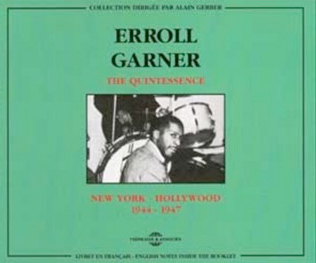
Erroll Garner - St. Louis Blues - 2:37 (Erroll Garner - The Quintessence New York - Hollywood - Associated ZZ)
"St. Louis Blues ”, it is always nice to hear the master playing the music of another master. Hence, Errroll Garner, who performed the famous Blues WC Handy. In this glorious lesson, Garner was helped: Bill Dearago-Guitar and John Livi Jr.-double bass. The record was made in the city of the yellow devil on September 7, 1945.
Undoubtedly, Garner was sleeping not on a normal pillow, but on a pile of notes of French impressionist pianists.
Of course, this is thoughts out loud ...
And where is the swing? Where is the elasticity of jazz? Apparently where heavenly blue disappears, turning into eternity, in the absence of color. But it would be stupid to think that Errol Garner was a composer and pianist Fayf-O-Coboks and hotel halls. I note that in the upcoming little thing he looks like a young ahmad Jamal from the Hall of Piring Hotel, but in both cases it is jazz ... In the end, it is easier to blame Ravel, which constantly blew him towards the new Orleans! N'est pas?

Erroll Garner - It's The Talk of the Town - 6:02 (Erroll Garner - Compact Jazz - Mercury - Polydor)
“It's The Talk of the Town” or, alas, “what everyone is talking about.” Jerry Livingston standard. Erroll Garner - Solo. The dispensing disk that reached Mercury in 1987, that is, ten years after the death of the pianist ...
This is perhaps all for today. Sound engineer of "Time of Jazz" Alexander Arkadyev, author and presenter - Dmitry Savitsky. We will again be in your company in a week on our website www.svoboda.org . Chao, Bai-Bay!