
Translated material
Towards Odyssey and Moses
Wallet of Memoirs of Leo Bakst
Leo Bakst / Leon Bakst . On the 150th birthday. - Exhibition at the State Museum of Fine Arts named after A. S. Pushkin. - June 8 - September 4, 2016
Leo Bakst. My soul is open: Articles. Novel. Libretto. Letters. In 2 books / Ed. J. Bowlet, O. Kovaleva, E. Terkel, A. Chernukhina. -M.: Art-xx I century, 2016 (second edition).
- "Bakst took out from behind the corsage an unknown mask of Chinese babies, who were immediately baptized"
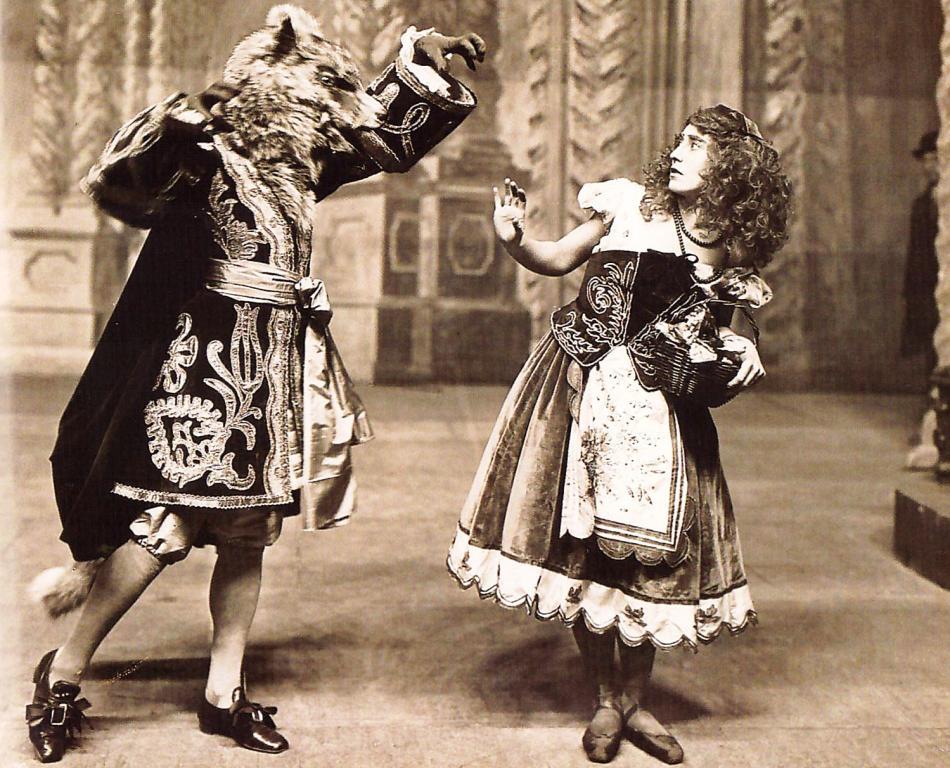
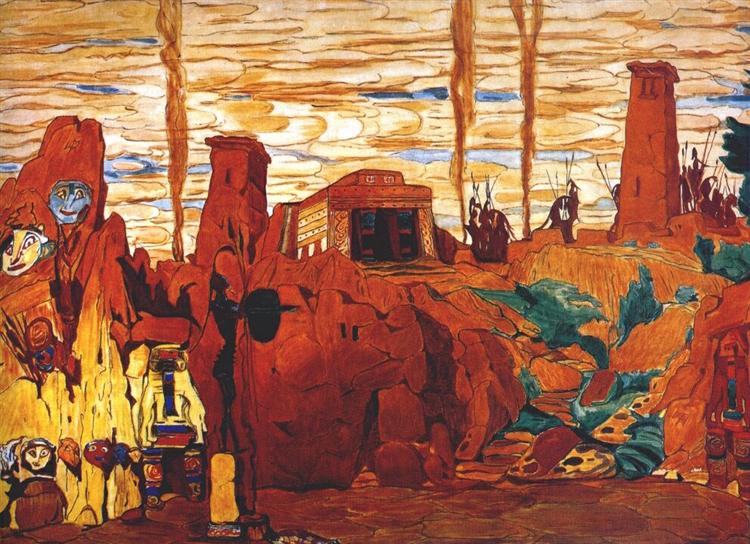
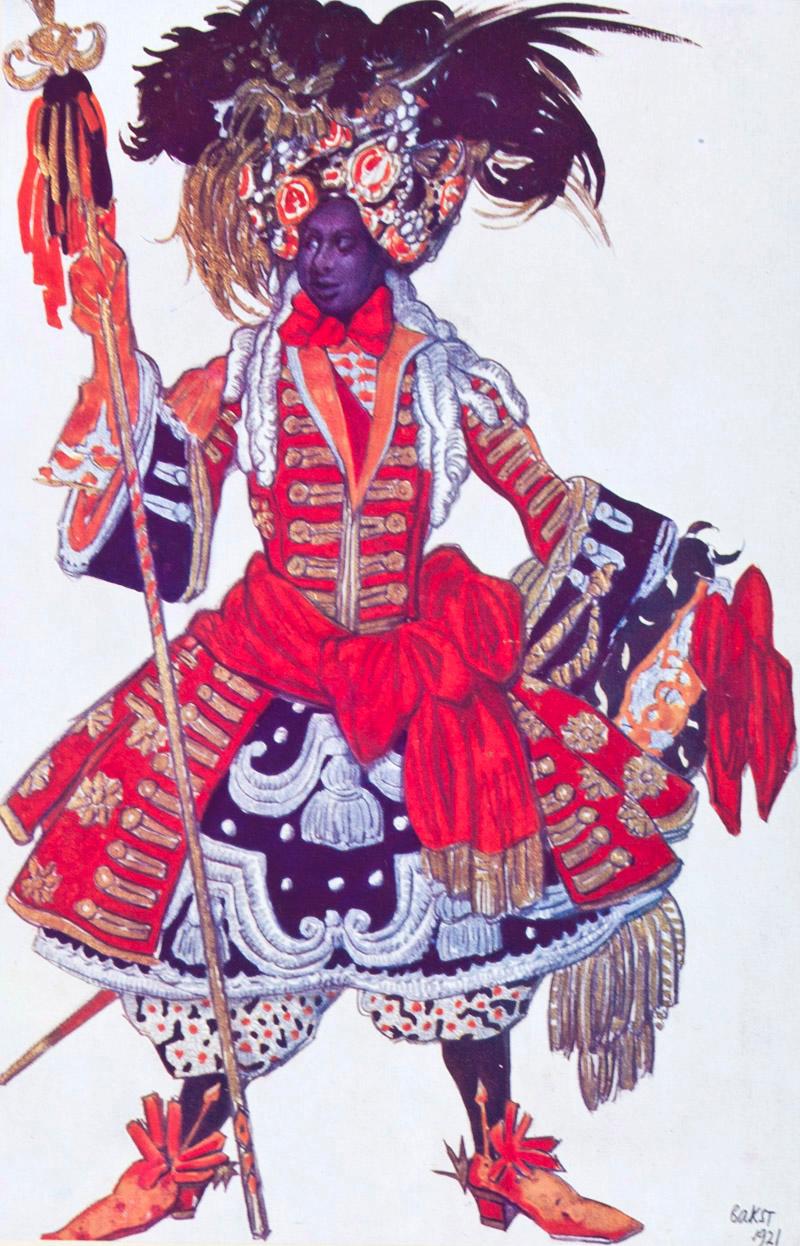
Surrounded by the galloping modernity, Leon Bakst was inclined to look at her with the eyes of Jacques Melancholic, as if at an endless performance. For example, the ordinary Venetian Vedyta was transformed into a drama: “It seemed to me that I am present at the Homeric Netmachia and now the boats will crack, the thousands of light arrows will whip, and, puffing out a huge wet back, letting the fountains of water from under the thyroid asses, will turn the hostile flotilla itself with the bottom of the farm” (I will note that the “zone” - Not so much naval battle as its imitation for the saturated spectators of the "Apostat"). Baksta irresistibly fascinated the stage scaffolds, and his theatrical heritage is huge. The ancient world and the Middle Ages, East and Italy - the theatrical archeology of Bakst was certainly inventive (K. Somov) and elegant (M. Kuzmin), topical and eclectic, in the excellent meaning of these words, since it combined history and ethnography. This is the way the handwriting of a great artist, and it seems appropriate to compare the adaptations of Pazolini with the production of Bakst, if, say, recall the terrible masks, red rocks and a neurotic runner in Elena Spartan. Bakst looked at stage art not only as a practitioner, but also as a theorist and even a prophet. He saw three trends in the theater of his time: the economic, or "Protestant" theater of Gordon Craig, the juggler productions of Max Reinhardt and the tinsel brilliance of the musical Hall. Understanding the importance of cinema, while still dumb, the artist was sure that the pronounced word would be only one of the many artistic means of the "Theater of the Future"; Bakst believed in a mimic drama.
- "The red -haired head takes up a lot of space in the artistic system of Bakst"
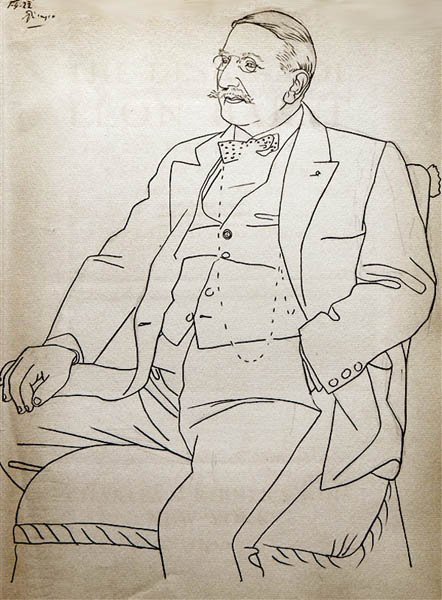
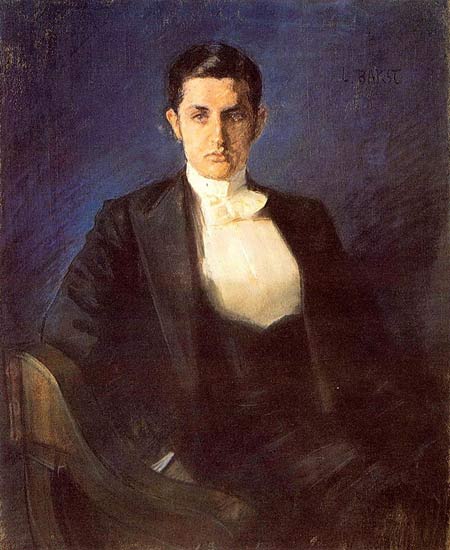
Accepting the world as a theater, Leo Rosenberg (the real name of the hero) was not going to be content with the place of the viewer or the costume of the statist. In the autobiographical novel “Cruel First Love”, written shortly before death and telling about youth, Bakst openly talks about his Westernity and immense ambition: he was arranged only by the roles of the author or director, and the place in the center of events. A fairly accurate psychological portrait of the artist painted Mikh in the necrologist of the Red Newspaper. Kuzmin, Comrade Bakst in the Northern Gafiza and a rather close acquaintance for several years.
"The conscious drawback of some property often leads to an exaggeration of the means of expression. Hence the pursuit of fashion, for innovations that do not go beyond the limits of secularity, for the style of modern (the well-known bias of which could be called the style of Bakst), behind ladies' dresses, behind the noise of the Parisian prime minister, behind the combination of their name with the names of the famous-not always on the same."
Indeed, much oppressed Bakst in his own life: a dysfunctional Jewish origin in the Russian Empire - the kingdom of pogroms, “constant scandals and humiliation from creditors”, the “prenatal” work of the illustrator and teacher (though among his students were the great princes and the great artist - Mark Shagal). It is enough to recall that not only marriage and divorce, but also the legality of the stay of the famous artist in St. Petersburg in 1912 were decided at the level of the Minister of Internal Affairs, and will become clear the "Infutable complex" inherent in Bakst. Being red, the artist firmly intended to stand on a par with Rembrandt, Rubens, Giotto and Caravaggio.
- "There is only art, as Bakst says after cardiac crashes"
From the very beginning, he understood his artistic career as hard work, and not a bohemian life. Back in the 90s, having received an order to write a picture of the Russian-French military union, Bakst makes countless sketches of the history of the Parisian visit of Admiral Avlan, writes about "hellish work, but terribly fascinating and virtuous." He worked on this canvas for about ten years, and how the experience gained came in handy later, in theatrical projects, when it was necessary to invent and make dozens of scenery and costumes in a short time. In general, the theater Bakst knew from the inside, like Shakespeare. "You can put forward one curtain, darken another and give a different light to each cululis and Sofit. This is a huge power! True, these whores want dancers to ensure that their diamonds and moles are always clearly visible, but you can fight it."
He felt his life as a series of areas and names, and called himself "a wallet of memories and impressions." And the artist’s wallet did not resemble a pantry of a baron from “little tragedies”, on the contrary, Bakst generously devastated him. The implementation of some ideas was prevented by death, for example, by the production of an "idiot". Only on the pages of the novel, the “Hospital Dostoevschina” was preserved: a staircase seated with cats, a woman bent in an arc, like a hidden beast, fast flies crawl along a body covered with sheets.
The correspondence of the Bakst is full of well -alerted sketches of the artist, later embodied on the canvas:
“But here I spoke with him about his unfortunate attachment. How his face revived, which the fire ran in his eyes - the pose is confident, impudent, thoughtful and decisive” (about Sergey Diaghilev).
"The rampant passions that break on stone equanimity and legendary cruelty" (about the ideal Rubinstein).
In his work, Bakst strove for the synthesis of naive and archaic art and children's drawing; The most important properties was “sincerity, movement and bright, pure color”, therefore, he was attentive to Gauguin’s works, Matisse (the well -known influence of Bakst’s work on Matisse) and Denis were noted.
"My method is to, choosing a simple motive, endlessly vary it, thus creating the harmony of color and lines." Mih. Kuzmin, who edited some articles by Bakst, wrote that "he often replaces the elegance and novelty of the content with the elegance and confidence of the stroke."
- "Both peoples - Jews and Hellenes - were terrible brawls"
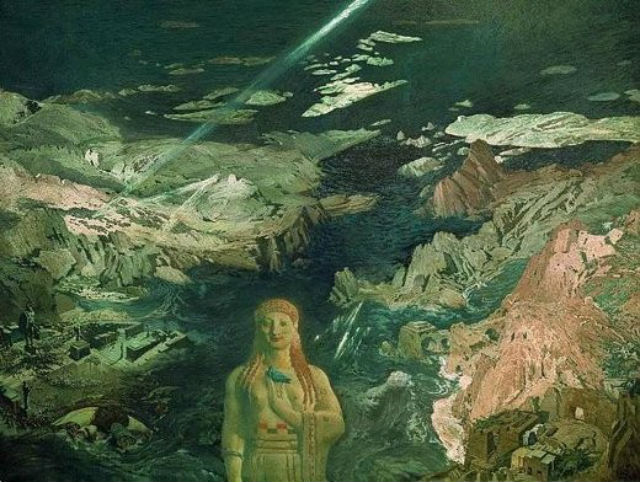
The hero understood that in order to achieve success in life, not only labor and talent were needed, one should also find and develop the properties of the mind and character. Perhaps the stage event was his journey in 1907 from the shaft. Serov in Greece, not without reason Bakst even published memories of him. His lengthy letters to Walter Nuvel were preserved, in which the artist compared the history, culture and beliefs of Jews and ancient Greeks. Firstly, Bakst indicates the piety of both peoples: "A pious person was preferred by them, and he was respected and afraid most of all." Bakst remembers the piety of Abraham and mentions the piety of Nikia - the unsuccessful leader of the Athenians expedition to Sicily (in the letter the Buhmst’s grinding: Kimon instead of Nikia; in the comments it was worth noting). Secondly, Bakst writes about the desire for wisdom, that both people "hated rash, hot acts." In ancient Greek literature, the national assembly, warriors and interlocutors comprehensively ponder, silently and out loud, important issues and news. "In some tragedies, this slowness in the decision, despite the horror of the scene, reaches comic. Agamemnon is cut nearby in the palace, like a young pig, and the choir is divided into two parts: one doubts how to act, and the other drives to intervene in the massacre." Thirdly, Bakst speaks of the inherent Jews and the Hellenes of cunning, bordering on treachery. He recalls Moses, who allowed him to attack the enemy, despite the holiness of the Saturday. He recalls the Greeks, who tried to deceive even the gods: "Your Prometheus and he wanted to pout Zeus, slipping him instead of human victims only the skin and the bones of the calf, covering this rubbish with a piece of good fat." The personification of the ideal Ellin Bakst calls Odyssey, the son of Laerta, retelling, not without indignation, the story of how Ulysses destroyed the smart, but honest palaamed.
- "Paris sniffed in me a colorist"
A native of the Russian Empire, Leo Bakst began with the conquest of the capital of St. Petersburg. He became one of the "pioneers" of the "world of art", along with Benoit, Somov, Serov, Golovin. Interesting informal and later statement about this group of Mic. Kuzmina: “After the cessation of the“ world of art ”, they generally connected with the Symbolists (“ Libra ”,“ Golden Fleece ”), although their behavior was different. They partly“ Pushkinianism ”consisted in unwillingness to seem to be artists of the Mazilkins and try to be secular people. Knowledge, feelings, passions, everything is slightly within decency. Perhaps a rather filter direction.”
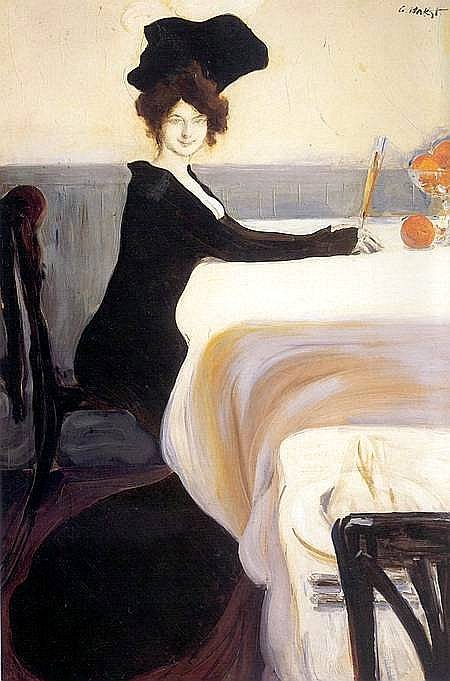
The story of the famous picture of Bakst "A lady in a restaurant (dinner)", exhibited in 1903, is characteristic. It can be called the quintessence of the Russian modern and its symbolic image. The female figure, devices and a tablecloth correlate with the columns, lamps and stairs of the projects of Shekhtel and Kekushev; The picture appears in the plots of the symbolic theater ("stranger", "little actresses"), literature ("snow mask"), music ("chimes of love"). The author was awarded the high -society reproachful of scasteness and playfulness, the newspapers called him a pornograph, and, despite the well -deserved fame, Bakst buried himself in insurmountable boundaries, felt the inability to raise the “iron board”. Petersburg in the revolutionary 1905 seemed truly interesting, when Bakst entered the editorial board of the Grzhebinsky magazine Zhupel, intending to hold on to "sociality, modernity, rigidity." The correspondence of Bakst is full of optimistic maxims: “Not a noise; armed with courage, for another 2-3 years, and Russia will be full of free, noble people, and not reptile, frightened schoolchildren who are not, and they will get out!” But, as you know, all three issues of Zhupel were prohibited, and the Russian revolution choked.
What kind of abomination now I will write, everything will be considered magnificent
The Triumph was waiting for Bakst in Paris, as one of the main authors of the “Russian seasons” of Diaghilev and the legendary performances “Cleopatra”, “Blue God”, “Scheherazada”, “Office Rest of the Faun”, soon awarded the personal exhibition in the Museum of the decorative art of the Louvre (1911).
“Look, Lyubasha, here I am at the goal: recognition, incredible, incomprehensible, in the center of the world - Paris; where all day everything that is glorious on the globe in painting, music, literature - and I am very sad and difficult and lonely. I know that I have already reached and that now I will write an abominations, everything will be considered magnificent.”
Since that time, Paris is inexorably displaced by Petersburg, and the West - Russia, in the minds of the artist ("I do not want to humiliate Russian plots on purpose, so that they bought me in Russia"). Perhaps this choice worried Bakst all his creative life. The already mentioned novel tells about the passionate love of the young Bakst and the French actress of the Mikhailovsky Theater Marcel Josse (in the book - Lucien Markade). Both the author and the heroine are alarming the book idealism of a Russian person, unable to and actually stand on someone else's point of view, his dogmatism and unbridled, finally his vices ("their two then: he and wine; you love the other and you will not understand who is in front of you"). Baksta and Russian spirituality are afraid: "Cold Cathedral, a white community, crowned with burning crosses, stole angrily in all directions of cast -iron black mouths of guns." The heroine exclaims that she was born free and does not want to be under "your Russian heel"! And Lev Bakst, in general, without regrets followed the example of his former lover: “How I entered the“ Salon ” - it immediately suffered with high -Kaloshs, Liteiny Avenue, Pirozhkov and the devil knows what kind of piercing Petersburg rubbish” (about visiting the Parisian apartment of Merezhkovsky).
6. "How he was afraid of death all his life!"
It is logical to assume that the issues of piety and the faith of Bakst were very concerned. "How is it strange to think that it is possible to solder the Old and New Testament! Is it possible to unite life and death? Tolstoy does not hide that in the crown of Christianity - death. He is asked with fright, because the human race will stop? Yes, it will stop, and the glory of Christ. No, my heart is trembling with delight at the sight of a majestic struggle with death and oblivion.
The artist hoped that human life could save art and love. Much has already been said about art, now about love. The "Cruel Roman" with Marseille Jossa taught the hero that you cease to be one in love, you live only half, from a meeting to a meeting. In the winter of 1902–03, Bakst became interested in the love of Grishchenko, the daughter of the famous Pavel Tretyakov. In very ardent letters, the artist throws his ideal of the family hearth: “When I think about you, the future seems to me as if a frantic dance of wind and trees; my face is blowing, but I cover a small dwelling, where my dear kitty - Lyuba!”
Lyubov Pavlovna reciprocated, but the “ears of the slop” were poured onto the heads of the lovers and the “gossip box” was dropped. The groom was a rootless Judea and an artist, a bride - a rich widow with a little daughter. But, when the obstacles were behind and the marriage was concluded, family happiness did not work. Almost all seven years of marriage, the husband and wife lived separately, despite the birth of a beloved son and the assurances of Bakst that "Andryusha sanctified our union." Думаю, что точнее всего описал историю романа Льва и Любы Александр Бенуа, вспоминавший премьеру "Феи кукол" в феврале 1903 года: "Любовь Павловна висела в своем новомодном парижском платье и огромной черной шляпе: фигура ее на холсте была аккуратно вырезана и пришита к общей "падуге" среди всяких паяцев, кукол, барабанов, мячей, тележек и прочих toys ".
The bride among toys - Lyubov Bakst did not agree to this role and achieved a divorce in 1910. Good relations between the former spouses were preserved, and after the wars and revolutions, Bakst managed, with great difficulty and with the help of the American government, to rescue his wife and son from Soviet Russia.
In general, over the years, Bakst was more and more like the Old Testament Patriarch, surrounded by numerous relatives ("I am faithful by nature, and if I give anyone my heart, then forever"). There must be, communication with the younger nieces, the hope of reuniting with his son created the illusion of eternity in the soul of the artist, as if they were given away "a complaint of death."
The “ancient horror” before the disappearance was relentlessly tormented by Bakst: “A foreboding of the future grief, which unknown to me the first sprouts among the hard -waking up spring, decomposed snow, pardon, under the shameless growl and the final disgusting vomit of my counselor in the fog.” From this, nervous exhaustion, and the "wrong fight of the heart", and a fairly early death. “Spasm, like the killer’s fingers, began to strangle his throat,” the artist wrote a year before the death.
- "Burial sunset chord"
The irreversibility of the past and the fear of the future naturally associated Bakst with the current moment: "When the clock and mirror remind of the satanic speed of time, bitter thoughts awaken that the only significant minute is today." Perhaps here you can catch the similarity between the artist and other expert and connoisseur of the theater, interior and costume - Oscar Wilde. Bakst’s desire for success and beauty “here and now” resembles the implementation of the project “Portrait of Dorian Gray”. Bakst and Wilde bring together a peculiar model of family life.
I already cited Kuzmin's memoirs about the Union of Miriscus and Symbolists. And it must be said that Bakst, so admired by Vrubel, despite all the wisdom, cunning and pragmatism, was and remained a symbolist. Bakst wrote about the work on Scheherazada: “I contrasted a gloomy green color with a complete despair of blue. Red color is triumphant and executing. The blue color recalls the remission of sins of Magdalene and the exposure of the messalins.” Of course, this passage is close to the famous lines of Rimbae about vowels and colors. The impression of the Siamese dance was brought by exotic winds that directed sea trips - entertaining and cabinet - Baudelaire, Rimbo, Mallarme.
In general, Bakst has a lot in common with Mallarm - a formalist, a master of interiors, saying that he writes almost exclusively “on occasion”, in other words, “to order”. Both of them were indifferent to windy women with copper-golden hair and careless hands (Mary Laurent and Marcel Josse). Finally, in the late poem “Throw of Bones”, Mallarma came close to the synthesis of art, subordinating poetry to spatial laws.
The facial dramas and mystical film scores of Bakst were also attempts by synthetic creativity. An honest artist always tried to follow the inner voice, and not earthly well -being and the middle of the middle!